

Key Takeaways
Treat porn as concentrated arousal that cannot supply the intimacy it imitates
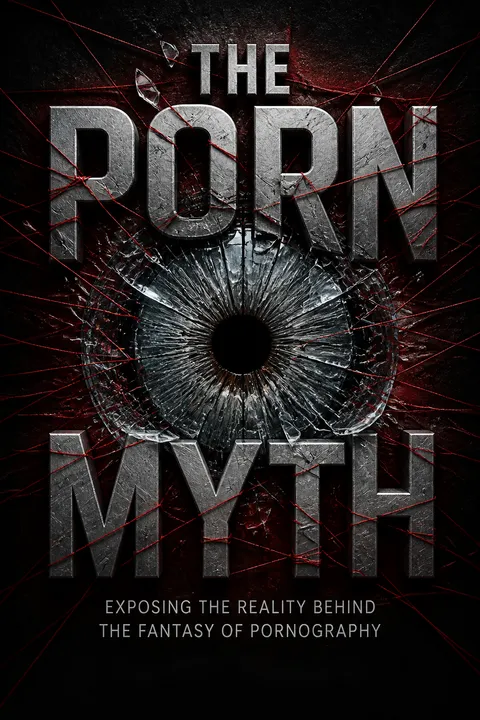
A vivid central metaphor. The book opens with a moth-control experiment: scientists flooded forests with synthetic pheromone, overwhelming male moths until they could no longer respond normally to the scent of real females. Fradd uses this as an analogy for pornography: a powerful, highly available sexual stimulus that can crowd out interest in real intimacy. He defines pornography by its intended function, material that depicts sexual activity to produce erotic arousal.
A relational view of sex. The book argues that human sexuality is not only a route to physical pleasure, but also a way of connecting with another person. It points to pair bonding and the neurochemicals involved in attachment as part of that picture. On this account, porn offers sexual stimulation while omitting the mutual attention, vulnerability, and care that give intimacy its deeper meaning.
The moth image makes a complicated argument memorable: intense stimulation can change what feels salient, not merely what feels pleasurable. That idea connects to research on attention and reward learning, where repeated cues can become unusually compelling. The analogy is illustrative, though, not proof that human sexuality works exactly like moth behavior. Nor does biology by itself establish one exclusive moral purpose for sex. The book is strongest when it invites readers to ask what kind of connection a medium encourages, rather than treating a biological account as the final word on every person's sexuality.
Judge sexual media by its purpose, not its respectable packaging
Labels can disguise function. The book challenges the idea that erotic material becomes harmless when it is called art, erotica, soft-core, or entertainment for adults. Its distinction rests chiefly on intent: a work designed primarily to arouse differs from a work created to explore beauty or meaning, even if both contain nudity. That boundary can be difficult to draw, but a tasteful label does not settle the question.
The audience is broader than assumed. Fradd also rejects the idea that porn is only a male habit. He cites a 2014 report from a major porn site that counted women as 23 percent of its viewers. The point is not that all women use porn in the same way, but that private access and niche genres have made consumption less tied to the old image of a male-only audience.
A useful media-literacy question is not simply, “Is this explicit?” It is also, “What response is this made to produce, and whose perspective does it center?” That question travels well beyond pornography, into advertising and entertainment designed to turn attention into consumption. Still, intent alone can be hard to establish, and art can provoke arousal without being reducible to it. The book's functional test is best treated as a lens for scrutiny, not a neat rule that resolves every disputed image or story.
Consent matters, but it does not erase coercion or market power
The industry is not one story. Fradd acknowledges performers who describe porn as work they chose and value. He contrasts those accounts with former performers who report pressure from agents, painful or injurious scenes, threats, and difficulty refusing what a production demands. The book also questions whether testing for a limited set of infections makes a workplace safe when physical and emotional risks remain.
Choice needs context. A decision can be voluntary in a narrow sense and still be shaped by financial desperation, past abuse, or unequal power. The book argues that a market built around selling sexual images may reward what draws consumers, not what protects performers. It makes a related point about free viewing: clicks, traffic, and ad impressions can still generate revenue even when viewers never pay for a subscription.
This distinction between consent and conditions of consent is important in labor ethics, not just sexual media. A signed agreement matters, but it cannot by itself reveal whether a worker has safe alternatives, bargaining power, or a practical ability to stop. At the same time, performers should not be treated as a single, voiceless group; their own accounts differ, and that diversity deserves to be taken seriously. The strongest version of the book's critique examines workplace incentives and safeguards without assuming that every participant experiences the industry identically.
Scrutinize the sexual scripts porn normalizes, not only criminal outcomes
Fantasy can teach conventions. The book's argument is that people learn by observing, even when they know a scene is staged. It cites an analysis of 304 scenes in popular pornographic videos: about 88 percent contained physical aggression, and in 95 percent of aggressive scenes, the recipient appeared neutral or positive. The author uses these findings to argue that some widely viewed material presents aggression as ordinary or welcomed.
Influence is not destiny. Fradd does not claim that watching porn makes every viewer violent. He describes research connecting some kinds of porn use with rape-myth acceptance and sexual aggression, particularly among people already at higher risk. He disputes the claim that porn prevents rape, noting that a decline in reported rape alongside rising internet access cannot establish that porn caused the decline.
The focus on scripts is valuable because social influence often works through small shifts in what seems normal, desirable, or worth questioning, not through direct imitation alone. That makes consent and empathy relevant even when criminal behavior is rare. The cited content analysis, however, concerns a defined sample of popular videos, not every genre or viewer's response. Correlations between media use and aggression also leave room for self-selection and other influences. The evidence supports careful attention to portrayals, but broad claims about what porn causes require more restraint than the book sometimes gives them.
Repeated novelty can condition arousal toward screens and scripted expectations
The brain learns its cues. The book describes sexual arousal as a learning process: images and situations repeatedly paired with pleasure can become cues for future craving. Internet porn offers rapid access to novelty, so users may keep searching rather than settling on one image. Fradd cites brain-imaging research in which heavier use was associated with differences in reward-system activity and brain structure. These findings suggest possible adaptation, but they do not, by themselves, establish what caused those differences.
Real intimacy may feel different. The book also reports clinicians and users describing trouble becoming aroused with partners while responding readily to porn. It presents these accounts as a warning that learned expectations can affect partnered sex, not as proof that every viewer will develop dysfunction. The broader claim is that sexual attention can be shaped by repeated patterns of stimulation.
Learning theory helps explain why an experience can be “only a screen” and still influence attention: the brain responds to repeated associations, not just to a person's conscious beliefs about reality. Novelty may also reward continued searching, which makes a digital feed different from a single erotic image. Yet brain scans are snapshots, not recordings of cause and effect. Preexisting traits may influence both media habits and brain measures. The book's conditioning account is plausible, but its strongest practical use is as a hypothesis to test against a person's own behavior and wellbeing.
Marriage cannot cure a habit built around endless novelty
More sex is not the same as less compulsion. Fradd compares porn use to compulsive gambling: what holds the gambler may be the chase and the imagined payoff, not simply the money. In a similar way, the book argues, porn can offer a cycle of anticipation and novelty that a partner cannot reproduce on demand. A marriage may provide intimacy, but it does not automatically change that pattern.
Do not assign the habit to a spouse. The book rejects claims that a partner's appearance, sexual availability, or reluctance caused someone's porn use. It describes partners feeling rejected, betrayed, or pressured to imitate scenes they did not choose. Studies cited in the book associate porn use with lower relationship commitment or satisfaction, though these associations do not prove that porn alone caused the problems.
This section is useful because it separates a relationship's sexual frequency from the psychology of a repetitive habit. Blaming a spouse turns an individual's behavior into someone else's job to prevent, which can intensify shame and resentment without addressing the pattern. The gambling comparison clarifies the role of anticipation, although it should not imply that porn use and gambling are identical disorders. Relationship studies also need care: conflict can precede media use, follow it, or reinforce it. The sound advice is to examine behavior honestly without making a partner responsible for it.
Seek help when porn use repeatedly overrides your intentions and responsibilities
Compulsion is about impairment. Fradd argues that porn can become a behavioral addiction because addictive patterns need not involve an ingested substance. He points to cravings, escalating use, repeated failed efforts to stop, and continued behavior despite harm. The book cites dopamine and reward-learning research to explain why a behavior can become difficult to control. It also notes that the formal status of sex addiction was disputed: the American Psychiatric Association did not recognize it as a diagnosis in the period covered by the book.
Do not confuse libido with disorder. Not everyone who watches porn is addicted, and a label does not excuse deception or harm. The book also challenges the idea that men must masturbate for health, arguing that evidence for specific benefits is mixed and that abstaining is not known to cause illness. Its key distinction is between ordinary sexual desire and a pattern that feels increasingly difficult to govern.
This is a more useful way to discuss addiction than relying on a label alone: ask about control, consequences, distress, and the person's ability to change. Behavioral addictions show that substances are not the only route to compulsive reinforcement. Still, the diagnostic disagreement matters. Self-identification as “addicted” can help someone seek support, but it can also obscure depression, trauma, relationship conflict, or other drivers that need care in their own right. A careful assessment should take impairment seriously without assuming that one explanation fits every person.
Protect children with conversation, boundaries, and modeled affection
Protection takes more than filters. The book cites a study reporting that 93 percent of boys and 62 percent of girls had encountered porn before age eighteen. These are figures from the research available when the book was written, not a guarantee about every child or a current universal rate. Fradd recommends filtering and monitoring devices, keeping phones out of bedrooms at night, and teaching children what to do if explicit material appears.
Prepare, do not only restrict. Parents should discuss bodies, consent, media messages, and the difference between sexualized images and caring relationships in age-appropriate language. The book urges adults to model respect in their own media choices and relationships. It favors firm rules paired with warmth and explanation, rather than either permissiveness or punitive surveillance.
The strongest parenting idea here is layered protection: reduce easy access while building the judgment a child will need outside the home. Media literacy works best as an ongoing conversation, not a single warning delivered after a crisis. Monitoring can support safety, but secrecy and humiliation can make disclosure harder if a child does encounter explicit material. Rules should therefore be transparent, proportionate, and paired with reassurance that a child can ask for help without being treated as the problem.
Interrupt the path to porn before craving becomes an automatic click
Notice the sequence early. The book uses the term “activation sequence” for the chain that can lead to porn use: a trigger, an emotional response, an initial thought, bodily preparation, an internal struggle, and the behavior itself. A trigger might be sexualized media, but it could also be stress, rejection, or loneliness. Recognizing and naming the moment can create room for a deliberate choice.
Plan while clear-headed. Fradd recommends identifying personal triggers, removing avoidable access points, and deciding in advance what to do instead. A plan might mean leaving the room, going outside, or contacting a trusted person. He advises setting manageable goals for the present day rather than making a sweeping promise about the rest of one's life. The purpose is not to erase sexual desire, but to change how it is acted upon.
The sequence translates a vague struggle into observable steps, a strength shared by cognitive-behavioral approaches to habits. Naming a cue can help separate an impulse from an action, while changing access reduces reliance on willpower at the worst moment. The model is a map, not a universal script: people may skip steps, experience them differently, or need professional support for trauma or compulsive behavior. Environmental changes and self-awareness work best when paired with practical support, not treated as a test of moral toughness.
Rebuild trust through visible safeguards, patience, and accountable behavior
Promises are not enough. For a spouse hurt by secret porn use, the book describes betrayal as a serious relational injury, not a problem solved by a quick apology. It urges the person who caused the harm to acknowledge deception, take responsibility without blaming a partner, and accept that trust may return slowly. Practical safeguards can include removing access points and making technology use more transparent.
Recovery should not become another secret. Fradd recommends support from a counselor, trusted peers, or a recovery group, while keeping the spouse informed about the plan and its progress. He also advises patience with the injured partner and rebuilding closeness through ordinary care, conversation, and nonsexual affection. The book presents recovery as possible, but no single checklist can guarantee that a relationship will heal.
Trust is rebuilt through observable consistency because betrayal changes what words can reasonably be believed. Transparency can help, but it should not turn a spouse into a monitor or substitute for treatment and personal responsibility. The injured partner also needs agency, independent support, and room to decide what safety requires. This approach respects both sides: repair demands sustained change from the person who concealed the behavior, while reconciliation remains a choice rather than an obligation.
Analysis
The Porn Myth is an advocacy-driven book organized as a sequence of challenges to familiar defenses of pornography. Its throughline is not simply that some users experience problems. Fradd argues that pornography alters the meaning of sex by separating arousal from mutual recognition, then asks readers to judge the industry and its media by the consequences of that separation. The opening moth analogy gives this argument an unusually clear image: synthetic intensity can interfere with responses to ordinary stimuli.
The book's best contribution is its range. It connects private habits to commercial incentives, performer working conditions, relationship trust, youth exposure, and the sexual scripts media can normalize. Its recovery advice is concrete, especially the emphasis on identifying triggers, changing access, seeking support, and measuring change through behavior rather than promises. It also makes an important distinction between opposing pornography and opposing sexuality, a distinction that helps keep the debate from collapsing into a contest between prudery and permissiveness.
Its evidence needs more careful handling than its rhetoric sometimes allows. Much of the research it cites is correlational, relies on self-report, or examines people already experiencing problems. Those designs cannot reliably establish that porn caused a given brain difference, sexual difficulty, or relationship outcome. The book's claims about addiction also sit within a genuine diagnostic debate, not a settled consensus. At the same time, uncertainty about causation does not mean media has no influence, and industry incentives and performer accounts raise questions that brain imaging cannot settle.
The most durable reading is therefore two-part: take seriously the possibility that repeated sexual media can shape attention, expectations, and habits, while evaluating each empirical claim according to the quality and limits of its evidence. The book's moral argument about intimacy remains intelligible even where its scientific certainty exceeds what the studies can establish.
Review Summary
The Porn Myth receives mixed reviews, with many praising its non-religious approach to critiquing pornography using scientific studies and personal anecdotes. Readers appreciate the debunking of common myths and the practical advice for overcoming addiction. However, some criticize the author's religious bias, selective use of evidence, and preachy tone. The book is lauded for its insights into the harmful effects of pornography on individuals and relationships, but some find it lacks nuance and fails to fully explore alternative perspectives.
People Also Read





Glossary
activation sequence
Steps leading to porn useThe book's name for the chain of events that can precede porn use: a trigger, an emotional response, an initial thought, bodily preparation, an internal struggle, and the behavior. Recognizing the sequence is meant to help someone interrupt it before the habit becomes an action.
hypofrontality
Weakened executive controlA term used in the book for reduced functioning in frontal brain systems involved in planning, judgment, and impulse control. Fradd applies it to addiction, arguing that compulsive reward-seeking can make self-regulation harder. The term describes a proposed neurological pattern, not a diagnosis that can be inferred from a person's porn use alone.
permission-giving beliefs
Thoughts that excuse behaviorBeliefs that make a behavior seem normal, harmless, or justified, such as assuming that all men use porn or that porn is preferable to infidelity. The book argues that these rationalizations can reduce the discomfort that might otherwise prompt someone to reconsider a habit. They may also reflect social expectations, not simply an individual's private reasoning.
Miller test
Three-part obscenity standardA U.S. legal test established in Miller v. California in 1973. It asks whether, under contemporary community standards, a work appeals to prurient interest, depicts sexual conduct in a patently offensive way, and lacks serious literary, artistic, political, or scientific value. The book uses the test to illustrate how law attempts to distinguish protected expression from obscenity.
behavioral addiction
Compulsive reward-seeking behaviorAn addiction-like pattern centered on a behavior rather than an ingested substance. In the book's discussion, repeated porn use may become compulsive when craving and reward-seeking persist despite negative consequences and repeated attempts to stop. Fradd draws on addiction frameworks that include behavioral patterns, while acknowledging that sex addiction's formal diagnostic status was disputed.
FAQ
What's The Porn Myth about?
- Debunking Myths: The Porn Myth by Matt Fradd aims to debunk common misconceptions about pornography, arguing that it is not harmless entertainment but has significant negative effects on individuals and society.
- Impact on Relationships: The book discusses how pornography can damage intimate relationships, leading to decreased sexual satisfaction and increased infidelity.
- Cultural Critique: Fradd critiques the normalization of pornography in modern culture, emphasizing its role in shaping unhealthy sexual attitudes and behaviors.
Why should I read The Porn Myth?
- Informed Perspective: The book provides a well-researched understanding of the harmful effects of pornography, backed by scientific studies and expert opinions.
- Personal Growth: It encourages readers to reflect on their own consumption of pornography and its impact on their lives and relationships.
- Cultural Awareness: Reading this book can help individuals understand the broader societal implications of pornography and inspire them to advocate for healthier sexual norms.
What are the key takeaways of The Porn Myth?
- Pornography is Harmful: The book argues that pornography is not just a personal choice but has detrimental effects on mental health, relationships, and societal views on sex.
- Addiction Potential: It discusses how pornography can be addictive, similar to substance abuse, leading to compulsive behaviors and negative consequences.
- Need for Open Dialogue: Fradd emphasizes the importance of discussing pornography openly, especially with younger generations, to combat its pervasive influence.
What are the best quotes from The Porn Myth and what do they mean?
- Visual Pheromone: “Pornography is a visual pheromone, a powerful 100 billion dollar per year brain drug that is changing human sexuality.” This highlights the addictive nature of pornography and its profound impact on sexual behavior and relationships.
- Shows Too Little: “The real problem with pornography isn’t that it shows too much but that it shows too little.” This emphasizes that pornography reduces human beings to mere objects, stripping away the depth and intimacy that should accompany sexual relationships.
- Commodification Warning: “If we become a civilization that sells people, we cannot be happy people.” This quote warns against the commodification of sex and its implications for human dignity and societal well-being.
How does The Porn Myth define pornography?
- Explicit Material: Fradd defines pornography as visual materials containing explicit displays of sexual organs or activities intended to arouse erotic sensations rather than aesthetic appreciation.
- Commercial Aspect: He emphasizes that pornography is not just about sexual content but is also a commercial enterprise that commodifies human sexuality.
- Cultural Implications: The book argues that pornography shapes societal norms and expectations around sex, often in harmful ways.
What are the effects of pornography on relationships according to The Porn Myth?
- Decreased Intimacy: The book states that pornography can lead to lower levels of sexual satisfaction and emotional connection between partners.
- Increased Infidelity: Fradd notes that porn consumption is linked to higher rates of infidelity, as it creates unrealistic expectations about sex and intimacy.
- Communication Breakdown: Regular porn use can hinder open communication about sexual needs and desires, leading to misunderstandings and resentment.
How does The Porn Myth address the issue of pornography addiction?
- Addiction Parallels: Fradd draws parallels between pornography addiction and substance abuse, explaining how both can hijack the brain's reward system.
- Signs of Addiction: The book outlines common signs of porn addiction, such as compulsive use, tolerance, and withdrawal symptoms when not using.
- Need for Recovery: It emphasizes the importance of recognizing porn addiction and seeking help, as it can have serious implications for mental health and relationships.
What does The Porn Myth say about the impact of pornography on youth?
- Early Exposure: The book highlights that children are increasingly exposed to pornography at a young age, often without parental knowledge or guidance.
- Distorted Views on Sex: Fradd argues that this exposure shapes their understanding of sex, leading to unrealistic expectations and unhealthy attitudes toward relationships.
- Need for Education: He stresses the importance of educating youth about the realities of pornography and its potential harms to counteract its influence.
How does The Porn Myth differentiate between erotica and pornography?
- Intent and Purpose: Fradd explains that erotica is often created with artistic intent and aims to celebrate sexuality, while pornography is primarily designed for sexual arousal.
- Cultural Perceptions: The book discusses how society often blurs the lines between the two, leading to misconceptions about their effects and purposes.
- Potential Harms: Despite some claims that erotica is a healthier alternative, Fradd warns that it can still perpetuate harmful attitudes toward sex and relationships.
What solutions does The Porn Myth propose for addressing pornography's impact?
- Open Dialogue: Fradd advocates for honest conversations about pornography, especially within families, to educate and empower individuals.
- Media Literacy: He emphasizes the need for media literacy programs that help young people critically analyze the sexual content they encounter.
- Support Systems: The book encourages the establishment of support systems for those struggling with porn addiction, including counseling and community resources.
How does The Porn Myth suggest parents protect their children from pornography?
- Active Monitoring: Fradd advises parents to actively monitor their children's media consumption and set clear boundaries regarding internet use.
- Open Communication: He stresses the importance of discussing sexuality and the potential harms of pornography with children from a young age.
- Modeling Behavior: The book encourages parents to model healthy relationships and attitudes toward sex, creating an environment where children feel safe discussing these topics.
What specific steps does The Porn Myth suggest for rebuilding trust?
- Acknowledge the Wrong: Fradd emphasizes the importance of a sincere admission of wrongdoing, recognizing the emotional harm caused to the partner.
- Purge Access Points: The book advises individuals to eliminate all potential access to pornography, demonstrating commitment to change.
- Encourage Spouse Support: Fradd suggests that the partner affected by pornography should also seek support, whether through counseling or support groups, to promote healing for both partners.
Download PDF
Download EPUB
.epub digital book format is ideal for reading ebooks on phones, tablets, and e-readers.








