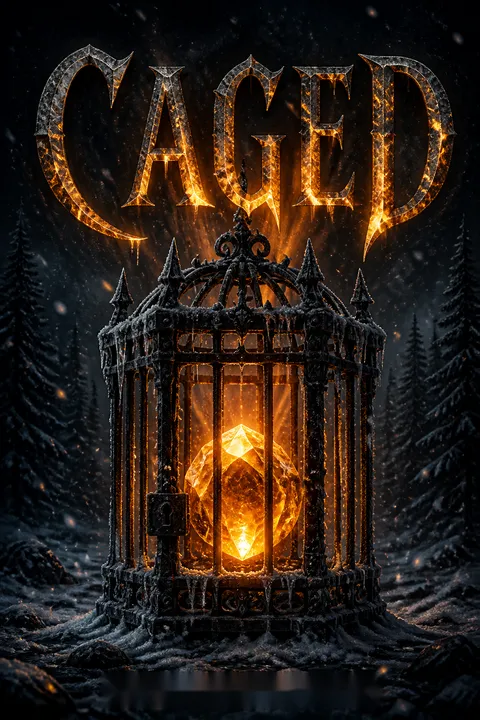


Plot Summary
Fingers for a Contract
Mila Sidorova, a Russian retrieval specialist, leaves a hidden Siberian vault with a stolen SIM card when her cousin Tyler reports that her younger brother, Daniil, has been abducted. Before Tyler can explain who took him, a vehicle slams into Mila's car and armed men drag her away. Ivan Volkov, a powerful crime boss, has Daniil brought in and cuts off one of his fingers to force Mila's obedience.
He demands that she travel to Las Vegas, recover a cache of diamonds, and kill his own son, Nikolai, whom he identifies as the man who took them. Mila accepts because Ivan still has Daniil, and every delay brings another mutilation. The job begins as a bargain made under threat, not a choice.
Mila's competence is established before her vulnerability: she gets into a guarded vault, takes what she was sent for, and is then made powerless by a threat to someone she loves. Ivan turns kinship into an instrument of coercion, converting Mila's protective instinct into a weapon aimed at another family. The severed finger makes the cost immediate and bodily. Her acceptance is not allegiance to Ivan, but a survival calculation. That distinction becomes the moral hinge of the story: Mila can perform obedience while privately trying to preserve the people caught inside the assignment.
The Volkov War
In Las Vegas, Nikolai balances crime-family warfare with raising Elena, his seven-year-old daughter. His wife, Katerina, died violently five years earlier, and he still measures each day against the loss she left behind.
His brother Mikhail directs their struggle against the Reapers, while Nikolai, Jax, and the erratic but loyal Alexei handle the bloodier work. After Reapers attack their territory, the men capture a costumed assailant. A tattoo on the prisoner bears the mark of Ivan, Nikolai's estranged father.
Nikolai tortures the man for information and learns that Kirill, Ivan's intermediary, is in Vegas. The clue connects the Reaper war to the father Nikolai has spent years trying to escape, and turns an old family feud into an immediate threat.
Nikolai's public brutality and private fatherhood are not separate selves so much as competing duties. He can kill a prisoner without hesitation, then return to worries about Elena's hair and sweets. Katerina's death has made grief a governing habit: he protects his daughter by keeping the rest of the world at a distance. The tattoo punctures that arrangement. Ivan's reach has crossed into the life Nikolai built in Las Vegas, so his conflict is no longer only about territory. The crime plot presses directly on his attempt to make a safe, smaller world for Elena.
Melissa's Staged Rescue
Mila follows Nikolai through Vegas and watches him fight with a force that makes her question whether she can overpower him. Ivan's operative Kirill gives her a photograph of Daniil's injured hand and a warning to finish quickly.
Mila and Tyler then steer Reapers toward a bar protected by Nikolai's people. When Nikolai arrives, he finds Mila battered in the melee and pulls her out of danger. She introduces herself as Melissa and invents a story about being abducted and abused, then refuses a clinic because she claims her captors have contacts there.
Nikolai takes her to a secure house instead. The rescue is the opening Mila engineered, but the care he gives her is not part of her plan, and she must now live close to the man she was sent to kill.
The rescue establishes the story's central tension between performed helplessness and genuine vulnerability. Mila uses a familiar script of fear to gain access, yet her injuries are real, and Nikolai responds to the visible need rather than the hidden motive. The false name Melissa gives her a temporary, manageable self, while her tradecraft depends on controlling what others can know. Nikolai's kindness complicates that control: he does not behave like the monster Ivan described. The scene makes intimacy a tactical risk from the outset, since the same act that advances Mila's mission begins to undermine her certainty about it.
Elena Opens the Door
At the safe house, Nikolai cleans Mila's wounds and asks his sister Lara to bring clothes. Once Enzo's background check finds nothing suspicious under Melissa Perkins, Nikolai moves her into his own secured home, where she meets Elena. The girl is curious and warm, and Mila finds herself answering her questions about hair and favorite colors with more honesty than she intended.
Nikolai is cautious about letting a stranger near his daughter, but Elena's easy attachment begins to soften his reserve. Mila keeps pretending she is an isolated victim, even as she learns the rhythms of the household and feels responsible for the child. The spare room gives her access to Nikolai; Elena's welcome makes that access emotionally dangerous.
The home changes the meaning of Mila's cover. In the safe house, she is a guest who can leave; among family photographs and Elena's toys, the lie acquires relationships and consequences. Elena does not assess Mila through the adult logic of suspicion or usefulness. She responds to attention and play, drawing Mila into a bond that cannot be kept entirely instrumental. Nikolai's caution is also a form of grief management: he protects Elena by limiting new attachments. The household becomes the setting where both adults discover that protection can create closeness before either is ready to name it.
Blood in the Office
As Mila settles in, she discovers that Nikolai is Ivan's son by recognizing the resemblance in a photograph in his office. The revelation makes the assignment uglier: Ivan has sent her against his own child and grandchild.
Soon after, Mila hears Svetlana, Elena's stern caretaker, shame the girl for wearing a glittering shirt and compare her to her mother. Mila comforts Elena, then confronts Svetlana when the woman catches her in Nikolai's office.
She strangles the caretaker with a lamp cord and hides the body with Tyler's help, keeping Elena occupied with a dress-up game. When Nikolai cannot reach Svetlana, Mila describes her departure as a quarrel and offers to watch Elena. He accepts, unaware that the woman he trusts has already killed inside his home.
Mila's violence is shown as both trained reflex and moral judgment. She kills Svetlana not to advance the contract, but because she recognizes in Elena a child being taught to feel ashamed of herself. Yet the protection is compromised by secrecy: Mila decides for Nikolai, conceals a corpse, and makes herself indispensable through the same act. The revelation that Nikolai is Ivan's son further unsettles her categories. Her target is also a father grieving the same kind of family loss she fears for Daniil. Affection does not erase the deception; it gives her more to lose each time she acts alone.
Karaoke Finds Kirill
While Mila grows closer to Elena, Nikolai and his crew search a Vegas bar for Kirill. Alexei ignores orders to stay inconspicuous, takes the karaoke stage, and turns his performance into a public demand for information. The spectacle provokes a fight, but a waitress tells Nikolai that Kirill recently met a young biker who left with photographs.
The clue suggests someone else is moving between Ivan's circle and the Reapers. Mikhail decides to draw their enemies out by spreading a false report that the diamonds will be moved. At home, Nikolai finds Mila and Elena laughing together after Mila braids the girl's hair. He enjoys their ease, even as he keeps questioning the story Mila tells about her captivity.
Alexei's comic disorder functions as an investigative method: he attracts attention precisely because he cannot make himself disappear. The clue he extracts pushes the plot forward, while the false diamond rumor shows Mikhail turning information into bait. Against that maneuvering, the domestic scene offers Nikolai a glimpse of belonging that he has not allowed himself to seek. His suspicion and attraction grow together. Mila is increasingly effective at fitting into his family, but her kindness does not make her cover story true. The chapter's contrast makes the emerging danger less about whether she can deceive him and more about what that deception is doing to both of them.
Night Terror, New Family
Nikolai and Mila finally give in to their attraction, and their first night together changes the terms of her infiltration. Later, Elena wakes screaming from a night terror. Mila reaches her first, soothing her until Nikolai joins them and carries his daughter to his bed. He asks Mila to stay beside them, and the three sleep together as a family might.
The closeness leaves Nikolai thinking of a future with her, while Mila wakes with a sharper sense of the life her lies could destroy. Meanwhile, Enzo discovers a Russian attempt to breach their systems and warns Nikolai that someone is tracking his movements. The diamond sale becomes urgent, tightening the timetable around a relationship neither of them can treat as casual anymore.
The night terror is a decisive test because Mila's response precedes calculation. She recognizes the child's distress and comforts her from her own history of fear; Nikolai sees care expressed without performance. Their shared bed makes the family image tangible, but it also intensifies the ethical cost of Mila's deception. Enzo's warning restores the external threat just as emotional safety seems possible. The novel binds intimacy to exposure: the more closely Nikolai and Mila draw together, the more consequential the surveillance, the diamonds, and the hidden purpose of her arrival become.
Three O'Clock in Vegas
Mila uses a phone-mirroring app to search Nikolai's messages and finds references to the diamonds, but no usable schedule. At the casino, while she buys drinks with Elena, she overhears Mikhail confirm the exchange for Monday afternoon. Elena encourages Nikolai to take Mila on a date, and he does; their evening together becomes intimate enough that Mila stops thinking of him only as a target.
Yet Kirill confronts her afterward with a photograph showing Daniil has lost a hand and demands the exchange details. Mila refuses to let Kirill dictate the plan and decides to take the diamonds herself. Her feelings have become real, but Ivan's continuing mutilation of Daniil leaves her no way to abandon the mission.
The overheard time creates dramatic irony: the information Mila needs arrives through an ordinary family errand, while Elena's matchmaking makes the same day feel like a step toward permanence. The date is not simply a romantic reward; it deepens the conflict between Mila's loyalty to a threatened brother and her growing attachment to Nikolai. Kirill's photograph collapses any comforting separation between work and private life. Mila cannot make a clean moral choice because every available choice protects one person at another's expense. Her decision to act independently is an assertion of agency, but it also sets up a betrayal she knows will wound someone she loves.
Diamonds and Gunfire
Nikolai's crew moves the diamonds under heavy protection, expecting the Reapers to strike. Mila and Tyler arrive with the attackers and use the chaos to seize the velvet bag. Nikolai catches Mila beside the van, stunned to find her holding a gun on him. Before he can disarm her, Knox charges with a weapon aimed at Nikolai's head.
Mila shoots Knox, saving the man she has just betrayed, then stabs Nikolai and escapes with Tyler in Nikolai's Hellcat. The surviving crew captures Knox, but the stolen diamonds are gone. Nikolai is left bleeding and furious, unable to reconcile the woman who protected Elena with the operative who used his trust to take the stones.
The heist refuses a simple moral reading of Mila's betrayal. She takes the diamonds as Ivan demanded, but she also turns her weapon on Knox to prevent Nikolai's death. Her actions reveal a divided loyalty rather than a sudden change of heart. For Nikolai, the contradiction is almost harder to bear than the theft: the person who wounded him has just saved his life. The velvet bag becomes a physical measure of the trust between them, carried away at the moment when their emotional bond is most undeniable. The consequences are immediate: intimacy becomes evidence of deception, and survival gives way to the pursuit of answers.
Russia Calls Them Back
Nikolai interrogates Knox, who identifies Mila as an operative working through Kirill. Enzo also retrieves security footage showing Mila killing Svetlana, confirming that she has hidden a second life inside Nikolai's home.
The revelations make Nikolai pursue her to Russia rather than accept Mikhail's advice to let her go. Meanwhile, Mila and Tyler scout Ivan's fortified estate and seek help from Tatiana, a powerful crime boss.
Mila offers Tatiana the diamonds in return for assistance rescuing Daniil, and Tatiana agrees to provide support if Mila also delivers the USB drive she wants. Mila now has two dangerous patrons with competing claims. Nikolai follows her trail, while Mila prepares to enter Ivan's compound before her brother is harmed again.
The parallel pursuit shows how information changes each character's options. Knox and Enzo give Nikolai evidence that Mila was not merely a frightened civilian, but neither can tell him why she acted as she did. Mila, by contrast, is forced to convert the diamonds and a separate USB drive into bargaining tools. Tatiana's agreement offers help without safety, since it creates another obligation rather than ending the first. Both protagonists are moving toward Ivan from different kinds of knowledge: Nikolai wants the truth behind Mila's choices, while Mila is trying to reach Daniil before the cost of delay becomes irreversible.
Cold Ground, Hot Truth
Mila retrieves the USB drive she hid in a cemetery, but Nikolai finds her before she can leave. Their confrontation turns into a struggle in the snow. He threatens her, she fights back, and the attraction between them erupts again even as both know their trust is broken. Mila tells him that she loves him, then stabs his thigh to escape.
She leaves the drive behind, and Nikolai keeps it rather than killing her. Back at a hotel, he has Enzo examine the files, hoping they will explain her choices. The drive contains old dossiers, not a straightforward answer about Mila, but Nikolai remembers her mention of a younger brother whose favorite color is green. For the first time, he suspects someone is using Daniil against her.
The cemetery makes the past literal ground beneath their confrontation: Mila has hidden evidence among graves, and Nikolai arrives carrying the injuries of their recent violence. Her confession gives him emotional truth without operational explanation. The knife keeps her agency intact even as she admits love; she does not surrender the mission in order to be believed. Nikolai's choice to preserve the USB rather than punish her marks the first break in his revenge logic. His memory of the green color turns a stray personal detail into a possible motive, showing that intimacy has left him with knowledge no surveillance system can provide.
The Brother in Green
Nikolai meets Mila at a hotel and returns both the diamonds and the USB drive, asking her to trust him with the truth. She still leaves through a window, unwilling to let him join a rescue that may get him killed. At an abandoned church, Tyler hands Tatiana's agent the USB under threat, then disappears with the diamonds.
Nikolai follows Mila there after realizing her brother must be the reason she risked everything. He tells her he will face Ivan with her; she accepts his help. Before they can leave, Vlad arrives with armed men and orders them taken alive. Mila and Nikolai fight, but the group overwhelms them and knocks Mila unconscious. Their reconciliation is real, yet it comes just before they are delivered into Ivan's hands.
Nikolai's return of the diamonds is a costly act of trust: he gives Mila the object that first made her a threat and chooses to accompany her without knowing the whole story. Her escape from the hotel shows that love has not erased her learned belief that she must survive alone. Tyler's surrender of the USB secures Tatiana's claim, while his flight with the diamonds adds uncertainty. The roadside capture then removes the couple's remaining control. Their alliance is tested not in private tenderness but in whether each can remain beside the other when the danger becomes immediate.
Ivan's Burning House
Ivan has Mila and Nikolai bound in his compound and reveals that Mila was hired to bring him both Nikolai and the diamonds. He tortures them while demanding the whereabouts of Zoya, the woman he loved and believes lost.
He also admits that the fire that killed Katerina and Nikolai's mother began as his own act of violence. When Ivan leaves, his enforcer Dmitri drives spikes into Mila's legs. She frees herself, kills Dmitri, and releases Nikolai; together they reach Daniil, alive but mutilated.
Ivan shoots Nikolai as he shields Mila, and the siblings flee through the compound amid a gun battle. Mila surrenders the diamonds to Tatiana's arriving people, then collapses believing Nikolai is dead. The rescue costs blood, but Daniil is finally out of Ivan's custody.
Ivan's confession collapses the distinction between the family patriarch and the source of its injuries. Nikolai's grief is no longer an unexplained catastrophe; his father's violence shaped the deaths and separations around which the Volkov family has organized itself. Mila's escape from restraints repeats her defining pattern, but this time her skills are directed toward freeing Nikolai and reaching Daniil. The cost is visible in the mutilated brother and wounded lover. Her surrender of the diamonds is also a rejection of their power to define the mission: the people matter more than the asset, even when the exchange leaves her nearly empty-handed.
Seven Minutes Become Forever
Mila believes Nikolai has died and gives the diamonds to Tatiana's people before allowing herself to be carried away. In the van, Nikolai wakes beside her; he had only lost consciousness, and their reunion replaces her imagined final seven minutes with a future neither expected to claim.
They recover in a hotel, then return to Vegas with Daniil. Elena welcomes Mila under her real name and accepts Daniil into the household, while Lara warns Mila that the family's trust must be earned.
On the flight home, Mikhail finally explains that Zoya escaped Ivan and had a daughter, Galena, whom he has secretly protected in Russia. The revelation widens the family history beyond Nikolai's grief and confirms that Ivan's past still threatens those he loves.
The seven-minute belief gives Mila a private ritual for imagining death, but the van scene interrupts that fatalism with a living body reaching for her. The emotional resolution depends on more than romance: Daniil survives, Elena recognizes Mila, and Lara establishes that welcome does not mean instant trust. Mikhail's disclosure about Zoya and Galena also prevents Ivan's defeat from seeming complete. The family's old losses have hidden continuities, and some of its members remain beyond immediate reach. Recovery here means being allowed to belong while danger and unfinished knowledge persist.
A Ring from the Heist
Back in Vegas, Nikolai proposes with a diamond ring, first tying a ribbon from Elena's hair around Mila's finger. Mila accepts, and the family travels to the Amalfi Coast for a small wedding with Elena and Daniil beside them. Before leaving, Nikolai finds an old note from Katerina asking him to be happy.
He allows himself to remember his first wife without treating new love as a betrayal of her. Mila chooses a navy dress rather than a conventional bridal gown, and Elena understands that Mila will be a second mother, not a replacement for the one she lost. Nikolai and Mila marry, turning the diamonds that began as stolen property into a sign of the family they have chosen to build.
The ring transforms the novel's central object without pretending the violence around it can be undone. A diamond first carried as leverage becomes a promise, while the ribbon makes Elena's participation part of the commitment. The wedding's small scale fits the family's history: intimacy is earned through protection, not public display. Nikolai's note from Katerina offers a way to hold grief alongside renewed attachment, and Mila's refusal to replace Elena's mother gives the child's memory room to remain. Their ending is not escape from their world, but a deliberate structure of mutual care within it.
Epilogue
At Alexei's birthday party, the family gathers among clowns, a bouncy house, and children's games. Mila holds Jax and Sofia's infant, while Elena enjoys the festivities. Lara slips away from the gathering, and Alexei realizes she is missing. A green-haired performer no one can account for has vanished too.
Nikolai and Jax find drag marks and one of Lara's shoes near the grounds. The celebration turns into a search, and Mikhail orders the adults to sweep the area while Mila stays with the children. The book ends with Lara's abduction unresolved, leaving the family facing a new threat just as its domestic life has begun to settle.
The epilogue deliberately unsettles the security established by the wedding. A children's party, full of bright distractions and familiar relatives, becomes the setting for an abduction hidden in plain sight. Alexei's sense of responsibility for Lara turns her disappearance into a personal failure before anyone knows who took her. The green-haired clown echoes the book's earlier use of a costume in violence, converting a comic image into a warning. By ending before the search produces answers, the story shows that family safety in this world is never a permanent achievement. The threat continues beyond the couple's resolution.
Analysis
Caged builds its romance through the same mechanisms that make its crime plot dangerous: concealment, access, surveillance, and the exchange of leverage. Mila enters Nikolai's home by performing helplessness, but her ability to care for Elena is not merely a performance. The tension comes from how truth and deception coexist in her actions. She can genuinely love the people she is deceiving, and that makes the eventual betrayal more consequential rather than less.
Nikolai's arc is similarly grounded in behavior. He begins by treating protection as control: he keeps Elena close, limits his emotional life, and expects threats to be answered with force. Mila's presence challenges that pattern because she is neither harmless nor easy to contain. She is capable of violence, yet her strongest choices repeatedly defend children and family. Nikolai must decide whether trust means certainty about another person or a willingness to act without it.
The story's family structures contrast coercion with chosen responsibility. Ivan weaponizes blood ties, using Daniil to command Mila and treating his own children as extensions of his power. Nikolai and Mila, by contrast, build kinship through specific acts: comforting Elena, rescuing Daniil, returning the diamonds, and accepting that Katerina remains part of the family's memory. The romance does not erase grief or danger. It gives the characters a reason to share those burdens instead of treating self-sacrifice as the only proof of love.
The diamonds and the seven-minute belief sharpen this argument. One object begins as a source of profit and coercion, then becomes a sign of commitment; one imagined final reel gives way to the possibility of an entire future. Yet the epilogue refuses a falsely complete ending. Lara's abduction shows that chosen family creates both refuge and new vulnerabilities. The couple's resolution is real, but safety remains an ongoing practice, not a prize permanently won.
Review Summary
Caged received mostly positive reviews, with an average rating of 4.14 out of 5. Readers praised the chemistry between Nikolai and Mila, the badass female lead, and the single dad storyline. Many enjoyed the banter, spicy scenes, and the relationship between Mila and Nikolai's daughter. Some critics found the story rushed and predictable, with a few noting grammatical errors. The book's cliffhanger ending left readers eager for the next installment in the series, particularly Alexei and Lara's story.
People Also Read







Characters
Mila Sidorova
The ruthless retrieval artistMila is a skilled Russian operative who survives by reading rooms quickly, inventing credible identities, and keeping her emotions under disciplined control. Her deepest loyalty is to her younger brother, Daniil, whom she has tried to shield from the violent world that shaped her. That protective instinct extends to children who remind her of her own loneliness, though she resists admitting how much she wants a stable family. She is neither a detached professional nor a natural innocent: she can lie, steal, and kill, yet she is also capable of fierce tenderness. Her central psychological conflict is the belief that love creates a vulnerability others can exploit, set against her persistent desire to be known and chosen.
Nikolai Volkov
The grieving mafia fatherNikolai is a powerful Russian crime enforcer in Las Vegas and a devoted father to Elena. He is physically formidable and accustomed to resolving threats through force, but domestic responsibilities expose a gentler, sometimes awkward side. The death of his wife, Katerina, has left him wary of attachment and convinced that distance is a form of protection. His brother Mikhail relies on him to guide their volatile circle, while his daughter depends on him for safety and steadiness. Nikolai's challenge is not learning to care, since he already cares intensely, but allowing other people to share that care without interpreting dependence as danger.
Elena Volkov
The bright little anchorElena is Nikolai and Katerina's imaginative seven-year-old daughter. She is curious, affectionate, and frank about what she wants, from a preferred hairstyle to a home that feels like a family. Her memories of her mother are incomplete, but grief appears in night terrors and in the questions she asks her father. Elena responds to attention through play, art, and small rituals, and she notices emotional shifts that adults would rather conceal. Her openness draws Mila and Nikolai toward tenderness, but she is not simply a device for bringing them together; she has her own fears, wishes, and need to feel secure.
Daniil
The brother worth everythingDaniil is Mila's younger brother, close enough in age to adulthood to want a greater role in her dangerous work, yet still someone she instinctively tries to protect. He and Mila share a history of relying on one another after losing their parents. His presence gives her choices immediate stakes: she will risk herself rather than accept his suffering as an unavoidable cost. Daniil is not only the person Mila saves; his bond with her is reciprocal, and his concern for her reveals how much he understands despite her attempts to keep him sheltered.
Ivan Volkov
The cruel patriarchIvan is Nikolai's father and a powerful figure in the Russian criminal world. He treats loyalty as ownership and family connection as leverage, using fear to make other people carry out his plans. His control extends through intermediaries such as Kirill and through the threat of physical harm to those his targets love. Ivan's obsession with the past gives his violence a personal dimension, but it does not make him less calculating. He represents the kind of authority Nikolai and Mila have learned to survive: a person who makes care feel dangerous by turning every attachment into a possible hostage.
Tyler
The cousin behind the screensTyler is Mila's cousin and her technical partner. He tracks vehicles, searches surveillance feeds, arranges communications, and helps her plan operations from a distance. His practical skills complement Mila's physical courage, and their shared history gives their partnership a familiarity that survives arguments and pressure. Tyler tends to approach danger through logistics and contingency plans, while Mila is more willing to improvise when circumstances change.
Mikhail Volkov
The masked strategistMikhail is Nikolai's brother and the masked leader who directs their Las Vegas enterprise. He thinks in terms of long campaigns, manpower, and consequences, often asking Nikolai to act before emotion clouds his judgment. His restraint can look cold, but it comes from a habit of carrying responsibility for the people around him. Mikhail's relationship with the younger members of the family is marked by loyalty and guardedness, with some history he keeps private even from Nikolai.
Alexei
The chaos-loving loyalistAlexei is an unpredictable member of Nikolai's inner circle whose jokes, misunderstandings, and impulsive stunts regularly derail a serious plan. Beneath the comedy, he is fiercely loyal and eager to prove his usefulness to the people he considers family. He takes responsibility literally, whether the dependent is a child or a flamingo, and his devotion to Lara often exceeds what she welcomes. His erratic methods can create trouble, but his nerve and persistence make him valuable when danger becomes physical.
Lara Volkov
The guarded sisterLara is Nikolai's sister, protective of Elena and wary of outsiders entering the family. She can be warm with her niece while remaining sharply suspicious of anyone who might hurt her brother. Periods of withdrawal make her difficult to reach, and Alexei watches her with an intensity that suggests he sees more than she wants to show. Lara's standards are direct: affection matters, but trust must be earned through consistent behavior.
Jax
The brother-in-law bruiserJax is Katerina's brother and one of Nikolai's closest allies. He fights effectively, jokes freely, and remains sensitive to the grief that links him to Nikolai. His marriage to Sofia and his children give him a life beyond the crew's violence, though he is still drawn into its conflicts when family is threatened. Jax's loyalty is practical and personal: he shows up, fights beside Nikolai, and helps keep the group from taking itself too seriously.
Enzo
The unseen brokerEnzo is the group's surveillance and intelligence specialist. He monitors cameras, examines digital traffic, and can trace people through information others cannot see. His calm manner makes him a stabilizing presence during emergencies, though his control of information means he often knows more than he shares. Enzo's technical reach helps connect the Vegas operation to events in Russia.
Kirill
Ivan's patient intermediaryKirill is Ivan's polished operative and Mila's point of contact in Las Vegas. He delivers instructions, monitors her progress, and uses threats against Daniil to keep her moving. His cool manners conceal an appetite for control, and he treats the people around him as pieces to be repositioned rather than as human beings.
Tatiana
The woman with leverageTatiana is a formidable crime boss who employs Mila for a separate retrieval and later becomes a possible source of help. She treats every arrangement as a negotiation in which both the price and the terms matter. Her skill with disguise and her reputation make her difficult to read. Tatiana's assistance is never simple generosity; she expects people who ask for her power to accept the obligations that come with it.
Knox
The Reaper chieftainKnox leads the Reapers, the rival group attacking Nikolai's territory. His organization gives Ivan's plans a violent presence in Vegas, and his conflict with Nikolai keeps the Volkov crew under pressure.
Svetlana
The stern caretakerSvetlana is Elena's caretaker, valued by Nikolai for her seriousness and reliability. Her strict ideas about proper behavior shape how she treats the child, and her presence exposes the difference between keeping a household orderly and making a child feel safe.
Katerina
The lost wifeKaterina was Nikolai's wife and Elena's mother. She remains present through Nikolai's memories and through the traits he recognizes in his daughter. Her absence shapes the family's grief and Nikolai's reluctance to imagine a future different from the one he lost.
Zoya
Ivan's missing belovedZoya is a figure from Ivan's past whose name resurfaces as his conflict with Nikolai deepens. Her disappearance is tied to old wounds and to secrets the Volkov family has kept for years.
Plot Devices
The diamond cache
The mission's moving targetThe diamonds give Ivan a concrete reason to send Mila to Las Vegas and give Nikolai's crew a valuable asset to sell. Their movement shapes the false leak, the planned exchange, Mila's betrayal, and her later bargaining with Tatiana. Because the stones pass through several hands, they also expose the competing loyalties around them. Their meaning changes over the story: at first they are the object Mila must recover, then the cause of her separation from Nikolai, and finally material for a ring that marks a chosen future. They keep the criminal plot and the romance physically connected.
Melissa Perkins
A name built for entryMila presents herself to Nikolai as Melissa Perkins, a frightened woman who has escaped captivity. The identity is supported by a fabricated online background and by Mila's deliberate performance of fear, which encourages Nikolai to shelter her rather than investigate her too closely. The cover gives her access to his home and his daughter, but it also makes every genuine moment unstable. Nikolai believes he is protecting an unknown victim, while Mila is trying to complete a contract. The alias embodies her practiced separation between the self she shows and the self she uses to survive.
The seven-minute memory
A measure of remembered happinessMila and Tyler believe that a person's final moments include a brief reel of their happiest memories. Mila uses the idea as a private measure of whether she has experienced enough joy to face death, and the phrase gains force as she becomes attached to Nikolai and Elena. It connects her fatalism to a specific fear: she expects her dangerous work to end before she can build a life. The motif changes meaning as events proceed, moving from an imagined countdown toward the possibility that survival can offer more than a final memory.
Mirrored phone and cameras
Surveillance turns intimacy into riskMila installs mirroring software on Nikolai's phone and uses his messages to search for information about the diamonds. Enzo, meanwhile, monitors cameras and digital traffic to protect the Volkov operation. Both sides believe information will provide control, but the tools create reciprocal exposure: Mila can uncover the drop, while Enzo can uncover her presence and track the people involved. The camera footage later reveals that Mila entered Nikolai's office and killed Svetlana. Surveillance therefore functions as both a plot engine and a limit on secrecy, making the private household part of the same contested territory as the criminal operation.
Tatiana's USB drive
A second debt beneath the diamondsThe USB drive is a separate item Mila has been asked to retrieve for Tatiana. It is hidden in a cemetery, becomes a bargaining chip when Mila seeks help rescuing Daniil, and gives Nikolai a reason to examine the information surrounding her. Enzo recognizes material on the drive that touches his own past and removes some files before passing along a copy. The drive creates a second obligation alongside Ivan's diamond contract, making Mila's attempt to save her brother dependent on several powerful people with different demands.
FAQ
```markdown
Synopsis & Basic Details
What is Caged about?
- A High-Stakes Deception: Caged follows Mila, a skilled contract thief, whose desperate mission to rescue her kidnapped brother, Daniil, forces her into a dangerous alliance with Nikolai Volkov, a powerful mafia enforcer and single father. She is tasked by Nikolai's estranged father, Ivan, to retrieve stolen diamonds, leading her to infiltrate Nikolai's life under a false identity.
- Unlikely Romantic Entanglement: As Mila navigates a world of lies and violence, she finds herself unexpectedly drawn to Nikolai and his young daughter, Elena, complicating her mission and challenging her hardened resolve. The story explores the intense, often brutal, development of their relationship amidst a backdrop of family feuds, betrayal, and the high-stakes world of organized crime.
- A Fight for Family & Freedom: Ultimately, Caged is a dark romance about the lengths one will go to protect family, the blurred lines between love and hate, and the possibility of finding redemption and a new beginning even in the most chaotic circumstances. It delves into themes of loyalty, sacrifice, and the emotional cost of a life lived in the shadows.
Why should I read Caged?
- Intense Emotional Depth: Readers should dive into Caged for its raw, unflinching exploration of complex emotions, particularly the interplay between love, betrayal, and profound grief. The narrative delves deep into Nikolai's struggle with loss and Mila's desperate fight for her brother, creating a powerful emotional core that resonates beyond the action.
- Unique Dark Romance Dynamics: The book subverts traditional romance tropes by building a relationship founded on deception and escalating into a volatile, yet undeniably passionate, connection. It appeals to readers who enjoy morally gray characters and a love story forged in the crucible of shared trauma and a mutual understanding of a brutal world.
- Gripping Pacing & High Stakes: Luna Mason masterfully maintains a relentless pace, with constant threats and unexpected twists that keep readers on the edge of their seats. The personal stakes for both Mila and Nikolai are incredibly high, making every confrontation and revelation impactful and deeply engaging.
What is the background of Caged?
- Mafia Underworld Setting: Caged is set within the brutal and secretive world of the Russian mafia, specifically focusing on the Volkov family's operations in Las Vegas and their deep-seated feuds back in Russia. This backdrop establishes a high-stakes environment where violence, loyalty, and power struggles are daily realities.
- Second in a Series, Standalone Read: While it is the second book in the "Beneath The Secrets Series," Caged is designed as a standalone dark mafia romance. It expands on the universe established in the first book, Chaos, by introducing new characters and delving deeper into the intricate web of the Volkov family's past and present conflicts.
- Exploration of Trauma & Survival: The narrative is steeped in the psychological and emotional aftermath of past traumas, particularly for Nikolai (grief over his wife's death) and Mila (her orphaned past and Daniil's kidnapping). This background informs their motivations and the extreme measures they take to survive and protect their loved ones within a ruthless criminal landscape.
What are the most memorable quotes in Caged?
- "There is a difference between being a good girl and being HIS good girl.": This dedication quote perfectly encapsulates the core theme of submission and control within the dark romance, hinting at Mila's journey from independent operative to Nikolai's "good girl" in a way that redefines traditional power dynamics. It foreshadows the intense, possessive nature of their relationship.
- "You gave me my seven minutes, Niki. I'll always remember that.": Uttered by Mila during a moment of profound betrayal, this quote reveals her deep internal world and the personal significance she attaches to moments of genuine connection. It highlights the motif of "seven minutes" – a life's best memories before death – suggesting that despite the deception, her time with Nikolai held true meaning for her.
- "I love like I fuck. Hard.": Nikolai's blunt declaration to Mila near the end of the book powerfully summarizes his character and the intensity of his emotions. It signifies his unwavering commitment and the raw, unbridled passion that defines their relationship, emphasizing that his love is as fierce and unyielding as his physical expression of it.
What writing style, narrative choices, and literary techniques does Luna Mason use?
- Dual First-Person Perspective: The narrative alternates between Mila's and Nikolai's first-person points of view, offering intimate access to their conflicting thoughts, hidden motivations, and evolving emotions. This technique builds suspense and allows readers to experience the internal struggle of both characters as their paths intertwine.
- Sensory-Rich and Visceral Language: Mason employs vivid, often raw, descriptions that immerse the reader in the characters' physical and emotional experiences. From the "frigid Russian air" to the "seething rage" and the "lightning sparking" between touches, the language is designed to evoke strong sensory and emotional responses, particularly in the explicit scenes.
- Motif and Symbolism: Recurring motifs like "seven minutes" (Mila's life review), the "cage" (both literal and metaphorical for emotional confinement), and the contrasting imagery of "fire" and "ice" (representing passion, anger, and emotional distance) are woven throughout the narrative. These elements subtly deepen the thematic exploration of love, survival, and the breaking down of emotional barriers.
Hidden Details & Subtle Connections
What are some minor details that add significant meaning?
- Svetlana's Subtle Cruelty: Svetlana, Elena's nanny, is initially presented as merely "serious" and "stoic," reminding Nikolai of his mother. However, Mila quickly observes Svetlana's subtle emotional abuse of Elena, such as calling her a "whore" in Russian for wearing a sequined shirt. This detail not only justifies Mila's later violent act but also highlights Nikolai's blind spot due to his grief and trust, emphasizing Mila's protective instincts and her immediate, deep connection with Elena.
- Alexei's Flamingo, Sheila: Alexei's seemingly absurd pet flamingo, Sheila, and his dedication to its "pink" color, serves as a subtle symbol of his own emotional fragility and need for care, contrasting sharply with his wild, unpredictable exterior. His concern for Sheila's well-being ("If she doesn't eat good, she loses her pink") mirrors his deep, often unspoken, loyalty and protective nature towards his family, particularly Lara, hinting at his own hidden vulnerabilities.
- The "Seven Minutes" Motif: Mila's recurring thought about finding her "seven minutes" – the rumored seven-minute reel of bliss that replays before death – is a profound detail. It reveals her fatalistic worldview and her search for a life worth remembering. When she tells Nikolai, "You gave me my seven minutes, Niki," it signifies that despite her mission and betrayal, her time with him was genuinely meaningful and fulfilled her deepest, unspoken desire for connection and happiness.
What are some subtle foreshadowing and callbacks?
- Nikolai's "Good Girl" Declaration: In the dedication, the line "There is a difference between being a good girl and being HIS good girl" subtly foreshadows Nikolai's possessive nature and Mila's eventual transformation. This concept is explicitly echoed later when Nikolai tells Mila, "There's a difference between being a good girl, and my good girl. You'll soon learn that," cementing his desire to claim her and her willingness to submit to his specific brand of control.
- The Recurring "Stabbing" Motif: Mila repeatedly stabs Nikolai throughout the story, both literally and metaphorically, with knives, ice shards, and emotional betrayals. This recurring action, often followed by Nikolai's internal conflict between rage and desire, foreshadows their eventual reconciliation and the idea that their love is forged through pain and conflict, rather than despite it. It highlights their "dark romance" dynamic.
- Enzo's Mysterious Past and the USB Drive: Enzo's unusual reaction to the contents of the USB drive ("It's nothing about your girl... But, it is about a girl I used to know") subtly foreshadows his own hidden history and connection to the broader mafia world. This detail hints at a deeper narrative beyond Nikolai and Mila's immediate conflict, suggesting that the "secrets" theme extends to other characters and their pasts.
What are some unexpected character connections?
- Nikolai and Ivan's Shared Traits: Despite Nikolai's clear disdain for his father, Ivan, subtle details reveal their shared traits, particularly their physical resemblance ("Their noses, their foreheads, their jaws…identical") and their capacity for ruthless control. This connection highlights the thematic idea that even when rejecting one's origins, certain inherent qualities or patterns can persist, making Nikolai's struggle against his father's legacy more profound.
- Alexei's Protective Role for Lara: Alexei's seemingly erratic behavior often masks a deep, almost obsessive, protective instinct towards Lara, Nikolai's sister. His constant checking on her ("Lara still isn't answering my calls") and his distress when she "slips off the face of the earth" reveal a bond that goes beyond typical friendship, hinting at a shared past trauma or responsibility that ties them together, making his "wild card" persona more nuanced.
- Enzo's Personal Stake in the USB Drive: Enzo, the hacker, is revealed to have a personal connection to the information on the USB drive Mila was tasked to retrieve. His unusual emotional reaction and refusal to share certain files ("I don't want anyone else seeing those") suggest a hidden past involving a "girl I used to know," implying a deeper, unrevealed history that links him directly to the very secrets Mila was hired to uncover.
Who are the most significant supporting characters?
- Alexei: The Loyal Wild Card: Alexei, often portrayed as a chaotic and unpredictable force, is crucial for providing comic relief and demonstrating unwavering loyalty to Nikolai. His seemingly nonsensical actions, like singing karaoke during a mission or his obsession with his flamingo, Sheila, mask a deep emotional intelligence and a fierce protective instinct, especially towards Lara. He acts as a foil to Nikolai's seriousness and a constant reminder of the unconventional bonds within their "family."
- Lara: The Burdened Sister: Nikolai's sister, Lara, is significant for representing the emotional toll of their mafia life and the lingering effects of their past trauma. Her periodic "slips" into reclusiveness and her deep-seated grief (implied by her "safe" snacks and Alexei's concern) highlight the human cost of their world. Her fierce protectiveness of Elena and her initial distrust of Mila also serve to validate Mila's character development and her eventual acceptance into the family.
- Enzo: The All-Seeing Enigma: Enzo, the family's master hacker, is more than just a plot device for information. His mysterious background, his ability to "see everything," and his unexpected emotional reaction to the USB drive's contents elevate him beyond a mere supporting role. He represents the hidden knowledge and unseen forces at play, hinting at a broader, interconnected world of secrets that even Nikolai is not fully privy to, adding layers of intrigue to the narrative.
Psychological, Emotional, & Relational Analysis
What are some unspoken motivations of the characters?
- Nikolai's Quest for a "Complete Family": Beyond protecting Elena, Nikolai's unspoken motivation is to rebuild the "complete family" he lost with Katerina's death. His initial reluctance to let Mila go, his observation of her natural maternal instincts with Elena, and his eventual proposal stem from a deep-seated desire to fill the void left by his wife and mother, seeking emotional wholeness through a new family unit.
- Mila's Search for Belonging: While her explicit motivation is Daniil's rescue, Mila's deeper, unspoken drive is a yearning for belonging and unconditional love, stemming from her orphaned past. Her immediate connection with Elena and her growing feelings for Nikolai, despite the mission's inherent betrayal, reveal a subconscious desire for the stability and familial warmth she never had, making her eventual choice to stay a fulfillment of this hidden need.
- Mikhail's Burden of Protection: Mikhail's constant seriousness and his balaclava, even among family, hint at an unspoken burden of responsibility and guilt. His revelation about protecting Zoya and Galena (his sister and niece) for years, and his insistence on keeping it secret, reveals a deep-seated need to shield his family from further pain, even at the cost of his own emotional openness or their understanding.
What psychological complexities do the characters exhibit?
- Nikolai's Grief-Induced Emotional Armor: Nikolai exhibits a profound psychological complexity rooted in his unresolved grief over Katerina's death. He has built an emotional armor, manifesting as stoicism and a focus on control, to prevent further pain. Mila's ability to "chip away at the walls that have armored my heart" highlights his vulnerability beneath the hardened exterior, revealing a man desperate for connection but terrified of loss.
- Mila's Trauma-Response Protection: Mila's psychological makeup is shaped by her traumatic past, leading to an extreme, almost pathological, need to protect Daniil. Her willingness to engage in deception, violence, and self-sacrifice ("I would die for him") stems from a deep-seated fear of abandonment and a belief that she is solely responsible for his safety, making her actions both ruthless and deeply empathetic.
- Alexei's Mask of Chaos: Alexei's "wild card" persona and seemingly reckless behavior serve as a psychological coping mechanism. His constant jokes, sugar addiction, and dramatic antics ("I swear she's more dramatic than Alexei when I tell him no more candy") are a mask for his own emotional sensitivities and anxieties, particularly concerning Lara's well-being. This complexity makes him more than just comic relief, revealing a character who uses chaos to manage internal turmoil.
What are the major emotional turning points?
- Mila's Witnessing Svetlana's Abuse: A pivotal emotional turning point for Mila occurs when she witnesses Svetlana's cruel treatment of Elena. This moment ignites a fierce, protective rage in Mila, transcending her mission and establishing a genuine, maternal bond with Elena. It's the first clear sign that Mila's emotional investment in Nikolai's family is real, leading directly to her decision to kill Svetlana and complicating her mercenary role.
- Nikolai's Realization of Mila's Vulnerability: Nikolai's emotional shift begins when Mila feigns extreme vulnerability and fear after the bar fight, particularly her fabricated story of being kidnapped and her aversion to clinics/cops. This triggers his protective instincts, making him lower his guard and bring her into his home. This turning point is crucial as it allows Mila to gain access to his personal life, setting the stage for their deeper connection.
- Mila's Confession of Love in the Graveyard: The most significant emotional turning point is Mila's desperate confession of love to Nikolai in the graveyard ("Because I fucking love you, Nikolai. That's why you are still alive. Love."). This raw, unplanned admission shatters Nikolai's perception of her as a mere traitor and forces him to confront his own feelings, leading him to question everything and ultimately choose to help her, despite her betrayal.
How do relationship dynamics evolve?
- From Deception to Deep Trust: Mila and Nikolai's relationship dynamically evolves from a foundation of complete deception (Mila's alias, hidden mission) to one of profound, albeit hard-won, trust. Initially, Mila manipulates Nikolai's protective instincts, but as they share space and vulnerability, their connection deepens, culminating in Nikolai's decision to trust her with his life and family, despite her past betrayals.
- Shifting Power Dynamics: The power dynamic between them constantly shifts. Initially, Mila holds the power through her deception, controlling the narrative. However, Nikolai asserts dominance through his physical strength and possessiveness. Their sexual encounters often reflect this, with Nikolai taking control, but Mila's willingness to submit and her "bad girl" persona ultimately give her a different kind of power, creating a complex push-and-pull.
- Expansion of "Family" Beyond Blood: The concept of family dynamically expands throughout the narrative. For Mila, it initially means only Daniil. For Nikolai, it's Elena and his immediate blood relatives (Mikhail, Lara). By the end, their relationship redefines family to include chosen bonds, integrating Daniil into Nikolai's home and Mila becoming Elena's "second mommy," demonstrating that love and loyalty can transcend traditional definitions and past conflicts.
Interpretation & Debate
Which parts of the story remain ambiguous or open-ended?
- Tatiana's True Motives and Future Role: While Tatiana's immediate goal (the USB drive) is revealed, her broader motivations and long-term plans remain ambiguous. Her ability to appear in various disguises and her chilling warning ("I know where to find you") suggest she remains a significant, unseen threat. Her connection to Enzo and the mysterious contents of the drive hint at a larger, unresolved narrative that could impact Mila and Nikolai's future.
- The Full Extent of Enzo's Past: Enzo's emotional reaction to the USB drive's contents and his cryptic statements ("it is about a girl I used to know") leave his personal history largely open-ended. While he's a loyal ally, the depth of his involvement in the Russian underworld and the specific trauma he experienced are never fully explored, suggesting a potential for future revelations or a lingering mystery about his character.
- The Long-Term Stability of Their "New Beginning": While the ending portrays a happy resolution with Mila and Nikolai's marriage and new family, the inherent dangers of their mafia lifestyle and Ivan's continued existence remain. The final lines ("We burn together, we rise together and then we unleash hell together") suggest that their "peace" is a temporary bubble, and their future will likely involve ongoing conflict, leaving the true longevity of their happiness open to interpretation.
What are some debatable, controversial scenes or moments in Caged?
- Mila's Killing of Svetlana: Mila's decision to kill Svetlana, Elena's nanny, is highly debatable. While presented as an act of protection against emotional abuse, it's a brutal, premeditated murder of a seemingly non-combatant character. This scene challenges the reader's sympathy for Mila, forcing a confrontation with the morally gray nature of her character and the extreme measures she takes, sparking debate on whether the "ends justify the means."
- Nikolai's Use of Violence During Sex: Nikolai's aggressive sexual encounters with Mila, involving choking, hair-pulling, and spanking, are controversial elements of the dark romance genre. While Mila expresses consent and even desire for these acts, the power dynamics and the intensity of the violence can be unsettling for some readers, prompting discussions about consent, boundaries, and the portrayal of non-consensual elements within a consensual framework.
- The "Love" Forged Through Betrayal and Pain: The central premise of Mila and Nikolai's love story, which blossoms amidst deception, violence, and mutual harm (Mila stabbing Nikolai multiple times, Nikolai's brutal interrogation), is inherently controversial. It challenges traditional notions of healthy relationships, inviting debate on whether such a foundation can truly lead to genuine love or if it romanticizes toxic dynamics.
Caged Ending Explained: How It Ends & What It Means
- A Hard-Won Family Unit: The ending of Caged sees Mila and Nikolai marrying in a small, intimate ceremony on the Amalfi Coast, officially forming a new family unit with Elena and Daniil. This signifies a triumph of chosen family over blood ties and past trauma, as they build a life together based on mutual love and protection, despite the unconventional and violent circumstances that brought them together.
- Acceptance of Their "Dark" Nature: The ending emphasizes the characters' acceptance of their inherent "darkness" and the brutal realities of their world. Mila embraces her true identity as "Mila Sidorova" and her "Devil" nickname, while Nikolai acknowledges his own capacity for violence and possessiveness. Their vows and final thoughts ("We burn together, we rise together and then we unleash hell together") suggest that their love thrives not in spite of their past, but because they understand and accept each other's true selves, scars and all.
- An Ongoing War, Not a Final Peace: While a "new beginning" is forged, the ending is not a definitive resolution to all conflicts. Ivan remains a threat, and Lara's kidnapping in the epilogue signals that the war with the Volkov family's enemies is far from over. This means
Beneath the Secrets Series

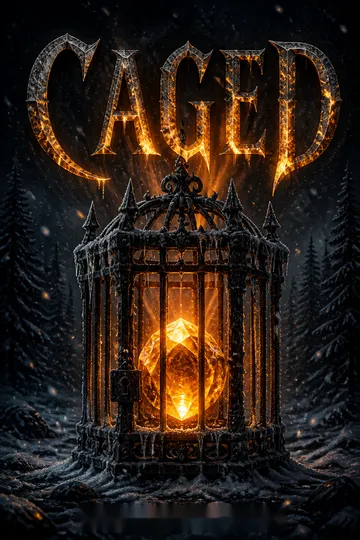


About the Author
Other books by Luna Mason

Download PDF
Download EPUB
.epub digital book format is ideal for reading ebooks on phones, tablets, and e-readers.








