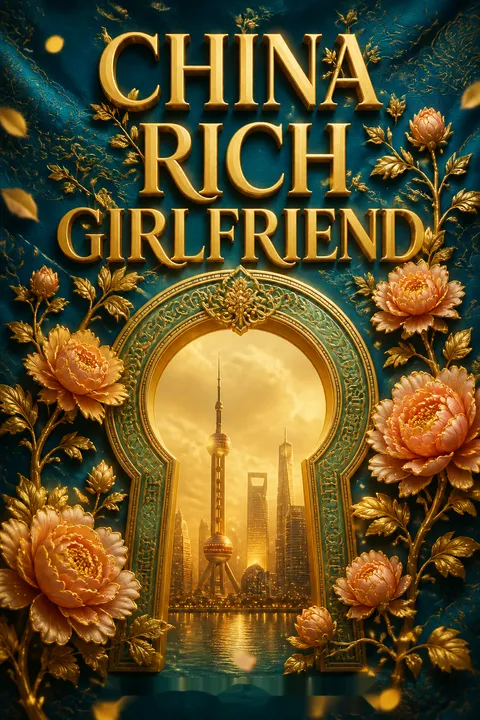


Plot Summary
Prologue
In London, a Ferrari driven by twenty-three-year-old Carlton Bao crashes through a Jimmy Choo boutique after a night of reckless partying. Carlton survives with severe injuries, a British passenger is left critically ill, and a Chinese passenger dies. Bao family security chief Mr. Tin and banker Eddie Cheng organize a cover-up so Carlton’s father, politician Bao Gaoliang, will not learn of the death.
Months later, Eleanor Young, the estranged mother of Nick Young, sees a photograph of the recovering Carlton and recognizes an uncanny resemblance to Rachel Chu, Nick’s fiancée. The crash has been hidden, but its consequences have already reached the next generation.
The crash establishes the book’s central economy of concealment: money can buy medical expertise, silence, and delay, but it cannot erase what happened. Carlton is protected from public consequence while the dead passenger and her family disappear into an expensive cleanup operation. The resemblance between Carlton and Rachel turns the cover-up into a family mystery, making physical likeness a clue that wealth cannot fully control. This opening also places Eleanor in an uneasy position. Her habit of investigating people is partly social vanity, but here it gives her access to a truth that the powerful have deliberately buried.
Kitty Buys the Lost Palace
A cache of twenty-four Qing dynasty scrolls, long believed lost, becomes the prize at a Hong Kong auction. Corinna Ko-Tung coaches wealthy newcomers Lester and Valerie Liu, while collectors across the world bid through representatives. Astrid Leong, buying anonymously for Singapore’s Fine Arts Museum, withdraws when the price reaches $195 million.
Kitty Pong, a former soap-opera actress and wife of billionaire Bernard Tai, keeps bidding and wins. The purchase makes her an international headline, but it does not secure the old Hong Kong families’ respect. Kitty has spent a fortune acquiring a masterpiece; she has not yet learned that the people she wants to impress regard discretion and inherited connections as forms of wealth too.
The scroll auction makes cultural heritage a competitive instrument. Kitty buys an object whose historical importance is real, but the room also treats it as a credential, a way to purchase visibility and announce a new social identity. Astrid’s withdrawal clarifies the difference between patronage and display: she is prepared to spend for a public institution, then stops when the price turns into spectacle. Kitty’s victory is therefore double-edged. She gains the world’s attention and remains outside the circle whose approval she expected the painting to purchase. The book’s satire rests on this distinction between possessing value and being recognized as legitimate.
A Father Still Missing
At Chinese New Year in California, Rachel Chu and Nick Young celebrate their engagement with Rachel’s extended family. Their Paris proposal has given them a wedding plan, but Rachel’s search for her biological father remains unresolved. Her records stop in 1985, shortly before he finished university in Beijing, and another possible lead in China has failed.
Rachel’s mother, Kerry, insists that the search is futile, while Rachel refuses to treat the absent man as a ghost from her past. Nick supports her, even as his own family’s disapproval has left his parents outside the wedding plans. Their future is taking shape around two absences: Rachel’s unknown father and Nick’s estrangement from the family that raised him.
Rachel’s search is not a bid for inheritance or status. She wants a relationship with the person whose absence has shaped her family history, and the refusal of easy answers keeps that desire grounded in emotional need. The Chinese New Year dinner places this private longing inside a noisy, loving extended family, where relatives can offer practical help and still mishandle a subject that hurts. Nick’s support links the two plots without making them identical: Rachel lacks a father she never knew, while Nick is withdrawing from parents who are alive but no longer trusted. Marriage promises a chosen family, but neither character can simply erase the family of origin.
Eleanor Follows the Resemblance
During Chinese New Year in Singapore, Eleanor Young hears that Nick intends to marry Rachel in California, despite his refusal to tell her the details. At Tyersall Park, she presses Astrid for information and learns only that the wedding is in March. Eleanor then uses a private investigator and her growing acquaintance with Bao Shaoyen to examine the family behind the London crash.
Carlton’s face, already startlingly like Rachel’s, gives her a reason to suspect a connection. She learns that Bao Gaoliang changed his name after university and traces his earlier identity to Sun Gaoliang, the young man who once loved Kerry Chu. Eleanor pieces together the possibility that he is Rachel’s father, but Nick’s wedding is almost upon them.
Eleanor’s investigative skill grows out of habits that are usually inseparable from class surveillance. She notices family resemblance, tracks financial and biographical details, and uses private connections to move through closed systems. Her motive is mixed: she wants to help Rachel, but she also wants leverage over a son who has excluded her from his wedding. That ambiguity gives her eventual intervention emotional force. Information is not automatically benevolent in this world; it can be used to protect, manipulate, or repair. Eleanor’s discovery becomes valuable only when she chooses to bring Rachel the truth rather than keep it as a private advantage.
The Helicopter Wedding Crash
Eleanor arrives at Rachel and Nick’s Montecito wedding site by helicopter, damaging the decorated trellis and alarming the guests. Nick expects another attempt to stop the marriage, but Eleanor instead asks Rachel’s forgiveness and reveals that Bao Gaoliang is her father. She takes Rachel and Kerry to a nearby hotel, where Kerry recognizes Gaoliang as the young man she once loved.
Their reunion brings Rachel face to face with a father she had nearly stopped hoping to find. The next day, Nick and Rachel marry at the restored estate with both of Rachel’s parents present. Eleanor is allowed to attend, and Nick’s father joins him there, though the reconciliation with Eleanor remains cautious.
Eleanor’s arrival is both an intrusion and a repair. The helicopter wrecks the wedding’s carefully managed appearance, yet the disruption delivers the one truth Rachel most needs. Her gesture cannot undo her past treatment of Rachel or Nick, so the wedding invitation is not a clean absolution. It is a limited opening created by action rather than persuasion. Rachel’s meeting with Gaoliang also complicates the idea that a family can be restored in one emotional moment: Kerry’s recognition is immediate, but Rachel has to absorb a whole new kinship network on the eve of marriage. Joy arrives, but it arrives with obligations.
Corinna Takes Kitty in Hand
After Kitty upstages Sir Francis Poon at a charity ball with an unsolicited $20 million donation, Ada Poon retaliates by keeping her outside Hong Kong’s most exclusive clubs. Kitty is turned away from the Locke Club when she tries to lunch there with Evangeline de Ayala, whose membership is revoked for bringing her.
Corinna Ko-Tung explains that Kitty’s expensive clothes and headline-grabbing gestures have made her look desperate to buy acceptance. Kitty hires Corinna to rebuild her image.
The consultant prescribes quieter clothes, fewer appearances, cultural study, and carefully managed introductions. Kitty submits to the makeover because she wants her daughter to inherit a place in elite society, but Corinna’s lessons also reveal how deliberately that society manufactures its own standards.
Kitty’s exclusion is not simply a judgment of taste. The club’s refusal demonstrates that elite belonging is maintained through collective enforcement, with money serving as an entry condition rather than a guarantee. Corinna understands that the old guard’s apparent ease is highly produced: clothing, charity, family stories, and even absence from photographs are all managed. Kitty’s willingness to be coached shows both ambition and vulnerability. She can imitate the signs of refinement, but the effort makes visible how much emotional labor is required from an outsider. The satire does not make Kitty’s longing foolish; it shows the system converting longing into a profitable service.
Rachel Meets Carlton
When Rachel and Nick arrive in Shanghai for their honeymoon, Bao Gaoliang is absent, and his wife, Shaoyen, has abruptly left for Hong Kong rather than meet them. Colette Bing and Carlton rescue the first evening from an awkward restaurant scene, helping Rachel and Nick escape a paparazzi crowd and arranging dinner.
Rachel and Carlton recognize their striking resemblance and feel an immediate sibling connection. Carlton’s manners and warmth surprise Nick, who expected a spoiled heir.
As the weeks pass, however, Gaoliang repeatedly postpones time with Rachel, while Carlton remains moody and hard to read. The hospitality of Colette and Carlton makes Rachel welcome in Shanghai’s glittering social world, but it cannot conceal that her father’s household is divided over her arrival.
The first meeting between Rachel and Carlton offers recognition without instant intimacy. Their likeness gives the encounter a physical certainty, while their easy rapport suggests a relationship that might have existed under different circumstances. Yet the absent parents prevent this discovery from becoming uncomplicated reunion. Shaoyen’s departure and Gaoliang’s repeated delays turn hospitality into a substitute for welcome, leaving Rachel dependent on people who are not responsible for her family’s history. The crowded Shanghai social scene sharpens the contrast: Rachel can be celebrated as a guest while still being excluded from the private household. The novel treats access as uneven, even within families.
Colette’s Perfect Estate
Colette brings Rachel and Nick to her vast Shanghai estate, where a private museum, spa, and aquaponics greenhouse display the scale of her family’s fortune. Her father, Jack Bing, is one of China’s richest industrialists, and he expects Colette to marry Richie Yang, a suitable match between powerful families.
Colette, however, is drawn to Carlton, though she refuses to promise marriage on her parents’ timetable. During a dinner at the estate, she engineers Gaoliang’s arrival so Rachel can see her father again. Her affection for Carlton and kindness toward Rachel coexist with a need to control every room and every person in it. Colette’s wealth gives her freedom from ordinary limits, not freedom from family pressure.
Colette’s estate functions as a portrait of power arranged to look like taste and environmental virtue. Its systems are elaborate, but her control over the household remains personal and immediate. She can redirect a dinner, summon a politician, or build a museum, yet she cannot easily escape her parents’ dynastic plans. Her resistance is real, though it is expressed through manipulation as much as independence. Carlton is both a person she cares for and a possible future match in her parents’ calculations. This distinction matters: Colette’s freedom is substantial, but it is still negotiated inside a family structure that treats marriage as corporate strategy.
Paris Reopens the Wound
Colette takes Rachel, Nick, Carlton, and a circle of wealthy friends to Paris for a week of couture shopping. Richie Yang arrives and publicly proposes to Colette; she refuses, and Carlton intervenes when Richie becomes furious.
After the resulting fight, Colette tells Rachel that Carlton’s London crash killed a Chinese passenger and left a British girl gravely injured. Carlton has been preparing to race Richie again, hoping to master the memory of the first wreck. Rachel finds him at a garage as mechanics ready a Bugatti and persuades him not to drive.
He lashes out, blaming her presence for his family’s turmoil, then collapses on the curb and apologizes. Colette also withdraws from the race, and Carlton walks away from another chance to turn guilt into danger.
Carlton’s planned race is an attempt to convert helplessness into mastery. If he can beat Richie, he may imagine that the London crash can be answered by a different ending, but speed offers only repetition. Rachel disrupts that logic by addressing him as a brother rather than as a reckless heir. Her intervention works because she does not pretend to know everything about his suffering; she stays beside him after he rejects her. Colette’s role is less clean. Her refusal of Richie is courageous, but the rivalry she has fostered helps sustain the competition that threatens Carlton. The scene makes guilt legible as a force that can either be faced or reenacted.
Michael Builds a Public Image
Astrid’s husband, Michael Teo, grows increasingly invested in the image of his success. He pressures Astrid to wear conspicuous jewelry at a business dinner, then blames their failed deal partly on her appearance.
Later, he arranges a magazine profile of himself and their son, Cassian, revealing details of Astrid’s powerful family despite her wish for privacy. Astrid objects, but Michael treats the publicity as a gift to his family. Her father, Harry Leong, summons Michael and condemns the article for exposing private names.
Michael leaves the meeting humiliated and searches old company files, where he finds the acquisition shell company named Pebble Beach. He begins to suspect that Astrid’s family secretly financed his success, a suspicion that unsettles the identity he has built.
Michael’s changing relationship to wealth is expressed through images: the expensive car at dinner, the carefully staged profile, and the family details he exposes without consent. His need to be recognized as self-made makes him especially vulnerable to the possibility that someone else shaped his success. The irony is that his drive for independence increasingly takes the form of controlling Astrid’s clothes, family ties, and public role. Astrid’s inherited privacy is not merely an obstacle to his ambition; it is part of her personhood. The profile therefore becomes a marital boundary violation, while the shell company turns economic uncertainty into an intimate crisis.
Rachel Collapses at Hangzhou
While Nick is in Beijing and Rachel is visiting Hangzhou with Peik Lin, Rachel becomes ill after a day at the resort and collapses in her bathroom. Doctors find severe organ failure but cannot identify its cause. Peik Lin arranges a medical flight to Hong Kong, where specialists stabilize Rachel and continue testing.
Nick reaches the hospital through family connections and waits beside her as her condition worsens. Then a flower delivery brings an anonymous warning: Rachel has been given Tarquinomid, a potent drug, and must leave China.
The note transforms a baffling medical emergency into an attempted killing. Rachel survives the immediate crisis, but the people around her now have to determine whether the threat came from the Bao family’s business, Carlton’s rivals, or someone protecting a secret.
The poisoning interrupts the book’s comic abundance with bodily vulnerability. Rachel, who has navigated social exclusion and family tension with composure, is suddenly unable to interpret or control what is happening to her body. The hospital’s uncertainty exposes the limits of elite access: private planes and famous doctors can move her rapidly, but they cannot initially name the danger. The anonymous note supplies knowledge only after near-catastrophe, making information itself a form of survival. Its demand that Rachel leave China also gives the violence a political and familial dimension. The attack targets her belonging, not merely her life.
The Flowers Name a Killer
After Rachel recovers enough to be moved out of intensive care, Nick and Carlton share the warning about Tarquinomid, a drug manufactured by the Bao company. Carlton’s alarm turns suspicion toward his mother, Shaoyen, who has opposed Rachel’s visit.
At the same time, police trace the poison to the boatman who served Rachel Longjing tea on West Lake and identify Roxanne Ma, Colette’s assistant, as connected to the attack. Roxanne admits she arranged a deliberately frightening dose to force Rachel out of China, after secretly recording the Baos’ argument about Carlton’s inheritance.
She insists Colette did not order the poisoning. Her attempt to manage Colette’s distress has instead nearly killed Rachel and drawn the police into the family’s private affairs.
The investigation converts the novel’s network of private favors into a chain of evidence. A tea service, a pharmaceutical contract, a recorded argument, and an assistant’s access to Colette’s life become links in one causal sequence. Roxanne’s motive is protective in her own distorted account, but her loyalty has become indistinguishable from entitlement to act on another person’s behalf. The rich characters’ staff are often treated as extensions of their owners, yet Roxanne exercises real agency, with catastrophic results. The scene also complicates suspicion: Shaoyen’s hostility makes her plausible, but the investigation separates emotional opposition from direct culpability.
Shaoyen Opens the Door
Once the police identify Roxanne, Gaoliang takes Rachel and Nick from their hotel to the Bao residence rather than leaving them in temporary luxury. The decision is his first clear act of welcome after weeks of evasions. In the morning, Rachel meets Shaoyen on the terrace.
Shaoyen has been hostile from a distance, but seeing Rachel’s resemblance to Carlton changes the encounter. She introduces herself and welcomes Rachel into her home.
Gaoliang also tells Rachel that Shaoyen has cooperated with investigators, though suspicion around the poisoning has strained the marriage. Rachel’s family connection is no longer only a name or a resemblance. It becomes a place she can enter, even as the Baos face the damage their secrecy and conflict have caused.
Shaoyen’s change of heart begins with recognition, not argument. Rachel’s face makes the family bond visible in a way that abstract claims of legitimacy could not. This does not excuse Shaoyen’s earlier exclusion or resolve the investigation’s emotional toll; it gives her a first concrete opportunity to meet the person she had feared as a threat. Gaoliang’s choice to take Rachel home is equally significant because he stops managing the situation through hotels, delays, and diplomatic explanations. The house becomes a test of whether kinship can be practiced rather than merely acknowledged. Welcome is a beginning, not a complete settlement.
Charlie’s Purchase Comes Clear
After Michael suspects that Harry Leong arranged the sale of his first company, Astrid asks Charlie Wu to investigate the buyer. Harry later obtains proof that Charlie himself bought the start-up through a web of shell companies, paying far more than its apparent value.
Astrid first feels betrayed, then remembers Charlie’s long-standing concern for her marriage and understands that he wanted Michael to feel financially secure in his own right. The discovery reframes Charlie’s past help as an act of love, but it does not restore the marriage he hoped to save.
Michael has changed into a man who monitors Astrid’s messages and treats her friendship with Charlie as infidelity. When he threatens her and Cassian, Astrid leaves the house with their son and his caregiver.
Charlie’s secret purchase is an act of care that also raises ethical questions: he intervenes in Michael’s life without consent, hoping money will repair a wound rooted in identity and power. The intervention succeeds financially and fails relationally. Michael becomes richer, but his insecurity does not disappear; it takes new forms, including surveillance and accusation. Astrid’s realization about Charlie arrives beside a hard recognition about herself. Gratitude for his sacrifice cannot substitute for a marriage in which she is monitored and diminished. Her departure with Cassian is not a romantic choice between men. It is a boundary against a relationship that has become coercive.
Kitty Sees Bernard’s New World
Corinna follows Kitty to Los Angeles and discovers Bernard Tai living with their young daughter, Gisele, in a modest Mar Vista house. After botched computer preparations for cosmetic surgery left Bernard with a radically altered face, he abandoned further procedures and embraced an extreme program of organic food, therapies, and tightly scheduled lessons for Gisele.
Kitty says Bernard moved them from a mansion and now controls nearly every part of their daughter’s upbringing, leaving Kitty isolated and powerless.
Corinna sees the child’s packed regimen and the strained marriage for herself. Kitty’s wish to reclaim a meaningful role in Gisele’s life becomes more urgent than her campaign for Hong Kong social acceptance. She begins planning to take her daughter away from Bernard’s control.
Bernard’s transformation turns self-improvement into a regime imposed on a child. His response to cosmetic surgery and a difficult past may be sincere, but the resulting system leaves little room for Gisele’s ordinary needs or Kitty’s judgment. Kitty’s earlier hunger for status now looks different: the social world she hoped to enter offered a public role, while her life in Los Angeles has reduced her to a visitor in her own daughter’s home. Corinna’s presence shifts from image consultant to witness. She cannot solve the custody conflict, but seeing the household makes Kitty’s next decision intelligible as an attempt to restore agency.
Rachel Ends Colette’s Illusion
After recovering, Rachel agrees to meet Colette, who wants her to persuade Carlton to resume their relationship. Colette explains that she feared Carlton might lose part of his inheritance, then demands help as if her past generosity entitles her to it.
When Rachel refuses to manipulate her brother, Colette insults her background and calls her common. Rachel answers by condemning Colette’s entitlement and the distance between her charitable image and her family’s polluting businesses, then leaves the hotel.
A bystander’s video of the argument spreads across Chinese social media. Carlton sees it and calls Rachel, relieved she is safe and newly aware of what Colette has said. The confrontation ends Rachel’s effort to preserve a friendship that Colette has treated as a transaction.
Rachel’s refusal marks a shift from accommodation to moral clarity. She has accepted Colette’s hospitality and even defended her, but she will not let gratitude become a debt that controls Carlton’s choices. The public setting matters: Colette’s social identity depends on curated visibility, and a candid confrontation escapes her management. Yet Rachel’s viral speech is not a simple triumph over wealth. It exposes a contradiction in Colette’s self-image, while also making Rachel a public symbol she never sought to become. The scene gives Rachel a voice in the social arena without suggesting that one speech dissolves the inequalities that produced the conflict.
Three Families Choose Their Terms
Kitty takes Gisele from Bernard’s Los Angeles home aboard Jack Bing’s private jet, prompting a police pursuit and competing kidnapping claims. She arrives in Singapore determined to raise her daughter herself, and buys the historic Cluny Park house for $160 million, where the auctioned Palace of Eighteen Perfections is eventually rehung.
In Shanghai, Gaoliang hosts a farewell dinner for Rachel and Nick, acknowledging the daughter he had kept at a distance. News reports also reveal Michael and Astrid’s separation, while Charlie is reported to have separated from Isabel and appears at the dinner beside a woman in white.
The book leaves these relationships unsettled, but each character has begun to reject an assigned role: heir, trophy wife, social climber, or obedient child.
The ending refuses to make wealth a cure. Kitty uses Jack’s resources to escape a household she considers harmful, but custody remains contested and public scandal follows her. The scroll’s return to a private home completes its movement from auction spectacle to personal possession, without resolving the social hierarchy that made it valuable. Rachel receives a farewell and recognition from Gaoliang, but she and Nick still leave for their life elsewhere. Astrid’s separation is a more decisive refusal of a marriage shaped by insecurity and surveillance. The final reports keep Charlie’s future ambiguous. Rather than pairing every character neatly, the book closes on choices that are costly, provisional, and increasingly self-directed.
Analysis
China Rich Girlfriend treats wealth as more than money. It is also a language of access, lineage, privacy, and permission. Characters can buy a painting, a private jet, or an estate, but they cannot purchase the particular recognition they want from a family or recover a relationship through display alone. The book’s recurring social rituals, from auctions and charity balls to family dinners and private clubs, turn belonging into a performance whose rules are often invisible to newcomers. Corinna can teach Kitty the codes, yet the need for instruction exposes how arbitrary those codes are.
Family inheritance operates as both material resource and psychological inheritance. Nick resists the estate that could define his future, while Carlton struggles beneath expectations attached to his family’s political position. Colette’s parents treat marriage as a merger; Michael treats wealth as proof that he deserves equal standing beside Astrid. These conflicts show how financial security can intensify rather than settle questions of identity. The self-made person may remain haunted by dependence, and the heir may feel trapped by abundance.
The novel’s strongest emotional counterweight to spectacle is the desire for ordinary recognition. Rachel wants to know her father, not merely enter his fortune. Astrid wants a marriage in which she is loved without being reshaped. Carlton needs someone to see his guilt without reducing him to a reckless heir. Kitty’s extravagant social ambition gradually gives way to a more urgent concern for her daughter. These desires do not make the characters pure or their choices simple. Rachel can be judgmental, Astrid can avoid confrontation, and Kitty can manipulate appearances. Still, the story’s moral pressure falls on whether people use their power to make room for another person’s agency.
The ending offers no clean victory over wealth or class. Instead, characters begin choosing which inherited roles they will refuse. The book suggests that intimacy requires more than generosity: it requires truth, limits, and the willingness to let another person choose a life that may not serve the family’s preferred story.
Review Summary
China Rich Girlfriend continues the saga of Rachel and Nick, introducing new characters and expanding the world of Asian high society. Many readers found it entertaining, with lavish descriptions of wealth and intriguing cultural insights. The book focuses more on Rachel's newfound family in China, shifting away from Nick's relatives. While some felt it lacked the charm of the first book, others appreciated the increased drama and character development. The poisoning subplot and Astrid's storyline received mixed reactions. Overall, readers found it an enjoyable, if sometimes overwhelming, continuation of the series.
People Also Read









Characters
Rachel Chu
American economist seeking rootsRachel is a thoughtful, self-possessed economist raised by her mother in California. Her academic training makes her alert to evidence and systems, but her deepest questions concern family, belonging, and the people who shaped her life. She loves Nick without wanting his wealth to define her, and she approaches his relatives with curiosity rather than awe. Rachel’s practical habits and unpretentious tastes often unsettle people who assume money should dictate behavior. Her strength is not invulnerability: she can be frightened, disappointed, and angry, but she tends to respond by asking what is true and what she owes to others. She values chosen family while remaining unwilling to pretend that her origins do not matter.
Nicholas Young
Estranged heir and devoted partnerNick is a Singaporean history professor who has built a modest life in New York despite being raised among extraordinary wealth. He is warm, observant, and at ease in elite settings, but he resists the assumption that inheritance should determine his choices. His loyalty to Rachel brings him into conflict with his mother and grandmother, forcing him to decide what family obligation means when it is used to police love. Nick’s politeness can conceal stubbornness, and his confidence sometimes makes him underestimate how painful estrangement is for Rachel. He seeks a life defined by affection and intellectual work rather than status, even while the family legacy remains close enough to complicate every decision.
Eleanor Young
Strategic society matriarchEleanor is Nick’s mother, a resourceful Singaporean matriarch who understands money, family networks, and the social rules that govern elite life. She prides herself on foresight and often treats information as a tool for protecting the people she loves. Her concern for Nick is sincere, but fear of rejection and loss of status can turn care into control. Eleanor is socially perceptive, disciplined, and capable of generosity, yet she has difficulty accepting that her son’s choices belong to him. She sees the dangers Rachel may face inside the Young family before she sees Rachel clearly as a person. Her wit and practical intelligence make her formidable, while her emotional evasions keep her relationships unsettled.
Astrid Leong Teo
Discreet heiress and motherAstrid is the elegant daughter of the Leong family, known for her discernment in clothing, art, and historical objects. Her inherited wealth gives her access, but she does not use it as a measure of human worth. She is attentive to other people’s feelings and often tries to ease conflict rather than dominate it. That diplomacy can become self-erasure when a relationship demands that she shrink her tastes, family ties, or independence. Astrid’s marriage and friendship with Charlie expose competing versions of intimacy: one built on mutual recognition, another burdened by insecurity. Her love for her son, Cassian, makes her increasingly alert to how adults’ conflicts shape a child’s sense of safety.
Michael Teo
Self-made tech magnateMichael grew up in a middle-class Singaporean family and built his technology fortune through engineering, entrepreneurship, and relentless work. He is intelligent, ambitious, and initially drawn to Astrid’s warmth and independence. Because her family’s wealth predates his, he is sensitive to being treated as an appendage rather than an equal. Success gives him confidence, but it also intensifies his need to control how others perceive him. He collects cars and historical objects, and increasingly treats public image as proof that he belongs among the powerful. His fears are understandable, but they can make him cruel or intrusive when he tries to secure reassurance from Astrid.
Charlie Wu
Tech billionaire and old loveCharlie is a technology executive whose private reserve contrasts with his enormous business success. He and Astrid shared a youthful romance, and their continuing friendship carries an emotional history neither can entirely dismiss. Charlie is unusually uncomfortable with deception, yet he sometimes keeps important actions secret because he believes he is protecting someone. His love for Astrid is patient and idealized, which makes it tender but also difficult to separate from the life she has chosen. As a father and husband, he is caught between loyalty to his current family and an enduring attachment to his first love. He is generous, introspective, and capable of self-sacrifice, though his silence can create consequences he cannot control.
Carlton Bao
Heir searching for directionCarlton is the wealthy son of a prominent Chinese politician and pharmaceutical executive. Educated in England, he is courteous, stylish, and socially fluent, with a taste for rare cars and a restless appetite for excitement. His mother has built expectations around his future, while he is uncertain what kind of adult life he wants. Carlton’s charm can mask grief, shame, and self-doubt; he is prone to withdrawing when emotion becomes difficult to manage. His relationship with Colette mixes attraction with frustration, while his bond with Rachel offers a different kind of connection, one not governed by competition or family strategy.
Bao Shaoyen
Protective political spouseShaoyen is the wife of Bao Gaoliang and the mother of Carlton. She is intelligent, disciplined, and accustomed to managing both a large company and the political risks surrounding her family. She believes careful planning can prevent public humiliation and preserve the future she has worked to build. That instinct makes her fiercely protective of Carlton, but it can also make her suspicious and rigid when events depart from her design. Shaoyen’s composure is fragile under pressure, especially when private family history threatens to become public. She is not simply a status-seeker: her ambition is bound to care, fear, and a profound belief that one mistake can endanger everyone she loves.
Bao Gaoliang
Politician with a hidden pastGaoliang is a senior Chinese politician and the public face of a powerful family enterprise. His career requires caution, but his private choices are shaped by an old love and by obligations he has postponed for decades. He wants to act honorably, yet he often tries to avoid conflict until delay makes the situation worse. His marriage to Shaoyen and his relationship with Carlton carry different emotional demands, and he struggles to communicate across them. Gaoliang’s calm, formal manner can make him seem remote, but beneath it is a man burdened by the consequences of decisions made when he was young and by the responsibility of being both father and public figure.
Colette Bing
Controlling heiress and fashion iconColette is the only child of a Chinese industrialist and a global fashion personality with immense wealth, a vast online audience, and a carefully managed public life. She is generous with guests and employees, but expects the world around her to follow her preferences exactly. Her parents’ plans for her marriage conflict with her desire to choose her own future, and her relationship with Carlton makes that conflict personal. Colette’s confidence can be entertaining and inventive, yet it often collapses into entitlement when someone refuses her demands. She wants to be more than a dynastic prize, although she has not always learned how to treat others as more than supporting characters in her own story.
Kitty Pong
Actress seeking social acceptanceKitty is a former actress who has married into extraordinary wealth and is determined to secure a respected place for herself and her daughter. She is observant about fashion and skilled at performing a role, but she lacks the inherited codes that old Hong Kong families use to distinguish insiders from newcomers. Kitty can be ambitious, vain, and impulsive, yet she is also vulnerable to exclusion and hungry for genuine friendship. Her effort to reinvent herself reveals how class systems reward some forms of self-fashioning and punish others. Underneath the public image is a woman trying to determine what kind of mother and partner she wants to be.
Corinna Ko-Tung
Broker of elite acceptanceCorinna is an art consultant from a pedigreed Hong Kong family who privately advises ambitious clients on how to enter elite social circles. She understands that status depends on more than money, and she can translate hidden rules into practical instructions. Her work is shrewd, theatrical, and ethically flexible: she helps clients reshape their public histories as readily as their wardrobes. Corinna is not indifferent to the people she advises, but she sees social acceptance as a craft that can be managed. Her guidance to Kitty exposes both the artificiality of elite respectability and the real power of gatekeepers.
Bernard Tai
Heir remaking fatherhoodBernard is the son of a Hong Kong tycoon and the husband of Kitty. He is fascinated by Batman, luxury cars, and the possibilities of physical reinvention. A botched cosmetic surgery experience changes how he sees himself and pushes him toward an intense project of personal and parental reform. He wants to correct what he believes was missing from his own childhood, but his determination can become rigid and controlling. Bernard’s devotion to his daughter is sincere, yet his certainty about what is best for her leaves little space for Kitty’s judgment or for ordinary childhood spontaneity.
Roxanne Ma
Colette’s indispensable aideRoxanne is Colette’s highly capable personal assistant, responsible for managing a sprawling professional and domestic operation. She knows Colette’s habits intimately and anticipates needs before they are voiced. That closeness gives her enormous practical influence, even though she remains an employee in a world built around her employer’s whims. Roxanne takes pride in her work and sees herself as protecting Colette from problems, but her loyalty can blur the line between service and personal intervention. She is efficient, ambitious, and conscious of how much invisible labor sustains the lives of the ultra-rich.
Peik Lin Goh
Rachel’s loyal college friendPeik Lin is Rachel’s outspoken friend from California, quick to make jokes and even quicker to help when a crisis arrives. Her confidence and practical resourcefulness make her a grounding presence amid the spectacle of Shanghai’s wealthy circles. She is comfortable around money without being dazzled by it, and she can challenge Rachel while remaining devoted to her. Peik Lin’s loyalty is expressed through action: she arranges transport, accompanies Rachel, and mobilizes help rather than waiting for someone more powerful to take charge.
Edison Cheng
Status-conscious private bankerEddie is a private banker from the Young family’s wider circle, accustomed to luxury and proud of his social connections. His appetite for name-dropping and elaborate possessions often makes him ridiculous, but his professional skills and connections can be useful in a crisis. Eddie believes discretion is part of the service he sells, though his self-interest is never far away. He represents a world where finance, family, and reputation overlap so thoroughly that even a medical emergency can become an occasion to advertise one’s importance.
Richie Yang
Rival heir and suitorRichie is the son of one of China’s wealthiest families and a confident member of the international party circuit. He competes with Carlton in cars and courts Colette as a potential dynastic partner. Richie’s wealth and social ease make him accustomed to winning attention, but his pride can turn competition into aggression. He sees marriage as both romance and alliance, a combination his family encourages.
Jack Bing
Industrialist and ambitious fatherJack is Colette’s father, a self-made industrialist whose fortune gives him access to almost anything money can buy. He is proud of the new China and wants his family to shape its future, but he often views marriage and inheritance as strategic arrangements. His love for Colette is real, although he confuses providing for her with having authority over her choices. He is shrewd, forceful, and impatient with forms of independence that do not serve his idea of family legacy.
Kerry Chu
Rachel’s devoted motherKerry raised Rachel alone in California after a difficult past in China. She is protective, practical, and wary of reopening old wounds, especially when she believes the search for Rachel’s father may bring more pain than comfort. Her caution comes from experience rather than indifference. Kerry’s love is steady, though her desire to shield Rachel sometimes clashes with her daughter’s need to know where she came from.
Philip Young
Nick’s quiet, loyal fatherPhilip is Nick’s father and Eleanor’s husband, a measured man who avoids the social combat that defines much of his family’s life. He supports Nick’s right to choose his own future, though his loyalty to Eleanor complicates how openly he can oppose her. Philip’s quiet manner is not passivity; he tends to make decisions without theatrics and prefers to offer support rather than demand attention.
Plot Devices
The Palace of Eighteen Perfections
Art as social currencyThe rediscovered Qing scrolls begin as a rare work of art and become a measure of status, taste, and cultural authority. Kitty’s record-setting purchase brings her international attention but fails to guarantee acceptance by old Hong Kong society. Astrid’s anonymous bid for a museum offers a contrasting use of wealth, while the painting’s eventual place in Kitty’s new home links her changing life to the original auction. The scroll repeatedly asks whether cultural value can be separated from the desire to possess, display, and be recognized.
Names and Resemblance
Family history made visibleA resemblance between Rachel and Carlton prompts Eleanor to investigate Rachel’s missing father. The search depends on records that stop, names that have changed, and information held by private investigators and wealthy families. This device makes identity both personal and political: a family connection can explain the past while threatening carefully guarded public reputations. It also creates recognition before relationship, since Rachel and Carlton feel connected before they know the full story behind their likeness.
Private Investigators and Records
Secrets become evidenceInvestigators, financial files, recordings, phone tracking, and police databases turn private suspicions into plot-moving evidence. Eleanor uses a detective to trace Gaoliang’s identity, Michael searches acquisition records, and the poisoning investigation follows the drug supply and the people present around Rachel. These tools are not neutral: families use them to protect reputations, spouses use them to control one another, and investigators use them to establish responsibility. Their repeated use shows how privacy becomes fragile when powerful people can purchase access to information.
Inheritance and Social Access
Fortune shapes belongingFamily money determines who can buy an estate, fund an art collection, influence a political career, or enter a private club, but it does not guarantee emotional security. Nick’s possible inheritance, Carlton’s place in the Bao business, Colette’s marriage prospects, and Kitty’s social ambitions all depend on how wealth is controlled and recognized. The device also exposes differences between inherited and self-made fortunes. Characters repeatedly mistake financial control for personal control, and the consequences surface in marriages, parental conflicts, and acts of rebellion.
Tarquinomid Poisoning
A family secret turns lethalThe toxic drug is manufactured through a business connected to the Bao family, so Rachel’s sudden organ failure initially points suspicion toward Shaoyen and the family enterprise. An anonymous warning, medical testing, and the West Lake tea service lead investigators toward the actual chain of events. The poison gives physical stakes to the book’s social and family conflicts: an attempt to frighten Rachel out of China nearly kills her. Its use reveals how an employee’s loyalty and a wealthy family’s secrecy can combine into violence even without a direct order from the person being protected.
FAQ
Synopsis & Basic Details
What is China Rich Girlfriend about?
- Family Secrets Unveiled: The story follows Rachel Chu as she discovers her biological father is a powerful Chinese politician, Bao Gaoliang, and navigates the complexities of her newfound family.
- Opulent Lifestyles Explored: The novel delves into the extravagant lifestyles of the ultra-rich in Shanghai and Hong Kong, showcasing lavish parties, designer fashion, and high-stakes social maneuvering.
- Relationships Tested: Rachel's relationships with her fiancé, Nick Young, and her new family are tested as she grapples with her identity and the pressures of her new social circle.
Why should I read China Rich Girlfriend?
- Escapist Entertainment: The novel offers a captivating escape into a world of extreme wealth and glamour, filled with lavish descriptions and dramatic social interactions.
- Cultural Insights: Readers gain a glimpse into the complex social dynamics and cultural nuances of the Chinese elite, exploring themes of family, tradition, and modernity.
- Character-Driven Drama: The story is propelled by compelling characters with complex motivations, offering a blend of humor, romance, and emotional depth.
What is the background of China Rich Girlfriend?
- Contemporary China: The novel is set against the backdrop of contemporary China, exploring the rise of the ultra-rich and their influence on society.
- Cultural Clash: The story highlights the cultural clashes between Western and Eastern values, as well as the tensions between old money and new money in Asia.
- Social Commentary: The book offers a satirical commentary on the excesses of wealth and the pressures of maintaining social status in a rapidly changing world.
What are the most memorable quotes in China Rich Girlfriend?
- "Everyone claims to be a billionaire these days. But you're not really a billionaire until you spend your billions.": This quote encapsulates the novel's theme of conspicuous consumption and the performative nature of wealth.
- "You're not really a billionaire until you spend your billions.": This quote highlights the central theme of the novel, which is the extravagant spending habits of the ultra-rich.
- "At the Liechtenburg Group, what can we offer but discretion and trust?": This quote, spoken by Eddie Cheng, reveals the importance of secrecy and loyalty in the world of private banking and high finance.
What writing style, narrative choices, and literary techniques does Kevin Kwan use?
- Satirical Tone: Kwan employs a witty and satirical tone to critique the excesses and absurdities of the ultra-rich, often using humor to highlight social commentary.
- Multiple Perspectives: The narrative shifts between different characters' points of view, providing a multifaceted understanding of the story and its themes.
- Lavish Detail: Kwan's writing is characterized by rich descriptions of fashion, food, and settings, immersing the reader in the opulent world of the characters.
Hidden Details & Subtle Connections
What are some minor details that add significant meaning?
- The Hermès Gift Room: Shaoyen Bao's "gift room" filled with Hermès bags reveals her obsession with material possessions and her need to buy acceptance, contrasting with her seemingly modest demeanor.
- The Car Elevator: The high-tech car elevator in the Baos' apartment symbolizes their extravagant lifestyle and Carlton's obsession with cars, foreshadowing his reckless behavior.
- The Calligraphy Scroll: The New Year poem by Xu Zhimo at Tyersall Park highlights the importance of tradition and family legacy, contrasting with the modern world the characters inhabit.
What are some subtle foreshadowing and callbacks?
- The Red Ferrari Crash: The prologue's mention of a red Ferrari crash foreshadows Carlton's accident and the subsequent events that unfold in London.
- The Talking Heads Song: The use of "This Must Be the Place" as a recurring motif connects Rachel and Nick's first meeting to their engagement, highlighting the importance of shared experiences.
- The Hermès Handbag: The White Himalayan Nile Crocodile Birkin bag given to Eleanor by Shaoyen Bao foreshadows the Baos' immense wealth and their willingness to spend lavishly.
What are some unexpected character connections?
- Rachel and Carlton's Resemblance: The striking physical resemblance between Rachel and Carlton, despite their different upbringings, highlights their shared parentage and the power of genetics.
- Eleanor and Shaoyen Bao's Alliance: The unlikely friendship between Eleanor and Shaoyen Bao, initially based on shared concern for their sons, reveals the complex dynamics of their social circles.
- Astrid and Charlie's Past: The revelation of Astrid and Charlie's past engagement adds a layer of emotional complexity to their interactions and highlights the enduring nature of their connection.
Who are the most significant supporting characters?
- Colette Bing: As a fashion icon and socialite, Colette's influence on the plot is significant, driving the narrative forward and highlighting the excesses of the ultra-rich.
- Roxanne Ma: Colette's personal assistant, Roxanne's actions have major consequences, revealing the dark side of loyalty and the lengths people will go to protect their employers.
- Oliver T'sien: As a deputy chairman at Christie's, Oliver's connections to the art world and his relationship with Astrid provide crucial insights into the world of high-end collecting.
Psychological, Emotional, & Relational Analysis
What are some unspoken motivations of the characters?
- Eleanor's Fear of Loss: Eleanor's actions are driven by a deep-seated fear of losing her son and her social status, leading her to manipulate situations to maintain control.
- Carlton's Need for Validation: Carlton's reckless behavior stems from a need for validation and a desire to escape the pressures of his family's expectations, leading him to seek thrills and attention.
- Shaoyen's Insecurity: Shaoyen's hostility towards Rachel is rooted in her insecurity and fear of losing her position in her family, leading her to take extreme measures to protect her status.
What psychological complexities do the characters exhibit?
- Michael's Insecurity: Michael's insecurity about his social status and his wife's wealth leads him to become controlling and paranoid, ultimately destroying his marriage.
- Colette's Need for Control: Colette's need for control over her image and her surroundings stems from a deep-seated fear of losing her social status and her carefully constructed persona.
- Carlton's Guilt and Self-Destruction: Carlton's guilt over his past actions and his inability to cope with his trauma lead him to engage in self-destructive behaviors, highlighting his internal struggles.
What are the major emotional turning points?
- Rachel's Discovery of Her Father: Rachel's emotional journey is marked by the discovery of her father, which leads to a mix of excitement, confusion, and a desire for connection.
- Astrid's Confrontation with Michael: Astrid's realization of Michael's betrayal and her decision to leave him mark a major emotional turning point, highlighting her newfound strength and independence.
- Kitty's Escape from Bernard: Kitty's decision to leave Bernard and take her daughter with her is a major emotional turning point, showcasing her determination to reclaim her life.
How do relationship dynamics evolve?
- Rachel and Nick's Relationship: Rachel and Nick's relationship is tested by the challenges of their families and social circles, but their love and commitment to each other remain strong.
- Astrid and Michael's Marriage: Astrid and Michael's marriage deteriorates due to his insecurities and controlling behavior, leading to a painful separation and a reevaluation of their relationship.
- Carlton and Colette's Relationship: Carlton and Colette's relationship is marked by a complex mix of attraction, competition, and emotional turmoil, highlighting the challenges of navigating love and social expectations.
Interpretation & Debate
Which parts of the story remain ambiguous or open-ended?
- The Future of Astrid and Michael: The novel leaves the future of Astrid and Michael's relationship ambiguous, leaving readers to wonder if they will ever reconcile or if Astrid will find happiness elsewhere.
- The Extent of Colette's Involvement: The novel leaves some ambiguity about the extent of Colette's knowledge of Roxanne's plan, raising questions about her true intentions and her level of responsibility.
- The Long-Term Impact of Rachel's Poisoning: The novel does not fully explore the long-term psychological impact of Rachel's poisoning, leaving readers to wonder how this experience will shape her future.
What are some debatable, controversial scenes or moments in China Rich Girlfriend?
- Eleanor's Manipulation: Eleanor's manipulation of Rachel and Nick's relationship, while ultimately leading to Rachel's reunion with her father, raises questions about the ethics of her actions.
- Michael's Surveillance: Michael's surveillance of Astrid's communications is a controversial moment that highlights his controlling behavior and raises questions about the boundaries of privacy in a relationship.
- Colette's Treatment of Roxanne: Colette's treatment of Roxanne, while understandable given the circumstances, raises questions about the power dynamics between the wealthy and their staff.
China Rich Girlfriend Ending Explained: How It Ends & What It Means
- Rachel's Reunion with Her Father: The ending sees Rachel finally connecting with her father, Bao Gaoliang, and beginning to understand her Chinese heritage, offering a sense of closure and hope for the future.
- Kitty's Escape and Independence: Kitty's escape with her daughter and her decision to start a new life in Singapore symbolize her newfound independence and her determination to protect her child.
- Astrid's Self-Discovery: Astrid's decision to leave Michael and prioritize her own happiness marks a significant turning point, highlighting her journey toward self-discovery and empowerment.
Crazy Rich Asians Series
About the Author


Download PDF
Download EPUB
.epub digital book format is ideal for reading ebooks on phones, tablets, and e-readers.








