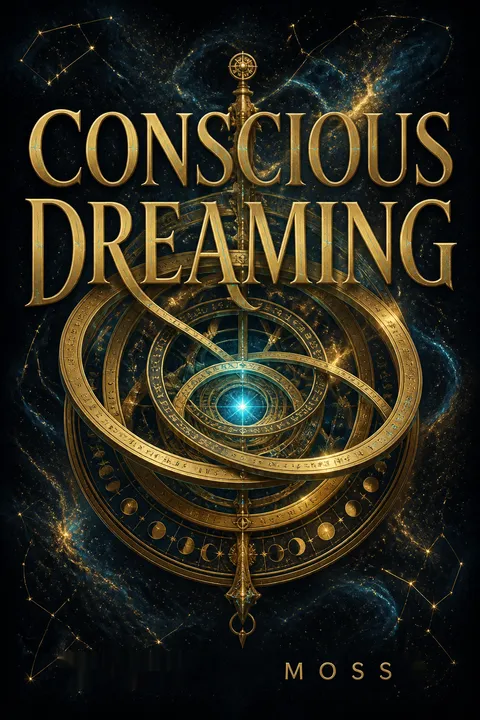


Key Takeaways
Let dreams question your waking plans, but never surrender your judgment.
A summons with consequences. Robert Moss traces his approach to dreams to childhood illness, when vivid dream experiences offered a world his family and school dismissed. As an adult, a dream of a sea eagle led him to call his estranged mother. They reconciled before she died. Another dream showed a strange creature in mud; an Aboriginal elder later identified it as the bull eel, a figure in his people’s Creation story. For Moss, dreams can bring practical warnings, spiritual instruction, and a sense of purpose.
Experience before theory. The book asks readers to take dreams seriously without handing interpretation to a therapist, priest, or dream dictionary. The dreamer’s associations and feelings matter most, though trusted partners can help reveal overlooked meanings.
What's striking is the way a private image becomes a prompt for a real act of care: Moss calls his mother rather than waiting for certainty. That practical response is valuable regardless of whether a dream arrives from a spiritual source, memory, or unconscious inference. The account does not prove that dreams disclose an external realm, and a single coincidence cannot settle that question. Its strongest lesson is more modest and durable: an emotionally charged dream can expose an unfinished conversation worth having.
Write dreams down before daylight edits them.
Make remembering easy. The book says people who claim not to dream usually mean they do not remember. It cites sleep research estimating four to seven dream periods and roughly ninety minutes to two hours of REM dreaming each night. Moss recommends setting an intention before sleep, keeping a notebook or recorder within reach, and writing immediately upon waking. Even a few remembered words can bring back a larger scene.
Build a personal record. Date each account, give it a title, and note feelings, first associations, recurring places, and later waking events that resemble the dream. Moss’s journal helped him recognize a dream about a ferry and book packages as relevant when his agent moved to Dobbs Ferry and shared space with a book-packaging business. The point is not to force a match, but to preserve details that can be checked later.
A dated journal turns an elusive impression into material that can be reviewed, compared, and questioned. That resembles field notes in science: observations are more useful when recorded before the outcome is known. It also reduces selective memory, since people tend to remember striking matches and forget misses. Moss’s method is strongest when the record stays private and faithful to the original, rather than being polished to fit a later explanation.
Read dreams literally, emotionally, and symbolically before choosing one meaning.
Start with what happened. Moss’s practical method combines several checks: notice the feeling on waking, write down first associations, ask whether the dream could describe an actual event, and examine how the dream self behaves. Symbols matter, but their meaning depends on the dreamer. A snake might evoke danger, sexuality, healing, or something else entirely. A dictionary cannot decide for everyone.
Let meanings accumulate. Eva dreamed that a woman entered her office with a black Lab and a golden retriever that shrank away. She first read the dogs as parts of herself. Later that day, a client arrived with those same dogs, and the retriever had died. The literal correspondence did not cancel symbolic possibilities. Moss argues that dreams can carry more than one layer, so an interpretation should remain open to evidence and the dreamer’s own response.
This layered method avoids two common reductions: treating every image as a fixed symbol, or assuming every dream is merely a disguised version of yesterday’s worries. It also resembles abductive reasoning, where several explanations are held provisionally and compared against new evidence. The risk is interpretive overreach: almost any event can be connected to an image after the fact. Keeping the original wording, considering mundane explanations, and accepting uncertainty make the method more reliable.
Return to nightmares with curiosity instead of fleeing their unfinished message.
Revisit, do not command. Moss calls a nightmare an interrupted or unfinished dream. Dream reentry means relaxing, returning in imagination to a remembered scene, and exploring what happens without mechanically rewriting it. The dreamer can ask a threatening figure who it is and what it wants, or try a different response while staying attentive to the scene.
Fear can change shape. One man repeatedly fled a fire-breathing dragon. When he faced it in reentry, the creature became a comic, tar-covered figure and identified itself with his nicotine addiction. The dream helped him decide to quit smoking. Moss’s advice is not that every nightmare contains a literal diagnosis. Rather, facing the image can reveal a conflict or habit the dreamer has avoided, and sometimes suggest a concrete next step.
Rehearsing a feared encounter in imagination has parallels with exposure-based approaches, where a person approaches distressing material gradually rather than reinforcing avoidance. The dream format can make that approach vivid and personally meaningful. Still, intense nightmares can be linked to trauma, and forced reentry may overwhelm rather than help. The book’s emphasis on readiness, support, and the option to stop is crucial. Courage here means gaining choice, not enduring distress at any cost.
Share dreams as hypotheses, not verdicts.
Protect the dreamer’s authority. Moss describes dream-sharing as a practice of mutual trust, not a contest to produce the cleverest interpretation. His central etiquette rule is to offer a response as a possibility, framed by what the dream might mean to the listener, rather than declaring what it means to its dreamer. Privacy and consent matter, and no one should be pressed to disclose personal details.
Use other minds well. A group can contribute associations the dreamer missed, then help explore the dream through dialogue, reentry, or simple enactment. In one workshop, a woman’s dream of spoiled orange juice brought up memories of school and a draining call from her sister. The group helped her connect the image to her own life, but she made the interpretation and chose what to do.
The method anticipates a useful principle from collaborative inquiry: interpretation improves when contributions are diverse but the person closest to the evidence retains decision rights. Its etiquette also limits the power imbalance that can arise when a facilitator presents speculation as expertise. Group enthusiasm can create its own pressure, however. A dream circle is most helpful when participants can disagree, decline an interpretation, or keep private material to themselves without being treated as resistant.
Log apparent predictions and verify them before calling them foresight.
Check the outside world. Moss uses the phrase dream radar for dream material that seems to reveal information about distant or future events. He advises checking every dream for possible literal content, especially unfamiliar but realistic locations, messages, and events involving other people. Record the dream before any later event, and compare its details with what actually happened.
Keep uncertainty visible. Moss recounts dreaming of travel through eastern Holland and being in water, then connecting the dream to flooding around Nijmegen weeks later. He also describes a friend’s dream warning of a possible attack, which prompted a man to change his routine. Such stories illustrate why he thinks dreams can help people prepare. They do not establish that a predicted event would otherwise have occurred, or that every apparent match reflects foresight.
The most valuable part of this practice is not the paranormal conclusion but the demand for a dated record and a reality check. Those habits make claims more testable and reduce hindsight distortion. A stronger test would also record dreams that fail to match anything, define in advance what counts as a match, and seek independent confirmation. The book’s stories invite investigation, but its confidence sometimes outruns the evidence that anecdotes can provide.
Use conscious dreaming to explore, not dominate, the dream.
Notice awareness within the dream. Moss prefers conscious dreaming to language that suggests controlling a dream. It means recognizing, while dreaming, that the experience is a dream, then using that awareness to explore rather than impose the waking ego’s agenda. He recommends starting with images that appear naturally in the twilight between sleep and waking, or returning to a familiar dream place.
Give the journey a doorway. In shamanic practice as Moss presents it, drumming and visualization can help shift attention. His Tree Gate exercise uses the image of a tree as a route into imagined lower, middle, or upper worlds. Workshop participants described vivid journeys, but those reports do not establish that the destinations exist independently of the mind. The practical aim is to bring back images, questions, or insights that can be considered in waking life.
The distinction between awareness and control is psychologically astute. In lucid dreaming research, noticing that one is dreaming can create options, but attempts to control every detail may narrow attention and flatten the experience. Moss’s approach instead treats the dream as a conversation. That stance is fertile for imagination, though the spiritual map is culturally specific and should not be mistaken for a universal account of Indigenous traditions. Respectful practice requires context, not just borrowed ritual techniques.
Welcome dream guides with boundaries, evidence, and a sense of humor.
A visitor may be more than one thing. Moss describes dream guides appearing as animals, religious figures, ancestors, or ordinary characters such as a taxi driver. He also treats dreams of the dead as potential encounters that may comfort, advise, or raise unfinished business. In one account, his deceased father appeared in a dream with a name Moss’s mother recognized, prompting her to contact a realtor and move.
Test the relationship. The book warns that a vivid visitor is not automatically wise or benevolent. Moss recommends asking for identifying details that can be checked, noticing whether the encounter leaves the dreamer more grounded or depleted, and avoiding messages that demand submission or domination. Dreams of deceased loved ones can be meaningful without requiring certainty about what happens after death.
Dream encounters with deceased people can provide a psychologically real continuation of attachment, helping mourners express unfinished feelings and resume ordinary life. That value does not depend on resolving metaphysical questions. Moss’s screening advice is a useful safeguard within his spiritual framework, particularly because certainty and authority can make people vulnerable. The boundary is especially important when a dream message urges dangerous action or conflicts with reliable evidence and trusted support.
Use dreams to rehearse creative work and make ideas tangible.
Prepare, then let go. Moss presents a three-part creative process: immerse yourself in a subject, pause active problem-solving, and allow insight to emerge during sleep or reverie. He recommends asking a clear question before bed and recording whatever appears without editing. Dreams can supply a scene, a solution, a new perspective, or a warning that the project itself is wrong for the dreamer.
Turn images into work. The book recounts inventor Elias Howe’s dream of spears with holes near their tips, which suggested where to place the eye in a sewing-machine needle. Moss also describes using dream scenes as material for fiction and recommends turning a dream into a story, poem, drawing, or rehearsal. The dream is a beginning, not a finished product; craft and waking judgment still matter.
Dreams can support creative work because sleep and reverie loosen habitual associations, allowing ideas to combine in less obvious ways. The familiar preparation, incubation, and insight sequence gives this process a practical structure. Famous discovery stories are memorable, but they can exaggerate the role of a single dream while hiding years of prior work. Moss’s most useful implication is that inspiration rewards preparation, and that an idea still needs testing, revision, and execution.
Treat dream healing as a prompt, never a medical diagnosis.
Listen without self-prescribing. Moss argues that dreams can reflect bodily concerns, emotional strain, and habits, sometimes before a person notices symptoms. He gives examples of dreams prompting people to reconsider smoking or seek a checkup, and describes imagery as a way to engage with healing. In his view, a dream may offer a personal metaphor for a problem, not merely a label for a symptom.
Keep care grounded. The book also presents striking claims of dream-based healing, including a cancer patient whose imagery accompanied an improvement during medical treatment. Such accounts are not evidence that dreams cure disease. A sensible use of a concerning dream is to note it, seek qualified medical advice when appropriate, and avoid changing treatment based on dream interpretation alone.
The mind and body are not separate in ordinary experience: fear, expectation, and imagery can affect stress, attention, and felt symptoms. That makes dreams potentially useful material for reflection and communication with clinicians. It does not follow that imagery can diagnose or reverse serious disease. The difference between supporting coping and claiming cure is ethically vital, particularly for people facing cancer or other urgent conditions. A dream can start a question, but clinical evidence must guide treatment.
Analysis
Conscious Dreaming is part memoir, practical workbook, and spiritual argument. Moss builds its case through personal narrative, workshop stories, cross-cultural accounts, and exercises. The form matters: the sea eagle dream that prompts a call to his mother demonstrates the book’s deepest practical claim more clearly than its more speculative accounts of travel beyond the body. Dreams can change waking behavior when people attend to them, test their impressions, and act on what proves meaningful.
The book’s most robust contribution is procedural. Record before interpreting. Start with feeling and personal association. Check whether a scene may refer to an external event. Explore symbols without assigning them fixed meanings. Seek other perspectives without surrendering the dreamer’s authority. Then decide whether any action is warranted. This method preserves ambiguity while giving the reader something concrete to practice.
Its epistemic weakness is equally clear. Moss often treats memorable correspondences as evidence for precognition, spirit contact, or healing, though anecdotes cannot distinguish those explanations from coincidence, implicit knowledge, selective recall, or the effects of expectation. His own emphasis on faithful records and reality checks offers a partial corrective, but stronger tests would include prospective criteria, recorded misses, and independent verification. The book is most persuasive when it invites readers to investigate, less so when it presents an interpretation as settled fact.
Its use of Indigenous traditions also asks for care. Moss acknowledges particular teachers and sources, yet the book sometimes gathers distinct traditions under a broad shamanic umbrella. Those practices have histories and cultural obligations, not just transferable techniques. Read as an invitation to respect dreams and explore personal experience, the work remains generous and imaginative. Read as a universal map of spiritual reality, it demands more skepticism and cultural specificity than it supplies.
Review Summary
Conscious Dreaming receives mostly positive reviews, with readers praising its insightful approach to dreams and spirituality. Many find it life-changing, offering practical techniques for dream exploration and interpretation. Critics note its spiritual focus may not appeal to skeptics. Readers appreciate Moss's storytelling and extensive knowledge, though some find the anecdotes excessive. The book is recommended for those interested in dreams, shamanism, and personal growth, but may not suit those seeking a purely scientific approach to lucid dreaming.
People Also Read








Glossary
Active Dreaming
Practical, engaged dreamworkRobert Moss’s approach to working with dreams through recall, journaling, personal association, dream sharing, reentry, conscious dreaming, and action in waking life. It combines modern dreamwork exercises with techniques he identifies as shamanic. The dreamer remains the final judge of a dream’s personal meaning, while partners may help surface possibilities.
dream reentry
Returning to a remembered dreamA guided or independent exercise in which a dreamer relaxes, focuses on a remembered scene, and re-enters it imaginatively or in a conscious dream state. The dreamer explores the setting, interacts with characters, and may continue an unfinished action. Moss uses it to clarify dream details, encounter guides, and work with nightmares.
dream incubation
Inviting a focused dreamThe practice of asking for dream guidance on a clearly stated question or concern before sleep. Moss recommends writing the request down, keeping it in mind, and recording the dreams that follow. He stresses that an answer may address a deeper concern than the one the waking self intended, or may arrive after more than one night.
dream radar
Dreams as early-warning signalsMoss’s metaphor for the apparent ability of dreams to provide information about distant events, other people, or possible futures. He recommends logging dreams and checking them against later events. The term expresses his interpretation of such correspondences, not an established scientific mechanism or a guarantee that any specific dream predicts the future.
conscious dreaming
Knowing one is dreamingMoss’s preferred term for awareness that an experience is a dream while it is happening. The dreamer may remain aware of the sleeping body, the dream scene, and the fact of dreaming, with attention shifting among them. Moss distinguishes this exploratory stance from trying to control dream content to serve the waking ego.
dreambody
Dreaming self or vehicleA term Moss uses for the nonphysical or dream-state form through which a person may experience movement, perception, and travel while dreaming. In his spiritual interpretation, it can leave the physical body and move through other dimensions. The book presents this as a shamanic understanding, not as a conclusion established by the dream reports alone.
hypersensory perception
Perception beyond ordinary accessMoss’s preferred label for apparent dream perception of information not available to the dreamer through ordinary waking senses. He includes experiences commonly described as telepathy, clairvoyance, and precognition. The term reflects his proposal that some such experiences may involve inner senses or the dreambody, while the book’s anecdotes do not settle how they occur.
Peach Pit Principle
Trust faint impressions, then checkMoss’s rule for dream partners who enter or track another person’s dream: report impressions even when they seem trivial or puzzling, because their relevance may only become clear to the dreamer. The name comes from a partner’s image of a peach pit that connected to the dreamer’s painting and a possible job opportunity. Impressions still require verification.
soul retrieval
Recovering a lost part of selfIn the shamanic framework described by Moss, trauma or overwhelming pain can leave part of a person’s vital essence separated from ordinary awareness. Soul retrieval is the practice of locating and reintegrating that part, sometimes through a practitioner’s journey and sometimes through dreams. Moss emphasizes readiness and support, since recovered memories may bring difficult emotions.
FAQ
What's Conscious Dreaming about?
- Exploration of Dreams: Conscious Dreaming by Robert Moss explores the significance of dreams and their potential for personal growth and healing. It introduces a nine-step approach to understanding and working with dreams.
- Active Dreaming Method: The book presents "Active Dreaming," a method that combines shamanic techniques with modern dreamwork practices, encouraging active engagement with dreams.
- Spiritual and Practical Guidance: Moss emphasizes that dreams can provide insights into our lives, helping us navigate challenges and connect with deeper aspects of ourselves.
Why should I read Conscious Dreaming?
- Personal Transformation: The book offers practical exercises to enhance dream recall and interpretation, leading to profound personal transformation.
- Cultural Insights: It provides insights into various cultural perspectives on dreaming, particularly from indigenous traditions, broadening the reader's understanding of dreams' spiritual significance.
- Empowerment through Dreams: Moss empowers readers to take control of their dream experiences, increasing self-awareness and confidence in navigating life's challenges.
What are the key takeaways of Conscious Dreaming?
- Nine-Step Approach: The book outlines a nine-step approach to understanding dreams, including techniques like dream reentry and dialogue with dream characters.
- Dreams as Guidance: Moss emphasizes that dreams can guide our waking lives, offering insights into health, relationships, and personal growth.
- Active Participation: The author advocates for active participation in the dream process through journaling, sharing, and exploring dream symbols.
What is Active Dreaming, as defined in Conscious Dreaming?
- Engagement with Dreams: Active Dreaming encourages individuals to actively engage with their dreams rather than merely interpreting them, combining shamanism and modern psychology.
- Techniques Included: It includes techniques like dream reentry and dialogue with dream characters to connect with dreams on a deeper level.
- Empowerment and Healing: Designed to empower individuals, Active Dreaming leads to personal healing and transformation by emphasizing the importance of dreams in understanding oneself.
How can I improve my dream recall, according to Conscious Dreaming?
- Set Your Intention: Clearly state your intention to remember your dreams before sleeping, such as saying, “I want to remember my dreams tonight.”
- Keep Tools Handy: Have a notepad and pen or a tape recorder by your bedside to record dreams immediately upon waking.
- Allow Time for Reflection: Give yourself extra time in the morning to relax and reflect on your dreams, enhancing recall.
What are the nine keys to understanding dreams in Conscious Dreaming?
- Trust Your Feelings: Pay attention to your emotions upon waking, as they can provide valuable insights into the dream's meaning.
- First Associations: Jot down your first associations with key dream elements to reveal deeper layers of meaning.
- Reality Check: Assess whether the dream contains literal messages about your waking life, as dreams often reflect real-life situations.
What techniques does Robert Moss suggest for working through nightmares?
- Return to the Dream: Use dream reentry techniques to confront and integrate fears represented in nightmares.
- Dialogue with Fears: Engage in a dialogue with the dream adversary to understand its message, transforming the nightmare into a source of insight.
- Rescript the Dream: Change the nightmare's outcome by envisioning a different ending, reclaiming control over fears and experiences.
What is hypersensory perception (HSP) in Conscious Dreaming?
- Definition of HSP: Hypersensory perception refers to perceiving information beyond normal sensory channels, particularly through dreams.
- Types of HSP: Includes dream clairvoyance, telepathy, and precognition, illustrating dreams' potential to provide insights into reality.
- Practical Implications: Understanding HSP helps individuals recognize the significance of their dreams and the information they convey.
How can I interpret my dreams using Conscious Dreaming?
- First Associations: Start by noting immediate associations with the dream’s imagery for valuable insights into its meaning.
- Reality Checks: Ask questions about the dream’s content and its relevance to waking life to ground the dream in personal experience.
- Engaging with Symbols: Understand symbols in dreams, as they often carry personal and universal meanings, uncovering deeper layers of insight.
What role do departed loved ones play in dreams according to Conscious Dreaming?
- Communication with the Departed: Dreams often serve as a medium for communication with deceased loved ones, providing comfort and guidance.
- Healing and Closure: Engaging with these dreams helps process grief and unresolved issues, offering healing and connection.
- Messages from Beyond: Departed loved ones may return in dreams to offer advice or support, reinforcing the bond beyond physical death.
What are some common dream themes explored in Conscious Dreaming?
- Back to School: Reflects feelings of anxiety or the need for personal growth, serving as reminders of ongoing learning.
- Death and Rebirth: Symbolizes transformation and new beginnings, viewed as opportunities for growth.
- Healing Journeys: Focus on healing, providing insights into the dreamer’s health and well-being, facilitating personal healing processes.
What are the best quotes from Conscious Dreaming and what do they mean?
- “Dreams are the royal road to the unconscious.”: Emphasizes dreams' importance in accessing deeper aspects of the self, revealing hidden thoughts and desires.
- “The dream source is constantly preparing us for challenges that lie around the corner.”: Highlights dreams' proactive nature, serving as a guide for future events.
- “You are likely to find you achieve higher accuracy and resolution with your dream radar the more you practice.”: Encourages consistent dream work practice for enhanced interpretation and understanding.
About the Author

Download PDF
Download EPUB
.epub digital book format is ideal for reading ebooks on phones, tablets, and e-readers.








