


Plot Summary
Randy’s Carved Warning
Corvus James, the watchful eldest of Thorn Valley’s Saints, finds Randy’s body in an alley, an A cut into his chest. The mark points toward the rival Iron Aces, but Corvus doubts the accusation because the gangs have had no recent conflict. As he and his brothers hide the body, a black sedan stops nearby.
Eighteen-year-old Ava Jade jumps out, rejects her wealthy aunt’s offer to take her home, and hauls her luggage uphill toward Briar Hall. Corvus watches her go, then orders his brothers to prepare a welcome for the new student. Randy’s unexplained murder has unsettled the Saints; Ava’s arrival gives Corvus another unknown to keep under control.
The opening puts two forms of danger in the same alley: a gang killing whose meaning is uncertain, and a young woman who refuses to be redirected by wealth or family authority. Corvus responds to uncertainty by studying and managing it; Ava responds by moving forward despite risk. Their opposing habits are established before they meet. The carved letter also makes violence look like a message, but Corvus’s suspicion warns that visible evidence may be a trap. Ava’s arrival thus enters a town already organized around competing claims of power, not a neutral school setting.
A Room Behind the Rules
At Briar Hall, Ava meets Becca Hart, her sharp-eyed roommate, and discovers a private bedroom in a lavish shared apartment. The luxury contrasts with the cramped, precarious homes she has known, so she hides cash and keeps a blade close rather than trusting the comfort. A nightmare returns her to a bloodied childhood scene, where she remembers killing a man and fears what her capacity for violence makes her.
On a dawn run, she steadies herself by focusing on pain and movement. Her aunt has offered tuition, an allowance, and a future apartment if Ava finishes senior year, behaves, and earns college admission. After her father’s recent death, that bargain is her clearest route out of Lennox.
Ava’s apparent toughness is not a simple rejection of vulnerability. It is a survival system built from practical habits: hide resources, carry protection, keep moving, and never assume that safety will last. The comfortable apartment threatens that system because accepting help means depending on another person’s promise. Her aunt’s offer converts the future into a conditional contract, which suits Ava’s need for a measurable escape while also intensifying her fear of failure. The nightmare complicates her self-image: she is not merely afraid of being harmed, but of discovering that violence can feel powerful.
The Bracelet in Her Pocket
Ava arrives late to homeroom and meets Rook, a tattooed Crow who leads her toward class, then Corvus, whose hostile stare makes clear that he already considers her a threat. Grey Winters quietly lends her paper and a pen. Brianna Moore, Briar Hall’s privileged legacy student, first taunts Ava about her trailer-park background, then slips her own bracelet into Ava’s pocket and accuses her of theft.
The teacher believes the planted evidence and assigns Ava detention for the week. Ava retaliates by stealing Bri’s phone and arranging for the teacher to catch her with it, earning Bri detention too. At lunch, Becca explains the Crows’ connection to the Saints and warns Ava that their attention can make Thorn Valley dangerous.
The bracelet makes Bri’s power concrete: she can manufacture evidence and rely on an institution to accept her version of events. Ava recognizes the maneuver because she has learned how authority treats people from her neighborhood, but she refuses the expected role of silent victim. Her counterattack is clever and small, a way to restore agency without openly escalating to violence. Grey’s assistance and Corvus’s suspicion introduce competing Crow responses to her. The scene also shows why Becca matters: she supplies information without asking Ava to become less guarded, creating the first possibility of trust that does not depend on submission.
Whiskey for Randy
At a Saints gathering, Diesel St. Crow leads the members in mourning Randy and promises that the killing will be answered. Corvus argues that the Aces may not be responsible, but Diesel refuses to act without stronger evidence. He assigns Corvus, Rook, and Grey to investigate, leaving the rest of the gang to contain its anger.
Grey’s appetite and Rook’s restless need for stimulation reveal how differently the brothers manage old wounds. Later, a song on the radio unsettles Corvus; he changes the station before either brother can question him. The group’s next work is not only gang business: they also respond to a child’s plea for help, showing that their private code reaches beyond the Saints’ formal territory.
Diesel’s refusal to retaliate immediately distinguishes leadership from simple appetite for revenge. He understands that a wrong conclusion could set off a gang war, while Corvus’s distrust shows how closely he reads the gap between symbols and proof. The brothers’ habits hint at trauma without turning it into a single explanatory key: Grey seeks food, Rook seeks stimulation, and Corvus seeks control. The interrupted song offers another kind of evidence, a sound that pierces Corvus’s practiced composure. The Saints are presented as a family and a criminal organization at once, with loyalties that can restrain violence in one moment and enable it in another.
The Road to the Shed
The Crows track Frank, a man whose young son Thomas has repeatedly sought help from their hotline. After confirming the boy has escaped for the night, Corvus, Rook, and Grey enter Frank’s house and find signs of neglect, including an almost empty refrigerator. Grey beats Frank unconscious while Rook restrains him and Corvus keeps the operation controlled.
Ava, curious about where the Crows live, follows their car to the Crow’s Nest and watches them drag a bound man into a shed. The screams draw her out of hiding; Grey catches her in the woods. He checks her for gang marks, then demands a kiss in exchange for keeping her presence secret. Ava cuts his arm and escapes. Rook later finishes Frank’s punishment and destroys the body.
Ava’s discovery breaks the easy distinction between gangsters and protectors. The Crows commit violence outside the law, but they do so after ordinary systems have failed Thomas, and their target is not a rival but an abusive parent. That does not erase the terror of the scene or make their justice accountable. Ava’s reaction is similarly divided: she hates gangs, yet recognizes the rage that drives punishment. Grey’s bargain turns her survival into an intimate power contest, and her cut refuses to let his attraction make him harmless. The shed becomes a physical emblem of justice without oversight.
Bri’s Blood on the Pier
Becca lends Ava a striking dress and brings her to a crowded party on the docks, where the Crows watch from a raised platform. Bri arrives and humiliates Ava, then grabs Becca by the hair. Ava punches Bri twice, breaking her nose and sending her to the floor; she also uses Bri’s home address to make clear that retaliation can reach both ways.
Corvus takes Ava away from the crowd and challenges her about what she has done. When he knocks the blade from her hand and it falls into the lake, Ava refuses to be cowed: she dives after it rather than leave it behind. The Crows see that she can fight, threaten, and choose danger without waiting for their permission.
The party converts Ava’s private resistance into a public fact. Her violence begins as defense of Becca, but the second punch and the threat involving Bri’s address make the response more than self-protection. Ava gains the rush of power she associates with surviving, while also making herself harder to protect or excuse. Corvus reads her as both an unpredictable risk and an irresistible challenge. The lost blade matters because it is a gift from her father, a practical weapon carrying personal weight. Her dive after it dramatizes a refusal to abandon the objects and loyalties that help her remain herself.
The Elevator Bargain
After Bri returns with a broken nose, Ava expects police trouble, but the Crows have intervened before Bri can turn the assault into a formal complaint. In a stopped elevator, Corvus, Rook, and Grey offer to keep Bri and the school’s authorities off Ava if she submits to their control.
Ava refuses, rejecting the idea that safety can be bought with ownership. Corvus then makes the claim public by warning the boys at Briar Hall away from her. Josh Richardson, who had shown interest in Ava, is beaten and decides to transfer to Los Angeles.
Grey, jealous of Josh and drawn to Ava, proposes to his brothers that they compete to win her through courtship rather than force. Their offer protects her from Bri while sharpening the threat posed by the Crows themselves.
The elevator bargain exposes the Crows’ governing assumption: that control is a form of care, and that protection justifies possession. Ava’s refusal is not a denial that she needs help; she refuses the price attached to it. The distinction matters because the book makes her autonomy both a moral stance and a source of danger. The public claim over her body then translates private desire into institutional pressure, driving Josh away before Ava can choose him. Grey’s proposed contest appears gentler than Corvus’s coercion, yet it still treats Ava as a prize. The men’s internal disagreement does not remove the power imbalance.
A Badge in the Alley
An anonymous texter begins referring to Ava’s past and her night runs, making her suspect someone has been watching her for years. Soon after, Thorn Valley officer Victor Vick approaches her in a dark alley. He says the Saints evade prosecution and asks Ava to inform on the Crows, pointing to her father’s gang-related death as common ground.
Ava distrusts the police as much as the gang and refuses to commit, but keeps Vick’s card. His offer confirms that the Crows’ criminal power is not only schoolyard rumor. Ava decides she will investigate them herself, hoping to find leverage that can protect her future without making her dependent on either a corrupt department or the men who have claimed her.
The anonymous messages and Vick’s approach create rival explanations for danger, neither of which Ava can safely trust. The stalker knows a past she has buried, while the officer offers legal authority without proving his motives. Ava’s refusal to enlist with Vick preserves her independence but leaves her with no institutional shield. Her decision to gather evidence herself is characteristic: when every available authority seems compromised, she makes surveillance into a private craft. That strategy gives her agency while drawing her deeper into the world she hoped to escape. The alley meeting also reframes her father’s death as a potential point of leverage for people who want access to the Crows.
Grey’s Phone, Ava’s Plan
After Corvus’s warning drives Josh from Briar Hall, Ava confronts Grey in a school bathroom. Their anger turns into consensual sex, and she steals Grey’s phone while he is distracted. She guesses its simple pattern lock and discovers a message assigning the Crows a second warning against Billy Parker, a butcher scheduled to work late.
Ava follows the address to Parker’s shop, hiding while Corvus, Rook, and Grey attack Billy for abusing his daughters. Their masked assault is brutal, but the evidence confirms that Billy has beaten one child and locked another away without food. The Crows break his bones and leave him locked in the walk-in cooler. Ava must decide whether to preserve the scene as evidence or intervene.
Ava’s intimacy with Grey and her theft of his phone happen in the same encounter, refusing a clean separation between desire and strategy. She does not suddenly trust him; she uses access created by mutual attraction to learn what the Crows are planning. The discovery complicates her surveillance project because their target is a child abuser, not a rival gang member. Yet she witnesses punishment carried out without trial, with the Crows controlling both accusation and sentence. Billy’s daughters make the issue immediate rather than abstract: Ava must weigh the danger of intervening against the possibility that leaving him alive will expose them to further harm.
The Cooler Door Opens
After the Crows leave Parker’s shop, Billy wakes inside the locked cooler and begs for help. Ava initially turns toward the exit, but the thought of his daughters keeps her there. She opens the cooler, sees Billy’s relief give way to recognition, and cuts his throat before leaving him to die.
The murder feels different from the earlier killing that haunts her: this time she is certain of her choice and experiences a startling calm afterward. She wipes down the shop and returns to Briar Hall, keeping the act from Becca. Days later, when Billy’s body becomes a news story, Ava believes she has left no trace. Her private history of violence has become an action in the present, not only a nightmare.
Ava’s choice is neither presented as uncomplicated heroism nor as a simple return to her feared identity. She rejects the Crows’ authority, then makes a final judgment of her own, with no hearing and no possibility of correction. Her certainty is emotionally revealing: the act quiets her fear rather than producing the remorse she expected, suggesting that agency and violence have become dangerously entangled. The daughters function as the moral pressure that prevents her from treating the scene as somebody else’s business. But the decision also puts Ava on the same continuum of extralegal punishment she condemns in the Crows.
A Bug in the Siding
With the phone recovered and its message understood, Ava plants a small listening device outside the Crow’s Nest. It reveals two urgent operations: a gun exchange with the Reapers and a meeting with the Aces about Randy’s death. She also learns that Rook will fight Conor Jones at Sanctum, the Saints’ bar.
Wanting to see the Crows’ strength for herself, Ava steals a cafe deposit from its courier, disguises her appearance, and bets heavily on Rook to gain entry. The plan is not only about money or attraction. She wants to assess the men she may have to oppose and find material that could buy her freedom. Her borrowed disguise gets her through the door, but not out of their reach.
The listening device reverses the usual direction of power: Ava makes the Crows observable from outside their own guarded home. Information offers her a kind of leverage that physical strength cannot reliably provide. Yet each success requires her to imitate the methods she distrusts, including theft, deception, and covert intrusion. The money she takes is a practical risk, but the disguise also reveals her ability to treat identity as a tool. Entering Sanctum is a deliberate escalation. She is no longer merely reacting to the Crows’ attention; she is choosing to enter their territory to measure the danger firsthand.
Rook Wins the Ring
Rook dominates Conor Jones in the underground ring, controlling the pace until he finally knocks his opponent down. Ava watches from behind a curtain, both studying Rook’s fighting and responding to the spectacle with unwanted desire.
Corvus finds her there, pins her in place, and sexually touches her despite her resistance, insisting that her attention belong to him rather than Rook. The fight ends with Rook victorious. He discovers Ava’s bet and follows her outside with her winnings, but she refuses to accept his approach and attacks him.
When he pins her and sees her panic, he recognizes that he has triggered a trauma response and lets her go. Ava escapes without the money; a stalker’s message afterward threatens Grey and claims Ava as his own.
The scene braids desire with coercion, but does not make them interchangeable. Ava’s attraction to the Crows is real; Corvus’s decision to override her resistance is also real. Rook’s violence in the ring draws her attention, while the later pin reveals how quickly physical control can return her to past terror. His recognition and release mark a meaningful contrast with the other men’s assumptions, though they do not undo the harm. The stolen winnings and the anonymous threat leave Ava exposed on two fronts. Her attraction cannot function as protection, and the unknown texter adds a possessive danger beyond the Crows’ already unstable claim.
A Blade at the Meeting
Ava hides in the trunk of the Rover to follow the Crows to their meeting with Lenny Ace, hoping to record the exchange. Diesel confronts the rival leader over Randy’s killing, but one Ace secretly draws a gun and aims at Corvus. Ava throws a blade into the attacker’s hand, spoiling his shot and preventing the meeting from becoming a massacre.
Lenny orders his men to leave, then kills the disarmed gunman rather than surrender him. The Saints search the woods for the hidden witness. Grey sees Ava but claims the area is clear; Diesel finds her anyway and holds her at gunpoint. Her intervention has saved Corvus, but her presence and recorded evidence make her a liability to the Saints.
Ava’s intervention is the story’s clearest collision between self-preservation and attachment. Letting the shot land might have ended her entanglement with the Crows, but she acts before she can make that calculation. The thrown blade converts her learned skill into a decisive political act, changing the balance between two gangs. Lenny’s killing of his own man mirrors the Saints’ willingness to decide guilt and punishment internally, suggesting that violence is not unique to one faction. Grey’s lie buys Ava a moment, but Diesel’s discovery shows that her newfound influence has not dissolved the power imbalance.
The Trial Instead of Death
At the warehouse, Grey finds videos on Ava’s phone, including footage of the Crows at Billy Parker’s shop. Rather than expose her, he deletes the recordings. Diesel initially treats Ava as a threat who cannot be released, but Grey argues that she saved Corvus and asks to bring her into the Saints through their initiation trial.
Diesel agrees, on condition that she remain under the Crows’ watch. Back at the Crow’s Nest, Grey explains the stakes: if Ava passes, she will be bound to the gang; if she fails, she will die. Ava refuses to accept that she has a choice, then hears that running will not save her. The book ends before she decides whether to face the trial.
The ending turns an attempted escape into an imposed threshold. Grey’s intervention is both gratitude and personal commitment, but it cannot make the offer freely chosen: Diesel’s permission comes with surveillance, and failure means death. Deleting Ava’s recordings protects her from immediate retaliation while also concealing evidence that might expose the Crows. The same act can therefore be read as care, complicity, and control. Ava has spent the novel pursuing a future defined by self-determination; now the available path to survival would bind her to the organization she distrusts. The unresolved ending makes the cost of belonging the next question.
Analysis
Crooked Crows builds its romance and its criminal plot around the same question: when does protection become possession? Ava has good reason to mistrust every available authority. Her family history has made self-reliance necessary; Briar Hall’s rules bend for the wealthy; the police offer cooperation without earning trust; and the Saints protect vulnerable children through violence they alone judge. This landscape makes the Crows’ appeal emotionally legible without making their control benign.
Ava’s strongest quality, refusal to be managed, is also the trait that repeatedly brings her into greater danger. She rejects the Crows’ obedience bargain, spies on their operations, kills Billy after deciding the children remain at risk, and saves Corvus when doing so might have freed her from the gang. These actions resist a neat division between survivor and threat. Ava can identify the cruelty of others while acting through the same extralegal certainty she condemns. Her violence feels liberating to her, which is precisely why it frightens her.
The Crows are differentiated by their methods of containing pain. Corvus turns uncertainty into plans and authority. Rook seeks sensation and treats danger as a form of contact. Grey notices suffering and tries to intervene, but he remains part of a system that claims Ava without her consent. Their family loyalty is real, yet it does not prevent them from coercing outsiders. Their internal tenderness and external brutality occupy the same structure rather than canceling each other out.
The school, the gang, and the family all use bargains to organize behavior. Ava’s aunt offers a future for compliance; the Crows offer safety for obedience; the Saints’ trial offers survival through commitment. Each arrangement asks Ava to surrender some freedom in exchange for security. The unresolved ending refuses an easy answer. Ava may survive by joining the people she resists, but survival alone cannot settle whether she has chosen a life or merely accepted a more powerful cage.
Review Summary
Crooked Crows is a dark reverse harem romance that has divided readers. Many praise its strong female lead, Ava Jade, and the complex male characters. The story's fast pace, gang themes, and high school setting appeal to fans of the genre. However, some criticize the predictable plot and unrealistic character behavior. Readers appreciate the book's darker elements and sexual tension but note it ends on a cliffhanger. Overall, it's a polarizing read that has garnered both enthusiastic fans and harsh critics.
People Also Read
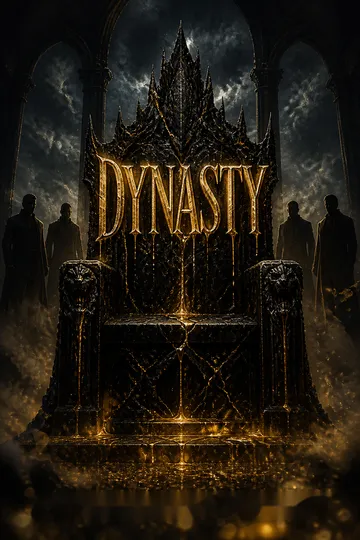
Characters
Ava Jade Mason
The ungovernable survivorAva is an eighteen-year-old transfer student from Lennox, sharp-minded, physically capable, and suspicious of anyone offering help with conditions attached. Her childhood taught her to hide money, carry blades, read exits, and assume that institutions will not protect people like her. She wants the education and financial independence her aunt offers, but she resists the submissive behavior that might secure them. Violence frightens her partly because she knows how easily it can feel like power. Her attraction to the Crows does not erase her anger at their coercion or her determination to make choices for herself. Ava’s central tension is between the safer future she wants and the dangerous agency she already knows how to use.
Corvus James
The calculating eldest CrowCorvus is the eldest and most controlled of Diesel St. Crow’s adopted sons. He approaches people and threats as problems to be studied, preferring plans, surveillance, and disciplined authority to impulsive action. Ava unsettles him because she refuses the roles he expects and cannot be easily classified as ally, enemy, or asset. His attraction to her is tangled with possessiveness: he wants to understand and command what he cannot predict. He also carries private vulnerabilities that his brothers notice but rarely question, including a strong reaction to a song that connects to an undisclosed part of his life. His composure is a practiced defense, not proof that he feels little.
Rook Clayton
The volatile enforcerRook, whose given name is Sawyer, is a physically imposing Crow with a volatile appetite for intensity. He can shift from stillness to violence with startling speed, and he often uses alcohol, fighting, and sexual dominance to discharge pressures he cannot easily name. Beneath that recklessness is sharp perception: he notices what others miss and understands the history shared among his brothers. He treats danger as something to approach rather than avoid, which makes him both frightening and difficult to read. Ava’s refusal to be intimidated interests him, but his impulses can put her at risk. His bond with Corvus, Grey, and Diesel is foundational to his sense of family.
Grey Winters
The watchful mediatorGrey, whose full name is Greyson, is the Crow most likely to offer help before demanding allegiance. He is observant, physically strong, and unusually attuned to the emotional states of the people around him, though he does not always know how to respond gently. His history has left him with a fierce reaction to neglect and abuse, while hunger and the memory of deprivation remain part of his inner life. With Ava, his attraction develops alongside curiosity and concern, but he is still embedded in the Crows’ controlling culture. His efforts to protect her therefore carry a contradiction: he acts against the group’s harshest instincts while helping draw her deeper into its reach.
Becca Hart
A loyal, guarded roommateBecca is Ava’s roommate at Briar Hall, a wealthy student whose dark style and blunt humor conceal careful boundaries. She understands the school’s social hierarchy and the Crows’ influence, so she gives Ava practical warnings rather than pretending the danger is harmless. Her father’s money has bought her unusual freedom at school, but their relationship is marked by distance and guilt. Becca makes room for Ava through small, concrete gestures: sharing food, offering clothes, explaining detention, and inviting her into a private routine of movies and late-night company. She is not simply a guide to the rich world Ava enters; she is a young woman negotiating her own loneliness and history.
Diesel St. Crow
The Saints’ iron patriarchDiesel is the founder and leader of the Thorn Valley Saints, as well as the adoptive father of Corvus, Rook, and Grey. He values loyalty, control, and evidence, and he understands that a careless retaliation can cost more than the original injury. His authority rests on both personal force and a carefully maintained reputation. He can show paternal warmth to the Crows, but that tenderness does not prevent him from treating outsiders as liabilities. Diesel’s decisions expose the tension at the heart of his rule: he protects his chosen family by building a world in which threats are answered outside the law.
Brianna Moore
Briar Hall’s reigning heiressBrianna is a legacy student whose family status gives her influence over classmates and access to adults willing to believe her. She protects her position through social cruelty and staged accusations, expecting less privileged students to submit rather than risk punishment. Ava’s refusal to accept that arrangement makes Brianna feel challenged in public, especially when Becca chooses Ava’s friendship over Brianna’s approval. Her confidence is backed by family power, but her reliance on that power also makes her vulnerable to anyone who refuses to be intimidated.
Aunt Humphrey
The conditional benefactorAva’s wealthy aunt offers her a path out of Lennox, including tuition, an allowance, and the promise of a future apartment. Her assistance is conditional on Ava finishing school, behaving, and earning admission to college. The aunt’s money can change Ava’s circumstances, but her judgment of Ava’s father and her insistence on rules make the offer feel more like a contract than an embrace. She represents security Ava wants but does not trust.
Caroline June
The compromised vice-principalCaroline June is Briar Hall’s vice-principal, a polished authority figure whose private choices leave her open to Rook’s leverage. Her position should give her power over students, yet the Crows can pressure her into looking away from their behavior. She illustrates how the school’s formal rules coexist with informal bargains among adults and powerful families. Ava encounters her as one more institutional figure whose authority cannot be assumed to be fair.
John Mason
A father’s survival codeAva’s father taught her practical rules for surviving a world where money, gangs, and the police could all fail her. His history with Aunt Humphrey left Ava with mixed feelings about accepting the help he once refused. The blades he gave her are both tools and reminders of their bond. Ava measures her choices against what he taught her, even as she tries to imagine a life beyond the dangerous habits that kept them going.
Ava’s mother
The absent, addicted parentAva’s mother struggled with addiction and left the family after years of instability. Her absence forced Ava into adult responsibilities too early and shaped the girl’s distrust of dependence. Memories of her mother’s violence remain tied to Ava’s fear that her own capacity for harm may be inherited or learned. She is a defining presence in Ava’s past even when she is not physically present.
Victor Stoll, called Vick
A city investigator with an offerOfficer Victor Stoll, known as Vick, works for the Thorn Valley police department and approaches Ava privately with a request for information on the Saints. He presents himself as opposed to corruption within his department, but he offers little proof of his own motives. His appeal to Ava’s father’s case is a calculated attempt to create common ground. Ava’s caution toward him reflects her broader problem: official authority has not earned her trust.
Josh Richardson
The reluctant schoolmateJosh is a Briar Hall student who shows interest in Ava and speaks with her in class. He is not prepared to challenge the Crows’ power, and their warning leads him to leave the school for Los Angeles. His retreat makes visible the social cost of their claim over Ava.
Dom
A distant loyal friendDom is Ava’s friend from Lennox and a fellow student of self-defense. She checks on Ava after hearing about her father, but their friendship has never developed into full emotional openness. Her messages remind Ava that care exists beyond Briar Hall, even when Ava is not ready to answer.
Kit
The older self-defense instructorKit teaches self-defense to Ava and Dom and has a casual sexual relationship with Ava. He offers physical familiarity without demanding the emotional closeness she finds difficult. His messages show another connection Ava leaves unattended while she tries to manage the threats around her.
Randy
A slain Saint-in-waitingRandy is a young member of the Saints who is found murdered before Ava settles at Briar Hall. His death unsettles the gang and becomes the reason Diesel orders an investigation. The carved A on his chest makes his killing look like a deliberate message, though Corvus doubts its meaning.
Thomas
A child seeking protectionThomas is a young boy who repeatedly contacts the Saints’ hotline because he is unsafe at home. His attempts to get help through ordinary channels have failed, bringing the Crows into his family’s crisis. His fear gives the Crows’ private justice operation a human target beyond gang politics.
Frank
An abusive fatherFrank is Thomas’s father and the target of the Crows’ intervention. He has ignored repeated warnings to stop hurting his child. His case demonstrates how the Crows use a private system of warnings and punishment when they believe public institutions will not protect a victim.
Billy Parker
A violent local butcherBilly owns a butcher shop and is the father of two young girls. The Crows target him after learning that he has repeatedly abused his children. His shop’s walk-in cooler becomes the setting for Ava’s first deliberate present-day killing.
Leonard Boniface, called Lenny Ace
The guarded rival leaderLenny leads the Iron Aces and attends Diesel’s meeting about Randy’s murder. He is younger and less imposing than Diesel, but he maintains authority over his men and refuses to accept blame without evidence. His careful posture suggests a leader managing both an external rival and the possibility of disobedience inside his own gang.
Conor Jones
Rook’s underground opponentConor is a fighter with a winning streak who faces Rook in Sanctum’s illegal ring. His confidence draws a crowd, but the match exposes the gap between performing toughness and enduring Rook’s particular kind of violence.
Max
A caller from Corvus’s pastMax calls Corvus during the Saints’ operation at the butcher shop and discusses a possible show and new merchandise. The brief conversation hints at a private life connected to music, but Corvus keeps its details from Ava and the others.
Julia
The Saints’ hotline contactJulia relays reports of abuse to the Crows through the helpline they monitor. Her role connects frightened callers such as Thomas and the Parker children to the group’s unofficial intervention system.
Plot Devices
Aunt Humphrey’s bargain
A conditional escape routeAva’s aunt offers tuition, an allowance, and a future apartment if Ava completes her final year at Briar Hall, behaves, and earns college admission. The offer gives Ava a concrete destination beyond Lennox, so her resistance to the Crows carries a material cost: losing their protection could bring school discipline or legal trouble that threatens her prospects. The bargain also echoes the emotional structure of other relationships in the book. Help arrives with conditions, whether from family, the school, police, or the Saints. Ava wants a future built on security, but she struggles to tell the difference between support that makes her freer and control that only changes who holds the leash.
Ava’s blades
Protection and personal memoryAva carries blades because she has learned that physical readiness can matter when institutions fail. They are also linked to her father, who gave them to her, so losing one is not merely losing a weapon. Their presence shapes how others read her and how she moves through school, the woods, and gang territory. A blade helps her stop an armed Ace from shooting Corvus, but the skill that protects someone can also become a means of punishment. The weapons therefore hold the story’s central contradiction in miniature: they preserve Ava’s ability to act for herself, while making violence an ever-present answer to fear, coercion, and danger.
The Saints’ warning system
Private justice by escalationThe Crows use a strike system to respond to people who harm children. A first warning is followed by escalating physical punishment if the offender continues. The system explains why they target Frank and Billy, and why they believe their violence serves a protective purpose. Yet the rules are enforced by the same men who investigate, judge, and punish, leaving no independent test of the evidence and no guarantee that force will stop at what is necessary. Ava witnesses that contradiction directly. The device lets the book make the Crows’ moral appeal compelling without treating their methods as clean or lawful, and it places Ava’s later decision about Billy inside the same unstable logic.
The hidden listening device
Ava turns watcher into watchedAfter refusing the Crows’ protection deal, Ava plants a small listening device outside their home. It reveals their planned gun exchange, their meeting with the Aces, and Rook’s underground fight. The device gives Ava access to information she could not obtain through school gossip or direct confrontation, enabling her to plan entries into Saints territory and follow their movements. Its limited range and fragile battery keep it from being an all-knowing solution. It also makes Ava resemble the people she distrusts: she surveils, steals access, and treats private information as leverage. Her investigation increases her power while deepening her entanglement with the Crows.
The initiation trial
A life-or-death entranceAfter Ava saves Corvus from an armed Ace and becomes a witness the Saints cannot simply release, Grey asks Diesel to let her take the gang’s initiation trial. Diesel agrees, making the trial the condition for her survival and possible membership. Passing would bind Ava to the Saints and make exposing them dangerous to her as well; failing would mean death. The mechanism transforms a moment of independent action into a forced choice about belonging. It also sharpens the central conflict between Ava’s desire for self-determination and the Crows’ belief that loyalty, protection, and control must come as one package. The book ends before she takes the trial.
Boys of Briar Hall Series
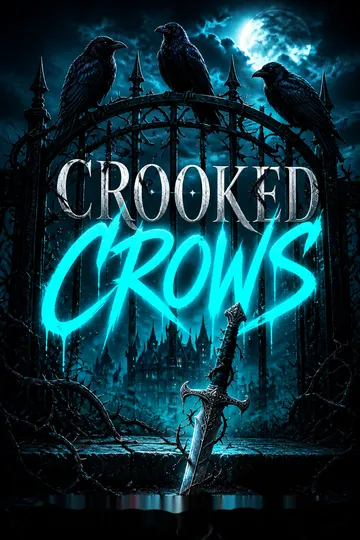
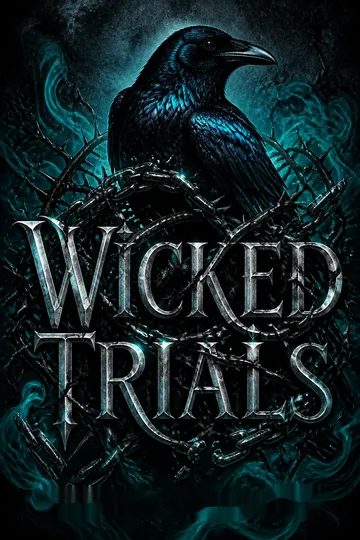

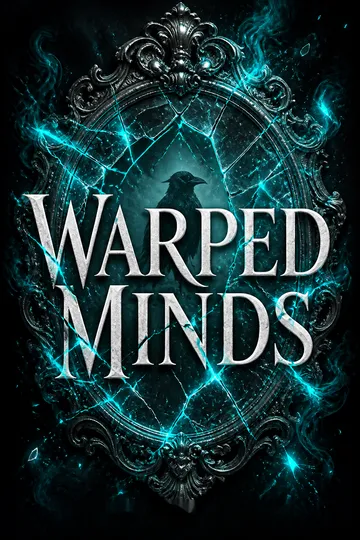
About the Author




Download PDF
Download EPUB
.epub digital book format is ideal for reading ebooks on phones, tablets, and e-readers.








