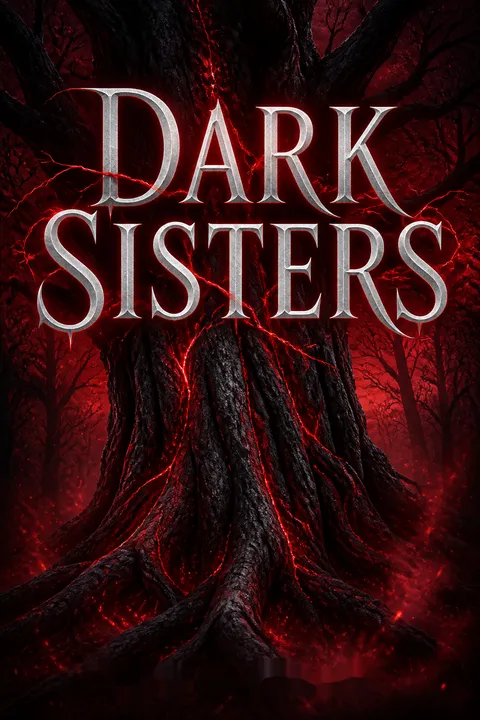


Plot Summary
Prologue
In 1750, Anne Bolton knows the accusation of witchcraft is closing around her and her seventeen-year-old daughter, Florence. Anne has already watched two women hanged, and she fears her own practical healing and private beliefs will make her the next target.
She arranges for Benjamin Gillett, Florence’s betrothed, to visit, then sacrifices a hen and eats its heart, seeking the strength to get them both out alive. Her plan depends on Florence leaving the life she knows. Anne has not yet told her daughter how much she is willing to risk, or how thoroughly the escape will alter their bond.
The prologue makes a mother’s protection both tender and dangerous before the novel explains its full cost. Anne reads the town’s violence accurately, but her answer is not simply flight: she turns to blood, ritual, and manipulation. The hen sacrifice places her own body inside the moral world she rejects, where survival requires an act that can look like the cruelty of her persecutors. Her fear is focused on Florence, yet the plan already assumes Anne may choose for her. The opening therefore makes care inseparable from power, a tension that will echo through generations.
Camilla Hears the Warning
In 2007, eighteen-year-old Camilla Burson sits through another sermon from her father, Henry, the powerful pastor of The Path. He invokes the Dark Sisters, a local legend about two women in the woods, while warning girls to guard their purity. Camilla knows the recurring illness is real: women develop painful sores in their mouths, lose teeth, and sometimes die, while doctors cannot explain it.
Her friends Noah Whitten and Brianna, who already feels the church’s racial exclusion, doubt that the legend explains the sickness. Camilla proposes a party disguised as a prayer vigil. Later, she overhears her mother, Ada, confessing to Vera that her own Purity Ball left her with frightening memories and unexplained scars.
Camilla’s world teaches her to treat female desire as a threat and female illness as a matter of faith, even when neither fits the church’s reassuring explanations. Her father’s sermon turns folklore into discipline, but the disease gives the story a material consequence that his theology cannot contain. Ada’s private memory destabilizes the family’s polished surface: the mother Camilla envies is not untouched by the system she seems to embody. Brianna’s skepticism also exposes how a shared religious setting does not produce equal risk. The novel begins by making belief socially enforced, then asks what it costs to mistake obedience for safety.
Mary Finds Sharon
In 1953, Mary Shephard is a wealthy young wife and new mother whose days are consumed by cleaning, cooking, and caring for baby Ada. When her husband, Robert, buys her a second washer and dryer instead of recognizing her distress, Mary breaks down and asks to work in Atlanta. The job briefly gives her a world beyond the house, until her employer corners and gropes her.
She flees to Rich’s department store, where a lively saleswoman, Sharon Hutchins, helps her choose a hat. Over lunch, Sharon describes her nature-centered spiritual beliefs. Mary is drawn to Sharon’s attention and ease, recognizing a longing she has spent years disguising as admiration. The encounter opens a door Mary had not dared name.
Mary’s crisis is not a rejection of motherhood or comfort. She loves Ada and appreciates Robert’s kindness, yet domestic abundance has become another form of confinement. The new appliances crystallize the gap between what her husband thinks will help and what she actually needs: agency, work, and recognition. Her employer’s harassment then reveals that leaving home does not mean entering a fairer world. Sharon matters because she sees Mary as a person rather than a role, making desire feel less like a defect and more like information. The scene establishes how narrow Mary’s choices are, while showing that even a brief encounter can make those limits newly visible.
Anne’s Forest Covenant
Anne lies to Benjamin that Florence cannot bear children, knowing the claim will destroy their engagement and sever the tie that might keep her daughter in danger. When Florence returns from town heartbroken and newly called a witch, Anne insists they flee that night. Mother and daughter carry food, seeds, tools, and a rifle into the forest, where they find a black walnut tree that seems to pulse with power.
Anne taps its sap and uses it to save Florence from a fever. Neighbors she once healed follow them to the clearing, and the group builds a thriving settlement. Anne, Hope, and Joan then offer blood to the tree so their daughters may prosper. Florence joins the rite, but does not share Anne’s faith in what it means.
Anne’s first deception is a protective act, but it also steals Florence’s ability to choose what happens to her engagement. The forest settlement offers a genuine alternative to the town’s persecution, yet Anne’s growing confidence in the tree risks reproducing the same paternal certainty she fled. She treats natural power as reciprocal and nonjudgmental, while Florence retains a moral framework that divides sacred from profane. Their shared blood rite binds them materially before they understand its consequences. In this section, belonging is built through mutual aid, but the mother and daughter remain divided over who gets to define the source and meaning of their survival.
Bonfire Splits the Trio
Camilla’s party begins with Noah, Brianna, and their classmates around a bonfire, but Noah and Sam Rickard stage a gruesome prank with a cow’s tongue and fake blood. Brianna does not laugh. She condemns their joke about the Dark Sisters and tells Camilla that privilege lets her treat the legend as harmless.
Camilla argues that she faces the same rules, failing to see how Brianna’s Black family is excluded and how little freedom Brianna has to choose a future. Noah punches Sam after Sam insults Brianna, but she still leaves furious. The next morning, Brianna’s parents send her to Retreat, The Path’s punitive religious program. That night, Camilla sleepwalks to the party tree and sees two pale faces in its branches.
The prank makes the novel’s central metaphor literal before Camilla understands it: a severed tongue turns a joke into an image of silenced women. Brianna’s anger is not merely a response to cruelty from Sam. She names the unequal consequences Camilla’s confidence has obscured, including the difference between a pastor’s daughter who can be publicly restored and a Black girl whose choices are tightly restricted. Camilla’s laughter exposes her complicity, while Noah’s punch cannot repair the injury. Her first vision arrives after the friendship fractures, linking her awakening to the moment she can no longer dismiss another woman’s account.
Mary Risks the Ball
Mary and Sharon’s lunches become a clandestine affair, and Sharon helps Mary understand the desire she has long tried to suppress. Mary confides in Vera, her closest friend, but their trust frays when Mary drunkenly reveals at a church gathering that Vera does not want children, exposing a painful private history.
Still, Mary invites Sharon to the Purity Ball, hoping its reception will conceal their time together. They slip into the woods and make love beneath the walnut tree. Robert and Vera find them returning. Mary denies the depth of the relationship to protect her baby and home, while Robert takes away her job and limits her freedom. Sharon leaves Hawthorne Springs, and Mary is left with the life she tried to escape.
Mary’s secrecy is not simply the product of shame. It is a survival strategy shaped by financial dependence, marriage, and the threat of losing her child. Her betrayal of Vera is accidental, but it shows how systems of surveillance can make one woman’s vulnerability dangerous to another. The Purity Ball promises public virtue while providing a space for Mary and Sharon to claim a private truth; the discovery reverses that brief freedom into control. Robert’s response is especially effective because it does not need open violence. He withdraws Mary’s work and access to Sharon, reducing the range of choices until obedience appears to be the only viable option.
Camilla Sees the Sisters
After Camilla’s first vision, she runs to Vera, who cleans her cuts but refuses to explain why she asks whether Camilla has seen the Sisters before. At church the next morning, police and leaders announce that Tania Fullerton, a woman recently returned from Retreat, has been found impaled on the same tree.
Camilla goes back to the clearing and sees the two figures again, now unmistakably real to her. She tells Ada and Vera, but Henry arrives, learns Camilla organized the party, and orders church men to take her away. He treats her account as proof of disobedience, not as a warning. Camilla is blindfolded and delivered to Retreat, a secluded facility designed to reform women under constant supervision.
Tania’s death changes the Sisters from a family story into an evidentiary problem: the tree has become a crime scene, and Camilla has seen its inhabitants twice. Yet the church responds to her disclosure by controlling her, not investigating the death. Vera’s evasions and Ada’s silence leave Camilla without an adult witness willing to validate what she knows. Retreat extends the sermon into architecture, turning doctrine into locked doors, schedules, and surveillance. The institution’s power lies in making dissent appear to be the symptom it claims to cure. Camilla’s removal also isolates her just as the supernatural threat becomes harder to deny.
Florence Curses the Covenant
Florence learns that Anne invented her infertility to end the engagement and save her from accusation. She has since married Gideon Dudley and is pregnant, but the lie destroys what trust remains between mother and daughter. At the tree, Florence offers blood and asks that people who carry betrayal suffer. The settlement’s prosperity continues, but a wasting illness attacks Anne’s mouth and throat.
It spreads to Hope and Isaac’s daughter, who dies impaled on a branch, and later kills Joan. Anne realizes the tree has answered Florence’s request without judging its fairness. Her attempt to soften the curse fails. As the sickness consumes them, Gideon discovers the blood ritual and kills Florence; he also leaves Anne to die on the tree.
Florence’s curse is born from an injury that is real, even though its consequences are catastrophic. Anne’s lie protected her daughter from one danger by overriding her agency, so Florence’s demand for punishment is a distorted attempt to reclaim control. The tree does not distinguish justice from vengeance; it gives force to the request rather than moral guidance. Anne’s understanding comes late: survival requires accepting contradictory parts of oneself instead of pretending purity can erase betrayal. Gideon then recasts the women’s power as wickedness and answers it with patriarchal violence. The episode makes the curse both supernatural mechanism and inherited consequence of denied choice.
Mary Climbs the Walnut
As Mary’s illness rots her gums and throat, she walks into the woods carrying baby Ada and climbs the tree, drawn toward the Sisters and its sharpened branches. Vera finds her, brings Ada down safely, and hears Mary admit that she still loves Sharon.
Mary asks Vera to reunite them, but Vera refuses, afraid of her suspicious husband and of losing everything herself. Days later, Mary disappears. Robert and a pastor find her dead at the tree, and Robert blames her rather than confronting what drove her there.
Sharon learns of the death from a newspaper and confronts Vera. Soon after, Vera’s husband and church leaders send her to a bare room at the church for refusing motherhood and violating the community’s expectations. She escapes through a high window, sees the Dark Sisters, and is recaptured.
Mary’s final walk compresses the novel’s conflicts into a single choice: she loves her daughter, longs for Sharon, and has been deprived of any safe way to hold both attachments. Vera’s refusal is not indifference, but fear produced by the same social order that has trapped Mary. That fear becomes a lasting source of guilt, especially when Robert narrates Mary’s death as an offense against him. Vera’s vision confirms that the Sisters are not only a legend passed between girls. Her capture also gives Retreat a longer history, showing that the modern institution inherits older practices of controlling women who refuse prescribed roles.
The Ball’s Hidden Inheritance
A later glimpse of Hawthorne Springs’ history reveals what Anne and Florence could not stop. In 1764, Gideon brings twelve-year-old Felicity, Florence’s daughter, to a Purity Ball with other girls. The fathers give the girls opium poppy, then cut their thighs and drink their blood while claiming divine authority. The women do not consent, and the drug leaves them unable to protect themselves.
Anne and Florence watch from the tree, unable to intervene. The practice continues through generations, while the town’s wealth is credited to God and its annual assault is hidden beneath ceremony. The story of the dead women is gradually reshaped into a warning about sin, so girls fear the Sisters instead of asking why they haunt the tree.
This revelation exposes the Purity Ball as more than a ritual of sexual discipline. It is a mechanism for transferring power from girls to the men who claim to protect them. The opium and the polished religious language work together: one disables memory, the other supplies an acceptable story for what happened. The hidden violence also clarifies why the legend mutates. A warning about female wickedness is easier for the community to repeat than an account of male exploitation. The Sisters’ helpless witness makes folklore feel like an imposed silence, a story changed by those who control the pulpit and the family record.
Brianna’s Tooth Falls
At Retreat, Camilla is given luxury, pills, rigid schedules, and religious sessions that leave little room to think or speak. Brianna passes her a hand-drawn map through a staff ally, Robin Chatsworth, and the friends meet in a restroom. They reconcile over the party and Camilla’s visions. Then Brianna spits a molar into the sink.
Sores and blackened gums show that the mysterious illness has reached her, and she admits it began after she arrived at Retreat. Camilla connects Brianna’s symptoms to Tania’s death and the tree, though she cannot yet explain how. The two agree to cooperate with the program, act obedient, and watch for a way out, because open resistance would only separate them again.
The tooth is a physical counterargument to the institution’s language of moral failure. Brianna is not being punished for sin; she is ill, and the evidence is in the sink. Their reunion matters because it converts Camilla’s private terror into shared inquiry. Yet their strategy is not heroic defiance but performed compliance, an adaptation learned from watching the adults around them. Robin’s small act of assistance shows that institutions are not monolithic, but each act of resistance carries risk. The scene also corrects Camilla’s earlier blindness: she now listens to Brianna’s experience and recognizes that friendship requires more than affection.
Ada Breaks the Silence
After two weeks, Camilla is released and discovers Henry has hidden Ada’s illness. Ada’s mouth is covered with sores; in distress, she pulls out several teeth. Brianna and Noah reach Camilla at home, help her maintain a cover story, and arrange a hidden phone. Camilla calls Vera, who explains that Ada saw the Sisters as a girl, and that Camilla’s grandmother Mary loved Sharon Hutchins.
Vera admits she once revealed Mary’s relationship to Robert and later failed to help her. Before Camilla can investigate further, Henry distracts her with a Paris trip and a Cartier purity ring. The delayed return keeps her from the tree, while Ada’s condition worsens and Camilla’s questions remain unanswered.
Vera’s confession gives Camilla a human chain of responsibility rather than a simple supernatural explanation. Her regret is specific: she helped expose Mary, then let fear prevent her from helping when Mary asked. Camilla now faces a version of the same choice, but Brianna and Noah give her practical support instead of merely asking her to endure. Henry’s gifts and travel plan reveal how luxury can function as containment, rewarding compliance while postponing inquiry. Ada’s tooth loss makes the family secret bodily and immediate. The section shifts Camilla from suspicion to investigation, but also shows how easily authority can manipulate time and access.
The Bloodied Ball
Before the Purity Ball, Ada coughs a clump of hair from her throat and tries to warn Camilla, but Henry separates them. Camilla attends in the dress he chose and drinks the sweet punch. Grant Pemberton, with Henry’s help, leads her into the woods, drugs her, cuts her thigh, and drinks her blood. Camilla wakes with only fragments, then finds the family Bible in Henry’s office.
Its handwritten maternal genealogy ends with Anne Bolton and Florence Dudley, beside a bloodstained record. Grant catches her examining it. Camilla strikes him with the Bible and runs, but Trent Glover and church leaders seize and taser her. They return her to Retreat, this time restrained on a hospital bed.
The Ball’s public language of protection collapses into a private act of bodily theft. Camilla’s experience echoes the historical girls’ drugged vulnerability, but her fragmentary memory and the bruise around her wound show that the violence is not confined to the past. The Bible connects genealogy to physical evidence, transforming an heirloom of religious authority into a ledger of the family’s buried history. Her attempted escape is an important break from the role of the compliant daughter, though the men’s capture demonstrates how thoroughly power is organized around her. Henry’s gentleness and the church’s coercion are not opposites; they serve the same control.
Robin Opens the Exit
When Camilla is locked in Retreat again, Robin returns with scissors and cuts her restraints while pretending to struggle with her. She hides Camilla beneath a sheet on a hospital bed, wheels her through an unmonitored medical room, and points her toward a staff exit. Camilla reaches Noah and Brianna, who have come to collect her.
Brianna’s mouth has begun to heal, though Ada is still sick. They drive to the walnut tree together. Camilla is frightened but no longer willing to wait for Henry or the church to explain the danger. She approaches the trunk with Noah and Brianna close by, choosing to face the figures she has seen rather than accept the story that they are only a symptom of disobedience.
Robin’s rescue depends on performance, using Retreat’s own surveillance as cover. The institution expects women to struggle, so she turns that expectation into camouflage. Camilla’s escape is therefore collective, not a solitary triumph: Brianna’s illness gives urgency, Noah supplies transport, and Robin risks her position. Brianna’s partial improvement offers hope but not a cure, preventing the group from mistaking survival for resolution. At the tree, Camilla’s fear remains, but she chooses an encounter over another delay. The shift is psychological as much as physical: she stops waiting for permission to interpret what has happened to her.
Ancestors Answer Camilla
The Sisters touch Camilla and show her the history written into the tree. They are Anne and Florence, mother and daughter, whose blood oath brought prosperity and whose curse caused the women’s wasting illness. The curse feeds on betrayal and denial, while acceptance of one’s whole self can quiet it.
Camilla also sees the men’s generations of blood theft, including Henry and Grant using the Purity Ball to take blood from girls. She understands that the Sisters are not the source of the exploitation but witnesses and victims bound to the tree. Camilla cuts the wound on her thigh and offers her blood, inviting Anne and Florence in and calling both the women and the men who stole from them to the clearing.
The revelation refuses a simple division between benevolent magic and evil magic. The tree answers intention without moral judgment, making human responsibility central to what follows. Florence’s curse began in a real betrayal, but its indiscriminate force magnified pain into inherited illness. Anne and Florence’s final request is not for blind obedience, but for descendants to see them and reclaim what was taken. Camilla’s blood bears both her ancestral connection and the recent assault, so her offering converts a wound inflicted on her into an act she chooses. Her new agency does not erase harm; it changes who directs the meaning of her body.
Hawthorne’s Reckoning
Women from Hawthorne Springs answer Camilla’s call, including Vera and the ailing Ada. The church leaders and Grant arrive against their will, drawn by the same blood connection the men exploited for generations. Camilla tells the gathered women how the tree’s magic, Florence’s curse, and the Purity Ball fit together, then gives them the choice to leave before vengeance begins.
None do. Anne and Florence return through the tree’s power. Braids of hair coil around the men’s throats, and the women drink the blood that was taken from them. Camilla pulls out Grant’s tongue and turns on Henry, naming his part in the assault. The branches pierce the men’s chests, killing them as the women reclaim their power.
The climax reverses the Purity Ball’s false protection: women gather by choice, hear the truth, and decide whether to remain. That consent distinguishes their action from the men’s ritual, even as the outcome is violent. Camilla’s vengeance is personal, especially toward Henry and Grant, but it also becomes a communal reclamation of stolen blood and suppressed history. The novel does not make justice clean. The men suffer the same bodily violence they imposed, and the women’s relief coexists with the loss of husbands, fathers, and brothers. Power returns through a reckoning, not through the restoration of the old social order.
The Survivors Walk Home
By dawn, the men hang dead from the branches, and the women begin leaving the clearing. Ada’s color has returned, though the sores remain, and she walks with Vera toward home. Camilla stays a moment beneath the tree, understanding that recovery will take time and that the women must learn what their inherited power means.
Noah and Brianna stand with her, and the three leave together. Camilla thanks them for choosing her when fear and danger could have driven them away. She may search for Sharon, the woman her grandmother loved, but the future is no longer arranged by Henry’s sermons or the Purity Ball. The tree holds her history, but it does not dictate what she becomes.
The ending offers a beginning rather than a neat cure. Ada’s improvement signals that the curse has loosened, but her remaining symptoms acknowledge the damage cannot vanish with a single act of vengeance. Camilla leaves the tree with chosen family, not with the men who claimed authority over her, and the distinction gives the final image its emotional force. Her possible search for Sharon links her future to Mary’s suppressed love without requiring her to repeat Mary’s tragic choices. The novel closes on inheritance transformed: the past remains present, but it can be approached with knowledge, solidarity, and a wider range of choices.
Analysis
Dark Sisters makes the body the record that Hawthorne Springs refuses to keep. Teeth loosen, mouths ulcerate, blood is taken, and hair returns from the throat: each physical detail contradicts the town’s abstract language of purity, discipline, and divine protection. The women’s illness is not an external punishment for sexual transgression. It grows from a supernatural bargain shaped by betrayal and from generations of men appropriating the power attached to women’s blood. The novel’s horror is therefore both occult and institutional. The tree answers desire without moral judgment, while the church claims the right to decide which desires count as sinful. That contrast relocates responsibility from magic itself to the people who use belief to excuse harm.
The alternating histories complicate any easy account of victimhood. Anne saves Florence through a lie, then discovers that protective control can wound the person it means to shelter. Florence’s curse turns justified anger into indiscriminate punishment. Vera’s fear prevents her from helping Mary, and Camilla initially mistakes her own protected status for shared hardship with Brianna. These failures do not make the women equivalent to the men exploiting them. Rather, they show how coercive systems recruit people into reproducing their logic, particularly when secrecy seems safer than solidarity. The novel treats shame as a force that drives isolation, denial, and illness, not as proof of moral corruption.
Camilla’s final act does not restore a lost innocence or offer a clean legal remedy. She and the women choose a violent reckoning after learning that their bodies and family histories have been used without consent. That choice is morally troubling, but the story deliberately places it against a long history in which men have called their own violence sacred. Camilla’s movement from performance to knowledge is the emotional spine of the novel: she first plays the good daughter to survive, then learns to listen, investigate, and act alongside others. The ending’s modest recovery matters because healing is not instantaneous. The women gain the possibility of self-definition, not an erasure of what was done to them.
Review Summary
Dark Sisters by Kristi DeMeester follows three women across different centuries—Anne in 1750s, Mary in 1950s, and Camilla in 2007—connected by a curse and patriarchal oppression. The novel explores themes of witchcraft, religious persecution, feminine rage, and generational trauma through alternating timelines. Reviewers praised DeMeester's atmospheric writing, character development, and powerful feminist commentary, though some found the pacing uneven and the ending rushed. Most appreciated the exploration of purity culture and women's autonomy, with particular praise for Mary's 1950s timeline. Overall ratings averaged 4.05/5 stars, with readers recommending it for fans of witchy, feminist horror.
People Also Read





Characters
Camilla Burson
The watched pastor’s daughterCamilla is the eighteen-year-old daughter of Henry Burson, the pastor whose congregation shapes nearly every part of her life. Fashion, beauty, purity, and obedience are treated as measures of her worth, leaving her to hide frustration behind wit and small acts of rebellion. She is close to Noah and Brianna, though she can mistake the pressures they share for equal burdens. Camilla’s desire to be seen as attractive and good coexists with anger at being continually evaluated. Her strongest resource is her capacity to love her friends, even when she has not yet learned how to listen to their experiences. She is caught between the identity her family assigns her and a self she has barely been allowed to explore.
Ada Burson
The polished, frightened motherAda is Camilla’s mother and the elegant wife of Henry, whose public role as pastor’s spouse requires composure even when she is afraid. She has spent years maintaining the beauty and poise expected in Hawthorne Springs, and her daughter reads that polish as effortless perfection. In private, Ada carries memories she cannot easily reconcile with the story her family tells about itself. Her bond with Camilla is tender, though fear and silence sometimes keep them from speaking plainly. Ada’s character shows how a woman can be both deeply devoted to her child and constrained by habits of denial that once seemed necessary for survival.
Anne Bolton
The resourceful herbalistAnne is a widowed mother in 1750 who uses practical knowledge of roots, herbs, and healing to care for her community. She distrusts the authority of Reverend Brenton and believes the natural world holds power independent of the church’s God or devil. Anne is courageous when danger approaches, but her fierce desire to protect Florence can make her choose on her daughter’s behalf. She understands survival as a duty and sees the earth as a source of sustenance and belonging. Her confidence in her own judgment is admirable and flawed in equal measure, giving her relationship with Florence its lasting tension.
Florence Dudley
Anne’s devout, injured daughterFlorence is Anne’s daughter, raised amid her mother’s healing practice but drawn to the Christian teachings of her community. She is devout, proud, and determined to shape a respectable future with Benjamin, then later with Gideon. Her faith is more than obedience: it gives her a structure for understanding loss and a sense of moral order. Yet her longing for security can make her vulnerable to rigid judgments, including judgments of her mother. Florence and Anne love one another fiercely, but their differing beliefs turn that love into a conflict over who has the right to define a safe and meaningful life.
Mary Shephard
A wife searching for herselfMary is Ada’s mother, a young wife and new parent in 1953 who has been taught to value domestic competence, physical beauty, and a good marriage. She loves her daughter, but the repetitive work of home life and the narrowness of her role leave her feeling as if she is disappearing. Mary is observant, romantic, and more courageous than she believes, though fear of losing her child and social standing shapes her decisions. Her attraction to Sharon brings an unfamiliar clarity to her desires. Mary’s story explores the emotional cost of living honestly in a world where women’s dependence can make honesty dangerous.
Brianna
Camilla’s clear-eyed best friendBrianna is Camilla’s close friend, perceptive about the exclusions and unequal expectations built into The Path. Her family’s money does not protect them from the church’s racial prejudice, and she sees how little room she has to choose her own future. Brianna is sharp, loyal, and unwilling to pretend that a joke is harmless when its target is already vulnerable. Her anger can make her withdraw, but it is also a form of self-respect in a community that expects her to be grateful for limited acceptance. She challenges Camilla to recognize that shared rules do not always impose shared consequences.
Noah Whitten
The loyal childhood friendNoah is Camilla’s longtime friend and Brianna’s friend, a dog-loving young man whose humor often masks how carefully he watches the people he loves. He initially treats the Dark Sisters as an implausible legend and joins in a prank that hurts Brianna. He can be impulsive, but he is also capable of recognizing when he has caused harm and offering support without demanding forgiveness. His practical loyalty becomes important when Camilla needs help beyond the church’s reach.
Vera Stephens
The keeper of old regretsVera is Ada’s longtime friend and a trusted adult presence in Camilla’s life. She is thoughtful and independent, but her choices are shaped by a fear of losing her marriage and place in Hawthorne Springs. Vera carries secrets about the women who came before Camilla and struggles with the knowledge that caution can become abandonment. Her loyalty is real, though not always strong enough to overcome self-protection in the moment. She represents a generation that survived by performing compliance, while privately retaining sympathy for the women the community shames.
Henry Burson
The velvet-gloved pastorHenry is Camilla’s father and the charismatic leader of The Path. Wealth, polished sermons, and a practiced warmth give him influence over both his congregation and his household. He speaks of protection and moral guidance, particularly when addressing girls and women, and expects his family to embody the standards he preaches. Henry is adept at making control feel like care, which complicates Camilla’s lifelong love for him. His authority rests not only on religious belief but on money, institutional power, and the ability to define which stories the community is permitted to hear.
Sharon Hutchins
Mary’s daring confidanteSharon is an Atlanta department-store saleswoman who meets Mary during a lonely period in her marriage. She is warm, funny, and openly committed to a nature-centered spirituality that differs from The Path’s doctrine. Sharon gives Mary a rare experience of being noticed without being corrected. She is frank about the risks of their relationship and refuses to disguise her own beliefs for the comfort of others. Her independence attracts Mary while also revealing how much both women have been taught to surrender for social acceptance.
Robert Shephard
Mary’s well-meaning husbandRobert is Mary’s husband and Ada’s father, a wealthy man who sees himself as kind and devoted. He tries to solve Mary’s distress with purchases and practical arrangements, but he does not understand the loneliness beneath it. His assumptions about marriage and a wife’s role shape what he notices and what he overlooks. Robert’s character illustrates how a man can believe himself generous while still taking for granted that his wife’s work, time, and emotional life belong to the household.
Grant Pemberton
The polished returning suitorGrant is a handsome young man who returns to Hawthorne Springs after law school and catches Camilla’s attention. His ease and charm contrast with the rigid piety surrounding her, making him an object of romantic fantasy. He is connected to the community’s leadership and moves comfortably among its powerful families. Camilla’s attraction to him reflects her ordinary desires as well as the way the town packages masculine status as safety and respectability.
Gideon Dudley
Florence’s ambitious husbandGideon is Florence’s husband, a religious man with aspirations toward leadership in the settlement. He offers a future that appears stable and compatible with her beliefs, and he is shaped by the patriarchal assumptions of his community. His position connects private family life to public religious authority. Through him, the novel examines how claims of spiritual legitimacy can reinforce a man’s control over his wife and children.
Hope
A mother among Anne’s alliesHope is one of the women who joins Anne’s forest settlement with her family. She is practical, protective, and willing to trust Anne because Anne’s healing knowledge has helped those she loves. Hope shares in the blood oath but remains alert to the costs that prosperity may conceal. Her choices are guided by maternal devotion and by loyalty to her husband, making her an important witness to the settlement’s shifting beliefs.
Joan
A careful settlement builderJoan joins Anne’s settlement with her family and helps turn a precarious forest refuge into a functioning community. She is kind, observant, and careful not to expose the group to danger. Joan approaches the walnut tree with reverence, though she remains attentive to the people around her. Her quiet steadiness helps show how the settlement’s survival depends on shared work rather than Anne’s knowledge alone.
Isaac Hatcher
Hope’s husband and farmerIsaac is Hope’s husband and a father who joins Anne’s settlement after her remedies help his family. He works the land and supports the community’s practical survival. His gratitude toward Anne is genuine, though grief and fear later challenge his trust in her.
Lewis Indicott
Joan’s husband and traderLewis is Joan’s husband and one of the men who helps build the forest settlement. He trades with nearby towns and brings back livestock and supplies, giving the hidden community a link to the outside world. He is protective of his family and deeply affected by loss.
Robin Chatsworth
The insider who helpsRobin is a former schoolmate of Brianna who works at Retreat. She knows where the facility’s safeguards are incomplete and is willing to use that knowledge to help someone trapped there. Her dry practicality and willingness to defy her employers make her a quiet but consequential ally.
Tania Fullerton
A woman seeking readmissionTania is a member of The Path who has returned from Retreat after an affair. She is eager to regain acceptance in a community that treats women’s private choices as public evidence of moral failure. Her story reveals how quickly sympathy can give way to judgment.
Felicity Dudley
Florence’s young daughterFelicity is Florence’s daughter, raised within the religious world Gideon builds around her. She carries traits that recall both her mother and grandmother, alongside a lively curiosity that makes her difficult to reduce to the obedient role expected of her.
Barbara
Retreat’s polished attendantBarbara manages Camilla’s intake and daily routine at Retreat. She presents the facility as comfortable and restorative while enforcing its rules with steady, practiced authority. Her manner shows how coercion can be administered through professional courtesy.
Trent Glover
The punitive youth pastorTrent is the youth pastor at The Path and a close enforcer of Henry’s standards. He watches young women for signs of disobedience and repeats the church’s moral judgments with confidence. His role connects the pulpit’s teaching to the institution’s day-to-day discipline.
Pastor Wade
Retreat’s moral instructorPastor Wade leads Camilla’s individual counseling at Retreat. He uses biblical examples to frame women’s choices as spiritual failures, presenting institutional obedience as a route back to virtue. His polished manner gives the program an air of professional legitimacy.
Plot Devices
The Black Walnut Tree
The blood-bound power sourceThe black walnut tree anchors the supernatural and historical plots. Anne discovers it after fleeing accusation, then draws sap from it and shares its power with her settlement. Blood offerings bind women to the tree, and its magic answers requests without judging their moral worth. Florence’s curse becomes the source of the recurring illness, while the men’s later blood rituals exploit the same inherited connection. The tree also holds Anne and Florence after death, allowing their descendants to encounter them. Its bark, branches, sap, and hairlike growths give physical form to a history the church has tried to conceal.
The Dark Sisters
A warning turned witnessThe Dark Sisters begin as a frightening tale told to girls, a legend used by The Path to caution them against sexual or religious disobedience. Their appearances at the walnut tree are repeatedly dismissed as dreams or childish imagination. In truth, the figures are Anne and Florence, bound together after death and able to reach descendants connected to the tree’s blood magic. The gap between the legend and their actual purpose sustains the mystery while demonstrating how a community can turn victims into monsters by retelling their history from the powerful men’s point of view.
The Purity Ball
Ceremony concealing exploitationThe Purity Ball publicly stages a pledge between girls and their fathers, presenting female chastity as a sacred family duty. It gives The Path a glamorous annual spectacle and teaches girls that their bodies are under male guardianship. Beneath that ceremony, church leaders drug the girls, cut their thighs, and drink their blood to claim the prosperity associated with the women’s ancestral covenant. The rite links Camilla’s modern assault to Felicity’s experience generations earlier. Its polished dresses, champagne, and prayers conceal coercion behind the language of protection and family honor.
Retreat
Punishment dressed as careRetreat is The Path’s secluded program for women whose behavior challenges its standards. In Camilla’s time, it offers luxurious rooms and elaborate meals, but controls residents through pills, prayer schedules, monitored movement, and one-on-one counseling. In Vera’s earlier experience, the same impulse to isolate and reform women is represented by a bare room inside the church. Across both eras, the program makes discipline feel charitable and turns dissent into evidence that a woman needs further correction. Its systems of surveillance also create small opportunities for Robin and Brianna to help Camilla evade control.
The Family Bible
A genealogy hiding evidenceThe inherited Bible in Henry’s office appears to be an emblem of pastoral authority, but its handwritten names trace Ada’s maternal line back to Anne and Florence. Bloodstains and the phrase recorded beside the family names connect genealogy to the tree’s power and the church’s rituals. The Bible gives Camilla tangible evidence when the spoken histories around her have been suppressed or denied. Its presence in Henry’s office also collapses the apparent division between his religious authority and the family history he has helped conceal.
Download PDF
Download EPUB
.epub digital book format is ideal for reading ebooks on phones, tablets, and e-readers.








