


Plot Summary
Prologue
Before human beings appear, an ancient presence18 watches life change across the earth. It envies creatures that can reproduce, first inhabits animals to experience their sensations, then finds greater fascination in humans, whose cruelty and ingenuity make them useful.
In a human host, it discovers a way to create others like itself. The story’s central mystery begins as the presence’s18 long search for company, and its first experiment in making more.
The prologue gives predation a history older than human morality. The presence is not initially a devil with a plan, but a lonely observer who turns toward people because they can understand, scheme, and suffer with unusual intensity. Its desire for companionship becomes inseparable from violence: creation requires killing. That origin complicates the novel’s later question of whether Dexter’s inner darkness is illness, identity, or an independent being. The prologue also makes human cruelty more than a metaphor. It suggests that violence can be transmitted, cultivated, and organized by forces that use human needs as instruments.
A Wedding for Cover
Dexter Morgan,1 a Miami forensic blood-spatter analyst and secret serial killer, is preparing to marry Rita,2 whose children, Astor3 and Cody,4 he has begun to treat as his own. Marriage offers useful camouflage, but it also means surrendering the private space where he keeps evidence of his secret life.
Meanwhile, he investigates Alexander Macauley,11 a rich philanthropist who lures homeless men away and keeps their shoes as trophies. Dexter1 suspects the men are being murdered, but the Harry Code, the rules his foster father7 taught him, requires proof before he acts.
Matching Macauley’s11 charity records with yacht-club service logs reveals that every new recruit disappears just before Macauley11 takes his boat out. Dexter1 now has enough to target him.
The opening binds Dexter’s two forms of order together. He plans marriage as camouflage, yet the Harry Code restrains his violence with rules that resemble a private justice system. The children matter because Dexter sees in them both vulnerability and a possible inheritance of his own dangerous impulses. His concern is not conventional tenderness, but it is still consequential: he delays a hunt when Cody asks to learn from him. The novel begins by asking whether a constructed family can become more than a disguise, while showing how readily Dexter converts intimacy into a system to manage.
Macauley's Final Cruise
On the night of Macauley’s11 usual visit to his mission, Dexter1 takes him from the parking lot and drives him to an abandoned warehouse. There, he forces Macauley11 to face what he did to the homeless men, kills him, and disposes of the remains in acid. Macauley’s11 final warning that someone will find Dexter1 sounds like a desperate threat, but a hidden observer16 has already followed them.
The observer16 tails Dexter1 to the train and then to his car. A police parking permit on Dexter’s1 dashboard stops the stranger16 from attacking; instead, he withdraws to watch and plan. Dexter1 returns to ordinary life unaware that his careful disposal of a killer has exposed him to a more organized danger.
Dexter’s private code gives him confidence, but it cannot protect him from consequences he does not know to anticipate. Macauley’s wealth fails to save him, while Dexter’s police identity unexpectedly saves Dexter from immediate attack. The scene also sets up a contrast between Dexter’s solitary, procedural violence and the watcher’s patience. One killer believes control comes from preparation and clean evidence; the other is willing to wait until he understands his target. The threat enters not through a dramatic confrontation, but through an unnoticed act of observation.
Bull Heads at the Lake
At the University of Miami, Dexter1 examines two women burned elsewhere, beheaded, and arranged beside the lake with ceramic bull heads replacing their own. His Dark Passenger,6 normally eager to comment on murder, retreats into an unfamiliar silence. Dexter’s1 foster sister, Sergeant Deborah Morgan,5 leads the investigation and considers Santeria, but the city’s official Santeria priest21 recoils from the scene and refuses to explain it.
Dexter’s1 unease deepens because the Passenger6 reacts as though something is dangerous, not merely strange. A figure in the watching crowd16 senses Dexter1 in return. He recognizes that Dexter1 is connected to the police and decides to study him rather than strike at once.
The crime scene changes the book’s central problem from what a killer has done to what Dexter is without his usual interior companion. His instincts have been a reliable instrument, but now the instrument itself appears frightened. The priest’s retreat is important because it denies the police an easy cultural explanation and signals that the ritual exceeds familiar local practice. Deborah’s conventional investigation and Dexter’s private alarm run in parallel, neither yet able to explain the other. The watcher’s attention makes Dexter’s inner disturbance externally dangerous: whatever is hiding inside him may have an enemy.
Doakes Walks Back In
During the case meeting, Sergeant James Doakes8 appears after months of recovery from the brutal injuries that cost him his hands, feet, and tongue. His artificial limbs and damaged speech make his return startling, but his hatred of Dexter1 is unchanged. As the two men stare each other down, Dexter’s1 Passenger6 stirs at the presence of another predator.
That night Dexter1 dreams of abandonment and wakes shouting, frightened that the inner force has left him. Soon he searches for it and finds only emptiness. The murders have not simply unsettled his work; they have deprived him of the instinct he has relied on to understand himself and to act with confidence.
Doakes’s return briefly restores the old grammar of Dexter’s life: one predator recognizing another. Yet the recognition is not reassuring, because it makes the Passenger’s previous silence look like an active retreat rather than a passing mood. Dexter’s dream translates that loss into abandonment, though he first misreads Rita’s comfort as the subject. His identity has depended on treating the Passenger as both companion and authority. Once it disappears, Dexter cannot tell whether he has lost a partner, a symptom, or the source of his own agency.
Halpern Becomes the Suspect
Deborah5 searches for the victims’ identities and learns from Kurt Wagner,14 a student who says his girlfriend Jessica Ortega has vanished. Jessica shared a room with Ariel Goldman, and a neighbor recalls Ariel leaving Professor Jerry Halpern’s12 office with torn clothing after a confrontation. Halpern12 faints when Deborah5 questions him, then claims Ariel tried to frame him after he refused her sexual advances.
He attempts to flee and is arrested. A search turns up bloody clothing, a stained shoe, and a blood fingerprint in his car, all apparently tying him to the women. Deborah5 sees a strong case; Dexter1 thinks the evidence is almost too neatly arranged, but cannot explain why without the Passenger’s6 guidance.
The investigation offers Deborah the certainty she needs from physical evidence, while Dexter experiences certainty as a missing sensation. His hesitation is not yet a usable insight, so the case proceeds without it. Halpern’s account also complicates the simple image of a predatory professor: the encounter may have been coercive, but his explanation is not enough to clear him. The mismatch between an apparently airtight case and Dexter’s unease creates suspense through competing ways of knowing. Police procedure can establish what evidence supports; it cannot yet establish whether the evidence tells the whole story.
The Heads Come Home
The missing heads appear on the gateposts outside the Ortega family home after the family returns from a funeral. Their placement makes the killings look like a continuing ritual rather than a concealed crime. Dexter1 questions whether Halpern12 could be the only killer, and Deborah5 resists the idea that someone else is involved.
Cody4 and Astor,3 brought along to the scene, identify a man in the crowd16 as frightening because of the dark presence they sense around him. Dexter1 spots the man16 leaving in a car with a University of Miami parking permit. The detail points toward Professor Wilkins,13 Halpern’s12 colleague, who had steered police toward Halpern12 after reporting Ariel’s earlier confrontation.
The returned heads turn evidence into communication. The killer is not merely hiding what happened; someone wants the police and the victims’ family to see the ritual’s authority. The children’s perception also changes Dexter’s private experience into a family inheritance: Cody recognizes an inner darkness in another person, while Dexter has not yet understood what that means. Deborah’s resistance is reasonable within the evidence she has, but it leaves Dexter caught between a strong official case and a clue that feels personal. The scene links the investigation to Dexter’s household before anyone knows how directly the danger will reach it.
A Furnace in the Dream
In custody, Halpern12 describes a dream in which a huge bronze bull-headed statue18 raises victims into a burning furnace while drums and trumpets play. Professor Gus Keller,20 an art historian, identifies the image with Moloch,18 an ancient deity associated with human sacrifice and a furnace-like statue. Dexter1 recognizes the music from his own disturbing sleep.
He searches online, matches the Aramaic letters on the crime-scene markings to Moloch’s18 name, and finds the same bull image on a website. The discovery does not make the supernatural explanation easier to accept. It does, however, connect the murders, Halpern’s12 dream, Dexter’s1 fear, and the missing Passenger6 to one pattern.
The supernatural possibility arrives through overlapping evidence rather than a single revelation. Halpern’s dream, Keller’s historical knowledge, the Aramaic inscription, and Dexter’s private music reinforce one another, yet none offers a comfortable explanation. The mystery destabilizes the boundary between crime-scene investigation and religious myth: an ancient ritual may be reconstructed by modern people, or something older may be acting through them. Dexter’s fear is significant because he has always treated fear as irrelevant to his self-image. Here, knowledge does not restore control. It makes the threat more legible and more difficult to dismiss.
The Stalker in the Mirror
A white Toyota Avalon follows Dexter1 through Miami, then disappears after driving into a canal. Dexter1 traces the car to Dr. Darius Starzak,15 a religious scholar flagged abroad for suspected involvement in trafficking Bosnian children. Convinced Starzak15 is the stalker,16 Dexter1 breaks into his home, restrains him, and prepares to kill him without the Passenger’s6 usual certainty.
Starzak15 warns that others will find Dexter,1 but Dexter1 cannot bring himself to use the knife. He leaves Starzak15 alive and returns to work shaken by his own helplessness. The episode confirms that Dexter1 can still act on suspicion, but his old capacity for violence has become unreliable precisely when he most wants it.
The failed killing is the novel’s clearest test of whether Dexter’s violence belongs to him or to the Passenger. His skills remain: he can investigate, enter a house, and restrain a target. What has vanished is the internal permission that made killing feel purposeful and certain. Starzak’s warning also reframes the stalking as a networked threat rather than an isolated grudge. Dexter’s failure is not simply moral growth, since he does not choose mercy from conviction. It is an identity crisis expressed through an inability to complete the act that once defined him.
Manny's Last Menu
Manny Borque,19 the flamboyant caterer Vince Masuoka10 urged Dexter1 to hire, is found murdered, with one of the university victims’ heads placed beside his body. Dexter1 had visited Manny19 to protest a proposed wedding menu costing five hundred dollars per guest, so Deborah5 treats him as a possible suspect and orders him away from the scene.
Under pressure, Dexter1 finally tells her that an inner presence6 has supplied his past crime-scene hunches and that it has disappeared. A furious newspaper subscriber then reports that a young man with a neck tattoo stole his paper near Manny’s19 apartment at the time of the murder. The detail gives Deborah5 a lead beyond Dexter1 and points toward the missing student Kurt Wagner.14
The murder collapses Dexter’s private and public identities into one scene. His connection to Manny is both mundane and suspicious, and Deborah’s suspicion forces him to disclose the secret he has guarded even from family. Her response is not easy acceptance: the revelation could indicate guilt or illness, and she must decide how much trust remains. Meanwhile, the newspaper witness offers a small, almost comic detail that proves more useful than Dexter’s reputation for insight. The case begins to loosen its grip on Dexter as a suspect, though it does not yet restore the certainty he has lost.
Music at the Windows
A red Geo follows Dexter,1 and someone tests the doors and windows at Rita’s2 house while the family hides together. Police find no intruder, but Dexter1 later wakes after sleepwalking and singing the same ritual music. He asks Rita’s2 minister about demonic possession, then visits a Haitian spiritual shop; neither encounter gives him a reliable explanation.
The music begins breaking into his waking hours, and Dexter1 fears that his mind is failing. Meanwhile, police connect blood in Kurt Wagner’s14 abandoned backpack to Tammy Connor, another missing student. Deborah5 now has grounds to suspect Kurt,14 but the case remains tangled with the same bull imagery and unexplained force that has been stalking Dexter.1
The home invasion makes the threat intimate without making it visible. Dexter cannot use his forensic competence to identify an attacker who leaves no trace, while the family’s fear exposes how little his usual control can protect them. His visits to Christian and Haitian religious authorities show him reaching beyond his practiced skepticism, but both institutions fail to translate experience into certainty. The music is more invasive than a clue: it changes his behavior and crosses the border between sleep and waking. The simultaneous police lead about Kurt offers a human explanation, yet it cannot account for Dexter’s own symptoms.
The Lesson of the Microscope
When Rita2 discovers Cody4 and Astor3 have tied up a neighbor’s cat and prepared hedge clippers, Dexter1 realizes they have tried to imitate his private life without his guidance. He explains that getting caught has consequences and insists they must follow his rules. At work, he turns the lesson into a demonstration: hair, soil, carpet fiber, and food residue can all be recovered from a supposedly clean shoe.
During the lesson, Doakes8 confronts Dexter1 and points out Cody’s4 inner shadow, which the boy4 calmly acknowledges. Deborah5 then reports that Kurt’s14 burned, headless body has been found on Dinner Key. The children’s3 instincts, once a concern for Dexter,1 now intersect directly with the case’s hidden supernatural dimension.
Dexter’s response to the children is a distorted form of care, but it has real protective content. He does not tell them that their impulses are harmless; he teaches restraint, concealment, and attention to consequences. The microscope lesson turns his professional expertise into a parenting tool, though its moral lesson remains unsettling: the children are being trained to avoid detection as much as to avoid harm. Doakes’s recognition of Cody’s shadow validates what the adults have barely discussed. The scene makes inheritance visible, asking whether a dangerous impulse can be shaped without being passed on.
Kurt's Bull Medallion
On Dinner Key, police find Kurt’s14 body arranged like the earlier victims, with a bull medallion and the Aramaic letters for Moloch at his neck. Dexter1 realizes Kurt14 was involved in the killings, but cannot explain who killed him or why. Cody4 and Astor3 reveal that a frightening man16 approached them, gave Cody4 a card bearing the same bull symbol, and predicted that Dexter1 would find him when the time was right.
The man16 drove a blue car, matching Professor Wilkins’s13 vehicle, but police surveillance loses Wilkins13 during a shift change. With a hurricane approaching, Rita2 sends the children3 outside to gather their things; they vanish within minutes. Dexter1 knows the watcher16 has taken them.
Kurt’s body turns the investigation’s apparent suspect into another piece of the ritual. The bull emblem is now both forensic clue and calling card, linking the killer’s victims to the unseen watcher. Cody and Astor’s account matters because they are not passive witnesses; their ability to perceive inner shadows gives the threat access to the family’s youngest members. The lost surveillance detail exposes the vulnerability of ordinary police procedure against an adversary who anticipates it. The children’s disappearance converts an abstract investigation into a deadline, forcing Dexter to act while still deprived of his inner guide.
The God on Toro Key
Following the ritual music, Dexter1 leaves Deborah5 and Rita2 and enters the watcher’s16 waiting car. He wakes imprisoned on Toro Key, where an elderly cult leader17 explains that Moloch18 moves between human hosts. The followers had targeted Dexter1 after he killed Macauley,11 whose donations supplied people for their rites; they also used a follower to influence Halpern12 into killing the two women.
The leader17 says Dexter’s1 Passenger6 is a related being, driven away by Moloch’s18 power but capable of returning through suffering. Dexter1 learns Cody4 and Astor3 are being held nearby for a sacrifice. The explanation makes his private crisis part of the cult’s ancient project, but the captors still control the island and the ritual is already underway.
The revelation does not reduce the supernatural plot to a single villain’s scheme. Moloch is presented as an entity distributed among hosts, while the cult supplies human organization, ritual knowledge, and victims. Dexter’s earlier killing of Macauley becomes the causal bridge between his hidden life and the cult’s attention. His Passenger is neither merely a companion nor simply an extension of his personality; it belongs to a larger history and can be displaced. The elder’s explanation gives Dexter knowledge but not power. He enters the climax aware of what is happening and still unable to resist the music.
The Furnace Breaks
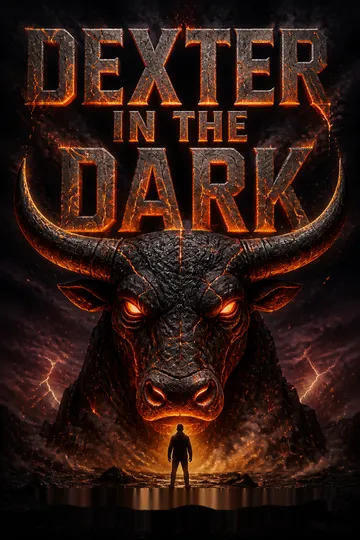
At the cult’s enormous bull-headed furnace,18 Dexter1 is drawn forward by the music while Cody4 and Astor3 are brought toward the statue.18 Burning pants snap Dexter1 out of the trance. He pulls a guard away from Astor,3 takes the fallen man’s knife, and shoots Wilkins13 and Starzak15 as they charge him.
The elderly leader17 grabs Astor3 and threatens to burn her unless Dexter1 drops his gun. Before the leader17 can act, Cody4 stabs him from behind, giving Dexter1 the opening to protect Astor.3 The cult members scatter or fall, and the children3 survive. Dexter’s1 return to action comes through bodily pain and family danger, not through any recovered certainty from the Passenger.6
The climax makes rescue depend on several kinds of agency. Pain interrupts the music, Dexter’s training lets him respond quickly, and Cody acts without waiting for an adult to authorize him. That last act is both a rescue and a new burden: Cody’s readiness has become real violence. The old leader’s distinction between ritual sacrifice and murder collapses when he uses Astor as leverage. Dexter’s victory therefore does not vindicate the cult’s theology or his own violent code. It leaves him with children who have crossed a threshold he had hoped to control.
The Shadow Returns
The hurricane turns away, and Deborah5 arrives with a rescue team to bring Dexter,1 Cody,4 and Astor3 back from Toro Key. The cult’s leaders and key followers are dead, but the experience leaves Dexter1 feeling hollow rather than triumphant. In the weeks that follow, Vince10 finds a cheaper caterer and the wedding proceeds.
As Rita2 and the children3 approach the altar, Dexter1 imagines the ordinary future of school events, bills, and family obligations; the prospect hurts him more than he expects. In that acute distress, the Dark Passenger6 returns. Cody4 notices the change as the ceremony begins. Dexter1 marries Rita,2 relieved to have his old inner companion6 back even as he enters the family life he once treated as camouflage.
The resolution refuses a simple conversion narrative. Dexter has rescued the children and married Rita, but his return to family life does not replace the violent identity that shaped him. Instead, the pain of imagining ordinary responsibility becomes the condition that brings the Passenger back. The wedding is emotionally genuine in its consequences, yet the novel leaves its meaning unstable: Dexter may be attaching himself to the family, or his attachment may be another way to regain his old self. His apparent relief signals restoration, not moral resolution.
Epilogue
Far above the city, the ancient presence18 watches and waits. Its followers and plans have been disrupted, but it has endured upheavals before and believes time is on its side.
It considers how to gather the faithful again and revive the rites that feed its power. Nothing forces it to act immediately. The god’s18 patience leaves the apparent victory on Toro Key shadowed by the possibility that the cult’s purpose has survived its leaders.
The epilogue denies the reader the closure of a defeated evil. The human agents have been stopped, but the force behind their worship remains patient, treating history as a cycle it can restart. That perspective also reframes the novel’s violence: the rituals are not an isolated eruption but part of a long strategy to reproduce power through human hosts. Dexter’s return to normal life is therefore not a final settlement. He has regained the Passenger, while the larger system that links inner darkness, sacrifice, and collective belief remains active beyond his sight.
Analysis
The novel’s deepest conflict concerns the ownership of violence. Dexter1 believes he has made his murderous nature usable by placing it under Harry’s rules and listening to the Dark Passenger,6 but the Passenger’s6 disappearance reveals that his self-control may depend on an authority he neither understands nor commands. Moloch’s18 cult offers a grotesque parallel: its followers also claim that killing serves a higher order, and they disguise coercion as sacred meaning. The difference is not simply that Dexter1 kills fewer people. Harry’s7 insistence on proof and restraint gives Dexter1 a limit, while the cult treats human beings as fuel.
Family complicates this distinction. Dexter1 begins by viewing marriage as camouflage and the children3 as an extension of his private knowledge. Yet he repeatedly delays his own desires for them, teaches them consequences, and acts to save them. These gestures do not make him conventionally moral, but they create obligations that are not reducible to disguise. The children3 also expose the danger in his mentorship: he can teach them to avoid harm, but his first lessons emphasize appearing ordinary and not getting caught. His care carries the marks of the system that formed him.
The mystery’s supernatural scale intensifies rather than resolves the psychological question. The Passenger6 is connected to an ancient history, yet Dexter’s1 experience of losing it feels like bereavement and identity collapse. Its return at the wedding offers relief, not redemption. He has chosen Rita2 and the children,3 but the story does not show that love has displaced his darkness. Instead, family life and predatory identity coexist, each threatening to become the explanation for the other. The epilogue widens that unease: defeating the cult’s leaders ends an immediate danger, while the force that made their beliefs possible continues to wait.
Review Summary
Dexter in the Dark received mixed reviews. Many readers disliked the supernatural elements introduced, feeling they conflicted with the series' realism. Some appreciated the exploration of Dexter's vulnerabilities and Dark Passenger origins. The humor and Dexter's character development were praised, but the plot's direction disappointed many fans. Criticisms included the portrayal of Rita and Deborah, as well as the departure from the TV show's storyline. Overall, opinions varied widely, with some considering it the best in the series and others viewing it as a letdown.
People Also Read


Characters
Dexter Morgan
Forensic analyst, secret predatorDexter is a Miami blood-spatter analyst whose polished helpfulness conceals a carefully regulated compulsion to kill. His foster father, Harry7, taught him to direct that compulsion toward proven predators and to avoid discovery. Dexter understands social life as performance, but Rita’s2 children complicate the performance because he feels responsible for shaping them. He prefers certainty, procedure, and control, and the novel tests each of those supports when his inner companion6 disappears. His wit and clinical attention remain intact, yet his inability to act without his usual inner authority exposes how much of his identity he has assigned to something he cannot explain.
Rita
Fiancée and family anchorRita is Dexter’s1 fiancée and the mother of Astor3 and Cody4. After a violent first marriage, she values safety, affection, and the possibility of building a stable home. Wedding plans matter deeply to her, from the Paris honeymoon she imagines to the caterer19 and ceremony, because she treats shared rituals as proof that a future can be made dependable. She does not understand Dexter’s1 private life, but she expects him to take a genuine place in the children’s3 lives. Her warmth is not naïveté so much as a deliberate commitment to rebuilding trust after harm.
Astor
Sharp-eyed stepdaughterAstor is Rita’s2 ten-year-old daughter, quick with sarcasm and usually more willing than Cody4 to speak for them both. Her father’s abuse has left her wary, observant, and drawn toward the same darkness Dexter1 recognizes in himself. She tests adult authority, especially when promises are delayed, but she also wants instruction and protection from someone who understands her impulses. Astor’s sharp attention makes her a useful observer of the threat around the family. She is neither a miniature adult nor merely a victim; her defiance and need for guidance coexist.
Cody
Quiet, watchful stepsonCody is Rita’s2 seven-year-old son, reserved and sparing with words after the violence inflicted by his biological father. His silence should not be mistaken for passivity: he studies people carefully and communicates with Astor3 through looks and gestures. Like Dexter1, he appears to carry a dangerous inner impulse, and he is eager to learn from the man who seems to understand it. Cody responds to clear rules and trusts Dexter’s1 competence, though that trust also places responsibility on Dexter1 to teach restraint rather than simply concealment.
Deborah Morgan
Detective and blunt sisterDeborah is Dexter’s1 foster sister and a homicide sergeant, direct in speech and impatient with evasions. She trusts evidence, persistence, and police procedure, even when the case becomes stranger than those tools can easily explain. Her relationship with Dexter1 mixes sibling familiarity with professional suspicion: she uses his unusual insights while resisting the idea that he might know more than he admits. Deborah is also devoted to her injured boyfriend, Kyle Chutsky9, and protective of the people she loves, though tenderness rarely appears in a gentle form.
The Dark Passenger
Dexter's inner companionThe Dark Passenger is the name Dexter1 gives the presence that accompanies his murderous impulses and supplies instinctive readings of other predators. Dexter1 experiences it as a distinct inner voice, not as ordinary conscience, and relies on it for certainty about danger and guilt. It is bound to his sense of self, yet its origin remains obscure to him. The novel asks whether it is psychological, supernatural, or both, while making its influence concrete through Dexter’s1 changing confidence, attention, and capacity for action.
Harry Morgan
Foster father and rule-makerHarry was a Miami police officer who adopted Dexter1 and taught him how to survive with his violent impulses. His rules emphasize proof, discretion, and choosing only people who have committed serious harm. Harry’s approach is part law-enforcement discipline and part desperate parenting: he cannot erase Dexter’s1 nature, so he tries to give it boundaries. Dexter1 measures himself against Harry’s instruction and later attempts to pass that training to Cody4 and Astor3. The memory of Harry makes restraint feel like an inherited duty, even when Dexter1 doubts his ability to fulfill it.
James Doakes
Ravaged police rivalDoakes is a Miami sergeant who has long suspected that Dexter1 hides a dangerous nature. After suffering catastrophic injuries, he returns to the department with prosthetic limbs and a fierce hostility that has not softened. His confrontations with Dexter1 are charged by mutual recognition, though he cannot easily explain what he senses in Cody4. Doakes represents the possibility that a predator can recognize another without sharing his methods or loyalties.
Kyle Chutsky
Deborah's injured partnerKyle is Deborah’s5 boyfriend, a government operative recovering from the loss of limbs in a violent encounter. His physical limitations frustrate him because he wants to return to clandestine work and fears being reduced to a desk job. He remains affectionate with Deborah5 and willing to help her, but resists being treated as helpless. His recovery gives Deborah5 a private burden beyond the homicide investigation.
Vince Masuoka
Forensic colleague and best manVince works alongside Dexter1 in forensics and takes his role as best man seriously. His awkward humor and elaborate social manner conceal genuine loyalty and an ability to understand Rita’s2 tastes better than Dexter1 does. He presses Dexter1 to consider an ambitious caterer19, then becomes an important practical support when the wedding plans need to be rebuilt.
Alexander Macauley
Wealthy predator in disguiseMacauley, who prefers to be called Zander, is a rich young philanthropist who presents himself as a benefactor to homeless men. Dexter1 sees the gap between his public generosity and the secret collection of victims’ shoes. His wealth and social respectability let him hide behind charitable appearances, making him a clear example of the kind of predator Harry’s7 rules taught Dexter1 to identify.
Dr. Jerry Halpern
Troubled university professorHalpern is a philosophy professor facing a tenure decision and carrying severe childhood trauma. Under stress, he experiences blackouts, a vulnerability that makes his own memories and actions difficult to trust. His defensive explanations appear absurd to the police, yet his history gives the case a psychological dimension that resists easy judgment. He is both a suspect in the murders and a person whose past has left him exposed to manipulation.
Dr. Wilkins
Halpern's academic rivalWilkins is a university professor competing with Halpern12 for tenure. He is socially composed and quick to position himself as a helpful witness, while concealing a relationship with student Tammy Connor. His polished manners make him difficult for Deborah5 to read, and his proximity to the victims places him within the investigation’s widening circle of suspicion.
Kurt Wagner
Student with a missing girlfriendKurt is a University of Miami student and athlete who reports that his girlfriend Jessica Ortega has disappeared. His ordinary student life gives him an unremarkable public profile, and his connection to the victims initially makes him a useful witness. Deborah’s5 investigation gradually shows that his relationships and movements matter more than his outward image suggests.
Dr. Darius Starzak
Scholar under suspicionStarzak is a religious philosophy scholar with an international past and a record that raises suspicions about his involvement with vulnerable children. He is secretive, unnervingly composed, and connected to the pursuit of Dexter1. His presence brings the trafficking of war orphans into the story’s wider landscape of exploitation.
The Watcher
Patient, hidden pursuerThe Watcher is a mysterious figure who tracks Dexter1, studies his reactions, and approaches Cody4 and Astor3 with unnerving knowledge of their inner lives. He prefers observation and carefully timed intimidation to immediate confrontation. His interest in Dexter1 turns the case into a personal pursuit, while his attention to the children3 makes him dangerous beyond the police investigation.
The Elder
Keeper of Moloch's ritesThe Elder leads a secretive group devoted to preserving Moloch’s18 worship. He speaks with calm authority and treats sacrifice as sacred procedure rather than ordinary violence. His confidence rests on a history and belief system that make individual human lives seem disposable. He is an ideological antagonist as much as a practical one, using religious certainty to justify control.
Moloch
Ancient force of sacrificeMoloch is an ancient god associated with a bull-headed furnace, ritual music, and human sacrifice. The novel presents Moloch as a presence that can act through human hosts rather than as a figure confined to one body. Its worshippers interpret pain and death as a source of power, placing the god at the intersection of supernatural horror and organized human cruelty.
Manny Borque
Unconventional wedding catererManny is a celebrated South Beach caterer, demanding and theatrical, who treats food as personal art rather than a service. His extravagant wedding proposal strains Dexter’s1 budget and gives Vince10 a chance to show his investment in the marriage plans.
Professor Gus Keller
Art historian and witnessKeller teaches art history and recognizes the bull imagery on a ceramic head as a version of an ancient design. His knowledge connects a modern crime scene to the historical practice of Moloch18 worship.
The Babalao
City's Santeria priestMiami’s official Santeria priest is called to interpret the bull-headed ritual, but his immediate retreat signals that the scene falls outside what he is willing or able to explain. His refusal leaves Deborah5 and Dexter1 without an easy religious answer.
Angel Batista
Homicide investigatorAngel is a homicide detective who works beside Deborah5 and Dexter1 at the crime scenes. He gathers evidence patiently and contributes practical investigation while the case grows increasingly strange.
Captain Matthews
Departmental commanderCaptain Matthews supervises Deborah5 and manages the department’s public image during a high-profile investigation. Press attention and the pressure to make an arrest shape how quickly he expects the case to move.
Plot Devices
The Harry Code
Rules for controlled violenceHarry’s7 rules require Dexter1 to establish guilt before killing, use care in choosing targets, and avoid leaving evidence. They shape the Macauley11 hunt and Dexter’s1 conduct even when his usual inner guidance6 fails. The code is both a practical safeguard and a paternal inheritance: Dexter1 tries to pass its discipline to Cody4 and Astor3, but its emphasis on concealment complicates the moral difference between restraint and evasion.
The Dark Passenger
Instinctive guide and identityDexter’s1 name for the inner presence that accompanies his violent impulses and supplies instinctive readings of killers. Its silence at the first ritual scene triggers the book’s psychological crisis, and its absence leaves Dexter1 uncertain about his identity and ability to act. The mystery of its origin becomes central as the bull imagery and ritual music connect Dexter’s1 inner life to an older supernatural force.
Bull and Aramaic Marks
Ritual clue across crime scenesCeramic bull heads replace the victims’ heads, while the letters MLK appear on a driveway, a tattoo, and a calling card. Dexter1 learns that the letters can spell Moloch18 in Aramaic, linking the murders to a historic sacrificial cult. The repeated imagery gives police a visible pattern, but it also functions as a deliberate message to Dexter1 and his children3.
The Ritual Music
A lure that overrides choiceDrums, horns, and chanting appear in Dexter’s1 sleep before intruding into waking life. The music produces powerful happiness and draws him toward the cult’s ritual site, making it both a supernatural instrument of control and a clue to Moloch’s18 ancient rites. Its effect explains why Dexter1 cannot rely on ordinary willpower when the cult begins to summon him.
Forensic Traces
Small evidence reveals hidden actsBlood, shoe residue, service records, and a stolen newspaper turn apparently minor details into investigative leads. Dexter1 uses digital records to link Macauley’s11 boat trips to missing men, while microscopic traces demonstrate to the children3 how much evidence can cling to a supposedly clean shoe. The device joins Dexter’s1 professional expertise to his private code, showing how observation can uncover what respectable appearances conceal.
FAQ
Synopsis & Basic Details
What is Dexter in the Dark about?
- Unraveling Ancient Evil: Dexter Morgan, Miami's forensic blood spatter analyst and secret serial killer, finds his carefully constructed life upended when a series of ritualistic murders, linked to an ancient bull-headed god named Moloch, begins to terrorize the city. These killings, involving burned and beheaded bodies, trigger an unprecedented and terrifying silence from his guiding "Dark Passenger".
- Identity in Crisis: Stripped of his inner voice and feeling vulnerable for the first time, Dexter grapples with an identity crisis, questioning the very nature of his darkness and its origins. Simultaneously, he navigates the complexities of impending marriage to Rita and his evolving role as a stepfather to Cody and Astor, who exhibit their own nascent dark tendencies.
- Confronting a Cult: As the Moloch cult, led by a mysterious "Watcher", targets Dexter and his stepchildren, he is drawn into a desperate hunt to save his family and understand the supernatural forces at play. The novel explores the blurred lines between psychological pathology and ancient evil, culminating in a confrontation that forces Dexter to act on raw instinct and paternal love, ultimately leading to the unexpected return of his Dark Passenger.
Why should I read Dexter in the Dark?
- Supernatural Twist: This installment boldly introduces supernatural elements, transforming Dexter's internal struggle from pure psychopathy into a battle against an ancient, possibly demonic entity, offering a fresh and unexpected direction for the series. Readers seeking a blend of crime thriller and horror will find this a compelling read, as it challenges the established boundaries of Dexter's world.
- Deepened Character Study: The novel provides an unparalleled psychological exploration of Dexter Morgan, forcing him to confront his deepest fears and vulnerabilities when his Dark Passenger abandons him. His struggle with human emotions like fear, anger, and even a nascent form of love for his stepchildren offers a profound look into his artificial humanity.
- High-Stakes Family Drama: Beyond the murders, the story centers on Dexter's evolving relationship with Rita, Cody, and Astor, turning his family into both his ultimate disguise and his greatest vulnerability. The kidnapping of the children elevates the emotional stakes, showcasing Dexter's protective instincts in a way not seen before, making it a gripping read for those interested in complex family dynamics.
What is the background of Dexter in the Dark?
- Ancient Mythological Roots: The novel extensively draws upon the ancient Semitic deity Moloch, associated with child sacrifice and fire rituals, particularly in the context of biblical and historical accounts. This intertextual reference grounds the supernatural elements in historical lore, suggesting a timeless, recurring evil that transcends mere human pathology.
- Cultural Miami Blend: Lindsay weaves in Miami's diverse cultural fabric, referencing Santeria and Voodoo practices, which initially serve as red herrings for the police investigation. This cultural context highlights the city's unique spiritual landscape, where ancient beliefs and modern crime intertwine, adding layers of authenticity and mystery to the narrative.
- Evolution of the Dark Passenger: Building on previous books, Dexter in the Dark redefines the Dark Passenger from a purely psychological manifestation of Dexter's trauma into a distinct, possibly sentient entity with its own history and fears. This shift is a significant background development, retroactively influencing the interpretation of Dexter's character across the series.
What are the most memorable quotes in Dexter in the Dark?
- "IT thought: I can work with this.": This chilling line from the opening "In the Beginning" section, uttered by the primordial entity (Moloch), encapsulates the ancient evil's fascination with humanity's capacity for cruelty and deception, setting the stage for its manipulation of human hosts. It defines the core antagonist's predatory nature and long-term plan.
- "The Dark Passenger was gone.": This stark declaration marks the pivotal moment of Dexter's profound identity crisis, stripping him of his defining internal companion and leaving him utterly vulnerable. It signifies the central conflict of the novel, forcing Dexter to confront his own emptiness and the true nature of his being.
- "Your shadow. It's back.": Spoken by Cody at Dexter's wedding, this simple yet powerful phrase confirms the return of the Dark Passenger, signaling Dexter's reclamation of his true self amidst the trappings of normalcy. It encapsulates the novel's resolution, where Dexter finds a new, albeit uneasy, balance between his dark urges and his human connections.
What writing style, narrative choices, and literary techniques does Jeff Lindsay use?
- First-Person Internal Monologue: The novel is primarily narrated from Dexter's cynical, detached, and often darkly humorous first-person perspective, allowing readers deep insight into his unique thought processes and internal struggles. This narrative choice highlights his artificiality and his constant effort to mimic human emotion, creating a compelling and unsettling intimacy.
- Juxtaposition of Mundane and Macabre: Lindsay masterfully contrasts Dexter's ordinary domestic life and forensic work with his extraordinary inner world and violent urges. This juxtaposition, often delivered with dry wit, underscores the absurdity of Dexter's double life and the pervasive nature of darkness beneath a veneer of normalcy.
- Shifting Perspectives and Foreshadowing: The inclusion of chapters from the ancient entity's (IT's) perspective, along with subtle hints and recurring motifs (like the music and bull imagery), serves as effective foreshadowing, gradually revealing the supernatural threat. This structural choice builds suspense and broadens the scope of the narrative beyond a typical crime thriller.
Hidden Details & Subtle Connections
What are some minor details that add significant meaning?
- Zander's Shoe Fetish vs. Dexter's Slides: Zander's collection of victim's shoes, described as "too naive for words" and "almost insulting" by Dexter, subtly highlights Dexter's superior meticulousness and control. This contrast emphasizes Dexter's self-perception as a "tidy, madly slashing fiend" and reinforces the Harry Code's emphasis on forensic innocence, a detail crucial to his survival.
- The Babalao's Mirroring Reaction: The Santeria priest's immediate and terrified retreat from the crime scene, stating "This is nothing to do with me," directly mirrors the Dark Passenger's own unprecedented fear and withdrawal. This subtle parallel suggests that the Moloch entity operates on a level of evil that even seasoned spiritual practitioners and primal darkness recognize as uniquely dangerous or alien.
- Cody's "Inside Shadow": Cody's quiet but firm assertion that the "scary guy" (the Watcher) "saw my shadow" and that he has an "inside" shadow "like you used to have" is a profound, almost throwaway line. It confirms the inherent, non-psychological nature of their shared darkness and the Watcher's ability to perceive it, establishing a deeper, almost genetic, connection to the ancient entity.
What are some subtle foreshadowing and callbacks?
- Dexter's Dream of Abandonment: Dexter's early "bad dream" where he shouts "Come back! Don't leave me alone," and his subconscious fears losing the Dark Passenger, subtly foreshadows the Passenger's actual departure. This premonition highlights Dexter's deep, unacknowledged reliance on his inner voice, making its subsequent absence even more impactful.
- The "MLK" Aramaic Symbol: The recurring Aramaic letters "MLK" (Moloch) first appear as a chalked symbol at a crime scene, then on Kurt Wagner's medallion, and finally on the cult leader's knife. This consistent visual motif subtly guides Dexter's investigation, acting as a breadcrumb trail that links seemingly disparate murders and points directly to the ancient cult.
- Harry's Lesson on "Getting Caught": The flashback to Harry taking a young Dexter to visit Carl, a captured serial killer, and emphasizing "Don't get caught" as the ultimate rule, serves as a powerful callback. This lesson becomes critically relevant when Dexter, without his Passenger, feels vulnerable and paranoid about being followed, highlighting the practical consequences of his actions and the importance of his disguise.
What are some unexpected character connections?
- Halpern as a Cult Pawn: Professor Halpern, initially presented as the primary suspect due to his past trauma and the evidence planted by the cult, is revealed to be an unwitting pawn. His "dream" of the bull statue and fire is not a confession but a manipulated vision, connecting him to the cult's influence and demonstrating their sophisticated methods of framing.
- The Watcher's Kinship with Dexter: The Watcher, the cult leader, expresses a "kinship" with Dexter, seeing him as "quite special, resilient" and a "bastard child of Moloch." This unexpected connection elevates Dexter's Dark Passenger beyond a mere psychological construct, suggesting it is a rogue fragment of the ancient entity itself, making Dexter a unique and powerful anomaly in the cult's eyes.
- Cody's Shared "Shadow" with Doakes: Cody's ability to perceive Doakes's "shadow" and Doakes's guttural recognition of Cody as "Kigs" (kid) implies a shared, primal darkness between them, similar to Dexter's own. This subtle connection suggests that the "shadow" is a recognizable trait among those with inherent predatory instincts, linking the children to a lineage of darkness beyond Dexter's direct influence.
Who are the most significant supporting characters?
- Professor Keller: The art history teacher, Professor Keller, provides crucial academic insight into the Moloch cult, explaining the historical context of the bull-headed statue, human sacrifice, and the ritualistic burning. His detached, scholarly exposition lends credibility to the supernatural elements, transforming them from mere fantasy into a historically documented, albeit horrifying, practice.
- The Old Man with the Newspaper: This seemingly minor character, who complains about his stolen newspaper, inadvertently provides the critical clue about Kurt Wagner's neck tattoo and his presence at Manny Borque's apartment. His mundane complaint leads directly to identifying a key cult operative, demonstrating how seemingly insignificant details can unravel major plot points.
- The Haitian Voodoo Priestess: The priestess at "The Tree of Life" offers a contrasting perspective on "possession," emphasizing willingness and blessing, and dismisses Dexter's experience as a "blanc" phenomenon. Her refusal to help, based on cultural and spiritual boundaries, highlights the unique nature of Dexter's Dark Passenger and the Moloch entity, setting it apart from traditional spiritual beliefs.
Psychological, Emotional, & Relational Analysis
What are some unspoken motivations of the characters?
- Dexter's Craving for Control: Beneath his claims of soullessness, Dexter's intense discomfort with the Dark Passenger's absence and his subsequent fear reveal an unspoken motivation: a profound need for control over his own existence and internal landscape. The Passenger's guidance, though dark, provided him with a sense of purpose and mastery, which he desperately seeks to reclaim.
- Rita's Pursuit of a "Normal" Family: Rita's relentless wedding planning and her desire for Dexter to be a "father" to her children stem from an unspoken, deep-seated need to create a perfect, stable family unit as a shield against her traumatic past. Her insistence on normalcy is a coping mechanism, a desperate attempt to rewrite her history and protect her children from similar pain.
- The Watcher's Desire for "Rightness": The cult leader, the Watcher, is driven by an unspoken motivation to restore what he perceives as the "right" order of the world by serving Moloch and eliminating "aberrations" like Dexter's Passenger. His actions are rooted in a fanatical belief in ancient traditions and a desire to maintain the purity of Moloch's power, viewing his horrific acts as sacred duty.
What psychological complexities do the characters exhibit?
- Dexter's Existential Dread: Without the Dark Passenger, Dexter experiences profound existential dread, feeling "empty," "defenseless," and "stupid." This psychological complexity challenges his self-proclaimed lack of emotion, as he grapples with human-like fear, anger, and a sense of purposelessness, blurring the line between his artificial and potentially emerging genuine humanity.
- Halpern's Dissociative Identity: Professor Halpern's history of "blackouts under stress" and his "dream" of the Moloch ritual suggest a dissociative psychological complexity, making him a perfect, unwitting tool for the cult. His mind compartmentalizes trauma, allowing the cult's "Children of Moloch" to influence him without his conscious awareness, highlighting the fragility of the human psyche under extreme pressure.
- Cody and Astor's Controlled Darkness: The children exhibit a chilling psychological complexity in their nascent "shadows," demonstrating a predatory instinct that Dexter attempts to "train." Their ability to "look like something normal" while harboring dark urges, and Cody's calm act of violence, reveal a chilling potential for controlled psychopathy, mirroring Dexter's own carefully managed existence.
What are the major emotional turning points?
- The Passenger's Retreat: The initial silence and fear of the Dark Passenger at the first crime scene is a major emotional turning point for Dexter, plunging him into unprecedented vulnerability and anxiety. This moment shatters his illusion of invincibility and forces him to confront his dependence on his inner voice, leading to a profound identity crisis.
- Dexter's Uncontrolled Anger: During the car chase with Starzak, Dexter experiences "pure indignant anger," a raw, unmediated emotion he rarely feels. This surge of "lizard brain" fury, acting without the Passenger's guidance, marks a significant emotional turning point, demonstrating his capacity for human-like rage and a shift from calculated predation to visceral reaction.
- The Fire's Clarity: The moment Dexter's pants catch fire during the Moloch ritual, the "pain... jolted through me with the shriek of a hundred thousand outraged neurons, and the cobwebs were instantly cleared away." This physical agony acts as a powerful emotional turning point, breaking the cult's hypnotic spell and restoring Dexter's clarity, allowing him to fight back and save his children.
How do relationship dynamics evolve?
- Dexter and Deborah's Tested Trust: Their relationship evolves from a foundation of unspoken understanding (Deborah knowing Dexter's secret) to one of strained trust when Deborah suspects Dexter of Manny Borque's murder. Dexter's reluctant confession about his "voice" and its absence further complicates their bond, pushing Deborah to question his sanity while still relying on his unique insights.
- Dexter's Paternal Transformation: Dexter's relationship with Cody and Astor transforms from detached observation and a convenient disguise into genuine protective instinct and a sense of paternal responsibility. His decision to "mentor" them in the Harry Way, and his desperate efforts to rescue them from the cult, signify a profound shift in his emotional landscape, moving beyond mere mimicry.
- Rita's Unwavering Faith: Rita's relationship with Dexter deepens as her unwavering faith and love become a source of both comfort and pressure for him. Her belief in his goodness, despite his internal turmoil, forces Dexter to maintain his "normal" facade and ultimately contributes to the emotional intensity that triggers the Passenger's return, highlighting her role as his "humanizing anchor."
Interpretation & Debate
Which parts of the story remain ambiguous or open-ended?
- The Dark Passenger's True Nature: Despite the supernatural elements, the exact nature of the Dark Passenger remains ambiguous. Is it a literal fragment of Moloch, a distinct demonic entity, or a highly sophisticated psychological construct that merely responds to supernatural stimuli? The novel leaves room for interpretation, blurring the lines between the psychological and the truly preternatural.
- Moloch's Literal vs. Metaphorical Reality: The story presents Moloch as a seemingly literal ancient god, capable of influencing minds and orchestrating events. However, the extent to which Moloch is a physical entity versus a powerful, collective psychic force or a deeply ingrained human archetype of evil is open to debate. The narrative allows for both interpretations, maintaining a sense of unsettling mystery.
- The Future of Cody and Astor's "Shadows": While Dexter begins to "mentor" Cody and Astor in the Harry Way, the long-term implications of their "inside shadows" remain open-ended. Will Dexter successfully channel their darkness, or will they succumb to its destructive potential? The novel suggests a continuing struggle, leaving their ultimate path uncertain.
What are some debatable, controversial scenes or moments in Dexter in the Dark?
- The Shift to Supernatural Horror: The most controversial aspect is arguably the series' abrupt pivot from psychological thriller to overt supernatural horror. Some readers debate whether this shift enhances the narrative by exploring new dimensions of evil or detracts from the grounded, character-driven psychopathy that defined earlier books, potentially alienating fans of the original premise.
- Cody's Climactic Act of Violence: Cody's decisive act of stabbing the cult leader in the back, calmly stating "Told you I was ready," is highly debatable. Is this a disturbing triumph of Dexter's "training" and the Harry Code, or a chilling indication that Cody has embraced his darkness too readily, raising ethical questions about Dexter's mentorship?
- Dexter's "Love" for His Family: The novel presents Dexter acting out of protective instinct for Cody and Astor, and Rita's belief in his love. However, whether Dexter genuinely experiences love or if his actions are a sophisticated form of self-preservation and a desire to maintain his "perfect disguise" remains a point of contention. His internal monologues often contradict outward displays of affection, fueling this debate.
Dexter in the Dark Ending Explained: How It Ends & What It Means
- Climax and Rescue: The story culminates on Toro Key, where Dexter, under the hypnotic influence of Moloch's music, is nearly sacrificed alongside Cody and Astor in a grand ritual. The pain of his burning pants breaks the spell, allowing Dexter to regain control, kill the cultists (Wilkins, Starzak, and the old man), and rescue the children, demonstrating his capacity for action even without the Passenger.
- The Passenger's Return: At his wedding to Rita, overwhelmed by the "drab agony" of a "lifeless, colorless secondhand existence" and the "exquisite agony" of human connection, Dexter experiences a "strange stirring inside." Cody then whispers, "Your shadow. It's back," confirming the Dark Passenger's return. This signifies that the extreme emotional and psychological pressure of domesticity and responsibility, rather than physical pain, was the catalyst needed to bring his darkness home.
- Meaning of Reclaimed Identity: The ending of Dexter in the Dark means Dexter has found a new, albeit precarious, balance. He accepts that his Dark Passenger is an inextricable part of him, but also that his connections to Rita and the children are now integral to his identity. His "I do" at the altar is not just to Rita, but to this complex, dual existence, where his "bright blades and dark shadows" coexist with the demands of a "normal" life, ensuring his continued purpose as Dexter the Avenger.
Dexter Series




About the Author

Download PDF
Download EPUB
.epub digital book format is ideal for reading ebooks on phones, tablets, and e-readers.








