

Key Takeaways
Choose produce by variety, not by the reassuring label of its species.
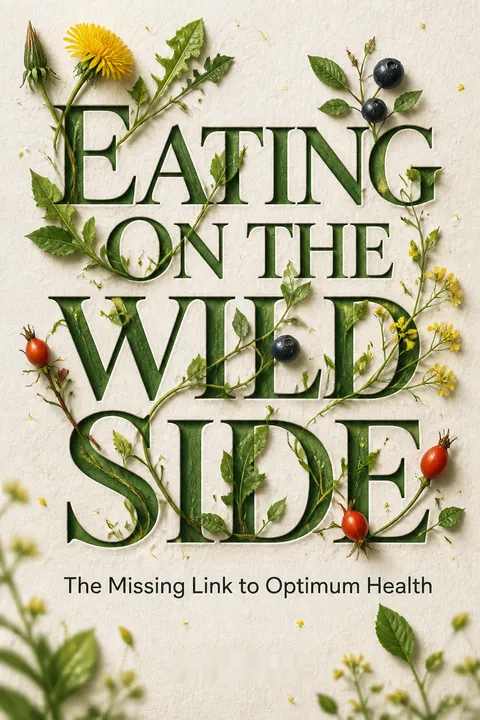
A tomato is not just a tomato. The book’s central idea is to “eat on the wild side”: choose cultivated varieties that retain more of the plant compounds, fiber, and other nutrients found in wild ancestors. Phytonutrients are compounds plants make for their own protection; some also have antioxidant activity in food. Their amount can differ sharply among varieties. The book reports that certain supermarket tomatoes contain ten times as much lycopene as others on the same display, while Granny Smith apples have far more phytonutrients than Ginger Gold apples.
Check the variety, not its age. Heirloom does not automatically mean healthier. The newer Liberty apple has more antioxidant activity than the older Golden Delicious, while both remain less nutrient-dense than wild apples. A short list of specific varieties can therefore do more for a shopper than a general rule to eat more produce.
What's striking is how the book shifts attention from food categories to variation within them. That is a useful correction to nutrition advice that treats an apple, tomato, or potato as a uniform unit. It also resembles choosing among options in a portfolio: the broad category matters, but so does the quality of each holding. The evidence supports meaningful compositional differences, though a higher laboratory measure does not automatically translate into a proven reduction in disease. Variety is a practical selection tool, not a medical guarantee.
Sweetness and convenience often came at a nutritional price.
Breeding followed the palate. For thousands of years, farmers selected plants that were sweeter, softer, larger, and easier to harvest. The tradeoff was often less fiber, protein, bitterness, and protective plant compounds. The book contrasts teosinte, corn’s wild ancestor, with modern corn: teosinte kernels are described as about 30 percent protein and 2 percent sugar, while older sweet corn is about 4 percent protein and 10 percent sugar. Some modern supersweet corn reaches 40 percent sugar.
Industrial farming added new priorities. Produce also had to survive machinery, storage, and long-distance shipping. Breeders favored sturdy, uniform crops that could travel and wait on shelves. That history helps explain why attractive, sweet produce is not always the most nutritious or flavorful choice. The result was not a single bad decision, but many sensible decisions made for taste, yield, and commerce.
The book’s strongest historical insight is that nutritional decline can emerge from ordinary success. Farmers and breeders answered real demands, including reliable harvests and food that people wanted to eat. This is a classic optimization problem: improving one outcome can quietly worsen another when the second is not measured. The useful response is not nostalgia for an imagined past or suspicion of all modern breeding. It is to include nutrition and flavor among the goals, alongside productivity and durability.
Use color and bitterness as clues, not rigid shopping rules.
Pigments often signal plant defenses. Dark red, purple, and blue produce often contains anthocyanins, while dark green leaves can be rich in lutein. These compounds help plants respond to sunlight and other stresses. In lettuce, open leaves exposed to sunlight tend to contain more phytonutrients than the protected inner leaves of a tight head. Pungent onions and bitter greens can also retain compounds that were bred out of milder varieties.
The clues have exceptions. White-fleshed peaches and nectarines can be more nutrient-rich than yellow ones, while drab artichokes are among the most antioxidant-rich foods in the book’s comparisons. A bitter taste is not a precise nutrient test, either. Use color, leaf structure, and flavor to guide choices when varietal information is missing, but treat them as informed shortcuts rather than universal laws.
This is a good example of a practical heuristic that remains useful only when its limits are visible. Color offers an easy way to notice plant chemistry, and bitterness can cue a broader flavor range than many shoppers are accustomed to. But a shortcut becomes misleading when it turns into a rule. The book’s exceptions encourage a better habit: use visible traits to narrow the options, then rely on variety-specific information when it is available.
Buy fragile produce fresh, then slow its decline immediately.
Harvest is not the finish line. Produce remains biologically active after picking, and some kinds lose quality quickly. In a storage experiment described in the book, broccoli lost more than 80 percent of its glucosinolates over ten days under conditions modeled on transport, warehousing, and retail display. It also lost vitamin C. By contrast, potatoes and apples tolerate storage much better. Freshness matters most for fast-respiring foods such as broccoli, asparagus, artichokes, and tender greens.
Protect the crop you bring home. Buy whole broccoli heads rather than precut florets, chill delicate greens promptly, and eat fragile vegetables soon after purchase. For greens you need to keep, the book recommends a microperforated bag: a sealed plastic bag with small pinholes that allows some gas exchange while retaining humidity. Local farm stands can shorten the time between harvest and dinner.
The practical value here is that “fresh” becomes a property of both the food and the supply chain. A vegetable’s appearance can survive storage after its chemistry and flavor have changed, so the produce aisle offers imperfect evidence. This also clarifies why local purchasing can matter most for some crops and less for others. The approach has limits: shoppers may not control access, cost, or seasonality. Better storage advice helps, but it cannot undo every loss that happens before the food reaches the kitchen.
Cook for nutrient access, not for a simplistic raw-versus-cooked rule.
Preparation changes what food delivers. Heat, cutting, storage, and accompanying ingredients can alter nutrient levels and absorption. The book’s examples overturn the idea that raw is always best. Cooking tomatoes makes lycopene easier to absorb, and long-simmered tomato sauce can contain more available lycopene than raw tomatoes. Cooking carrots whole, then cutting them, preserves more of a compound called falcarinol than cutting them first. Eating carrots with some fat also improves absorption of beta-carotene.
Use the method that fits the plant. Chop or crush garlic and let it rest for ten minutes before heating, allowing allicin to form. Steam broccoli briefly rather than boiling it. Add olive oil to salads so the body can absorb fat-soluble nutrients. In contrast, cooking berries can increase their measured antioxidant activity. The useful question is not “raw or cooked?” but “which preparation suits this food?”
What's valuable is the move from food ideology to food-specific technique. Cooking is not simply nutrient destruction: it can soften plant structures, change compounds, or make them easier to absorb. The same method can help one food and harm another, so blanket rules are poorly suited to the biology of a mixed diet. The book’s examples also make nutrition actionable at the stove. Still, more availability in a food does not prove a larger long-term health effect, and simple preparation should not be mistaken for treatment.
Slow the starch in potatoes instead of banning them outright.
The potato’s effect depends on type and handling. Mature russet potatoes can raise blood sugar quickly, while new potatoes generally have a smaller effect. Sweet potatoes have a lower glycemic index than common potatoes, and colorful varieties often contain more plant pigments. The book offers a useful kitchen adjustment for common potatoes: cook them, chill them for about 24 hours, then serve them cold or reheat them. Cooling converts some rapidly digested starch into resistant starch, which is broken down more slowly. The book cites a reduction of up to 25 percent in the blood-sugar response.
Keep the useful parts. Potato skins contain much of the tuber’s fiber and antioxidant activity, so peeling removes value as well as dirt. The author recommends organic potatoes when eating the skin, because conventional potatoes may carry pesticide residues. Fat and vinegar can also slow digestion, although they do not erase the rest of a meal’s effects.
This section models a more productive response to a food with a poor reputation: modify the form and portion rather than treating the ingredient as morally forbidden. Resistant starch is a useful example of how cooling can change the behavior of a carbohydrate. The book’s specific blood-sugar figure should be read as an estimate from particular conditions, not a guaranteed response for every person. Potato variety, cooking method, meal composition, and individual metabolism all matter.
Treat flavor as the gateway to better produce, not an obstacle.
Pleasure determines what gets eaten. The book argues that industrial supply chains often prioritize crops that look uniform and travel well, even when they arrive bland or mealy. Stone fruits are a clear example: peaches picked early can suffer chilling injury, a cold-related damage that leaves them dry, leathery, or unable to ripen properly. Fully ripe, locally harvested fruit can taste better and retain more of its nutrients.
Make assertive flavors easier to enjoy. Bitter greens can be mixed with milder lettuce, fruit, avocado, or a dressing containing oil and a touch of sweetness. Younger arugula tends to be milder than mature leaves. These are not tricks for forcing everyone to eat the same foods; they are ways to find an enjoyable entry point. A more appealing salad is more likely to become a regular meal than a virtuous one that tastes like punishment.
The book treats sensory pleasure as part of nutrition rather than a distraction from it. That is a strong behavioral insight: repeated choices depend on what food feels like to eat, not only on what a chart says it contains. This also suggests that better produce access and better cooking can complement education. There is no need to romanticize bitterness, though. Some people experience it much more intensely than others, and a sustainable eating pattern should make room for preference rather than turning taste into a test of virtue.
Put beans and dark berries on the menu more often than supplements.
Some everyday foods carry concentrated value. Dried beans and lentils are rich in fiber and plant compounds, and the book reports that dark beans and lentils rank especially high in antioxidant-capacity comparisons. Canned beans can also be a convenient, nutritious choice. If cooking dried beans, use the cooking liquid in the meal or let the beans rest in it, so compounds that leach out are not simply discarded.
Berries make a practical repeatable choice. Blueberries and blackberries are rich in pigments and fiber, and frozen berries retain much of their nutritional value. The book describes small human studies suggesting potential benefits for memory and cardiovascular risk markers, but those findings are preliminary. Regular servings of beans and berries are a more grounded habit than assuming a concentrated extract can replace the food and its fiber, texture, and other components.
This pairing works because it joins nutritional density with practical flexibility. Beans are inexpensive, shelf-stable, and adaptable; frozen berries keep a seasonal fruit within reach. Together they make a useful counterweight to the impulse to seek a single miracle ingredient. The evidence needs careful reading: antioxidant rankings are laboratory comparisons, while human studies cited for berries are small and cannot settle long-term outcomes. The durable case for these foods also rests on their ordinary qualities, including fiber, convenience, and variety in meals.
Keep crop diversity alive by buying beyond the dozen apples that dominate shelves.
A narrow market narrows the food supply. The book reports that the United States once grew more than 15,000 named apple varieties, but only about 500 remained by the time of publication. A dozen varieties accounted for nine out of ten apples eaten. The dominant varieties were selected partly for sweetness, appearance, storage, and transport, not necessarily for nutritional value. Meanwhile, wild and uncommon apples can differ enormously in flavor and plant compounds.
Let purchases support alternatives. Try farmers markets, specialty orchards, or home growing to encounter varieties that supermarkets rarely carry. The book’s Three Sisters example shows another kind of diversity: Indigenous farmers planted corn, beans, and squash together. Corn supported climbing beans, beans added nitrogen to the soil, and squash shaded the ground. Diversity can enrich meals and make an agricultural system less dependent on a single crop.
The argument reaches beyond personal nutrition to the structure of agriculture. A small set of profitable varieties can make supply chains efficient while shrinking the range of traits available to farmers and eaters. Choosing less common produce can support a broader market, though consumer choices alone cannot preserve genetic resources or change breeding incentives. The deeper lesson is shared responsibility: shoppers can create demand, while growers, seed keepers, and public institutions determine whether diversity remains available.
Analysis
The book’s organizing claim is that produce quality is not fixed by category. A tomato, apple, or potato is the outcome of selection, growing conditions, harvest timing, storage, and cooking. That framework is unusually useful because it connects plant breeding to daily choices: shoppers can select varieties, cooks can alter nutrient availability, and growers can preserve traits that industrial supply chains tend to overlook. Its historical narrative makes clear that the loss of flavor and nutrients was usually an unintended consequence of optimizing sweetness, yield, appearance, and durability, rather than a deliberate effort to make food worse.
The strongest evidence concerns variation in composition and the physical effects of processing. The book assembles comparisons among cultivars, storage experiments, and studies of preparation. These support the practical claim that foods with the same common name can differ substantially. But its health claims require more restraint. Antioxidant capacity is a laboratory property, not a direct measure of protection from illness. Several disease claims rely on test-tube or animal studies, while some human findings come from small or short trials. Such research can justify interest and further study, but not promises that a particular cultivar prevents cancer, dementia, or heart disease.
The book also risks making “wild” sound synonymous with healthy. Its own examples show why that would be too simple: wild foods can be bitter, small, difficult to harvest, or unsafe without preparation, and cultivated crops can offer meaningful nutrition. The more defensible thesis is about tradeoffs and overlooked variation, not a return to foraging. That distinction matters because modern agriculture feeds large populations, and durability, yield, and affordability are legitimate goals.
The adaptation’s most durable lesson is therefore methodological: ask which variety, how fresh, how stored, and how prepared. Those questions turn a broad instruction to eat produce into a set of decisions. They also keep the reader from confusing nutrition with a single color, a nostalgic label, or a supplement. A better food system would measure flavor and nutritional composition alongside yield and shipping life, while preserving crop diversity and making appealing, nutrient-rich produce accessible.
Review Summary
Eating on the Wild Side offers valuable insights into selecting, storing, and preparing fruits and vegetables for maximum nutritional benefit. Readers appreciate the historical context and practical tips, though some find the information overwhelming. The book challenges conventional wisdom, revealing surprising nutritional facts about common produce. While praised for its well-researched content, some critics question certain claims and the book's organization. Overall, it's viewed as an informative reference guide that can significantly impact readers' approach to nutrition, despite occasional concerns about data interpretation and omissions.
People Also Read







Glossary
Phytonutrients
Plant-made protective compoundsCompounds produced by plants for functions such as defense against insects, disease, sunlight, and environmental stress. The book uses the term for a broad range of substances, including pigments and other bioactive compounds. Some have antioxidant activity or other biological effects, but their presence in food does not by itself establish a particular health outcome.
Microperforated bags
Pinholed produce-storage bagsPlastic storage bags sealed after produce is placed inside, then punctured with small holes. The openings allow some exchange of oxygen and carbon dioxide while helping retain humidity. The book recommends them for greens and other delicate produce, arguing that they reduce both excessive drying and the oxygen-poor conditions of an unvented sealed bag.
Chilling injury
Cold damage to ripening fruitDamage that can occur when certain fruits, especially peaches and other stone fruits, are exposed to temperatures that are too low before they are ripe. The fruit may become mealy, dry, leathery, brown, or fail to ripen normally. The book presents it as a common reason supermarket fruit can disappoint despite looking sound.
sh2
Supersweet-corn mutationA genetic type of sweet corn carrying the shrunken-2 mutation, identified by geneticist John Laughnan in the late 1950s. The mutation allows kernels to retain unusually high sugar levels, making them much sweeter than traditional sweet corn and slower to lose sweetness after harvest. The resulting seed can be harder to germinate and grow.
Three Sisters
Interplanted corn, beans, squashAn Indigenous agricultural practice in which corn, beans, and squash are grown together. Corn provides support for climbing beans, legumes contribute usable nitrogen to the soil, and broad squash leaves shade the ground and suppress weeds. The book presents the planting system as an example of how crop diversity can support both productive growing and a varied diet.
ORAC
Antioxidant-capacity assayOxygen radical absorbance capacity, a laboratory method used to compare the ability of foods or extracts to neutralize certain reactive molecules under test conditions. The book uses ORAC values to describe differences among produce. The measure is not a direct prediction of how much a food will improve health when eaten, since digestion and human biology are not captured by the assay.
Bioavailability
Nutrients accessible for absorptionThe extent to which a nutrient or other compound can be released from food, absorbed, and made available to the body. The book emphasizes that nutrient content alone does not determine what a person absorbs. Cooking, cutting, storage, and accompanying ingredients such as fat can change how accessible some compounds are.
FAQ
What's Eating on the Wild Side about?
- Nutritional Loss Focus: The book examines how modern agriculture has reduced the nutrient content of fruits and vegetables compared to their wild ancestors.
- Wild vs. Domesticated Plants: It highlights the nutritional superiority of wild plants, which often contain more essential vitamins, minerals, and phytonutrients.
- Practical Solutions Offered: Jo Robinson provides advice on selecting more nutritious varieties of produce available in supermarkets and farmers' markets.
Why should I read Eating on the Wild Side?
- Health Improvement: The book offers insights into how choosing the right fruits and vegetables can significantly enhance your diet and health.
- Empowering Knowledge: It empowers readers with information on the most nutritious produce varieties, enabling informed grocery shopping.
- Connection to Ancestral Diets: Understanding the link between modern and ancestral diets can inspire readers to reclaim lost nutrients.
What are the key takeaways of Eating on the Wild Side?
- Nutritional Diversity Importance: Emphasizes the need for genetic diversity in food to ensure nutrient density.
- Varietal Selection Guide: Provides guidance on choosing the most nutritious fruit and vegetable varieties.
- Cooking and Storage Tips: Offers practical advice on maximizing nutritional benefits through proper cooking and storage methods.
How does Eating on the Wild Side address the issue of flavor in fruits and vegetables?
- Flavor vs. Nutrition: Discusses how agricultural practices have often sacrificed flavor for uniformity and shelf life.
- Cooking Techniques: Suggests methods like steaming or sautéing to enhance flavor and preserve nutrients.
- Varietal Selection for Flavor: Recommends choosing inherently more flavorful varieties, such as heirloom tomatoes.
What are some specific examples of nutrient loss discussed in Eating on the Wild Side?
- Carrots and Beets: Modern carrots have less beta-carotene than wild ones, with purple carrots being richer in antioxidants.
- Tomatoes: Supermarket tomatoes often have lower lycopene levels due to breeding for appearance.
- Corn: Modern sweet corn is higher in sugar and lower in protein compared to its wild ancestors.
How can I choose more nutritious fruits and vegetables according to Eating on the Wild Side?
- Shop by Color: Darker varieties often contain more phytonutrients, so choose red and purple produce.
- Know the Varieties: Select specific varieties like Granny Smith apples for higher nutritional content.
- Farmers Markets: Shop at farmers markets for heirloom and less common varieties that are often more nutritious.
What cooking methods are recommended in Eating on the Wild Side?
- Steaming and Sautéing: These methods help retain nutrients better than boiling.
- Cooking Whole: Cooking vegetables like carrots whole maximizes nutrient retention.
- Chilling Cooked Potatoes: Chilling lowers their glycemic index, making them healthier.
What are the best quotes from Eating on the Wild Side and what do they mean?
- “Eating on the wild side”: Encourages choosing produce closer to wild ancestors for better nutrition.
- “We have been breeding the medicine out of our food for thousands of years”: Highlights the loss of nutrients due to agricultural practices.
- “Let food be thy medicine and medicine be thy food”: Emphasizes the health benefits of the right foods.
How does Eating on the Wild Side suggest we can reclaim lost nutrients in our diets?
- Diverse Diet: Advocates for a diet rich in colorful, nutrient-dense fruits and vegetables.
- Choosing Heirloom Varieties: Encourages seeking out heirloom varieties for higher nutrient content.
- Home Gardening: Suggests growing your own produce to ensure peak ripeness and nutrition.
What role do phytonutrients play in health according to Eating on the Wild Side?
- Antioxidant Properties: Help combat oxidative stress, reducing chronic disease risk.
- Anti-Inflammatory Effects: Beneficial for conditions like arthritis and overall health.
- Support for Immune Function: Enhance immune function, helping fend off infections.
How can I maximize the nutritional value of fruits and vegetables according to Eating on the Wild Side?
- Select Heirloom Varieties: Choose heirloom or wild varieties for higher nutrient levels.
- Proper Storage Techniques: Store produce correctly to preserve nutrients, like refrigerating avocados.
- Cooking Methods Matter: Use steaming over boiling to retain more vitamins and minerals.
How does Eating on the Wild Side address the issue of pesticides in fruits and vegetables?
- High Pesticide Residues: Highlights that many conventionally grown produce have high pesticide levels.
- Organic Options Recommended: Advocates for organic produce to reduce chemical exposure.
- Washing Techniques: Suggests thorough washing to remove surface pesticides, especially for fruits with skins.
Download PDF
Download EPUB
.epub digital book format is ideal for reading ebooks on phones, tablets, and e-readers.








