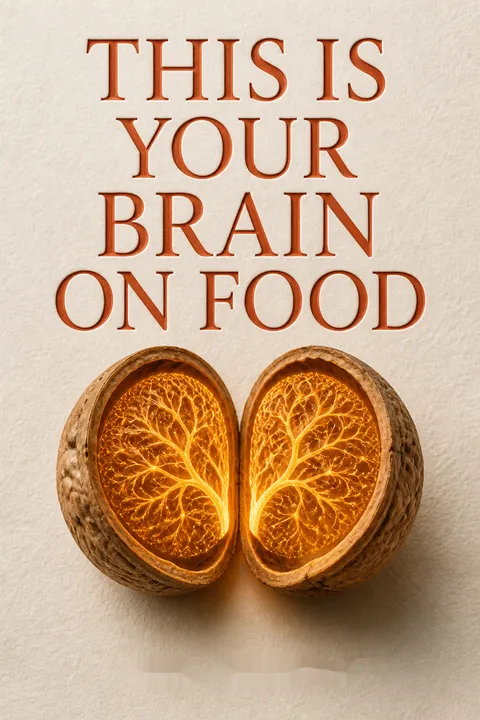


Key Takeaways
Make nutrition part of mental-health care, never a substitute for it.
Food is one lever. Uma Naidoo brings psychiatry, nutrition science, and culinary training together to argue that eating patterns can influence mood and thinking. Her own cancer treatment made the idea personal: during chemotherapy, she packed nourishing smoothies and lentil soups, and used food, walking, and mindfulness to support her energy and emotional steadiness. Her experience illustrates a practical role for food, not proof that diet treats cancer or replaces medical care.
Ted, a depressed entrepreneur, relied on nightly sweets and alcohol for comfort. After shifting toward filling meals and planned snacks, he reported improved mood and eventually reached his weight goal without starting an antidepressant. His story captures the book’s promise, while its broader message is more cautious: food can support mental health, but serious symptoms call for professional treatment.
What's valuable here is the refusal to treat nutrition as either irrelevant or miraculous. Food can shape daily energy, routines, and physical health, all of which affect a person's capacity to cope. The author's own experience gives this claim human texture, but a personal account cannot establish cause and effect. Ted's improvement is encouraging, yet it cannot show that the same change would work for everyone. The most useful reading is therefore additive: nutrition may strengthen a care plan, while diagnosis, therapy, and medication remain essential options.
Read mood through the gut-brain axis, a two-way conversation.
Body and brain communicate. The gut-brain axis is the network linking the digestive system and brain through nerves, hormones, immune signals, and chemicals. The vagus nerve carries messages in both directions, while gut microbes help make or regulate substances involved in mood, attention, and memory. The gut’s enteric nervous system contains an estimated 100 million to 500 million neurons, one reason it is sometimes called a second brain.
The exchange runs both ways. Stress can change gut microbes, while gut changes may affect inflammation, stress responses, and brain signaling. Studies cited in the book find different microbial patterns in people with depression and anxiety, but much of the early mechanistic evidence comes from animals. The connection is biologically plausible, not a simple diagnosis that a mood disorder begins in the gut.
The axis offers a useful alternative to the idea that mental illness is sealed inside the skull. It invites clinicians to notice digestion, sleep, medication, stress, and diet as parts of the same lived system. Similar feedback loops appear in immunology, where inflammation can alter behavior and behavior can influence immune activity. Still, a changed microbiome may be a cause, a consequence, or both. Human microbiomes vary widely, so a single bacterial profile is not yet a reliable explanation for an individual's symptoms.
Make Mediterranean-style meals your default instead of chasing miracle nutrients.
Patterns beat ingredient hunts. The Mediterranean eating pattern emphasizes vegetables, fruit, beans, nuts, whole grains, fish, and olive oil, while limiting sweets, processed foods, and frequent red meat. It can be adapted to different cuisines: Naidoo suggests that familiar regional flavors can make the pattern easier to sustain than copying a specific European menu.
The strongest example in the book is the SMILES trial, a twelve-week study of people with moderate to severe depression. Nearly one-third of participants receiving dietary support improved, compared with 8 percent in the control group. The study suggests that improving overall diet can help as an addition to treatment. It does not show that every person will respond, or that a dietary pattern alone resolves depression.
A whole eating pattern is more compelling than a hunt for one potent nutrient because foods arrive in combinations, and daily habits are easier to sustain when they are built around meals. The pattern also shifts attention from restriction toward additions, which can make change more workable. The SMILES result is notable because it tested a structured intervention rather than simply observing what people ate. Its limits matter too: the sample and duration cannot settle how well the approach works across different populations or over many years.
Trade sugar spikes and fried convenience for fiber and healthier fats.
Food quality has consequences. The book links diets high in refined carbohydrates, sugary drinks, fried foods, and unhealthy fats with worse mental and metabolic health. In an observational study summarized by Naidoo, people eating higher-quality carbohydrates were 30 percent less likely to develop depression than those eating lower-quality, high-glycemic foods. A meta-analysis found that drinking roughly one can of sugar-sweetened soda daily was associated with a 5 percent higher depression risk, while heavier consumption was linked with a larger increase.
These are associations, not proof that a particular food causes depression. A practical shift is to choose beans, lentils, oats, and other fiber-rich foods more often, use olive oil and nuts as sources of fat, and reduce sugary drinks and deep-fried meals. The book does not call for eliminating all carbohydrates or fats.
This advice has the advantage of targeting a pattern rather than demonizing an entire nutrient group. Fiber-rich foods can also improve satiety, which may make healthier choices easier to maintain. The challenge is that people eat within constraints: money, time, access, culture, and mood all shape what is feasible. Observational food studies also struggle to separate diet from those surrounding conditions. That makes gradual substitutions more defensible than moralizing food or assuming a single ingredient explains a complex disorder.
Feed helpful microbes with plants, beans, and genuinely fermented foods.
Microbes need varied fuel. Probiotics are live microorganisms that may benefit health; prebiotics are fibers that gut microbes can use as food. Naidoo recommends adding both through meals: plain yogurt with active cultures, kefir, kimchi, or miso for fermented foods, and beans, oats, onions, garlic, berries, or asparagus for fiber. In a thirty-day study of 55 healthy adults, people given a probiotic reported less depression and had lower cortisol than those given a placebo.
That result is promising, not a guarantee that a probiotic will treat a disorder. The book notes that responses differ and that some people with brain fog may feel worse with certain probiotic supplements. A varied diet is a sensible starting point; supplements should be discussed with a clinician, especially when someone takes medication or has a medical condition.
The prebiotic-probiotic pairing is a useful reminder that introducing microbes is not the same as supporting an ecosystem. Fiber gives resident microbes material to work with, while fermented foods offer one possible source of live cultures. This ecological framing is more useful than treating a supplement as a universal fix. It also encourages dietary diversity. At the same time, microbiome research has not identified a standard ideal community for everyone, and a benefit observed with one formulation cannot automatically be applied to every product or person.
Test suspected food sensitivities carefully, not through permanent internet-led restriction.
Personal responses vary. The book discusses gluten in relation to celiac disease and possible non-celiac sensitivity, and dairy casein as a possible concern for some people with ADHD. It also describes preliminary work on low-glutamate diets for PTSD and OCD. These are not universal instructions: evidence differs by condition, and a food that appears problematic for one person may be harmless for another.
For ADHD, one review cited in the book estimated that food-coloring restriction may help 10 to 30 percent of affected children. Naidoo's practical approach is to change one food at a time, track symptoms, and reintroduce foods methodically rather than eliminating many categories at once. Suspected celiac disease warrants medical assessment. Significant dietary changes, especially for children, should be planned with a qualified professional.
Careful self-observation can help identify a genuine sensitivity, but it is not the same as a controlled experiment. Symptoms fluctuate, expectations influence perception, and several simultaneous changes make it impossible to know which one mattered. A clinician-guided elimination and reintroduction process can reduce those problems while protecting nutritional adequacy. The book's emphasis on individual variation is especially important here: dietary rules can feel empowering at first, but they can also become unnecessary burdens when a preliminary association is mistaken for a universal trigger.
Protect memory with a MIND pattern, not a single superfood.
Build a brain-protective routine. The MIND diet combines elements of the Mediterranean and DASH eating patterns. It favors leafy greens, other vegetables, berries, nuts, beans, whole grains, fish, poultry, and olive oil, while limiting red meat, sweets, butter, cheese, and fried food. In a study followed for an average of 4.7 years, participants in the highest third of MIND adherence had cognitive scores comparable to people 7.5 years younger than those in the lowest third.
That striking comparison came from an observational study, so it cannot prove the diet caused the difference. Still, the pattern gives a practical way to act on the book's research: eat leafy greens regularly, include berries and beans, and use olive oil instead of relying on isolated supplements. The book also highlights rosemary and other spices, but they are supporting details, not substitutes for the overall pattern.
The MIND pattern is memorable because it turns a sprawling nutrition literature into a shopping and cooking framework. Its emphasis on repeated habits fits what is known about cognitive health: small exposures accumulate across years, not just during a short intervention. The 7.5-year comparison is compelling, but observational estimates can reflect education, income, health, and other behaviors alongside food. It is best treated as a strong reason to favor a nourishing pattern, not a promise of a particular cognitive age or protection from dementia.
Treat sleep timing and stimulants as part of the nutrition plan.
Timing changes the system. Chrononutrition examines how the body's internal clock affects eating and metabolism. Sleep loss can alter circulating metabolites, while disrupted sleep may also disturb the daily rhythms of gut microbes. Shift worker Dumisani struggled with insomnia, fatigue, and low mood while working nights and caring for a newborn. Adjusting her work and family schedules, alongside dietary changes, helped her feel better, though the improvement was not attributed to food alone.
The book advises moderating caffeine, avoiding it late in the day, and recognizing that alcohol may make sleep begin sooner while disrupting restorative sleep and REM sleep later in the night. Persistent fatigue deserves medical evaluation because it can have causes beyond diet. Regular sleep timing and a calm sleep environment matter alongside food choices.
This section broadens nutrition beyond ingredients to include when a person eats, sleeps, and uses stimulants. That perspective is especially relevant to shift workers, whose schedules can conflict with biological rhythms even when their food choices are reasonable. It also prevents a common mistake: trying to solve exhaustion with more caffeine while sleep continues to deteriorate. Yet sleep is shaped by work conditions, caregiving, health, and stress, not just personal discipline. Dumisani's experience illustrates why practical changes often need to involve a household or workplace.
Use food alongside psychiatric treatment, and guard against obsessive eating.
Support is not replacement. The book discusses nutrition as an adjunct for serious conditions, including bipolar disorder and schizophrenia, where medication and psychotherapy may be critical. It also flags concrete safety issues: people taking lithium should keep sodium intake consistent, and grapefruit can interact with some medications. Supplements such as N-acetylcysteine may have clinical promise for OCD or schizophrenia, but they require professional guidance.
A healthy intention can become harmful when food rules take over daily life. Orthorexia nervosa is an obsessive preoccupation with eating correctly that may lead to restrictive diets and nutritional deficiencies. Naidoo recommends making changes gradually and planning meals so that food choices do not become a new source of compulsion. If symptoms are severe or involve risk of harm, urgent professional care is more important than dietary experimentation.
The boundary between helpful self-care and compulsive control is crucial in a book about food and mental health. A diet can support stability, but an ever-expanding list of forbidden foods can increase anxiety, narrow social life, and undermine adequate nutrition. Medication interactions also show why natural does not mean risk-free. The strongest clinical model is collaborative: patients, prescribers, and nutrition professionals can coordinate changes and monitor effects, rather than asking someone with a serious illness to manage treatment through food alone.
Improve libido by supporting whole-body health, not trusting aphrodisiac folklore.
Desire has many inputs. The book links sexual function to mood, stress, medication, hormones, and metabolic health. It argues that a diet dominated by processed foods and unhealthy fats may undermine reproductive and sexual health, while nuts, fish, vegetables, and olive oil support broader wellbeing. In one randomized study described by Naidoo, adding 60 grams of mixed nuts per day to a Western-style diet improved measures of sperm quality. That does not mean nuts reliably restore desire or fertility.
The evidence for famous aphrodisiacs is uneven. Fenugreek, saffron, and other foods have some suggestive findings, while the familiar oyster claim is not well supported. Persistent changes in libido may reflect illness, relationship strain, depression, or medication side effects. Food can be part of the picture, but assessment of the underlying cause matters more than a supposedly magical ingredient.
The chapter is strongest when it treats libido as a whole-person outcome rather than a menu problem. Nutrition may influence vascular, hormonal, and metabolic health, but sexual desire is also relational and psychological. That distinction helps explain why a food can affect a biological marker without producing a meaningful change in someone's sex life. The research base varies from controlled dietary trials to small studies and animal work, so claims about specific aphrodisiacs deserve restraint. Better meals may support health; they cannot guarantee desire, conception, or sexual performance.
Analysis
The book's central contribution is a change of scale. Instead of locating mental health exclusively in the brain, it asks readers to consider the digestive system, immune activity, stress, sleep, and everyday meals as connected parts of health. The gut-brain axis makes this argument intuitive, while patient stories translate it into choices such as preparing a filling lunch or adding fermented foods. The most robust practical advice is also the least exotic: favor varied, minimally processed meals built around plants, beans, whole grains, healthy fats, and fish, and reduce reliance on sugary drinks and fried foods.
The scientific case is not equally strong across topics. The text draws on mechanisms, animal experiments, observational studies, small trials, and stronger clinical trials, sometimes within the same chapter. A mechanism can explain how a dietary factor might matter without proving that changing it will improve symptoms in humans. The SMILES depression trial and some supplement trials are meaningful evidence, but they do not validate every food-specific recommendation or guarantee individual results. Claims about gluten, sweeteners, probiotics, and aphrodisiacs especially require attention to the population studied and the quality of evidence.
That unevenness need not undermine the book's useful message. It argues for food as a complement to care, recognizes that individual responses differ, and warns against turning healthy eating into obsession. Its practical strength is the combination of medical caution with culinary access: meal preparation, cultural adaptation, and small substitutions make advice more actionable than nutrient lists alone. Readers should treat the book as a guide to informed discussion and sustainable habits, not a diagnostic tool, a treatment protocol, or proof that diet can resolve a psychiatric disorder.
Review Summary
This Is Your Brain on Food received mixed reviews. Some praised its comprehensive approach to nutrition and mental health, citing valuable information on gut-brain connection and specific food recommendations. Others criticized the reliance on weak studies, repetitive advice, and potential oversimplification of complex issues. Many appreciated the author's unique qualifications but questioned some nutritional claims. The book was commended for its accessible writing and recipes, but criticized for promoting restrictive diets and potential weight stigma. Overall, readers found it a good starting point for exploring food-mental health connections, despite some limitations.
People Also Read



Glossary
Nutritional psychiatry
Food-informed mental health careAn approach that considers diet and nutrition as part of mental-health assessment and support. It explores how food, nutrients, and eating patterns may influence mood, cognition, and related body systems. In this book, it supplements established psychiatric care rather than replacing medication, psychotherapy, or professional assessment.
Gut-brain axis
Two-way gut-brain communicationThe network through which the digestive system and brain exchange signals. It includes the vagus nerve, hormones, immune pathways, and chemical messengers influenced by gut microbes. The book uses this concept to explain how digestion, stress, inflammation, and diet may relate to mood, attention, memory, and other mental functions.
Microbiome
Community of resident microbesThe collection of microorganisms living in a particular environment. In this book, the term usually means the diverse community of microbes in the gut. These organisms interact with food and the body, and may affect chemical signaling, inflammation, and the gut barrier. Their composition varies, and a difference does not by itself establish the cause of a disorder.
Mediterranean eating pattern
Plant-forward, minimally processed mealsA flexible way of eating centered on vegetables, fruit, beans, nuts, whole grains, and olive oil, with fish as a common protein and fewer sweets, processed foods, and frequent red meat. Naidoo favors the term eating pattern to emphasize enjoyable additions and cultural adaptation, rather than a rigid or restrictive diet.
MIND diet
Eating pattern for cognitive healthThe Mediterranean-DASH Intervention for Neurodegenerative Delay combines features of Mediterranean and DASH eating patterns. It emphasizes leafy greens, other vegetables, berries, nuts, beans, whole grains, fish, poultry, and olive oil, while limiting several foods associated with poorer cognitive outcomes. Studies cited in the book associate closer adherence with slower cognitive decline.
Chrononutrition
Food timing and body rhythmsThe study of how the body's internal timing systems relate to eating, digestion, and metabolism. The book connects this field to sleep and gut microbes, whose daily rhythms may be disrupted by shift work, travel, or irregular schedules. It frames meal and sleep timing as relevant context, not as a stand-alone treatment.
Orthorexia nervosa
Compulsive healthy-eating preoccupationA term for an obsessive focus on eating correctly that can lead to rigid food rules, restricted choices, and nutritional deficiencies. The book warns that people pursuing mental-health benefits through diet may unintentionally intensify compulsive behavior. It recommends gradual changes and professional guidance when food rules interfere with health or daily life.
Old friends hypothesis
Lost microbes and inflammationThe hypothesis that humans historically encountered certain beneficial microorganisms through contact with soil, animals, and outdoor environments, and that reduced exposure may affect immune regulation. In the book's PTSD discussion, some microbial groups are described as possible protective influences against excessive inflammation. The proposed connection remains a developing area of research.
GELDING theory
Gut inflammation and gonadal declineAn acronym for Gut Endotoxin Leading to a Decline in Gonadal function. The theory proposes that high-fat, high-calorie diets may compromise gut barriers, allowing bacterial products to promote inflammation that can impair reproductive function. The book presents it as a proposed explanation, not as an established clinical diagnosis.
Mise en place
Prepare ingredients before cookingA culinary technique meaning that ingredients are gathered, measured, and prepared before cooking begins. Naidoo presents it as a way to make home cooking more organized and less stressful. Preparing components in advance can reduce the effort required to put together meals, making healthier routines easier to repeat.
FAQ
What's This Is Your Brain on Food about?
- Nutrition and Mental Health: The book explores how diet influences mental health, focusing on conditions like depression, anxiety, PTSD, OCD, and ADHD.
- Gut-Brain Connection: It delves into the gut-brain axis, explaining how gut health impacts brain function and emotional well-being.
- Practical Dietary Advice: Uma Naidoo provides actionable recommendations on foods to embrace or avoid for better mental health.
Why should I read This Is Your Brain on Food?
- Holistic Approach: The book combines psychiatry, nutrition, and culinary arts, offering a comprehensive guide to mental wellness.
- Evidence-Based Insights: It is backed by scientific research, providing credible information on the impact of food on mental health.
- Empowerment Through Food: Readers learn how to take control of their mental health through informed dietary choices.
What are the key takeaways of This Is Your Brain on Food?
- Food Affects Mood: The book emphasizes the significant influence of diet on mood and mental health.
- Specific Foods Matter: It identifies foods that can alleviate symptoms of mental health conditions, like omega-3s for depression.
- Lifestyle Integration: Naidoo encourages integrating healthy eating with other wellness practices like mindfulness and exercise.
How does This Is Your Brain on Food explain the gut-brain connection?
- Vagus Nerve Role: The vagus nerve facilitates communication between the gut and brain, affecting mood and cognition.
- Chemical Messaging: Gut bacteria produce neurotransmitters that influence brain function, linking gut health to mental well-being.
- Dietary Impact: Changes in diet can alter gut microbiota, impacting brain chemistry and emotional health.
What dietary changes does Uma Naidoo recommend for depression in This Is Your Brain on Food?
- Probiotics and Prebiotics: Foods like yogurt and garlic can improve gut health and mood.
- Omega-3 Fatty Acids: Consuming fatty fish and walnuts boosts omega-3 levels, linked to better mental health.
- Mediterranean Diet: Emphasizes whole foods and healthy fats for overall mental wellness.
How can food help with anxiety according to This Is Your Brain on Food?
- High-Fiber Foods: Promote beneficial gut bacteria growth, potentially alleviating anxiety symptoms.
- Fermented Foods: Enhance gut health and reduce anxiety through probiotics.
- Avoiding Caffeine and Sugar: Reducing these can prevent exacerbation of anxiety symptoms and improve sleep.
What is the MIND diet mentioned in This Is Your Brain on Food?
- Combination of Diets: Merges Mediterranean and DASH diets, focusing on brain health.
- Key Food Groups: Emphasizes leafy greens, berries, nuts, and fish while limiting red meat and sweets.
- Cognitive Benefits: Associated with slower cognitive decline and reduced Alzheimer's risk.
What foods should I avoid to improve mental health according to This Is Your Brain on Food?
- Processed Foods: High in sugar and unhealthy fats, they can negatively impact mood and cognition.
- Gluten and Dairy: May exacerbate symptoms in sensitive individuals, particularly for anxiety and ADHD.
- High-Glycemic Index Foods: Cause rapid blood sugar spikes, affecting energy and mood stability.
How does This Is Your Brain on Food address the role of supplements in mental health?
- Nutritional Supplements: Discusses benefits of omega-3s, vitamin D, and probiotics for mental health.
- Caution with Dosages: Emphasizes consulting healthcare providers to avoid interactions and ensure proper dosages.
- Food First Approach: Advocates obtaining nutrients primarily through a balanced diet rich in whole foods.
What role do vitamins and minerals play in mental health according to This Is Your Brain on Food?
- Essential for Brain Function: Crucial for neurotransmitter synthesis and energy production.
- Deficiencies Linked to Disorders: Lack of B vitamins and minerals like magnesium can lead to depression and anxiety.
- Dietary Sources: Encourages focusing on whole foods to meet nutritional needs.
How does This Is Your Brain on Food suggest managing conditions like bipolar disorder and schizophrenia?
- Dietary Interventions: Discusses ketogenic diet for mood stabilization in bipolar disorder.
- Nutritional Supplements: Highlights benefits of omega-3s and N-acetylcysteine for managing symptoms.
- Holistic Treatment Approach: Combines dietary changes with traditional treatments for optimal management.
What is the significance of the ketogenic diet in This Is Your Brain on Food?
- Mood Stabilization: Promising for reducing mood swings in bipolar disorder.
- Metabolic Benefits: Improves mitochondrial function and reduces inflammation, aiding brain health.
- Practical Guidance: Offers tips on implementing the diet, including food choices and meal planning.
Download PDF
Download EPUB
.epub digital book format is ideal for reading ebooks on phones, tablets, and e-readers.








