

Key Takeaways
Treat the gut, brain, and microbes as one living information system
A network, not parts. The book replaces the picture of the gut as a food-processing tube with an interconnected system. The gut has its own enteric nervous system, extensive immune defenses, and hormone-producing cells. Its resident microbes add another layer, digesting food components humans cannot and producing molecules that can signal throughout the body. The brain, gut, and microbes jointly influence digestion, appetite, immune activity, and emotional states.
Messages flow both ways. Nerves, hormones, immune signals, and microbial metabolites carry information between these partners. The author points to a small human study in which four weeks of probiotic yogurt changed participants’ brain responses during an emotional-face task. That result suggests the system can affect brain activity, but it does not establish that yogurt treats a mental-health condition.
The systems view is valuable because it makes symptoms that cross medical specialties easier to understand: gut discomfort and anxiety can be connected without either being imaginary. It also fits ecological thinking, where an organism’s behavior emerges from interactions among many parts rather than from one isolated component. The restraint matters, though. A measurable brain response is not the same as a meaningful improvement in health, and an association between microbes and illness does not show which caused which. The framework is strongest as a map for asking better questions, not as a shortcut to a diagnosis or a promise of microbial cures.
Recognize chronic stress as a physical command to the digestive system
Emotion changes gut function. The brain’s stress circuits can alter stomach emptying, intestinal contractions, secretions, blood flow, and sensitivity to pain. One signaling molecule highlighted in the book is corticotropin-releasing factor, or CRF, which helps initiate the body’s stress response. Short-lived changes can prepare a person to respond to danger; repeated activation can make ordinary digestive activity feel alarming and painful.
Bill’s symptoms had a mechanism. Bill endured years of severe vomiting and abdominal pain, with normal diagnostic scans. His attacks followed a pattern consistent with cyclical vomiting syndrome, including intense anxiety and a racing heart before vomiting began. Explaining how an overactive stress response could drive his symptoms helped guide treatment. Medication, and for some patients behavioral therapies, can address brain-gut disorders. This does not mean every stomach problem is caused by stress, or that testing for physical disease should be skipped.
This account makes an important clinical point: physiological symptoms can be shaped by stress without being fabricated or voluntary. That distinction can reduce shame and help patients pursue treatment instead of being dismissed. It also suggests a useful feedback loop: symptoms create fear of recurrence, and fear can amplify the body’s alarm response. Yet stress should not become a catch-all explanation. Persistent or severe symptoms still warrant appropriate medical assessment, since the same complaint can arise from very different causes. The best use of the model is integrative, combining a sound medical evaluation with attention to the nervous system and a patient’s lived context.
Think of your gut as a sensor, not merely a food-processing tube
The gut gathers information. Specialized sensors detect the amount, texture, and chemical makeup of food, as well as signs of toxins or infection. The enteric nervous system uses much of this information to coordinate digestion without conscious direction. The brain receives a stream of bodily updates, known as interoceptive information, and most of it never reaches awareness. The book notes that roughly 90 percent of traffic in the vagus nerve travels from the gut toward the brain.
Sensation is selectively noticed. Hunger, fullness, nausea, and pain are more likely to command attention than routine contractions. The gut also contains abundant serotonin-producing cells, which help regulate intestinal movement and participate in signaling to the brain. This sensory machinery helps explain why normal digestive events can feel different in different people, and why heightened sensitivity can make ordinary gut activity distressing.
The idea connects digestion to interoception, the broader study of how the brain monitors the body. It helps explain why paying attention to bodily sensations can be informative, while also showing why attention alone is not a neutral measuring device. Anxiety, expectation, and prior experience can change which signals feel important. That does not make symptoms unreal; it means perception is an active process, not a simple readout from an organ. The practical implication is to notice patterns in context, such as whether symptoms track meals, stress, or sleep, without assuming that every sensation carries a precise message or that the body can diagnose itself.
Use gut feelings as informed signals, not infallible instructions
Intuition draws on experience. The book describes gut feelings as conscious impressions shaped by bodily signals, memories, attention, and emotion. The brain stores past emotional experiences as somatic markers, quick associations between a situation and how it felt. When a choice arrives, these associations can help the brain estimate likely outcomes without consciously weighing every detail. Soviet officer Stanislav Petrov, facing a satellite warning of a supposed missile attack, declined to confirm it. He later described a strong intuitive doubt, alongside concrete reasons to question the alarm.
Fast judgments can mislead. Stress and painful memories can bias predictions toward danger. Advertising can also attach reassuring emotional ideas to products, making a learned association feel like personal intuition. In chronic pain or depression, catastrophizing can make the worst outcome seem inevitable. Gut feelings are useful evidence about personal experience, but they deserve comparison with facts, alternatives, and the stakes of the decision.
This account avoids a false choice between reason and intuition. Research on decision-making often distinguishes fast pattern recognition from slower deliberate analysis, but neither mode is automatically reliable. Intuition can compress extensive experience into a rapid signal; it can also recycle fear, prejudice, or a misleading association. Petrov’s decision is striking because intuition operated alongside evidence, including the small number of detected missiles and lack of radar confirmation. A sound rule is to treat a gut feeling as a prompt to investigate: What experience might be informing it? What evidence could disconfirm it? High-stakes decisions benefit from both embodied judgment and explicit checking.
Early adversity can tune stress circuits, but learned responses remain changeable
Early conditions leave traces. In studies described by the author, rat pups that received more nurturing grew into adults less reactive to stress than pups raised by less attentive mothers. Researchers linked early care to lasting changes in stress-related brain systems, including epigenetic changes, chemical tags that influence how genes are used without changing their underlying DNA sequence. Human studies also associate adverse childhood experiences with higher risks of several health problems. These findings offer one possible explanation for why some people develop stress-sensitive gut symptoms such as irritable bowel syndrome.
Risk is not destiny. Jennifer, who had a difficult childhood and chronic digestive and emotional symptoms, improved with a combined plan involving cognitive behavioral therapy, relaxation, and medication. The author also discusses mindfulness and hypnosis as ways to alter responses to sensations and stress. These treatments do not erase a person’s history, but they can help change the responses learned around it.
The strength of this account is its biological alternative to blaming patients for symptoms or treating early trauma as merely a story someone tells. Epigenetic research offers plausible mechanisms by which experience can influence stress regulation. The limitation is that animal findings do not translate neatly into an individual human prediction, and adversity does not produce the same outcome in everyone. Protective relationships and later experiences matter. Clinically, childhood history should inform care, not become a verdict about a patient’s future or a reason to attribute every later illness to trauma. The emphasis on therapies that build new responses preserves agency without denying the effects of early conditions.
Feed microbial functions with varied plants, not a fashionable diet label
Diversity is the useful clue. The Yanomami, an Indigenous Amazonian people whose food included many plant foods and occasional lean wild meat, offered the author a view of a less industrialized diet. Comparisons described in the book found that traditional rural groups and North American urban populations had notably different gut microbial communities. The North American groups showed substantially lower microbial diversity in one comparison. This does not mean everyone should copy a hunter-gatherer diet; the author explicitly notes that their lives and health circumstances differ from modern urban life.
The food supply matters. Plant fibers can be fermented by microbes into short-chain fatty acids, including butyrate, which supports cells lining the colon and participates in gut signaling. Diet can shift microbial activity quickly, even when a person’s underlying community does not change much. Early life helps shape that community, while a restrictive diet may limit the range of substrates available to it.
The ecological perspective makes dietary variety more meaningful than allegiance to a named diet. Different microbial communities can perform similar functions, much as different collections of species can sustain comparable ecosystems. That cautions against declaring a single bacterial ratio or fashionable menu universally healthy. The book’s traditional-diet comparisons are suggestive, but geography, early-life exposures, income, health care, and many other differences complicate any simple claim that diet alone explains microbial patterns or health. A practical reading is modest: emphasize a broad range of minimally processed plant foods when tolerated, while tailoring choices to medical needs and culture rather than treating ancestral eating as a prescription.
Repeated high-fat processed meals can blunt fullness before weight rises
Inflammation can disrupt appetite signals. The book argues that frequent high-animal-fat meals can promote low-grade inflammation, including signals associated with bacterial lipopolysaccharide. In animal research, this inflammation can reduce the sensitivity of gut and brain systems to signals that normally help end a meal. The result may be weaker feelings of fullness and more eating, even before obesity develops. The brain’s reward system can add another push by making calorie-dense food especially compelling.
Processing adds questions. The author reviews animal studies in which artificial sweeteners and emulsifiers altered gut microbes and contributed to metabolic changes. These findings raise concerns about common additives, but evidence in humans is less conclusive and does not justify treating every additive as proven harmful. Comfort foods can also temporarily ease stress or sadness, making them rewarding in the moment even when frequent reliance has costs.
The argument usefully shifts the focus from personal willpower alone to the biological and commercial environment that shapes appetite. If fullness signals and reward learning are affected by repeated exposure, the easiest choice is not always the most self-protective one. Still, claims about inflammation, additives, and human disease need careful calibration: animal experiments can identify mechanisms, but they do not by themselves establish the size of a real-world human effect. The clearest practical case is for moderating highly processed, energy-dense foods and favoring satisfying meals with minimally processed ingredients, rather than fearing a single meal or assuming one ingredient explains weight gain.
Build gut resilience through habits, not a miracle probiotic
Healthy microbiomes vary. The author describes the gut microbiome as an ecosystem with several possible stable states, rather than one perfect list of species. Diversity can support resilience, the ability to recover after disruption, but a stool test cannot by itself diagnose health or identify a universal probiotic. Probiotic organisms generally do not permanently take up residence, though some products may temporarily affect microbial activity or the molecules microbes produce.
Favor repeated, broad support. The book recommends more varied plant foods and fiber, less animal fat and heavily processed food, and fermented foods such as yogurt, kimchi, or sauerkraut. It also emphasizes sleep, exercise, stress management, and a calmer social setting for meals. Mindfulness, cognitive behavioral therapy, or other professional care may help when anxiety or digestive symptoms persist. These practices support the whole system, but they are not substitutes for medical care or a guaranteed cure.
This is the book’s most durable practical message: improve the conditions in which the ecosystem operates instead of searching for one perfect microbe. The approach resembles resilience planning in ecology, where stability depends on multiple interacting supports rather than a single species or intervention. It also guards against the commercial promise that a supplement can compensate for every other part of life. Individual responses still differ, and evidence for specific probiotic products is uneven. A sensible plan is to make sustainable dietary and behavioral changes, evaluate whether they help, and seek clinical advice for persistent symptoms instead of escalating restrictions or supplements without a clear reason.
Analysis
The book’s central achievement is a change in scale. Instead of locating health in a single organ, it treats digestion, immunity, emotional regulation, and microbial life as interacting processes. That shift is especially useful for functional gut disorders, where symptoms can be severe even when standard structural tests find no lesion. The patient stories make the biological model legible: Bill’s vomiting is not dismissed as imaginary, and Jennifer’s early adversity becomes a clinical clue rather than a moral failing.
The argument is strongest where anatomy and physiology are well established: the gut has extensive sensory and nervous systems, stress alters digestive function, and microbes participate in metabolism and immune signaling. It becomes less secure when those findings are used to explain complex conditions such as autism, depression, or neurodegeneration. Animal experiments and early human studies can show plausible pathways, but they do not establish that a particular microbial pattern causes a human disorder or that changing it will treat one. The book sometimes moves rapidly from mechanism to therapeutic possibility, a leap readers should notice.
Its ecological framing provides a productive corrective to simplistic wellness marketing. A healthy microbiome need not mean one fixed roster of bacteria, and interventions cannot be reduced to buying a probiotic. The same framework also complicates the idea that a single ancestral menu is optimal for everyone. Diet, stress, early development, medication, environment, and social conditions interact, and the book’s own evidence suggests individual variation.
The most practical synthesis is therefore neither “trust every gut feeling” nor “repair the microbiome with one product.” It is to understand bodily symptoms as real signals shaped by biology and experience, support the conditions that favor resilience, and preserve clinical skepticism about causal claims that remain unproven. The book invites readers to see health as an ongoing conversation, while its strongest lesson is to listen carefully without pretending every message has already been decoded.
Review Summary
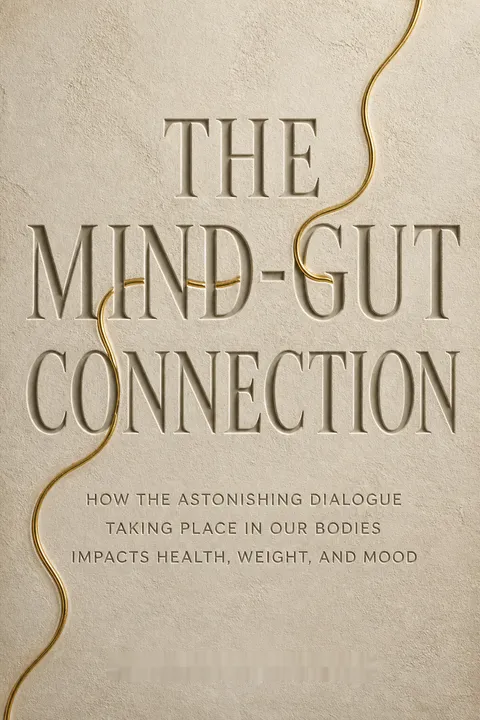
The Mind-Gut Connection receives mixed reviews, with an average rating of 3.75 out of 5. Readers appreciate the exploration of the gut-brain axis and microbiome's role in health. Many find the book informative and accessible, praising its holistic approach. However, some criticize it for being repetitive, lacking scientific rigor, and offering limited practical advice. The book's discussion of early life influences, stress impacts, and dietary recommendations are noted, though some readers question the author's stance on certain topics like animal fats.
People Also Read






Glossary
brain-gut-microbiome axis
Connected brain-gut-microbe systemThe interacting system linking the brain, digestive tract, and resident gut microbes. It communicates through nerve pathways, hormones, immune signals, and microbial products. The book uses the term to explain how digestion, appetite, stress responses, emotions, and aspects of health can influence one another rather than operating as isolated functions.
enteric nervous system (ENS)
Nervous system of the gutA network of nerve cells extending through the digestive tract, from the esophagus to the rectum. It coordinates many routine digestive functions, including movement of food and secretion, with limited moment-to-moment direction from the brain. It also communicates with the brain and responds to signals related to emotion, food, and the gut environment.
microbe-speak
Microbial biochemical signalingThe book’s name for the biochemical communication used among gut microbes and between microbes and the host. Signals include hormones, neurotransmitters, immune molecules, and metabolites produced as microbes process food and other materials. These messages can affect the gut environment and may reach the brain through nerve, immune, or blood-borne pathways.
interoceptive information
Signals about the body's stateInformation the brain receives about the condition and activity of the body’s organs and tissues. Gut-derived signals include information about food, movement, chemical conditions, inflammation, and microbial activity. Most of this input is processed without conscious awareness, though some contributes to sensations such as hunger, fullness, nausea, or pain.
somatic markers
Stored emotional body associationsThe book’s term for memories that link a past situation with its bodily and emotional consequences. These associations can influence later judgments by making an option feel promising or threatening before a person has consciously analyzed it. They support quick intuitive decisions, but can also carry biases from painful experiences or misleading associations.
allostatic load
Accumulated stress-related wearThe cumulative strain associated with repeated or prolonged activation of the body’s stress-response systems. In the book, chronic stress contributes to this wear and can affect metabolic, cardiovascular, brain, and gut-microbiome function. It helps describe how many small or ongoing pressures may matter even when no single event causes immediate illness.
dysbiosis
Disrupted microbial ecosystemA disturbance in the composition or function of the gut microbial community. The book associates dysbiosis with loss of microbial diversity or altered relationships among microbes and the host. It is not presented as one universal bacterial pattern, and its precise role in many chronic conditions remains uncertain.
metabolic toxemia
Microbe-linked low-grade inflammationThe book’s label for a state in which microbial components or signals cross compromised gut barriers and contribute to immune activation and low-grade inflammation beyond the intestine. It discusses high-fat diets, stress, and barrier changes as possible contributors. The term describes a proposed process, not a single diagnosis with one established test.
Adverse Childhood Experiences (ACE) Study
Study of childhood adversity and healthA large study of health records and reported childhood experiences, discussed as evidence connecting early adversity with adult health risks. Its questionnaire covered abuse and household dysfunction. The book notes associations between greater childhood adversity and higher risks of problems including depression, substance abuse, and poorer self-rated health. The study shows risk patterns, not individual destiny.
FAQ
What's The Mind-Gut Connection about?
- Exploring gut-brain communication: The book delves into the intricate dialogue between the brain and the gut, emphasizing their mutual influence on health and function.
- Role of gut microbiota: It highlights the significance of the trillions of microorganisms in our gut and their impact on mental and physical health.
- Chronic diseases focus: Emeran Mayer discusses how modern health issues like obesity, depression, and IBS can be better understood through gut-brain interactions.
Why should I read The Mind-Gut Connection?
- Revolutionary insights: The book provides groundbreaking insights into how gut health affects mood, weight, and overall well-being, challenging traditional medical views.
- Practical advice: Mayer offers strategies for optimizing gut-brain health, including dietary recommendations and lifestyle changes.
- Scientific foundation: It is backed by extensive research, making it a credible resource for understanding the mind-gut relationship.
What are the key takeaways of The Mind-Gut Connection?
- Mind-body connection is real: The book emphasizes that the mind-body connection is a biological fact, crucial for understanding health.
- Gut microbiota's influence: It discusses how gut microbiota can influence emotions, decision-making, and social interactions.
- Importance of diet: Mayer stresses the role of diet in shaping gut health and mental well-being, advocating for fiber-rich and fermented foods.
How does the gut communicate with the brain?
- Bidirectional signaling: The gut and brain communicate through nerves, hormones, and signaling molecules, primarily via the vagus nerve.
- Gut sensations: The gut sends sensory information to the brain about digestion, food intake, and emotional states.
- Microbial metabolites: Gut microbes produce metabolites that affect brain function and mood, showing the impact of gut microbiota on mental health.
What role do gut microbes play in mental health?
- Microbial influence on emotions: Gut microbes can produce neurotransmitters like serotonin and GABA, crucial for mood regulation.
- Gut-brain axis: The health of gut microbiota directly affects emotional and cognitive functions, potentially leading to conditions like depression.
- Therapeutic potential: Manipulating gut microbiota through diet or probiotics may offer new avenues for treating mental health disorders.
What is the significance of the gut-brain axis?
- Integrated system: The gut-brain axis is a complex communication network that integrates gut and brain functions, influencing overall health.
- Impact on chronic diseases: Disruptions in this axis can lead to chronic diseases, including IBS and mental health disorders.
- Research implications: Understanding the gut-brain axis opens new research opportunities and therapeutic strategies.
How can diet affect gut-brain communication?
- Nutritional influence: The types of food consumed can significantly alter gut microbiota composition, impacting gut-brain communication.
- Fiber and fermented foods: A diet rich in fiber and fermented foods promotes a healthy gut microbiome, supporting mental well-being.
- Avoiding processed foods: Diets high in processed foods can negatively affect gut health and contribute to mental health issues.
What are some practical strategies for optimizing gut-brain health?
- Dietary changes: Incorporating whole foods, fruits, vegetables, and fermented products can enhance gut health and mental well-being.
- Stress management: Techniques like mindfulness and meditation can help manage stress, crucial for a healthy gut-brain connection.
- Probiotics and prebiotics: Considering probiotics and prebiotics supports gut microbiota diversity and function, positively influencing mental health.
How does stress affect the gut-brain connection?
- Increased gut permeability: Stress can lead to a "leaky gut," allowing harmful substances to enter the bloodstream and trigger inflammation.
- Altered gut microbiota: Chronic stress can change gut microbiota composition, reducing diversity and increasing vulnerability to disorders.
- Emotional responses: Stress influences gut sensory responses, which can distort gut feelings and impair decision-making.
What lifestyle changes can enhance gut-brain communication?
- Regular exercise: Physical activity can improve gut health and enhance gut-brain communication, promoting overall well-being.
- Mindful eating: Practicing mindfulness during meals helps individuals tune into gut feelings and make healthier food choices.
- Social connections: Enjoying meals with others and fostering social interactions positively influences gut health and emotional well-being.
What are the effects of early life experiences on gut-brain communication?
- Programming effects: Adverse childhood experiences can lead to long-lasting changes in the brain and gut, increasing stress-related disorder vulnerability.
- Intergenerational transmission: Stress and trauma can be transmitted across generations, affecting the gut-brain axis of offspring.
- Importance of nurturing: A nurturing environment during early life is crucial for healthy brain and gut development.
What are the best quotes from The Mind-Gut Connection and what do they mean?
- "The mind-body connection is far from a myth; it is a biological fact." This emphasizes the scientific basis for understanding mental and physical health interconnections.
- "You are what you eat—as long as you count your gut microbes." Highlights the importance of gut microbiota in determining health, suggesting diet's crucial role.
- "The gut is a mirror image of emotional facial expressions." Illustrates the profound connection between emotions and gut reactions, reinforcing emotional states' physical manifestations.
About the Author
Other books by Emeran Mayer

Download PDF
Download EPUB
.epub digital book format is ideal for reading ebooks on phones, tablets, and e-readers.








