

Key Takeaways
Treat family history as a risk signal, not a life sentence
Frances’s turnaround. Greger’s grandmother was sent home at sixty-five with end-stage heart disease and little hope. She entered Nathan Pritikin’s program, which paired plant-based meals with gradually increased exercise. Within weeks, she was walking again; she lived to ninety-six. Her recovery shaped Greger’s belief that food can change the course of chronic illness, not merely accompany it.
Risk travels. The book contrasts populations with very different disease rates and describes how rates often shift when people move and adopt new diets. Greger argues that genes matter, but environment and daily habits account for much of the risk. Family patterns may reflect shared meals as much as shared DNA.
The family story gives a human face to prevention, and the migration examples make the argument more than a pep talk: disease patterns can change within a generation. Still, calling illness a choice risks confusing influence with control. Genetics, income, food access, stress, and medical care shape what choices are available. The most useful interpretation is not that individuals deserve blame, but that inherited risk does not erase the value of changing what remains changeable.
Make whole plant foods the default, not merely a vegan label
A pattern, not a badge. Greger defines a whole-food, plant-based diet as one built around unrefined plant foods, while limiting meat, dairy, eggs, and highly processed foods. The distinction matters: a diet of fries and soda can be vegan without matching the book’s health argument. The aim is to eat more intact vegetables, fruits, beans, whole grains, nuts, and seeds, while displacing less healthful options.
Food comes packaged. The book presents this pattern as a common dietary approach across heart disease, diabetes, and several cancers. Its explanation is not that one nutrient cures everything, but that whole plants bring fiber and many compounds while reducing exposure to saturated fat, cholesterol, and other components associated with disease. Greger highlights soy and flaxseed research in breast and prostate cancer, while acknowledging that not every finding proves prevention or treatment in people.
The strongest idea here is substitution. A food is not just a delivery system for protein, calcium, or calories; it arrives with a wider mix of nutrients and compounds. That makes dietary patterns more useful than hunting for a single superfood. The framing also leaves room for cultural and practical adaptation. A pattern can move toward more whole plants without requiring a person to adopt a rigid identity or treat occasional departures as failure.
Protect arteries early, because heart disease can begin decades before symptoms
The damage starts young. Autopsies of U.S. soldiers killed in the Korean War found visible coronary artery disease in 77 percent, although their average age was about twenty-two. Greger uses this and other early-life evidence to argue that artery disease is not simply an unavoidable result of aging. Fatty streaks can appear in childhood, then develop over time into plaques that restrict blood flow or trigger a clot.
Changing the inputs matters. The book describes lifestyle programs led by Nathan Pritikin, Dean Ornish, and Caldwell Esselstyn in which people with advanced heart disease improved on plant-centered diets and other changes. The Lifestyle Heart Trial reported measurable disease reversal. These were structured interventions, not evidence that every patient can stop treatment or that diet alone explains every result. Greger’s practical message is to reduce the repeated dietary exposures associated with plaque, while keeping medical care involved.
The childhood findings challenge the comforting idea that heart disease is a late-life surprise. They also shift prevention from a single cholesterol test toward decades of exposure and habit. The reversal studies are compelling because they test change in people who already have disease, but bundled programs make it difficult to isolate diet from exercise, stress management, and support. The evidence supports taking lifestyle seriously, not treating it as a guaranteed replacement for medication or procedures.
Improve insulin sensitivity by changing what accumulates inside muscle cells
Fat can block the signal. Insulin helps move glucose from the blood into cells. Greger describes intramyocellular lipid, meaning fat stored inside muscle cells, as one factor that can interfere with insulin’s signal. Studies cited in the book found that raising fat in the bloodstream can impair glucose uptake within hours. The author emphasizes saturated fat from animal foods, while distinguishing it from unsaturated fats found in foods such as nuts and olives.
Weight is not the whole story. The book cites research finding better insulin sensitivity among people eating plant-based diets, including comparisons with omnivores of similar weight. It also describes a small study in which people with diabetes improved blood-sugar measures on a diet centered on whole plants, and older research in which some participants reduced or stopped insulin. These findings are promising, not a reason to alter medication without a clinician: blood sugar can change quickly when eating habits change.
This account reframes type 2 diabetes as more than a problem of willpower or sugar intake. It links what circulates in the blood to how tissues respond, which helps explain why dietary fat quality and body fat can both matter. The model is useful, but diabetes is not reducible to a single pathway. Disease duration, medication, genetics, and other health conditions also shape outcomes. Its practical value is to widen the conversation beyond simply eating less.
Feed the gut with beans and intact grains, not fiber supplements alone
Fiber does more than add bulk. Greger notes that fiber is found naturally in plant foods, and that most Americans fall short of recommended intake. The book connects higher fiber intake with larger, more frequent stools and lower risks of several diseases, including stroke and colorectal cancer. It cites an association between adding seven grams of fiber a day and a 7 percent reduction in stroke risk. The point is not to chase a number with pills, but to build meals from fiber-rich foods.
Beans earn a regular place. Legumes provide fiber and other nutrients, and a study described in the book found that eating five cups of beans, lentils, or peas weekly improved waist size and blood-sugar control about as effectively as cutting 500 calories a day. Lentils also illustrate the “second-meal effect”: fiber-rich legumes can influence the rise in blood sugar after a later meal. Increasing beans gradually may help ease temporary gas.
Fiber is a rare example of a dietary feature that connects the gut, metabolism, and cardiovascular risk in one practical habit. The emphasis on intact foods also recognizes that eating a grain whole is not identical to consuming it as finely milled flour. The numerical associations should not be mistaken for precise predictions for each person, and digestive responses vary. Beans remain a strong everyday choice because they combine affordability, versatility, and several benefits without requiring a branded product.
Use the Daily Dozen as a shopping cue, not a purity test
A checklist makes the pattern visible. Greger’s Daily Dozen is a reminder to include beans, berries, other fruits, cruciferous vegetables, greens, other vegetables, flaxseeds, nuts and seeds, herbs and spices, whole grains, beverages, and exercise. His suggested targets include three servings of beans, three of other fruit, two of greens, one tablespoon of ground flaxseed, and three servings of whole grains. For cruciferous vegetables, his “Hack and Hold” technique means chopping them and waiting about forty minutes before cooking, allowing a heat-sensitive enzyme to act.
Use it flexibly. The checklist is meant to shape meals and grocery shopping, not measure personal virtue. Greger also proposes a Traffic Light system: emphasize whole plant foods, minimize less healthful choices, and avoid the most processed options when possible. He notes that a plant-based diet requires attention to vitamin B12; his appendix also discusses vitamin D and iodine in some circumstances. Personal nutrition needs should be discussed with a qualified clinician.
The checklist converts a broad philosophy into observable actions. That matters because people usually shop and cook from routines, not from abstract nutrition principles. A useful checklist should lower decision friction, not create anxiety when a day goes sideways. The book’s own flexibility supports that reading: its aim is a reliable pattern, not perfect compliance. A reader can borrow the structure while adapting portions, ingredients, and activity to health needs and daily circumstances.
Look beyond nutrients to hazards embedded in food production
Safety is part of nutrition. In its infection chapter, the book describes foodborne illnesses linked to animal products and the risk of cross-contamination in home kitchens. It cites a retail survey in which 97 percent of chicken breasts tested carried bacteria that could make people sick. Proper handling and cooking matter, but raw meat can spread pathogens to hands, tools, and surfaces before it reaches the oven.
The chain has wider costs. Greger also discusses antibiotic use in animal agriculture, persistent pollutants that can accumulate in animal fat, and possible pathogen movement between animals and people. These concerns connect personal diet to production practices and public policy. The book does not claim every animal product is contaminated or that plants are risk-free; produce can also carry pathogens. Its broader point is that food choices involve both nutrient content and the conditions under which food is raised, processed, and prepared.
This section widens nutrition beyond the individual plate. Food safety depends on kitchens, farms, processing, and regulation, so responsibility cannot be placed only on consumers. The examples also make an important distinction between a food’s nutritional profile and its production risks. Those questions deserve separate scrutiny rather than being collapsed into a simple plant-good, animal-bad rule. Practical hygiene and stronger oversight can reduce risk regardless of what a person chooses to eat.
Support brain and mood with food, movement, and long-term prevention
The brain shares the body’s risks. Greger links stroke to the same vascular processes involved in heart disease and presents Alzheimer’s as potentially influenced by blood flow and vascular health. The book highlights fiber, potassium-rich plants, berries, and exercise as possible contributors to brain protection. One study it cites found slower cognitive decline, by as much as two and a half years, among women who ate berries regularly. Such findings suggest prevention may begin well before memory problems appear.
Mental health belongs here too. The author recounts a workplace study in which people changing to a whole-food, plant-based diet reported better mood and well-being. Exercise trials for depression also showed improvement. These findings do not establish food or exercise as stand-alone treatments for serious depression, stroke, or dementia. They support treating physical and mental health as connected, while seeking professional care when symptoms are significant or urgent.
The chapter’s wider contribution is to resist splitting the person into separate systems. Vascular health, cognition, mood, sleep, and movement can interact, so prevention is more credible when it supports the whole person. At the same time, nutrition should not be made to carry more than it can. Depression and dementia have complex causes, and a dietary change is not a substitute for timely diagnosis, therapy, or medication when needed.
Use nutrition evidence to guide care, not to replace informed medical decisions
The system shapes advice. Greger describes limited nutrition education in medical training and a payment structure that often rewards procedures and prescriptions more readily than counseling. He also recounts industry influence on dietary guidance and uses the “Tomato Effect” to describe the rejection of useful ideas because they conflict with prevailing beliefs. His criticism is not that medicine has no value: drugs and procedures can help, but they may treat risks or symptoms without changing the conditions that produced them.
Ask what the evidence actually shows. The book moves among population studies, laboratory experiments, and clinical trials, which offer different levels of confidence. It urges readers to consider screening options and medication effects with clinicians. For example, a major dietary change can lower blood sugar or blood pressure, so prescribed medication may need adjustment. The goal is informed partnership, not replacing medical judgment with a book or a supplement advertisement.
The institutional critique is strongest when it asks why prevention receives less attention than treatment, rather than assuming every clinician is indifferent or every prescription is unnecessary. Financial incentives and training gaps can influence care without making all medical advice suspect. Readers benefit from applying the same skepticism to both food marketing and nutrition claims: ask whether evidence comes from people, whether outcomes are clinically meaningful, and whether alternatives were compared fairly. That habit protects against both therapeutic hype and reflexive dismissal.
Analysis
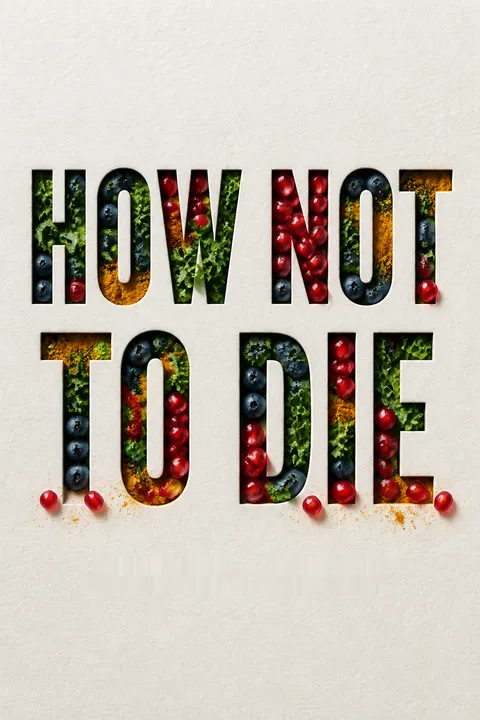
How Not to Die is part memoir, part evidence review, and part practical guide. Its narrative begins with Greger’s grandmother, whose recovery from severe heart disease gives the book its emotional premise: chronic disease may be more modifiable than standard fatalism suggests. The first half applies this claim across leading causes of death, while the second turns it into a shopping and meal-planning system through the Daily Dozen and Traffic Light model. The structure makes a large body of nutrition research feel unified: change the overall dietary pattern, not just one nutrient.
The book’s main strength is its repeated effort to connect mechanisms with ordinary choices. Fiber becomes beans and whole grains; vascular risk links the heart, kidneys, and brain; food safety brings farms and kitchens into the health discussion. Its stories, including Frances’s recovery and the author’s clinical encounters, give urgency to material that might otherwise become a catalogue of studies.
Its main limitation is evidentiary compression. The source moves quickly between observational associations, laboratory findings, small trials, and claims of disease reversal. Those forms of evidence do not carry equal weight. A compound affecting cells in a dish does not demonstrate that eating a food prevents cancer in people, and bundled lifestyle programs cannot isolate the effect of diet alone. The book sometimes presents an ambitious interpretation as firmer than the underlying study design warrants. Its 2015 statistics and research landscape should also be read as a dated snapshot.
The best use of the book is therefore neither total acceptance nor dismissal. Its case for emphasizing minimally processed plant foods is coherent and actionable, but the strongest practical takeaway is to treat that pattern as a low-risk foundation, not a promise of cure. Readers should preserve the useful distinction between improving odds and controlling outcomes, account for food access and individual needs, and make major treatment or medication decisions with qualified clinicians.
Review Summary
How Not to Die presents compelling evidence for a plant-based diet to prevent and reverse diseases. Dr. Greger extensively cites scientific studies to support his recommendations, advocating for whole foods over processed options. While praised for its comprehensive approach and potential life-changing impact, some critics argue the book cherry-picks data and oversimplifies complex nutritional issues. Despite controversy, many readers find it motivating and informative, appreciating Dr. Greger's passion for promoting healthier eating habits and his commitment to donating all proceeds to charity.
People Also Read




Glossary
Whole-food, plant-based diet
Plant-centered, minimally processed eatingAn eating pattern centered on unrefined plant foods such as vegetables, fruits, beans, whole grains, nuts, and seeds. In Greger’s usage, it also discourages meat, dairy products, eggs, and processed foods. The term describes a pattern focused on food quality, not simply the absence of animal products.
Daily Dozen
Daily food and activity checklistGreger’s checklist for incorporating foods and activity he considers especially valuable. Its twelve categories are beans, berries, other fruits, cruciferous vegetables, greens, other vegetables, flaxseeds, nuts and seeds, herbs and spices, whole grains, beverages, and exercise. It is presented as a practical reminder for meals and shopping, rather than a pass-or-fail test.
Traffic Light system
Food choices by healthfulnessA simple classification that borrows the colors of traffic signals. Green-light foods, mainly whole plant foods, are emphasized; yellow-light choices are minimized; red-light choices, especially highly processed foods, are avoided when possible. Greger uses the model to turn broad dietary guidance into quick decisions at the store and table.
Lifestyle Heart Trial
Plant-centered heart disease interventionA study led by Dean Ornish that tested an intensive lifestyle program among people with coronary heart disease. The program combined a plant-based diet with other lifestyle changes and reported improvements in disease measures. Greger uses it as evidence that established heart disease may improve, while the combined design does not isolate diet as the sole cause.
Hack and Hold
Chop crucifers, then waitGreger’s preparation technique for cruciferous vegetables. Chopping or chewing brings together a precursor compound and the enzyme myrosinase, which helps form sulforaphane. Because cooking can deactivate the enzyme, the technique is to chop the vegetables and let them stand before cooking. The book gives a wait of about forty minutes.
Five-to-One Rule
Check grain carbohydrate against fiberA label-reading shortcut for packaged grain products. Divide the grams of total carbohydrate by the grams of dietary fiber; Greger suggests choosing products with a ratio of five or less. The rule is intended to help distinguish higher-fiber grain products from refined or less fiber-rich options, even when front-of-package wording sounds wholesome.
second-meal effect
Legumes temper a later meal’s glucoseA reported effect in which eating legumes at one meal can moderate the blood-sugar response to food eaten at a later meal. The book links the effect to slowly digested carbohydrates and fermentation of fiber by gut bacteria. It uses the phenomenon to explain why beans may affect metabolism beyond the meal in which they are eaten.
Tomato Effect
Useful ideas rejected by conventionA term from medical commentary used for the rejection of effective treatments or ideas because they conflict with accepted beliefs. It refers to the history of tomatoes being treated as poisonous in parts of North America despite evidence that they were edible. Greger applies the concept to resistance within medicine to nutrition-based approaches.
FAQ
What's How Not to Die about?
- Disease Prevention Focus: How Not to Die by Michael Greger emphasizes the role of diet and lifestyle changes in preventing and reversing chronic diseases like heart disease, cancer, and diabetes.
- Evidence-Based Nutrition: The book is grounded in scientific research, advocating for a whole-food, plant-based diet to improve health outcomes.
- Personal Motivation: Dr. Greger's inspiration comes from his grandmother's recovery from heart disease through lifestyle changes, fueling his advocacy for nutrition in medicine.
Why should I read How Not to Die?
- Life-Changing Information: The book offers actionable advice on improving health and longevity through dietary choices, potentially saving lives.
- Comprehensive Research: It compiles extensive studies linking diet to chronic diseases, making it a valuable resource for health enthusiasts.
- Empowerment Through Knowledge: Readers are encouraged to take control of their health by understanding the impact of food choices, promoting proactive health management.
What are the key takeaways of How Not to Die?
- Plant-Based Diet Benefits: A whole-food, plant-based diet is effective in preventing and reversing chronic diseases, including heart disease and diabetes.
- Lifestyle Changes Matter: Simple modifications, like increasing fruit and vegetable intake, can significantly reduce major health risks.
- Prevention Over Treatment: The book advocates for preventing diseases through diet and lifestyle changes rather than relying solely on medications.
What is the "Daily Dozen" in How Not to Die?
- Checklist for Health: The "Daily Dozen" is a list of foods and activities Dr. Greger recommends incorporating into daily life for optimal health.
- Promotes Variety: It encourages a variety of food choices to ensure a wide range of nutrients and health benefits.
- Practical Guide: The checklist serves as a practical tool for readers to track their intake and make healthier choices.
How does How Not to Die address heart disease?
- Dietary Impact: A whole-food, plant-based diet can lower cholesterol levels and reduce heart disease risk.
- Reversal Potential: The book discusses how lifestyle changes, particularly diet, can reverse heart disease in many patients.
- Regular Check-Ups: Emphasizes the need for regular medical check-ups to monitor heart health and adjust diet and lifestyle as needed.
What specific dietary advice does How Not to Die provide for diabetes?
- Focus on Whole Foods: Recommends a diet rich in whole, unprocessed foods to manage and prevent diabetes.
- Limit Refined Carbohydrates: Advises reducing refined carbohydrates and sugars, opting for complex carbohydrates with a low glycemic index.
- Incorporate Fiber-Rich Foods: High-fiber foods are emphasized for improving insulin sensitivity and controlling blood sugar.
How can diet prevent heart disease according to How Not to Die?
- Lowering Cholesterol Levels: A plant-based diet can significantly reduce LDL cholesterol, a major heart disease risk factor.
- Reversing Atherosclerosis: Dietary changes can lead to the regression of atherosclerotic plaque in arteries, improving heart health.
- Lifestyle Integration: Regular physical activity and avoiding processed foods are recommended as part of a comprehensive heart disease prevention approach.
What role does exercise play in the concepts presented in How Not to Die?
- Boosting Immune Function: Regular exercise enhances immune function, reducing infection and chronic disease risks.
- Weight Management: Helps maintain a healthy weight, crucial for preventing conditions like diabetes and heart disease.
- Improving Mental Health: Physical activity positively affects mood and overall well-being, reinforcing an active lifestyle's importance.
What are the best quotes from How Not to Die and what do they mean?
- “Your family history does not have to become your personal destiny.”: Emphasizes that genetics isn't the sole health determinant; lifestyle choices are crucial.
- “The body wants to regain its health if you let it.”: Highlights the body's natural healing ability when provided with the right conditions, particularly through nutrition.
- “Eating healthier is easier than you think.”: Encourages readers to believe that adopting a healthier diet is achievable and can lead to significant health improvements.
How does How Not to Die suggest preventing cancer?
- Antioxidant-Rich Foods: Emphasizes consuming antioxidant-rich foods like berries and cruciferous vegetables to combat oxidative stress linked to cancer.
- Plant-Based Diet: Advocates for a predominantly plant-based diet to lower cancer risk, supported by evidence of reduced cancer incidence.
- Avoiding Processed Foods: Warns against processed meats and high-fat animal products, encouraging whole, plant-based foods for better health outcomes.
How does How Not to Die address mental health?
- Diet and Mood: Highlights the connection between diet and mental health, suggesting certain foods can improve mood and reduce depression symptoms.
- Antioxidants and Neuroprotection: Emphasizes antioxidants' role in protecting the brain from oxidative stress linked to mental health disorders.
- Lifestyle Factors: Discusses the importance of exercise and social connections in maintaining mental health, advocating a holistic approach.
What are the potential risks of a plant-based diet mentioned in How Not to Die?
- Nutrient Deficiencies: Acknowledges potential deficiencies in vitamin B12, iron, and omega-3 fatty acids, advising mindfulness and possible supplementation.
- Processed Plant Foods: Warns against relying on processed plant foods high in sugar, salt, and unhealthy fats, encouraging whole, unprocessed foods.
- Individual Variability: Recognizes individual responses to dietary changes can vary, suggesting adjustments based on personal health conditions or preferences.
About the Author
Other books by Michael Greger

Download PDF
Download EPUB
.epub digital book format is ideal for reading ebooks on phones, tablets, and e-readers.








