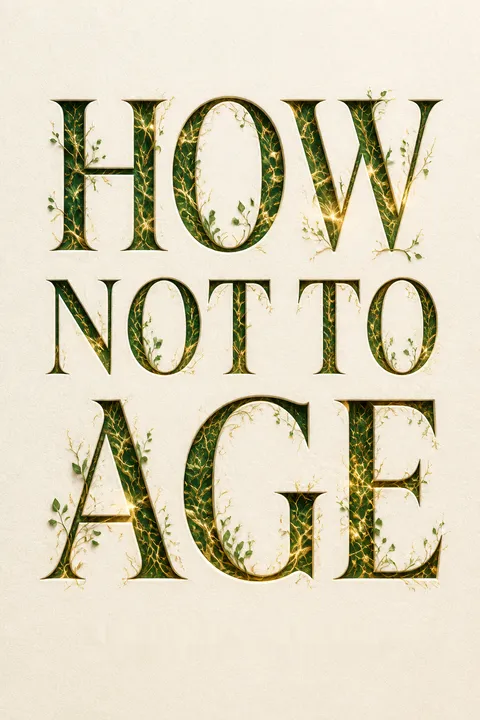


Key Takeaways
Aim to age well, not merely to survive more birthdays
Longevity is not enough. Autopsy studies of more than 42,000 people who lived to at least 100 found that every death was attributed to disease, not simply “old age.” Greger argues that because age raises the risk of many diseases at once, slowing the processes of aging could matter more than tackling each diagnosis separately. Healthspan means the years lived free of chronic disease and disability. The goal is not immortality, but preserving the ability to think, move, and participate in life.
Genes leave room. Twin studies suggest inherited genes account for roughly 15 to 30 percent of differences in lifespan. That is not a guarantee that lifestyle controls the rest, but it makes daily choices meaningful.
What’s useful here is the shift from a single number, years lived, to a more human measure: what those years allow someone to do. That distinction resembles the difference between extending a machine’s operating time and keeping it functional. The evidence also supports a careful reading: autopsies identify immediate causes of death, while “aging” describes a broader rise in vulnerability. Calling aging modifiable is a research agenda, not proof that people can control its pace or avoid disease.
Make plants the default because one eating pattern reaches many aging pathways
The shared pattern matters. The book’s review of longevity hot spots finds a recurring emphasis on whole plant foods, daily physical activity, and social connection. Their traditional diets were generally at least 90 percent plant-based, with meat eaten infrequently. Across five populations in Australia, Greece, Japan, and Sweden, legumes were the only food group consistently associated with longer survival. Each additional 20 grams a day was linked to an 8 percent lower risk of death.
Plant-based means more than vegan. Beans, greens, fruit, whole grains, nuts, and seeds are the foundation; soda, white bread, and vegan pastries do not become health foods by losing animal ingredients. The pattern works through both adding fiber and other plant compounds and reducing some harmful components of animal and highly processed foods.
The pattern’s strength is that it does not depend on one miracle ingredient. It changes several inputs at once, including fiber, saturated fat, and the kinds of compounds available to gut microbes. That systems-level view fits the biology described in the book. It also complicates causal claims: people who eat this way may differ in activity, smoking, income, or healthcare access. The practical point remains strong, but a food’s value depends partly on what it replaces and on the overall quality of the meal.
Support cellular cleanup with movement and fiber, not starvation stunts
Cells need housekeeping. Autophagy is the process by which cells break down damaged components and reuse their parts. It tends to decline with age, and animal studies suggest that boosting it can improve health and lifespan. AMPK, an enzyme that senses low cellular energy, can activate this cleanup process. Exercise is one natural way to stimulate AMPK; in a human muscle study, cycling raised AMPK activity nearly threefold within twenty minutes.
Food can help indirectly. Gut bacteria ferment fiber and resistant starch, especially from beans and whole grains, into short-chain fatty acids that may support AMPK activity. Coffee has also been linked to autophagy in laboratory and animal studies; human longevity evidence is observational. Long fasts are not a casual shortcut: the book notes that autophagy rises substantially after 24 to 48 hours, a duration it advises not attempting unsupervised.
The repair metaphor makes a complicated cellular process memorable, and it points toward behaviors with benefits beyond longevity, especially exercise and fiber-rich foods. Still, the evidence is uneven. A rise in a molecular marker after cycling does not establish that a person will live longer, and much of the autophagy and lifespan research comes from model organisms. The safest takeaway is not to chase a laboratory switch with extreme fasting, but to favor routines that support several well-established aspects of health at once.
Turn down excess growth signals by replacing animal protein with plants
Growth has a trade-off. IGF-1 is a growth signal involved in cell division; mTOR is a nutrient-sensitive pathway that promotes growth and suppresses autophagy. Both are useful during development, but persistently high activity may encourage age-related problems, including some cancers. Animal proteins, especially dairy, tend to raise these signals more than ordinary amounts of varied plant proteins. The book cites trials in which switching to plant-based eating lowered IGF-1 within about two weeks.
Aim for enough, not excess. The adult recommended protein intake is 0.8 grams per kilogram of healthy body weight per day. This is a target for adequacy, not a call to underfeed, particularly for older adults who may be frail or at risk of malnutrition. Beans, lentils, chickpeas, and other plants provide protein while generally supplying less saturated fat and fewer growth-promoting amino acids than animal foods.
The central idea is not that growth signals are intrinsically bad, but that a signal suited to building a body may become costly when kept high indefinitely. This is a classic biological trade-off between growth and maintenance. The dietary evidence is suggestive, especially when mechanisms and population findings converge, but it should not be turned into a simplistic rule that protein is harmful. Age, illness, energy intake, and muscle use all matter, and the book’s own recommended intake remains adequate rather than extremely low.
Reduce inflammatory wear with less saturated fat, salt, and high-heat cooking
Food can change the immediate environment. Inflammaging is the chronic, low-grade inflammation that tends to rise with age. A single meal high in saturated fat can raise inflammatory signals within hours. Advanced glycation end products, or AGEs, form when sugars react with proteins; they build up in the body over time and are also produced in foods cooked at high temperatures with little moisture. Animal foods, especially high-fat meats, often contain more dietary AGEs than plants.
Change the ingredients and the method. The book contrasts roasted or broiled meat with lower-temperature, moist methods such as steaming, stewing, or poaching. It also recommends emphasizing fiber-rich plants, berries, greens, and spices, while reducing salt, processed meat, and saturated fat. The Dietary Inflammatory Index is a research tool that scores foods according to their measured effects on inflammation markers.
This section makes aging less abstract by showing how repeated meals can create small, measurable changes in blood vessels and inflammatory markers. It also offers a practical culinary lever: cooking method matters, even when the ingredient stays the same. The caution is that AGEs are a broad chemical family, and food databases often use one compound as a proxy for the whole. Observational associations cannot isolate cooking chemistry from the rest of a diet, so the strongest advice is the broader pattern, not fear of every browned bite.
Train strength and balance to prevent the falls that fracture bones
Function is trainable. Resistance exercise can improve muscle mass, strength, and mobility in older adults. In a six-month program combining strength, balance, coordination, and endurance work, nearly a third of initially frail participants no longer met the study’s frailty definition. Exercise is also the intervention most consistently associated with fewer falls. A review of 81 trials found that exercise reduced the rate of falls by 23 percent, with combined balance and strength programs doing especially well.
Bone density is only part of fracture risk. Falls are a leading immediate cause of fractures, and many older adults fall each year. Exercise helps preserve balance and leg strength, while simple home changes, such as better lighting, grab bars, and clear walkways, reduce hazards. Nutrition still matters: the book points to fruits, vegetables, adequate calcium, and vitamin D when intake or sun exposure is insufficient.
The distinction between bone strength and the event that breaks a bone is an important correction to a scan-centered view of osteoporosis. A person can have fragile bones without a fracture if they do not fall, while balance and strength affect the chance of falling in the first place. Exercise therefore serves as both prevention and functional rehabilitation. Its precise effect on lifespan is less settled than its benefits for mobility and falls, but those benefits are valuable in their own right.
Treat sleep as immune maintenance, not leftover time
Sleep supports defense. In human studies, inadequate sleep around vaccination has been associated with fewer protective antibodies. In one experiment, people allowed to sleep after a hepatitis A vaccine developed about twice as many antibodies as those kept awake all night. In another, people sleeping six hours or less were several times more likely to develop a cold after researchers placed the virus in their noses than those sleeping longer.
Protect the routine. The book reports that five-hour nights for a week can impair artery function, while the National Sleep Foundation recommends seven to eight hours for adults over 65. Sleeping pills may make people feel that they slept better without objectively adding much sleep, and they carry risks. Sleep problems are common with age, so persistent insomnia or possible sleep apnea deserves medical attention rather than automatic self-treatment.
Sleep is presented not as passive downtime but as part of the body’s capacity to maintain immune memory and cardiovascular function. The vaccine studies give the claim a useful experimental foothold, because sleep was manipulated rather than merely observed. Yet sleep duration research is vulnerable to reverse causation: illness can cause people to sleep longer or poorly. The practical message is to protect adequate, regular sleep while resisting the urge to treat every sleep problem with a pill.
Protect cognition by protecting circulation and checking reversible causes
Brain health overlaps with heart health. High blood pressure and cholesterol can damage the small vessels that supply the brain, contributing to silent strokes and cognitive decline. The book argues that preventing vascular damage is a more actionable strategy than relying on drugs that have not reliably reversed established Alzheimer’s disease.
Do not assume every dementia is Alzheimer’s. Greger recounts how his mother was repeatedly diagnosed with Alzheimer’s before a fourth neurologist noticed urinary incontinence and considered normal pressure hydrocephalus, a treatable buildup of fluid around the brain. A spinal tap briefly restored her speech and walking, confirming the diagnosis; a shunt then improved her condition. The story’s lesson is to investigate reversible causes, including medication effects and vitamin B12 deficiency, before accepting an irreversible label.
The mother’s diagnosis is the book’s most compelling reminder that prevention and diagnosis are different tasks. Vascular risk reduction may help lower future cognitive risk, but a person with new symptoms also needs careful clinical assessment for treatable conditions. Alzheimer’s itself remains biologically complex, and the book appropriately challenges certainty around some proposed mechanisms. The strongest general principle is to protect the brain’s blood supply while preserving diagnostic humility when memory or function changes.
Demand evidence before buying longevity products or taking anti-aging drugs
The market sells certainty. Greger opens with an industry built on creams, hormones, supplements, and clinics, often using scientific language without proof that a treatment slows aging. In the United States, supplement makers generally do not have to prove effectiveness before selling a product, and testing has repeatedly found mislabeled or contaminated supplements.
Promise is not proof. Metformin, rapamycin, and several other interventions show intriguing results in animals, but the book does not present them as established longevity treatments for healthy people. Metformin can interfere with exercise gains, while rapamycin has significant medical uses and risks. Likewise, many antioxidant supplements have failed to extend human life, and some have increased harm. The practical standard is to separate plausible mechanisms, animal results, observational links, and demonstrated human benefit.
The book’s skepticism is most persuasive when it applies the same standard to both commercial promises and exciting laboratory findings. A mechanism can be real without producing a useful treatment, and a product can be biologically active without improving a meaningful outcome. At the same time, distrust of industry should not become distrust of research itself. The reader benefits from asking who funded a study, what outcome changed, how large the effect was, and whether the result has been reproduced in people.
Use the Anti-Aging Eight as a food-first shortlist, not a magic formula
The shortlist is practical. Greger’s Anti-Aging Eight gathers eight strategies from the book: eat nuts, greens, and berries; use plant compounds that may trigger protective stress responses; feed beneficial gut microbes with prebiotics and support their useful products, or postbiotics; consider modest calorie restriction; moderate protein and favor plant sources; and support NAD+ metabolism through habits such as exercise rather than assuming a supplement will work.
Build a pattern, not a stack. The book treats these as overlapping opportunities to influence several aging pathways, not as eight guaranteed life-extending interventions. A handful of nuts, leafy greens, berries, beans, and whole grains can make the shortlist concrete. The most defensible version is a varied, minimally processed, plant-rich diet paired with movement, sleep, and preventive care.
A checklist can turn a dense, highly technical book into choices a reader can actually make. Its food-first emphasis also avoids the common trap of translating every biological pathway into a supplement purchase. The framework is not a clinical prescription, however. Evidence strength differs sharply among its components, and highly specific claims about individual foods are less certain than the broad case for dietary quality. The shortlist works best as a compass, not a scorecard or promise of a longer life.
Analysis
How Not to Age is a science-heavy health guide organized around a useful contradiction: aging is universal, but much age-related illness is not simply an unavoidable consequence of time. Its central move is to replace a disease-by-disease “whack-a-mole” model with a systems view. Nutrient sensing, cellular cleanup, inflammation, DNA regulation, oxidation, and growth signaling interact, so one pattern of eating and living may influence several at once. That gives the book its narrative spine, from the promise of extending healthspan to practical protection of specific functions.
The strongest argument is not that any berry, spice, supplement, or biomarker is a fountain of youth. It is that a whole-food, plant-rich dietary pattern repeatedly aligns with better cardiovascular, metabolic, and functional outcomes, while exercise, sleep, and fall prevention protect capacities that make extra years worthwhile. The book’s blue-zone comparisons, legumes, fiber, and everyday health practices are more actionable than speculative longevity drugs.
Its great strength is also its main risk. The sheer number of studies and quantified food effects can make a reader mistake mechanistic plausibility or observational association for demonstrated lifespan extension. Much of the pathway research comes from cells or animals, and nutrition studies struggle to isolate one food from the overall diet it represents. The author often flags these limits, but a reader should keep the evidence ladder in view: human outcome trials are more persuasive than biomarkers, and biomarkers more persuasive than petri-dish results.
The result is best read as a prevention framework, not a medical protocol. Its most durable lesson is to build healthspan through repeatable basics, question commercial claims, and treat promising molecular findings as reasons for further research rather than personal prescriptions. It argues for agency without immortality, a valuable distinction in a field that often sells the latter while neglecting the former.
Review Summary
How Not to Age receives mixed reviews, with praise for its comprehensive research and actionable advice on healthy aging through plant-based nutrition. Many readers appreciate Dr. Greger's evidence-based approach and accessible writing style. However, some criticize the book's length, repetitiveness, and perceived bias towards veganism. While some find it an invaluable reference for longevity, others feel overwhelmed by the dense information. The book's focus on diet and nutrition as key factors in aging is both lauded and questioned by readers.
People Also Read






Glossary
Healthspan
Years lived in good healthThe portion of a person’s life spent free from chronic disease and disability. The book distinguishes healthspan from lifespan because living longer does not guarantee that added years will be independent, vigorous, or enjoyable.
AMPK
Cellular energy sensorAMP-activated protein kinase is an enzyme that responds when a cell has low available energy. It helps shift the cell toward energy conservation and can activate processes such as fat use and autophagy. Exercise and reduced energy availability can stimulate AMPK, although many proposed longevity effects come from laboratory or animal studies.
Autophagy
Cellular recycling and cleanupA process in which cells break down and recycle damaged or unnecessary components, including defective proteins and mitochondria. Autophagy helps recover nutrients and maintain cellular quality. It is influenced by nutrient-sensing pathways and exercise, but its effects on human longevity are not established by the animal research alone.
mTOR
Nutrient-sensitive growth regulatorThe mechanistic target of rapamycin is a cellular signaling pathway that responds to nutrients and growth cues. It supports cell growth and protein production, while suppressing autophagy. The book presents excessive activity later in life as a possible contributor to aging, while recognizing that mTOR is essential for normal growth and function.
IGF-1
Growth-promoting hormoneInsulin-like growth factor 1 is a hormone involved in growth and cell division. It is produced largely by the liver and can be influenced by diet, especially protein intake. The book links high IGF-1 signaling to cancer-related mechanisms and discusses lower levels in some long-lived populations, while cautioning that protein adequacy remains important.
Inflammaging
Chronic age-related inflammationA term for the persistent, low-grade inflammation that often accompanies aging. It differs from temporary inflammation that helps heal an injury. Inflammaging is associated with declining immune function and multiple chronic diseases, but it can also reflect underlying conditions rather than act as a single, independent cause.
Advanced glycation end products
Sugar-linked, aging-associated compoundsAdvanced glycation end products, or AGEs, form when sugars react with proteins or other molecules. They accumulate gradually in long-lived tissues and can also form in food during high-heat cooking, especially dry cooking of animal products. The book connects AGE exposure with inflammation and tissue stiffening, while noting that measurement often relies on particular compounds as proxies.
Dietary Inflammatory Index
Food pattern inflammation scoreA research scoring system built from studies measuring how foods and nutrients relate to inflammatory markers. More pro-inflammatory components raise the score, while many components of whole plant foods lower it. It helps compare dietary patterns, but it is an index of associations with inflammation, not a direct measure of aging or an individual diagnosis.
CALERIE
Human calorie-restriction trialThe Comprehensive Assessment of Long-Term Effects of Reducing Intake of Energy was a randomized trial of moderate calorie restriction in nonobese adults. Over two years, participants reduced intake by roughly 12 percent and showed improvements in several health measures and markers related to biological aging. It did not test whether calorie restriction extends human lifespan.
MIND diet
Brain-focused dietary patternThe Mediterranean-DASH Intervention for Neurodegenerative Delay combines features of Mediterranean and DASH eating patterns. It emphasizes green leafy vegetables, berries, beans, and nuts, while limiting saturated-fat-rich and highly processed foods. Observational studies associate greater adherence with better cognitive outcomes, but the evidence is not equivalent to proof that it prevents dementia.
Xenohormesis
Plant stress signals benefit consumersThe hypothesis that compounds produced by stressed plants can activate protective responses in the animals that eat them. Plants produce these chemicals in response to threats such as drought, pests, or intense sunlight. Some plant compounds may trigger hormetic responses in humans, but the concept does not mean every plant chemical or supplement is beneficial.
Prebiotics and postbiotics
Microbe food and microbial productsPrebiotics are food components, especially fermentable fibers and resistant starches, used by beneficial gut microbes. Postbiotics are substances those microbes produce, including short-chain fatty acids such as butyrate. The book describes this chain as one route by which plant-rich diets may influence inflammation, gut-barrier function, and other aspects of health.
Anti-Aging Eight
Eight food-first longevity strategiesThe book’s closing checklist brings together nuts, greens, berries, plant protective compounds, prebiotics and postbiotics, calorie moderation, protein moderation with preference for plant sources, and support for NAD+ metabolism. It is a synthesis of proposed opportunities across the book, not a validated clinical protocol or a guarantee of extended lifespan.
FAQ
What's How Not to Age about?
- Focus on Aging: How Not to Age by Michael Greger explores the science behind aging and how lifestyle choices can influence longevity and healthspan. It emphasizes that aging can be modified through diet and lifestyle interventions.
- Scientific Approach: Greger presents evidence-based strategies for slowing aging, sifting through over 20,000 research papers to provide practical advice grounded in scientific literature.
- Holistic View: The book covers various aspects of aging, including cellular senescence, inflammation, and the role of diet, aiming to empower readers to take control of their health as they age.
Why should I read How Not to Age?
- Empowerment Through Knowledge: The book provides actionable insights to help you make informed decisions about your health and aging, combating misinformation in the anti-aging industry.
- Evidence-Based Recommendations: With over 13,000 citations, the advice is backed by scientific evidence, helping readers trust the recommendations provided.
- Improving Quality of Life: Greger emphasizes enhancing healthspan, the period of life spent in good health, aiming to help readers live longer, healthier, and more vibrant lives.
What are the key takeaways of How Not to Age?
- Dietary Interventions: A plant-based diet is crucial for slowing aging and preventing age-related diseases, with specific foods and nutrients enhancing longevity.
- Lifestyle Changes: Regular exercise, stress management, and adequate sleep are essential components of a healthy aging strategy, with practical steps outlined for daily life.
- Understanding Aging Mechanisms: Greger explains biological pathways involved in aging, such as mTOR and inflammation, and how they can be influenced by diet and lifestyle choices.
What are the best quotes from How Not to Age and what do they mean?
- “Aging is the actual leading cause.”: This highlights aging as a significant risk factor for many diseases, suggesting that addressing aging could prevent various health issues.
- “If you have been similarly sucked down some rabbit hole of cabalistic conspiracies, this may not be the book for you.”: Greger stresses the importance of relying on scientific evidence rather than conspiracy theories for health and aging.
- “The best hope for a long life is to choose your parents wisely.”: This humorously points out the genetic component of longevity but implies that lifestyle choices significantly influence health outcomes.
How does How Not to Age address the concept of cellular senescence?
- Definition of Senescence: Cellular senescence refers to cells losing the ability to divide and function properly, contributing to aging and age-related diseases.
- Impact on Health: Accumulation of senescent cells leads to chronic inflammation and tissue dysfunction, linked to many age-related diseases.
- Strategies for Clearance: The book outlines dietary and lifestyle strategies, such as regular exercise and a diet rich in antioxidants, to reduce the burden of senescent cells.
What is the role of diet in aging according to How Not to Age?
- Plant-Based Focus: Greger advocates for a diet rich in whole plant foods, associated with lower risks of chronic diseases and longer lifespans.
- Nutrient Density: Emphasizes the importance of nutrient-dense foods that provide essential vitamins, minerals, and antioxidants to combat oxidative stress and inflammation.
- Avoiding Processed Foods: Warns against processed foods high in sugar, fat, and additives, which can contribute to inflammation and accelerate aging.
How does How Not to Age explain the mTOR pathway?
- mTOR's Role: The mTOR pathway is a central regulator of cell growth and metabolism, with overactivation accelerating aging and increasing disease risk.
- Inhibition Strategies: Discusses dietary strategies to inhibit mTOR, such as reducing protein intake, particularly from animal sources, to shift the body to maintenance and repair mode.
- Benefits of Suppression: Suppressing mTOR activity may improve healthspan and longevity, emphasizing the importance of balancing nutrient intake.
What lifestyle changes does How Not to Age recommend for healthier aging?
- Regular Exercise: Stresses the importance of physical activity in promoting longevity and reducing chronic disease risk, recommending both aerobic and strength-training exercises.
- Stress Management: Highlights the role of stress in accelerating aging, suggesting mindfulness, meditation, and adequate sleep to mitigate its effects.
- Adequate Sleep: Encourages prioritizing sleep hygiene to support healthy aging and cognitive function.
How does How Not to Age address the concept of oxidative stress?
- Definition of Oxidative Stress: Occurs when there's an imbalance between free radicals and antioxidants, leading to cellular damage and contributing to aging.
- Antioxidant Defense: Discusses the body's natural antioxidant defenses and the importance of dietary antioxidants in combating oxidative stress.
- Dietary Strategies: Recommends foods and nutrients that boost antioxidant capacity, such as berries, nuts, and green leafy vegetables, to protect against oxidative damage.
What are the Anti-Aging Eight as outlined in How Not to Age?
- Actionable Checklist: A practical checklist of specific foods, supplements, and lifestyle behaviors to help slow aging, based on scientific evidence.
- Focus on Whole Foods: Emphasizes whole, plant-based foods that are nutrient-dense and rich in antioxidants, supporting overall health and longevity.
- Integrative Approach: Combines dietary changes with lifestyle modifications, such as regular exercise and stress management, for a comprehensive strategy for healthy aging.
How does How Not to Age suggest managing stress and mental health?
- Lifestyle Changes: Emphasizes a healthy diet and regular exercise in managing stress and improving mental health.
- Social Connections: Highlights the role of social ties and community engagement in reducing stress and enhancing well-being.
- Mindfulness Practices: Recommends mindfulness and relaxation techniques to mitigate stress, contributing to healthier aging.
How does How Not to Age address the concept of microlives?
- Understanding Microlives: Introduces the concept where one microlife equals thirty minutes of life expectancy, helping quantify lifestyle choices' impact.
- Comparative Risks: Illustrates how behaviors like smoking or being overweight can cost microlives, clarifying daily choices' consequences.
- Life-Extending Behaviors: Engaging in healthy behaviors, such as eating fruits and vegetables or exercising, can add microlives, encouraging better choices for longevity.
About the Author

Download PDF
Download EPUB
.epub digital book format is ideal for reading ebooks on phones, tablets, and e-readers.








