

Key Takeaways
Support your gut ecosystem, because appetite and metabolism respond to it
A different starting point. Kellman’s central claim is that weight is shaped not only by eating and exercise, but also by the gut’s microbial community. He describes microbes as partners in digestion, immune activity, appetite signaling, and metabolism. His opening case is Robert, a patient who lost seven pounds during a hospital stay after receiving antibiotics alongside probiotics and prebiotics. Kellman interprets the change as evidence that improving microbial balance can affect weight, even without deliberate dieting.
A clue, not proof. Robert’s story explains the book’s premise, but illness, treatment, and changes in routine all occurred together. The anecdote cannot establish which factor caused the weight change. The practical shift is to consider gut health as one influence on weight, not to assume that every stubborn pound has a microbial cause.
The ecological frame is useful because it replaces moral judgment with a more complex picture of bodily regulation. It also encourages attention to diet quality, medication history, stress, and digestion rather than treating weight as a simple test of character. The book’s headline claim that microbes make up 90 percent of the body’s cells is not a reliable modern estimate, and the broader influence of microbes should not be mistaken for control over weight. The strongest version of the idea is modest: microbial communities are part of human physiology and may help explain variation in how people respond to food.
Ask how food affects metabolism, not only how many calories it contains
The body is not a calculator. Kellman challenges calorie counting as a complete explanation of weight change. He points to research suggesting that foods with similar calorie counts can affect hunger and later intake differently, and that weight can change even when calorie intake appears similar. His most striking examples come from mice: after gastric bypass, animals lost weight while eating freely, and germ-free mice given microbes from the operated animals also lost weight.
Evidence has boundaries. The book also describes a study in which gut microbes from lean and obese twins produced different weight outcomes in mice. These experiments suggest that microbes can influence metabolism in animals. They do not show that calorie balance is irrelevant, or that a specific microbiome diet reliably causes lasting weight loss in people. The useful lesson is to consider food quality and biological response alongside quantity.
This is a valuable correction to overly simple dieting arithmetic. Appetite, satiety, nutrient absorption, and energy expenditure are real parts of the weight equation, and food composition can influence them. The mouse transplant studies offer stronger causal evidence than simple correlations because researchers deliberately changed the microbial communities. Yet animal models isolate variables in ways that human life does not. The evidence supports investigating the microbiome as one contributor, not replacing established energy-balance concepts or treating a mouse result as a ready-made human prescription.
Look for feedback loops linking gut disruption, inflammation, appetite, and fat storage
A proposed chain reaction. Kellman argues that an imbalanced microbiome can contribute to inflammation and a weakened intestinal barrier. The barrier normally lets small nutrients pass into the bloodstream while limiting larger particles. If it becomes more permeable, the immune system may react to material it encounters, producing further inflammation. In the book’s model, inflammation can disrupt insulin and fullness signals, encouraging hunger and fat storage.
The loop matters. The author uses examples such as highly processed foods and chronic stress to illustrate possible triggers. He also discusses short-chain fatty acids, compounds made when microbes ferment certain plant fibers, as potential supports for the gut lining and metabolic health. This framework helps explain why symptoms may overlap across digestion, energy, mood, and weight. However, the book’s use of “leaky gut” as a broad explanation for many complaints goes beyond what any single symptom can establish.
Feedback-loop thinking is a strength: it shows how small changes in immune activity, appetite, and behavior can reinforce one another instead of acting as isolated problems. It also suggests why a single dietary intervention may have different effects across people. The caution is diagnostic. Intestinal permeability is a biological phenomenon, but a vague collection of symptoms does not prove that it is the cause. A useful model becomes misleading when it explains every headache, mood change, or weight fluctuation without testing alternatives.
Rebuild gut health through a four-part reset, not one magic supplement
A coordinated protocol. Kellman adapts a functional-medicine approach called the Four Rs. Rather than relying on a single pill, the plan combines four aims: reduce foods and microbes thought to disrupt gut balance, support digestion, add beneficial microbes and the fibers that feed them, and help restore the intestinal lining. The logic is that these steps address different parts of one system.
The first phase is strict. For 21 days, the book removes sugar, gluten, dairy, eggs, soy, grains, and many processed foods, while emphasizing selected vegetables, proteins, healthy fats, and fermented foods. It also recommends digestive enzymes, stomach-acid products, and various supplements. These interventions are not automatically suitable for everyone. Prescription drugs should not be stopped, and supplements or severe food restrictions warrant discussion with a qualified clinician, particularly for people with medical conditions.
The protocol’s systems approach is more coherent than the promise that one probiotic or food can repair everything. Its strongest practical feature is the structured reset, which gives readers a defined period to simplify eating and observe how they feel. Its weakest feature is treating low stomach acid, microbial overgrowth, and gut-barrier damage as common assumptions, then attaching supplements to those assumptions. A restrictive elimination diet can also reduce variety and complicate nutrition. The structure is best treated as a proposal to assess carefully, not a universal medical regimen.
Feed resident microbes with varied plant fibers, and include fermented foods if tolerated
Food for the ecosystem. The book distinguishes probiotics, live microorganisms intended to add beneficial microbes, from prebiotics, fibers that nourish microbes already present. Kellman highlights asparagus, onions, garlic, leeks, carrots, Jerusalem artichokes, jicama, radishes, and tomatoes as fiber-rich foods. He also emphasizes fermented vegetables such as sauerkraut and kimchee, with yogurt or kefir introduced in later phases.
Fermentation has a purpose. When microbes ferment some plant fibers, they produce short-chain fatty acids, including butyrate. Kellman describes these compounds as supportive of the gut lining and immune balance. His dietary emphasis is therefore not simply to buy a high-dose probiotic supplement, but to provide regular plant fiber and, where appropriate, fermented foods. Individual tolerance varies, and increasing fiber abruptly can cause discomfort, so gradual changes may be more practical.
This is the book’s most durable food principle: nourish a varied diet rather than expecting a capsule to compensate for an otherwise narrow one. Fiber supports microbial activity, while fermentation is a longstanding food-preservation practice found across many cuisines. Those ideas connect gut health to everyday meals without requiring readers to adopt the book’s full supplement stack. Probiotic effects are strain-specific, however, and fermented foods are not interchangeable treatments. The relevant question is not whether a food is labeled “microbiome-friendly,” but whether it fits a person’s overall diet, health, and tolerance.
Slow meals down so hunger, fullness, and pleasure can catch up
Eating changes the context. Kellman argues that stress can affect digestion and appetite, and that rushed meals may make it harder to notice satisfaction. He recommends eating with attention, chewing thoroughly, pausing before meals, and avoiding work or television when possible. A brief breath or moment of gratitude is offered as a way to shift from a highly activated state toward relaxation.
Notice the signal. The book also describes fullness hormones as taking time to rise, making a slower meal more likely to reveal when enough food has been eaten. Its advice is not just about reducing intake: savoring aroma, texture, and flavor can make food more satisfying. For people who cannot control a stressful job or family situation, even a short pause before eating provides a small, repeatable change in the meal environment.
The practical value here does not depend on accepting every claim about cortisol or fat burning. Attentive eating can help people notice pace, satisfaction, and emotional triggers, while shared meals can make eating more socially rewarding. This aligns with behavioral approaches that change cues and awareness rather than relying on shame. Still, mindful eating is not a guaranteed weight-loss mechanism, and some people need structured meal support rather than more attention to eating. The practice works best as a way to improve the experience and awareness of meals, not as a substitute for medical care.
Use a short reset, a gradual expansion, and a flexible maintenance plan
Three stages, one direction. The program begins with 21 days of broad food exclusions and gut-focused meals. A four-week second phase adds foods such as eggs, some dairy, legumes, and gluten-free grains while retaining the book’s preferred foods and supplements. Phase 3 is intended as long-term maintenance, with the author’s guideline of eating the plan’s preferred foods about 70 percent of the time and allowing more flexibility for the rest.
Flexibility is the goal. Kellman presents the phases as a way to move from strict structure toward a less rule-bound relationship with food. He advises continued attention to fermented foods, fiber-rich vegetables, and eating calmly. The percentage is a personal rule of thumb from the book, not a validated threshold that guarantees weight maintenance. Readers should use symptoms, preferences, nutritional needs, and professional guidance rather than treating compliance as a precise biological dial.
A staged plan can reduce decision fatigue: first establish a pattern, then test additions, then retain the habits that remain useful. The progression also avoids making strict restriction the permanent ideal. The numerical compliance targets create a memorable structure, but they can imply more precision than the evidence supports. Long-term success depends on whether a plan is nutritionally adequate, affordable, culturally workable, and sustainable. Flexibility is most useful when it means informed choice, not a claim that the body has been permanently reset.
Use microbiome science as one lens, not a diagnosis for every health problem
A wider health story. Kellman connects the microbiome to weight, immunity, digestion, mood, stress, and the larger ecology of food production. He argues that antibiotics, processed foods, environmental exposures, and stress may reduce microbial diversity, and presents food choices as a way to support the body’s internal ecosystem. His ecological metaphor encourages readers to think about interdependence rather than viewing the body as a collection of separate parts.
Keep claims proportionate. The book also attributes a wide range of disorders to microbial imbalance and suggests that dietary changes can prevent or reverse serious illness. Those claims are much broader than the evidence presented in the text can establish. The reasonable takeaway is to protect general health with nourishing food and careful medication use, while seeking appropriate medical assessment for persistent symptoms or disease.
The book’s unifying metaphor is memorable because it links individual health with food systems and microbial life. It can motivate curiosity and reduce self-blame. But a compelling systems story can outrun its evidence: associations do not prove that microbiome changes cause a condition, and changes in diet cannot be assumed to reverse autoimmune disease, cancer, or psychiatric illness. The microbiome is one active part of a complex body, alongside genetics, behavior, social conditions, and medical care. Holding both ideas together preserves the book’s insight without turning a promising field into a universal explanation.
Analysis
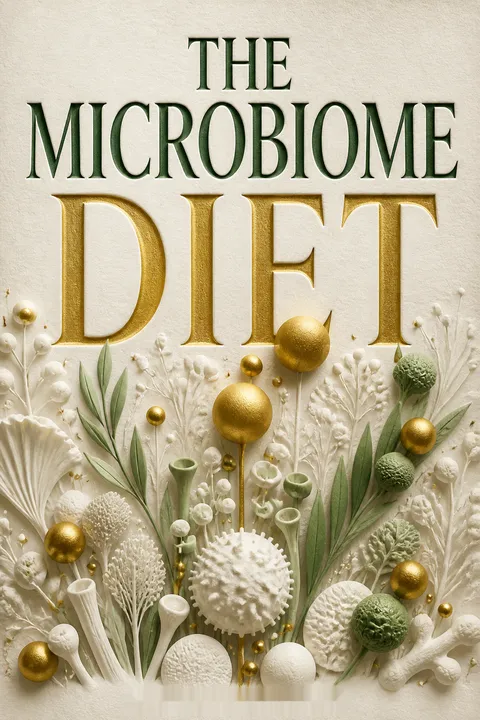
The Microbiome Diet is a 2014 nutrition and self-help book built around a clinical narrative, a proposed biological model, and a three-stage eating plan. Its opening story, Robert’s unexpected weight loss during antibiotic treatment accompanied by probiotics and prebiotics, gives the book its central question: could gut microbes help regulate weight? The answer offered is an integrated system in which diet, microbial composition, digestion, immune signaling, appetite, stress, and metabolism influence one another.
The book’s most useful contribution is its shift away from moralizing weight. It asks readers to consider biological variation and the ways appetite, food composition, and stress can shape eating. The Four Rs offer a clear organizational device, while the emphasis on plant fiber, fermented foods, meal preparation, and attentive eating gives readers concrete practices. The staged plan also recognizes that a sustainable diet should become less restrictive over time.
The evidence, however, is uneven. The book highlights mouse experiments, microbial transfers, and human associations to support a causal narrative. Animal research can identify mechanisms, but it cannot establish that this particular diet produces permanent weight loss in people. The patient anecdotes are engaging but uncontrolled. The author also makes expansive claims about leaky gut, supplements, food sensitivities, and the microbiome’s role in serious conditions that exceed what the evidence described can support. The claim that microbes represent 90 percent of the body’s cells is also not a sound contemporary estimate.
The safest reading is neither dismissal nor literal compliance. The microbiome is a legitimate area of human biology, and diet can influence microbial communities. That does not mean microbes alone determine body weight, that every digestive or emotional symptom signals microbial imbalance, or that more supplements are necessarily better. The book is most valuable as a systems-oriented prompt to eat more diverse fiber-rich foods, notice how meals affect the body, and reject shame as a health strategy. Its restrictive phases and medical claims require more skepticism and individualized clinical judgment.
Review Summary
The Microbiome Diet receives mixed reviews, with an average rating of 3.76 out of 5. Some readers praise its informative content and effective weight loss approach, while others criticize its fad-diet style, repetitive writing, and expensive supplement recommendations. Positive reviews highlight the diet's focus on gut health and its potential to improve overall well-being. Critics argue that the book lacks scientific rigor and relies too heavily on anecdotes. Many readers find the recipes and meal plans helpful, though some struggle with ingredient availability and cost.
People Also Read








Glossary
Microbiome
Community of body microbesThe book uses microbiome to mean the community of microorganisms living in and on the body, especially in the digestive tract, along with the ecosystem they form. Kellman describes this community as interacting with digestion, immunity, appetite, and metabolism. The term is distinct from microbiota, which refers more narrowly to the organisms themselves.
The Four Rs
Four-part gut resetThe Four Rs are a functional-medicine protocol that Kellman adapts for the diet’s first phase. The steps aim to reduce disruptive foods and microbes, support digestion, add beneficial microbes and the fibers that nourish them, and help restore the intestinal lining. The book presents the steps as coordinated parts of one gut-health plan.
Dysbiosis
Microbial community imbalanceDysbiosis is the book’s term for an unhealthy imbalance in the gut’s microbial community, such as the reduced presence of beneficial organisms or excessive growth of disruptive ones. Kellman connects this proposed imbalance with inflammation, digestive problems, and weight gain. The term describes a pattern, not a single diagnosis with one universally agreed test.
Leaky gut
Increased intestinal permeabilityLeaky gut is the popular term used in the book for increased permeability of the intestinal lining. Kellman describes the lining’s cells and tight junctions as a barrier that normally allows nutrients to pass while limiting larger particles. He argues that a weakened barrier can prompt immune responses, though symptoms alone do not establish that this process is occurring.
Probiotics
Live beneficial microorganismsProbiotics are living microorganisms that may provide a health benefit when consumed in adequate amounts. In the book, they are used to replenish gut microbes, especially after antibiotics, and are supplied through supplements or fermented foods such as sauerkraut and kimchee. Effects depend on the organisms and context, so the term does not mean every product works the same way.
Prebiotics
Fibers that feed microbesPrebiotics are substances, often particular plant fibers, that are used by beneficial microorganisms in the body. Kellman emphasizes fibers in foods such as onions, garlic, asparagus, and Jerusalem artichokes, as well as supplements such as inulin. Their role in the book is to nourish microbes already present rather than directly add new organisms.
Short-chain fatty acids (SCFAs)
Microbial fiber fermentation productsShort-chain fatty acids are compounds produced when gut microbes ferment certain fibers. The book focuses on butyrate and acetate, describing them as potential supports for the intestinal lining, immune balance, and metabolism. Kellman presents eating prebiotic fibers as a way to encourage their production. The effects described are biological possibilities, not a guarantee of weight loss.
Stress-free eating
Relaxed, attentive mealsStress-free eating is Kellman’s approach to meals that emphasizes attention, slower chewing, enjoyment, and reduced distraction. He recommends pausing before eating, appreciating the food, and shifting away from work or other stressors when possible. The practice is intended to support digestion and awareness of fullness, as well as make meals more satisfying.
FAQ
What's The Microbiome Diet about?
- Focus on Gut Health: The Microbiome Diet by Raphael Kellman emphasizes the critical role of the microbiome, the trillions of bacteria in our intestines, in regulating weight and overall health.
- Four Rs Method: The diet is structured around the "Four Rs"—Remove, Replace, Reinoculate, and Repair—to heal the gut and restore a balanced microbiome.
- Long-term Weight Loss: By focusing on gut health, the book argues that individuals can achieve permanent weight loss and improved health without traditional dieting struggles.
Why should I read The Microbiome Diet?
- Scientific Basis: The book is grounded in recent scientific research, highlighting the connection between gut health and weight management.
- Practical Guidance: It offers practical advice and meal plans that are easy to follow, making it accessible for readers looking to improve their health.
- Holistic Approach: The book promotes a holistic view of health, addressing not just weight loss but also mental clarity, energy levels, and emotional well-being.
What are the key takeaways of The Microbiome Diet?
- Microbiome Importance: The microbiome is crucial for regulating metabolism, appetite, and overall health, leading to effortless weight loss and improved well-being.
- Four Rs Framework: The Four Rs—Remove, Replace, Reinoculate, and Repair—are essential for restoring gut health and achieving a healthy weight.
- Stress Management: Stress can significantly impact gut health and weight, emphasizing the importance of stress-free eating and mindfulness.
What is the Four Rs method in The Microbiome Diet?
- Remove: Eliminate foods that disrupt the microbiome, such as sugar, gluten, dairy, and processed foods, to reduce inflammation and restore gut balance.
- Replace: Restore missing stomach acid and digestive enzymes to improve digestion and prevent leaky gut.
- Reinoculate: Replenish the gut with healthy bacteria through probiotics and prebiotics, consuming fermented foods and supplements.
- Repair: Heal the gut lining and reduce inflammation through specific nutrients and supplements that support gut integrity.
How does the microbiome affect weight loss according to The Microbiome Diet?
- Metabolism Regulation: The microbiome regulates calorie extraction and fat storage, enhancing metabolism for easier weight loss.
- Cravings and Appetite: An imbalanced microbiome can lead to increased cravings and hunger, while a healthy gut helps control appetite.
- Inflammation and Insulin Resistance: The microbiome influences inflammation and insulin sensitivity, affecting weight gain and fat loss.
What are some common symptoms of an imbalanced microbiome?
- Digestive Issues: Bloating, gas, constipation, and diarrhea are common indicators of an imbalanced microbiome.
- Mood and Cognitive Effects: Brain fog, anxiety, and depression can result from an unhealthy microbiome, affecting mental well-being.
- Weight Gain: Difficulty losing weight or unexplained weight gain can signal an unhealthy microbiome impacting metabolism and appetite.
What foods should I avoid on The Microbiome Diet?
- Sugar and Processed Foods: Eliminate sugar and refined carbohydrates, as they feed unhealthy bacteria and contribute to inflammation.
- Gluten and Dairy: Remove gluten and dairy in initial phases due to their potential to trigger immune responses and inflammation.
- Artificial Additives: Avoid artificial sweeteners, preservatives, and unhealthy fats, focusing on whole, natural foods.
How can I support my microbiome while following The Microbiome Diet?
- Probiotics and Prebiotics: Incorporate probiotics through fermented foods and supplements, and consume high-fiber foods for prebiotics.
- Microbiome Superfoods: Eat foods like asparagus, garlic, and leeks, rich in fiber and nutrients that support gut health.
- Mindful Eating: Practice stress-free and mindful eating to enhance digestion and support the microbiome.
What role does stress play in weight gain according to The Microbiome Diet?
- Cortisol Levels: Chronic stress elevates cortisol, leading to fat storage and disrupted metabolism.
- Gut Health Impact: Stress affects gut integrity, leading to leaky gut and inflammation, complicating weight management.
- Eating Patterns: Stress alters eating behaviors, leading to cravings for unhealthy foods, which can be mitigated through mindfulness.
What are some practical tips for stress-free eating from The Microbiome Diet?
- Mindful Eating: Eliminate distractions during meals, chew slowly, and savor each bite to enhance digestion.
- Gratitude Practice: Express gratitude before meals to lower stress levels and improve digestion.
- Create a Relaxing Environment: Set a pleasant atmosphere for meals to promote a state conducive to digestion and weight loss.
What are the best quotes from The Microbiome Diet and what do they mean?
- "Let food be your medicine...": Emphasizes diet's fundamental role in health, suggesting the right foods can prevent and treat health issues.
- "Trillions of microorganisms...": Highlights the symbiotic relationship between humans and their microbiome, enhancing health when nourished.
- "Reconnecting with your body...": Reflects the importance of understanding and nurturing the microbiome for significant health improvements.
How can I implement the Microbiome Diet in my daily life?
- Meal Planning: Follow detailed meal plans and recipes provided in the book to simplify the transition to a microbiome-friendly diet.
- Gradual Changes: Incorporate the Four Rs gradually for a smoother adjustment and to establish new eating habits.
- Mindful Eating: Practice being present during meals and listening to hunger cues to enhance the eating experience.
Download PDF
Download EPUB
.epub digital book format is ideal for reading ebooks on phones, tablets, and e-readers.








