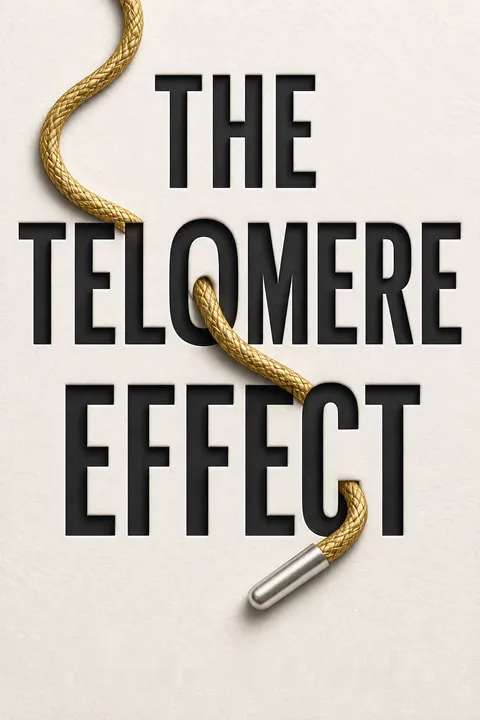


Key Takeaways
Protect your healthspan by slowing cellular wear, not chasing immortality.
Telomeres protect chromosomes. They are repeated DNA sequences at chromosome ends, acting like protective caps that help keep genetic material intact as cells divide. They generally shorten with each division. When they become critically short, a cell may stop dividing and enter senescence, a state in which it no longer renews tissue and can send inflammatory signals to neighboring cells.
Aging has different timelines. The book calls healthy years the healthspan and years burdened by significant illness the diseasespan. Its fictional friends Kara and Lisa are the same age, but Kara’s fatigue and recurring illness suggest an earlier decline, while Lisa remains energetic. Telomere length is one contributor to that difference, not a complete explanation or a guarantee of anyone’s future.
The useful shift is from asking how to look young to asking how long the body can function well. That distinction resembles the difference between lifespan and disability-free lifespan in public health: extra years matter most when they preserve independence and participation. Telomeres offer a plausible biological bridge between many influences on health, but they should not be treated as a personal countdown clock. A blood sample is only an indirect snapshot, and different tissues may not age identically.
Treat telomerase as a repair system, not an anti-aging supplement.
Telomerase rebuilds telomeres. This enzyme adds DNA repeats to chromosome ends, counteracting some of the shortening caused by cell division. It is active in cells that need sustained renewal, but most human cells do not produce enough to keep telomeres indefinitely long. The discovery in pond organisms and yeast helped explain how cells can restore these protective ends.
More is not always safer. Telomerase can help healthy cells maintain themselves, but cancer cells often exploit it to keep dividing. The book reports that roughly 80 to 90 percent of malignant cancers show unusually high telomerase activity. Too little telomere protection also carries risks, so the goal is regulated maintenance, not maximum length. The authors advise against products marketed to boost telomerase without strong long-term safety evidence.
This is a classic biological tradeoff: the same capacity that supports repair can also support runaway growth. Similar tensions appear in immune activation and tissue regeneration, where a useful process becomes harmful when its controls fail. The lesson is not that telomerase is dangerous, but that simplistic optimization can misread biology. Claims that one ingredient can safely lengthen telomeres and extend life skip the hard questions about which cells change, by how much, and with what consequences.
When stress cannot be removed, change how your body reads it.
Stress comes in doses. A brief, manageable challenge can help build coping capacity. Severe stress that persists for years is more concerning, and studies of caregivers found that greater perceived stress and longer caregiving were associated with shorter telomeres and lower telomerase. The body’s response matters as well as the event itself.
Threat and challenge differ. A threat response interprets pressure as danger, failure, or humiliation. A challenge response treats the body’s arousal as fuel for meeting a task. In laboratory studies involving public speaking and mental arithmetic, people who felt more threatened than challenged had shorter telomeres. Reframing a racing heart as preparation can help shift the response, though it does not make an unsafe or exhausting situation harmless.
This approach usefully separates physiological activation from the story attached to it. In performance settings, arousal can be interpreted as evidence of readiness rather than impending failure, which can change attention and behavior. But reframing has limits. It cannot replace respite, income, medical support, or protection from abuse. Treating appraisal as one lever, rather than the whole solution, keeps resilience from becoming a demand that people simply cope better with conditions others could improve.
Stop feeding stress with rumination, suppression, and constant mental escape.
Replaying is not resolving. Rumination means repeatedly turning over a distressing problem without reaching a useful conclusion. It can keep the body’s stress response active after the original event has passed. Trying to force away unwanted thoughts can also backfire, because the mind must keep checking whether the forbidden thought has returned.
Create space around thoughts. The book recommends noticing thoughts without treating them as facts, then returning attention to the present. Mindfulness, self-compassion, and psychological distancing can help. For example, describe a stressful event from an observer’s perspective, or ask whether it will matter in ten years. A study cited in the book found that people reporting more negative mind wandering had telomeres about 200 base pairs shorter, though this association does not prove that wandering caused the difference.
The distinction between reflection and rumination is especially practical. Reflection can generate learning; rumination often repeats the same judgment while masquerading as problem solving. Attention training can interrupt that loop without requiring every thought to become positive. Still, mind wandering is not automatically harmful. It supports planning, memory, and imagination. The target is repetitive, distressing disengagement, not the ordinary movement of thought or the occasional mental detour.
Treat depression and anxiety as health conditions, not personal weakness.
Distress reaches the body. The book links clinical depression and anxiety with shorter telomeres, with more persistent or severe depression generally associated with greater shortening. In a large Netherlands study, depression lasting less than ten months was not associated with significantly shorter telomeres than in controls, while longer-lasting depression was. Anxiety-related shortening may recover when the disorder resolves; depression can leave a more persistent association.
Get appropriate care. Depression and anxiety can affect sleep, immune function, inflammation, and daily life. Avoidance and relentless self-criticism can intensify the cycle, but these are not character defects. The authors discuss mindfulness-based cognitive therapy, which helps people notice thoughts without automatically obeying them. For people with three or more previous depressive episodes, one cited study found this approach cut recurrence risk in half. Professional treatment remains important when symptoms interfere with life.
The cellular framing can reduce stigma by showing that mental illness is not merely an attitude or a failure of will. It also supports a broader model in which psychological and physical care belong together. The evidence does not mean telomere testing can diagnose depression or guide treatment. Nor should a biological correlate obscure the social conditions that contribute to distress. The strongest practical message is to seek effective care for suffering, rather than treating cellular health as a substitute for mental health treatment.
Give sleep a protected place in your cell-renewal routine.
Sleep restores more than energy. It helps regulate appetite, mood, memory, and the body’s daily repair rhythms. The suprachiasmatic nucleus, a small brain structure that acts as the central body clock, uses light and regular routines to coordinate sleep and wakefulness. The book reports that sleep of at least seven hours is associated with longer telomeres, especially in older adults. Poor sleep quality and insomnia are also linked to shorter telomeres.
Make nights less activating. Keep sleep and meal times reasonably regular, get daylight exposure, and dim lights in the evening. Screens can suppress melatonin, a hormone involved in sleepiness. A short wind-down routine may help. For persistent insomnia, the book describes mindfulness-based treatment that teaches people to observe thoughts rather than wrestle them into silence. Suspected sleep apnea deserves medical assessment, not just better bedtime habits.
Sleep is a biological schedule as well as a number of hours. That makes the advice more useful than simply demanding a perfect bedtime: light, regularity, and the transition out of work all shape the conditions for rest. At the same time, sleep recommendations can provoke anxiety in people already struggling to sleep. The book’s emphasis on easing the effort to force sleep is important. A routine should make rest more possible, not become another test to fail.
Build aerobic fitness steadily; extreme training is not the telomere goal.
Fitness supports cell maintenance. Exercise is associated with longer telomeres, including in a study of twin pairs that helped separate activity from shared genetics. In one small six-month study, moderate aerobic training for 45 minutes three times a week and high-intensity intervals each increased telomerase activity about twofold. Resistance exercise had other benefits, but did not produce the same telomerase change in that study.
More is not automatically better. Ultramarathoner Maggie became exhausted, sleepless, and repeatedly ill after a punishing training schedule. Such warning signs can indicate overtraining, especially when recovery, nutrition, and sleep are inadequate. Regular movement and improved cardiovascular capacity matter more than elite performance. Strength work can complement aerobic exercise by supporting muscle, bone, balance, and coordination. Start at a level that is appropriate for current health and build gradually.
Exercise illustrates hormesis: a manageable stressor prompts adaptation, while excessive load without recovery can overwhelm the system. That is a better guide than the cultural habit of treating workout intensity as proof of virtue. The telomere findings also reinforce the value of ordinary consistency over heroic bursts. The small training study is suggestive rather than definitive, so exercise is best justified by its broad health benefits, not by a promise that a particular routine will lengthen an individual’s telomeres.
Track metabolic health, not just pounds or calories.
The waist can reveal more than the scale. Body mass index does not distinguish muscle from fat or show where fat is stored. Fat around the abdomen and liver is more closely tied to inflammation and insulin resistance than fat under the skin in the limbs. Insulin resistance means body cells respond less effectively to insulin, leaving more glucose in the blood and increasing the risk of type 2 diabetes.
Avoid the dieting trap. The book describes mixed findings on weight loss and telomeres, suggesting that improved insulin sensitivity and reduced abdominal fat may matter more than weight alone. Repeated weight cycling is associated with shorter telomeres, and severe weight loss can trigger lasting metabolic adaptation. The authors therefore emphasize activity and nutritious eating over constant calorie restriction. A clinician can assess blood glucose and related risk factors more meaningfully than a telomere test or a scale reading alone.
This framing offers a welcome alternative to treating body size as a moral score. It redirects attention toward measurable functions, such as glucose regulation, and toward behaviors that can improve health without promising weight loss. There is a useful caution here: abdominal fat is a risk indicator, not a complete account of a person’s health, and individuals differ. Public health advice works best when it supports metabolic wellbeing without reinforcing shame or implying that illness is simply a matter of personal discipline.
Fill meals with whole foods that limit inflammation and blood-sugar spikes.
Choose a pattern, not a miracle food. The book favors vegetables, fruits, whole grains, beans, nuts, seeds, and omega-3 sources such as oily fish. These foods supply fiber and nutrients associated with lower oxidative stress and inflammation. Processed meats, sugary drinks, and heavily refined carbohydrates are linked to poorer telomere measures. In one study of about 5,000 people, drinking 20 ounces of sugary soda daily was associated with telomere length comparable to roughly 4.6 extra years of cellular aging. That is an association, not a personal forecast.
Food beats megadoses. The authors favor obtaining nutrients from a varied diet and caution that supplement evidence is mixed. They discuss omega-3 supplementation as a possible option when food sources are inadequate, with medical advice, and warn against high-dose or telomere-marketed products. A broadly plant-rich, minimally processed eating pattern is more defensible than obsessing over single ingredients or banning entire food groups without a medical reason.
A dietary pattern is a sturdier unit of advice than a superfood headline. It accounts for how foods arrive together, including fiber that slows glucose absorption and the displacement of processed choices by more nourishing ones. The soda result is memorable, but observational associations cannot establish that the beverage alone produced the measured difference. The practical recommendation remains sensible because it aligns with multiple pathways described in the book, while avoiding the false precision of treating one food as a telomere switch.
Improve the social conditions that make healthy choices possible.
Cells register surroundings. Neighborhood safety, social trust, relationships, pollution, and access to green space are associated with telomere health. Social cohesion means that neighbors know, trust, and help one another. People in communities with low cohesion or fear of crime showed greater cellular aging in cited studies, while green surroundings were associated with healthier outcomes. Supportive relationships can also soften stress, while ambivalent relationships may add strain.
Health is not purely private. Unsafe streets can make exercise difficult; pollution and toxins can damage cells; discrimination can create persistent stress. The authors suggest small community actions, such as welcoming neighbors and improving shared spaces, alongside larger efforts to reduce environmental hazards and social inequality. These are not interchangeable solutions: a friendly gesture cannot remedy unsafe housing or polluted water, but connection and public conditions both shape the environment in which health habits occur.
The book’s most expansive move is to treat cellular health as partly social infrastructure. A park, a safe route, or a reliable neighbor can change what daily behavior is feasible, not merely what a person intends to do. This perspective resists blaming individuals for constrained choices. Telomere associations do not by themselves prove that a particular neighborhood program will alter biology, but they strengthen the case for evaluating public health by lived conditions as well as individual habits.
Protect children with responsive care, especially after adversity.
Early conditions leave marks. In the Romanian orphanage research described in the book, longer time in severe institutional neglect was associated with shorter telomeres and poorer developmental outcomes. Children moved into foster care showed meaningful recovery, especially when placed before age two. Other studies linked childhood violence and multiple adverse experiences with shorter telomeres. Sensitive, responsive parenting can buffer risk, particularly for children who have already faced adversity.
The starting point may travel. Direct transmission describes the possibility that parents pass some of their existing telomere length through egg and sperm, beyond passing genes. Evidence for this is strongest in families with rare telomere disorders; its importance in the general population remains uncertain. Severe maternal stress and poor conditions during pregnancy are also associated with shorter telomeres in newborns. These findings argue for support and protection, not blame toward parents facing hardship.
This section connects developmental science to cellular biology without making childhood destiny. Recovery in foster care and parenting interventions show that relationships can be protective, even after serious deprivation. The generational claim requires particular care: direct transmission is biologically plausible and documented in disorder families, but its population-wide scale is not settled. That uncertainty does not weaken the case for prenatal care, safe childhoods, and responsive caregiving, which matter on many grounds beyond telomere length.
Change one manageable routine at a time, and redesign its surroundings.
Motivation needs structure. The authors recommend choosing one behavior, linking it to a meaningful personal value, and checking whether confidence is high enough to begin. If not, make the goal smaller. Attach the new action to an established routine, schedule it when follow-through is more likely, and recognize each successful repetition. To interrupt an unwanted habit, reduce exposure to its cues rather than relying on willpower all day.
Measure habits before telomeres. Commercial telomere tests provide limited individual guidance, and the book warns that companies’ accuracy and interpretation may be unreliable. One reading is not a verdict on future health. It is more practical to review areas such as sleep, movement, stress, nutrition, and social support, then work on the easiest high-value change. The goal is a sustainable pattern of renewal, not a perfect day or a single biological score.
This is a strong translation from molecular science into behavioral design. Small, repeatable actions reduce the gap between intention and practice, while changing cues makes the desired choice less dependent on momentary self-control. The approach also protects against biomarker anxiety: a test can feel authoritative without telling a person what to do next. The most useful feedback loop is often observable behavior and wellbeing, not an expensive measurement whose meaning for one individual remains uncertain.
Analysis
The book’s central contribution is an integrative model: telomeres offer one biological pathway through which inherited traits, stress, behavior, relationships, and material environments may converge on aging. Its most powerful narrative shift is from lifespan to healthspan. The aim is not to defeat aging, but to postpone avoidable illness and preserve function. That framing lets molecular biology speak to psychology and public health without reducing health to a single organ or habit.
The evidence has different strengths. Rare inherited telomere disorders, cell experiments, and animal studies support mechanisms linking telomere maintenance, cell division, and disease. Human findings connect telomeres with stress, exercise, sleep, diet, and social conditions, but many are observational. Correlation can reflect shared causes, and stress can both affect health and arise from illness. Even strong population associations do not make telomere length a precise forecast for one person. Blood telomeres are also a proxy for other tissues, and the authors themselves caution against treating commercial testing as decisive.
That distinction matters ethically. A lifestyle message can empower readers, but it can also imply that illness reflects bad choices. The book pushes against that implication by showing how poverty, unsafe neighborhoods, discrimination, and childhood adversity constrain behavior and shape exposure. Its policy argument is therefore not an optional moral appendix. It follows from the biology it presents: health is built in households and communities as well as cells.
The most durable practical advice is consequently low drama: move regularly, sleep adequately, eat mostly minimally processed foods, seek care for mental illness, build supportive relationships, and reduce avoidable toxic stress. These actions have value even if telomere effects prove smaller or more variable than current studies suggest. The molecular story motivates the choices, while ordinary health outcomes should remain the standard by which those choices are judged.
Review Summary
The Telomere Effect receives mixed reviews. Many praise its accessible explanation of telomere science and practical advice for healthy living, while others criticize it as repetitive and overly focused on self-help. Positive reviewers appreciate the scientific backing for lifestyle recommendations, while critics argue the advice is common knowledge. Some find the book's emphasis on stress reduction and mindfulness helpful, while others feel it lacks depth. Overall, readers value the book's insights into aging and health, even if they find some content familiar.
People Also Read







Glossary
Telomeres
Chromosome-end protectorsTelomeres are repeated DNA sequences, together with protective proteins, at the ends of chromosomes. They help preserve genetic material during cell division. They tend to shorten as cells divide, and critically short telomeres can contribute to a cell stopping division. Their length reflects many influences, but is not a precise individual prediction of lifespan or health.
Telomerase
Telomere-rebuilding enzymeTelomerase is an enzyme that adds repeated DNA sequences to telomeres, helping counteract shortening during cell division. It is more active in some renewing cells than in most ordinary body cells. Its activity must be regulated: inadequate maintenance can impair cells, while cancer cells can use high telomerase activity to sustain uncontrolled division.
Hayflick limit
Finite cell-division capacityThe Hayflick limit is the observation that many normal human cells can divide only a finite number of times before entering permanent growth arrest, called senescence. Telomere shortening is one important mechanism contributing to this limit. The limit is not identical for every cell, since cell type and telomerase activity affect how long a cell can continue dividing.
Senescence-associated secretory phenotype
Signals released by aged cellsThe senescence-associated secretory phenotype, often abbreviated SASP, is the collection of signaling molecules released by some senescent cells. These signals can recruit repair processes, but persistent release can promote chronic inflammation and affect nearby tissues. The book uses the concept to explain how a cell that has stopped dividing may still influence the health of the wider body.
Inflamm-aging
Chronic inflammation with ageInflamm-aging refers to the persistent, low-grade inflammation that can accumulate as people age and contribute to age-related disease. The book connects it to damaged or senescent cells that release inflammatory signals. Unlike brief inflammation that helps healing, long-lasting inflammation can disrupt normal tissue function and reinforce cellular damage.
Healthspan
Years lived in good healthHealthspan is the portion of life spent in relatively good health, with the ability to function and participate in daily life. The book distinguishes it from lifespan, which counts years lived, and contrasts it with diseasespan, the years burdened by illness that interferes with quality of life. The distinction emphasizes preserving healthy years, not merely extending survival.
Diseasespan
Years substantially affected by illnessDiseasespan is the period of life during which significant disease interferes with everyday wellbeing and activity. It is the counterpart to healthspan in the book’s account of aging. The authors argue that people can have similar lifespans but very different lengths and timing of diseasespan, making the compression of illness toward the end of life an important health goal.
Challenge response
Stress interpreted as usable energyA challenge response occurs when a person experiences a stressful task as demanding but manageable, and interprets bodily arousal as preparation to act. The book contrasts it with a threat response, in which stress is experienced as danger or likely failure. A challenge appraisal does not remove the stressor, but may support more effective performance and healthier recovery.
Direct transmission
Parental telomere length passed through reproductive cellsDirect transmission is the proposed passage of a parent’s existing telomere length to a child through the chromosomes in the egg or sperm, apart from inheritance of genes that regulate telomeres. Evidence is clearest in families with rare telomere disorders. The book suggests it may also occur in the general population, while acknowledging that this possibility requires further research.
Attachment and Biobehavioral Catch-Up
Responsive parenting support programAttachment and Biobehavioral Catch-Up, abbreviated ABC, is an intervention developed for caregivers of young children who have experienced adversity. It coaches parents to respond sensitively, follow a child’s lead, and provide reassurance during distress. The book describes research linking this kind of responsive care with improved stress regulation in at-risk children.
FAQ
What's The Telomere Effect about?
- Focus on Telomeres: The Telomere Effect delves into the science of telomeres, the protective caps on chromosome ends that play a crucial role in cellular aging and health.
- Lifestyle Connection: The book explains how lifestyle choices, such as stress management, exercise, and nutrition, can influence telomere length and overall health.
- Mind-Body Connection: It highlights the interplay between psychological factors and physical health, emphasizing the impact of thoughts and emotions on telomeres.
Why should I read The Telomere Effect?
- Scientific Insights: The book offers groundbreaking insights into telomere biology, making complex scientific concepts accessible to readers.
- Empowerment Through Knowledge: It empowers readers to take control of their health by understanding how lifestyle choices affect telomere length.
- Holistic Approach: The authors advocate for a holistic approach to health, integrating physical, mental, and social well-being.
What are the key takeaways of The Telomere Effect?
- Telomeres and Aging: Shortened telomeres are linked to premature aging and chronic diseases, making their maintenance crucial for a longer healthspan.
- Impact of Stress: Chronic stress negatively affects telomeres, highlighting the importance of stress management for cellular health.
- Healthy Lifestyle Choices: Regular exercise, a nutritious diet, and strong social connections are essential for maintaining telomere health.
How do telomeres affect my health according to The Telomere Effect?
- Cellular Aging: Telomeres shorten with each cell division, and when too short, cells can no longer divide, leading to tissue and organ aging.
- Disease Risk: Short telomeres are associated with higher risks of diseases like cardiovascular disease, diabetes, and cancer.
- Influence of Lifestyle: Stress, diet, and exercise can influence telomere length, and healthier habits can positively impact overall health.
What lifestyle changes can I make to support my telomeres?
- Manage Stress: Engage in stress-reducing techniques like mindfulness meditation, yoga, or deep breathing exercises.
- Regular Exercise: Aim for moderate aerobic exercise or high-intensity interval training (HIIT) at least three times a week.
- Healthy Diet: Focus on a diet rich in whole foods, including fruits, vegetables, and omega-3 fatty acids.
What is telomerase and why is it important in The Telomere Effect?
- Enzyme Function: Telomerase is an enzyme that adds DNA sequences to telomeres, helping to replenish them after cell division.
- Role in Aging: Telomerase activity typically decreases with age, leading to shorter telomeres and cellular aging.
- Potential for Therapy: Research into telomerase has implications for developing therapies for age-related diseases, though excessive activity can promote cancer.
How does stress impact telomere length according to The Telomere Effect?
- Chronic Stress Effects: Chronic stress leads to elevated cortisol levels, which can shorten telomeres over time.
- Mindset Matters: Viewing stress as a challenge rather than a threat can help mitigate its negative effects on telomeres.
- Coping Strategies: Positive coping strategies, such as mindfulness and self-compassion, can protect telomeres from stress damage.
What role does diet play in telomere health according to The Telomere Effect?
- Nutrient-Rich Foods: A diet high in fruits, vegetables, whole grains, and omega-3 fatty acids is associated with longer telomeres.
- Avoid Processed Foods: Processed foods, sugary beverages, and red meat can negatively impact telomere length.
- Specific Nutrients: Key nutrients like folate and vitamin D are important for telomere maintenance.
How can I assess my own telomere health according to The Telomere Effect?
- Lifestyle Assessment: The book includes a Telomere Trajectory Assessment to evaluate stress exposure, emotional distress, social support, and lifestyle habits.
- Protective Factors: Focus on improving areas where you scored low, such as exercise or nutrition, to enhance telomere health.
- Monitor Progress: Track lifestyle changes and their effects on well-being to gain insights into your telomere health.
What are the best quotes from The Telomere Effect and what do they mean?
- “Your telomeres are listening to you.”: This quote emphasizes the connection between thoughts, emotions, and cellular health.
- “Aging need not be a one-way slippery slope toward infirmity and decay.”: It highlights the potential to control the aging process through lifestyle choices.
- “Biology is not destiny.”: This quote conveys that while genetics play a role, lifestyle choices significantly impact health outcomes.
How does The Telomere Effect address childhood and its impact on telomeres?
- Early Adversity Effects: Childhood stress, violence, and neglect can lead to shorter telomeres in adulthood.
- Parental Influence: Supportive and responsive parenting can buffer the effects of early adversity on telomeres.
- Transgenerational Transmission: Telomere length can be influenced by parents' life experiences, highlighting the importance of addressing social and health inequalities.
What is the relationship between telomeres and social connections in The Telomere Effect?
- Social Cohesion Importance: Living in neighborhoods with high social cohesion is associated with longer telomeres.
- Impact of Isolation: Social isolation can lead to shorter telomeres and increased stress.
- Emotional Support: Positive relationships can mitigate stress effects on telomeres, emphasizing the need for strong social networks.
Download PDF
Download EPUB
.epub digital book format is ideal for reading ebooks on phones, tablets, and e-readers.








