

Key Takeaways
Treat gut ecology as part of brain health, not a separate digestive issue.
A connected system. Perlmutter's central argument is that the gut's microbial community helps shape processes that matter to the brain, including immune activity, inflammation, nutrient absorption, and chemical signaling. He calls this community the microbiome: the microorganisms living in and on the body, along with their genetic material. Most gut microbes live in the digestive tract, where they interact with the nervous and immune systems.
Messages travel both ways. The gut and brain communicate through several routes, including the vagus nerve and the enteric nervous system, the network of nerves embedded in the digestive tract. The result is not that the gut controls every thought or disease, but that brain health cannot be understood by looking at the brain alone.
What's valuable here is the shift from a collection of isolated organs to a communicating biological system. That model makes ordinary symptoms, such as stress changing digestion, easier to understand and gives researchers new questions to investigate. It also resists a tempting oversimplification: finding a gut-brain connection does not prove that gut microbes cause a particular neurological condition. The relationship can run in both directions, and diet, medication, illness, and stress can affect both systems. The strongest use of the idea is as a framework for investigation, not a universal explanation.
Track the inflammatory chain from barrier damage to brain effects.
The gut as a border. The intestinal lining is a thin barrier that lets nutrients through while limiting the passage of harmful material. Perlmutter argues that an imbalanced microbial community can weaken this barrier and contribute to inflammation. One molecule he emphasizes is lipopolysaccharide, or LPS, a component of some bacteria that can provoke an immune response if it enters the bloodstream.
A plausible pathway. In the book's model, microbes, a compromised intestinal barrier, and immune signaling can combine to sustain inflammation, which may affect the brain. The author connects this pathway to conditions including depression and dementia, drawing on laboratory studies and human observations. These findings support biological plausibility, but do not establish that a leaky gut is the cause of those conditions in a given person.
This section offers a useful causal map: a local change in the gut can prompt signals with effects elsewhere. It resembles the way other barrier tissues, such as the lungs, can influence whole-body immune activity. The map helps organize research without pretending every link is equally proven. In particular, a marker associated with inflammation is not automatically a diagnostic test for its source, and animal experiments that induce inflammation do not demonstrate that the same sequence explains a human illness. The distinction between mechanism, association, and diagnosis is essential.
Improve today's microbial habitat, even if your early start was imperfect.
An early imprint. The book describes how birth method, infant feeding, and early antibiotic exposure can influence which microbes first colonize a child's gut. It contrasts a traditionally raised child on Ikaria, a Greek island known for long life, with a hypothetical American child exposed to C-sections, formula, antibiotics, and processed food. These examples illustrate different environments, not proof that microbes explain the island's health outcomes.
Not a life sentence. Perlmutter argues that early conditions can affect immune development, but also stresses that the microbiome remains responsive to later habits. Someone cannot change how they were born, yet can change diet and other exposures. A history of C-section birth, formula feeding, or antibiotics should not be treated as a prediction of future illness or as a reason for parental blame.
The developmental perspective is powerful because it connects early biology with later health without reducing a person to their birth story. It also has an ethical edge: risk-based accounts can easily become blame-based accounts, especially for parents who had little control over a delivery or feeding choice. The book's more constructive implication is that early exposures matter, but do not dictate destiny. The Ikaria comparison is evocative, yet longevity is shaped by many intertwined factors, so it cannot isolate the microbiome as the explanation.
Feed useful microbes with varied plants and live fermented foods.
Food for the community. Perlmutter describes prebiotics as food that beneficial gut microbes can use, often in the form of fibers that humans do not fully digest. He points to foods such as garlic, onions, leeks, chicory, asparagus, and Jerusalem artichokes. As microbes ferment some fibers, they produce short-chain fatty acids that help nourish the cells lining the colon and support the gut environment.
Add living cultures. Fermented foods, including sauerkraut, kimchi, yogurt, and kefir, can provide live microorganisms. The author recommends choosing products with live cultures and limited added sugar or additives. He also suggests aiming for 12 grams of prebiotic fiber daily. That is his practical target, not a guarantee that a particular food or supplement will improve a neurological condition.
The memorable idea is ecological: microbes respond to the resources available in their habitat. A varied diet containing plant fiber gives different organisms different substrates, while fermented foods can add live cultures. This is more compelling than treating a single capsule as a complete repair job. Still, microbial diversity is not a simple score for health, and not every fermented product contains live organisms after processing. The practical principle is to build a varied, sustainable diet, rather than to assume that one named strain or food can solve a complex illness.
Cut manufactured sugar, and approach gluten elimination with evidence.
Sugar is not all alike. The book singles out manufactured fructose, especially in sweetened drinks and processed foods. A whole apple supplies sugar alongside fiber, while soda or juice can deliver a concentrated dose without the same structure. Perlmutter argues that excess fructose can disturb gut microbes and metabolism. He also cites a mouse study in which artificial sweeteners changed gut bacteria and impaired sugar processing, a finding that merits caution rather than a blanket conclusion about every sweetener in people.
Gluten is a stronger claim. Perlmutter recommends avoiding gluten broadly, arguing that gliadin, a protein in gluten, can affect intestinal permeability. The evidence he presents includes research on celiac disease and proposed effects beyond it. Celiac disease and diagnosed gluten-related disorders warrant medical guidance; the book's broader recommendation is not proof that everyone benefits from eliminating gluten.
The strongest dietary point is the contrast between whole foods and concentrated, highly processed sources of sugar. It links food form, microbial exposure, and metabolic response without requiring a rigid theory about one ingredient. The gluten argument needs more restraint. A plausible mechanism or improvement in selected patients does not establish universal sensitivity, and a gluten-free label can disguise a highly processed diet. Elimination diets can also complicate nutrition and diagnosis. A careful approach distinguishes confirmed celiac disease or sensitivity from a general wellness claim.
See weight as biology shaped by microbes, diet, and behavior.
More than arithmetic. Perlmutter argues that gut microbes can influence how much energy is extracted from food, how appetite-related signals work, and how the body manages blood sugar. He discusses the balance between two large bacterial groups, Firmicutes and Bacteroidetes, and the association between their relative abundance and obesity. He also describes a study in which microbes from obese and lean human twins produced different weight outcomes in mice, especially when diet differed.
A contributor, not a verdict. The author connects obesity with inflammation and brain-health risks, including changes associated with the hippocampus. The microbial findings suggest that metabolism is more complex than willpower alone. They do not show that a single bacterial ratio determines someone's weight, or that changing microbes can replace attention to food access, behavior, genetics, medication, and other influences.
This argument usefully challenges the moral framing of weight as a simple test of discipline. Microbial activity may help explain why people can respond differently to similar diets, while the twin-mouse experiment offers evidence that communities of microbes can affect metabolism in a controlled setting. The caution is that a pattern observed in animals or populations is not an individual diagnosis. A two-group ratio cannot capture the full microbial ecosystem, and weight is shaped by social conditions as well as physiology. Biology can broaden the explanation without making it deterministic.
Explore gut factors in mood without mistaking a pathway for a cure.
Signals and mood. The book links gut microbes with inflammation, stress hormones, and neurotransmitter pathways that may affect emotional health. It notes that much of the body's serotonin is produced in the gut, and describes animal studies in which changing gut microbes altered stress-related behavior. A small human study found that women who ate a probiotic-containing yogurt showed changes in brain activity while viewing emotional images.
Evidence is emerging. Perlmutter uses patient stories, including people whose mood and digestive symptoms improved after dietary changes. Such cases can suggest useful questions, but cannot determine which change caused the improvement. The book's argument is that gut health may be one factor in mood disorders, not that depression is simply a gut problem or that prescribed treatment should be stopped.
The gut-brain model can make mental health feel less like an abstract chemical defect and more like an outcome influenced by bodily systems. That is a valuable expansion, especially when digestive symptoms and stress appear together. Yet serotonin production in the gut does not mean gut serotonin directly becomes brain serotonin, and a small brain-imaging experiment measures a response, not a cure. Mood disorders have many pathways and require individualized care. The practical gain is permission to consider physical health alongside psychological and psychiatric treatment.
Preserve antibiotics for real need, because they reshape microbial communities.
Powerful, not harmless. Perlmutter opens his discussion with his father's life-threatening infection, which antibiotics treated successfully. He then turns to their overuse, especially for illnesses such as colds and flu that antibiotics do not treat. Antibiotics can disrupt beneficial microbes as well as target pathogens, and widespread or inappropriate use also encourages drug resistance.
Use them wisely. The book argues for avoiding unnecessary prescriptions, while following a clinician's instructions when antibiotics are needed. It also discusses how antibiotic exposure may affect metabolic and immune outcomes, particularly in early life. Those risks are reasons to weigh treatment carefully, not to refuse a necessary medicine or independently change a prescribed course. Decisions about a specific infection belong with a qualified healthcare professional.
The balanced message matters: antibiotics are among medicine's most consequential tools precisely because they can save lives, and their ecological effects make indiscriminate use costly. This is a stewardship problem, not an argument against treatment. The same distinction applies to antibiotics in agriculture, where population-level policy and individual clinical decisions are different questions. The book sometimes emphasizes possible long-term harms more than the uncertainty around them. A sound response is neither automatic prescribing nor automatic avoidance, but a clear diagnosis and a reasoned risk-benefit discussion.
Treat autism gut research as a research lead, not a promise.
A complex condition. Perlmutter emphasizes that autism spectrum disorder has many forms and likely reflects interacting genetic and environmental influences. He reviews studies finding gastrointestinal symptoms and differences in gut microbes among some autistic people. One proposed mechanism involves propionic acid, a microbial byproduct that altered behavior in animal experiments. These findings offer hypotheses about a subset of symptoms, not an explanation for every autistic person.
Anecdotes are not trials. The author describes Jason, a boy with autism whose family reported improvements after probiotics and fecal microbial transplantation. The story is emotionally compelling, but an individual case cannot establish cause, effectiveness, or safety. The book explicitly says the intervention is not a guaranteed remedy. Autistic people and families deserve evidence-based support without being promised a cure or blamed for diet, birth method, or medical history.
This is one of the book's most hopeful and most vulnerable sections. Gut symptoms deserve attention in autistic people on their own terms, and microbial differences can help generate testable biological questions. But animal models and case reports sit far below controlled clinical trials in the evidence hierarchy. They cannot establish that microbes cause autism or that changing them reliably improves core features. The distinction also matters ethically: recognizing treatable digestive distress can improve care without treating autism itself as something that must be erased.
Keep fecal transplants inside clinical evidence and safety safeguards.
A microbial transfer. Fecal microbial transplantation, or FMT, transfers microbes from a screened donor into another person's digestive tract. Perlmutter presents it as a way to rebuild a severely disrupted community. He cites a small study in which frozen, donor-derived capsules helped 90 percent of patients with recurrent C. difficile infection, a serious intestinal infection that can follow antibiotic treatment.
Evidence depends on the condition. The book also describes FMT as a possible future treatment for disorders such as multiple sclerosis and autism, based largely on case reports and early research. Those claims are not equivalent to the evidence for recurrent C. difficile. Donor screening, clinical oversight, and appropriate regulation matter because the procedure transfers biological material. The book's stories should not be read as a reason to attempt a home transplant.
FMT makes the book's ecological metaphor unusually concrete: sometimes medicine may need to restore a community, not merely add one organism. Its reported success for recurrent C. difficile is a compelling example of that idea. But success in one disease does not license use in another. Transferred microbes can carry unintended organisms, and the benefits and risks depend on the condition and procedure. The frontier is promising precisely because it demands rigorous trials, careful screening, and transparent oversight, not because an intervention sounds naturally restorative.
Use a simple routine, not an expensive hunt for perfect bacteria.
Build the habitat. Perlmutter's closing program emphasizes fermented foods, fiber-rich prebiotic foods, fewer refined carbohydrates, and fats he considers healthful. He also recommends tea, coffee, cocoa, and moderate wine for their plant compounds, plus filtered water and intermittent fasting. Exercise and regular sleep appear as supporting habits. The message is to shape the environment microbes live in, rather than rely on a single supplement.
Keep the protocol proportional. The book suggests a specific prebiotic-fiber target and seasonal fasts, but these are the author's recommendations, not universal prescriptions. Fasting can be inappropriate for some people, and dietary changes or supplements can interact with medical conditions and treatment. The most defensible takeaway is a practical pattern of varied whole foods and professional guidance when health needs are complex, not a demanding checklist or a promise of rapid neurological improvement.
The routine is most persuasive when treated as a set of food and lifestyle principles rather than a branded cure. Plant variety, less reliance on highly processed foods, movement, and consistent sleep are practical levers that do not require identifying a perfect microbial signature. The weaker elements are the more prescriptive claims about fasting, high-fat eating, and supplements, which may not suit everyone and are not interchangeable with clinical care. A sustainable routine has an advantage over an idealized regimen that a reader cannot safely or realistically maintain.
Analysis
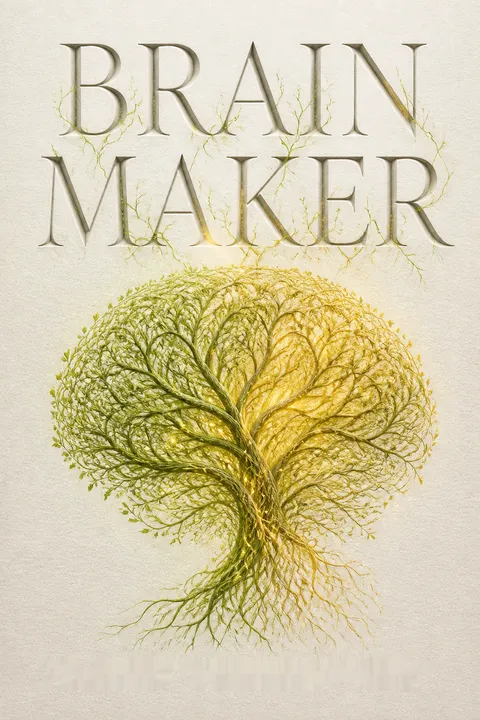
Brain Maker is a 2015 popular science and health book built around a clear proposition: the gut microbiome is a consequential partner in brain and whole-body health. Its structure moves from biological explanation, through possible routes of disruption, to a lifestyle program and a vision of future treatments. Patient stories give the argument emotional force, while animal experiments, observational studies, small human trials, and clinical anecdotes give it scientific texture. The challenge in summarizing it is that these forms of evidence are not equally strong, although the book often presents them in one continuous persuasive narrative.
The book's most durable contribution is its ecological lens. It asks readers to consider how food, medication, stress, early development, and microbes interact, rather than searching only for a single defective gene or isolated symptom. Its account of bidirectional communication also resists a crude gut-causes-brain model. The suggested habits, especially eating more fiber-rich whole foods and avoiding unnecessary antibiotics, are presented as ways to support a biological system rather than as a targeted cure.
The main limitation is a recurring leap from plausible mechanism to broad clinical promise. A molecule that produces inflammation in an animal, a microbial pattern associated with disease, and a patient's improvement after a multicomponent intervention answer different questions. None alone establishes a general treatment. The same caution applies to dramatic claims about autism, depression, multiple sclerosis, and FMT. The book's confidence exceeds the certainty of much of the evidence it cites, and its broad gluten and fasting recommendations require individualized judgment.
Read the work, then, as a stimulating map of research and a guide to questions worth asking, not as a diagnostic manual. It is strongest when it explains why the gut deserves attention and weakest when early findings are made to sound like settled clinical answers. Its practical value survives that distinction: microbial ecology is important enough to study and support, but not a substitute for careful diagnosis, established treatment, or evidence matched to the condition.
Review Summary
Brain Maker receives mixed reviews, with many praising its informative content on gut health and the microbiome-brain connection. Readers appreciate the practical advice on improving gut health through diet and probiotics. However, some criticize Dr. Perlmutter's claims as exaggerated or lacking scientific evidence. Critics argue he oversimplifies complex issues and makes broad generalizations. Despite this, many find the book's insights on nutrition and gut health valuable, even if they approach the more dramatic claims with skepticism. The book has inspired some readers to make dietary changes and explore probiotics.
People Also Read








Glossary
microbiome
microbes and their genesThe community of microorganisms living in and on the body, together with their genetic material. In Brain Maker, the term focuses especially on microbes in the digestive tract and their interactions with digestion, immunity, metabolism, inflammation, and nervous-system signaling. The book treats this community as a dynamic biological partner, not as a collection of germs that are uniformly harmful.
gut-brain axis
gut and brain communicationThe network of two-way communication between the digestive system and the brain. The book describes signals traveling through nerves such as the vagus nerve, as well as through immune, hormonal, and chemical pathways. The concept explains how stress can affect digestion and how gut conditions may influence brain activity, while not establishing that gut microbes cause every neurological or psychiatric condition.
dysbiosis
microbial imbalanceA disturbance in the composition or function of a microbial community. In the book, dysbiosis generally refers to a gut ecosystem with reduced diversity or altered proportions of organisms, potentially affecting digestion, the intestinal barrier, immune responses, and inflammation. It is a broad research term, not a single diagnosis with one universally accepted microbial profile.
lipopolysaccharide (LPS)
bacterial inflammatory componentA molecule forming part of the outer membrane of certain bacteria. The book emphasizes that LPS can trigger a strong immune response when it crosses the intestinal barrier and enters circulation. It uses LPS to illustrate how gut microbes and barrier integrity might relate to inflammation elsewhere in the body. LPS levels alone do not identify the cause of a person's symptoms.
prebiotics
food for gut microbesSubstances, often types of dietary fiber, that pass through digestion and can be used by particular gut microorganisms. The book highlights foods such as garlic, onions, leeks, chicory, and Jerusalem artichokes. Microbes ferment some of these materials into short-chain fatty acids and other products. Prebiotics are distinct from probiotics, which are live microorganisms.
probiotics
live beneficial microorganismsLiving microorganisms intended to provide a health benefit when consumed in adequate amounts. Brain Maker discusses probiotic foods such as yogurt, kefir, kimchi, and sauerkraut, as well as supplements containing selected bacterial strains. Effects can differ by strain and condition, so the term does not mean that every product or organism has the same benefit.
fecal microbial transplantation (FMT)
transfer of donor gut microbesA medical procedure that transfers microbial material from a screened donor into a recipient's digestive tract, using methods such as capsules or delivery into the colon. The book presents FMT as an established approach for recurrent C. difficile infection and a possible research avenue for other disorders. Evidence and safety are condition-specific, so proposed uses beyond established indications require clinical study and supervision.
brain-derived neurotrophic factor (BDNF)
protein supporting brain cellsA protein involved in the survival of neurons and the formation of connections between them. The book links BDNF with learning, memory, and brain plasticity, and discusses studies associating its levels with microbial conditions and cognitive outcomes. It is one potential biological pathway in the gut-brain connection, not a standalone measure of brain health or a proven treatment target for every condition.
gut-associated lymphatic tissue (GALT)
immune tissue in the gutImmune tissue located in and around the intestinal lining. Brain Maker describes the gut as a major interface between the body and external material, where immune cells encounter food, microbes, and other substances. GALT helps coordinate immune responses in this environment. The book uses it to explain why changes in gut microbes and barrier function may affect inflammation and immunity beyond the intestine.
Biome Depletion Theory
loss of microbial exposureA theory discussed in the book proposing that modern urban life, sanitation, diet, and antibiotic use reduce exposure to microbial diversity. The resulting changes may affect immune development and the balance between protective and potentially harmful organisms. The theory offers one proposed explanation for differences in some chronic disease patterns; it does not prove that cleanliness itself causes a specific illness.
FAQ
What's Brain Maker about?
- Focus on Gut Health: Brain Maker by David Perlmutter delves into the critical role of gut microbiota in overall health, particularly brain health.
- Gut-Brain Connection: The book explores how gut bacteria influence neurological conditions and mental health issues, affecting mood, cognition, and behavior.
- Practical Solutions: It offers actionable dietary advice, including recommendations for probiotics, prebiotics, and fermented foods to support a healthy microbiome.
Why should I read Brain Maker?
- Revolutionary Insights: The book presents groundbreaking research linking gut health to brain diseases, offering a fresh perspective on conditions like autism, depression, and Alzheimer’s.
- Evidence-Based Insights: Dr. Perlmutter provides a wealth of scientific research, making it a credible resource for understanding the intersection of nutrition and neurology.
- Empowerment Through Knowledge: Readers gain knowledge to make informed dietary choices that can enhance their health, with practical advice leading to significant improvements in well-being.
What are the key takeaways of Brain Maker?
- Gut-Brain Connection: The book emphasizes that gut health today determines the risk for neurological conditions.
- Dietary Importance: It highlights the role of diet in shaping gut microbiota, stressing the importance of food choices for a healthy microbiome.
- Microbiome Rehabilitation: Perlmutter provides a framework for rehabilitating the microbiome through prebiotics, probiotics, and dietary changes.
What are the best quotes from Brain Maker and what do they mean?
- “Death begins in the colon.”: This underscores the critical role of gut health in overall health and longevity.
- “You are an active member of the earth’s microbiome.”: This highlights the interconnectedness of individual health with the planet's health.
- “All disease begins in the gut.”: Reflects the foundational role of gut health in disease prevention and health promotion.
How does the microbiome affect brain health according to Brain Maker?
- Inflammation Link: Inflammation is linked to conditions like obesity, diabetes, and neurological diseases, with gut health playing a crucial role.
- Neurotransmitter Production: The gut microbiome produces neurotransmitters like serotonin, affecting mood and cognitive function.
- Gut Permeability: A leaky gut allows harmful substances into the bloodstream, leading to systemic inflammation impacting brain health.
What dietary changes does Brain Maker recommend?
- Eliminate Gluten: A gluten-free diet is advocated to reduce gut permeability and inflammation.
- Increase Healthy Fats: Consumption of omega-3 fatty acids is encouraged for brain function and reducing inflammation.
- Incorporate Probiotics and Prebiotics: Emphasizes fermented foods and prebiotic-rich foods to nourish beneficial gut bacteria.
How does Brain Maker define the gut-brain connection?
- Interconnected Systems: The gut and brain communicate through pathways like the vagus nerve and neurotransmitter production.
- Influence of Gut Bacteria: Gut bacteria produce compounds affecting mood and cognition, such as serotonin.
- Impact on Mental Health: Imbalances in gut bacteria can contribute to mental health disorders like depression and anxiety.
What role do probiotics play in Brain Maker?
- Restoring Balance: Probiotics are essential for restoring a healthy balance of gut bacteria.
- Supporting Brain Health: Certain probiotic strains can influence brain function and mood, aiding in anxiety and depression.
- Practical Recommendations: Guidance on incorporating probiotics through supplements and fermented foods is provided.
How does Brain Maker address autism?
- Gut Microbiome and Autism: Children with autism often have distinct gut bacteria patterns affecting symptoms.
- Case Studies: Success stories, like Jason's improvement after dietary changes, are shared.
- Focus on Gut Health: Emphasizes addressing gut health through diet and probiotics for autism management.
How does Brain Maker address the use of antibiotics?
- Antibiotic Overuse Concerns: Excessive use can lead to dysbiosis, disrupting gut bacteria balance.
- Connection to Chronic Diseases: Links antibiotic overuse to conditions like obesity and autoimmune diseases.
- Recommendations for Responsible Use: Advocates for judicious use and suggests probiotics during and after treatment.
What environmental factors affecting the microbiome are discussed in Brain Maker?
- Antibiotic Use: Overuse disrupts the microbiome, leading to health imbalances.
- Dietary Choices: Modern diets high in processed foods harm gut bacteria diversity.
- Hygiene Hypothesis: Overly sanitized environments may reduce microbial diversity, impacting health.
How can I improve my gut health based on Brain Maker?
- Dietary Adjustments: A diet rich in fiber, healthy fats, and low in processed sugars and gluten is recommended.
- Probiotic and Prebiotic Intake: Incorporate foods high in probiotics and prebiotics for gut health.
- Lifestyle Changes: Regular exercise, adequate sleep, and stress management are crucial for a balanced microbiome.
About the Author
Other books by David Perlmutter




Download PDF
Download EPUB
.epub digital book format is ideal for reading ebooks on phones, tablets, and e-readers.








