

Key Takeaways
Treat midlife brain fog as a signal to investigate, not destiny.
A signal, not a verdict. Perlmutter argues that forgetfulness, slower thinking, and trouble concentrating should not automatically be dismissed as inevitable aging. His central explanation is a cycle of oxidative damage and declining cellular energy: brain cells use substantial energy, and the process produces free radicals, unstable molecules that can damage cells. The book links this damage to inflammation and impaired communication between neurons, especially in memory-related areas.
A framework, not a diagnosis. The program aims to interrupt this cycle through food, activity, sleep, and other changes. The author presents improvement as possible, even after symptoms begin. But a lapse in memory alone does not establish brain degeneration, and the book's broad explanation should not be taken as proof that every cognitive problem has the same cause.
The useful move is to replace resignation with curiosity: a new memory problem can prompt a review of sleep, mood, medications, and general health rather than a joke about getting older. The oxidative-stress model also offers an accessible account of how cellular processes might affect cognition. Its weakness is breadth. A plausible mechanism is not automatically the cause of a particular person's symptoms, and the book sometimes treats one biological story as if it explained many different disorders. Taking symptoms seriously works best alongside careful diagnosis, not self-diagnosis.
Map your risks before choosing a prevention strategy.
A structured inventory. The Brain Audit is a 45-question self-assessment covering memory and concentration, age, diet, medications, habits, home and work exposures, stress, and medical history. In the book's scoring system, each yes counts as one point, with each routinely taken listed medication counting separately. The result places readers into one of three plans: 0-6 points for Tier 1, 7-30 for Tier 2, and above 30 for Tier 3.
A starting point. The tiers progress from maintenance to prevention and repair, then to intensive recovery and enhancement. Perlmutter uses the score to prompt changes in daily habits and further medical discussion. The questionnaire is not presented here as a current diagnostic instrument or as a substitute for an examination by a qualified clinician.
A checklist can make an unwieldy health problem easier to discuss. Its breadth is a strength: it asks about sleep and medications alongside family history, rather than treating memory as an isolated faculty. But the score gives unlike factors equal weight, and age-related questions can add points without showing that a person has a disorder. That makes the tiers useful as a prompt to reflect, not as a calibrated prediction of disease. In practice, a short list of specific concerns to discuss with a clinician is more defensible than treating a numerical category as a prescription.
Feed brain-cell membranes well, and stop crowding out healthier fats.
Choose food quality. The book treats dietary fat as structural material as well as fuel: brain cells need healthy membranes to communicate. It distinguishes omega-3 fats, found in foods such as salmon, walnuts, and flaxseed, from trans fats in many processed and fried foods. It also urges readers to reduce highly processed foods and excess sweets, and to eat a variety of vegetables and fruit for nutrients and plant compounds the author describes as antioxidants.
The food pattern matters. Perlmutter recommends replacing processed snacks and refined grains with whole foods, and he promotes sources of DHA, an omega-3 fat he considers important for brain-cell membranes. He also recommends supplements. Those recommendations reflect the book's 2004 program, not individualized medical advice or proof that a supplement prevents dementia.
The strongest practical idea is substitution: a diet built around minimally processed foods, vegetables, and sources of unsaturated fats is more actionable than a hunt for one miracle ingredient. The membrane metaphor makes the author's focus on dietary fats memorable, but it can oversimplify how brain tissue is built and maintained. Nor does a biological role for DHA establish that taking a supplement improves cognition for everyone. The nutritional case is more persuasive when it concerns overall food patterns and general health than when it promises that a particular nutrient can make the brain sharper.
Protect cognition with sleep, movement, stress relief, and play.
The Three Rs. Perlmutter calls his lifestyle prescription rest, relaxation, and recreation. He argues that poor sleep and ongoing stress can interfere with concentration, mood, and memory, while exercise supports circulation and leisure activities offer both a break from work and mental stimulation. He recommends regular exercise and seven to eight hours of sleep on most nights.
A patient's turning point. Elizabeth, a 47-year-old attorney, worked long days, rarely exercised, and slept only five to six hours. After adopting the author's program, she reported feeling more articulate and alert following three nights of eight hours' sleep. The book attributes that quick change to sleep, not to supplements. Her case illustrates how routine exhaustion can resemble a loss of mental ability, though one person's rapid improvement cannot predict everyone else's response.
This account makes the advice concrete: a person who is tired, overworked, and distracted may need recovery time before interpreting every lapse as a sign of decline. Sleep, exercise, and enjoyable activities also reinforce one another, since movement can relieve stress and hobbies create reasons to focus beyond work. The evidence is not equally strong for every claim about preventing dementia, and a brief case history cannot establish cause. Still, these habits have a valuable feature that a long supplement list lacks: they support several aspects of health without requiring a reader to assume a single theory of brain aging.
Audit medication effects with a clinician before changing treatment.
Notice possible trade-offs. The book argues that some medications may affect nutrient levels, naming CoQ10, B vitamins, and glutathione, which the author describes as an important antioxidant. It also raises concerns about aluminum-containing antacids and acetaminophen. Perlmutter suggests that medication use belongs in any review of memory problems and recommends discussing possible nutrient depletion and testing homocysteine, a substance the body makes during normal metabolism.
Review, do not abruptly stop. The book's extensive drug lists and supplement suggestions date from 2004 and should not be used as current prescribing guidance. A medication may have important benefits as well as side effects. Anyone concerned about a drug should ask the prescribing clinician or pharmacist to review its risks, benefits, and alternatives, rather than stopping a prescription or adding supplements without advice.
Medication review is a sound habit because symptoms can have several contributors, and some drugs do affect alertness, memory, or nutrient absorption. The book is most useful when it urges readers to ask better questions, not when it implies that common prescriptions are broadly harmful. A drug's effect depends on its dose, duration, purpose, and the patient's health. The benefit of treatment may greatly outweigh a theoretical nutrient concern. This is precisely where a clinician or pharmacist can help distinguish a documented interaction from a speculative one and avoid the dangerous conclusion that prescribed treatment should simply be abandoned.
Reduce proven toxin exposures without treating every modern device as a threat.
Look for identifiable sources. Perlmutter highlights pesticides, mercury, lead, aluminum, food additives, and electromagnetic fields as possible hazards to the nervous system. He discusses lead in older homes, mercury in some fish, and pesticide exposure in food and gardens. His proposed responses include checking product labels, reducing avoidable exposure, and seeking professional assessment when a particular exposure is suspected.
The evidence differs by hazard. The book itself acknowledges uncertainty about electromagnetic fields, yet it also recommends precautions around phones and household electronics. Its broad warning about a toxic environment can make readers attentive to exposures, but it can also make unrelated everyday products seem equally dangerous. A suspected lead or mercury exposure is a specific health concern to discuss with a professional, not a reason to attempt detoxification or chelation independently.
The most durable principle is to rank hazards instead of reacting to every alarming label. Lead and mercury exposure can be serious, while the book's claims about ordinary electromagnetic exposure and some food additives are much less secure. The text occasionally treats precaution as though it were evidence of harm. A better risk assessment asks about the size and route of exposure, the quality of the evidence, and whether a safer alternative exists. That keeps environmental health practical: investigate a plausible source, reduce a meaningful exposure, and avoid expensive or invasive responses based on fear alone.
Practice demanding mental tasks, but keep expectations realistic.
Train attention deliberately. The Brain Workout is a set of short exercises meant to practice memory, focus, and mental speed. Perlmutter's examples include recalling numbers or names linked to playing cards, then timing oneself while sorting a deck by suit or card type. The challenge increases as a person gets more accurate. The author says mental stimulation encourages dendrites, the branching extensions through which neurons connect and exchange information.
Build a repeatable routine. The book suggests roughly 15 minutes a day, divided into brief practice sessions. It also encourages varied hobbies that require attention beyond a person's usual work. These activities can provide practice and structure, but the book's card drills should not be mistaken for a demonstrated way to prevent dementia or for a measure of overall intelligence.
The exercises have a useful design feature: they make performance visible, so a reader can notice whether a specific task becomes faster or more reliable. That can support confidence and persistence. The harder question is transfer. Improving at sorting cards or remembering a practiced sequence does not necessarily improve everyday reasoning, independence, or resistance to dementia. Cognitive training often produces its clearest gains on the tasks people actually practice. The broader lesson is to stay engaged with varied, meaningful challenges, while treating a score on one exercise as evidence of skill at that exercise, not a report card on the whole brain.
Use biomarkers as clues, not personalized guarantees of future dementia.
Four proposed checks. The book recommends measuring urinary lipid peroxides as a marker of oxidative activity, blood homocysteine, C-reactive protein (CRP) as a marker of inflammation, and ApoE genotype, a genetic pattern associated with differing Alzheimer’s risk. It proposes using results to move readers into a more intensive program. In its framework, homocysteine above 9 micromoles per liter and CRP above 3 milligrams per liter are flagged as concerning.
A result needs context. These are the book's historical thresholds and recommendations, not a current checklist for everyone or an instruction to start supplements. A biomarker can be associated with risk without predicting what will happen to an individual. Testing decisions, interpretation, and follow-up belong in a clinical conversation that considers the person's health and the limits of the test.
The appeal of early testing is understandable: a measurable signal seems to offer a chance to act before symptoms become severe. But prediction and prevention are separate questions. A marker may correlate with disease and still fail to show that changing that marker prevents the disease. Homocysteine and CRP also have uses and limitations that depend on clinical context, while genetic information can raise questions about privacy and family implications. The book's strong universal-testing stance should therefore be read as part of its era and its theory, not as an established mandate for routine screening.
Call emergency services for sudden weakness, speech trouble, or vision loss.
Time matters. The book describes stroke as an interruption of blood flow to the brain or bleeding into or around brain tissue. It names sudden weakness or numbness, speech or comprehension problems, loss of vision, severe unusual headache, and unexplained dizziness as warning signs. Its instruction is to seek emergency care rather than drive oneself or wait for symptoms to pass. Brief symptoms can also be a transient ischemic attack, a temporary episode that the book warns should not be ignored.
Recovery is not just prevention. The author describes some surrounding brain cells as “idling neurons,” meaning injured but potentially functioning cells near tissue permanently damaged by stroke. He presents hyperbaric oxygen as a way to support recovery, alongside rehabilitation. This is the author's proposed approach, not a reason to delay emergency stroke treatment or substitute a procedure for standard medical care.
This is one of the book's clearest and most consequential messages: sudden neurological symptoms require urgent attention, even when they resolve. Stroke care is time-sensitive, so a wait-and-see approach can close off treatment options. The idea that injured tissue may retain some function also fits a broader view of rehabilitation as active recovery rather than passive acceptance. However, the book's enthusiasm for hyperbaric oxygen does not establish it as routine stroke rehabilitation. Emergency evaluation and evidence-based rehabilitation should remain central, with any additional therapy assessed by the treating team.
Check for treatable lookalikes before labeling memory loss dementia.
Symptoms can have other causes. In discussing Alzheimer’s disease, Perlmutter notes that memory and behavior changes may also accompany problems such as vitamin B12 deficiency, thyroid disease, depression, medication effects, or infection. He makes a related point about multiple sclerosis: some neurological symptoms and MRI findings can overlap with gluten-related illness. The book recounts a patient initially diagnosed with MS whose symptoms improved after testing found gluten sensitivity and she changed her diet.
Investigate before concluding. The patient story shows why diagnosis matters, but it cannot show how common that explanation is or justify testing or treatment for everyone. The book also promotes supplements, intravenous glutathione, antibiotics, and hyperbaric oxygen for specific neurological disorders. Its reported patient improvements should be understood as the author's clinical experience, not as proof that those protocols cure or reliably halt disease.
The diagnostic principle is valuable: cognitive change deserves a workup because some causes may be treatable, and medication effects or nutritional deficiencies can resemble more serious illness. That is different from assuming that an alternative explanation is likely in every case. A vivid patient story is a reason to ask a question, not enough evidence to answer it for a population. The same distinction applies to the book's disease protocols. Mechanistic arguments and encouraging case reports can generate hypotheses, but treatment decisions for Alzheimer’s, Parkinson’s, MS, or ALS require specialist care and evidence of safety and benefit.
Analysis
The book's most coherent contribution is its refusal to treat cognitive decline as either inevitable or beyond investigation. It builds a broad prevention argument around everyday levers: food, sleep, exercise, stress, medication review, environmental exposure, and medical assessment. The three-tier structure and Brain Audit turn that argument into a memorable self-management system, while patient stories give the advice a human scale. The strongest elements are the focus on vascular health, sleep, exercise, and checking whether a symptom has a reversible contributor. These are more useful than the book's promise that a supplement regimen can restore a faltering brain.
Its explanatory center is oxidative stress: free radicals damage cells, mitochondria produce less energy, and inflammation compounds the harm. This creates an intuitive biological narrative, but a unifying mechanism is not the same as a proven cause of each disorder. The text often moves from laboratory rationale or association to a confident treatment recommendation. Its assertions about nutrient depletion by broad medication categories, electromagnetic fields, aluminum, and particular supplements vary substantially in evidential strength. The book also promotes a commercial supplement line designed by its author, a disclosure relevant to evaluating its product recommendations.
The date matters. Published in 2004, the book's drug lists, screening thresholds, and treatment protocols should not be used as current medical guidance. In particular, the claims for intravenous glutathione, hyperbaric oxygen, and supplement combinations in Parkinson’s disease, MS, stroke, Alzheimer’s, or ALS require a distinction between reported clinical experience and established treatment evidence. Readers should not stop prescribed medicines, begin high-dose supplements, or pursue chelation based on this summary.
The most defensible way to use the book is as a prompt to protect general health and ask better clinical questions. Keep physically active, sleep adequately, eat a varied whole-food diet, notice persistent changes, and seek urgent care for possible stroke. Treat its biological model and more ambitious therapies as claims to evaluate, not as universal instructions. The practical value lies less in a promise to reverse aging than in making brain health part of ordinary preventive care.
Review Summary
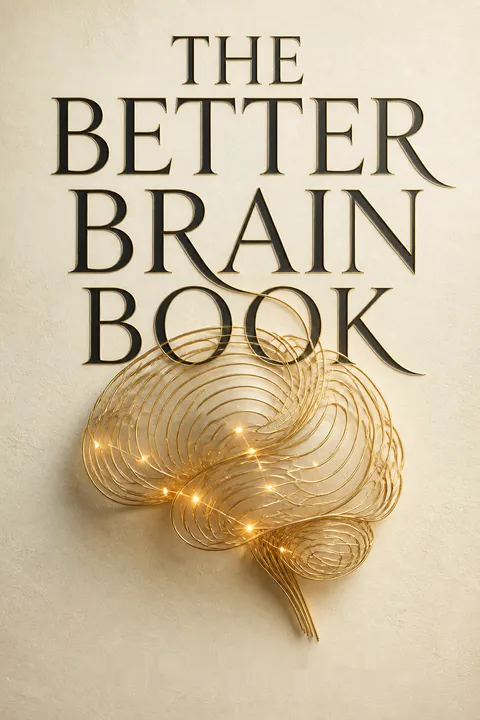
The Better Brain Book receives mostly positive reviews, with an average rating of 3.83/5. Readers appreciate its practical advice on improving brain health through diet, supplements, and lifestyle changes. Many find it informative and helpful, particularly for those concerned about memory issues or with a family history of brain diseases. Some criticisms include repetitiveness and skepticism about following all recommendations. Overall, readers value the book's insights on nutrition, vitamins, and brain health, though some desire more scientific explanations.
People Also Read









Glossary
Better Brain program
Tiered brain-health planPerlmutter's program combines dietary changes, supplements, lifestyle advice, mental exercises, and medical testing. It divides participants into three levels according to the Brain Audit: maintenance for lower scores, prevention and repair for moderate scores, and recovery and enhancement for higher scores or diagnosed conditions. The book's recommendations are specific to its 2004 publication and should not be treated as current medical guidance.
Brain Audit
45-question risk inventoryA self-assessment questionnaire in The Better Brain Book that asks about memory and concentration, age, diet, medications, habits, environmental exposures, stress, and medical history. The book assigns one point to each yes answer, then uses the total to place readers into one of three Better Brain program tiers. It is an organizing tool from the book, not a validated diagnostic test.
The Three Rs
Rest, relaxation, recreationPerlmutter's shorthand for three lifestyle priorities he believes support brain function: adequate rest, ways to manage stress, and enjoyable activities outside work. The framework connects sleep with recovery, relaxation with reduced strain, and recreation with mental stimulation and social engagement. The author presents these as practical habits, not as a stand-alone treatment for neurological disease.
Brain Workout
Brief cognitive practiceA set of mental exercises devised for the book to practice memory, attention, and speed. Examples use playing cards to rehearse recall of numbers or names, or to time the sorting of a deck into categories. The exercises grow more demanding as performance improves. Their scores measure performance on practiced tasks and do not diagnose cognitive impairment or establish protection from dementia.
idling neurons
Injured, potentially functioning cellsThe book's term for brain cells surrounding tissue permanently damaged by stroke. Perlmutter describes these neurons as injured but potentially capable of regaining some activity, and presents rehabilitation and hyperbaric oxygen as ways to support recovery. The term expresses the author's model of post-stroke tissue; it should not be read as a guarantee that a particular therapy restores function.
lipid peroxide test
Urine oxidative-activity markerA urine test discussed in the book as an indirect marker of lipid peroxidation, a process associated with oxidative damage to fats in tissues. Perlmutter uses the result to estimate free-radical activity and to adjust a reader's program tier. The book's testing products, thresholds, and interpretation are historical recommendations, not a current universal screening standard.
ApoE4 genotype
Alzheimer’s-associated gene variantA person inherits two ApoE gene copies, one from each parent. The book describes ApoE4 as a variant associated with higher Alzheimer’s risk compared with ApoE2 or ApoE3, while stressing that it is not a certain prediction of disease. Perlmutter recommends genetic testing to inform his program, but a result does not establish an individual's future diagnosis or determine treatment by itself.
FAQ
What's The Better Brain Book about?
- Focus on Brain Health: The Better Brain Book by David Perlmutter emphasizes maintaining and improving brain health through lifestyle changes, nutrition, and supplements.
- Preventing Brain Aging: It argues that cognitive decline is not a normal part of aging and provides strategies to prevent conditions like Alzheimer’s and dementia.
- Three-Part Structure: The book is divided into three parts: assessing brain risk factors, tools for a better brain, and specific brain disorders with treatment options.
Why should I read The Better Brain Book?
- Empowerment Through Knowledge: The book empowers readers to take control of their brain health by understanding factors contributing to cognitive decline.
- Practical Advice: Offers actionable advice on nutrition, supplements, and lifestyle changes to enhance mental performance and well-being.
- Expert Insights: Written by a board-certified neurologist, it provides scientifically backed information and personal anecdotes from the author’s practice.
What are the key takeaways of The Better Brain Book?
- Brain Audit: Introduces a self-assessment tool to identify risk factors for cognitive decline and determine the appropriate tier of the Better Brain program.
- Nutrition Matters: Emphasizes a diet rich in antioxidants and healthy fats, low in processed foods, for brain health.
- Supplementation: Recommends specific supplements like Coenzyme Q10, DHA, and B vitamins tailored to individual risk factors.
What is the "Brain Audit" in The Better Brain Book?
- Self-Assessment Tool: Consists of 45 questions assessing mental function, lifestyle, diet, and medical history to determine brain health risk.
- Tiered Program: Based on the score, readers are directed to one of three tiers: Prevention and Maintenance, Prevention, Repair, and Enhancement, or Recovery and Enhancement.
- Identifying Risk Factors: Helps individuals identify habits and environmental factors harming brain health, allowing for targeted changes.
What dietary changes does The Better Brain Book recommend?
- Healthy Fats: Advocates for monounsaturated and omega-3 fatty acids while avoiding trans fats and excessive saturated fats.
- Antioxidant-Rich Foods: Encourages a diet high in fruits and vegetables, particularly those rich in antioxidants, to combat free radical damage.
- Whole Foods Focus: Recommends whole, unprocessed foods over refined grains and sugars, emphasizing organic produce to reduce pesticide exposure.
What supplements are suggested in The Better Brain Book?
- Coenzyme Q10: Essential for energy production in brain cells and acts as an antioxidant to protect against free radical damage.
- DHA: An omega-3 fatty acid critical for brain health, necessary for maintaining flexible cell membranes and optimal cognitive function.
- B Vitamins: Important for controlling homocysteine levels, which, if elevated, can lead to cognitive decline and mood disorders.
How does stress affect brain health according to The Better Brain Book?
- Cortisol Production: Chronic stress leads to elevated cortisol levels, damaging brain cells, particularly in the hippocampus, affecting memory and learning.
- Free Radical Damage: Stress increases free radical production, contributing to inflammation and accelerating brain aging.
- Mental Performance Decline: Prolonged stress can impair cognitive functions, making it harder to concentrate, learn new tasks, and retrieve information.
What lifestyle changes does The Better Brain Book suggest for better brain health?
- Regular Exercise: Engaging in physical activity improves blood flow to the brain, enhances mood, and reduces the risk of cognitive decline.
- Adequate Sleep: Prioritizing 7-8 hours of sleep is essential for brain repair and function, as sleep helps clear toxins and restore neurotransmitter levels.
- Stress Management: Incorporating relaxation techniques, hobbies, and recreational activities can help mitigate stress and promote mental well-being.
What specific methods does The Better Brain Book recommend for improving memory?
- Memory-Boosting Exercises: Outlines exercises like recalling numbers and associating names with faces, structured to be simple yet effective.
- Visualization Techniques: Suggests using visualization to create mental "files" for information, significantly improving recall.
- Consistent Practice: Emphasizes that regular practice can lead to noticeable improvements in memory and cognitive function over time.
How does The Better Brain Book address the impact of diet on brain health?
- Nutrient-Rich Foods: Emphasizes a diet rich in fruits, vegetables, whole grains, and healthy fats, particularly omega-3 fatty acids.
- Avoiding Harmful Ingredients: Advises against consuming trans fats and processed foods, encouraging whole, unprocessed foods.
- Supplement Recommendations: Provides specific supplement recommendations, such as DHA, Co-Q10, and B vitamins, to support brain health.
What role do antioxidants play in brain health according to The Better Brain Book?
- Protection Against Free Radicals: Antioxidants neutralize free radicals, preventing oxidative stress and damage to brain cells.
- Sources of Antioxidants: Recommends consuming foods high in antioxidants, like berries, nuts, and green leafy vegetables.
- Supplementation for Support: Suggests supplementation with antioxidants, such as vitamin E and C, to enhance brain protection.
What are the best quotes from The Better Brain Book and what do they mean?
- "Your brain is not a static organ.": Emphasizes the brain's dynamic nature and the importance of engaging in activities that promote brain health.
- "You can grow new brain cells.": Reflects the concept of neurogenesis, encouraging practices that stimulate brain growth and resilience.
- "Prevention is the best medicine.": Underscores the book's theme that proactive measures, like diet and lifestyle changes, are crucial for maintaining brain health.
About the Author
Other books by David Perlmutter



Download PDF
Download EPUB
.epub digital book format is ideal for reading ebooks on phones, tablets, and e-readers.








