

Key Takeaways
Start with the gut, but do not mistake a plausible link for a diagnosis
A personal beginning. Josh Axe opens with his mother’s cancer recurrence. He describes changing her diet and routines, adding supplements, outdoor activity, and other practices aimed at gut health. Four months later, he reports that her largest tumor had shrunk by 52 percent. He explicitly says he cannot claim the program cured her cancer and credits her continuing medical care as part of the picture.
A broad central claim. The book proposes that intestinal problems may contribute to symptoms far beyond digestion, from fatigue and skin complaints to autoimmune conditions. Its useful prompt is to take persistent digestive symptoms seriously. Its risk is treating a possible contributor as a single explanation for many different illnesses.
What's striking is how the family story gives an abstract topic emotional urgency while the author also draws a boundary around what it proves. That boundary matters. A before-and-after improvement can generate a hypothesis, but it cannot isolate which change mattered, rule out other influences, or establish a cancer treatment. The strongest lesson is therefore not that gut repair treats cancer, but that health stories can motivate careful questions without replacing evidence-based care. Readers should bring ongoing symptoms to a qualified clinician rather than infer a hidden gut disorder from a broad list of complaints.
See the intestine as a selective barrier, not merely a food-processing tube
A living border. The book describes the gut lining as a controlled interface: it absorbs water and nutrients while limiting passage of unwanted material. Its cells connect through tight junctions, which can open and close. The gut microbiome, meaning the community of microorganisms living in and on the body, helps digest food and interacts with immune defenses.
The proposed leak. Axe uses increased intestinal permeability, commonly called leaky gut, to describe a barrier that allows more material across than usual. He discusses zonulin, a protein involved in regulating those junctions, and presents gluten and infections as possible triggers. This mechanism helps explain why researchers study the gut barrier, but it does not establish that permeability causes every condition named in the book.
The border metaphor clarifies an important biological idea: the gut is not a passive pipe, but a tissue that must absorb and defend at once. It also makes a complex subject memorable without requiring readers to master cellular biology. The key distinction is between a real physiological process and a broad clinical theory. A mechanism can be plausible, and measurable in particular illnesses, without serving as a universal explanation for fatigue, mood changes, or autoimmune disease. Keeping those levels separate preserves the insight while guarding against overdiagnosis.
Reduce the five modern pressures that repeatedly strain gut ecology
A convergence of pressures. Axe groups the risks into five forces: highly processed food, environmental chemicals, chronic stress, excessive sanitation, and medication overuse. He argues that these pressures can disturb the microbiome and the gut lining, especially when several occur together. His account of antibiotics is particularly focused: they can remove beneficial microbes along with harmful bacteria, and some microbial populations may not quickly return.
A useful map, not a verdict. The framework encourages readers to examine daily patterns instead of searching for one villain. But the book sometimes presents diverse exposures as if their effects were equally established or made leaky gut nearly inevitable. Its five categories are best used as prompts for questions, not as proof that a particular exposure caused an individual's illness.
This framework has the strength of systems thinking: diet, stress, drugs, and the built environment do not operate in isolation. It also shifts attention from individual blame toward conditions that shape ordinary choices, such as convenience foods and routine antibiotic prescribing. The caution is that a tidy list can flatten very different evidence. Antibiotic exposure, for example, is not equivalent to every household chemical or sanitized surface. A useful assessment ranks risks by evidence and consequence, rather than treating all five as interchangeable threats.
Seek nature's microbial variety without abandoning sensible hygiene
Small contacts, repeated. The book calls brief, recurring contact with microbes in soil, plants, animals, and fermented foods microexposures. Its “old friends” idea proposes that some microorganisms encountered through ordinary life help tune immune responses. Axe points to gardening, outdoor play, locally grown produce, and time with pets as ways to reconnect with natural environments.
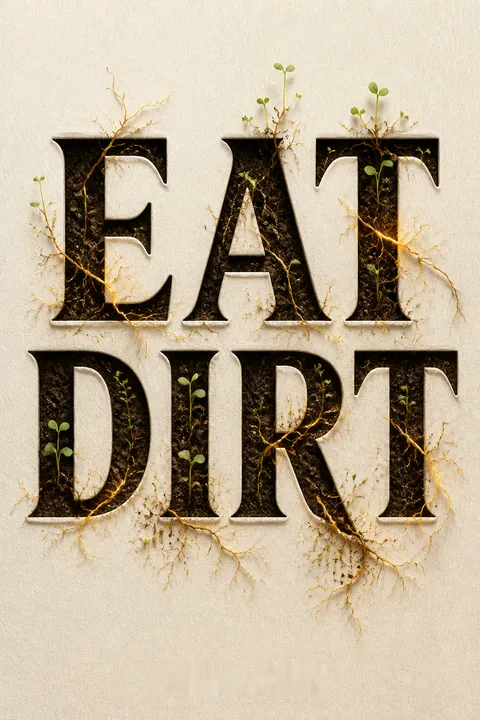
Not a call to eat soil. The subtitle phrase is a metaphor for restoring contact with nature, not an instruction to swallow dirt or ignore infection risks. The book itself distinguishes ordinary cleanliness from excessive attempts to sterilize everything. Washing hands in situations where infection risk is real remains important; the more defensible practical lesson is to spend time outdoors and avoid unnecessary antimicrobial products.
The appealing feature is that the proposal connects microbial ecology with ordinary pleasures: a garden, a dog, or time outside. It offers a counterweight to the assumption that every exposure is dangerous. Still, diversity observed in a group or environment does not show that a particular exposure prevents illness, and a subway-floor anecdote is not a health recommendation. The sensible middle ground is selective hygiene: reduce avoidable antimicrobial use while keeping practices that prevent transmission of serious infections.
Replace ultra-processed defaults with varied, fiber-rich foods
A quick dietary shift. The book favors vegetables, fruit, fiber, and traditionally fermented foods while urging readers to cut back on highly processed products, excess added sugar, and refined grains. It recounts a ten-day fast-food experiment involving Tim Spector's son: the book reports that testing found about 1,400 fewer microbial species, nearly 40 percent of the measured total, with recovery taking months. The example makes dietary change feel immediate, though it is one person's experiment.
Personalize exclusions. Axe also recommends avoiding gluten and certain dairy products broadly. Those restrictions are not necessary for everyone. A medically supervised gluten-free diet is important for celiac disease, while other eliminations should have a clear reason and a plan for adequate nutrition. The more widely useful advice is to improve the overall pattern and notice how specific foods affect symptoms.
Food quality is a strong place to begin because it links everyday decisions to the microbes that help process fiber and other nutrients. The experiment offers a vivid reminder that diet can alter microbial measurements quickly, but a shift in species counts is not automatically a health benefit or harm. The same care applies to elimination diets: a structured trial can help identify a trigger, while indiscriminate restriction can narrow nutrition and heighten food anxiety. Replacing less nutritious defaults is more broadly applicable than declaring entire food groups harmful.
Lower chronic stress to interrupt the gut-brain feedback loop
Two-way communication. The book describes a gut-brain-microbiota axis, the ongoing communication among the digestive system, its microbes, and the brain. Stress activates the body's threat response, which can alter digestion and immune activity. Axe cites research connecting psychological stress with changes in intestinal permeability, and argues that discomfort and inflammation may then add to stress, creating a reinforcing cycle.
Make recovery concrete. His practical suggestions include walking, exercise, breathing, social contact, time outdoors, and a regular period of rest. In his account of his mother's recovery, reducing her work hours and making room for hobbies accompanied dietary changes. These habits may support general well-being, but they are not substitutes for assessment or treatment when digestive, mental health, or autoimmune symptoms persist.
The feedback-loop model is useful because it resists a false choice between “physical” and “emotional” causes. Stress is embodied, and digestive illness can itself become stressful. Small recovery practices also have an advantage over grand promises: they can be tested and adjusted in daily life. Yet it would be unfair to imply that patients are ill because they failed to relax. Stress management can complement care, but it should not turn structural pressures, trauma, or disease into a personal shortcoming.
Protect microbes by using antibiotics and medicines thoughtfully
A real tradeoff. Axe warns that antibiotics can disrupt gut communities and contribute to resistant infections. He describes Clostridioides difficile, or C. diff, as a dangerous infection that can follow antibiotic treatment, and notes that fecal microbiota transplants have been used for recurrent cases. The book also raises concerns about pain relievers and acid-blocking drugs, which may affect digestion or the gut lining.
Use treatment wisely. The lesson is to ask what a medicine is for, what its risks are, and whether follow-up is needed. It is not to avoid necessary medication. Antibiotics can be lifesaving when indicated, and prescribed drugs should not be stopped or replaced with supplements without consultation with a qualified clinician. The book's claim that medicines are the leading cause of leaky gut is much stronger than its examples establish.
This section is most persuasive when it argues for antimicrobial stewardship: use antibiotics when they are likely to help, and avoid using them for illnesses they cannot treat. That approach protects both individuals and communities from resistance. The broader attack on modern medicine is less sound. A treatment can carry risks and still offer a favorable balance of benefit, particularly in severe illness. Good decisions compare alternatives and consequences, rather than assuming that pharmaceutical products are harmful and natural products are safe.
Use the five-step plan as a habit scaffold, not a cure
A sequence for action. The Eat Dirt program organizes the author's recommendations into five steps:
1. Remove foods and exposures he believes may irritate the gut.
2. Reseed with beneficial microbes, especially through fermented foods and probiotics.
3. Restore with nutrient-rich foods such as vegetables and bone broth.
4. Release stress through rest, movement, and calming routines.
5. Reseal with targeted supplements and ongoing habits.
Track rather than guess. Axe recommends keeping a food and symptom journal, including digestion, energy, skin, mood, and bowel habits. That can help a reader notice patterns and prepare for a clinical conversation. The plan includes many supplement and dietary claims that are not established as treatments for a generalized leaky-gut syndrome, so major restrictions or supplements deserve professional guidance.
A sequence lowers the activation energy of change: readers can examine one part of a routine instead of trying to overhaul everything at once. The journal is especially practical because it turns vague impressions into a record that can be discussed with a clinician. The limitation is that the five steps can sound like a validated treatment protocol, although the book does not establish that the full package treats a single diagnosed condition. Used as a planning tool, it can support observation. Used as a cure claim, it overreaches.
Let gut-type labels guide questions, never replace clinical diagnosis
Five patterns in the book. Axe proposes five gut types, drawing partly on traditional Chinese medicine: Candida gut emphasizes yeast concerns; Stressed gut centers on stress and hormone complaints; Immune gut focuses on sensitivities and inflammatory disease; Gastric gut highlights reflux and poor digestion; Toxic gut connects liver and gallbladder concerns with diet and toxins. The book offers separate food, lifestyle, and supplement plans for each.
A starting point only. Axe says the types are a guide, and symptoms can overlap or change. His own story links mold exposure and demanding work with food sensitivities, digestive problems, and skin changes, prompting him to tailor his approach. A quiz can help organize concerns, but these labels are not a substitute for tests or diagnoses from qualified health professionals.
Pattern-based frameworks can make a complicated history easier to discuss, especially when symptoms cross specialties. Their danger is the same as their appeal: a label can make a loose cluster feel more certain than it is. The five types combine medical symptoms with traditional associations between organs and emotions, but those are different kinds of explanation. Readers can use the categories to generate questions, then check those questions against clinical evaluation rather than treating a quiz result as evidence of a hidden disorder.
Analysis
Eat Dirt is a health-advice book built around a persuasive metaphor: the body is an ecosystem, and modern life may disrupt some of the microbial relationships that support digestion and immune function. Its structure moves from family and patient stories, through a theory of intestinal permeability, into five proposed lifestyle pressures, a five-step program, and personalized gut categories. The narrative makes an unfamiliar subject accessible, while the recipes and routines translate the argument into daily choices.
The book's most durable contribution is its invitation to take digestive health seriously and to consider how diet, stress, medication, and environment interact. It also recognizes that a single symptom rarely tells the whole story. Its proposed explanation, however, ranges much farther than its evidence can carry. Increased intestinal permeability is a physiological phenomenon, but the book frequently treats it as a common root of conditions with distinct causes and diagnostic criteria. Patient stories and short-term changes can inspire investigation, but they cannot establish that the program caused an outcome or that the same intervention will work for another person.
That distinction matters because the book's recommendations vary in risk and evidentiary support. Eating more minimally processed foods and keeping a symptom record are generally reasonable starting points. Broad food exclusions, supplements, raw or unpasteurized products, and claims that medicines are broadly damaging require more care. The book's “gut types” are an organizing model, not validated diagnoses. Readers should not stop prescribed treatment or use a quiz to explain serious symptoms. The strongest way to use the book is as a prompt for measured experimentation: notice patterns, make sustainable changes, and discuss persistent symptoms with a qualified clinician. Its ecological perspective can enrich that process, but it should complement, not displace, careful diagnosis and evidence-based treatment.
Review Summary
Eat Dirt receives mixed reviews, with many praising its comprehensive approach to gut health and leaky gut syndrome. Readers appreciate the scientific explanations, practical advice, and personal anecdotes. Some find the dietary recommendations helpful, while others criticize the extensive supplement suggestions and perceived oversimplification of health issues. The book's emphasis on bacterial diversity, whole foods, and reducing over-sanitization resonates with many readers. However, some question the credibility of certain claims and find the implementation of advice challenging.
People Also Read








Glossary
increased intestinal permeability
a more permeable gut barrierA condition in which the intestinal lining allows more substances to pass across it than is typical. The book uses this term as the medical description behind “leaky gut,” and connects it to immune activity. Increased permeability can be relevant in particular diseases, but the term alone does not diagnose a single syndrome or explain a wide range of symptoms.
zonulin
a regulator of tight junctionsA protein discussed in the book as part of the regulation of tight junctions, the connections between cells lining the intestine. Axe presents zonulin as a route through which certain exposures may affect intestinal permeability. The concept helps explain research into barrier function, but a proposed mechanism does not by itself prove that a given exposure causes a specific illness.
microexposures
small, repeated microbial contactsThe book's term for recurring, limited contact with microbes through sources such as soil, plants, animals, and locally grown foods. Axe argues that such contact may help support microbial diversity and immune development. The term describes the book's approach to everyday exposure, not a clinical prescription to consume soil or seek contact with unsafe environments.
old friends theory
beneficial microbes shape immunityThe book's account of the idea that humans evolved alongside many microbes that help train and regulate immune responses. Axe suggests that modern sanitation and lifestyle may reduce contact with some of these organisms. It is an ecological perspective on microbial exposure, not a claim that all microbes are beneficial or that avoiding hygiene prevents disease.
Soil-Based Organisms (SBOs)
microbes associated with soilAxe uses this term for microorganisms found in soil and in some probiotic supplements, particularly certain Bacillus species. He presents them as a way to add microbial diversity and support digestion and immune function. The book recommends SBO supplements, but readers should not assume that every product is effective or appropriate for every health condition.
Eat Dirt program
a five-step gut-health planThe author's lifestyle framework for addressing gut health. Its steps are Remove, Reseed, Restore, Release, and Reseal. It combines dietary changes, probiotic foods or supplements, nutrient-rich foods, stress reduction, and selected supplements. It is a self-help program from the book, not a substitute for a medical diagnosis or a proven treatment for every condition attributed to leaky gut.
five gut types
five symptom-based patternsAxe's categories for tailoring his recommendations: Candida gut, Stressed gut, Immune gut, Gastric gut, and Toxic gut. Each links a cluster of symptoms and lifestyle concerns with different dietary and supplement advice. The author presents them as guides rather than absolutes; they are not established diagnostic categories and should not replace clinical evaluation.
gut-brain-microbiota axis
communication among gut and brainThe term used in the book for ongoing communication among the digestive system, the brain, and gut microorganisms. Axe discusses nerves, stress hormones, microbial activity, and mood as parts of this relationship. It offers a useful model for understanding interaction between body and mind, though it does not mean that gut microbes alone determine mental health.
FAQ
What's Eat Dirt about?
- Focus on Gut Health: Eat Dirt by Josh Axe delves into the concept of leaky gut syndrome, where the intestinal wall becomes permeable, allowing harmful substances into the bloodstream. It underscores the significance of gut health for overall well-being.
- Connection to Disease: The book posits that leaky gut may be the root cause of various health issues, including autoimmune diseases and chronic fatigue. By improving gut health, many of these conditions can potentially be resolved.
- Practical Solutions: Axe offers a five-step program to heal the gut, involving dietary changes, lifestyle adjustments, and the use of beneficial microbes through food and supplements.
Why should I read Eat Dirt?
- Holistic Approach: The book provides a comprehensive view of health, integrating diet, lifestyle, and emotional well-being, and encourages seeing food as medicine.
- Personal Stories: Axe shares anecdotes, such as his mother's recovery from cancer through dietary changes, illustrating the practical application of his methods.
- Actionable Steps: Readers receive clear, actionable steps to improve gut health, making it a practical guide for enhancing overall health and well-being.
What are the key takeaways of Eat Dirt?
- Leaky Gut as an Epidemic: The book highlights leaky gut as a hidden epidemic affecting many, often leading to chronic health issues.
- Five Factors of Gut Health: Axe identifies five major factors impacting gut health: diet, environmental toxins, stress, oversanitation, and medication.
- Healing Protocol: The Eat Dirt program includes dietary recommendations, lifestyle changes, and the use of probiotics and soil-based organisms to restore gut health.
What is leaky gut syndrome according to Eat Dirt?
- Definition: Leaky gut syndrome involves increased intestinal permeability, allowing toxins and undigested food particles into the bloodstream, triggering inflammation.
- Symptoms: Common symptoms include fatigue, digestive issues, food sensitivities, and skin problems, potentially leading to autoimmune diseases.
- Causes: Factors include poor diet, chronic stress, antibiotic use, and environmental toxins, which need addressing for gut healing.
How does Eat Dirt categorize gut types?
- Five Gut Types: The book identifies five gut types: Candida, Stressed, Immune, Gastric, and Toxic, each with specific symptoms and healing protocols.
- Personalized Healing: This categorization allows for a personalized approach, helping readers identify their gut type and follow targeted recommendations.
- Self-Assessment: A quiz helps readers determine their gut type, empowering them to implement appropriate dietary and lifestyle changes.
How can I heal my gut according to Eat Dirt?
- Dietary Changes: Axe recommends eliminating processed foods, gluten, and sugar, while incorporating whole, nutrient-dense foods like organic vegetables and fermented foods.
- Probiotics and SBOs: Emphasizes the importance of probiotics and soil-based organisms in rebuilding gut health and restoring balance in the gut microbiome.
- Lifestyle Adjustments: Encourages stress management, regular physical activity, and spending time outdoors to support gut health and reduce inflammation.
What are the five factors of gut health mentioned in Eat Dirt?
- Diet: The modern diet, high in processed foods and sugars, harms gut health; Axe advocates for whole, organic foods.
- Environmental Toxins: Exposure to chemicals like pesticides can damage the gut lining, necessitating reduced exposure.
- Stress: Chronic stress increases inflammation and disrupts the gut-brain connection, requiring management through relaxation techniques.
- Oversanitation: Excessive cleanliness can harm beneficial gut bacteria; embracing microbial exposure can strengthen immunity.
- Medication: Overuse of antibiotics disrupts the gut microbiome; limiting medications and focusing on natural remedies is advised.
What dietary changes does Eat Dirt recommend?
- Eliminate Processed Foods: Avoid processed foods high in sugars and unhealthy fats, focusing instead on whole, organic foods.
- Incorporate Fermented Foods: Foods like kefir and sauerkraut are rich in probiotics, helping restore gut health and improve digestion.
- Focus on Nutrient-Dense Foods: Emphasize a diet rich in vegetables, healthy fats, and clean proteins to provide necessary nutrients for gut healing.
What role does stress play in gut health according to Eat Dirt?
- Impact on Gut Function: Chronic stress increases inflammation and disrupts the gut-brain connection, worsening conditions like leaky gut.
- Feedback Loop: Poor gut health can lead to increased stress and anxiety, creating a vicious cycle that needs addressing.
- Stress Management Techniques: Practices like meditation, exercise, and spending time in nature are recommended to manage stress and improve gut health.
How can I implement the five-step program from Eat Dirt?
- Step 1: Remove: Eliminate foods that harm the gut, such as gluten and processed sugars, to reduce inflammation.
- Step 2: Reseed: Introduce beneficial bacteria through probiotics and fermented foods to restore gut flora balance.
- Step 3: Restore: Consume nutrient-dense foods like bone broth and organic vegetables to support gut health.
- Step 4: Release: Incorporate stress-reducing practices like meditation and exercise to maintain a healthy gut environment.
- Step 5: Reseal: Use supplements like L-glutamine to support gut lining repair and ensure long-term gut health.
What role do probiotics play in gut health according to Eat Dirt?
- Restoration of Gut Flora: Probiotics restore the balance of beneficial bacteria, crowding out harmful bacteria and supporting digestive health.
- Improved Digestion: They enhance nutrient absorption and reduce symptoms like bloating, leading to better overall health.
- Mental Health Benefits: Probiotics positively influence mood and reduce anxiety, highlighting the gut-mind connection.
What are the best quotes from Eat Dirt and what do they mean?
- "All health starts in the gut.": Emphasizes that gut health is foundational to overall health, crucial for preventing diseases.
- "We need to start eating dirt.": Advocates for exposure to natural microbes to build a robust immune system, suggesting a return to less sanitized lifestyles.
- "Fewer pharmaceutical medicines may reduce risk to the gut.": Highlights the negative impact of over-relying on medications, encouraging natural healing alternatives.
About the Author
Other books by Josh Axe



Download PDF
Download EPUB
.epub digital book format is ideal for reading ebooks on phones, tablets, and e-readers.








