

Key Takeaways
Treat the cause beneath symptoms, but keep modern medicine in the toolkit
A personal turning point. Josh Axe traces his interest in traditional remedies to his family: his grandmother took many medications and remained unwell, while his grandfather stayed active into old age without them. Later, after his mother’s cancer returned, Axe changed her diet and added herbs, oils, prayer, and other practices. He reports that her tumor shrank and she entered near-complete remission. These experiences lead him to argue that health care should look beyond symptom suppression to underlying conditions such as diet, stress, and inactivity.
A necessary distinction. The book does not need to be read as a case against all conventional care. It acknowledges that emergency medicine and some drugs are lifesaving, and says its advice should supplement, not replace, professional care. A family story can motivate questions, but it cannot show which intervention caused a cancer to recede.
What's compelling is the push to ask why a symptom appeared, rather than treating every problem as an isolated malfunction. That question fits prevention-oriented medicine, where food, sleep, movement, and stress can shape long-term health. The book is less persuasive when it turns personal experience into broad conclusions about pharmaceuticals or the cause of an illness. A tumor changing after several interventions cannot identify which intervention mattered, or establish that the same approach works for others. The strongest practical reading is additive: patients can discuss lifestyle changes with clinicians without stopping prescribed treatment on their own.
Personalize food and habits instead of forcing one diet on every body
A traditional map. The book uses the “five elements of ancient medicine,” a Traditional Chinese Medicine model linking wood, fire, earth, metal, and water with organ systems, emotions, seasons, and food qualities. Each person is described as having all five elements, with one or two considered dominant. The chapter’s quiz uses preferences, emotional tendencies, and physical descriptions to suggest an element and related habits. For example, an “earth” profile is associated with nurturing others, worry, and digestive concerns, while a “wood” profile is linked with drive, frustration, and liver health.
Personalization in practice. The model encourages adapting advice rather than treating one diet as universally right. Axe tells of Nancy, who was struggling with infertility and was advised to change her food choices and reduce stress. She later became pregnant. The book presents this as an example, not a controlled test of the model.
Personalized care is a valuable corrective to advice that ignores differences in culture, resources, health history, and response to food. The five-elements model can prompt useful conversations about routines and emotional patterns. Its categories, however, should not be mistaken for validated personality types or diagnostic tests. Physical appearance and a quiz cannot establish organ dysfunction or explain infertility. The broader principle is stronger than the diagnostic claim: tailor low-risk habits to a person’s actual needs, and use evidence-based assessment when symptoms point to disease.
Make ordinary meals do more work through whole foods and thoughtful pairings
Food as daily care. Axe contrasts highly processed foods with meals built around vegetables, berries, beans, herbs, mushrooms, fish, and other minimally processed ingredients. He cites a global analysis associating poor diets with roughly 11 million deaths annually and reports that processed foods make up about 77 percent of the American diet. The book also offers practical habits: eat without screens, chew thoroughly, stop before feeling stuffed, and move gently after meals. It encourages seasonal cooking and soups or teas as familiar ways to add nourishing foods.
Pairing can matter. A specific example is turmeric with black pepper: the book cites research in which piperine increased curcumin absorption by 154 percent. It also recommends pairing plant sources of iron with vitamin C foods, and vegetables with healthy fats, to aid nutrient absorption. The point is to make meals both nourishing and satisfying, not to turn every plate into a supplement regimen.
The most durable insight is that diet is a pattern, not a magic ingredient. A meal rich in varied plants can supply fiber and micronutrients while displacing some highly processed foods. Food pairing also has a sound nutritional basis in particular cases, such as vitamin C improving absorption of non-heme iron. But the book sometimes stretches this principle into categorical food rules, such as insisting fruit be eaten alone, without establishing that the rule benefits everyone. A flexible approach centered on overall dietary quality is more useful than rigid rituals.
Use herbs as targeted tools, not harmless substitutes for clinical care
A broad natural pharmacy. The book describes herbs, spices, mushrooms, and essential oils as active substances that may support particular functions. Examples include ginger for nausea, turmeric and boswellia for inflammation, and chamomile or valerian for relaxation and sleep. It also highlights reishi, elderberry, echinacea, and astragalus as immune-supporting remedies. Part II groups remedies by concerns such as digestion, fatigue, mood, and pain, while Part III offers suggested approaches for more than seventy conditions.
Natural does not mean risk-free. The author recommends starting with low doses and consulting a clinician, especially when taking medications. The book itself notes that St. John’s wort can interact with drugs, that high doses of fo-ti may harm the liver, and that some essential oils are unsafe to ingest. Herbal products can vary in ingredients and strength, so a familiar plant name is not a guarantee of safety or effectiveness.
Plant medicines are a legitimate subject for pharmacology: many contain biologically active compounds, and some have useful evidence for specific indications. Their activity is precisely why interactions and side effects matter. The book’s grocery-store framing makes experimentation sound easy, but the same potency that may make a substance helpful can make it hazardous in combination with medication, pregnancy, or existing disease. A sensible hierarchy is to identify the intended benefit, check reliable safety information with a qualified professional, and avoid replacing treatment for serious illness with an unverified supplement.
Understand CBD's promise without mistaking early research for proven treatment
The body’s signaling system. Axe explains the endocannabinoid system as a network of receptors and natural chemical messengers involved in processes such as mood, pain, appetite, inflammation, and immune activity. CBD, a non-intoxicating cannabis compound, interacts with this system in ways that differ from THC, the compound that produces a high. The book discusses possible uses for CBD in pain, anxiety, sleep, and other conditions, and describes the “entourage effect,” the idea that cannabinoids and other plant compounds may act differently together than in isolation.
Evidence varies by use. The book points to the approval of a CBD-based medicine for certain severe seizure disorders, alongside early research and patient reports concerning other conditions. Those are not equivalent levels of evidence. Its broad lists of possible benefits should be understood as hypotheses or preliminary findings, not proof that CBD treats cancer, chronic disease, or every symptom named.
The endocannabinoid system offers a useful example of how physiology can reveal therapeutic possibilities that were once overlooked. The field also shows why biological plausibility is only a starting point. A compound may affect a receptor or improve an outcome in a small study without proving that a product reliably treats a disease in everyday use. CBD products can differ in contents, and interactions are possible. The clearest lesson is to separate an approved, specific medical use from the much larger set of proposed benefits, and to seek clinical guidance before use.
Treat emotional strain as part of health, not a private side issue
Mind and body interact. Axe argues that stress, grief, fear, and isolation can influence physical well-being, and that emotional support deserves a place in health care. He recounts helping Julia, a friend diagnosed with breast cancer, add affirmations, prayer, reading, and meditation to her care while she chose a mastectomy and declined chemotherapy. She later reported feeling more hopeful and energetic. The story illustrates the book’s emphasis on agency and emotional support; it does not establish that emotional practices treated her cancer.
Work with difficult feelings. The book suggests journaling, naming emotions, speaking with a trusted counselor or mental health professional, and building regular practices of gratitude, meditation, kindness, or spiritual reflection. It also describes a “spiritual triathlon”: time devoted to gratitude, meaningful reading, and prayer. These practices are presented as ways to cultivate connection and resilience, not as substitutes for mental health care.
Emotional support is not an optional luxury when illness disrupts identity, relationships, and daily life. Practices such as naming feelings, social connection, and counseling can help people cope and make care more manageable. The danger is suggesting that negative emotions cause cancer or that optimism can control its course. Such claims can burden patients with blame for being frightened or sad. A more humane interpretation treats emotional care as worthwhile in its own right, while keeping disease mechanisms and treatment decisions grounded in clinical evidence.
Build recovery into the week with movement, sleep, nature, and downtime
Habits are part of treatment. The book presents exercise, sleep, relaxation, and time outdoors as foundations for health rather than optional extras. Its suggestions range from strength training and interval exercise to yoga, tai chi, meditation, and walking in nature. It also advocates putting devices aside periodically, reducing late-night screen exposure, and protecting time for rest. The author describes changing his own routine after overwork and digestive problems, adding downtime, nature walks, prayer, acupuncture, and herbs. He reports that his symptoms improved and that he felt more focused at work.
Choose what can last. These practices are intended to support energy and resilience. The book cites studies associating exercise with benefits for mood and physical health, and forest walks with lower stress measures. It also discusses practices such as grounding and crystals, while acknowledging that some have limited research. A manageable routine is more practical than trying to adopt every recommendation at once.
This is among the book’s most accessible messages because regular movement, adequate sleep, and restorative breaks can improve quality of life without requiring a special theory of disease. The emphasis on choosing enjoyable, repeatable activities also matters: a modest routine that persists can be more useful than an ambitious plan abandoned after a week. The book sometimes places well-supported habits beside speculative practices as though their evidence were comparable. Readers can retain the low-risk basics while evaluating each additional therapy on its own evidence and safety.
Use traditional diagnostic maps as questions, not definitive medical answers
Five linked systems. The book’s TCM framework groups the body into digestive, immune, hormonal, detoxification, and neurological-cardiovascular systems. It describes them as interacting in cycles: a weakness in digestion may affect immune function, while chronic stress may influence hormonal balance. The framework also uses “mother-child” nourishment and an “invading cycle” to describe how one system may support or strain another. Axe applies this model to conditions ranging from reflux and fatigue to autoimmune disease, then offers food, supplement, and lifestyle suggestions.
A guide, not a diagnosis. The book’s tongue, pulse, and face assessments are traditional practices, and its detailed condition protocols are not a substitute for diagnostic testing. Symptoms such as chest pain, serious infection, cancer, or a new neurological problem warrant qualified medical evaluation. The most useful role for the framework is to help organize questions about habits, stress, and care preferences for discussion with a clinician.
Systems thinking can help counter the fragmentation of care by reminding patients and clinicians that sleep, mood, digestion, medication, and activity may interact. A map can help generate questions even when its categories are metaphorical rather than anatomical. The distinction between a heuristic and a diagnosis is essential here: TCM labels such as “liver heat” do not correspond directly to laboratory measures of liver disease. Used thoughtfully, the model can broaden a conversation; used literally, it can misdirect people away from tests and treatments that address urgent conditions.
Analysis
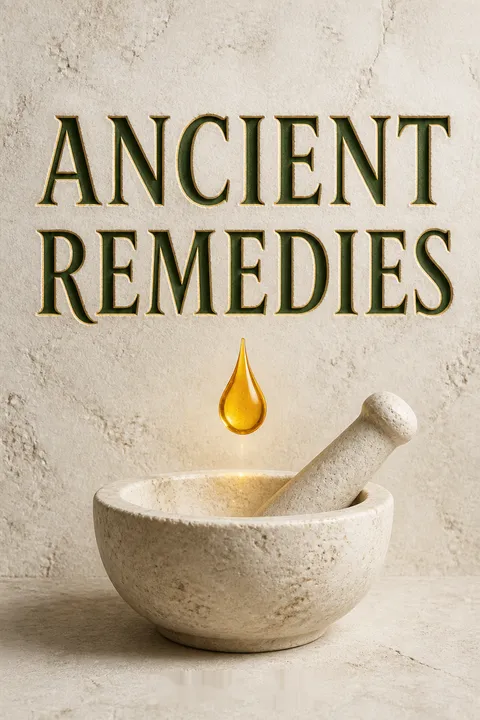
Ancient Remedies is a health guide organized around a persuasive contrast: symptom-focused pharmaceutical care versus personalized, whole-person healing. Its strongest contribution is not the claim that older remedies outperform modern medicine, but its insistence that ordinary determinants of health deserve sustained attention. Food quality, movement, sleep, stress, social connection, and patient agency are often treated as secondary in short clinical encounters, even though they shape daily functioning and long-term risk. The book makes these concerns memorable through family stories, traditional medical models, and practical routines.
Its central weakness is that several distinct levels of evidence are blended. A long history of use, a laboratory mechanism, an animal study, a small human trial, and a proven clinical treatment do not establish the same thing. The narrative sometimes moves from plausible biological activity to broad promises, especially for herbs, CBD, cancer, and chronic disease. The story of a tumor shrinking after multiple simultaneous changes cannot identify the cause, and traditional diagnostic categories should not be mistaken for modern diagnoses. The book’s warnings about medication risks are also incomplete without equivalent attention to the risks of delaying effective treatment or using supplements that interact with drugs.
A careful reader can preserve the book’s practical value without accepting its false choice between natural and conventional care. Whole-food meals, regular activity, better sleep, time outdoors, and emotional support can complement clinical treatment. Traditional frameworks can prompt useful questions about patterns and personal experience, but they should not determine whether a serious symptom receives evaluation. The book is most valuable as an invitation to participate actively in health decisions, ask clinicians about lifestyle and treatment options, and distinguish supportive practices from claims of cure. Its best idea is integrative rather than oppositional: human health is complex, and good care should be both attentive to the whole person and proportionate to the evidence.
Review Summary
Ancient Remedies challenges conventional medicine by presenting centuries-old healing practices for holistic well-being. Many readers praise its comprehensive coverage of natural remedies, practical advice for various conditions, and emphasis on nutrition. The book offers insights into Traditional Chinese Medicine, herbal treatments, and lifestyle changes. While some appreciate the accessible writing and recipes, others criticize potential misinformation and excessive supplement promotion. Overall, reviewers find it a valuable resource for those interested in alternative approaches to health, though some caution against fully rejecting Western medicine.
People Also Read




Glossary
Five elements of ancient medicine
Personalized traditional health modelA Traditional Chinese Medicine framework that associates wood, fire, earth, metal, and water with organ systems, emotions, seasons, and food qualities. The book treats each person as a blend of all five, with one or two dominant elements used to guide lifestyle and dietary suggestions. It is a traditional interpretive model, not a modern diagnostic test.
qi
Vital energy in TCMIn Traditional Chinese Medicine, qi is the vital energy said to circulate through the body and support its functions. The book describes it as an internal battery, linking its strength to habits such as sleep, breathing, food, movement, and emotional well-being. Qi is a traditional concept and does not have a direct one-to-one equivalent in biomedical measurement.
yin and yang
Complementary balancing forcesA traditional Chinese framework describing complementary qualities that must remain in balance. The book applies yin and yang to patterns such as rest and activity, cooling and warming, and calming and energizing functions. It uses the framework to interpret symptoms and food effects, but the terms should not be read as literal hormone measurements or established biomedical categories.
pernicious influences
Traditional patterns of imbalanceThe book uses this TCM term for patterns described as cold, heat, dampness, dryness, stagnation, and wind. These labels organize traditional interpretations of symptoms and guide suggested food or lifestyle changes. They are not diagnoses equivalent to infections, inflammation, dehydration, or other specific biomedical conditions, even when the descriptions overlap.
mother-child organ relationship
Nourishing links between systemsA TCM model in which one element or organ system is understood to nourish the next, like a mother supporting a child. The book uses this relationship to explain how, for example, digestive health may support immune function. It offers a holistic way to consider interdependence, but does not describe a confirmed anatomical pathway.
invading cycle
One system straining anotherA Traditional Chinese Medicine pattern in which one element is said to dominate or weaken another. The book uses it to connect imbalances across organ systems, such as stress-related patterns affecting thyroid function. This is a traditional explanatory model rather than a validated biomedical mechanism, and it should not replace clinical assessment.
endocannabinoid system
Body-wide cannabinoid signaling networkA biological signaling system made up of natural chemical messengers, receptors, and enzymes involved in processes including mood, pain, appetite, inflammation, and immunity. The book describes it as helping maintain internal stability and explains how plant cannabinoids may interact with it. Specific therapeutic effects still depend on the compound, condition, dose, and quality of evidence.
entourage effect
Possible combined plant-compound effectsThe term describes the proposal that cannabinoids may have different or greater effects when combined with other cannabis compounds, including terpenes, than when used alone. The book presents this as a reason to consider whole-plant extracts. The extent and clinical importance of such interactions remain subjects of research, rather than settled proof of superior treatment.
doctrine of signatures
Appearance suggests traditional useA historical idea that a plant or food’s shape, color, or appearance can indicate the body part or function it may benefit. The book gives examples such as carrots and eyes, then pairs them with nutritional claims. Resemblance itself is not scientific evidence; any health benefit must be assessed through the food’s actual compounds and relevant research.
spiritual triathlon
Daily reflection and prayer routineThe author’s name for a daily practice divided into gratitude, spiritual or values-based reading, and prayer. He presents the routine as a way to build hope, perspective, calm, and connection. The practice is personal and can be adapted to a reader’s beliefs, but it is not a replacement for psychological or medical treatment.
About the Author
Other books by Josh Axe
Download PDF
Download EPUB
.epub digital book format is ideal for reading ebooks on phones, tablets, and e-readers.








