

Key Takeaways
Trace chronic disease through the gut's immune network, not organs alone
Follow the signals. Mayer frames the body as an interacting network rather than a collection of independent parts. The brain, gut, immune system, and microbiome exchange information through nerves, hormones, immune cells, and microbial molecules. The brain-gut-microbiome network, or BGM network, is this two-way communication system. The gut matters because it contains its own nervous and hormone-producing systems, and about 70 percent of the body's immune cells are located in its walls.
Look for shared pathways. In the book's model, diet, stress, and environmental changes can disrupt communication between microbes and the gut, provoking immune activity that affects other organs. That offers a possible explanation for why obesity, metabolic disease, and some brain disorders have risen together. It is a framework for understanding connections, not proof that one gut process explains every chronic illness.
What's useful about the network model is that it shifts attention from isolated symptoms to pathways linking them. A change in one hub can plausibly have effects elsewhere, making gut health relevant to more than digestion. The model also discourages the search for a single culprit or pill. Its breadth calls for restraint, however: a shared pathway does not mean all diseases have the same cause, or that changing the microbiome will treat them all. The framework is most valuable as a guide to questions and prevention, not as a diagnosis in itself.
Feed the microbes your small intestine cannot digest
Send food downstream. Much of the sugar, fat, and protein in a typical meal is absorbed in the small intestine before it reaches the largest microbial population, in the colon. Plant fiber and many polyphenols pass farther along, where microbes break them into smaller molecules. Mayer calls the nondigestible carbohydrates used by gut microbes microbiota-accessible carbohydrates, or MACs. Their fermentation can produce short-chain fatty acids, which support the gut lining and help regulate immune activity and satiety.
Favor variety. Beans, whole grains, vegetables, fruits, nuts, and seeds provide different fibers and plant compounds. The book contrasts this with a fiber-poor diet, in which microbes may draw on the mucus that protects the gut wall. A capsule cannot provide the full mix of fibers and plant molecules supplied by varied foods. The practical aim is not a magic ingredient, but a broader menu for the microbial community.
This is a memorable way to rethink nutrition: a meal feeds both the person and the organisms living inside the person. The idea also explains why food quality cannot be reduced to calories or macronutrient ratios alone. Variety matters because different microbes can process different materials, so no single fiber source is a universal solution. At the same time, a rapid increase in fermentable foods can aggravate symptoms for some people. The book's broad recommendation is compatible with individual adjustment, especially when digestive conditions require clinical guidance.
Judge gut health by function and resilience, not one ideal species list
There is no standard roster. Individual microbiomes vary widely, and the book says that as little as 10 percent of microbial strains may be shared among healthy people in industrialized societies. A healthy microbiome is therefore difficult to define by the presence of a few supposedly ideal species. Mayer instead describes a functional core: different microbial communities may produce similar useful compounds and signals.
Read commercial tests cautiously. The microbiome also changes with diet, geography, and time of day. Its richness refers to the number of species, while diversity describes how evenly they are represented. These qualities can contribute to resistance against disruption and resilience, the ability to recover afterward. Sarah, a patient with bloating and weight gain, brought in commercial test results that labeled some functions as needing improvement. Mayer cautioned that such scores and personalized recommendations were not yet established clinical diagnoses or treatments.
The distinction between identifying organisms and understanding what they do is central to responsible microbiome science. A species list can look precise while saying little about a person's health, especially when microbial communities differ so much. This also gives consumers a useful test for health claims: does the result connect to a validated clinical action, or merely offer a detailed report? The functional approach is promising, but it remains difficult to translate into individual advice. Until that changes, a test should not displace assessment of symptoms, diet, and other medical explanations.
Treat stress as a biological input, not merely a state of mind
Stress reaches the gut. Signals from the brain can alter intestinal movement, the time food spends in different gut regions, and the barrier between microbes and the immune system. In animal studies discussed in the book, chronic stress changed microbial populations and increased kynurenine, a tryptophan metabolite associated with inflammation and brain disorders. Microbial and immune signals can then travel back toward the brain, creating a reinforcing loop.
Mary's story shows the human stakes. Mary sought a probiotic for depression, pain, and constipation after a divorce and her mother's death. Her symptoms had long involved both mood and digestion, and the recent grief coincided with worsening problems. Her care combined dietary changes, cognitive behavioral therapy, and support for stress management. The case illustrates how emotional strain can accompany physical symptoms, but it does not establish that stress or microbes alone caused them.
The feedback-loop picture avoids a false divide between mental and physical health. It makes room for emotional experience to affect physiology without implying that symptoms are imagined or that a patient can simply think them away. Mary's case also points to the limits of a supplement-first response: a product aimed at microbes may miss grief, anxiety, diet, and other contributors. The account is clinically suggestive rather than experimental evidence. That distinction protects the insight from becoming another oversimplified promise about the gut.
Keep exercise and sleep regular to support microbial resilience
Moderation matters. A six-week supervised endurance program changed participants' gut microbes and increased short-chain fatty acids, though some of those shifts faded after exercise stopped. The book contrasts regular activity with extreme exertion: a strenuous four-day ski march was associated with an average 60 percent increase in intestinal permeability. The implication is not that exercise is harmful, but that intense physical stress can exceed some people's gut resilience.
Protect the daily rhythm. Gut microbes fluctuate over a 24-hour cycle, influenced by sleep-wake patterns and meal timing. In a small jet-lag study involving two travelers, microbial changes appeared after travel and reversed during recovery. Disrupted sleep and irregular schedules may therefore affect gut and metabolic processes. The evidence is still developing, but regular movement and adequate rest are presented as part of the same health system as diet, rather than optional extras.
The point is not to optimize every workout or sleep cycle with a microbiome dashboard. It is to recognize that bodies respond to repeated patterns, and that regular activity differs from pushing past recovery. The distinction between moderate and extreme exercise is especially useful because generic advice to move more can overlook individual tolerance. The circadian findings are intriguing, but the human jet-lag example is very small. These results support sensible routines more strongly than they support precise predictions about any one person's microbiome.
Use a Mediterranean pattern as treatment support, not a miracle cure
Patterns beat magic foods. The traditional Mediterranean diet described here emphasizes varied vegetables and fruits, legumes, whole grains, nuts, and olive oil, with modest amounts of fish and poultry and less red meat, dairy, and sweets. In the SMILES trial, people receiving dietary counseling for major depression had clinical remission more often than the social-support control group, 32 percent versus 8 percent. Other studies link Mediterranean-style eating with improvements in cardiovascular risk and cognitive health.
Keep the claims measured. The book also describes a study in older adults in which a year of Mediterranean-style eating was associated with healthier microbial profiles, lower inflammatory markers, and reduced frailty. These findings make diet a plausible part of prevention and care, not a guaranteed cure. Some studies measure outcomes without proving that microbiome changes caused them, and dietary changes should complement, not replace, appropriate mental-health or medical treatment.
The strength of this recommendation is its practical breadth. A dietary pattern can alter many exposures at once, including fiber, plant compounds, and the amount of highly processed food, while also fitting ordinary meals. That makes it more useful than chasing one nutrient or a branded supplement. The clinical trial results are encouraging, especially because the comparison involved a control group. Still, diet studies cannot be blinded in the way a pill trial can, and expectations or other lifestyle changes may contribute. The strongest case is for adding food quality to care, not substituting it for care.
Compress eating hours without replacing plants with a ketogenic diet
Timing is another lever. Time-restricted eating means limiting food consumption to a consistent daily window, rather than necessarily cutting total calories. The book describes animal studies in which a restricted eating window improved metabolic measures and restored daily microbial rhythms, even when calorie intake did not fall. Mayer's own family gradually moved toward eating within eight hours, while keeping a largely plant-based diet; he reports weight loss, but the experiment was uncontrolled and cannot establish the cause.
Make the routine livable. The book distinguishes this approach from prolonged fasting and very low-carbohydrate ketogenic diets, which can deprive gut microbes of plant fibers. It suggests easing into a schedule and allowing less restricted days for social life. The benefits in humans are less certain than the mouse findings, and strict windows can be hard to maintain. The useful principle is regularity, not treating a particular schedule as a universal prescription.
Separating meal timing from calorie restriction clarifies what the proposed intervention is meant to test: whether a predictable feeding rhythm helps coordinate metabolism and microbial activity. It also avoids turning the recommendation into a contest of dietary toughness. The author's personal experience makes the routine concrete, but it is not clinical evidence, and weight changes can have several causes. A sustainable eating schedule must accommodate work, family, health needs, and social life. Flexibility may matter more than achieving an exact window.
Protect soil biology if you want food systems that sustain health
The farm is part of the food. The rhizosphere is the narrow zone of soil around plant roots, where microbes help plants access nutrients and defend against threats. Mayer compares this relationship with the gut microbiome's relationship to the intestinal lining: both depend on exchanges between a host and its microbes. Industrial farming can disrupt soil ecosystems through practices such as tilling, chemical fertilizers, and pesticide use. The book reports that less than 4 percent of the original tallgrass prairie remains.
Look beyond the label. Organic certification can limit certain inputs, but the book argues that soil restoration requires attention to the whole farming system. Regenerative organic agriculture aims to maintain productive farms while rebuilding soil health and reducing reliance on damaging inputs. The author's childhood farm in Germany later became a mechanized monoculture, illustrating how economic pressures can reshape farming and daily life. The connection between farming and human health is compelling, though it is not a claim that any single label guarantees more nutritious food.
This section widens the meaning of a food choice: it carries consequences for the ecosystem that grew it, not just the body that eats it. The analogy between roots and gut lining makes microbial ecology easier to see across scales. It also exposes a weakness in consumer-only solutions. Labels can guide purchases, but growers operate within economic systems that reward volume and low cost. Restoring soil biology therefore depends on incentives and agricultural practice, not simply on asking individuals to shop more carefully.
Make food policy part of healthcare, because microbes connect bodies and planet
Health crosses boundaries. The One-Health concept links human health with animal health and the environment. Mayer broadens it to include food production, plants, soil, and the microbial communities that connect them. The EAT-Lancet Commission, cited in the book, proposed a largely plant-based dietary pattern and food-system changes intended to support human health while reducing environmental pressure. Its report describes food production as using about 40 percent of global land and contributing up to 30 percent of greenhouse-gas emissions.
Change systems as well as habits. The book profiles businesses, farmers, and chefs experimenting with regenerative agriculture, local sourcing, and plant-forward food. It also warns that plant-based meat substitutes are processed foods whose health effects cannot simply be assumed from their ingredients' plant origins. The central proposal is coordinated change: individuals can choose differently, but food production and policy shape what choices are affordable and available.
The One-Health frame makes prevention a shared responsibility rather than a private consumer test. It connects clinical outcomes to farming incentives, supply chains, and environmental conditions, which helps explain why lifestyle advice alone can feel inadequate. The book is strongest when it treats these as linked but distinct problems. A sustainable food system does not automatically produce a healthy diet, and a healthy menu does not by itself repair ecological damage. Those goals need to be evaluated together, without pretending that one measure settles every tradeoff.
Analysis
The book's most valuable contribution is a change in scale. It moves from symptoms to organ networks, from individual bodies to food production, and from dietary nutrients to the microbial work that transforms food into signals. This creates a coherent account of why diet, stress, sleep, exercise, immune activity, and soil health belong in the same conversation. Its practical center is modest: eat a varied, mostly plant-based diet rich in fiber and polyphenols, move regularly, protect sleep, and consider meal timing. The larger demand is political and ecological: improve the systems that grow and distribute food.
The argument is strongest when evidence supports dietary patterns and weakest when it assigns specific diseases to particular microbial mechanisms. The book itself shows why: species associated with depression differ between studies, mouse fecal transfers do not establish human causation, and commercial microbiome scores lack validated treatment pathways. Network science helps organize complexity, but it can also encourage expansive explanations in which almost any outcome appears connected to the gut. Shared immune activity is a plausible bridge, not proof of a single underlying disease process.
That tension does not erase the practical case for the diet. A varied plant-rich pattern has potential benefits across several systems even if researchers have not identified every microbial mediator. This is a useful distinction between acting under reasonable uncertainty and claiming mechanistic certainty. The author sometimes moves quickly from association to causal language, especially in describing chronic disease and microbial mismatch. Readers should preserve the actionable advice while holding those explanatory claims provisionally.
The book also exposes a gap between individual responsibility and structural constraint. Its advice is easier to follow when people have access to affordable produce, time to cook, safe places to exercise, and stable work schedules. The One-Health argument recognizes that food systems matter, but improving health requires making supportive choices materially possible. The strongest reading is therefore neither a microbiome cure-all nor a lifestyle sermon. It is a case for treating diet and daily rhythms as consequential inputs, studying their mechanisms carefully, and changing the institutions that shape them.
Review Summary
The Gut-Immune Connection receives mostly positive reviews, with readers praising its informative content on gut health and its connection to overall wellbeing. Many find the scientific explanations accessible and appreciate the practical advice for improving gut health. Some criticize the book for being repetitive or lacking in-depth research. Readers value the insights on diet, lifestyle, and the microbiome's impact on various health conditions. The book's emphasis on the Mediterranean diet and plant-based eating resonates with many, though some question certain dietary recommendations.
People Also Read








Glossary
brain-gut-microbiome network
Two-way gut-brain signalingThe brain-gut-microbiome network, abbreviated BGM network, is the system of two-way communication among the brain, the gut, and its resident microorganisms. Signals travel through nerves, hormones, immune molecules, and microbial metabolites. The book uses this model to explain how diet and stress can affect gut activity and how gut signals can, in turn, influence brain and body functions.
gut connectome
Gut's interacting control systemsThe gut connectome is the interconnected system of nerve cells, hormone-producing cells, immune cells, and related pathways in the gut. It regulates movement, secretion, nutrient handling, appetite, and defense against pathogens. The book expands the term beyond the gut's enteric nervous system to include its endocrine and immune systems and their communication with gut microbes.
microbiota-accessible carbohydrates
Carbohydrates gut microbes can useMicrobiota-accessible carbohydrates, or MACs, are complex carbohydrates that human digestive enzymes do not fully break down or absorb in the small intestine. They reach gut microbes, particularly in the large intestine, where microbial enzymes process them into metabolites such as short-chain fatty acids. The book uses MACs to emphasize that some food components nourish gut microbes rather than directly supplying human calories.
functional core
Shared microbial capabilitiesThe functional core is the set of useful compounds and signaling molecules that different microbial communities can produce, even when the species and strains in those communities differ. The concept offers an alternative to defining a healthy microbiome by a fixed list of organisms. It focuses on what microbes do, including the metabolites through which they communicate with the gut and body.
metabolic endotoxemia
Low-grade diet-related immune activationMetabolic endotoxemia is a low-level, ongoing activation of the immune system associated in the book with an unhealthy diet and a weakened gut barrier. Inflammatory signals can enter circulation and affect tissues beyond the intestine. The term distinguishes this chronic immune activity from the acute response to an infection, while describing a proposed pathway linking diet, gut microbes, and metabolic illness.
time-restricted eating
Eating within a daily windowTime-restricted eating limits food consumption to a recurring period within each day, followed by hours without food. In contrast to many intermittent-fasting plans, it does not require a planned reduction in total daily calories. The book presents it as a way to coordinate eating with circadian rhythms and microbial activity, while acknowledging that human evidence and long-term feasibility remain important questions.
healthy-food index
Food's microbiome-support scoreThe healthy-food index, or HFI, is a score devised in the book to compare foods based on microbiota-accessible carbohydrates, polyphenols, omega-3 fatty acids, calories, and absorbable carbohydrates. A higher score is intended to indicate a greater proportion of food components that reach or benefit gut microbes. The index is a way to illustrate the book's priorities, not a standard clinical measure.
One-Health concept
Linked human, animal, and environmental healthThe One-Health concept treats human health as connected to animal health and the environment. Mayer broadens this approach to include food systems, plants, soil, and microbial communities, arguing that these interact across ecological scales. It frames chronic illness, agricultural practices, and environmental change as related challenges that require coordinated responses rather than isolated medical or consumer fixes.
migrating motor complex
Fasting-state gut clearing wavesThe migrating motor complex is a recurring pattern of strong contractions that travels through the digestive tract during periods without food. It moves residual material and microbes from the upper gut toward the large intestine. The book describes this process as one way the gut maintains different microbial densities along the digestive tract and helps prevent small intestinal bacterial overgrowth.
SMILES trial
Diet intervention for major depressionThe SMILES trial tested whether dietary improvement could help adults experiencing major depression. Participants received individual sessions with a dietitian to support a Mediterranean-style eating pattern, while a comparison group received social-support meetings. In the book's account, clinical remission occurred in 32 percent of the dietary-intervention group and 8 percent of the comparison group after twelve weeks.
FAQ
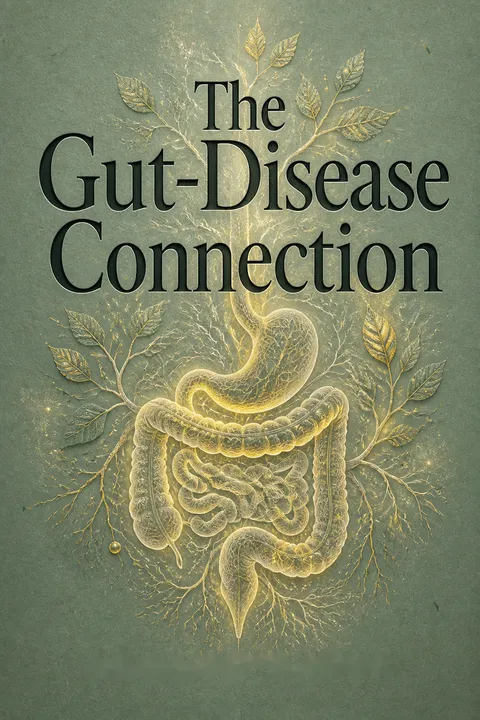
What's The Gut-Disease Connection about?
- Focus on Gut Health: The book explores the intricate relationship between gut health, the microbiome, and overall health, emphasizing how diet influences this connection.
- Chronic Illness Discussion: It addresses the rising prevalence of chronic diseases in modern society, linking them to poor gut health and dietary choices.
- Holistic Approach: The author, Emeran Mayer, advocates for a holistic view of health that considers the interconnectedness of the gut, brain, and environment.
Why should I read The Gut-Disease Connection?
- Insightful Research: The book is based on decades of research in gastroenterology and microbiome science, providing readers with credible insights into gut health.
- Practical Advice: It offers actionable dietary recommendations aimed at restoring gut health, which can lead to improved overall well-being.
- Current Relevance: Given the rising prevalence of chronic diseases, the book addresses a pressing public health issue, making it timely and relevant.
What are the key takeaways of The Gut-Disease Connection?
- Diet's Role: A significant takeaway is that a largely plant-based diet can enhance gut microbiome diversity and health, which is crucial for preventing chronic diseases.
- Mind-Gut Connection: The book emphasizes the bidirectional communication between the gut and the brain, highlighting how stress and emotions can impact gut health.
- Holistic Health Perspective: It promotes a systems biology approach, suggesting that health is a complex interplay of diet, lifestyle, and environmental factors.
How does diet affect the gut microbiome according to The Gut-Disease Connection?
- Microbial Diversity Importance: A diet rich in fiber and plant-based foods supports a diverse microbiome, which is essential for gut health.
- Impact of Processed Foods: The book warns against ultraprocessed foods that lack fiber and nutrients, which can lead to dysbiosis and chronic inflammation.
- Specific Dietary Recommendations: Mayer suggests incorporating foods high in polyphenols and fiber, such as fruits, vegetables, and whole grains, to nourish gut microbes.
What is the "One-Health Concept" in The Gut-Disease Connection?
- Interconnectedness of Health: The "One-Health Concept" refers to the idea that human health is interconnected with animal health and environmental health.
- Ecological Perspective: This approach emphasizes that changes in our food systems and environmental practices can significantly impact our health and the health of our microbiome.
- Call for Sustainable Practices: Mayer advocates for sustainable agricultural practices that promote soil health, which in turn supports the health of the food we consume.
What are the effects of stress on gut health as described in The Gut-Disease Connection?
- Chronic Stress Impact: Chronic stress can lead to changes in gut microbiota composition, resulting in increased intestinal permeability or "leaky gut."
- Gut-Brain Communication: Stress alters the communication pathways between the gut and the brain, potentially exacerbating mental health issues like anxiety and depression.
- Immune System Activation: Stress can trigger low-grade immune activation in the gut, contributing to systemic inflammation and a higher risk of chronic diseases.
How does The Gut-Disease Connection define a healthy gut microbiome?
- Diversity and Richness: A healthy gut microbiome is characterized by high diversity and richness of microbial species, which is essential for optimal gut function.
- Functional Core Concept: The book introduces the idea of a "functional core," focusing on the metabolites produced by gut microbes rather than just the presence of specific species.
- Resilience and Resistance: A healthy microbiome should be resilient to disturbances and able to recover from changes in diet or stress, maintaining its beneficial functions.
What specific dietary changes does The Gut-Disease Connection recommend?
- Plant-Based Focus: Mayer recommends adopting a largely plant-based diet rich in fruits, vegetables, whole grains, and legumes to support gut health.
- Avoiding Ultraprocessed Foods: He advises eliminating ultraprocessed foods that are high in sugar and low in fiber, which can harm the gut microbiome.
- Incorporate Fermented Foods: The author suggests including naturally fermented foods in the diet to enhance gut microbiota diversity and health.
What is the significance of the "gut-brain axis" in The Gut-Disease Connection?
- Bidirectional Communication: The gut-brain axis refers to the two-way communication between the gut and the brain, influencing both mental and physical health.
- Impact on Mood and Behavior: Changes in gut microbiota can affect neurotransmitter production, which in turn can influence mood, behavior, and cognitive function.
- Role in Chronic Diseases: The book highlights how disruptions in this axis can contribute to various chronic diseases, including depression and neurodegenerative disorders.
What role do polyphenols play in gut health according to The Gut-Disease Connection?
- Microbiota Nourishment: Polyphenols are beneficial compounds that serve as food for gut microbes, promoting a healthy microbiome.
- Health Benefits: They can suppress harmful microbes and enhance the growth of beneficial bacteria, contributing to overall gut health.
- Sources of Polyphenols: Mayer recommends consuming a variety of polyphenol-rich foods, such as fruits, vegetables, tea, and dark chocolate, to support gut health.
What are some practical strategies for restoring gut health mentioned in The Gut-Disease Connection?
- Time-Restricted Eating: Mayer advocates for time-restricted eating as a method to improve gut health and metabolic function without necessarily reducing overall caloric intake.
- Diverse Diet: The book emphasizes the importance of consuming a diverse range of plant-based foods to support a rich and varied gut microbiome.
- Mindful Eating: The author encourages readers to practice mindful eating, paying attention to food choices and their effects on gut health and overall well-being.
What are the best quotes from The Gut-Disease Connection and what do they mean?
- "Treat your microbes well and they’ll return the favor." This quote encapsulates the book's core message that nurturing gut microbiota through diet leads to improved health outcomes.
- "What was once good for our ancestors is no longer good for us." This highlights the evolutionary mismatch between our modern diets and the dietary needs of our gut microbiome, emphasizing the need for dietary adjustments.
- "The health of our bodies, our gut, the plants, and the environment are all nodes in a gigantic network." This quote underscores the interconnectedness of health systems, advocating for a holistic approach to health and nutrition.
About the Author

Download PDF
Download EPUB
.epub digital book format is ideal for reading ebooks on phones, tablets, and e-readers.








