

Key Takeaways
Stop treating unexplained reproductive symptoms as evidence of an unreliable patient.
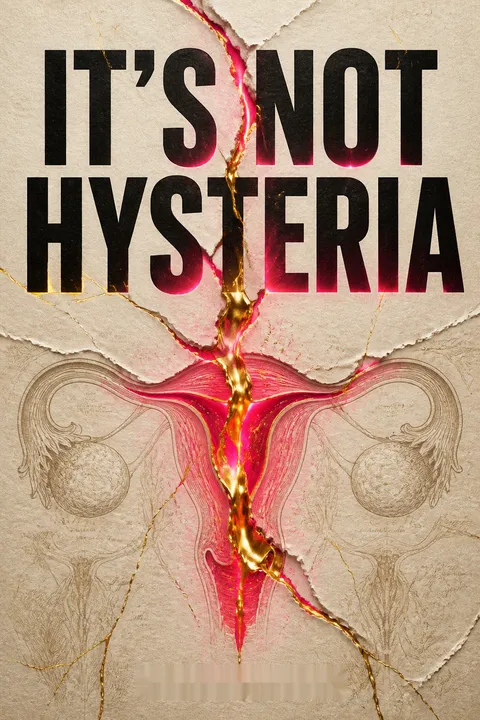
A long history of misreading. For centuries, doctors explained women’s distress through ideas such as the “wandering womb,” the belief that the uterus moved around the body and caused illness. Later, surgeons removed healthy ovaries and clitorises to treat “hysteria.” In the 1800s, Charlotte Perkins Gilman’s experience of enforced bed rest helped inspire a story about a woman driven to despair by a doctor’s restrictions.
Old assumptions still echo. Endometriosis takes an average of seven years to diagnose, partly because symptoms may be severe while routine tests appear normal. The book also links gaps in research and care to racism: Black patients’ pain is undertreated, and Black women in the United States are three times more likely than white women to die during pregnancy or childbirth.
What's striking is how the history changes the meaning of a normal test. A normal scan describes what the scan can detect, not whether a patient's pain is real. The book also makes clear that bias is not only a matter of individual prejudice: training, research priorities, and unequal access shape what clinicians recognize. That framing is useful because it shifts the question from “Is this patient credible?” to “What can the current tools and system fail to see?”
Track symptoms and their impact before a short appointment.
Your experience is clinical information. A symptom log can help reveal patterns that are hard to recall in a brief visit. Record period dates, bleeding, pain location and severity, bowel and bladder changes, mood, possible triggers, and what helps. Note whether symptoms interfere with work, school, exercise, sex, or emotional well-being. Common symptoms can still deserve care when they cause substantial distress.
Prepare for the time available. Many appointments last only 15 to 20 minutes. Before the visit, identify your most pressing concern and what you want from the clinician, such as testing, treatment choices, or an explanation. Annual wellness appointments usually focus on prevention, so ask for a problem visit or a longer consultation when symptoms need discussion. If there is too much to cover, prioritize and arrange follow-up.
A symptom log is more than a memory aid. It turns a private, fluctuating experience into a record that can be discussed and compared over time. That does not make the patient responsible for solving a diagnostic puzzle, and it cannot compensate for inadequate appointment time. Its real value is shared attention: the clinician gets a clearer timeline, while the patient can identify which outcomes matter most.
Map pelvic organs together because one disease can affect several systems.
The pelvis is a neighborhood. The uterus, ovaries, bladder, ureters, bowel, nerves, and pelvic muscles sit close together. A problem in one structure can therefore create symptoms that seem to belong to another. Endometriosis near the rectum may cause painful bowel movements; pressure on the bladder may cause urgency; and irritated nerves or muscles can send pain into the back, hips, or legs.
Know the basic cycle. The ovaries release an egg at ovulation, and fertilization usually occurs in a fallopian tube. If pregnancy does not occur, falling progesterone triggers the uterine lining to shed as a period. The clitoris is also more extensive than its visible tip, and the vulva means external genitalia, while the vagina is the internal canal. Basic anatomy helps make symptoms and medical explanations easier to interpret.
This connected view resists a common diagnostic trap: assigning every symptom to the organ nearest where it is felt. The body does not organize itself according to clinic specialties, and pelvic conditions can cross those boundaries. Anatomical literacy can improve conversations without turning readers into self-diagnosticians. It is most useful as a map for asking better questions, not as a substitute for examination or testing.
Read the pattern, not just the label, when symptoms are common.
Common does not mean harmless. Fibroids, benign tumors of uterine muscle, affect up to 80 percent of Black women and 70 percent of white women by age fifty. Their location matters: a small fibroid pushing into the uterine cavity can cause heavy bleeding, while one on the outer surface may press on nearby organs. Symptoms and treatment choices depend on anatomy, fertility goals, and personal priorities.
PCOS is not an ultrasound picture. The Rotterdam criteria diagnose polycystic ovarian syndrome when at least two of three features are present: irregular or absent ovulation, signs of high androgens such as acne or excess hair, and a characteristic ovarian appearance. Someone can have PCOS without polycystic ovaries. Most ovarian cysts, meanwhile, are normal functional structures that disappear without treatment. Sudden severe pelvic pain with nausea and vomiting can signal ovarian torsion, an emergency.
These examples show why a label alone can mislead. A finding may be common and incidental, while a small or poorly visible abnormality may cause significant symptoms. The book's emphasis on pattern and context is especially valuable in conditions where imaging can generate both false reassurance and unnecessary alarm. The balancing principle is not to dismiss a finding or assume it explains everything, but to connect it with symptoms, anatomy, and goals.
A normal scan cannot rule out endometriosis or adenomyosis.
Invisible disease can still be severe. Endometriosis occurs when tissue resembling the uterine lining grows outside the uterus. Adenomyosis involves similar tissue within the uterine muscle. Both can cause pain and bleeding, and endometriosis can affect the bowel, bladder, nerves, and muscles. It affects at least one in ten women and up to half of women experiencing infertility, yet diagnosis takes seven years on average.
Tests have limits. Ultrasound and MRI may reveal larger cysts or deep disease, but can miss small or subtle lesions. Surgery with tissue examination is the only definitive way to confirm these conditions, though surgery is not right for everyone. Hormonal medication may control symptoms without removing disease. Excision surgery and pelvic floor physical therapy can help some patients, and disease stage does not reliably predict how much pain someone experiences.
The key distinction is between evidence of disease and evidence of suffering. Imaging is powerful when it finds structural changes, but its limits matter when a condition can begin as tiny surface lesions. This section also avoids a false choice between “it is visible” and “it is psychological.” Pain can involve inflammation, nerves, muscles, and mood at once. A nuanced evaluation leaves room for more than one contributing cause.
Treat pelvic muscles as organs of health, not an afterthought.
Muscles can produce complex symptoms. Pelvic floor dysfunction occurs when the muscles supporting the bladder, uterus, vagina, and rectum are too tight, weak, or poorly coordinated. It can cause pain with sex, constipation, urinary urgency, leaking, and pain that spreads to the back, hips, or legs. These problems often do not appear on scans or blood tests, so assessment of muscle tone and tenderness can matter.
The right exercise depends on the problem. Pelvic floor physical therapy may relax tight muscles, strengthen weak ones, or retrain coordination. Kegel exercises can help some people with incontinence, but may worsen pain when muscles are already tense. Even hovering over a toilet can keep the muscles contracted. Prolapse and incontinence also have options, including therapy, pessaries, medication, and surgery, depending on symptoms and individual circumstances.
The useful shift here is from treating the pelvic floor as a simple strength problem to treating it as a system requiring coordination. A muscle that is already overactive does not necessarily need more contraction. That distinction explains why generic exercise advice can backfire. It also illustrates a broader clinical lesson: similar symptoms can arise from different mechanisms, so treatment should follow assessment rather than a one-size-fits-all routine.
Choose reproductive treatment by priorities, not by default.
There is rarely one universal best option. Birth control can prevent pregnancy and reduce bleeding, cramps, or premenstrual symptoms, but side effects and preferences differ. Hormonal methods can suppress periods without a medical need for monthly bleeding. A copper IUD avoids hormones but may worsen heavy or painful periods. Long-acting options reduce the need to remember a daily pill, while barrier and fertility-awareness methods involve different tradeoffs.
Clarify what surgery means. A hysterectomy removes the uterus, not automatically the ovaries; removing both ovaries causes surgical menopause and carries additional health concerns. For permanent contraception, removing the fallopian tubes lowers pregnancy risk and can reduce ovarian cancer risk. Reversal is not guaranteed. Patients should be counseled about risks, alternatives, fertility plans, and their own goals, rather than denied a decision simply because a clinician imagines they may regret it.
This approach treats informed choice as a clinical outcome, not a courtesy after the “real” medical decision. The same intervention can be liberating for one person and unacceptable for another, depending on symptoms, fertility, side effects, and identity. Autonomy still requires accurate counseling: a permanent procedure deserves serious discussion of consequences, but caution should not become a pretext for overriding a competent adult's stated priorities.
Sexual health and menopause deserve individualized, practical treatment.
Sexual difficulty is not one diagnosis. Pain may come from dryness, pelvic muscle spasm, endometriosis, vulvar pain, or other conditions. Desire and orgasm are influenced by physical health, medication, mood, relationships, and personal preferences. The relevant question is whether the experience is troubling to the person, not whether it matches someone else's expectations. Depending on the cause, care may involve pelvic physical therapy, sex therapy, lubricants, medication, or treatment of an underlying condition.
Menopause is more than a final period. It is defined as twelve consecutive months without spontaneous periods, but hot flashes, sleep problems, mood changes, and genitourinary symptoms can begin during perimenopause. Menopausal hormone therapy is the most effective treatment for hot flashes and genitourinary syndrome of menopause. Vaginal estrogen can improve dryness and urinary symptoms with little systemic absorption. Premenstrual syndrome and PMDD can also seriously disrupt daily life and may need therapy, medication, or both.
The emphasis on personal distress protects against two opposite errors: medicalizing differences that do not bother someone, and dismissing symptoms that do. Sexual function is relational and embodied, so treatment can fail if it targets only hormones or only psychology. The menopausal discussion likewise benefits from separating local symptoms from whole-body symptoms, which helps patients and clinicians match treatment to the problem.
Infertility and miscarriage are common, and rarely a personal failure.
Fertility has several possible bottlenecks. Infertility is generally defined as not becoming pregnant after a year of regular attempts, with evaluation often considered after six months when the person with a uterus is thirty-five or older. Causes may involve ovulation, egg number or quality, blocked tubes, the uterus, sperm, or multiple factors together. Male factors contribute to many cases, despite cultural tendencies to blame the person trying to become pregnant. IVF has the highest success rates among fertility treatments, but access, cost, risks, and personal goals matter.
Pregnancy loss is not proof of fault. Up to 25 percent of recognized pregnancies end in miscarriage, and more than half are linked to chromosomal problems that usually arise by chance. First-trimester losses may pass naturally, be treated with medication, or be managed with a procedure. After two or more losses, testing may be considered, but many people have normal results and most go on to have a successful pregnancy.
The chapter counters blame with a biological account of reproduction as a chain of steps, any of which can fail for reasons outside a person's control. It also makes room for uncertainty: testing can identify some causes, but an unexplained result is not evidence that nothing happened. That distinction matters emotionally as well as medically, since validation does not require a complete causal explanation.
Protect bodily autonomy across gender, pregnancy, and intersex care.
Reproductive care must fit the person. Gender identity and biological sex are related but distinct. Transgender and nonbinary people may need gynecologic care, contraception, screening, or treatment for pelvic symptoms; testosterone does not guarantee that pregnancy is impossible. Gender-affirming care can include social support, hormones, and, for some adults, surgery. Intersex people have variations in sex characteristics, and most do not need treatment simply because their bodies differ from typical categories. Medically unnecessary childhood surgery can compromise future choices.
Pregnancy decisions are healthcare decisions. Abortion includes several forms of pregnancy ending, including miscarriage; emergency contraception prevents pregnancy and is not the same as medication abortion. The book describes how legal uncertainty can delay care for serious complications. It argues that patients need clear information, respectful counseling, and the ability to make decisions with qualified clinicians, without assumptions about gender, fertility, or what a person should want.
The common thread is consent: care becomes more trustworthy when it begins with the patient's goals and explains real options without forcing a conventional life path. This principle applies across very different situations, from routine examinations to irreversible procedures and pregnancy decisions. It also has practical consequences for clinics, including respectful language, privacy, and the ability to decline or pause an exam.
HPV vaccination and screening can prevent most cervical cancers.
Prevention works when it is accessible. More than 99 percent of cervical cancers are linked to HPV. Vaccination protects against the most dangerous strains, while Pap and HPV testing can identify precancerous changes before they become cancer. The vaccine is recommended for children of all genders, and screening schedules depend on age and risk. These tools have made cervical cancer one of the cancers that can be prevented most effectively.
Other warning signs also deserve evaluation. Vaginal bleeding after menopause should be assessed, even though most cases are caused by benign conditions. Persistent pelvic or abdominal pain, bloating, bowel changes, or vulvar lesions that do not heal also warrant attention. Breast screening can detect cancers before symptoms appear, while a new mass or persistent skin change should be discussed with a clinician. During exams and procedures, patients can ask what is being done, why, and what comfort measures are available.
Cervical cancer prevention demonstrates what sustained research, public education, and access can accomplish. It is a useful counterpoint to conditions that remain poorly understood and harder to diagnose. Yet the tools themselves are not enough if screening or vaccination is unavailable, confusing, or difficult to tolerate. Prevention depends both on scientific advances and on health systems that make those advances reachable.
Analysis
This book is at once a practical guide to reproductive health and an argument about who gets believed in medicine. Its structure moves from historical explanations of “hysteria,” through anatomy and condition-specific guidance, to treatment decisions and patient autonomy. That arc matters: it shows that a person’s symptoms do not exist apart from the systems that name, investigate, and treat them.
The most useful organizing idea is that symptoms are evidence even when they are not yet a diagnosis. The book gives readers ways to make that evidence legible: track timing and impact, understand how pelvic organs interact, ask what a test can and cannot show, and clarify the goal of care. This is a practical response to uncertainty, not a promise that every condition has a simple test or cure.
The strongest sections connect individual experience to structural conditions. Long diagnostic delays, gaps in research, racial disparities, limited specialist access, and inadequate appointment time are presented as interacting problems rather than isolated inconveniences. The discussion also recognizes that evidence is uneven. For some conditions, treatment is based on symptom control because causes remain unknown; for others, established prevention is available. Readers therefore need both confidence to ask questions and caution about treating a summary as a diagnosis.
A central tension is that self-advocacy is necessary in a system that often fails patients, yet it should not become another burden placed on those already suffering. The book's call for better communication is most persuasive when paired with its demand for institutional change: research, training, equitable access, and respect for bodily autonomy. Its lasting contribution is a better standard for care: take distress seriously, explain uncertainty honestly, and make treatment serve the person's own goals.
Review Summary
It's Not Hysteria receives overall positive reviews for its comprehensive and accessible coverage of women's reproductive health. Readers appreciate the inclusive language, historical context, and empowering information. Many found it educational, filling gaps in their knowledge about their bodies. The book's organization allows for easy reference. Some criticize the inclusion of gender identity topics, while others praise it. A few reviewers felt the information was too basic or easily found online. Most agree it's an important resource for women's health education and advocacy.
People Also Read









Glossary
wandering womb
Ancient uterine migration theoryAn ancient Greek medical theory that the uterus could move through the body, causing diverse physical and emotional symptoms. Treatments were designed to return or appease the uterus, often through sex or pregnancy. The theory is medically false, but the book uses its history to show how reproductive assumptions shaped later care.
endometriosis
Endometrium-like tissue outside uterusA condition in which tissue resembling the lining of the uterus grows outside the uterine cavity. It can involve pelvic surfaces and organs, including the bowel or bladder, and may cause pain, bleeding, bowel or urinary symptoms, or fertility difficulties. Imaging can miss disease, and symptoms do not reliably correspond to surgical stage.
adenomyosis
Endometrium-like tissue in uterine muscleA condition in which tissue resembling the uterine lining grows within the muscular wall of the uterus. It can cause heavy bleeding and pain, and its symptoms may overlap with endometriosis. It is often difficult to confirm without examination of uterine tissue after surgery, although imaging may suggest its presence.
Rotterdam criteria
Three-feature PCOS diagnostic standardThe diagnostic criteria used for polycystic ovarian syndrome. A person meets the criteria by having at least two of three features: irregular or absent ovulation, clinical or laboratory signs of high androgen levels, and polycystic-appearing ovaries on ultrasound. Ovarian appearance alone does not establish PCOS, and PCOS can occur without it.
pelvic floor dysfunction
Impaired pelvic muscle functionA problem involving pelvic muscles that are too tight, weak, painful, or poorly coordinated. Because these muscles support pelvic organs and help control urination and bowel movements, dysfunction can contribute to pelvic pain, painful sex, constipation, urgency, or incontinence. Treatment may involve specialized physical therapy tailored to the specific muscle problem.
genitourinary syndrome of menopause
Low-estrogen urinary and genital changesA group of changes related to low estrogen that can affect the vulva, vagina, urethra, and bladder. Symptoms may include vaginal dryness, burning, pain with sex, urinary urgency, and recurrent urinary infections. It can occur after menopause and in other circumstances involving low estrogen. Vaginal estrogen is one treatment option.
menopausal hormone therapy
Hormones for menopausal symptomsTreatment using hormones, most commonly estrogen, to relieve symptoms such as hot flashes and genitourinary changes associated with menopause. Systemic estrogen is combined with progesterone when a person has a uterus, to reduce the risk of excessive endometrial growth. Vaginal estrogen is a local treatment with little systemic absorption.
Women’s Health Initiative (WHI)
Large menopausal hormone studyA major study of menopausal hormone therapy that reported increased risks of coronary disease, blood clots, stroke, and breast cancer with some systemic hormone regimens. The study population was mostly older postmenopausal women. Later interpretation emphasized that risks differ by age and treatment context, influencing how clinicians discuss hormone therapy.
Sampson’s theory of retrograde menstruation
Backward-flow explanation for endometriosisAn early theory proposing that menstrual tissue travels backward through the fallopian tubes and implants in the pelvis, causing endometriosis. The book notes that this cannot explain disease found in locations such as the chest or belly button, or cases occurring after hysterectomy. The cause of endometriosis remains unknown.
FAQ
What's It’s Not Hysteria about?
- Focus on Reproductive Health: It’s Not Hysteria by Karen Tang addresses a wide range of gynecologic issues, including pelvic pain, menstrual problems, sexual dysfunction, and infertility.
- Personal Stories and Advocacy: The book includes patient stories to illustrate common struggles and emphasizes the need for a revolution in how reproductive health is perceived and treated.
- Breaking Stigmas: It aims to empower readers with knowledge about their bodies and health choices, advocating for more research and resources dedicated to women's health issues.
Why should I read It’s Not Hysteria?
- Empowerment Through Knowledge: The book provides essential information to help readers understand their symptoms and advocate for their health, dispelling myths and stigma.
- Comprehensive Resource: It serves as a practical guide for navigating reproductive health, offering insights into treatment options and effective communication with healthcare providers.
- Inclusive Language: The author uses gender-inclusive language, making the book relevant for a diverse audience, including transgender and nonbinary individuals.
What are the key takeaways of It’s Not Hysteria?
- Understanding Symptoms: Many gynecologic symptoms, such as painful periods or pelvic pain, are not normal and should be addressed.
- Historical Context: The book links past misconceptions to current medical practices, helping readers understand ongoing challenges in gynecologic care.
- Advocacy for Change: Tang calls for increased research and funding for women's health issues, highlighting the need for systemic change.
What are the best quotes from It’s Not Hysteria and what do they mean?
- "You are seen, you are believed, and you deserve change." This quote emphasizes validation in women's health experiences and the legitimacy of their struggles.
- "Just because a biological function can be painful doesn’t mean that the pain is acceptable." It challenges the notion that pain associated with menstruation or reproductive health is normal.
- "It’s not hysteria, and it never was." This serves as a reminder that women's health issues have historically been dismissed and calls for recognition of these conditions as real medical concerns.
How does It’s Not Hysteria address the issue of pelvic pain?
- Commonality of Pelvic Pain: The book emphasizes that pelvic pain is widespread and encourages readers to recognize they are not alone.
- Importance of Seeking Help: Tang stresses the need for individuals to advocate for their health and seek medical attention for pelvic pain.
- Treatment Options: Various treatment options are outlined, including medications, physical therapy, and surgical interventions.
What conditions does It’s Not Hysteria cover?
- Fibroids and Endometriosis: Detailed information on symptoms, diagnosis, and treatment options for uterine fibroids and endometriosis is provided.
- Polycystic Ovarian Syndrome (PCOS): The book discusses symptoms, impact on fertility, and treatment options for PCOS.
- Miscarriage and Infertility: Insights into the emotional and physical aspects of miscarriage and infertility are offered, encouraging readers to seek support.
How does It’s Not Hysteria address mental health?
- Mental Health Importance: The book emphasizes that mental health is a crucial component of reproductive health.
- Support Systems: It advocates for seeking therapy and support from loved ones during difficult times.
- Holistic Approach: By integrating mental health care into reproductive health discussions, the book promotes a comprehensive approach to treatment.
What is the historical context provided in It’s Not Hysteria?
- Misunderstanding of Women's Health: The book outlines how women's health issues have been historically minimized, often linked to notions of hysteria.
- The Wandering Womb Theory: Ancient Greek beliefs about the uterus moving within the body influenced medical practices for centuries.
- Impact of Racism: The author highlights how systemic racism has affected the treatment and understanding of women's health, particularly for Black women.
How does It’s Not Hysteria promote gender-inclusive language?
- Inclusive Terminology: The author uses gender-inclusive language to ensure all individuals affected by gynecologic issues feel represented.
- Recognition of Diverse Experiences: By acknowledging the experiences of transgender and nonbinary individuals, Tang fosters a more inclusive discussion.
- Encouragement for Healthcare Providers: The author advocates for healthcare providers to adopt gender-inclusive language in their practices.
What are the recommended treatments for conditions like PCOS and endometriosis in It’s Not Hysteria?
- Lifestyle Modifications: Emphasizes the importance of diet and exercise in managing conditions like PCOS.
- Medications and Hormonal Treatments: Discusses various medications, including hormonal birth control and insulin-sensitizing agents.
- Surgical Interventions: For severe cases, surgical options such as excision or hysterectomy may be recommended.
How does It’s Not Hysteria approach the topic of abortion?
- Abortion as a Medical Decision: Defines abortion as a medical term for ending a pregnancy, emphasizing personal choice and bodily autonomy.
- Public Health Implications: Discusses the risks associated with banning or criminalizing abortion, including increased maternal mortality rates.
- Misinformation and Stigma: Aims to clarify misconceptions and promote understanding to foster a supportive environment for individuals seeking abortion care.
What is the significance of self-assessment in It’s Not Hysteria?
- Empowerment Through Self-Reflection: Encourages readers to track their symptoms and experiences to articulate concerns to healthcare providers.
- Identifying Patterns: Logging symptoms can help identify patterns indicating underlying health issues.
- Facilitating Communication: Self-assessment tools help prepare for appointments, ensuring effective communication with healthcare professionals.
Download PDF
Download EPUB
.epub digital book format is ideal for reading ebooks on phones, tablets, and e-readers.








