Plot Summary
Blood and Ashes Begin
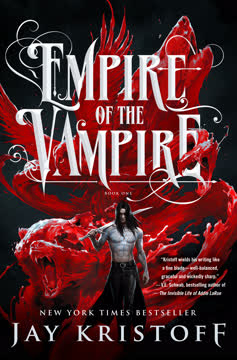
The story opens in a world where the sun has failed, and vampires—called coldbloods—rule over humanity. Gabriel de León, the last of the legendary Silversaints, is imprisoned by the vampire empire. He is forced by a vampire historian to recount his life's story, with the promise of blood and the threat of torture. The world is bleak, hope is scarce, and Gabriel's tale is one of loss, rage, and the search for meaning in a world abandoned by God. The tone is confessional, bitter, and laced with gallows humor, as Gabriel prepares to relive the pain and violence that shaped him.
The Last Silversaint
Gabriel is introduced as the last of the Silversaints, a half-vampire order of monster hunters. He is a man broken by war, addiction, and grief, but still burning with a stubborn will to resist. The vampires want his story, especially the truth about the Grail—a legendary artifact said to end the endless night. Gabriel's narrative is both a confession and a challenge, as he negotiates with his captors for small mercies and plots his own revenge. The cell becomes a stage for memory, regret, and the flickering hope of redemption.
Childhood's End, Sister's Death
Gabriel's childhood in the Nordlund is harsh, marked by a drunken, abusive stepfather and a proud, loving mother. He is close to his sisters, especially Amélie and Celene. The world changes when the sun fails—daysdeath—and vampires begin to walk in daylight. Tragedy strikes when his sister Amélie is turned into a vampire and returns home, forcing Gabriel to kill her. This trauma forges his hatred for the Dead and sets him on the path to becoming a Silversaint. The pain of loss and the burden of survival become central to his character.
The Silver Order's Vow
After a violent incident in his village, Gabriel is recruited by the Silversaints—an order of half-vampire warriors who hunt the Dead. He is taken from his family and trained in the monastery of San Michon, where he learns the laws of the Order, the power of silver, and the cost of faith. The training is brutal, the camaraderie fraught, and Gabriel's mixed blood makes him both an outcast and a prodigy. He forms rivalries and friendships, especially with Aaron de Coste and Baptiste, and is marked by the silver tattoos of the Order.
Becoming the Lion
Gabriel's years in San Michon are a crucible of pain, discipline, and awakening. He faces the Red Rite, the agony of the silver tattoos, and the constant threat of the sangirè—the bloodthirst that haunts all palebloods. He proves himself in battle, earning the nickname "Little Lion," and forges bonds with his brothers-in-arms. Yet, he is always aware of his outsider status, his mysterious bloodline, and the darkness within. The monastery is both sanctuary and prison, shaping him into a weapon for a war that may never be won.
The Color of Want
As Gabriel matures, he struggles with the hunger for blood and the temptations of sanctus—a drug made from vampire blood. His first sexual experiences are tangled with violence and thirst, blurring the line between pleasure and predation. He is haunted by guilt over hurting those he loves, especially after nearly killing a lover. The Order's strict vows and the threat of the sangirè force him to confront the beast within, even as he yearns for connection and meaning. The color of want is always red.
Daysdeath Descends
The endless night deepens, famine and fear spread, and the Dead multiply. The Forever King, Fabién Voss, rises in the west, uniting the vampire bloodlines and unleashing an army of wretched. The prophecy of the Grail emerges—a promise that a holy relic can end the night. Gabriel's life becomes entwined with this myth, as he is drawn into a quest that is part vengeance, part salvation. The world is on the brink, and every choice is shadowed by loss and the hope of a miracle.
Monsters in the Dark
Gabriel and his brothers hunt vampires across the empire, facing horrors both monstrous and human. The Order is beset by internal strife, betrayals, and the slow erosion of faith. Gabriel's rivalry with Aaron de Coste deepens, but so does their bond. The lines between good and evil blur, as the Silversaints are forced to make impossible choices. The cost of victory is always blood, and the line between hunter and monster grows thin.
The Grail's Prophecy
The Grail is said to be the cup that caught the Redeemer's blood, a relic that can end daysdeath. Gabriel's story becomes a quest for this artifact, as he is drawn into the orbit of Chloe Sauvage, a scholar and believer, and Dior, a mysterious child with a secret. The prophecy is both hope and curse, driving men and monsters alike to madness. The truth of the Grail is hidden in blood, betrayal, and sacrifice, and Gabriel must decide what he is willing to pay for the chance to end the night.
The Company of the Grail
Gabriel joins a ragtag band—Chloe, Dior, the slayer Saoirse, the soothsinger Bellamy, and others—each with their own wounds and hopes. Together, they flee the Dead, the Inquisition, and the Forever King's children. Their journey is marked by battles, betrayals, and moments of fragile joy. Gabriel becomes a reluctant protector and father figure, especially to Dior, whose true nature is the key to the prophecy. The company is forged in fire, but not all will survive.
Betrayal and Bloodlines
The truth about Dior is unveiled—she is the living Grail, the last descendant of the Redeemer, and her blood can heal or destroy. The Silversaints and the Church plan to sacrifice her to end daysdeath, a betrayal that forces Gabriel to choose between faith and love, duty and conscience. Old friends become enemies, and the cost of the quest becomes unbearable. Gabriel's own bloodline is revealed to be the Faithless, a lost and feared line of sanguimancers, giving him powers—and burdens—he never wanted.
The Battle of the Twins
The Forever King's army attempts to cross the Godsend Mountains, and Gabriel leads a desperate defense at the pass known as the Twins. Outnumbered and outmatched, he and his allies trigger an avalanche, burying the Dead and delaying the invasion. The battle is a pyrrhic victory, marked by loss, heroism, and the forging of legend. Gabriel's name becomes a hymn, but the war is far from over, and the wounds run deep.
Exile and Forbidden Love
Cast out from the Order for loving Astrid, the Mistress of the Aegis, Gabriel finds brief happiness in exile. They marry, have a daughter, Patience, and try to build a life far from war. But the past cannot be escaped, and the Forever King's vengeance finds them. The worst day of Gabriel's life arrives, shattering his family and breaking his faith. The cost of love is everything, and the world offers no mercy.
The Worst Day
Fabién Voss, the Forever King, comes to Gabriel's home, demanding retribution for the death of his daughter. Gabriel is forced to invite the monster in, and watches helplessly as his wife and child are murdered. The trauma is total, the loss absolute. Gabriel is buried alive, left with nothing but rage and the taste of blood. The vow he makes in the dark is one of vengeance, and the man he was is unmade.
The Forever King's Vengeance
Gabriel claws his way from the grave, fueled by hate and the last gift of his beloved. He becomes a force of destruction, hunting the Forever King and his children across the empire. The line between man and monster is erased, and Gabriel's only solace is the promise of vengeance. The world is dying, and he is determined to take the Dead with him.
The Grail's True Nature
The truth of the Grail is revealed: to end daysdeath, Dior must die—her blood spilled in a ritual sacrifice. Gabriel refuses to allow another innocent to be murdered for the sake of salvation. He turns against his former brothers, slaughters those who would harm Dior, and burns the ritual that would have ended the night. The cost of faith is too high, and Gabriel chooses love, friendship, and defiance over blind obedience.
The End of Faith
Gabriel is betrayed by those he once called family, nearly killed by the Order he served. He is saved by his sister Celene, now a vampire and a master of blood magik. The world is changed, the old faiths broken, and Gabriel must forge a new path. The endless night continues, but hope is not yet dead. The story ends with Gabriel and Dior, battered but unbroken, facing the dawn of a world that may yet be remade.
Tomorrow and Tomorrow
Gabriel's tale is not yet done. Imprisoned, wounded, and haunted by loss, he still burns with the will to resist. The vampire empire wants his secrets, but he has one last card to play. The story ends on the promise of more—of vengeance, of redemption, of the endless struggle between light and dark. Tomorrow and tomorrow, the fight goes on.
Characters
Gabriel de León
Gabriel is the last Silversaint, a half-vampire monster hunter forged in trauma, violence, and faith. His childhood is marked by abuse and the loss of his sister to vampirism, which ignites his lifelong hatred of the Dead. Trained in the brutal Order of San Michon, Gabriel is both an outcast and a prodigy, his mysterious bloodline making him feared and envied. He is defined by his stubborn will, his addiction to sanctus, and his capacity for both love and rage. His relationships—with his brothers, his wife Astrid, his daughter Patience, and the orphan Dior—reveal a man torn between duty and desire, faith and doubt. Gabriel's journey is one of loss, vengeance, and the search for meaning in a world abandoned by God. He is both savior and destroyer, a lion who cannot escape the shadow of his own sins.
Astrid Rennier
Astrid is the illegitimate daughter of royalty, exiled to San Michon and forced into the Silver Sorority. She is brilliant, rebellious, and fiercely independent, wielding both needle and wit as Mistress of the Aegis. Her love affair with Gabriel is passionate and doomed, leading to their exile and brief happiness in the south. Astrid is a survivor, a mother, and a fighter, but her fate is sealed by the vengeance of the Forever King. Her death—and transformation into a vampire—haunts Gabriel, embodying both the cost of love and the cruelty of the world. Astrid's memory is a source of both strength and torment for Gabriel, and her legacy endures in their daughter, Patience.
Dior Lachance
Dior is a streetwise orphan, tough and resourceful, hiding her true identity as the last descendant of the Redeemer. Her blood is the key to the prophecy that could end daysdeath, making her both a prize and a target for monsters and zealots alike. Dior is haunted by betrayal, abandonment, and the fear of being used or sacrificed. Her relationship with Gabriel evolves from suspicion to trust, as he becomes a surrogate father and protector. Dior's journey is one of self-discovery, courage, and the refusal to be a pawn in others' games. She is both the hope of the world and a girl desperate for love and belonging.
Aaron de Coste
Aaron is Gabriel's chief rival and eventual friend in the Order. A highborn paleblood of the Ilon line, he is proud, sharp-tongued, and haunted by forbidden love for Baptiste. His journey is one of self-acceptance, sacrifice, and the struggle to reconcile faith with desire. Aaron's loyalty to Gabriel is hard-won, forged in blood and betrayal, and his exile from the Order is both a tragedy and a liberation. He is a symbol of the costs of dogma and the possibility of redemption.
Baptiste Sa-Ismael
Baptiste is the Order's greatest blacksmith, a man of warmth, humor, and quiet strength. His love for Aaron is a source of both joy and suffering, leading to their exile. Baptiste is a builder, a healer, and a steadfast friend, embodying the possibility of goodness in a broken world. His presence is a balm for Gabriel, and his loss is keenly felt.
Chloe Sauvage
Chloe is a devout sister, a scholar obsessed with the prophecy of the Grail, and a true believer in the possibility of salvation. Her faith is both her strength and her undoing, as she becomes complicit in the plan to sacrifice Dior. Chloe's relationship with Gabriel is one of old friendship, trust, and eventual betrayal. She is a symbol of the dangers of blind faith and the tragedy of good intentions gone awry.
Celene (Liathe)
Celene is Gabriel's younger sister, believed dead but transformed into a powerful vampire and blood mage. Her hatred for Gabriel is matched only by her twisted love, and her mastery of sanguimancy makes her a force to be reckoned with. Celene's presence is a reminder of the cost of Gabriel's choices and the inescapable pull of family, even when it is broken beyond repair.
Fabién Voss (The Forever King)
Voss is the oldest and most powerful vampire, the architect of daysdeath and the endless night. He is both king and god to his children, a being of infinite patience, cruelty, and cunning. His vengeance against Gabriel is personal, and his presence is a constant shadow over the story. Voss embodies the seductive allure of immortality and the horror of a world without hope.
Danton Voss (Beast of Vellene)
Danton is the Forever King's son, a monster infamous for his cruelty and cunning. He is Gabriel's chief nemesis, pursuing Dior across the empire and embodying the worst of the vampire bloodlines. Danton's death at Dior's hands is a turning point, but his legacy of terror endures.
Greyhand
Greyhand is Gabriel's master in the Order, a man of faith, discipline, and hidden pain. He is both teacher and judge, shaping Gabriel into a weapon and later turning against him in the name of duty. Greyhand's journey is one of pride, regret, and the slow erosion of certainty. His death at Gabriel's hands is both justice and tragedy.
Plot Devices
Framed Confession and Interrogation
The novel is structured as a confession, with Gabriel forced to recount his life to a vampire historian. This frame allows for unreliable narration, shifting timelines, and the interplay of memory and trauma. The tension between captor and captive, truth and performance, shapes the narrative, as Gabriel withholds, reveals, and manipulates his story for both survival and revenge.
Nonlinear Narrative and Flashbacks
The story moves between Gabriel's present imprisonment and his memories, using flashbacks to reveal character, motivation, and the slow unraveling of hope. The nonlinear structure mirrors the fractured psyche of the protagonist and the chaos of a world in collapse.
Prophecy and Subversion
The prophecy of the Grail drives the plot, promising salvation at a terrible cost. The novel subverts the trope of the chosen one, revealing that the price of ending daysdeath is the sacrifice of an innocent. The tension between faith and doubt, destiny and choice, is embodied in the characters' struggles with the prophecy and their own desires.
Blood as Power and Addiction
Blood is both weapon and weakness, a source of strength and a curse. The use of sanctus as a drug, the threat of the sangirè, and the power of bloodlines and sanguimancy all reinforce the theme of addiction, temptation, and the cost of survival. The line between monster and man is drawn in blood, and crossed again and again.
Betrayal, Sacrifice, and Cycles of Violence
The story is marked by betrayals—personal, institutional, and cosmic. Sacrifice is demanded at every turn, and the cycle of violence is unending. The characters are forced to choose between love and duty, faith and conscience, and the cost is always blood. The novel interrogates the price of hope and the meaning of redemption in a world built on ashes.
Analysis
Empire of the Vampire is a sweeping, blood-soaked epic that interrogates the nature of faith, the cost of hope, and the meaning of heroism in a world abandoned by light. Jay Kristoff crafts a narrative that is both homage and subversion of the vampire myth, blending gothic horror, dark fantasy, and existential tragedy. At its heart is Gabriel de León—a hero forged in trauma, defined by loss, and haunted by the choices that cost him everything. The novel explores the seductive allure of power, the dangers of blind faith, and the inescapable cycles of violence that shape both individuals and societies. The Grail, long a symbol of salvation, is revealed as a double-edged promise—its fulfillment demands the ultimate sacrifice, and the hope it offers is always tainted by blood. Through nonlinear storytelling, unreliable narration, and a cast of deeply flawed, vividly drawn characters, Kristoff asks what it means to be human in a world of monsters, and whether redemption is possible when every victory is paid for in pain. The lesson is both bleak and defiant: in the end, it is not faith in gods or prophecies that saves us, but the stubborn, bruised love we hold for one another, and the refusal to let the darkness have the last word.
Last updated: