

Plot Summary
The Phone in the Cushion
After fleeing her Oklahoma farm with bruises, stolen cash, and a rough disguise, Annie McKay reaches an isolated North Carolina trailer park and claims she is only cleaning an empty RV. A phone hidden in the seat cushions rings. Its owner, Dylan, had expected to reach Megan, the former worker he paid to watch an elderly neighbor named Ben.
Annie offers to return the phone and agrees to keep an eye on Ben. When Dylan asks her name, she gives him her cousin’s, Layla, and their teasing turns unexpectedly intimate. She ends the call, then sees her bruises in the mirror and recognizes both her desire and her words as her own. For the first time, escape feels like more than distance.
Annie’s alias is not simply a disguise. It gives her a temporary self with room to want, joke, and refuse without yet risking the full weight of her history. The phone creates a paradoxical intimacy: Dylan knows her voice but not her identity, while Annie can explore desire at a distance she controls. Seeing her bruises afterward brings the body back into view, not as evidence of someone else’s power alone, but as something she can begin to claim.
Garbage Before the Garden
The trailer park manager, Kevin, wakes Annie late and puts her to work clearing a refuse-choked campground. She takes the job because it pays and keeps her close to the safety of her trailer. While she struggles through the heat, Ben, the neighbor Dylan wants watched, brings her tomato sandwiches and practical advice.
Annie accepts the food only after Ben leaves, then discovers how badly she needed the kindness. His generosity recalls her mother throwing away church friends’ casseroles rather than accept help.
Annie later makes Ben pasta sauce with herbs from his garden, beginning a neighborly exchange neither of them can easily ask for. The physical labor gives her a routine and a modest paycheck, but Ben’s simple care unsettles the belief that help must always carry a cost.
The campground cleanup externalizes Annie’s first work of recovery: she clears what others have abandoned, while the task gives her a reason to occupy space and earn money. Ben’s food challenges a family lesson that dependence invites humiliation. Annie’s decision to eat after he leaves shows that receiving care is still frightening, but her later sauce offers a reciprocal form of connection. She is not yet comfortable asking, so she begins by giving.
No One Is Looking
In nearby Cherokee, Annie shops for the first time without automatically filling her cart with her husband’s favorites. She encounters a young mother with bruises and children, but follows her instinct to leave rather than risk being recognized.
At the library, Annie signs in under Layla McKay and searches Oklahoma news sites for reports of her disappearance. There are none. Relief arrives first, then the harder realization that nobody appears to have noticed she is gone.
She buys books, including a romance she would never have dared bring home before, and breaks down crying in her car. Later, the book’s sexual content awakens a curiosity Annie has spent years suppressing. She calls Dylan, partly under the pretext of reporting on Ben, and admits she wants to be braver.
The empty search results are both protection and injury. Annie has escaped immediate pursuit, yet the absence of public concern repeats the isolation that made her vulnerable in the first place. Her small purchases matter because they are preferences rather than duties: food she likes, books she chooses. Desire enters through reading, but the deeper change is that she names a want to another person instead of instantly burying it.
The First Unlocked Door
Dylan listens as Annie describes the fantasies stirred by her book and guides her through touching her own body. When she becomes overwhelmed by old shame, he reassures her rather than mocking her, and Annie experiences her first orgasm. She hangs up, frightened by how much she has revealed, then shuts the phone away. Dylan texts her to call again.
When she does, he asks her to complete two challenges before they speak next: eat dessert for breakfast and go skinny-dipping. Annie agrees, then cautiously explores her body alone. Her pleasure begins to belong to her rather than to a rule imposed by her mother or husband. The intimacy remains mediated by a phone, but it gives her a first experience of desire that she chooses and can stop.
The phone makes consent legible as a sequence of choices. Annie can hang up, return, hesitate, and try again; the distance lets her practice agency before she can risk it face to face. Dylan’s guidance is directive, but the meaningful shift is that Annie decides whether to follow it. Her shame does not vanish after pleasure. Instead, the story distinguishes bodily freedom from emotional recovery, which will remain slower and more difficult.
Cake Before Breakfast
As Annie works in the campground, she meets Joan, a guarded neighbor, and sees Phil arrive to disrupt the birthday party Tiffany has made for her children. Annie recognizes the pattern of fear and apology from her own marriage, but freezes rather than intervene.
Joan walks into the confrontation and needles Phil until he leaves. Tiffany blames Joan for the trouble, then later gives Annie a piece of leftover cake. The next morning Annie eats it for breakfast, completing one of Dylan’s challenges even though she dislikes the cake and feels guilty about enjoying it.
She also goes skinny-dipping in the campground pond. Joan catches her there, identifies herself as a stripper, and warns her that Ben’s tattoos mark a violent past. Annie has begun acting on her curiosity, but the people around her are not as simple as she first imagined.
Annie’s flight from Phil’s confrontation is not a failure of character; it is a learned survival response that she can now see in someone else. Joan’s intervention offers a model of action, while Tiffany’s cake gives Annie a small, imperfect pleasure rather than a grand rescue. The pond scene expands Annie’s bodily freedom, but Joan’s warning complicates her new habit of trusting kindness. The world is neither uniformly safe nor uniformly predatory.
Fire Beneath the Garden
Annie helps Ben build a brick oven and hears him speak with grief about Maria, the wife who left him. He treats Annie gently, and his loneliness makes Dylan’s warning about him difficult to believe. Dylan sends a newspaper account linking Ben to a deadly arson carried out with the Skulls motorcycle club.
Two men and a young girl died in the fire; the case collapsed after a prosecutor mishandled evidence. Dylan believes Ben was involved, and insists Annie keep away, though he admits he should have told her more before asking her to watch him.
Annie is angry at Dylan’s controlling tone and shaken by the article, but she does not end their contact. The story of a kind neighbor and a suspected killer now occupy the same mind, forcing her to reconsider how much she can know from a person’s surface.
Ben’s garden and the fire report resist an easy moral sorting. The same man can offer food, mourn a lost marriage, and carry responsibility for terrible violence. Annie’s uncertainty is not naivety so much as an effort to judge evidence without surrendering her own perception. Dylan’s warning may be protective, but his secrecy also repeats the paternalistic pattern Annie is trying to escape. Her anger marks a new capacity to question care when it arrives as control.
Buckets, Blonde Hair, and Max
After the article unsettles her, Annie joins Tiffany and Tiffany’s sister, Bebe, for a drunken evening. Tiffany lightens Annie’s badly dyed hair to blond, and their laughter gives Annie her first taste of an easy friendship with women. At a formal racing-industry party, Dylan rejects a buyout offer and turns away his former girlfriend, Jennifer, who reaches for his scarred face.
His old associate Rabbit intercepts him afterward and warns that Dylan’s brother Max is leading the Skulls toward disaster. Annie texts Dylan while drunk, and he sends a cropped photograph of himself in a tuxedo, exposing how separate their lives are. The exchange draws them closer even as Rabbit’s warning foreshadows danger around Ben and the trailer park.
The party and the makeover put two kinds of performance beside each other. Annie’s new blond hair helps her experiment with how she appears, while Dylan’s tuxedo places him among people who value his money and business but avoid his face. Each is seen incompletely. Annie gains a social foothold through Tiffany and Bebe; Dylan remains guarded even in a crowded room. Rabbit’s warning brings the external threat closer without explaining the family history that fuels it.
The Velvet Touch
Annie finally visits The Velvet Touch, where Joan works, and phones Dylan from inside. Joan guides her to a private room, where Annie watches a dancer perform an erotic act for a customer. The scene overwhelms and excites her, and she and Dylan reach climax together over the phone.
Yet afterward Annie wants more than the distance between them. She sends Dylan an intimate photograph and tells him she wants to be with him. He ends their arrangement, saying their connection has crossed rules he meant to keep.
Annie discovers his full name from his voicemail and searches for him online, finding reports that a racing crash left him severely burned. A local officer, Grant, asks her to coffee, but Annie cannot accept the offer. Her desire has become personal, not just exploratory.
The club completes one of Annie’s dares but unsettles the bargain that made the dares feel safe. Watching paid performance lets her imagine sex beyond the coercive model she knows, yet her own longing turns toward a particular person. Dylan’s withdrawal exposes the asymmetry between their intimacy and their knowledge of one another. The online discovery does not resolve him; it gives Annie a visible wound and a new reason to want the truth.
The Motorcycle at Three
After Dylan breaks things off, Annie settles into work and cautiously builds ties with Joan and Tiffany. She even tells Tiffany’s young son, Danny, to come to her if he ever needs help. Weeks later, a motorcycle arrives at Ben’s trailer in the middle of the night, and a large man forces his way inside.
Annie grabs a small gun and rushes out, but Joan stops her and reveals a DEA badge. She orders Annie to call Dylan and identifies the intruder as Max. Dylan tells Annie to stay inside and sends a car to remove her before the conflict escalates.
Annie refuses to leave Ben at first, then accepts when Joan insists she must go. The driver takes her through a coded iron gate to Dylan’s secluded mountain home, revealing that his reach extends far beyond the trailer park.
Annie’s response to the intrusion shows how far she has moved from the woman who fled the grocery store. She runs toward danger to protect someone else, but Joan’s authority and Dylan’s warning expose the limits of courage without information. The rescue is also a reversal: Annie is moved by other people’s decisions, just as she once was on the farm. Safety arrives, but so does the question of whether protection can become another form of control.
Dylan's House on the Cliff
At Dylan’s isolated home, Annie sees his wealth, his garage, and the burn scars left by his racing crash. She is hurt that he ended their calls and that she was brought there without a choice, so she demands to face him.
During their confrontation, Dylan explains that he owns the trailer park because of Ben. Annie admits her real name, Annie McKay, and tells him she used Layla because a bolder identity made their conversations possible. He had understood she was hiding something, but did not know why.
Annie asks to return to the park; Dylan says she can once it is safe. She confirms by phone that Ben and the others are unharmed. Rather than leave immediately, she chooses to stay and pursue the physical connection they have built at a distance.
The mountain house materializes the imbalance that the phone concealed. Dylan controls transportation, shelter, and information; Annie’s demand to see him is therefore an important act of self-assertion, not merely romantic boldness. Revealing her real name makes their intimacy less safely fictional. Yet she still sets limits and chooses to remain. The scene makes the central tension explicit: protection can be generous and still threaten autonomy when one person holds nearly all the power.
A Birthday With an Expiration
Annie and Dylan move from phone intimacy to sex, and the next morning she learns more about his life as an engine builder. She connects Ben’s stories of Maria to Dylan and discovers that Ben is his father and Max is his brother. On Annie’s twenty-fifth birthday, Dylan prepares food and champagne and gives her one more day with him.
They have sex again, but afterward Annie tells him the truth she has withheld: she is still married. Dylan is stunned. Annie asks for a ride back to the trailer park and explains that she cannot remain in a relationship built on a lie. The birthday celebration, meant as a private reprieve, becomes the moment when desire can no longer be separated from the danger and obligations Annie left behind.
The birthday gives Annie a brief experience of being celebrated, but its pleasure cannot suspend the facts of her life. Her disclosure is an ethical turn: she stops treating the alias and distance as permission to keep consequential truths outside the relationship. Dylan’s wealth and family history also complicate his role as a rescuer. Their intimacy is real, yet the knowledge between them remains uneven, and Annie chooses honesty even when it threatens the only connection she wants.
The Truth She Owes
Annie tells Dylan how her mother’s death left her isolated, how Hoyt gradually took over the farm, and how he separated her from Smith, the steady foreman who had warned her against marrying him. After four years of abuse, Hoyt strangled her when she refused to sell more family land for wind turbines.
Annie fled with three thousand dollars because she believed he would eventually kill her. Dylan offers lawyers and a safer house in Charleston. Annie accepts legal help but refuses to move in with him, insisting she must regain her footing without becoming dependent on him.
Margaret drives her back to the park with food. Dylan watches her leave, and Annie tells him she will return once she has handled her life. He promises to remain available, but she chooses a clean break for now.
Annie’s account reframes her escape as a response to escalating danger, not a sudden rejection of marriage. The farm’s ownership had once made her feel rooted, but Hoyt turned its paperwork and isolation into instruments of control. Accepting a lawyer while refusing Dylan’s house is a precise boundary: she recognizes that self-reliance does not require refusing every form of help. Her departure preserves a future possibility without making romance the solution to immediate danger.
Hoyt Finds the Trailer
Back at the park, Ben tells Annie the rest of Dylan’s history: as a teenager, Dylan went to juvenile detention for car theft and illegal racing, became increasingly violent there, and stabbed another boy. Annie is shaken but refuses to reduce Dylan to his worst act. She texts him that she still intends to return after she has dealt with her marriage.
Then she enters her trailer, expecting the familiar refuge, and finds Hoyt waiting inside. He grabs her before she can escape and strikes her head against the stove. The book ends with Annie losing consciousness, leaving her trapped with the man she fled and the legal fight still ahead. Her brief promise of a future with Dylan collides with the danger she had hoped distance would contain.
The final sequence denies Annie the clean interval she has been trying to create between escape and recovery. Ben’s disclosure prevents her from turning Dylan into an uncomplicated ideal, but her choice to keep faith with him is still her own. Hoyt’s sudden return makes the trailer, once a refuge, feel penetrable. Ending at the attack shifts the narrative from erotic awakening toward immediate survival and leaves unresolved whether Annie’s new capacity to act can withstand the violence that once defined her choices.
Analysis
The novel makes recovery visible through small, material choices rather than a sudden transformation. Annie buys food she likes, accepts tomatoes, earns wages, reads what she wants, swims without clothes, and slowly learns to name pleasure. Each act is modest, but together they challenge the learned assumption that her body, labor, and preferences belong to someone else. Her growth does not mean fear disappears. It means she increasingly acts while fear remains present.
The romance develops through a productive contradiction. Dylan’s voice offers Annie a space where she can explore desire, yet his secrecy and authority reproduce some of the control she is trying to escape. His attention feels protective because he notices her safety; it also becomes troubling when he makes decisions for her. The story resists treating sexual intensity as proof that a relationship is healthy. Annie’s insistence on her name, her boundaries, and her need to return to the park matters as much as the pleasure they share.
The supporting relationships widen the novel’s moral field. Tiffany’s dependence on Phil shows that leaving abuse is not a simple matter of will, while Joan’s intervention demonstrates the force and cost of direct action. Ben’s history challenges Annie’s impulse to treat kindness as evidence of innocence. The novel repeatedly asks how people can contain both care and harm, without using that complexity to excuse violence.
The ending refuses the neat reward of escape. Annie has begun building friendships, claimed her desires, and chosen legal help without moving into Dylan’s house. Yet Hoyt finds her before she can act on those plans. The abrupt attack makes the trailer’s fragile safety literal and leaves the next question unresolved: whether Annie can turn newly discovered agency into survival when her old source of terror is suddenly within reach.
Review Summary
Everything I Left Unsaid received mostly positive reviews, with readers praising its unique premise, compelling characters, and steamy phone interactions. Many found the story addictive and well-written, appreciating the slow-burn romance and character development. Some readers noted the cliffhanger ending and expressed eagerness for the sequel. A few criticisms included predictability and pacing issues. Overall, reviewers found the book to be an engaging, sexy, and emotionally charged read that successfully blended romance, mystery, and personal growth.
People Also Read

Characters
Annie McKay
Runaway learning to chooseAnnie is a young woman raised in isolation on an Oklahoma farm, first under her mother’s fear and later under her husband’s control. She has learned to anticipate other people’s moods, apologize reflexively, and treat her own wants as dangerous. Her escape begins with practical decisions, a false name, a cheap car, and whatever work she can find. Beneath her caution is curiosity and a capacity for fierce loyalty. As she discovers pleasure, friendship, and the right to refuse, she is not suddenly fearless; she is learning to act while afraid. Her central struggle is to accept help without surrendering authorship of her life.
Dylan Daniels
Scarred engine-building recluseDylan is a wealthy, intensely private engine builder who lives and works on a mountain. He prefers machines, controlled environments, and strict boundaries to the unpredictable demands of intimacy. His rough voice and commanding manner can make him seem dangerous, yet he repeatedly checks on Annie’s safety and responds to her vulnerability with care. He is also withholding, convinced that his history makes him unsuitable for closeness. Annie’s willingness to challenge him draws out a tenderness he struggles to trust. His protective instincts can become controlling, leaving him to confront the difference between keeping someone safe and deciding what is best for them.
Ben Daniels
Gardeners' guarded neighborBen is an elderly, tattooed man who tends a garden beside his trailer and cooks from what he grows. He offers Annie food without demanding conversation, then teases her when she tries to repay him. His bluntness hides grief over Maria and a past he does not volunteer. Ben is physically frail but emotionally difficult to read, and his kindness complicates the frightening history attached to him. His connection to Dylan is central to the park’s danger, though Annie initially knows him only as the neighbor who brings tomatoes.
Joan
Armed neighbor with secretsJoan lives beside Annie in the trailer park and works at The Velvet Touch. Regal, blunt, and armed, she does not soften her judgments to make others comfortable. She intervenes when Phil threatens Tiffany, then challenges Annie to stop hiding behind excuses. Her independence is hard-won and edged with loneliness; she can be compassionate without becoming gentle. Joan recognizes Annie’s bruises and understands the danger around her, but she expects people to make their own choices.
Hoyt
Controlling farm husbandHoyt begins as a capable farmhand who offers Annie help with the financial and practical burdens left by her mother’s death. Over time he isolates her, takes control of the farm’s affairs, and uses violence to enforce obedience. His calm manner makes his cruelty harder for outsiders to recognize and helped Annie mistake control for steadiness. He is especially focused on selling the family land, but his authority over Annie extends beyond business. He represents the danger of care that gradually becomes ownership.
Tiffany
Young mother protecting her childrenTiffany lives in the park with her three young children and tries to preserve ordinary pleasures for them despite financial strain and a volatile marriage. She throws Danny a birthday party, accepts moments of support from her sister, and can be warm toward Annie. Shame and dependence make her defensive when Joan or Annie questions her relationship with Phil. Her circumstances echo Annie’s history without making their choices identical. Tiffany’s resourcefulness is visible in the care she puts into the children’s celebrations.
Smith
Steady farm foremanSmith worked on Annie’s family farm and became a dependable, fatherlike presence in her childhood. He taught her practical skills, played chess with her, and offered steadiness her mother could not always provide. Smith recognized Hoyt as a threat before Annie did, but she pushed him away after Hoyt persuaded her to fire him. Annie’s guilt over that decision shapes her understanding of how isolation was engineered around her.
Kevin
Blunt park managerKevin manages the Flowered Manor and hires Annie to clear the campground. He is gruff, economical with praise, and accustomed to keeping tenants at a distance, yet he gives Annie work and gradually trusts her with the tool shed key. His lack of involvement in neighbors’ troubles reflects the park’s habit of leaving people to themselves. He provides Annie with structure and a modest path toward financial independence.
Max
Dylan's outlaw brotherMax is Dylan’s older brother and a leader within the Skulls motorcycle club. Dylan remembers him as fearless and dominant, the sibling he once tried to imitate. Rabbit believes Max’s leadership is putting the club in danger. Max’s arrival at Ben’s trailer brings the club’s conflict directly into Annie’s supposedly quiet refuge.
Margaret
Dylan's steadfast caretakerMargaret cooks and keeps house for Dylan, partly through her connection to his business partner Blake. She is practical, affectionate, and willing to challenge Dylan when his guarded habits make life harder. She gives Annie a room, clothes, food, and a ride without asking for repayment. Her care offers a contrast to the conditional help Annie has known, while her concern for Dylan reveals how deeply he has withdrawn from other people.
Blake
Dylan's business partnerBlake works with Dylan at 989 Engines and handles much of the company’s public-facing business. He admires Dylan’s engineering talent but expects him to contribute to the team rather than disappear into his garage. Blake is also Margaret’s son and carries more family loyalty than Dylan is comfortable expressing. His presence shows that Dylan’s isolation is a choice made within an existing network, not a lack of people around him.
Phil
Tiffany's volatile husbandPhil is Tiffany’s husband and the father of her children. He arrives angry, quits a job, and blames Tiffany when she raises the family’s financial needs. His presence turns a child’s birthday gathering into a scene of fear. He also provides a link between the trailer park and Dylan’s garage, where he has recently been fired.
Bebe
Tiffany's loyal sisterBebe, whose given name is Beatrice, lives in Asheville and works while attending college at night. She helps Tiffany and the children when she can, often behind their father’s back. Her humor and impulsive generosity help create the drunken evening that gives Annie a first experience of uncomplicated female companionship.
Grant
Friendly local officerGrant is a local police officer Annie meets outside the library after he checks whether she is all right. He is sociable, enjoys reading, and asks her to coffee. His ordinary friendliness contrasts with Annie’s difficulty trusting any invitation.
Maria
Ben's estranged wifeMaria is Ben’s former wife, remembered through his cooking and his grief. She left years earlier to live near her sister. The fragments Ben shares suggest a relationship marked by deep attachment and repeated harm.
Layla
Annie's daring cousinLayla is Annie’s cousin, whom Annie met as a teenager. Bold, flirtatious, and far more worldly than Annie, she becomes the model for the false name Annie adopts when Dylan asks who she is.
Rabbit
Old racing-world contactRabbit helped Dylan find illegal races when Dylan was young and later became part of the motorcycle-club world around his family. He approaches Dylan at a racing-industry party to warn him about Max, carrying both history and bad news.
Renee
Confident club performerRenee, who performs under the name Destiny, dances and entertains customers at The Velvet Touch. Joan trusts her to manage the boundaries of a private performance, and Annie watches her with fascination.
Annie's mother
Fearful farm matriarchAnnie’s mother raised her on a secluded Oklahoma farm and taught her to distrust the wider world. Her mental illness brought periods of anger and depression, while her rejection of outside help left Annie increasingly isolated. She died when Annie was eighteen, leaving her daughter to manage the farm without the skills or support she needed.
Plot Devices
The hidden phone
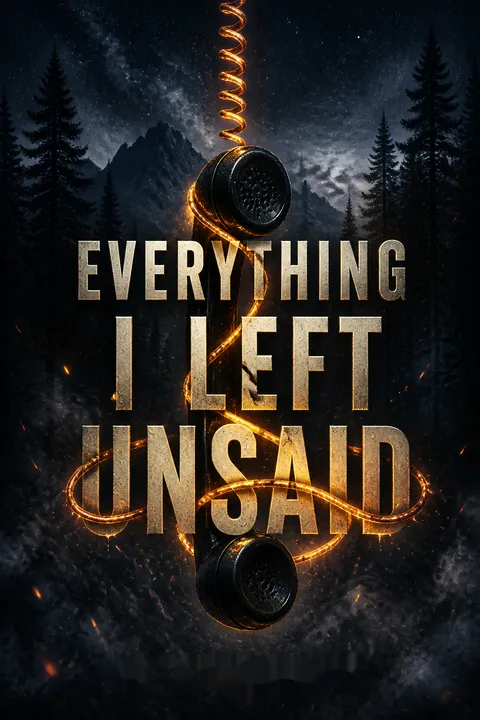
Intimacy at a distanceThe phone Annie finds in the trailer links her to Dylan, who had used it to reach Megan, the worker he paid to watch Ben. Because Annie and Dylan begin as voices without faces, each can reveal desire while withholding identity and history. The phone gives Annie a way to experiment with consent and pleasure while preserving the option to end the exchange. It also becomes a practical lifeline when Max arrives, carrying Annie from private fantasy into immediate danger.
Layla's borrowed name
A rehearsal for freedomAnnie uses her cousin’s name when Dylan asks who he is speaking to. The alias is a shield against a stranger, but it also lets Annie imagine a self less constrained by the rules she learned at home. She can test flirtation, refusal, and sexual curiosity without immediately bringing her full identity into the exchange. The disguise eventually becomes a point of conflict, because the intimacy grows more meaningful while their knowledge of each other remains incomplete.
Dylan's dares
Small acts of agencyDylan asks Annie to eat dessert for breakfast, go skinny-dipping, and visit a strip club before she calls again. The challenges are concrete, escalating steps beyond her habitual restraint. They prompt Annie to make choices about pleasure, public space, and risk, but they also let Dylan set the terms of their intimacy. The dares therefore work in two directions: they help Annie discover what she wants while exposing the danger of letting another person define her growth.
The fire report
Kindness under suspicionDylan sends Annie a newspaper account connecting Ben to an arson that killed two men and a young girl. The case was dismissed after evidence was mishandled, leaving Annie with a grave accusation but no legal resolution. The report complicates her trust in Ben, whose food, advice, and grief have made him seem harmless. It also exposes Dylan’s habit of controlling information until he fears Annie is in danger. Their argument over the article turns the question of who deserves trust into a lived conflict rather than an abstraction.


Download PDF
Download EPUB
.epub digital book format is ideal for reading ebooks on phones, tablets, and e-readers.








