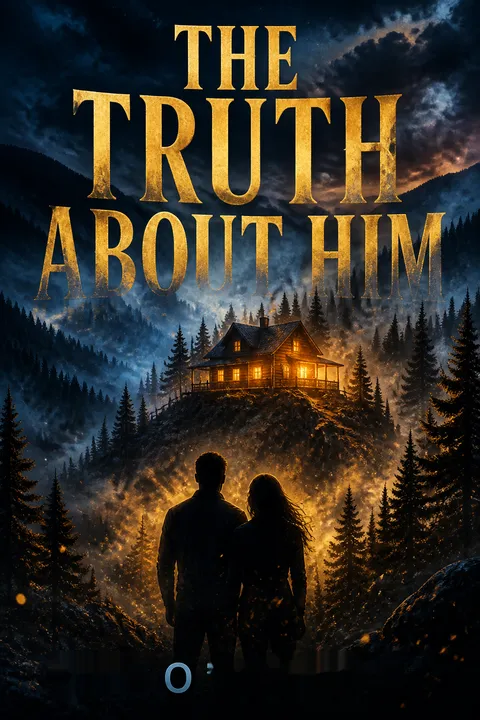


Plot Summary
The Tracker Finds Annie
Two months earlier, Annie McKay escaped her abusive husband, Hoyt, carrying three thousand dollars and a stolen gun from their Oklahoma farm. She hid in a North Carolina trailer park, dyed her hair, and began a secret relationship with Dylan Daniels, the scarred engine builder she first knew through phone calls.
After spending an intimate night at Dylan's home, she returns to find Hoyt waiting in her trailer. He tracked her by following online visits to a local newspaper site, then used library records and a neighbor's tip to locate her.
Hoyt apologizes for past violence, but quickly demands she return home and approve a land sale to an energy company. When he discovers her messages and intimate photo to Dylan, Annie understands that her brief safety is over.
Hoyt's use of ordinary data turns the tools of modern life into instruments of coercive control. Annie's precautions were not foolish; they were simply no match for a man who treats access as ownership. His apology is especially dangerous because it imitates accountability while centering his own comfort and the land deal he wants her to authorize. Annie's private connection with Dylan matters not only as romance, but as evidence that she has begun to imagine a self beyond her marriage. When Hoyt finds that evidence, he threatens more than her body. He threatens the future she has only just started to picture.
The Door She Cannot Reach
Hoyt has taken Annie's phone, gun, books, and the notes Dylan left her. She pretends to accept his demand to go home, then tries to slip out while he eats. He drags her back by her hair, pins her down, and warns that Ben Daniels, her elderly neighbor and Dylan's estranged father, will be hurt if she calls for help.
Annie lies to Ben when he knocks, then later refuses to leave with Hoyt and fights him, though he overpowers her. Outside, her cries finally bring the campground manager, Kevin, running. As Hoyt pulls her toward his truck, Dylan's car skids into the park. He launches himself at Hoyt, and Annie falls beside them as the fight erupts.
Annie's choices are constrained by a threat that extends beyond her own safety. Hoyt understands that she cares about Ben and weaponizes that care, forcing her to weigh rescue against another person's exposure to violence. Her earlier silence protected her survival, but her decision to call for help marks a change: she no longer accepts the isolation that made Hoyt's power seem inevitable. Dylan's arrival offers immediate protection, yet it also introduces a troubling possibility. Annie is relieved to see him, but the rescue begins as a physical contest between men, leaving her to confront what she wants from protection and what it may cost.
A Gun in the Grass
Dylan overwhelms Hoyt in the campground parking area, striking him until Annie sees how much she wants Hoyt punished. Horrified by her own response, she begs Dylan to stop. Hoyt uses the distraction to draw his knife and slash Dylan's side. Annie finds her stolen gun in the dirt, raises it, and fires repeatedly.
Hoyt is hit in the leg, where the wound proves fatal before the ambulance can save him. Dylan, meanwhile, has lost a dangerous amount of blood. Annie cannot reconcile the man she shot with the husband who once worked beside her, or the man Dylan became while defending her. As Dylan reaches for her, she recoils from his touch, then collapses into darkness.
The shooting is both an act of self-preservation and an unwanted answer to Annie's fear that she has become shaped by violence. She is not simply rescued by Dylan: when he is wounded, she acts for herself, using a skill Smith once taught her. But her relief at seeing Hoyt stopped is entangled with guilt, grief, and the knowledge that she had wanted Dylan to do the killing for her. That contradiction matters. The novel does not present survival as morally tidy or emotionally complete. Annie's recoil from Dylan signals that love cannot instantly neutralize trauma, even when the loved person was trying to protect her.
The Hospital's Cold Distance
At the hospital, Annie learns that Hoyt died and that Dylan's stab wound is being treated. She feels numb rather than relieved, and flinches when Dylan reaches for her in the corridor. After the police and lawyers question her, she asks Dylan to leave her alone, convinced their closeness has become inseparable from the night’s violence.
Later, a new phone appears beside her bed. Dylan is only a few rooms away, and she calls him. He helps her understand the shooting as an act that saved her life, while she admits that Dylan's violence on her behalf both comforted and frightened her. She walks to his room, and he holds her without asking for sex or explanations. Their battered bodies rest together, carefully.
The hospital makes visible a distinction the romance must keep learning: care is not the same as access. Annie's refusal of touch is not a verdict on Dylan, but a boundary formed by shock, and he must accept it rather than turn his devotion into a claim. Their nighttime reunion succeeds because it is modest. Dylan provides a phone and a place beside him; Annie chooses when to cross the hallway. Her account of being attracted to his violence unsettles both of them, but naming that response gives her a way to examine it instead of disguising it as proof of love. Intimacy begins again through consent and restraint.
Home Is the Trailer
After two days in hospital, Annie accepts Dylan's ride but chooses the Flowered Manor campground over his houses in Asheville or Charleston. She wants to remain near the place where she first felt some freedom, and the police have asked her to stay in the area. On the drive, she learns Ben is receiving chemotherapy.
Dylan admits the hospital once called him about his father, but he hung up without asking what was wrong. Annie's concern exposes the distance Dylan has kept between himself and his family. Back at the campground, he tries to persuade her to leave, while she asks him to stay. He refuses, unable to be near Ben without reopening old wounds, then moves into a neighboring trailer anyway.
The trailer is not an ideal home, but Annie chooses it, and that choice is psychologically important after years in which other people defined where she belonged. Her decision is not a declaration that she is healed; it is a claim to control over the next step. Ben's illness draws Dylan into proximity with a past he has managed through distance, money, and hired observers. His refusal to engage is not indifference so much as an old survival strategy that has hardened into habit. Annie's choice to remain nearby places her between the two men, but the narrative keeps her agency central: she is not there to repair their relationship for them.
The Skulls Come Calling
Dylan's former associate Rabbit arrives at Ben's trailer with news that Max, Dylan's estranged older brother, has disappeared. Max belongs to the Skulls motorcycle club, and Rabbit says the club needs him for a dangerous deal. He threatens Annie, Ben, Dylan's business partner Blake, and Blake's mother if Dylan does not bring Max back.
Dylan initially keeps the danger from Annie, but later tells her and gives her a gun because she refuses to leave. Annie also finds a note from Joan, her friend and neighbor, asking to meet. Dylan admits he has been searching for Max at The Velvet Touch strip club. Annie realizes the danger is not over with Hoyt's death, and the past Dylan tried to bury is now gathering around them.
Rabbit's threat tests the limits of Dylan's protective instinct. He wants to keep Annie safe by withholding information, repeating the paternalistic logic she has just escaped: decide what she can bear, then manage her choices for her. Annie's insistence on knowing the danger turns disclosure into a condition of partnership. The gun is an uneasy compromise, a tool that offers some agency while carrying the burden of another possible use of violence. Max's disappearance also reveals how little separation Dylan has achieved from his origins. His business success and mountain retreat have not erased the network of obligation that formed him.
The Club's Hidden Business
At a diner, Joan explains that The Velvet Touch is a meeting place for the Skulls and a criminal network led by a self-styled prophet named Lagan. He runs a compound where women are abused and manufactures drugs for distribution through the motorcycle club.
Joan warns Annie that Max is entangled in a dangerous arrangement and that the club's factions are turning against one another. She also tells Annie to warn Ben away from Max. Dylan has already found Max outside the club, where the brothers speak after nine years apart.
Max says he visited their mother's grave, but rejects Dylan's offer of help and orders him to leave. Annie, meanwhile, tells Joan how Hoyt found and attacked her, and learns that Joan's work with the authorities is not what she assumed.
The criminal plot expands the story's idea of secrecy beyond romance. Dylan and Annie have used concealment to approach each other honestly, but the club's secrecy serves power, exploitation, and survival within a violent hierarchy. Joan's warning gives Annie information without giving her mastery of the situation; the danger remains larger than her experience. Max's reunion with Dylan is similarly incomplete. A shared history survives in their gestures and memories, yet Max refuses the simple rescue Dylan offers. The contrast clarifies that familial love can persist without producing trust, reconciliation, or the ability to make another person choose safety.
Tiffany Draws a Line
Annie's neighbor Tiffany admits that her husband, Phil, helped Hoyt find Annie. Dylan recognizes Phil as Blake's estranged brother, then discovers that Phil has hidden his wife and three children from his wealthy family. When Phil appears, Dylan orders him off the property and threatens him after he tries to intimidate Tiffany. Annie supports Tiffany as she packs Phil's belongings and chooses not to follow him.
The confrontation also reveals how carefully Phil has kept his family isolated. As the danger recedes, Annie tells Dylan she loves him. He cannot answer her with the same words, but he does not reject her. Later, Tiffany accepts Annie's help in contacting Margaret and Blake, though she insists on choosing the terms of any meeting.
Tiffany's choice echoes Annie's escape without making their situations identical. Annie recognizes the bodily and emotional logic of staying with a harmful partner, so she offers Tiffany options rather than shame. Dylan's force may help remove Phil, but Annie's support is what makes a different future imaginable to Tiffany. The scene also exposes the limits of money as repair: Blake's family can offer resources, but Tiffany insists on dignity and control. Annie's declaration of love is equally a choice made without guarantees. Dylan's silence hurts, yet she has begun to distinguish the truth of her feeling from the promise of a return.
Brothers Beneath Neon
Dylan returns to The Velvet Touch and finds Max again. The brothers share beer and talk around years of estrangement: Max recognizes that Dylan built a different life after prison, while Dylan admits he still worries about him.
Max describes visiting their mother's grave and reveals a few memories from a brief period when she was sober. He refuses to explain the club's plans and warns Dylan that the situation is dangerous. Dylan leaves knowing Max may be in grave trouble, but he cannot force him to choose another life.
Soon afterward, Max approaches Annie in the campground field and questions whether she is good for Dylan. Dylan intervenes and tells Max to stay away from her. Max says the club will soon leave the area, but offers no reassurance that he will escape its violence.
The brothers' brief ease is not reconciliation; it is a glimpse of the relationship before abandonment became its organizing fact. Shared memories make their bond palpable, but they do not erase the harm of Max's withdrawal or Dylan's fear of losing him again. Dylan's refusal to leave the area is partly an attempt to remain available, even when he knows he cannot control Max's choices. His intervention in the field protects Annie, but it also exposes the old pattern of Dylan stepping between Max and danger. The scene asks whether loyalty means rescue, witness, or simply refusing to pretend that a brother no longer matters.
The Club Burns Red
An explosion at The Velvet Touch lights the sky, and Annie calls emergency services despite Dylan and Ben's fear of police attention. Joan arrives in a damaged car with Max shot and bleeding in the back seat. She admits she was never a DEA agent; her badge was false, and she has been trying to survive while helping Max escape the Skulls' violent takeover.
Dylan and Annie let her take Max somewhere safer rather than risk a hospital or keep him near Rabbit. Ben, shaken by the news, refuses Dylan's offer to move in with him. He wants to die alone, convinced that the family has hurt one another too deeply. As Annie grieves beside him, Dylan finally tells her he loves her, and she returns the confession.
The explosion converts the criminal danger from rumor into consequence, but the emotional climax lies in the choices that follow. Joan's false badge complicates the difference between deception and betrayal: she has lied about her identity, yet her immediate aim is to keep Max alive. Dylan must accept uncertainty and relinquish control rather than insist that only he can save his brother. Ben's refusal of care is painful, but the story treats it as a choice shaped by regret, not a puzzle Annie can solve. Dylan's declaration of love comes as he stops trying to anesthetize grief. He does not fix the losses; he chooses to feel them with Annie.
Church, Then a Choice
The next morning, Dylan keeps his promise and takes Annie to a Catholic church. The familiar service steadies her, while Dylan listens beside her and jokes with her afterward. They agree that she should move in with him, not because she is trapped or rescued, but because it is what she wants. At the campground, Officer Grant Davies asks Annie about the explosion and the Skulls.
She conceals what she knows about Max and Joan, protecting them from the investigation. Dylan goes to check on Ben and finds Rabbit inside, injured but armed, with Ben beaten and pinned to a table by a knife. Rabbit demands information about Max. The quiet plans Annie and Dylan have begun to make are abruptly tested by the danger they hoped had passed.
The church scene gives the relationship a deliberate counterpoint to the earlier crises: shared ritual, humor, and a decision made in daylight. Moving in together becomes meaningful because Annie can choose it freely, after refusing several offers to be carried elsewhere. Her lie to Grant is morally complicated, especially after she has fought to tell the truth in her intimate life. Here, loyalty competes with civic responsibility and fear of a criminal system she does not fully understand. Rabbit's return punctures any fantasy that love can make danger disappear. The section's abrupt turn insists that commitment is not a safe endpoint; it is a decision made while uncertainty remains.
The Last Knife Falls
Annie arrives at Ben's trailer while Rabbit holds Dylan at gunpoint and threatens Ben. Dylan and Ben coordinate without words: Dylan pulls the knife from Ben's hand, then throws it back to him. Ben drives it into Rabbit's shoulder, giving Dylan the opening to seize the gun and knock Rabbit unconscious.
Annie refuses Dylan's order to stay out of it and calls Grant, then helps move Ben outside and bind his bleeding hand. When sirens approach, Dylan understands that forgiveness is not the same as excusing his father's failures. He lets go of the grievance that has kept him emotionally fixed to the past, and Annie takes his hand. Their future remains scarred, but they face the immediate danger together rather than alone.
The final confrontation reverses the helplessness of the opening without pretending the characters have become invulnerable. Ben and Dylan act in concert, drawing on their old knowledge of one another, while Annie brings in outside help instead of accepting the family's habitual secrecy. Her refusal to be sent away marks the clearest change in her relationship to protection: she can receive care and still remain an actor. Dylan's forgiveness is framed as a release from the past's continuing claim on him, not a declaration that his father caused no harm. The ending's intimacy comes from shared responsibility, not from the fantasy that love prevents further injury.
Epilogue
Three years later, Annie graduates from college with Dylan beside her. They have built a life through difficult conversations and daily choices, and Ben lived long enough to spend eighteen months in remission and repair cars with Dylan before dying the previous year.
Dylan found Smith, the older friend Annie had lost, and brought him to her for a birthday reunion. Smith still lives in Wyoming, but visits. At graduation, Dylan gives Annie a bracelet engraved with their shared idea of bedrock: the truth beneath fear, and the commitment they keep choosing. Their past has not vanished, but it no longer dictates every decision.
The epilogue measures recovery in time and practice rather than in a single romantic promise. Annie's degree gives concrete form to the future that first appeared when Margaret brought her a course catalog. Dylan's reunion with Smith repairs a separate wound in Annie's history, while Ben's final years let father and son build a limited but real relationship. These outcomes do not cancel abuse, prison, illness, or loss. Instead, the bracelet turns bedrock into a chosen foundation: not an untouched past, but an honest present repeatedly made. The couple's stability is therefore an action, not a reward for suffering.
Analysis
The novel's central question is not whether love can erase damage, but whether intimacy can remain ethical when both people bring histories that make control feel safer than trust. Annie begins by surviving through concealment and appeasement. Dylan survives through distance, work, and self-sufficiency. Their first phone-based bond lets them reveal desires they cannot yet carry into ordinary life, but the relationship becomes durable only when they begin telling each other what the lies were protecting.
The book gives agency a practical form. Annie chooses where to live, when to accept touch, whether to tell the truth, and how to interpret her own response to violence. Dylan's growth is measured less by grand rescue than by his willingness to stop deciding what Annie can bear. Their sexual connection matters because it restores pleasure to a body associated with fear, but the story does not present sex as treatment. Annie's distress persists, and comfort works when it is offered without demand.
Family complicates the couple's private story. Dylan's loyalty to Max and resentment toward Ben are not neat moral lessons; they are attachments shaped by childhood survival, abandonment, and shared memory. Ben's regrets cannot return the years he missed, just as Dylan's care cannot compel Max to leave danger. The novel distinguishes forgiveness from absolution and love from rescue. Annie can support Tiffany without making Tiffany's decision for her, and Dylan can love Max without controlling him.
The ending's idea of bedrock is therefore not a hidden, pure self untouched by trauma. It is the truth each person chooses to speak and act upon after denial stops working. The characters remain vulnerable to grief, violence, and imperfect judgment. Their hope is credible because it does not depend on those forces disappearing. It depends on choosing, repeatedly, to face them with greater honesty and less isolation.
Review Summary
The Truth About Him received mostly positive reviews, praised for its emotional depth, complex characters, and steamy romance. Readers appreciated the continuation of Annie and Dylan's story, with many finding it even better than the first book. The novel explores themes of forgiveness, family, and overcoming past traumas. Some reviewers found the pacing slower than the first book, but overall, the series was highly recommended for its unique storyline and well-developed characters. Many readers expressed eagerness for more books in the series.
Characters
Annie McKay
A survivor reclaiming choiceAnnie has spent years adapting herself to an abusive marriage and to a childhood shaped by her mother's illness and isolation. She is observant, bookish, and more stubborn than she first allows herself to appear. Her early instinct is to placate danger and hide her needs, but she is also capable of startling directness once she recognizes that silence protects the person harming her. Her attraction to Dylan is bound up with pleasure, curiosity, and the relief of being treated as someone whose desires matter. Annie's central struggle is not simply whether to trust another person. It is whether she can make choices without surrendering her judgment or defining herself by what has happened to her.
Dylan Daniels
A guarded engine builderDylan is a wealthy, gifted mechanic and former stock-car driver whose burns, prison history, and estrangement from his family have left him wary of closeness. He prefers systems he can control: engines, work, money, and the seclusion of his mountain home. Yet his reserve conceals a fierce capacity for loyalty, especially toward Annie and his older brother, Max. Dylan's tendency to protect by withholding information or pushing people away comes from fear as much as pride. Annie draws him into a more honest form of intimacy, where he must risk being known without assuming that his scars or history make him unworthy of love.
Hoyt
Annie's controlling husbandHoyt is Annie's husband, a physically imposing Oklahoma farmer who disguises coercion beneath a calm manner and appeals to duty, marriage, and promises made to Annie's mother. He wants control of Annie and the family land, and he treats apologies as a way to restore his own comfort rather than change his behavior. His apparent steadiness makes him difficult for outsiders to read, while Annie has learned to anticipate the threat beneath it.
Ben Daniels
Dylan's estranged fatherBen is Dylan and Max's father, an aging former motorcycle-club member who now lives in a trailer park and tends a small garden. He is gruff, proud, and uncomfortable with tenderness, often meeting concern with sarcasm or withdrawal. His history with the Skulls and his sons has left him carrying regrets he rarely knows how to express. Annie sees the vulnerable man beneath his defenses, while Dylan sees the father who failed to be present when it mattered. Ben's importance lies in the difficult distance between wanting to repair harm and being able to do so.
Max Daniels
Dylan's absent brotherMax is Dylan's older brother and a leader in the Skulls motorcycle club. As boys, he protected Dylan, helped him stay in school, and shared the reckless adventures that first bound them together. As an adult, Max is impulsive, guarded, and deeply distrustful, shaped by a family life in which danger and abandonment were ordinary. His bond with Dylan remains powerful, but affection does not make him easy to reach or persuade. Max's choices force Dylan to confront the difference between loving someone and being able to save them.
Joan
An ally with hidden edgesJoan is Annie's blunt, resourceful friend and neighbor at the campground. She has a hard-won ability to read danger and a habit of disguising vulnerability with humor and brusque confidence. Her work around the strip club brings her close to the criminal plot surrounding the Skulls, but her loyalties and identity are not as straightforward as Annie first assumes. Joan's connection with a waitress also reveals a tenderness she rarely shows in public.
Rabbit
A volatile club enforcerRabbit is a longtime associate of Dylan and Max from their illegal-racing days and a high-ranking member of the Skulls. He is armed, unpredictable, and skilled at using personal threats to make other people act. His easy banter conceals a calculating cruelty, and his interest in Max draws Dylan back into a world he thought he had left.
Tiffany
A neighbor seeking escapeTiffany lives near Annie with her three young children and is married to Phil, a man who keeps her isolated from his family. Her initial role in Annie's danger is entangled with fear and dependence, not simple malice. She is proud, wary of charity, and acutely protective of her children. Annie recognizes how difficult it can be to leave a harmful partner, and offers her support without pretending the choice is easy.
Phil Edwards
A hidden, harmful husbandPhil is Blake's estranged brother, a former employee of Dylan's, and Tiffany's husband. He hides his marriage and children from his family while relying on their resources and blaming others for his troubles. His intimidation of Tiffany echoes the control Annie has endured, making him a smaller but pointed reflection of the story's central abuse.
Blake
Dylan's wary business partnerBlake is Dylan's business partner and the son of Margaret and Miguel. Charming, sharply intelligent, and skilled at managing money, he is also judgmental and protective of the family he trusts. He worries that Dylan's attachment to Annie will destabilize their company and reopen old wounds. His own history with Phil complicates his belief that problems can be settled through control and financial leverage.
Margaret
Dylan's steadfast benefactorMargaret is Blake's mother and one of the people who helped Dylan rebuild his life after prison and a devastating fire. Generous, practical, and perceptive, she has learned when support means intervening and when it means letting someone choose. She wants Dylan to accept the care he has long resisted, while her strained relationship with her son Phil shows the limits of a mother's ability to repair another person's choices.
Grant Davies
A conscientious local officerGrant is a local police officer who meets Annie at the library and later investigates the violence surrounding her. He is direct and compassionate, offering her a book that helped him after a shooting. His interest in Annie is genuine, but his presence also represents the law's attention to Dylan and the Daniels family.
Kevin
The campground managerKevin manages the Flowered Manor campground and knows its residents. He responds when Annie calls for help and later regrets not involving police sooner. His practical presence shows how a small community can notice danger even when it does not always know how to intervene.
Terrence Marshall
Annie's legal advocateTerrence is the attorney Dylan hires to represent Annie after the shooting. Experienced and composed, he helps her navigate police questioning and the legal consequences of defending herself.
Plot Devices
The Newspaper Tracker
A trail back homeHoyt follows geographic activity on a local newspaper website to discover where Annie has been logging in. He combines that digital trace with library records and a campground resident's information to locate her. The device makes Annie's escape feel precarious without implying that she was careless: ordinary online activity becomes dangerous when an abuser has time, access, and a willingness to surveil. It also initiates the novel's central crisis, forcing Annie to decide whether she can keep living through concealment.
The Borrowed Phone
Intimacy through distanceAnnie and Dylan first build their connection through phone calls and messages, with assumed identities and withheld facts shaping what they reveal. The phone allows them to discuss desire and vulnerability before meeting face to face, but it also becomes evidence when Hoyt finds their messages. After the attack, Dylan gives Annie a new phone, transforming the same object from a record of betrayal into a voluntary channel of comfort. The device links secrecy, trust, and the possibility of choosing what to disclose.
The Stolen Gun
Self-defense under pressureAnnie takes a gun from Hoyt's safe when she flees Oklahoma, believing she may need it to protect herself. Hoyt finds it in her trailer and removes it, but it falls from his clothing during the struggle at the campground. Annie uses it when Hoyt knifes Dylan and comes for her. The gun embodies the tension between fearing violence and claiming the means to survive it. Its eventual use has legal consequences and, more immediately, leaves Annie struggling with the fact that self-preservation can still bring grief and guilt.
The Flowered Manor
A chosen refugeThe shabby campground offers Annie a temporary home after she escapes her marriage. Its field, trailer, swimming hole, and neighbors give her space to work, read, and experiment with desires she once suppressed. Dylan sees the place as unsafe and impoverished, while Annie values it because she chose it. The setting also places Dylan beside Ben and draws the family history into Annie's new life. It therefore functions as both sanctuary and pressure chamber, testing whether the characters can build closeness without taking away one another's choices.
The Velvet Touch
A criminal crossroadsThe strip club is where Annie and Dylan explore desire together, but it also serves as a meeting place for the Skulls and the network tied to Lagan. Joan's account of the club's drug operation gives context to Max's disappearance, while Dylan searches the venue for his brother. The danger eventually reaches the club in an explosion. Its double function keeps erotic freedom and criminal threat close together, underscoring how a place can mean very different things to people depending on what they seek there.

Download PDF
Download EPUB
.epub digital book format is ideal for reading ebooks on phones, tablets, and e-readers.








