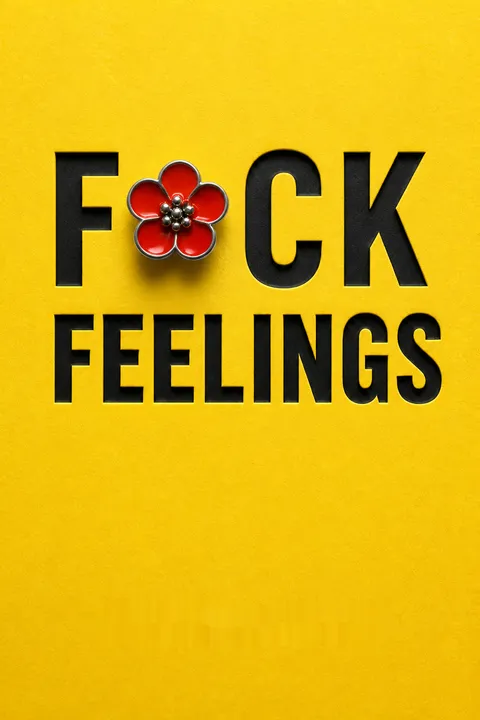


Key Takeaways
Trade impossible wishes for goals you can actually pursue
Start with the real limit. People often seek help hoping to stop feeling anxious, make a partner change, or finally get fair treatment. After repeated attempts fail, the Bennett approach asks them to accept what may not be changeable and redirect effort toward what they can manage. A wish such as never drinking again becomes a practical commitment to keep resisting alcohol and seek support when needed.
Measure what is yours. The aim is not to give up on improvement. It is to stop treating an uncontrollable result as proof of personal failure. Make a concrete plan around your responsibilities, choices, and available resources, then assess how well you followed it, even when life does not reward the effort.
What's striking is the shift from outcome control to process control, a distinction also used in acceptance-based therapies. It can relieve needless self-blame while preserving agency: a person may not choose a feeling, diagnosis, or another person's decision, but can still choose a next step. The necessary caution is that acceptance should not become an excuse to tolerate preventable harm. Limits are best identified through evidence and competent advice, not assumed simply because a problem is difficult.
Build self-respect from chosen conduct, not confidence or luck
Grade the effort. The book challenges the idea that confidence must come before action. A shy person can still attend a work event to earn a living; someone with low self-esteem can still be a reliable friend. In both cases, acting according to chosen values matters more than feeling impressive or getting the desired response.
Use your own standards. The Bennetts argue that looks, money, status, and good fortune are unstable foundations for self-worth. Their patients with serious mental illness may have limited abilities, yet can take pride in helping one another or making useful contributions. A daily check of necessary tasks, such as work, health, and care for others, offers a more grounded measure than comparison with people who have different circumstances.
This account resembles virtue ethics, where character is expressed through action rather than a favorable self-image. It also avoids making confidence a prerequisite for participation, which matters because confidence often follows successful action rather than reliably preceding it. Still, effort alone is not a complete measure: access to money, safety, and opportunity shapes what effort can accomplish. Personal standards should recognize unequal constraints, rather than quietly turning every structural disadvantage into another individual test.
When insight stops changing behavior, stop digging and start managing
Explanations have limits. The book warns against endless searches for the hidden origin of a problem when each new insight leaves behavior unchanged. A person who relapses after years of sobriety may want a definitive explanation; another may blame childhood for unfinished paperwork or repeated attraction to unreliable partners. Understanding can be useful, but it does not automatically create control.
Switch from why to how. The authors suggest learning what is known, consulting experts, and then pausing the investigation if it produces no workable answer. The next question becomes how to manage the problem now. That might mean seeking recovery support, using an organizational coach, or creating safeguards around a known weakness. Uncertainty remains, but it no longer has to delay action.
The distinction between explanation and intervention is useful across medicine and engineering: knowing a system's origin is not always necessary to reduce its failure rate. It also counters rumination, in which repeated analysis can feel productive while postponing a difficult action. Yet causal inquiry should not be dismissed wholesale. In some cases, identifying trauma, an untreated condition, or a practical obstacle changes the available options. The sensible rule is not to stop asking why, but to notice when the question has stopped helping.
Let feelings exist without letting them write your next move
Feelings are not orders. Anger, fear, envy, grief, and attraction may persist despite effort, and condemning yourself for having them can add shame without improving behavior. The book's central distinction is between what a person feels and what that person does. Someone may hate a difficult relative yet still speak civilly, or feel anxious and still go to work.
Make behavior the target. Instead of demanding a serene or loving inner life, set standards for conduct: avoid unnecessary conflict, keep commitments, and seek feedback from people who can be candid. The Bennetts also note that fear and anger can be hard to eliminate, while treatments may help some people manage symptoms. The goal is to act decently, not to perform cheerfulness.
This separation echoes emotion regulation research, which distinguishes having an emotion from acting on its impulse. It can reduce the secondary struggle of feeling ashamed about feeling bad. It is also more humane than insisting on positivity, especially for chronic grief or anxiety. The nuance is that emotions sometimes carry important information: fear may signal danger, and anger may identify a boundary violation. Restraint is not the same as silencing those signals; it creates time to interpret them before choosing a response.
Treat addiction as a management problem, not a character verdict
Replace shame with assessment. The authors argue that vulnerability to addiction is shaped by factors people may not control, and that self-condemnation wastes energy needed for change. They recommend judging a suspected addiction by its effects on work, relationships, health, safety, and personal standards, rather than relying only on labels or arguments about whether someone drinks more than others.
Build support around the risk. If change cannot be managed alone, the book recommends trying mutual-help groups such as AA, and considering more intensive care when needed. It cautions loved ones against making recovery their responsibility: pressure and rescue can turn sobriety into a favor performed for someone else. Instead, set clear limits around unsafe behavior and encourage the person to identify reasons for change that matter to them.
The move away from moral blame aligns with public-health models that treat addiction as a complex condition rather than a simple failure of will. Clear consequences and support can coexist: compassion does not require providing money, housing, or cover for dangerous behavior. The book's emphasis on self-defined standards is useful, though addiction can distort self-assessment, so trusted observers and clinicians may be important sources of evidence. Withdrawal can also carry medical risks, making professional guidance essential when stopping a substance.
Choose battles by likely consequences, not by how right you feel
Righteousness can be costly. The book argues that the world does not reliably deliver safety, fairness, vindication, or closure. A person who keeps confronting a hostile boss or trying to correct a false accusation may spend money, risk a job, and deepen conflict without changing anyone's mind. Being right does not guarantee a useful outcome.
Protect what matters next. Gather facts, seek relevant professional advice, and assess what is winnable before acting. In a slander or legal dispute, the authors favor careful records and calm, necessary communication over angry public rebuttals. In an unsafe situation, protection may require leaving or creating distance. Acceptance here means recognizing limits, not approving injustice or surrendering every available remedy.
This is a form of strategic reasoning: separate moral judgment from the question of which action is likely to help. It resembles risk analysis, where decision-makers consider probable outcomes, costs, and effects on people not directly involved. That approach can prevent impulsive retaliation. Its limit is that low odds of success do not always make action pointless. Collective action, formal complaints, and legal remedies can change institutions, especially when individual risk is shared and evidence is preserved.
Help within limits, because rescue can make two people less safe
Good intentions need a budget. The book treats helpfulness as a powerful impulse that can misdirect time, money, and attention. A person trying to rescue an addicted partner may provide shelter without setting safety conditions, while a would-be peacemaker can become the one everyone blames. The Bennetts call compulsive overhelping “help-aholism,” a pattern of feeling responsible for another person's needs without a workable limit.
Check benefit and risk. Before stepping in, ask whether the help is likely to work, whether the recipient can use it, and what other obligations may be harmed. The authors recommend seeking support, including Al-Anon for families affected by addiction, and defining boundaries in advance. Sometimes the most responsible help is a referral, a clear limit, or declining to intervene.
This argument connects to the familiar distinction between support and enabling, while adding a practical question: who bears the cost if the rescue fails? Boundaries can protect both parties from a relationship organized around crisis. At the same time, careful calculation should not become an all-purpose reason to avoid helping. Some forms of aid have uncertain outcomes but still matter, especially in emergencies. The key is to distinguish a limited, informed contribution from taking ownership of another person's choices.
Choose partners by reliability, and stop treating love as rehabilitation
Screen beyond chemistry. Attraction can make a promising connection feel more important than evidence of character, reliability, or shared priorities. The book advises people seeking lasting partnership to define what they need, learn from a partner's history, and look for signs of how that person handles work, money, substances, and past relationships. A thrilling beginning is not proof of a stable future.
Accept the person, not a project. Love may deepen attachment, but it cannot reliably cure addiction, create ambition, or change a fundamental temperament. The authors suggest deciding whether the relationship is worthwhile as it actually is, rather than staying because a partner might become different. Commitment, in their view, works best when both people choose the practical life they are building, not merely the feeling of being in love.
The emphasis on observable behavior over romantic intensity is a useful corrective to idealization. In decision science, vivid immediate rewards can crowd out slower evidence, so a deliberate checklist can protect judgment when chemistry is strong. Still, no screening process can predict a partner perfectly, and people do change. The fair test is not whether someone has flaws, but whether both people acknowledge them, take responsibility, and show sustained behavior that makes shared life safer and more workable.
Use communication to solve a task, not force closeness or catharsis
More talking is not always better. The book disputes the idea that every conflict reflects poor communication. Some disagreements arise from incompatible values or habits, and pressing for emotional disclosure can deepen resentment instead of creating intimacy. A parent who pushes a teenager to confide may get less information; a couple who repeatedly vents anger may leave the same problem intact and the atmosphere worse.
Choose words for a purpose. Before speaking, ask whether the other person can hear the point and whether saying it is likely to help. The authors' “Rogers’s Condensed Principle” is their reminder to recognize when persuasion has reached its limit and to withdraw rather than keep pressing. For trauma, they caution against demanding disclosure as though telling the story must bring relief.
Communication is often treated as inherently virtuous, but its value depends on timing, trust, and the goal of the exchange. This resembles conflict mediation, where a facilitator distinguishes understanding a position from compelling agreement. Silence can prevent escalation, but it should be chosen rather than imposed on vulnerable people who need to report harm or seek support. A useful question is whether a conversation increases safety, clarity, or coordination, rather than merely producing emotional intensity.
Parent responsibly without claiming control over a child's whole future
Good parenting cannot guarantee outcomes. The authors describe parents who respond to a child's disability, school struggles, or low self-esteem by taking on more and more responsibility. Yet genes, temperament, illness, and circumstance can limit what parents or teachers can change. When every poor result is treated as evidence of bad parenting, the family can become exhausted and conflict can intensify.
Manage what is manageable. Learn about the child's needs, try reasonable supports, and assess whether each approach helps enough to justify its cost. Set limits around dangerous behavior and protect other family members when safety is at risk. If an intervention repeatedly fails, reconsider it rather than escalating effort automatically. A parent's job is to provide care and guidance, not to guarantee a particular personality, achievement, or emotional state.
The distinction between parental responsibility and total control can reduce guilt and make room for a child's actual strengths. It also fits developmental psychology's view that outcomes emerge from interactions among temperament, environment, and time, not from parenting alone. The book's emphasis on limits is strongest when paired with collaborative care, since families may miss needs that schools or clinicians can identify. Accepting uncertainty should preserve vigilance and advocacy, not turn them into futile self-sacrifice.
Manage an unchangeable Asshole through boundaries, distance, and documentation
Name the pattern carefully. The Bennetts use “Asshole” as a technical, intentionally blunt label for someone who repeatedly harms others while interpreting events mainly through personal grievance and failing to recognize their own role. It is not simply a name for anyone who behaves badly once. Their point is that arguments, affection, and therapy cannot be assumed to produce insight or reform.
Reduce exposure and protect yourself. If repeated attempts to resolve conflict make it worse, the book recommends clear limits, brief necessary contact, records of important exchanges, and advice from people with relevant authority. At work, a weak manager's failure to address destructive conduct may be as important as the conduct itself. The practical goal is not to win a moral contest, but to preserve safety, resources, and a life beyond the conflict.
The label helps readers recognize a recurring pattern without treating every disagreement as a personality pathology. Its bluntness can also be risky: once someone is classified as irredeemable, observers may stop looking for context or change. Behavioral descriptions are safer and more actionable than armchair diagnosis. The strongest insight is organizational as well as personal: repeated misconduct often reveals whether people with authority are willing to enforce boundaries, and that information can guide decisions about staying or leaving.
Use treatment as a tool, then reassess what it actually changes
Expect partial benefit. The book rejects the idea that therapy must uncover a hidden cause or cure every symptom to be worthwhile. It describes approaches with different aims: CBT works on unhelpful thought and behavior patterns, DBT teaches skills for managing intense impulses, and medication may reduce symptoms for some people while bringing side effects. Treatment should address a defined problem, not promise a new personality.
Review the evidence. Consider cost, risks, daily functioning, and observable progress. The Bennetts' BTPS, or “bullshit-to-pragmatic scale,” is a humorous way they rank treatments by how measurable and practical they seem, not a validated clinical instrument. If treatment is not helping, reassess the plan with a qualified clinician rather than repeating it automatically. Decisions about medication changes should be made with the prescriber.
Treating care as a revisable decision can make patients more active partners and reduce the all-or-nothing belief that either a cure occurs or treatment has failed. This resembles measurement-based care, where symptoms and functioning are tracked over time to guide adjustments. The book is right to encourage informed questions, though a short trial may not reveal the full value of some treatments, and improvement can be gradual. Decisions are better made with a clinician who can interpret benefits, risks, and withdrawal effects.
Analysis
The book's organizing move is to separate suffering from failure. It repeatedly asks readers to distinguish what they wish would happen from what they can reasonably do, then to judge themselves by the quality of their conduct under imperfect conditions. That shift unites its apparently disparate subjects, including addiction, self-esteem, parenting, love, trauma, and workplace conflict. Each chapter takes an impossible demand, such as feeling no fear or making a difficult person change, and translates it into a task with observable boundaries.
The method is powerful because it challenges two common traps: magical control, the belief that enough effort can make life fair, and moralized self-blame, the belief that failure to control an outcome proves a personal defect. Its humor helps puncture both. The recurring practical tools are deliberately plain: define standards, gather facts, set limits, seek qualified help, stop repeating failed strategies, and recognize effort even when results disappoint.
Its sharpest contribution is not the slogan to disregard feelings, but the distinction between feelings and obligations. Anger, grief, and anxiety may remain, while a person still chooses restraint, safety, or responsibility. That is close to acceptance-based psychology, but the book makes it concrete through work, family, and relationship decisions rather than abstract serenity.
The framework also has limits. Acceptance can be misread as resignation, and the book sometimes overstates how little change or treatment can accomplish. That stance may fit chronic, repeated frustration, but it should not override evidence of treatable illness, abuse, discrimination, or institutional remedies. Nor should a blunt label replace careful assessment. The best use of the book is therefore as a decision filter, not a universal verdict: identify what has resisted change, determine what options remain, and preserve both agency and safety. Its promise is modest but valuable: not happiness on demand, but a more honest way to act when life refuses to cooperate.
Review Summary
F*ck Feelings receives mixed reviews, with readers appreciating its practical, no-nonsense approach to dealing with life's challenges. Many find it refreshingly honest and humorous, offering realistic advice on accepting limitations and managing expectations. However, some criticize its repetitive nature, perceived pessimism, and occasional insensitivity. The book's unconventional take on self-help resonates with those seeking alternatives to traditional positive thinking, but others find its blunt message and language off-putting. Overall, readers value its pragmatic insights while acknowledging its controversial style.
People Also Read









Glossary
Assholes
self-blind, harmful peopleThe Bennetts' deliberately blunt label for people who repeatedly harm or exploit others while seeing themselves mainly as mistreated or entitled. It describes a behavior pattern, not a formal psychiatric diagnosis. The term is meant to shift attention away from trying to reform the person and toward protecting oneself, limiting contact, and managing practical consequences.
help-aholism
compulsive overhelpingA pattern of feeling responsible for another person's welfare without setting workable limits on time, money, or emotional involvement. The book argues that this impulse can drain the helper, displace other obligations, and sometimes make the underlying problem easier to continue. Its alternative is to assess likely benefit and risk, define a reasonable contribution, and leave responsibility with the person who must act.
Rogers’s Condensed Principle
recognize persuasion's limitsThe book's shorthand for knowing when to continue trying to persuade someone and when to stop, disengage, or leave the matter alone. It cautions that greater effort can become counterproductive when the other person is unwilling or unable to listen. The principle encourages presenting a clear case, then accepting that another person's response is outside one's control.
BTPS
treatment practicality ratingThe authors' humorous “bullshit-to-pragmatic scale” for comparing mental-health treatments according to how objective, measurable, and practical they seem. They assign therapies scores from less to more pragmatic, while acknowledging that the ratings depend on a willing participant and reflect their own judgment. It is a rhetorical guide, not a validated clinical measure or a substitute for professional advice.
FAQ
What's Fck Feelings* about?
- Realistic Approach: Fck Feelings* by Michael I. Bennett and Sarah Bennett offers a pragmatic perspective on life's challenges, emphasizing acceptance over seeking cures for every problem.
- Acceptance Over Self-Improvement: It challenges the relentless pursuit of self-improvement, advocating for recognizing and accepting limitations to develop better coping strategies.
- Humor and Honesty: The book uses humor and candid language to make serious topics engaging and relatable, helping readers confront their feelings without fear.
Why should I read Fck Feelings*?
- Practical Advice: It provides straightforward, actionable advice for those tired of traditional self-help books that promise unrealistic outcomes.
- Understanding Human Limitations: The book helps readers accept their limitations, leading to a more fulfilling life free from constant self-improvement pressure.
- Relatable Content: Through anecdotes and case studies, it fosters a sense of community among readers facing similar struggles.
What are the key takeaways of Fck Feelings*?
- Acceptance is Key: Accepting what you cannot change is crucial for emotional well-being, allowing focus on managing responses to challenges.
- Feelings Don’t Rule: The book emphasizes acting based on values and goals rather than emotions.
- Focus on Realistic Goals: It advocates for setting achievable goals, leading to greater satisfaction and less frustration.
What specific methods does Fck Feelings* suggest for managing emotions?
- Cognitive Behavioral Techniques: These strategies help challenge negative thoughts and replace them with constructive ones, reducing anxiety.
- Mindfulness Practices: Techniques like meditation and deep breathing help manage overwhelming emotions and cultivate calm.
- Setting Boundaries: Emphasizes the importance of setting boundaries to protect emotional health, including learning to say no.
What are the best quotes from Fck Feelings* and what do they mean?
- “You can’t go forward...”: Highlights the importance of accepting the limits of change in therapy for effective management.
- “Life is hard, and your frustrated efforts...”: Encourages viewing struggles as indicators of where acceptance is necessary.
- “If you can get over that...”: Suggests letting go of unrealistic expectations to find practical solutions.
How does Fck Feelings* address the concept of self-esteem?
- Self-Esteem is Overrated: Argues that self-worth should be based on actions and values rather than feelings.
- Focus on Actions: Encourages focusing on actions rather than self-perception, leading to meaningful accomplishments.
- Avoiding Comparisons: Advises against comparing oneself to others, promoting self-acceptance and recognizing unique strengths.
What does Fck Feelings* say about relationships and love?
- Love is Complicated: Asserts that love can lead to both joy and pain, complicating relationships.
- Managing Expectations: Encourages managing expectations in relationships, recognizing no partner is perfect.
- Boundaries in Love: Stresses the importance of setting boundaries to maintain emotional health in relationships.
How does Fck Feelings* suggest dealing with difficult people?
- Limit Exposure: Recommends limiting contact with difficult individuals to protect emotional well-being.
- Focus on Your Response: Encourages focusing on your response to difficult people rather than trying to change them.
- Practice Self-Compassion: Suggests being kind to yourself when dealing with challenging relationships.
How does Fck Feelings* address parenting challenges?
- Accepting Imperfections: Encourages parents to accept they cannot control every aspect of their child's development.
- Managing Expectations: Highlights the importance of setting realistic expectations for both parents and children.
- Dealing with Difficult Behaviors: Provides strategies for managing challenging behaviors with patience and understanding.
What insights does Fck Feelings* provide about mental health?
- Recognizing Limits of Treatment: Discusses the reality that treatment may not always provide a complete solution.
- Self-Awareness and Coping: Encourages developing self-awareness and seeking help while recognizing personal strengths.
- Importance of Support Systems: Stresses the value of having a supportive network to navigate mental health challenges.
How does Fck Feelings* define an "Asshole"?
- Behavioral Characteristics: An Asshole is someone who consistently behaves self-centeredly without recognizing their impact on others.
- Inability to Change: Emphasizes that Assholes are unlikely to change, making boundary-setting crucial.
- Emotional Manipulation: Assholes often manipulate emotions to maintain control, leading to toxic relationships.
What strategies does Fck Feelings* recommend for dealing with Assholes?
- Set Clear Boundaries: Advises establishing firm boundaries to minimize negative impact.
- Limit Emotional Engagement: Suggests reducing emotional investment in interactions with Assholes.
- Document Interactions: Recommends keeping a record of interactions for clarity and evidence in conflicts.
Download PDF
Download EPUB
.epub digital book format is ideal for reading ebooks on phones, tablets, and e-readers.








