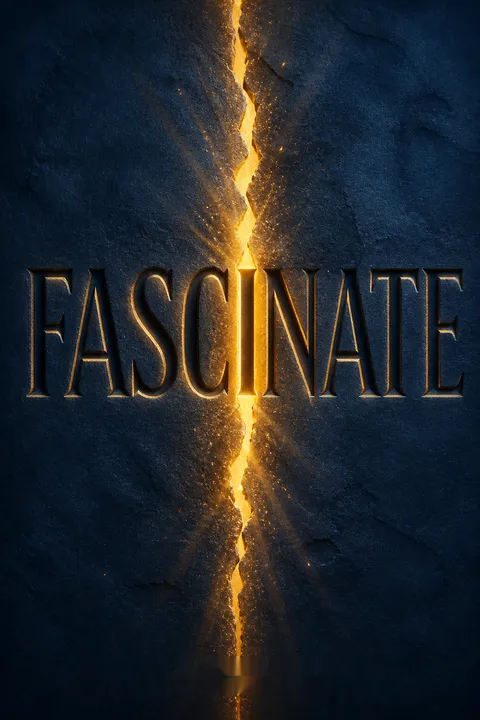


Key Takeaways
Make your message matter to a trigger, not merely visible in a crowd
Attention needs meaning. Fascination is unusually intense focus that can draw people away from competing demands. Hogshead argues that it is prompted by instinctive motives, not simply by better information or louder repetition. Her seven triggers are lust, sensory desire; mystique, curiosity about what is hidden; alarm, concern about consequences; prestige, social standing; power, control; vice, the pull of transgression; and trust, the comfort of reliability.
A crowded world changes the contest. The book opens with Galileo watching a cathedral chandelier swing, noticing a regular rhythm that others might overlook. The story illustrates absorbed attention, while the marketing argument is practical: in a world full of options, people must have a reason to keep attending. A message can use one trigger or combine several, but it must connect to something the audience already values.
The framework is useful because it asks what motive a message activates, rather than whether it is merely clear or memorable. That resembles cognitive accounts of salience: attention is preferentially allocated to stimuli that matter to current goals, threats, and rewards. Yet fascination is not a reliable lever that overrides every person's judgment. The same cue can attract one audience and repel another, and intense attention does not equal agreement, trust, or beneficial action. The triggers work best as hypotheses to test, not as universal laws of persuasion.
Design for anticipation and sensory pleasure, not utility alone
Desire begins before use. Lust, in the book's specialized sense, is fascination driven by anticipated sensory pleasure. It can be activated through taste, sight, sound, touch, scent, or a warm human interaction. The point is not to make everything sexual; it is to make the experience more inviting than a list of functional benefits can.
Godiva made chocolate an event. After its traditional boxed chocolates lost some of their specialness, the company introduced the Chocolixir, a blended drink prepared in its stores. Customers smelled the chocolate and watched ingredients being mixed before tasting it. The anticipation and performance made an ordinary purchase more immersive. The book also notes that desire can peak before satisfaction, so a hint of pleasure may invite people closer more effectively than immediately exhausting the experience.
This account connects persuasion to embodied cognition: decisions are shaped not only by propositions but by sensory cues, bodily states, and expectations. A product that feels pleasurable can become easier to approach and remember. The same principle applies to communication, where warmth in voice and attentive posture can change how an argument lands. The boundary is important. Sensory design can improve a genuinely useful experience, but it can also help sell harmful excess. Pleasure attracts attention; it does not establish that the product deserves it.
Leave a worthwhile question open, but never substitute mystery for substance
Curiosity pulls people forward. Mystique means fascination sustained by unanswered questions. The book's example is Jägermeister: rumors about its ingredients and a story portraying it as a rebellious cult drink helped make the liqueur intriguing, even to people who disliked its taste. A brand can also use stories, selective disclosure, and limited access to invite people to investigate.
The gap must be earned. Poker players study opponents' small involuntary signals, or tells, while hiding their own. The value of a clue rises with the stakes, but giving away every clue ends the puzzle. For a message, this means revealing enough to orient an audience while leaving a meaningful question unresolved. A story can do this better than a pile of facts because it gives the audience something to interpret and discuss.
Mystique has a close cousin in the information-gap account of curiosity: people become motivated when they recognize a gap between what they know and what they want to know. That helps explain why partial information can invite active searching. It also identifies the failure mode. If the gap feels arbitrary, misleading, or impossible to close, curiosity becomes irritation. Mystery earns attention only when the eventual answer is proportionate to the suspense. In professional communication, withholding context can create interest, but withholding material facts can destroy credibility.
Name the consequence people fear most, then give them a manageable deadline
Urgency needs a target. Alarm is fascination prompted by a perceived threat or cost of inaction. Advertising writer Luke Sullivan illustrated audience-specific urgency with a drunk-driving message aimed at teenagers. Rather than centering death, which young drivers might discount, it emphasized losing the license and needing a parent to drive them to prom. The consequence was socially immediate and legible to that audience.
Pressure has a ceiling. Deadlines can help people overcome delay, as tax deadlines and expiring offers demonstrate. The book also warns that excessive pressure can overwhelm decision-making and leave people unable to respond. Its Tap Project example channels concern about unsafe water into a simple restaurant donation: one dollar funds a child's clean water for forty days, according to the book. Effective alarm makes a next step feel urgent and possible, not hopeless.
The lesson is a practical application of loss aversion: potential losses often command more attention than equivalent gains. Sullivan's example also shows why a technically serious threat may fail if it does not match the audience's lived priorities. The ethical test is whether the threat is real, accurately represented, and paired with an achievable response. Manufactured scarcity may produce a quick decision, but it trains audiences to distrust future deadlines. Alarm is most constructive when it clarifies consequences rather than inflating them.
Make status meaningful, because scarcity without value breeds bubbles
Rank is socially defined. Prestige is fascination created by symbols of achievement and relative standing. In the Dutch tulip craze described in the book, a rare bulb could be traded for goods or land worth far more than its practical use. The tulip mattered because it signaled exclusivity and because buyers compared its value with other people's holdings.
Give the emblem substance. Brands can build prestige through visible symbols, limited availability, a new category standard, or accomplishments that must be earned. Grey Goose entered vodka with a deliberately high price and helped establish an ultra-premium tier. The House of Winston's diamond reputation, by contrast, depended on rarity and stories of careful selection. These cases show that prestige can raise perceived value, but status signals are vulnerable to imitation, overexposure, and speculative excess.
Prestige works as a coordination signal: a symbol helps a group recognize what it rewards, whether craftsmanship, accomplishment, wealth, or belonging. This makes the trigger useful even when the product's function is ordinary. But social value is not the same as intrinsic value. The tulip example is a vivid warning that comparison can detach price from utility and produce collective overconfidence. A durable status claim needs evidence behind the emblem, or a once-exclusive signal risks becoming a costly costume.
Control the setting to focus attention, but do not mistake obedience for leadership
Power shapes the situation. In the book, power is the capacity to direct behavior or control the environment. It can be forceful, as in a rigid authority structure, or supportive, as when training gives someone a path toward greater skill. A sushi chef who chooses the meal and expects diners to trust the expertise illustrates how a firm structure can become part of the experience.
Control changes the audience. The book's account of Landmark Education describes tightly managed surroundings and procedures that participants found powerful, while critics compared the methods to coercive influence. The practical lesson for a meeting is to plan the room, timing, and distractions instead of leaving them to chance. But strict control can lower resistance without improving the idea itself. Authority may secure compliance; trust, competence, and fair treatment determine whether that compliance is justified.
Environmental design matters because attention is partly shaped by context: interruptions, unclear procedures, and competing cues can fragment a group's focus. Deliberate structure can therefore make teaching or decision-making more effective. Yet the Landmark example marks a crucial distinction between facilitating attention and exploiting dependence. When people surrender small choices under pressure, they may become more compliant, not more persuaded by sound reasons. Legitimate leadership uses structure transparently, gives participants meaningful agency, and remains accountable for the outcome.
Rigidly forbidding a behavior can make it more alluring
Transgression attracts attention. Vice is the book's term for fascination with breaking rules or approaching something framed as forbidden. During Prohibition, drinking moved into underground clubs and became an act of defiance as well as consumption. The restriction did not eliminate demand; it helped create a new story around the behavior.
Prevention can backfire. Hogshead argues that strict, absolute warnings may provoke curiosity or resistance, especially when the audience distrusts the authority delivering them. The book uses the DARE drug-prevention program to illustrate this risk, citing evaluations that found little evidence of reduced drug use and describing how a zero-tolerance message could make drugs seem more intriguing. To discourage a harmful choice, explain consequences, answer questions openly, and give people some control rather than relying on prohibition alone.
This pattern fits psychological reactance, the tendency to resist when people feel their freedom is being removed. It is especially relevant when an authority says no without explanation or credibility. The book's argument should not be stretched into a rule that every restriction increases temptation: clear boundaries can protect people, and prevention programs differ in design and evidence. The sharper lesson is to examine the message's side effects. A campaign can unintentionally glamorize what it condemns if it makes the forbidden object vivid while leaving its reasoning thin.
Earn trust through predictable delivery, not repetition by itself
Familiarity lowers uncertainty. Trust is fascination built on expected reliability. The film It's a Wonderful Life initially struggled, then became a holiday fixture after its copyright protection lapsed and television stations repeatedly aired it. Repeated exposure helped turn the movie into a familiar ritual. In a study described in the book, children ages three to five rated identical chicken nuggets as tastier when presented in McDonald's packaging, showing how a familiar brand can shape expectations.
Consistency must be honest. Trusted companies deliver what people expect, whether that is a predictable service or a product that performs consistently. When Odwalla's unpasteurized juice was linked to a fatal E. coli outbreak, the company recalled products and developed a new treatment process. The book presents this as a way to repair damaged confidence through visible action. Repetition can also reinforce propaganda when conflicting information is suppressed, so familiarity alone is not proof of truth.
Trust reduces the cognitive cost of repeated decisions: a dependable option requires less rechecking than an unknown one. This is why consistency can create loyalty, and why a visible response to failure matters more than a polished apology. The distinction between trustworthy repetition and propaganda is essential. Repetition stabilizes expectations, but it cannot establish accuracy when information is controlled or contradicted. A sound trust strategy makes promises testable, admits deviations, and repairs the underlying experience instead of merely repeating reassuring language.
Measure what people repeat and do, then sharpen the message that earns it
Evaluate from the audience's side. Hogshead's Gold Hallmarks describe signs of a fascinating message: strong reactions, advocates, cultural shorthand, conversation, competitors forced to respond, and wider social change. Her F Score is an assessment intended to estimate how strongly a person, product, or idea attracts attention. It is not a measure of likability or respect.
Build from real strengths. The Fascination Plan of Attack has three stages: evaluate the current message, develop distinctive elements, and execute and measure. The book calls these elements fascination badges, such as a company's purpose, history, products, actions, or culture. It recommends finding an outlier rather than making every feature louder. Esperanto, a deliberately simple international language, had practical appeal but never achieved broad adoption, illustrating that usefulness alone does not guarantee a message will spread.
This process usefully shifts measurement from what a sender broadcasts to what audiences do: talk, share, return, or act. Those behaviors offer stronger evidence of involvement than raw exposure, though they still do not prove long-term value. The F Score and hallmarks are best treated as diagnostic tools, not validated universal scales. A practical test pairs attention metrics with outcomes such as comprehension, repeat use, and customer benefit. Otherwise, a team may optimize for controversy or chatter while neglecting whether the message helps anyone.
Analysis
Fascinate is best understood as a strategic vocabulary for designing attention, not as a complete scientific theory of persuasion. Its strength is practical compression. Seven named motives give a team a way to diagnose why an audience might approach, avoid, remember, or repeat a message. The examples make those motives tangible: a sensual store experience, a deadline tied to a personally salient loss, an exclusive symbol, or a reliable ritual. The three-stage plan then turns diagnosis into experimentation rather than leaving the reader with inspiration alone.
The framework's main intellectual risk is category confidence. Lust, mystique, alarm, prestige, power, vice, and trust are not cleanly independent. A limited-edition product may invoke prestige, curiosity, desire, and fear of missing out at once. Nor does the book establish that the seven triggers exhaust the motives behind behavior. They are a useful creative taxonomy, but the account sometimes treats illustrative stories as stronger causal proof than they can bear. The Kelton study's 1,059 respondents provide a snapshot of reported attitudes, not proof that a particular trigger causes sales or durable loyalty. Some media and attention-span claims also belong to the book's 2010 context and should not be treated as current measurements.
The ethical distinction is central. Fascination can help a worthwhile idea survive competition, but the same mechanisms can intensify manipulation, coercion, propaganda, or impulsive consumption. The book's examples themselves show that attention has no moral direction: powerful messages can be beneficial, harmful, or merely profitable. A responsible practitioner therefore asks two questions, not one: what will capture attention, and what happens to the audience because it did? The strongest application combines memorable communication with truthful claims, real value, and a reliable experience. In that sense, fascination is an entry point to persuasion, not a substitute for substance or consent.
Review Summary
Fascinate received mixed reviews, with an average rating of 3.78 out of 5. Some readers found the book insightful and valuable for marketing and branding, praising its exploration of the seven triggers of fascination. However, others criticized it for lacking scientific rigor, being repetitive, and overly simplifying complex concepts. Many felt the book didn't deliver on its promise to be truly fascinating. While some appreciated the practical marketing advice, others found it superficial and gimmicky. The book's applicability seemed to vary depending on the reader's professional background and expectations.
People Also Read





Glossary
Fascination
Intense, absorbing attentionThe book uses fascination to mean a state of unusually concentrated physical, emotional, and intellectual attention. It can cause someone to focus on a person, product, or message while other things recede. Fascination is not inherently beneficial or ethical, and it differs from ordinary interest because it can strongly influence what people notice, remember, and do.
Lust
Anticipated sensory pleasureOne of the seven triggers. Lust draws people toward an anticipated pleasurable experience involving the senses, such as taste, sound, touch, sight, or scent. In the book's framework, it is broader than sexual desire: design, food, voice, and welcoming interaction can all make an experience feel more inviting or craveable.
Mystique
Curiosity about what is hiddenOne of the seven triggers. Mystique sustains attention through unanswered questions and incomplete information. A message may use suspense, stories, selective disclosure, or restricted access to encourage people to seek more. The approach depends on preserving genuine curiosity without misleading the audience or withholding information it needs.
Alarm
Urgency from threatened consequencesOne of the seven triggers. Alarm focuses attention on a possible negative consequence and encourages a timely response. It can be used through clear stakes, deadlines, or a risk that matters to a particular audience. The book cautions that excessive pressure can overwhelm people rather than help them act.
Prestige
Status signaled through achievementOne of the seven triggers. Prestige is created by symbols, experiences, or accomplishments that communicate rank and respect within a group. Scarcity, standards of excellence, recognizable emblems, and earned distinctions can raise perceived value. Prestige is relative: its meaning depends on what a particular community admires.
Power
Influence through controlOne of the seven triggers. Power attracts attention through the capacity to direct behavior, make decisions, or shape an environment. It can appear as expertise, authority, rules, rewards, or control of a setting. The framework treats power as capable of motivating achievement, but also of intimidating or coercing people.
Vice
Temptation to break normsOne of the seven triggers. Vice draws people toward behavior framed as forbidden, unconventional, or outside ordinary rules. It can create curiosity and rebellion, particularly when restrictions seem arbitrary or untrustworthy. In communication, the trigger can make a conventional message feel daring, but it can also backfire by glamorizing harmful behavior.
Trust
Confidence in reliable patternsOne of the seven triggers. Trust makes an option attractive through familiarity, consistency, and the expectation that promises will be kept. It can grow through repeated experience and predictable delivery, and can be damaged by contradictions between claims and actions. Familiarity alone is not evidence that a message is true or beneficial.
Gold Hallmarks of a Fascinating Message
Six signs of audience impactA set of six indicators used to assess whether a message has become unusually compelling: it provokes strong reactions, creates advocates, represents recognizable values, sparks conversation, forces competitors to respond, or contributes to social change. The hallmarks measure audience impact rather than the creator's own claims about the message.
F Score
Estimated fascination strengthThe book's assessment tool for estimating the attraction generated by a person, brand, product, or message. It is meant to reveal patterns in how someone influences others, not to rank moral worth, likability, or respect. The author presents it as an indicator rather than a definitive or universal measure.
fascination badges
Distinctive identity signalsThe book's name for aspects of a person or brand that can communicate what it represents. Potential badges include purpose, core beliefs, heritage, products, benefits, actions, and culture. The planning process identifies these elements, then looks for distinctive versions that can express a chosen trigger and give audiences something memorable to associate with the message.
Fascination Plan of Attack
Three-stage message development processA practical process for applying the book's framework to a specific brand or message. It has three stages: evaluate how the audience currently responds, develop more distinctive ways to activate triggers, and execute while measuring results. The plan emphasizes audience behavior and contextual fit rather than assuming that one formula works for every organization.
FAQ
What's Fascinate: Your 7 Triggers to Persuasion and Captivation about?
- Concept of Fascination: The book explores how fascination can be harnessed to influence and captivate others, introducing seven specific triggers that enhance a message's appeal.
- Understanding Human Behavior: It delves into the psychology behind fascination, explaining its impact on decision-making and behavior.
- Practical Applications: Sally Hogshead provides actionable insights and strategies for applying these triggers in personal branding, marketing, and interpersonal relationships.
Why should I read Fascinate by Sally Hogshead?
- Enhance Persuasion Skills: The book helps you master persuasion by understanding what captivates people’s attention, valuable in marketing, sales, and communication.
- Unlock Your Potential: It encourages discovering and leveraging your fascinating qualities to become more memorable and influential.
- Stay Relevant: In a fast-paced world, the insights help you stand out and make a lasting impression.
What are the key takeaways of Fascinate?
- Seven Fascination Triggers: The book outlines Lust, Mystique, Alarm, Prestige, Power, Vice, and Trust as key triggers for captivating an audience.
- Fascination vs. Attention: Fascination creates a deeper emotional connection than mere attention, driving action.
- Practical Framework: Provides a framework for evaluating and enhancing messages and personal brands using the Gold Hallmarks of a fascinating message.
What are the seven triggers of fascination in Fascinate?
- Lust: Creates craving for sensory pleasure, enhancing marketing messages by tapping into emotional responses.
- Mystique: Intrigues with unanswered questions, sparking curiosity and encouraging information-seeking.
- Alarm: Motivates action through the threat of negative consequences, creating urgency.
- Prestige: Appeals to the desire for status, enhancing perceived value.
- Power: Commands attention and control, influencing perceptions of authority.
- Vice: Tempts with the allure of the unconventional, drawing people in.
- Trust: Comforts with reliability and authenticity, fostering loyalty and connection.
How can I apply the concepts from Fascinate to my personal brand?
- Identify Your Triggers: Assess which of the seven triggers resonate most with your personality and brand.
- Create Fascinating Messages: Use the Gold Hallmarks to evaluate your communication, ensuring it provokes strong reactions and incites conversation.
- Leverage Social Media: Showcase your unique qualities and engage with your audience using fascination triggers to capture attention.
What is the F Score mentioned in Fascinate?
- Measuring Fascination: The F Score evaluates the level of fascination generated by a person, brand, or message.
- Understanding Your Impact: It provides insights into how you are perceived and how effectively you influence behavior.
- Benchmarking Against Others: Allows comparison with peers, motivating personal development and strategic adjustments.
How does Fascinate address the role of media in persuasion?
- Changing Landscape: Discusses how digital media has transformed communication and the need for new persuasion methods.
- Fascination Economy: Introduces the concept where brands must earn attention rather than simply capture it.
- Strategies for Engagement: Provides strategies for creating captivating content that resonates with audiences.
What is the significance of trust in Fascinate?
- Foundation of Relationships: Trust fosters loyalty and long-term connections, essential for credibility.
- Authenticity Matters: Emphasizes being genuine and transparent to enhance connection.
- Trust as a Competitive Advantage: Prioritizing trust in messaging can set a brand apart in a crowded market.
How can I measure the effectiveness of my messages using Fascinate principles?
- Evaluate Against Gold Hallmarks: Assess if your messages provoke reactions, create advocates, and incite conversation.
- Gather Feedback: Solicit audience feedback to understand message perception and resonance.
- Adjust and Refine: Continuously refine your approach based on evaluations and feedback to enhance fascination.
What are the best quotes from Fascinate and what do they mean?
- “Fascination is born of a natural instinct to influence the behavior of others.” Highlights the innate desire to captivate and persuade.
- “You don’t control fascination. Fascination controls you.” Emphasizes fascination's power in shaping decisions and behaviors.
- “The more distracted an environment, the more essential fascination becomes.” Underscores the need for captivating communication in a world filled with distractions.
How can I create advocates for my message as suggested in Fascinate?
- Engage Your Audience: Foster connections by creating opportunities for interaction with your brand.
- Empower Advocates: Provide tools for supporters to share their experiences and promote your message.
- Reward Participation: Recognize and reward advocates, reinforcing their connection and encouraging further engagement.
What exercises does Fascinate include for developing fascination?
- Badge Brainstorming: Identify and refine "fascination badges" across categories like purpose and heritage.
- Bell Curve Evaluation: Plot badges on a bell curve to identify extraordinary ones and those needing enhancement.
- What If Scenarios: Explore "What if" questions to push idea boundaries and discover new possibilities.
About the Author


Download PDF
Download EPUB
.epub digital book format is ideal for reading ebooks on phones, tablets, and e-readers.








