Key Takeaways
1. It's Not Your Fault: Blame the Environment, Not Yourself
If you’re struggling with excess weight, it’s because you’re different.
Societal shift. The dramatic rise in obesity since the 1980s isn't due to a sudden decline in willpower or an increase in laziness. Human biology hasn't changed in hundreds of thousands of years; what has changed is our environment. We are constantly surrounded by tempting, calorie-rich foods and live increasingly sedentary lives, a stark contrast to previous generations or hunter-gatherer societies.
Environmental triggers. Modern life exposes us to numerous factors that promote weight gain, including:
- Abundant, delicious, calorie-rich foods
- Work requiring minimal physical activity
- Disrupted and irregular sleep routines
- Increased stress levels
- Eating outside traditional mealtimes
Individual differences. While the environment is a major culprit, individual variations in genes and past experiences also play a role. These factors can influence cravings, how our bodies respond to food, and our susceptibility to unhealthy eating behaviors. Understanding these external and internal influences is the first step to a no-blame approach to weight loss.
2. Diets Fail Because They Ignore Your Body's Signals
For the vast majority of people, the core problem has little to do with willpower and exercise and everything to do with the way their bodies are currently working.
Unsustainable hunger. Conventional diets often fail because they rely on willpower and hunger suppression, which are not sustainable long-term. Our bodies have an ancient, powerful hunger alarm system, triggered when it perceives a lack of fuel. Ignoring this fundamental signal is unrealistic and ultimately leads to rebound weight gain.
Malfunctioning signals. For many struggling with excess weight, this internal signaling system is malfunctioning. The "flashing light" of hunger goes off even when the body has sufficient fat stores. This is often due to "leptin resistance," where the brain becomes "deaf" to leptin, a hormone signaling fullness.
- Leptin resistance is a key cause of excess weight gain.
- It's not a moral failing, but a biological malfunction.
The "weight point." Your brain has an "ideal weight" setting, or "weight point." If you lose weight below this point, your body makes powerful adjustments to increase hunger and fat storage, trying to return to its perceived ideal. Past restrictive diets can even raise this weight point, making sustained weight loss harder as your body fights to "save your life" from perceived famine.
3. Prioritize Real, Minimally Processed Foods
Eat (more) real food.
Quality over quantity. What you eat is as important, if not more important, than how much you eat, because food quality directly influences hunger and fat-storage signals. "Real food" is minimally processed, close to its natural state, and easily recognizable. This simple habit offers three key benefits:
- Reduced hunger
- Automatic weight management
- Less temptation for "blissy foods"
"Blissy foods" hijack the brain. Food manufacturers engineer "blissy foods" (e.g., chocolate bars, chips) with specific combinations of carbs, sugar, fat, and salt to trigger dopamine release in the brain, creating intense feelings of reward and powerful cravings. This "bliss point" makes these foods irresistible and reinforces unhealthy eating patterns.
- Dopamine spikes reinforce cravings for high-calorie foods.
- These ancient signals, once vital for survival, now work against us in an abundant environment.
Repairing leptin resistance. Highly processed foods, especially those with refined carbohydrates and oils, cause inflammation and insulin spikes, interfering with leptin's ability to signal fullness. Eating real, one-ingredient foods helps repair this "leptin resistance," allowing your body to recognize when it's truly full and reset its signals for sustainable weight loss.
4. Master Your Hunger Signals by Eating Protein and Vegetables First
Eating salads and vegetables before tucking into more calorific foods is such an easy hack and can nudge us into eating more of what’s beneficial and less of what’s not.
Dinner for breakfast. The first meal of the day significantly impacts mood, concentration, and subsequent food choices. Experiment with "dinner foods" for breakfast, like an omelette with vegetables, to stabilize blood sugar and reduce cravings throughout the day. This can break the cycle of sugary highs and crashes.
Power up with protein. Protein is crucial for fat loss due to three main reasons:
- Satiating: Helps you feel full sooner than fats or carbs.
- Energy expenditure: Requires more energy to digest.
- Muscle mass: Helps maintain muscle, which lowers your weight point.
Aim for one to two palm-sized portions of protein with each meal, choosing sources like lean meats, fish, eggs, pulses, and nuts (in moderation due to calorie density).
Greens go first. Starting meals with a generous serving of non-starchy vegetables or salad helps fill you up with fiber and volume without excessive calories. This also encourages slower eating, allowing your body's fullness signals to register more effectively. Drinking a large glass of water 30 minutes before meals can also reduce hunger, as thirst is often mistaken for hunger.
5. Address Emotional Eating: Connect with People, Not Food
When a person can’t find a deep sense of meaning, they distract themselves with pleasure.
Food as comfort. Many people eat not out of physical hunger, but for emotional satisfaction, using food to cope with sadness, stress, loneliness, or a lack of control. This "emotional eating" provides a temporary "chemical hug" but doesn't address the underlying emotional void.
- Loneliness: Food replaces meaningful human connection.
- Stress: Eating becomes a coping mechanism, reinforcing a reward cycle.
- Lack of control: Food offers a sense of agency in an otherwise overwhelming life.
The Freedom Exercise. To break this cycle, identify the emotional trigger behind cravings (FEEL), understand how food "feeds" that feeling (FEED), and then find alternative, non-food ways to deal with the emotion (FIND). This could involve:
- Intense physical activity (jumping jacks, dancing)
- Relaxing activities (meditation, breathing techniques)
- Journaling or connecting with friends
- Taking a nap or a bath
Self-compassion. It's vital to approach this journey with kindness, not self-blame. Negative self-talk ("I am fat," "I'm useless") can sabotage efforts by linking self-worth to weight. Instead, practice positive self-talk and recognize that your weight is a symptom, not your identity.
6. Prioritize Sleep to Regulate Hunger and Stress Hormones
Sleep deprivation makes weight gain much more likely.
Sleep's profound impact. Poor sleep is a major saboteur of weight loss, affecting hunger, cravings, stress, and fat storage. It's often the first area to address for sustainable results.
- Hormonal imbalance: Five hours of sleep can plummet fullness hormones by 18% and soar hunger hormones by 28%, leading to 22% more calorie intake.
- Cravings: Increases desire for "blissy" high-calorie foods.
- Fat burning: Decreases the body's ability to burn fat.
- Stress: Elevates stress hormones, increasing fat storage.
Caffeine and alcohol. Caffeine, especially after lunch, can disrupt sleep due to its long half-life. Alcohol, while seemingly sedating, significantly worsens sleep quality, exacerbating next-day hunger and mood issues. Reducing or eliminating these can dramatically improve sleep.
Brighten days, darken nights. Our bodies thrive on natural light cycles. Early morning light exposure (even on overcast days) is linked to lower weight and better sleep. Conversely, artificial light from screens in the evening suppresses melatonin, the sleep hormone, and can increase leptin resistance. Establish a relaxing bedtime routine, switching off devices 60 minutes before bed, to signal to your body it's time to wind down.
7. Move to Feel Alive, Not Just to Burn Calories
I don’t want you to move to burn more calories or to earn yourself a chocolate bar. I want you to move to feel good about yourself: to feel strong, to feel powerful, and to send your body the signal that you’re alive and that you’re worth it.
Beyond calories in/out. While technically true, the "calories in/calories out" model is unhelpful for sustainable weight loss because it ignores the body's complex signaling systems. Your body actively adjusts energy expenditure (e.g., through NEAT – non-exercise activity thermogenesis) to maintain its "weight point."
Heavy exercise can backfire. Intense, prolonged exercise can be perceived by the body as stress, releasing cortisol and signaling the body to store fat. It can also increase hunger and lead to compensatory behaviors like reduced fidgeting. Instead, focus on consistent, enjoyable movement that makes you feel good.
Strength and walking. Prioritize daily strength training (even 5 minutes) to build muscle mass, which boosts metabolism and improves insulin sensitivity. Make walking your default, aiming for 10,000 steps or 45 minutes daily. These small, consistent movements signal to your body that you're an active, thriving human, helping to lower your weight point and build self-esteem.
8. Optimize Eating Times: Eat Earlier and Limit Your Eating Window
Eating most of our food earlier in the day rather than later seems to be better for our waistlines and our overall health.
Body's daily rhythms. Our bodies process food differently throughout the day. Eating the majority of your calories earlier, ideally before 3 p.m., aligns with these rhythms, leading to more effective fat burning and less fat storage. This can also reduce evening cravings and overeating.
Limit snacking. Frequent eating, especially of processed snacks, keeps insulin levels consistently high, preventing the body from tapping into its fat stores. Reducing snacking allows your body a break from food, encouraging it to burn existing fat. If you must snack, choose wholefood options.
Time-restricted eating. Consolidating your meals into a limited eating window (e.g., 10-12 hours) can significantly aid weight loss, even if total calories remain the same. This strategy helps reset hunger signals, improves sleep, stabilizes blood sugar, and boosts fat burning.
- Aim for at least 12 hours without food daily.
- Benefits include reduced hunger, improved sleep, and better digestion.
- Experiment to find a sustainable window that fits your lifestyle.
9. Eat Mindfully: Pay Attention to Every Bite
If you make time for your food, and don’t treat it as a chore that you have to deal with while multitasking the rest of your life, you’ll feel satisfied with less, for longer.
The French paradox. The French, despite eating rich foods, tend to be slimmer than Americans, largely due to how they eat. They prioritize meals as a relaxed, social event, putting their bodies in a "rest-and-digest" state. In contrast, eating while distracted (e.g., at a desk, watching TV) makes it harder to hear fullness signals, leading to overeating.
Mindful eating practices. To eat mindfully and tune into your body's signals:
- Eat with others, not devices: Turn off screens and eat at a table.
- Chew each mouthful 10-20 times: Enhances flavor and slows consumption.
- Put cutlery down between bites: Encourages a measured pace.
- Eat "chewable" wholefoods: Naturally slows you down.
- Practice "hara hachi bu": Eat until 80% full, not stuffed.
Transition times. Create a "high-performance strategy" for eating by taking a few moments to prepare your body for food. This could involve a minute of breathing exercises, a short walk, or simply lighting a candle, signaling to your body that it's time to switch into rest-and-digest mode.
10. Design Your Environment for Effortless Healthy Choices
Most of the decisions we make every day are a consequence of the environment we happen to be in.
Environment trumps willpower. Our surroundings powerfully influence our behavior. Modern environments are often "blizzards of fat," making unhealthy choices easy and healthy ones difficult. To succeed, you must consciously design your home and work environments to support your goals.
Resist temptation. Make unhealthy foods inconvenient or absent:
- Don't keep "blissy foods" (ice cream, sweets, chips) in the house.
- Remove sugary drinks.
- Store tempting items in hard-to-reach places (e.g., garden shed).
- Put leftovers away before you start eating.
Set up for success. Nudge yourself towards healthy habits:
- Keep a visible water bottle or jug.
- Store vegetables at eye level in the fridge.
- Place a kettlebell or dumbbell in the kitchen for visual prompts.
- Use smaller plates to encourage smaller portions.
- Plan meals ahead to avoid impulsive, unhealthy choices.
11. Build a Supportive Tribe and Advocate for Change
If you have healthy people in your life, you’re much more likely to be healthier yourself.
Social networks matter. Your social circle significantly impacts your health and weight. If friends or colleagues pressure you into unhealthy eating, it can sabotage your efforts. Conversely, being surrounded by healthy, supportive individuals makes your journey easier.
- A friend becoming obese increases your own likelihood by 45%.
- This influence extends even to friends of friends.
Find your tribe. Actively seek out and cultivate relationships with people who support your health goals. This could involve:
- Connecting with active friends or colleagues for meals or activities.
- Joining local classes (yoga, martial arts) to meet like-minded people.
- Engaging with supportive online communities.
Advocate for change. Beyond personal choices, advocate for healthier environments in schools and workplaces. Challenge the availability of junk food and demand policies that make healthy choices the easy choice. Your actions can inspire a "food revolution" that benefits everyone, creating a world where good health is the default.
Last updated:
Review Summary
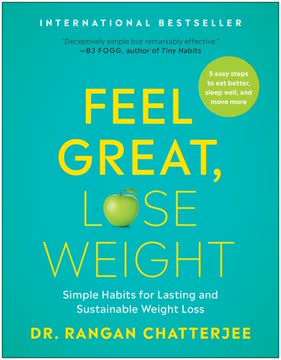
Feel Great, Lose Weight by Dr. Rangan Chatterjee receives generally positive reviews (4.3/5 stars), with readers appreciating its holistic, compassionate approach to healthy lifestyle changes rather than strict dieting. Many praise the practical, achievable tips covering sleep, movement, stress, and nutrition. Reviewers note the advice isn't groundbreaking but is presented accessibly with beautiful visuals. Common criticisms include: lack of awareness about eating disorders, reliance on anecdotal evidence over studies, some outdated diet advice (like drinking water before eating), and repetition of basic information. Several readers successfully lost weight using the book's principles.