


Plot Summary
Banks Wins the Dojo
Kai Mori1 returns to his parents’ Thunder Bay home on the winter solstice and finds his daughter Jett12 baking with her grandmother. In the dojo, his wife Banks2 is sparring with Kai’s father,1 who teaches her to widen her attention instead of fixating on a single target. Banks2 steadies her breathing, reads his movements, and pushes him hard enough that he has to stop her wrists.
His quiet approval moves her to tears. Kai1 understands why: she grew up without the dependable parents he took for granted, while his own criminal past brought shame and pain to the family that raised him. When he holds Banks2 and Jett12 close, the holiday’s promise of safety feels precious, not guaranteed.
The dojo lesson gives the novella its practical image of attention: survival depends on seeing the whole room, not staring at one threat. Kai admires Banks’s skill, but her tears expose what the training cannot repair. Respect from a steady father reaches her as something almost unfamiliar. Kai’s comfort is complicated by gratitude and guilt; his parents offered the stability he once endangered, while Banks had to build belonging later in life. Their family’s warmth is therefore not a simple contrast to danger. It is something they actively practice, through teaching, touch, and the care Kai notices in his mother and daughter.
Firelight Across Thunder Bay
Kai,1 Banks,2 Madden,4 and Jett12 walk through the snowy town toward St. Killian’s, where the solstice celebration replaces electric lights with candles and lanterns. At the house, Kai1 catches five-year-old Octavia5 when she slips from an upper railing while playing pirate.
He warns her that caution protects the people who love her, but her father, Damon,3 argues that children should trust their own instincts rather than submit to rules. Their disagreement has history behind it: both men know that a good upbringing does not guarantee a safe or blameless life.
Kai1 and Damon3 can antagonize each other while still trusting each other with their families. Inside, guests arrive beneath the candlelight, and the party’s playful freedom begins to sit beside Kai’s1 unease about lax security.
Octavia’s near fall turns a familiar family quarrel into an argument about how adults prepare children for risk. Kai treats caution as care made concrete; Damon resists the idea that safety should become obedience, partly because rules did not protect him from his own past. Neither position is merely foolish, and the men’s friendship survives because each recognizes the other’s protective intent. The gathering’s open doors sharpen the disagreement: their private world feels secure enough to celebrate, yet its growing wealth and visibility have made it more exposed. The novella plants danger inside domestic abundance rather than bringing it from some distant, unfamiliar place.
The Heirloom Beneath the Mask
As the guests begin the solstice rituals, children write wishes on basil leaves and burn them beneath the great chandelier. Madden4 keeps his leaf instead, while Octavia5 lights hers. Kai’s1 teenage martial-arts student Soraya16 approaches in a revealing costume and makes her crush unmistakable.
Banks2 watches, furious, and Kai1 steers Soraya16 toward visiting the dojo when Banks2 will be there. He follows his wife2 upstairs, where her jealousy gives way to an intimate reconciliation.
Kai1 then presents her with a silver comb passed down through the women in his family, a gift his mother wanted Banks2 to have. Banks2 wears it in her hair and accepts the heirloom as evidence that she belongs in a family with a history of its own. Soon, most children leave for the theater lock-in; Madden4 and Octavia5 remain behind.
The party’s rituals make inheritance visible in two forms. Children burn wishes toward an imagined future, while Kai gives Banks an object that carries his family’s past into her hands. Madden’s saved leaf quietly resists the ceremony’s expected ending, a small act that will matter later. Soraya’s flirtation briefly activates Banks’s fear of being replaceable, but Kai answers with action rather than a grand declaration: he redirects the student and shares a family possession. The scene’s emotional center is not jealousy itself. It is Banks’s uncertainty about whether love can be lost, and Kai’s effort to make belonging tangible without treating her fear as a flaw.
The Phantom Rides In
After the children leave for the theater, a masked rider on a black horse enters the ballroom and gives the guests a riddle about a phantom watching from box five. The promised prize is a million-dollar trust, so adults and young people hurry out to search for the answer. Octavia5 has to stay behind because her family is hosting the hunt.
Damon,3 anticipating her disappointment, gives her a hand-drawn map pointing to a separate treasure somewhere above the ballroom. He knows she will want Madden4 beside her, and allows her to fetch her quiet cousin4 from his hiding place. While the guests chase the public prize, the children begin their own search inside St. Killian’s, unaware that two men are already moving through the same house.
The horse and riddle turn Fire Night into a staged adventure, but the scene also reveals how the adults use ceremony to make childhood feel expansive. Damon does not simply tell Octavia she cannot join the public hunt. He gives her a different puzzle, preserving her sense of agency while holding a boundary. His map also recognizes Madden’s value to her: Octavia supplies momentum, while Madden notices what others overlook. The parallel hunts create an innocent frame for the coming abduction. A house full of clues, costumes, and masked guests is thrilling until strangers can hide inside its spectacle.
Damon Opens the Old Wound
Damon3 notices his estranged birth mother, Christiane,11 leave the ballroom and follows her into a quiet room. She tells him that childhood gifts she gave to his children were once intended for him, and explains how abuse, addiction, and despair left her unable to protect him or his sister Rika.8
Damon3 has spent years holding her responsible, but he sees that her remorse is real and invites her to dance instead of letting her slip away. The admission unsettles his own confidence as a father. He leaves Christiane11 and seeks his wife, Winter,7 confessing that he fears he is raising their children badly. Winter7 reminds him that their children are happy and loving, and he lets the reassurance reach him.
Christiane’s confession does not erase the harm Damon endured, and the scene avoids making forgiveness a simple reward for remorse. What changes is Damon’s ability to hold two truths at once: she failed him, and she was also a frightened, damaged person with little power. Their dance gives that knowledge a bodily form, allowing closeness without pretending the past has vanished. The encounter then turns Damon’s judgment inward. He fears repeating the failures of his parents, but Winter redirects him from idealized comparisons with other families to the evidence of his own children’s care. His relief comes from relationship, not certainty.
A Body in the Hall
Elsewhere in St. Killian’s, Will9 dances with his wife, Emory,10 and they speak privately about Reverie Cross, whose death remains an unresolved shadow over the family’s history. Then Emory10 finds a young man lying dead in an upstairs hall. The children’s caregiver reports that Madden4 and Octavia5 are missing, and the adults stop the celebration to search the house.
Kai1 and Damon3 find no trace of them, so Rika8 uses the town’s exterior cameras to rewind the evening. The footage shows Madden4 and Octavia5 running through a kitchen exit before two men force them into an SUV. Banks2 recognizes Ilia Oblensky,15 an old enemy connected to her past; Michael6 identifies Taylor Dinescu,14 the man who once brutalized Emory.10
The murder and disappearance transform the party’s atmosphere without requiring a change of setting. The same corridors that held costumes, music, and family games now become evidence of a breach. The security footage matters because it converts panic into a sequence of actions: two children left through one door, two men waited outside, and familiar enemies have returned. The adults’ wealth and local influence have built a town they can monitor, but not a house they can make invulnerable. Will and Emory’s brief discussion of Reverie’s unresolved story also keeps another kind of threat alive, one rooted in memory rather than the immediate crisis.
Taylor Names the Marina
Kai,1 Banks,2 Michael,6 Damon,3 and their friends race through the snow, using camera feeds to track the kidnappers. Near Old Pointe, they find the SUV wrecked in a ditch and Taylor14 badly injured inside. Emory10 disarms him when he raises a gun, and Kai1 forces him to reveal that the children were taken to the marina.
The group drives there, where an old dockworker reports that a speedboat recently left for Kai’s1 yacht, Pithom, which is offshore despite the worsening storm. Michael’s6 pregnant wife, Rika,8 stays behind to coordinate calls, but he turns back and brings her aboard rather than leaving her alone. Kai1 drives the boat into the dark water, following the yacht’s faint lights as snow and waves erase their view.
The search becomes a test of how far these families will go when their resources and instincts collide. Taylor’s wreck provides a clue, but not safety: the children have already been moved beyond the road, onto water in worsening weather. Michael’s decision to retrieve Rika is both impulsive and intimate. He cannot accept protection as separation, even when her pregnancy gives him a reason to leave her behind. Their choice to pursue the yacht also exposes the cost of their history. The old enemies know their property and routines well enough to turn a family asset into a route of escape.
Mads Holds Octavia
The searchers spot Madden4 alone in a small boat, holding Octavia5 close against the freezing wind. Octavia5 is cold but conscious, and Madden4 has blood on his face and clothes that he says is not his. Ilia15 lies slumped nearby with punctured lungs. The children are alive, but the adults can see that Madden4 fought the kidnappers and may have killed one of them.
Kai1 studies his son for fear or injury and receives little explanation; Madden4 is focused on Octavia’s5 comfort. Damon3 carries his daughter back to the family boat, while Kai1 brings the wounded Ilia15 toward shore for medical care. The rescue ends the immediate chase, but leaves Kai1 wondering what his son had to do to bring them home.
Madden’s stillness unsettles the adults because it does not match their expected picture of a rescued child. He neither collapses nor seeks reassurance; he attends to Octavia, whose vulnerability gives him a task he understands. His calm can be read as competence, shock, or a different way of processing events, and the novella refuses to settle the question for Kai. Octavia’s dependence on him is equally important: the adventurous child is frightened and cold, yet she remains close to her cousin. The rescue restores the family physically while opening a harder question about what protection costs a child who has learned to act alone.
The Party Outlasts Fear
Back on shore, Michael6 sees Kai1 blaming himself for the possibility that Madden4 killed an abductor. He argues that the boy was protecting Octavia5 and refuses to let the adults treat his survival as wrongdoing. The families return to St. Killian’s, collect the other children, and finish the night’s obligations: Tucker Adams and Amanda Leigh receive the treasure-hunt trust, and the children gather around the tree to open presents.
Octavia5 quickly returns to coloring beside Madden,4 who keeps his thoughts to himself. Kai1 and Banks2 watch the children together and decide that their family will not shrink from the life they have built. The candles stay lit, though the adults know the celebration cannot make them safe from every old enemy.
The return to ritual is not a denial of the violence that interrupted it. Michael’s defense of Madden prevents adult fear from becoming a verdict on a child who acted under threat. The trust presentation and gift opening restore the party’s public and domestic promises, but the family’s confidence is now chosen with clearer knowledge of its costs. Kai’s decision not to retreat answers the night’s central challenge: danger does not automatically invalidate the life they have made. At the same time, Madden’s silence keeps the ending emotionally unsettled. The adults can declare solidarity, but they cannot fully know what the boy experienced or how he understands it.
Epilogue
After the guests leave, Madden4 hides in the bathroom to quiet himself, then finds Octavia5 asleep in his bed. Damon3 privately acknowledges that Madden4 protected her and tells him he may do so again if danger returns. Madden4 has no regret about the violence, though he conceals what happened from his parents.
He had kept his basil wish leaf instead of burning it, and now eats it before settling beside Octavia.5 A key and a cryptic note appear at the window. Madden4 recognizes the key’s religious ornament as a clue, wakes no one, and decides that he and Octavia5 will investigate together.
The final pages move the story’s center from the adults’ fear to Madden’s private logic. He calms himself through repetition and solitude, habits that make sense to him but alarm his parents because they cannot read them. Damon’s quiet approval gives him one adult who will not demand a performance of remorse or distress. The basil leaf links the ending to the party’s ritual: Madden did not release his wish into the air, and its survival makes his secret agency visible. The key then opens a new mystery rather than resolving the old one. Octavia’s imagined adventures may become a form of connection Madden is willing to pursue.
Analysis
Fire Night begins as a portrait of a family that believes it has learned how to live with danger. Kai1 watches Banks2 gain his father’s respect, Damon3 tries to give Octavia5 freedom without making her reckless, and the adults turn old pain into rituals their children can inherit. The kidnapping exposes the weakness in that confidence. Their wealth, weapons, camera network, and history of violence cannot keep danger outside the house; those same resources and histories have helped make them visible to enemies.
The novella is especially interested in parenting as an imperfect inheritance. Kai1 and Damon3 both fear repeating their parents’ failures, though they respond differently: Kai1 reaches for rules and preparation, while Damon3 protects imaginative freedom. Christiane’s11 account complicates Damon’s3 judgment without making his childhood harm disappear. Winter’s7 reassurance offers another model of parental competence: not flawless control, but attention to whether children are loved and flourishing.
Madden4 becomes the sharpest test of the adults’ assumptions. His quietness makes it easy for others to confuse difference with helplessness, yet he notices, decides, and acts under pressure. His parents want to know what happened inside him, while Damon3 and Michael6 recognize that demanding a familiar emotional response could become another kind of coercion. The ending preserves that tension rather than explaining him away. Madden’s4 private wish and the mysterious key suggest that his inner world contains more than the adults can see.
The final image of the family returning to presents and candlelight is neither a clean restoration nor a promise of safety. It is a decision to keep making a life together after learning again that the past can enter through an unlocked door. The novel’s warmth comes not from the absence of threat, but from the family’s refusal to let threat dictate every form their future may take.
Review Summary
Fire Night is a holiday novella in the Devil's Night series, featuring the main characters as parents. Readers appreciated the festive atmosphere, character development, and suspenseful plot. Many enjoyed seeing the couples' family dynamics and were intrigued by the potential for a second-generation spin-off, particularly focusing on Madden Mori. While some criticized certain plot elements and character behaviors, overall fans found it a satisfying addition to the series, praising Douglas's writing and the emotional depth of the characters.
People Also Read


Characters
Kai Mori
The watchful family manKai is Banks’s2 husband and the father of Madden4 and Jett12. He grew up in a stable home but carries shame over the crimes and imprisonment that hurt his parents. He is protective, observant, and drawn to routines that make family life feel safe, from training at the dojo to walking through Thunder Bay’s winter festival. His care can become controlling when danger seems possible, yet his humor and tenderness soften that instinct. Kai wants his children to be prepared without inheriting his fear, and he is learning that love also means trusting them to become their own people.
Banks
The hard-won daughterBanks is Kai’s1 wife and the mother of Madden4 and Jett12. Because she grew up without the security of loving parents, she values the family Kai1 offers while remaining alert to the possibility of losing it. She is a disciplined martial artist, physically capable and quick to recognize danger, but competence does not erase the old ache of having missed ordinary parental affection. Banks’s closeness with Kai1 is direct and passionate; she expects honesty and loyalty rather than empty reassurance. Her character joins strength with vulnerability, showing how a person can be well defended and still need to feel chosen.
Damon Torrance
The volatile devoted fatherDamon is Winter’s7 husband, Octavia’s5 father, and a close friend of Kai1, Michael6, and Will9. His childhood left him distrustful of authority and wary of rules that claim to guarantee safety. As a parent, he encourages his children’s independence and imagination, sometimes clashing with Kai’s1 more structured approach. Beneath his swagger and provocation lies a deep fear of failing the people who depend on him. Damon is fiercely protective, but he also wants his children to remain adventurous rather than shaped entirely by the family’s enemies. His bond with Winter7 gives him a place to admit uncertainty.
Madden
The quiet observerMadden, often called Mads, is Kai1 and Banks’s2 son and Octavia’s5 cousin. He prefers quiet corners, drawing, birds, and predictable routines to crowded rooms. Social noise can overwhelm him, and he manages it by withdrawing rather than asking other people to change. Madden is attentive to details that others miss, but adults sometimes mistake his reserve for distance or lack of feeling. His bond with Octavia5 is unusually easy: she brings movement and imagination into his careful world, while he gives her steady company. He wants closeness on his own terms, not as a performance for an audience.
Octavia
The fearless young captainOctavia is Damon3 and Winter’s7 daughter and Madden’s4 cousin. She loves pirate stories, handmade clothes, treasure maps, and any excuse to turn an ordinary room into a place of adventure. Her confidence can outrun her sense of danger, which is why the adults disagree about how much freedom to give her. Octavia is affectionate and persistent, especially with Madden4, whom she naturally includes rather than trying to change. Her imagination is not simply childish escapism; it is a way of organizing the world into journeys, roles, and possibilities. She expects to be allowed a part in the story.
Michael Crist
The fierce family allyMichael is Rika’s8 husband, Athos’s13 father, and a central member of the Thunder Bay circle. He is impulsive, competitive, and willing to take physical risks for people he loves. His humor often masks the intensity with which he protects his family and friends. Michael understands that their power and past create enemies, but he refuses to make fear the rule by which the children live. He is especially alert to the burden adults can place on a child after a crisis, and he argues for judging Madden4 by the danger he faced rather than by adult expectations of how he should react.
Winter
The perceptive anchorWinter is Damon’s3 wife and Octavia’s5 mother. Blind, she experiences the world through sound, touch, scent, and the emotional shifts in people around her. She loves ceremony and atmosphere, yet she is also practical about what the family’s dangerous life demands. Winter can recognize when Damon’s3 confidence has turned into fear, and she meets his doubts without shaming him. Her steadiness is not passive: she names risks plainly and expects the people around her to take them seriously. She gives her family comfort while remaining clear-eyed about the cost of their choices.
Rika
The strategic protectorRika is Michael’s6 wife and Athos’s13 mother, and she is closely connected to Banks2, Winter7, and Emory10. She is perceptive, decisive, and skilled at turning information into action, especially through the town’s camera network. Rika is not simply the strategist behind her husband6; she has her own authority and knows when a situation requires coordination rather than force. Her loyalty to her family is fierce, but it does not make her careless. She can recognize the personal cost of danger while still directing the people around her toward the next necessary step.
Will Grayson
The theatrical loyalistWill is Emory’s10 husband and one of Kai1, Damon3, and Michael’s6 closest friends. He uses spectacle and humor to make family traditions memorable, as when he turns a holiday gathering into a performance. Beneath the theatrical energy is a loyal man who moves quickly when someone is threatened. Will shares his friends’ violent history but also values music, ceremony, and the intimate life he has built with Emory10. His curiosity about the unresolved story of Reverie Cross shows that old mysteries continue to occupy him even during celebrations.
Emory
The resilient partnerEmory, often called Em, is Will’s9 wife and a close friend to the other women in the family. She is affectionate and attentive, able to read the emotional weather around her without needing to dominate a room. Her history includes serious harm from people connected to the group’s past, which gives her a personal understanding of what old enemies can do. She and Will9 share playfulness and physical warmth, but their bond also allows difficult questions to surface, including questions about the family’s unresolved history.
Christiane
The estranged motherChristiane is Damon3 and Rika’s8 birth mother. She is reserved and patient, and she approaches her adult children knowing that affection cannot be demanded after years of absence. Her past was shaped by abuse, addiction, and a loss of agency that damaged her ability to parent. She carries guilt, but she does not use it to excuse the harm her children endured. Christiane’s careful gestures, including gifts she has kept for years, suggest a person trying to express love after failing to make it dependable in the moment.
Jett
Kai’s sunny daughterJett is Kai1 and Banks’s2 young daughter. She is sociable, affectionate, and delighted by Fire Night, from helping her grandmother bake to watching the town glow with candles. Her openness contrasts with her brother Madden’s4 preference for quiet, but their parents care for each child in a different way.
Athos
The stubborn young heiressAthos is Michael6 and Rika’s8 daughter. Confident and determined, she pushes against her father’s6 limits and assumes that the rules of her family’s house can be negotiated. Her boldness reflects the freedom and security she has grown up with, though she is still learning when independence requires caution. Michael’s6 protectiveness frustrates her even as their affection remains clear.
Taylor Dinescu
The old enemyTaylor is a former adversary connected to the group’s violent past. He is cruel, calculating, and willing to exploit old knowledge and personal grievances. His history with Emory10 makes his presence more than a threat to property or status; it carries a specific human cost. Taylor represents the danger of treating a defeated enemy as a problem that will stay solved.
Ilia Oblensky
The returning accompliceIlia once worked for Gabriel Torrance and knows enough about the families’ past and possessions to be dangerous. He is an opportunist whose connections give him access to people and places he should no longer be near. His role in the story draws an old conflict into the present, where its consequences reach children who had no part in creating it.
Soraya
Kai’s admiring studentSoraya is a teenage student at Kai’s1 dojo. She admires her instructor and mistakes the intimacy of training for an opening to flirt with him. Her bold approach creates tension between Kai1 and Banks2, while also showing how easily a young person can misread a teacher’s attention.
Plot Devices
Fire Night
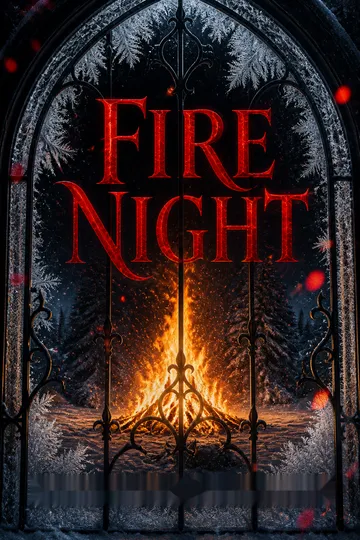
A candlelit family ritualThe winter-solstice celebration fills Thunder Bay with lanterns, bonfires, music, and candlelight instead of electric lights. The tradition gives the large cast a shared event and a reason to gather at St. Killian’s. Children burn basil leaves bearing wishes, while the adults dance, host guests, and preserve customs for the next generation. Its beauty also creates practical vulnerabilities: masks and crowds make strangers harder to recognize, and the open celebration leaves the house less secure than Kai1 would like. Fire Night is both a meaningful family ritual and the setting in which danger can move unnoticed.
The Phantom Hunt
A riddle-driven town gameA masked rider arrives on horseback and announces a treasure hunt through a cryptic clue about a phantom watching from a theater box. The prize is a million-dollar trust, turning the festival into a competition and drawing many guests away from St. Killian’s. Damon3 gives Octavia5 a separate map so she can pursue a smaller treasure with Madden4. The public hunt makes the celebration feel theatrical, but it also helps the kidnappers exploit the crowds and confusion. The game is completed after the crisis when Tucker Adams and Amanda Leigh receive the trust.
Basil Wish Leaves
A ritual with a hidden choiceThe children write wishes on basil leaves, then burn them beneath the chandelier so the wishes can be released. Madden4 quietly keeps his leaf, unlike Octavia5, who burns hers. That small choice returns in the epilogue when Madden4 eats the preserved leaf, which bears his wish for a ghost ship. The ritual gives the story a repeated image of wishes: some are ceremonially surrendered, while others remain private and potent. It also connects the communal party to Madden’s4 secret inner life.
Town Camera Network
A trail through the snowRika8 can access exterior cameras positioned around Thunder Bay, allowing the families to reconstruct how Madden4 and Octavia5 left St. Killian’s and to follow the kidnappers’ vehicle. The footage identifies the abduction route and helps direct the search toward Old Pointe. It cannot show what happens inside the house, so the adults must infer events from the dead intruder, the missing children, and the road trail. The cameras turn Rika’s8 technical competence into an immediate investigative tool while exposing the limits of surveillance.
The Thurible Key
A mystery left unlockedAt the end of the night, Madden4 discovers a skeleton key and a cryptic note attached to a window lock. Its ornament resembles a thurible, the vessel used to spread incense during Mass, leading Madden4 to suspect that the key belongs to something connected with the cathedral. The note refers to the heart’s capacity for emotion, a message he interprets as a clue rather than decoration. Madden4 decides that he and Octavia5 should investigate. The key does not resolve a conflict in this novella; it redirects the final moment toward a new adventure.
FAQ
Synopsis & Basic Details
What is Fire Night about?
- A Festive Kidnapping: Fire Night is a bonus novella in the Devil's Night series, set during the winter solstice celebration in Thunder Bay. It follows the Mori, Torrance, Crist, and Grayson families as their annual "Fire Night" festivities are violently interrupted by the kidnapping of Kai's son, Mads, and Damon's daughter, Octavia, by old enemies seeking revenge.
- A Race Against Time: The story quickly transforms into a high-stakes chase as the parents, known for their dark pasts and formidable skills, race against a snowstorm and the clock to rescue their children from the clutches of Ilia Oblonsky and Taylor Dinescu.
- Family Bonds Tested: Beyond the action, the novella delves into the emotional and psychological impact of the event on the parents, exploring themes of generational cycles, the complexities of parenting, and the unwavering strength of their chosen family bonds in the face of external threats.
Why should I read Fire Night?
- Deep Dive into Beloved Characters: Readers who love the Devil's Night series will appreciate the intimate look into the lives of Kai, Banks, Damon, Winter, Michael, Rika, Will, and Emmy as parents, revealing new layers of their personalities and relationships under extreme pressure. It offers crucial insights into their motivations and fears.
- High-Stakes Emotional Thriller: Beyond the typical dark romance, Fire Night delivers a gripping, fast-paced narrative with a strong emotional core. The kidnapping plot provides intense suspense, forcing characters to confront their pasts and the consequences of their powerful lives, making it a compelling read for fans of action and emotional depth.
- Exploration of Found Family & Legacy: The novella powerfully showcases the unbreakable bonds of the "Horsemen" and their wives, highlighting how their shared history and loyalty form an impenetrable unit. It also delves into the complex legacy they are passing to their children, raising questions about protection, strength, and the cycle of violence.
What is the background of Fire Night?
- Devil's Night Series Context: Fire Night is a bonus novella set approximately ten months before the epilogue of Nightfall, the fifth book in Penelope Douglas's Devil's Night series. It assumes prior knowledge of the main characters and their intricate, often dark, backstories and relationships within the fictional town of Thunder Bay.
- Thunder Bay's Unique Traditions: The story is set against the backdrop of Thunder Bay's "Fire Night," a new tradition celebrating the winter solstice where the town is lit solely by fire (candles, lanterns, bonfires). This festive, almost gothic, atmosphere contrasts sharply with the violent events, highlighting the fragile peace the characters have built.
- Consequences of Past Actions: The central conflict—the kidnapping—directly stems from the protagonists' past actions and enemies, specifically Gabriel Torrance's former employee Ilia Oblonsky and Taylor Dinescu, a figure from Damon's Blackchurch past. This emphasizes the enduring repercussions of their earlier choices and the generational cycles of conflict.
What are the most memorable quotes in Fire Night?
- "If you look too closely, you won't see anything. Do you understand?": Kai's father imparts this wisdom to Banks during their dojo training, a profound lesson in perception that extends beyond combat to life itself. It symbolizes the need for a broader perspective, especially for characters often consumed by intense focus or past traumas, and is a key theme in Fire Night analysis.
- "I want to kill anyone for trying to take you away from me.": Banks's raw declaration to Kai, made after he gives her a family heirloom, encapsulates her deep-seated insecurity and fierce possessiveness, born from a childhood of neglect. This quote highlights the intensity of her love and fear of loss, a central aspect of Banks Mori motivations.
- "Our life creates enemies. Our strength threatens people.": Michael Crist's stark realization to Kai, Damon, and Will after the rescue, acknowledging the inherent dangers of their powerful existence. This quote defines the core conflict of the novella, exploring the themes in Fire Night regarding power, protection, and the inevitable consequences of their chosen path.
What writing style, narrative choices, and literary techniques does Penelope Douglas use?
- Intense, First-Person POV: Penelope Douglas employs a first-person narrative, primarily from Kai's perspective, but also includes a significant section from Damon's, allowing for deep immersion into their internal thoughts, fears, and motivations. This choice enhances the emotional impact and psychological complexity of the characters, a hallmark of her Penelope Douglas writing style.
- Sensory-Rich and Atmospheric Prose: The author uses vivid sensory details, particularly sight (the firelight, the snow, the masks) and sound (the wind, the orchestra, the screams), to create a strong, almost gothic atmosphere for Thunder Bay's Fire Night. This rich imagery contrasts with the brutal reality of the kidnapping, heightening the tension and emotional stakes.
- Foreshadowing and Thematic Echoes: Douglas masterfully weaves in subtle foreshadowing, such as Kai's unease about security and Winter's comments about ghosts, to build suspense. She also uses thematic echoes, like the recurring motif of the "ghost ship" and the significance of the grandfather clock, to connect past traumas with present dangers and explore Fire Night symbolism.
Hidden Details & Subtle Connections
What are some minor details that add significant meaning?
- Kai's Parents' Home as a Sanctuary: The detailed description of Kai's childhood home, blending Japanese minimalism with his mother's colorful touches, symbolizes a rare balance and safety. Kai notes, "My parents were good at compromise, and I always felt safe here," highlighting the stark contrast to the tumultuous homes of his friends and the later invasion of this peace, a subtle detail in Fire Night analysis.
- Mads's Hiding Nooks: Mads's habit of finding "a nook to hide in at every house" (wine cellar, garden maze, gallery, window seat) subtly foreshadows his introverted nature and his need for control and observation. This detail becomes significant when he's kidnapped, as his quiet, observant nature allows him to survive and act decisively, revealing Mads Mori motivations and coping mechanisms.
- The Stopped Grandfather Clock: The grandfather clock freezing at "ten-oh-nine," the supposed time of Reverie Cross's death, is a chilling detail that links the present danger directly to the family's dark history and the unresolved mysteries of Thunder Bay. This seemingly minor detail underscores the generational cycles theme and the idea that the past always catches up, a powerful piece of Fire Night symbolism.
What are some subtle foreshadowing and callbacks?
- Kai's Security Concerns: Early in the festivities, Kai observes the lack of security at St. Killian's, thinking, "We'd been lucky so far. Too lucky." This internal monologue directly foreshadows the ease with which the kidnappers infiltrate the party, highlighting the family's vulnerability despite their power and setting the stage for the Fire Night kidnapping.
- Winter's "Ghosts" Comment: Winter's remark about the draft in the old house making the flames flicker and feeling "like ghosts" subtly hints at the unseen dangers lurking within their seemingly safe haven. Her unique perception, despite her blindness, often taps into deeper truths, foreshadowing the intrusion of past enemies and the haunting nature of their legacy in Fire Night themes.
- Damon's Ignored "Loose End": Damon's internal thought about Taylor Dinescu being "a loose end I'd ignored" is a direct callback to their past encounters and a moment of self-reproach. This detail emphasizes the personal responsibility for the current crisis and the consequences of underestimating their enemies, revealing a key aspect of Damon Torrance's motivations and regrets.
What are some unexpected character connections?
- Christiane's Hidden Gifts for Damon: The revelation that Christiane's gifts to Damon's children (Ivarsen's bear, Octavia's music box, Fane's trucks) were originally his childhood presents, kept and re-gifted, reveals a profound, long-suppressed maternal love. This unexpected connection humanizes Christiane and provides a poignant layer to Damon's eventual reconciliation, deepening the Christiane character analysis.
- Mads and Octavia's Mirrored Dynamic: The relationship between Mads and Octavia, where her adventurous spirit draws him out and he becomes her quiet protector, mirrors the complex dynamics among the adult Horsemen. This connection highlights how the next generation is already forming similar bonds and roles, showcasing the generational cycles and the unique strengths each child brings to the family.
- Kai's Mother's Heirloom Comb: The silver comb, passed down through Kai's mother's family, is a significant connection not just between Kai and Banks, but also to his mother's own history of elopement and separation from her family. It symbolizes acceptance into a new family and the enduring strength of female lineage, adding a layer of symbolism in Fire Night to Banks's integration.
Who are the most significant supporting characters?
- Kai's Father (Mr. Mori): As a martial arts master, Kai's father is a pivotal supporting character who imparts crucial life lessons to Banks and, by extension, to the next generation. His teaching to "see everything" is a central theme, and his quiet acceptance of Banks as a daughter-in-law provides a healing presence for her, deeply influencing Banks Mori's emotional analysis.
- Christiane: Damon's estranged mother, Christiane, plays a critical role in exploring themes of forgiveness, generational cycles, and the possibility of redemption. Her vulnerable conversation with Damon is a major emotional turning point, revealing her hidden love and regret, and offering a path toward healing for both of them, central to Damon Torrance's motivations.
- Octavia Torrance: Damon and Winter's daughter, Octavia, is more than just a victim; her fearless, imaginative spirit and resilience are a driving force. Her wish for a "ghost ship" and her immediate bounce-back from trauma symbolize the hope and unique perspective of the next generation, making her crucial to the themes in Fire Night about enduring strength.
Psychological, Emotional, & Relational Analysis
What are some unspoken motivations of the characters?
- Banks's Need for Unconditional Acceptance: Banks's intense jealousy over Kai's student, and her desire for everyone to know Kai is "hers," stems from a deep-seated, unspoken motivation to secure her place and prove her worth within a loving family, something she lacked in her traumatic childhood. Her actions are driven by a fear of abandonment and a profound need for unwavering belonging, a key aspect of Banks Mori motivations.
- Damon's Longing for Parental Vulnerability: Despite his hardened exterior and self-sufficiency, Damon's tentative reconciliation with Christiane reveals an unspoken motivation: a desire for a parent figure with whom he can be vulnerable. He admits, "I kind of still wanted a mom," highlighting his need for a safe space to shed his strength and acknowledge his fears, crucial for Damon Torrance's psychological analysis.
- Mads's Quest for Control and Order: Mads's quiet, observant nature and his meticulous habits (like folding origami or sketching) suggest an unspoken motivation to impose order on a chaotic world. His calm efficiency during the kidnapping, and his later desire to find the "ghost ship," reflect a need to understand and control his environment, a subtle insight into Mads Mori's motivations.
What psychological complexities do the characters exhibit?
- Kai's Guilt and Over-Protectiveness: Kai exhibits the psychological complexity of a protector burdened by past mistakes. His shame over his imprisonment and the heartache he caused his parents fuels an intense desire to shield his own children, leading to moments of anxiety and self-doubt about his parenting, as seen in his fear for Mads after the rescue. This is central to Kai Mori's psychological analysis.
- Damon's Cycle of Strength and Vulnerability: Damon struggles with the psychological complexity of breaking generational cycles while simultaneously embracing the "no one stops us" mentality. He yearns for a softer connection with Christiane but also fears showing weakness, creating an internal conflict between his desire for healing and his ingrained need for unyielding power, a core element of Damon Torrance's motivations.
- Winter's Perceptive Blindness: Winter's blindness is a profound psychological complexity, allowing her to perceive emotional truths and underlying currents that others miss. Her ability to soothe Damon's fears and articulate the children's happiness ("Our kids are so happy") demonstrates a unique form of insight, making her an emotional anchor and a symbol of inner vision in Fire Night themes.
What are the major emotional turning points?
- Banks's Tears in the Dojo: After sparring with Kai's father, Banks cries, saying, "You're very lucky... He's proud of you." This is a major emotional turning point, as it reveals her deep-seated longing for parental approval and the pain of her own neglected past, highlighting the healing power of her chosen family and the depth of her Banks Mori emotional analysis.
- Damon's Dance with Christiane: The slow dance between Damon and Christiane in the empty ballroom marks a significant emotional turning point. It's his first physical connection with his mother in years, symbolizing a tentative step towards forgiveness and acknowledging his own need for a maternal figure, a powerful moment in Damon Torrance's character development.
- Kai's Fear for Mads's Actions: After the rescue, Kai's intense worry about Mads's potential role in the kidnappers' injuries ("That kid's crazy") is a critical emotional turning point. It forces him to confront the dark implications of the strength and self-defense he instilled in his son, revealing his deep parental fears and the moral complexities of their lifestyle, central to Kai Mori's motivations.
How do relationship dynamics evolve?
- Damon and Christiane: From Estrangement to Empathy: Their relationship evolves from decades of bitter estrangement to a moment of tentative, vulnerable connection. Christiane's confession of regret and Damon's unexpected desire for a "mom" during their dance signifies a shift from blame to a fragile understanding, opening a path for future reconciliation in Damon Torrance's relationships.
- The Horsemen and Wives: United in Parental Fear: The kidnapping profoundly evolves the dynamics among the core group. Their individual strengths merge into a collective, frantic parental unit, driven by a shared, primal fear for their children. This crisis solidifies their bonds, transforming them from friends and lovers into fiercely protective co-parents, emphasizing the unbreakable bonds theme.
- Mads and Octavia: A Protective Partnership: The kidnapping forges a deeper, more defined relationship between Mads and Octavia. Mads's quiet protection and Octavia's unwavering trust in him establish a dynamic where his introversion is balanced by her adventurous spirit, creating a unique partnership that mirrors the adults' relationships and hints at their future roles.
Interpretation & Debate
Which parts of the story remain ambiguous or open-ended?
- The Skeleton Key and Scroll's Purpose: Mads finds a skeleton key with a scroll reading, "The chords of the heart need to be touched to be played." The origin and purpose of this key remain ambiguous, hinting at future mysteries or adventures for Mads and Octavia, and leaving readers to debate its Fire Night symbolism and potential for a sequel.
- Mads's Full Actions During the Kidnapping: While Taylor Dinescu claims "That kid is crazy" and implies Mads killed Gibbons, the exact details of Mads's actions are left ambiguous. This deliberate vagueness allows readers to interpret the extent of his violence and the psychological impact of his upbringing, fueling debate about Mads Mori's motivations and his moral compass.
- The Fate of Pithom and Ilia Oblonsky: The yacht Pithom, wished by Octavia to be a "ghost ship," is lost in the storm, and Ilia Oblonsky is left for dead (or near-death). The story leaves the ultimate fate of both the boat and Ilia open-ended, suggesting that some threats may simply disappear or linger, rather than being definitively resolved, adding to the Fire Night ending explained mystery.
What are some debatable, controversial scenes or moments in Fire Night?
- The Family's Vigilante Justice: The decision by Kai, Damon, and Michael to handle the kidnappers themselves, moving the dead body and planning to interrogate Taylor Dinescu on the "twelfth floor" rather than immediately involving the police, is highly debatable. This highlights their ingrained distrust of authority and preference for their own brand of justice, raising questions about the morality of their actions in Fire Night analysis.
- Damon's Parenting Philosophy: Damon's argument with Kai about parenting styles, where he encourages Octavia to "listen to yourself" and values "experience" over "guidance," is controversial. It sparks debate about the balance between fostering independence and providing necessary discipline and protection, especially given their dangerous lifestyle, a key aspect of Damon Torrance's motivations and parenting choices.
- Mads's Lack of Emotional Response: Mads's calm demeanor and lack of overt fear or trauma after the kidnapping, noted by Kai and Rika, can be controversial. It prompts readers to question whether his upbringing has made him unusually resilient or emotionally detached, leading to discussions about the psychological effects of their world on the children, and Mads Mori's psychological analysis.
Fire Night Ending Explained: How It Ends & What It Means
- The Children's Resilience and Future Paths: The novella ends with Mads and Octavia largely unfazed by the trauma, eagerly anticipating presents and future adventures. Octavia's wish for Pithom to be a "ghost ship" and Mads's quiet promise to be "bigger" next time symbolize their unique resilience and the distinct paths they will forge, embodying the themes in Fire Night about the next generation's strength.
- The Family's Unwavering Resolve: Despite the night's horrors, the adults reaffirm their commitment to their lifestyle and to each other. Michael declares, "We're not changing," and Rika whispers, "No one stops us. No one owns us." This ending signifies their collective decision to embrace their power and protect their family fiercely, even if it means attracting more enemies, a core message of Fire Night ending explained.
- Lingering Mysteries and Generational Legacy: The discovery of the skeleton key by Mads and the ambiguity surrounding his actions during the kidnapping leave the ending open-ended, hinting at future challenges and deeper explorations of the family's legacy. It suggests that while immediate threats are neutralized, the cycle of danger and the unique nature of their children will continue to shape their lives, providing rich ground for Fire Night analysis and future stories.
Devil's Night Series

About the Author
Other books by Penelope Douglas


Download PDF
Download EPUB
.epub digital book format is ideal for reading ebooks on phones, tablets, and e-readers.








