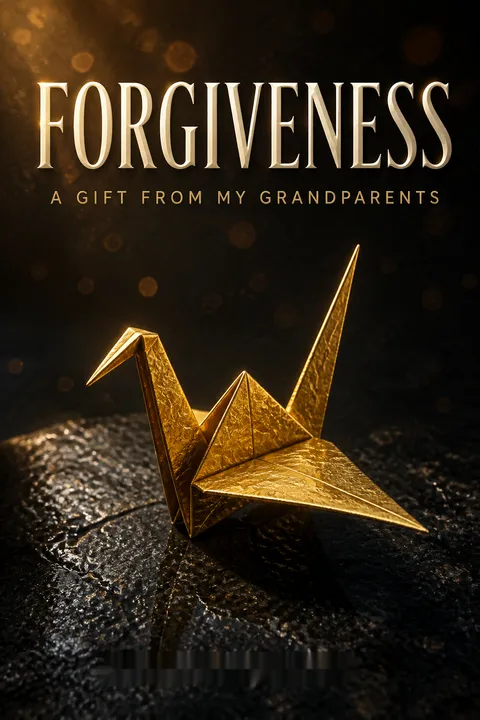


Key Takeaways
Treat forgiveness as freedom from the past, not approval of its harms
Two histories meet. Ralph MacLean, a Canadian soldier, endured years as a prisoner of the Japanese army. Mitsue Sakamoto, a Japanese Canadian, was forced from her home and sent to Alberta to work. Their families came together after the war, and in 1968 Ralph shared a meal with Mitsue and her husband, Hideo. The meeting did not undo what either had suffered. It showed that the past did not have to dictate their relationship.
Forgiveness changes the present. In a Japanese prison camp, Ralph encountered a biblical passage urging forgiveness. He carried its challenge into civilian life. For his grandson Mark, forgiveness means releasing the past’s hold, not declaring the harm acceptable or pretending it did not happen.
The distinction between forgiveness and approval is essential in any account of historical injury. It allows people to refuse both denial and permanent captivity to resentment. The grandparents’ relationship is compelling precisely because neither needs to rank suffering against the other’s. Still, forgiveness is not a universal obligation, particularly where harm is ongoing or safety is at risk. Its value here lies in the freedom it offers these particular people, not in a rule that victims owe reconciliation.
When fear becomes policy, ordinary neighbors can lose home and citizenship
Injustice had official machinery. After Japan attacked Pearl Harbor, Canada seized Japanese Canadian fishing boats and forcibly removed more than 21,000 people from the Pacific coast. The military and the RCMP had judged a mass evacuation unnecessary, yet political pressure and anti-Japanese prejudice prevailed. Mitsue and Hideo lost their home and livelihood, then were sent to Alberta to labor in sugar-beet fields.
The losses continued after the war. The government sold property left behind. Mitsue’s family itemized belongings they had lost and claimed over $800. The cheque they received was just $25.65. Japanese Canadians also faced government plans to deport thousands, most of them Canadian-born. The book shows how state action can turn racial suspicion into mass dispossession.
This history makes a useful distinction between a crisis and the political choices made in its name. Threats can be real, but fear does not establish that a targeted population is dangerous. The reported opposition from security officials matters because it shows that collective punishment was not the only available response. The episode also warns that citizenship alone may not protect a minority when institutions treat identity as evidence. Remembering the policy, not just the prejudice behind it, clarifies how injustice becomes durable.
In catastrophe, protect the next small choice that keeps you alive
Survival narrowed the horizon. Ralph’s Royal Rifles were sent to defend Hong Kong against a far larger Japanese force. After the garrison fell, he endured starvation, disease, beatings, and forced labor as a prisoner of war. His friend Deighton died after Ralph was loaded onto a truck and could not pull him aboard. Ralph could not control the camp or rescue everyone, but he kept looking for the next possible step.
Small decisions mattered. He ate what he could, avoided unnecessary risks, and accepted help when it came. During an especially dangerous period, a Canadian prisoner named Henry brought him food each night, helping him recover enough to work. The narrative does not suggest that survival was simply a matter of willpower. It shows agency operating inside brutal limits, often with other people’s help.
The story resists the tidy claim that resilience alone determines who survives. Ralph’s habits helped him endure, but chance, illness, military decisions, and the care of others mattered too. That complexity makes the lesson more humane: focus on what remains possible without blaming those who cannot overcome conditions beyond their control. In extreme situations, a small action can restore a sense of agency, while community can supply resources that individual determination cannot.
Preserve dignity through ordinary acts of care when control disappears
Care kept life recognizable. Mitsue’s family lost their home, belongings, and familiar community. In Alberta, the Sakamotos first lived in a drafty shack near a chicken coop, worked long days in the fields, and struggled through severe cold. Mitsue still cooked, sewed, and cared for the family. Hideo worked to find better housing, while their relatives tried to stay together through upheaval.
Small comforts carried meaning. Mitsue had hidden her wedding photographs rather than leave them behind. In the shack, familiar tea helped steady the family. Later, she found work mending clothes, returning to a skill she had practiced before the war. These actions did not make the injustice less real. They helped the family maintain connection and a sense of self amid conditions imposed on them.
Everyday care can function as a form of continuity when larger structures have been violently disrupted. Food, clothing, and familiar rituals help people remain more than the roles an oppressive system assigns them. Yet such endurance should not be mistaken for consent, or used to romanticize deprivation. Mitsue’s competence is moving, but the responsibility for her family’s hardship belonged to the policies and people that created it, not to her ability to cope.
Accept what cannot be changed without surrendering what can still be protected
A phrase steadied the family. When Mitsue’s family learned they would be removed from Vancouver, her father, Yosuke, used the Japanese phrase shikata-ga-nai, meaning that the situation could not be helped. The family had little power over the government’s decision. They chose to remain together and requested assignment to farms in southern Alberta.
Acceptance was not approval. On the prairie, they endured hard labor and poor living conditions, but they kept making practical decisions. Hideo found another farm when the first could not provide enough work or adequate winter shelter. The phrase helped Mitsue face what could not be undone; it did not prevent her family from seeking better conditions where they could.
The phrase works here as a way to face reality without spending all available energy wishing it away. That can be psychologically useful when circumstances are genuinely uncontrollable. But acceptance becomes dangerous if it is mistaken for passivity, especially when people or institutions could still be challenged. The family’s story holds both truths together: acknowledge the constraint, then identify the choices that remain. That is different from calling injustice inevitable or asking those harmed to be content with it.
Do not confuse surviving trauma with recovering from it
The war did not end cleanly. Ralph returned from captivity alive, married Phyllis, raised a family, and worked for decades. He also suffered recurring nightmares and periods when the city seemed to turn back into the landscape of war. Medication and faith helped, but recovery took time. He continued trying to live without letting the prison camp define every part of him.
Hardship wore Mitsue down too. Years after the war, poverty and exhaustion contributed to a breakdown. She left Medicine Hat for British Columbia without her children, then returned after Hideo found a home for the family in town. Her distress was not a failure of character. The book shows that the end of an external crisis does not instantly repair what it has done to people.
This account separates outward functioning from inner recovery. A person can work, parent, and appear settled while still carrying memories that disrupt daily life. That distinction is valuable because public narratives often celebrate survival and then skip the long aftermath. The book also avoids a simple contrast between a strong grandparent and a weak one: Ralph and Mitsue both struggled, though their experiences took different forms. Recovery should be understood as uneven, and support should not depend on someone first proving exceptional endurance.
Meet the person before you as more than their inherited history
The past entered the room. In 1968, Mitsue prepared dinner for Ralph, the Scottish Canadian soldier who had been imprisoned by the Japanese military. Her son, Stan, was Japanese Canadian, with a face that might have reminded Ralph of the soldiers who had tormented him. Ralph never treated Stan as responsible for that history. At dinner, Ralph prayed, Hideo made a toast, and the families shared a meal.
No scorekeeping was needed. Mitsue and Ralph did not compare their suffering or pretend the histories were identical. They recognized one another as people with lives beyond the conflict. Their children and grandchildren could then form relationships that the war’s categories might have made seem impossible.
The dinner is not a reconciliation between nations or a substitute for public accountability. Its significance is intimate: two people refuse to reduce each other to a racial or wartime category. That is a demanding form of recognition because it does not require forgetting what those categories enabled. The scene also shows why contact alone is not enough; it is paired with respect, hospitality, and a willingness to see the other person’s particular life.
Say what remains unsaid before grief turns it into permanent guilt
A child could not save his mother. Mark’s mother, Diane, later struggled with alcohol and an abusive relationship. As a boy, Mark once lashed out at his father for being absent. As an adult, he carried guilt about that moment and about being far away when his mother was dying. Her death left no chance for the apology or conversation he wished he could have had.
Forgiveness was not an exchange. Mark came to understand that his mother did not need to grant him permission from beyond the grave, and he did not need to rewrite her suffering to feel compassion for himself. The story does not offer a neat solution to regret. It suggests that love can remain real even when people fail one another and important words go unsaid.
Guilt often gives grief a false sense of control: if a person can identify one wrong sentence or missed visit, the loss can seem preventable. The memoir carefully shows the limits of that logic. A child cannot control a parent’s addiction, and distance does not explain the full history of a relationship. Still, speaking honestly while people are alive can reduce avoidable regret. Forgiveness may ease self-condemnation, but it should not erase accountability or the complexity of what happened.
Use ritual to carry grief forward, rather than keeping it sealed away
Grief had physical reminders. After Diane died, Mark kept her ashes in a small bottle wrapped in a grocery bag and stored in a closet. He also had an old cassette containing her voice, but could not bring himself to play it. These objects kept the loss close, yet he was not ready to face what they meant.
A farewell became possible. After the birth of his daughter, whom he named Miya Mitsue, Mark returned to Medicine Hat. In Central Park, he scattered his mother’s ashes between two trees that reminded him of the family’s bookends. The act did not make the loss disappear. It gave his grief a place in the family story, while leaving room for the life he was building.
Ritual can give grief a form when ordinary language feels inadequate. Mark’s choice is especially resonant because it joins a private farewell to a shared family image, the bookends that once framed his childhood and now frame his mother’s resting place. Ritual is not a cure, and no single ceremony fits everyone. Its value is that it can help a person move from avoiding a reminder to choosing how to relate to it.
Analysis
The book’s structure depends on two histories that seem opposed but eventually converge: Ralph’s captivity at the hands of the Japanese military, and Mitsue’s dispossession by the Canadian government. The interwoven narrative makes a larger argument than either story could make alone. Historical injury is not distributed neatly by nationality, and inherited identity cannot serve as a reliable guide to individual moral character. The 1968 dinner crystallizes that argument without pretending that a meal repairs state violence or wartime trauma.
The memoir’s most important distinction is between forgiveness and exoneration. Ralph’s faith gives him a demanding ideal, while Mark’s family history gives that ideal emotional cost. Forgiveness here means refusing to let injury govern every future relationship. It does not make the Japanese army’s actions, Canada’s internment, or Diane’s painful decline acceptable. This distinction is crucial because forgiveness rhetoric can otherwise place another burden on victims: the expectation that they resolve what institutions have not repaired.
The narrative is also alert to the difference between endurance and wellness. Ralph survives through discipline and attention to immediate needs, but he experiences lasting distress. Mitsue keeps her family functioning while deprivation takes a severe toll. Their resilience is not proof that suffering is ennobling, nor that everyone can survive comparable conditions. It is the particular achievement of people who faced circumstances they did not choose, often with help from others.
Mark’s personal arc brings the historical material into the present without claiming that history explains every family wound. His guilt about his mother is not resolved through a final conversation or a perfect apology. Instead, becoming a parent gives him a new relation to love, responsibility, and loss. The ending is therefore less a declaration that pain has vanished than a decision about what the next generation should receive: memory and tenderness, not silence or inherited blame. The book’s strength is this modest, hard-won resolution. Its limitation is that personal forgiveness cannot stand in for public restitution, but the narrative does not confuse the two.
Review Summary
Forgiveness receives mostly positive reviews for its powerful storytelling of the author's grandparents' experiences during WWII. Readers appreciate learning about Japanese-Canadian internment and POW experiences. Many find the writing style simplistic but engaging. Some criticize historical inaccuracies and editing issues. The book's focus on forgiveness resonates with many readers, though some wish for more exploration of this theme. The final portion covering the author's personal life receives mixed reactions, with some finding it less cohesive with the earlier narrative.
People Also Read

Glossary
Shikata-ga-nai
Acceptance of unavoidable circumstancesA Japanese phrase meaning that a situation cannot be helped or changed. In the book, Mitsue’s father uses it when the family faces forced removal from Vancouver. The phrase helps them accept the immediate reality and focus on staying together, but it does not mean they approve of the injustice or stop making practical choices.
Issei
First-generation Japanese immigrantsThe term used for the first generation of Japanese people who immigrated to North America. In the book, it describes immigrants who formed close communities in places such as Vancouver’s Japantown, maintaining language, food, and cultural practices while facing discrimination and exclusion.
Volens et valens
Willing and ableThe Latin motto of the Royal Rifles of Canada, the regiment Ralph MacLean joined before serving in Hong Kong. A recruiting officer translates the motto for Ralph and his friend Deighton as they enlist. Its confident promise becomes sharply ironic in the story, as the young soldiers are sent into a campaign where they are badly outnumbered and poorly equipped.
Mark 11:25
Biblical call to forgiveA verse in the Gospel of Mark that instructs people to forgive others when they pray. Ralph encounters it in a New Testament while imprisoned in Japan. The passage becomes an important spiritual challenge for him, shaping how he thinks about the commandant who had held power over him.
FAQ
What's Forgiveness: A Gift from My Grandparents about?
- Family History and Forgiveness: The book intertwines Mark Sakamoto's family history with themes of forgiveness and resilience, focusing on his grandparents' experiences during World War II.
- Japanese Canadian Experience: It highlights the internment and discrimination faced by Japanese Canadians, providing a historical context to the personal narrative.
- Intergenerational Lessons: Sakamoto reflects on the lessons learned from his grandparents, emphasizing understanding and compassion in overcoming trauma.
Why should I read Forgiveness: A Gift from My Grandparents?
- Unique Historical Insight: Offers a perspective on the lesser-known history of Japanese Canadians during WWII, shedding light on their resilience.
- Emotional Connection: The personal and moving storytelling allows readers to connect deeply with the emotional struggles of the family.
- Inspiration for Healing: Encourages reflection on personal experiences with forgiveness, highlighting the power of compassion in adversity.
What are the key takeaways of Forgiveness: A Gift from My Grandparents?
- Forgiveness as Liberation: Emphasizes that forgiveness can free individuals from anger and resentment, shaping family legacies.
- Resilience in Hardship: Showcases the strength and determination of individuals facing unimaginable challenges, exemplified by Sakamoto's grandparents.
- Historical Understanding: Encourages acknowledgment of historical injustices to foster empathy and prevent future occurrences.
What are the best quotes from Forgiveness: A Gift from My Grandparents and what do they mean?
- “Shikata-ga-nai”: Reflects acceptance of uncontrollable circumstances, highlighting resilience and adaptability.
- “The weight of his family... rested on those sore shoulders”: Underscores familial duty and the sacrifices made by Sakamoto's grandfather.
- “Forgiveness has nothing to do with the past.”: Suggests that true forgiveness is about freeing oneself from past burdens.
How does Forgiveness: A Gift from My Grandparents address the theme of family?
- Intergenerational Bonds: Explores the connections between Sakamoto and his grandparents, illustrating how their experiences shaped his identity.
- Sacrifice and Duty: Highlights the significant sacrifices made by Sakamoto's grandparents for their family, emphasizing love and loyalty.
- Healing Through Understanding: Reflects on how understanding his grandparents' struggles aids in personal healing, intertwining family with forgiveness.
What historical events are highlighted in Forgiveness: A Gift from My Grandparents?
- Japanese Internment in Canada: Details the internment and discrimination faced by Japanese Canadians during WWII, including Sakamoto's family.
- Impact of War: Recounts the challenges and resilience demonstrated by Sakamoto's grandparents during the war.
- Cultural Heritage: Emphasizes the importance of cultural identity and heritage, showcasing the strength found in cultural roots.
How does Mark Sakamoto convey the message of forgiveness in Forgiveness: A Gift from My Grandparents?
- Personal Reflections: Shares his struggles with forgiveness, drawing parallels with his grandparents' experiences for relatability.
- Stories of Resilience: Illustrates how forgiveness can lead to healing and strength through his grandparents' stories.
- Encouragement for Readers: Encourages readers to reflect on their own experiences with forgiveness, promoting empathy and understanding.
What role does cultural identity play in Forgiveness: A Gift from My Grandparents?
- Connection to Heritage: Emphasizes cultural identity's role in shaping family experiences and resilience.
- Preservation of Traditions: Showcases efforts to maintain cultural traditions despite challenges, serving as a source of pride.
- Impact of Discrimination: Illustrates how cultural identity can be both a strength and a target for discrimination.
How does Forgiveness: A Gift from My Grandparents explore the concept of resilience?
- Survival Against Odds: Highlights the resilience of Sakamoto's grandparents during the war, serving as a testament to the human spirit.
- Emotional Strength: Reflects on the emotional resilience required to forgive and heal from past traumas.
- Legacy of Resilience: Illustrates how his grandparents' resilience influenced Sakamoto's life and outlook.
How does the author, Mark Sakamoto, convey his personal journey in Forgiveness: A Gift from My Grandparents?
- Introspective Reflections: Shares thoughts and feelings, providing insight into his emotional landscape.
- Connecting Generations: Weaves his experiences with those of his grandparents, illustrating their influence on his identity.
- Growth and Transformation: Depicts personal growth as he navigates his family's history, showcasing the power of forgiveness.
What challenges did Ralph MacLean face during his time as a POW?
- Harsh Living Conditions: Endured brutal conditions, including starvation and physical abuse, testing his resilience.
- Psychological Strain: Faced constant threats of violence, impacting his mental health and dignity.
- Loss of Loved Ones: Experienced grief from losing friends and fellow soldiers, compounding his challenges.
What lessons about forgiveness can be drawn from Forgiveness: A Gift from My Grandparents?
- Forgiveness is Personal: Emphasizes that forgiveness is a personal journey, not about absolving others but finding peace.
- Letting Go of Grudges: Illustrates the importance of releasing past grievances to move forward in life.
- Embracing Hope and Healing: Encourages focusing on the future to find reconciliation and peace.
Download PDF
Download EPUB
.epub digital book format is ideal for reading ebooks on phones, tablets, and e-readers.








