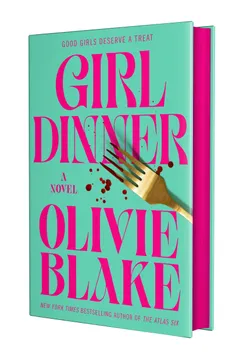


Plot Summary
The First Drop-Off
Sloane Hartley returns to teaching after a long stay home with Isla, her eighteen-month-old daughter, while her husband, Max, remains absorbed in work and his phone. At their last dinner before the semester, Sloane handles the cooking, the baby’s needs, and the dog, then leaves without a fork of her own.
The next morning, Isla cries when Sloane leaves her at daycare, sharpening the mother’s guilt even as she returns to her sociology classroom. In her shared basement office, Sloane meets Arya, a striking doctoral student assigned as her teaching assistant. Their first handshake awakens a desire she had thought lost beneath exhaustion, pain, and the demands of motherhood.
Sloane’s opening predicament is not simply that motherhood exhausts her. It is that she has been trained to treat every unmet need as evidence of personal failure. Max’s mild inattention leaves her carrying the practical and emotional work, while daycare makes her feel guilty for reclaiming a professional self. Arya’s arrival matters because it restores a sense of bodily desire, not because it solves anything. The story begins by making Sloane’s competing identities equally real: she loves Isla fiercely, needs work, and resents that those needs are treated as incompatible.
Nina Wants The House
Nina Kaur enters sorority recruitment hoping to repair the disappointments of her freshman year and secure the connections she believes will lead to law school and a career. Her sister Jas mocks the process, but Nina sees The House, the campus’s most prestigious sorority, as a chance to become more powerful and harder to dismiss.
She bonds with Dalil Serrano, another recruit, while studying the rituals of social ranking and trying to appear effortless under scrutiny. The House’s president, Fawn Carter, catches Nina’s attention with a warmth that feels like recognition. When recruitment narrows to its final invitations, Nina is called to weigh in on Dalil and chooses to support her. The House admits them both.
Nina’s ambition is rooted in insecurity, but it is also a practical reading of how institutions distribute opportunity. She knows that talent alone may not open doors, especially for a young woman of color, and treats the sorority’s prestige as a resource she can acquire. Her bond with Dalil complicates that calculation: Nina chooses to help a potential peer even while craving acceptance herself. The story lets both motives stand. Her desire for belonging is sincere, and so is her willingness to use belonging as leverage.
Alex Opens a Door
Outside the daycare, Sloane meets Alex Carlisle, a human-rights lawyer and mother who understands the ache of leaving a young child with strangers. Their conversation turns into coffee, where Alex offers sympathy without prescribing how Sloane should parent. Soon Alex asks her to become The House’s faculty advisor, explaining that the sorority needs a replacement and that Sloane can bring Isla to meetings.
Max encourages the appointment because extracurricular work might improve Sloane’s standing with the department. Sloane accepts, partly for the work and partly because Alex’s circle offers something she has been missing: women who understand how motherhood consumes time without insisting she should be grateful for the sacrifice.
Alex’s kindness is concrete: she notices Sloane’s distress, makes time for her, and offers a role that accommodates her child. That practical care gives their friendship credibility before the story asks Sloane to trust Alex with more consequential truths. The invitation also exposes the double meaning of institutional belonging. The House can offer professional contacts and peer support, but its support is selective, built around a group with unusual access. For Sloane, the appointment is both a modest career opportunity and a chance to feel less alone.
A Feast With Teeth
After bid night, Nina begins pledge education with twelve new members, memorizing the House’s history and songs while trying to read the established sisters’ shifting alliances. At her first Monday dinner, she finds rich meat, handmade pasta, and dessert served without the usual policing of women’s appetites.
The meal eases her menstrual pain, but it does not quiet the strange tension she has noticed in the dining room: some sisters seem to wait for food with a focus that exceeds ordinary hunger. Fawn welcomes Nina and promises a more significant solstice dinner after initiation. Nina is enchanted by the permission to eat freely and by Fawn’s attention, even as the meal leaves her with unanswered questions.
The dinners initially appear to reverse the familiar discipline imposed on young women’s bodies. Nina experiences fullness without shame, and the House’s hospitality feels like a form of relief. Yet the sisters’ hunger remains excessive even after the plates are cleared, so comfort and unease occupy the same room. Food becomes a social contract: the House feeds its members, but Nina does not yet know what the exchange requires. Her fascination with Fawn deepens alongside her fascination with the meal, binding desire for an individual woman to desire for the institution.
The Women Who Emerge
As Sloane joins Alex, Britt Landau, and Priscilla in House business, she notices that its alumnae seem accomplished both in public careers and in the domestic skills she fears she has lost.
Alex wants the current students to see these women as models, especially against the growing appeal of Caroline Collins, a former member now known online as The Country Wife. Sloane begins studying the influencer’s polished homesteading videos and connects them to questions about femininity, labor, and power.
Dean Burns dismisses the subject as a passing online trend, leaving Sloane without departmental approval. Instead of abandoning the idea, she searches alumnae profiles and recognizes a pattern of women who credit The House with helping them become ambitious and self-assured.
Sloane’s proposed research grows from a private wound: she cannot tell whether she has failed at work, motherhood, or both. The women she interviews seem to have mastered precisely the combination she finds impossible. Their polished domesticity could be genuine skill, public performance, or both, and that ambiguity makes the subject sociologically useful. Burns’s dismissal repeats the problem her project investigates: work that concerns women’s everyday lives is treated as less serious. Sloane’s decision to keep pursuing it is an early act of intellectual independence.
The Vows Turn Bloody
During pledge education, Nina admits to the other new members that she joined The House because she wanted protection, recognition, and power after a painful experience the previous year. She becomes closer to Dalil and learns that Tessa Alden, not Fawn, will be her Big Sister, while Fawn takes Dalil under her wing.
On initiation night, the pledges swear loyalty before the House’s portraits of its alumnae. Blindfolded and guided by candles, Nina watches Fawn and Tessa speak for her, then drinks from a shared cup containing blood. The ritual stops her menstrual pain and leaves her feeling unusually clear and physically renewed. Later, she returns to Fawn’s room, and their attraction becomes intimate.
Nina’s vows answer a real need, but the House exploits that need by making belonging feel inseparable from obedience. Her confession turns ambition into vulnerability: she wants power because she has already learned how exposed she can be without it. The blood rite then converts an abstract promise into a bodily experience. Nina feels relief, so the ritual’s danger arrives wrapped in evidence that it works. Her intimacy with Fawn intensifies that confusion, joining romantic longing, physical transformation, and institutional loyalty before Nina can distinguish them.
Caroline Names the Price
Pressed by her deadline and curious about The Country Wife, Sloane visits Caroline at her farmhouse. Caroline serves her a tough cut of beef heart, then lets Sloane fear that she has been fed human flesh. Alex arrives and reveals that the House’s solstice ritual involves eating men, a practice begun after Alex killed a man who had drugged her.
She describes the ritual as rare, secret, and physically restorative, while Caroline has carried the practice into a more openly predatory form of vigilante violence against sexual offenders. Alex insists that the House’s members gain health and confidence from the meals. Sloane leaves shaken, unable to dismiss what she has learned or to decide whether exposing it would protect anyone.
The revelation turns the House’s apparent benefits into an ethical trap. Its members do not merely perform solidarity; they consume the bodies of men they judge dangerous and claim health, beauty, and success as the return. Alex frames this as a response to institutions that fail women, while Caroline’s career suggests that the practice can slide from protection into personal power. Sloane’s horror is real, but so is her understanding of why the women might choose it. The novel makes moral judgment difficult without making the violence harmless.
The Professor Loses His Shine
Nina’s new health and academic focus make her feel that initiation has remade her, and she moves into The House with Dalil and other pledge sisters. At a sorority event, she brings Arya, a family friend, as her date and runs into her philosophy professor, Max Villanueva, with his wife, Sloane.
The encounter strips Max of his romantic mystique: he is a married man whose attention no longer seems exciting. Fawn later draws Nina into a private encounter and asks what she thinks of Max as a candidate for the House’s coming dinner. Nina understands that the man she once wanted is now being considered for the ritual, though she does not yet know what Fawn intends to do with that choice.
Nina’s crush on Max had offered a familiar fantasy of being singled out by an impressive man. Seeing him beside Sloane breaks the fantasy by placing him inside ordinary marriage and unequal domestic labor. The change does not make Nina immune to desire; it redirects her desire toward Fawn and toward the House’s version of agency. Fawn’s question links sexual intimacy with a prospective act of violence, making the boundary between attraction and political judgment increasingly difficult for Nina to locate.
Tessa Makes a Queen
As the House prepares to choose next year’s officers, Nina learns that Fawn may not be nominated for another term. Tessa tells her that Fawn has become divisive and that another member, Summer Toft, could take the presidency. Alina Antwerp, part of the selection committee, proposes Dalil as a neutral candidate; Tessa instead urges the committee to nominate Nina, calculating that Nina’s candidacy will protect Fawn from a more direct challenge.
Nina is stunned to discover she has been used in a maneuver she barely understands. When Fawn calls her a traitor and criticizes Dalil’s vulnerability to public scrutiny, Nina turns to Dalil for comfort. She accepts the nomination, beginning to see leadership as a responsibility rather than a prize.
The election reveals that sisterhood has procedures, factions, and strategic sacrifices beneath its language of unconditional loyalty. Tessa’s maneuver protects Fawn while exposing Nina to a role she never sought. Fawn, meanwhile, judges Dalil through the same reputational logic she claims to resist, showing how easily survival tactics reproduce the systems they oppose. Nina’s eventual comfort from Dalil matters more than the nomination: it lets her recognize care that is not contingent on status or on pleasing Fawn.
A Mother Crosses Over
Sloane’s research gains no respect from Dean Burns, who threatens to cut her teaching hours, while Max plans a sabbatical and treats her work as secondary. Their arguments deepen Sloane’s suspicion that he has crossed a line with a student, though she has no proof.
In the office, Sloane begins a sexual relationship with Arya, her teaching assistant, even as she struggles with guilt over leaving Isla and fear of losing childcare. She returns to Caroline, who explains that ritual violence is not only revenge: the chosen victim must be someone the women can consume as part of a shared purpose. Sloane buys a stun gun and goes to The House, carrying her own answer to the world’s failures.
Sloane’s turn is not a sudden conversion so much as the collapse of the moral distance she had used to judge others. The university discounts her labor, Max assumes her career can bend around his, and motherhood makes every decision feel irreversible. Her affair with Arya offers pleasure but no durable power. Caroline’s account supplies a harsher model: action that cannot be made respectable, yet can protect or sustain someone. Sloane’s purchase of a weapon marks the moment when analysis becomes participation.
Nina Offers Herself
At the solstice dinner, the House gathers male guests as potential victims. Nina sees Max among them and learns that he once kissed Fawn while teaching her, then denied the significance of the encounter. Fawn incapacitates him with a stun gun, but the sisters still have to choose their candidate. Nina rises and offers herself, invoking the promises she made at initiation and daring the House to prove its love by sparing her.
The women reject that sacrifice and narrow the decision to Max or Tripp, Alina’s wealthy boyfriend. Nina argues that Tripp would make the more sustaining meal. The House chooses him, and Nina eats with the others, understanding that her devotion has changed the outcome without ending the violence.
Nina’s self-offering tests whether the House’s promises mean anything beyond rhetoric. The sisters refuse to consume her, but they do not abandon the ritual; compassion operates inside a system that continues to kill. Nina’s choice of Tripp is neither pure justice nor simple self-interest. It reflects her growing willingness to make decisions rather than let Fawn’s private vendettas define the group. Her act of love has force, but it does not create a clean moral victory.
Dinner Comes Home
As the House’s dinner proceeds, Sloane’s path converges with its violence. After leaving Isla with Britt and Finn, she approaches the House carrying the stun gun she bought, then later delivers an unidentified disemboweled body to Caroline. She picks up Isla and makes a Bolognese with fresh liver, which the child finally eats eagerly, giving Sloane the relief of seeing her daughter nourished.
Max returns home pale and begins to confess something, but Sloane postpones the conversation. Elsewhere, Nina learns that her sister Jas came to campus to visit and was headed to The House. Jas’s phone lies outside, unanswered calls accumulating. The book closes without clarifying what happened to her or whose body Sloane brought to Caroline.
The ending refuses a restorative moral balance. Sloane gets the immediate proof she craves, Isla eats, but that tenderness is purchased through an unnamed body and a choice Sloane cannot undo. Max’s return leaves their marriage unresolved, while Jas’s missing phone turns the House’s violence toward a new and personal uncertainty. The final contrast is deliberate: motherhood can make extraordinary sacrifice feel necessary, but necessity does not absolve its cost. A good meal solves one urgent problem while leaving the larger harm intact.
Analysis
Girl Dinner places two women at different stages of life inside parallel economies of feminine worth. Nina is still trying to acquire status, beauty, safety, and professional access. Sloane has already accumulated education and a marriage, yet motherhood exposes how little those achievements protect her from unequal domestic labor or insecure employment. Their stories meet through Max Villanueva, the professor Nina once idealizes and the husband Sloane must contend with, making the gap between youthful fantasy and adult compromise unusually concrete.
The House offers genuine care. Its members share food, housing, professional connections, and a language for experiences that outsiders minimize. Those benefits are not a cynical disguise; they help explain why the women defend the institution. But the same network turns solidarity into a closed moral jurisdiction. Its members decide who deserves protection and who may be sacrificed, then call the results justice, health, or survival. The horror lies not in exposing the sisterhood as false, but in showing how real support can coexist with brutal exclusion.
The book’s satire also refuses to treat digital femininity as merely foolish. The Country Wife’s domestic image is labor, brand, and ideology at once. Sloane’s academic interest in that persona mirrors her own attempt to find a model for womanhood that can accommodate both career and care. She discovers no clean model. The women who appear to have it all still rely on resources, alliances, and choices unavailable to everyone.
Ultimately, the story tests love against scarcity. Nina learns that devotion does not prevent betrayal, while Sloane discovers that maternal love can make almost any compromise feel necessary. Neither woman finds a way to save everyone. The ending’s horror comes from the small, intimate scale of the choices: a sister missing, a body delivered, a toddler finally eating. Care is powerful here, but it does not purify the means by which it is secured.
Review Summary
Reviews for Girl Dinner are polarizing, averaging 3.3/5. Fans praise its sharp, satirical commentary on modern womanhood, motherhood, and feminism, with some calling it wickedly entertaining and thought-provoking. Critics argue the book is slow, repetitive, and heavy on internal monologue with little plot, feeling the cannibalism element arrives too late and lands with minimal impact. The dual perspectives of Nina, a sorority-obsessed sophomore, and Sloane, a struggling new mother, resonate differently with readers depending on personal relatability to the themes explored.
Characters
Sloane Hartley
The overburdened sociologistSloane is a sociologist, adjunct lecturer, and mother to Isla. She is intellectually curious and capable, but years of accommodating other people have left her uncertain about the value of her own work and needs. She loves her daughter with consuming intensity while grieving the parts of herself that parenthood has crowded out. Her sharp, often comic observations let her analyze the institutions around her, yet analysis cannot insulate her from exhaustion or desire. Sloane wants to be a good mother and a respected scholar, and she keeps trying to treat those aims as compatible even when the people around her benefit from her doing more than her share.
Nina Kaur
The hungry new sisterNina is a sophomore who sees sorority membership as both community and a route to the professional connections she needs. Ambitious and socially perceptive, she often rehearses the correct response before admitting what she actually feels. Her relationship with her sister Jas exposes their opposing ways of confronting privilege: Nina seeks access to power, while Jas distrusts the systems that distribute it. Nina’s longing for recognition makes her vulnerable to idealizing The House and Fawn, but she also has a strong instinct for fairness and a capacity to care for people who might compete with her.
Fawn Carter
The radiant presidentFawn is the charismatic president of The House, admired for her beauty, composure, and ability to command attention without seeming to ask for it. Her half-Filipino, white-passing identity informs how she navigates a campus that rewards certain appearances and punishes others. She can be intimate and generous, especially with Nina, while keeping her actual beliefs difficult to read. Fawn enjoys argument and resists being defined by other people’s expectations, but her independence also leaves friends unsure where they stand. She treats leadership as a performance that must remain convincing, even when the private feelings beneath it are less stable.
Alex Carlisle
The lawyer who gathers womenAlex is a human-rights lawyer, a single mother by choice, and an alumna who remains deeply involved in The House. She is attentive to the practical needs of other mothers and quick to use her professional influence on behalf of women she believes deserve support. Her confidence comes from experience with institutions that rarely yield without pressure. Alex values ambition and access to decision-making, and she distrusts approaches that surrender those resources. Beneath her polished competence is a fierce protective streak, though her belief in the House’s mission can make her controlling and unwilling to accept that support may carry its own dangerous price.
Tessa Alden
Nina’s outspoken Big SisterTessa is a confident House member who becomes Nina’s Big Sister. A Black student and aspiring writer, she is irreverent about tradition and skeptical of respectability as a path to safety. Her blunt humor makes Nina feel welcome without requiring her to perform perfection. Tessa values loyalty, but she also recognizes that friendship cannot prevent political conflict. She is often more candid than the House’s leaders about the costs of its choices, and her affection for Fawn complicates her ability to challenge the person she knows best.
Dalil Serrano
Nina’s candid pledge sisterDalil is a first-year student with quick humor, strong social instincts, and a reputation for abandoning activities before they can define her. She befriends Nina during recruitment and is unusually willing to puncture the solemnity of sorority ritual. Beneath her irreverence is a sensitivity to whether people truly want her around. Dalil’s closeness with Nina offers a counterweight to Nina’s fixation on Fawn: she provides friendship that is less theatrical and more dependable. She is also a reminder that a person’s apparent inconsistency may conceal a history others have not bothered to understand.
Max Villanueva
Sloane’s academic husbandMax is Sloane’s husband, a philosophy professor, and Isla’s father. He is intelligent, attractive, and capable of warmth, qualities that once made Sloane feel she had found an unusually egalitarian partner. Under the pressures of work and parenthood, however, he often retreats into his phone and treats Sloane’s labor as more flexible than his own. His assumptions are rarely announced as ideology; they appear as small decisions about who cooks, who leaves work, and whose ambitions can wait. Max’s contradictions make him harder to dismiss than a simple villain and more frustrating to live with.
Arya
The charming teaching assistantArya is Sloane’s doctoral teaching assistant and a close family friend whom Nina’s family treats like a cousin. He is musical, flirtatious, and unusually forthcoming, often making jokes that reveal more about himself than he intends. His attention gives Sloane a glimpse of desire outside marriage and motherhood, while his connection to Nina links the two main storylines. Arya is not a simple romantic escape: he is younger, works under Sloane, and carries his own ambitions. His presence highlights how attraction can feel like freedom even when it leaves the underlying imbalance untouched.
Jas Kaur
Nina’s skeptical twinJas is Nina’s twin sister, a comparative literature student with a gender-studies background and a relentless attention to political injustice. She distrusts The House because she sees its prestige as a polished version of the same hierarchy it claims to challenge. Her analysis is incisive, but her constant exposure to crisis leaves her exhausted and unsure how to act. Jas loves Nina even when she disapproves of her choices. Their arguments are not simply ideological; they express two different strategies for surviving a world that seems to reward accommodation more reliably than resistance.
Caroline Collins
The polished homesteading influencerCaroline is a former House member whose online persona presents an immaculate rural life of home cooking, animals, and traditional femininity. She is visually composed and verbally shrewd, aware that audiences respond to a carefully edited version of domestic life. Caroline treats influence as work and money as a form of protection. She is more calculating than her soft-focus videos suggest, but her reasons cannot be reduced to simple cynicism. Through her, the story asks whether a woman can use a restrictive image for her own purposes without strengthening the restrictions it sells.
Alina Antwerp
The strategic recruitment officerAlina is The House’s recruitment vice president and a future-focused student with political ambitions. She understands that leadership requires both a public image and a workable coalition, and she approaches internal conflict as a problem to manage before it becomes a crisis. Alina’s pragmatism can sound cold, particularly when she weighs members by reputation or usefulness. Yet she is not simply power hungry; she believes that a poorly chosen leader can endanger the institution and the opportunities it offers its members.
Summer Toft
The poised rival for leadershipSummer is a House member close enough to its leadership to understand its rivalries, but distant enough from Fawn to notice where their interests diverge. She is socially capable and often practical, handling events and other members’ needs without demanding credit. Her poised manner can conceal how much she is assessing the room. Summer represents a competing vision of the House’s future, one grounded less in Fawn’s personal magnetism and more in stable institutional leadership.
Isla Hartley
Sloane’s beloved daughterIsla is Sloane and Max’s toddler daughter. She is still learning to speak, eat independently, sleep through the night, and tolerate separation from her mother. Her needs make Sloane’s love concrete, but they also expose how little institutional support exists for parents with demanding work. Isla is not a symbol to Sloane; she is a particular child with preferences, illnesses, and a developing personality. The intensity of Sloane’s attachment to her shapes nearly every decision Sloane makes.
Britt Landau
The capable alumna hostBritt is an alumna, a public-relations executive, and a mother of twins. She hosts House meetings with a mixture of efficiency and generous practical care, often sharing food, childcare, and advice with Sloane. Her apparent ease makes her an object of Sloane’s comparison, though Britt understands that motherhood still involves choosing which responsibilities to drop.
Finn
Britt’s devoted co-parentFinn is Britt’s husband and the father of their twins. He readily plays with the children, changes Isla’s diaper, and helps create the relaxed household where Sloane feels welcomed. His active care offers a contrast to the domestic work Sloane struggles to share with Max.
Dean Burns
Sloane’s dismissive deanDean Burns oversees Sloane’s department and controls her prospects for a more secure academic position. He favors conventional scholarly topics and measures commitment through department service and publication. His decisions reveal how institutional gatekeeping can present itself as neutral standards while discounting work connected to women’s lives.
Plot Devices
The House’s ritual meals
A feast with a costThe House’s dinners first appear to be lavish celebrations where women can eat without shame. Small clues, including the sisters’ intense anticipation and Nina’s sudden relief from physical pain, prepare the reader for the revelation that the rare solstice meal involves consuming men. The ritual promises bodily benefits and collective belonging, but its violence forces each member to decide what justice means when ordinary institutions fail. It is the central horror mechanism and the story’s sharpest test of whether solidarity can remain ethical when it becomes power.
Initiation and House lore
Belonging through ceremonyThe pledge process uses songs, rules, secret spaces, and formal vows to turn a campus social club into a total emotional world. Nina initially interprets each demand as evidence that she is being chosen and protected. The initiation ceremony’s candles, family portraits, and shared cup transform that desire into a bodily commitment. Ritual gives the members a language for loyalty, while its secrecy also makes it harder for a new member to question what she has agreed to.
The Country Wife persona
Domesticity as public performanceCaroline’s online identity packages cooking, homesteading, and traditional femininity as an aspirational life. Sloane studies the account as both entertainment and social evidence, while Alex worries about the political values it normalizes. The persona blurs private conviction and commercial strategy: a carefully edited image can be sincere, profitable, and influential at once. It gives Sloane a way to connect digital culture to labor, gender, and the stories women are taught to desire.
The semester countdowns
Deadlines close around choiceThe recurring countdown to initiation and Sloane’s shrinking deadline for a viable research project give the two storylines parallel pressure. Nina believes initiation will complete her reinvention; Sloane believes a strong proposal may earn her security at the university. Both deadlines are partly false promises, because meeting them does not resolve the deeper problem. Their structure nevertheless makes each woman’s choices feel urgent and converts ordinary events, a meeting or a meal, into points of no return.
Food and care
Nourishment becomes moral currencyFood carries several meanings at once: Sloane’s cooking is daily labor, the House’s dinners are belonging, and Caroline’s recipes help her build a public identity. Isla’s refusal to eat intensifies Sloane’s fear that she is failing as a mother. Across the book, nourishment can be comfort, performance, power, or violence. The repeated meals make the final act emotionally legible without making it morally clean: feeding someone can express love and still depend on another person’s loss.
About the Author
Other books by Olivie Blake





Download PDF
Download EPUB
.epub digital book format is ideal for reading ebooks on phones, tablets, and e-readers.








