

Plot Summary
Nine Refuses the Grave
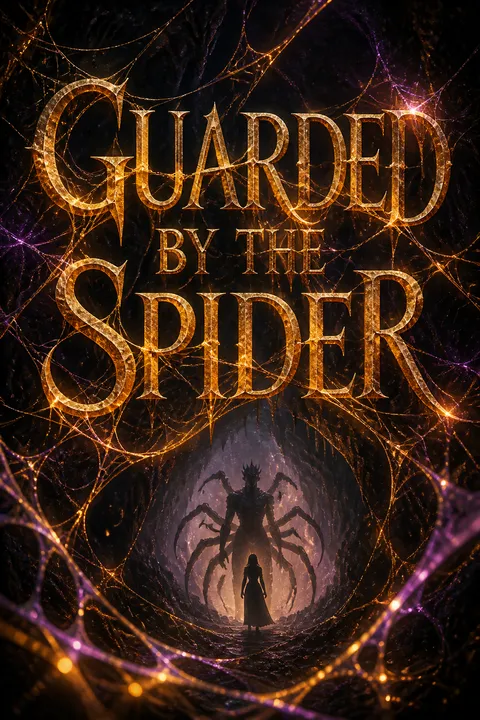
Nia’n’an, an Arachnaea bodyguard who has withdrawn from the Monster Security Agency, has been preparing to die alone. His former handler, Royce, interrupts that vigil with a rescue job: billionaire Arcus Marlow’s daughter, Sloane, has been kidnapped, and two teams have already failed to reach her.
Arcus refuses to pay ransom without knowing who holds her, while the captors have stopped sending proof that she is alive. Royce proposes sending Nia’n’an into the Threadstone Mountains, the ancestral homeland he has never seen, because the kidnappers’ location may give him a chance to die there.
The mission also offers a faint possibility of finding other Arachnaea. Nia’n’an accepts, choosing a perilous return toward a home he knows only from his mother’s stories.
The rescue begins as a bargain with death, not a conventional call to heroism. Nia’n’an accepts because the mission gives shape to an ending he already expects, while the possibility of finding his people quietly complicates his resignation. Royce’s decision to send him alone is both pragmatic and ethically uncomfortable: the agency treats Nia’n’an’s anticipated death as a resource. The premise therefore joins physical danger to a more intimate question. Can someone who has stopped imagining a future still be moved by another person’s need?
Dropped Into the Dark
On the flight toward Threadstone, Nia’n’an studies footage of the failed Orc teams. They entered through obvious routes, were sealed underground by a cave-in, and were killed before they could reach Sloane. When rockets attack the helicopter, Nia’n’an orders the pilot, Ellum, to drop him well short of the target so the aircraft will not be shot down and the kidnappers will not know his landing point.
He descends by silk into jungle, then follows his instincts rather than the route-mapping equipment. A tiny spider in the forest shows him that large creatures have carried someone through the undergrowth. By nightfall, Nia’n’an reaches Threadstone’s cliff face and climbs toward its countless cave entrances, leaving a silk trail behind him.
Nia’n’an’s first decisive act is protective rather than self-sacrificing: he refuses to let Ellum and his family become collateral damage in a mission he considers expendable. His choice to navigate by instinct also marks a shift from institutional methods to embodied knowledge. The failed teams relied on force and predictable routes; Nia’n’an reads terrain, scent, and small signs. This contrast establishes his spider nature as a form of intelligence, not merely a weapon. At the same time, his silk trail reverses his usual purpose: instead of making a way through danger, he leaves himself a possible path back.
Threadstone Calls Back
While climbing the mountain, Nia’n’an catches a scent that feels like warmth, food, and home. He becomes certain another Arachnaea is nearby, perhaps the mate he has spent his life failing to find. The pull is so powerful that he turns away from the kidnappers’ path and follows it deeper underground. In the tunnels, he crosses rivers, squeezes through narrow passages, and tracks the scent for days.
Near a cavern lit by glowing fungus, he detects seven men and an empty cage. Their argument reveals that their captive escaped through a gap too small for them to follow. Nia’n’an prepares to attack, believing the men have harmed his mate, but an anguished cry from another passage sends him racing toward the sound instead.
The apparent mating call exposes how easily longing can overwrite duty. Nia’n’an has never met an Arachnaea who felt right to him, so the scent becomes proof before he has evidence. His diversion is not simple selfishness: he believes he may be moving toward a person who needs rescue. But the empty cage and the men’s fear soon redirect his attention toward the captive. The book makes desire a source of perception and distortion at once. Nia’n’an’s senses are acute, yet his interpretation of what they mean remains vulnerable to hope.
The Captive Was Sloane
Nia’n’an finds Sloane fleeing a defensive cave creature. Startled by his enormous spider body, she runs blindly, falls, and breaks her leg. As he tends the injury, he understands that the scent he followed belongs to her, not to another Arachnaea. He carries the unconscious DJ away from the armed men, splints her leg with silk, and sacrifices his damaged translator to start a fire and warm water.
He cleans her, feeds her diluted rations, and makes her clothing from his silk. When Sloane wakes, she sees a frightening captor rather than a rescuer and tries to escape, nearly reaching a cliff. Nia’n’an catches her in webbing and keeps her from falling, but she remains wary of him and unable to understand his words.
Their first bond is built under conditions that make trust nearly impossible. Nia’n’an’s rescue requires physical control: he resets Sloane’s leg, carries her, and restrains her when she risks falling. Those actions keep her alive, but from her perspective they echo captivity. His intentions cannot cancel the fear produced by his appearance or the loss of her agency. The broken translator sharpens this asymmetry. Nia’n’an can understand Sloane, but she cannot know that, leaving care and coercion difficult to distinguish. The scene makes consent a problem of communication as much as intention.
A Shelter Made of Silk
As Nia’n’an carries Sloane through Threadstone, practical dependence slowly replaces some of her fear. He builds a silk bridge above a subterranean river, secures her across steep passages, and hunts cave creatures when their supplies run low. A Nanuruck drags Sloane away while Nia’n’an rests; he kills it and brings food back, but she initially refuses to eat until he does.
Later, a huge tunneling Orack erupts during one of her songs. Nia’n’an kills it from inside its throat, and the gore triggers Sloane’s memories of the concert shooting that killed people around her. She screams until exhaustion takes her. Nia’n’an wraps her in a close silk cocoon for comfort and protection, then waits beside her until she can move again.
The cave makes care measurable. Nia’n’an’s affection appears in bridges, food, warmth, and repeated attention to Sloane’s injured body; Sloane’s willingness to accept these provisions becomes an early form of trust. Yet the Orack attack shows that safety cannot erase trauma. The sight of blood reconnects her present danger to the concert, where she believes her performance and her father’s wealth made others targets. Nia’n’an cannot repair that guilt, but he recognizes when explanation will not help and offers pressure, shelter, and time. His cocoon is protection shaped around her distress, not a cure for it.
The Translator Betrays Him
During their journey, Sloane sings to pass the time and admits aloud that she wants Nia’n’an, though she doubts her own attraction and assumes he sees only her wealth. He understands every word but keeps silent, afraid that correcting her would cost him the closeness she offers. At a crystal cavern with a hot spring, Sloane asks whether he wants her, and he answers through the translator Ellum supplied earlier.
She realizes he has been listening to her confessions and songs for days, and strikes his hard face in anger before choosing to stay. They become intimate, but Nia’n’an’s expected mating lock does not occur. He takes this as evidence that they are not destined for each other, even as Sloane feels closer to him than before.
The translator’s failure is not merely mechanical. Nia’n’an has the means to understand Sloane but withholds his own understanding, turning silence into a protective strategy that also deprives her of informed trust. Her anger is not a rejection of intimacy so much as a demand to know what kind of relationship she has entered. The first sexual encounter changes the balance between them, but its missing biological confirmation becomes a false verdict in Nia’n’an’s mind. He treats a cultural expectation as certain evidence, while Sloane evaluates the bond through care, desire, and choice.
The Pursuers Reach Them
Believing the failed mating lock means Sloane is not his destined partner, Nia’n’an decides his remaining duty is to get her out of Threadstone. He moves faster, while Sloane reads his urgency as a sign that he wants to leave her. When unfamiliar pursuers close in near an exit, Nia’n’an hides Sloane behind a boulder and gives her a broken leg from his own body to use as a crutch.
He plans to hold the attackers in a cavern where the ceiling and narrow passages favor his webs. Sloane hears the men taunt him and realizes they have tracked him for miles. Unable to bear staying protected while he faces them alone, she tears through the silk that concealed her and steps into the fight.
This separation is created by misread evidence rather than a lack of feeling. Nia’n’an interprets biology as destiny and concludes that he must relinquish Sloane; Sloane interprets his secrecy and haste as proof that she is disposable. Both act to protect the other, but each protection deepens the other’s fear. His severed leg makes the conflict tangible: he gives her a tool for escape while preparing to stay behind. Sloane’s decision to break cover is therefore more than recklessness. She refuses the role of valuable cargo and chooses to participate in the danger that has defined their relationship.
The Bodyguard Falls
Nia’n’an attacks the pursuers from the cavern ceiling, using trip lines and webs to disable several before gunfire exposes him. Sloane breaks out of hiding to stop them from hurting him. Their leader strikes Nia’n’an with an electrified club, while another man grabs Sloane. She offers the attackers a larger ransom for bringing her back alive and promises to reward whoever saves her, setting the men against one another.
In the confusion, she crawls to Nia’n’an and uses his severed leg as a crutch. He recovers enough to spear the club-wielding leader with it, severs the weapon’s power cable, and incapacitates the last attacker. Once the cavern falls quiet, Nia’n’an collapses, leaving Sloane to seek help outside.
Sloane’s inherited wealth has often made her feel reduced to a name and a price, but here she turns that same system into leverage. She understands the attackers’ motive quickly and redirects their greed toward conflict. The action is neither a sudden transformation into a trained fighter nor a rejection of vulnerability; she remains injured and frightened, yet acts with the tools available to her. Nia’n’an’s severed leg, first given as a means of escape, becomes the instrument that helps save him. The sequence converts bodily sacrifice into shared agency, while his collapse leaves their survival unfinished.
The Death Nest Opens
Sloane reaches Ellum’s helicopter, but she refuses to leave without Nia’n’an. Ellum gives her a working translator, and she returns through the caves. Nia’n’an tells her he will remain in Threadstone because he believes his life is ending, then begins weaving a death nest. Sloane stays with him and sings the song she has been composing about their journey, making clear that she loves him.
Nia’n’an dies in her arms. During the night, his body begins to split open, and Sloane watches him shed his old skin and emerge alive, renewed with eight legs. The molt changes what she thought was a final farewell into a second chance. They leave the caves together, though the world above still holds dangers neither has resolved.
The death nest gathers the book’s central misunderstanding into one image: Nia’n’an believes his body has declared their bond impossible, while Sloane believes love should be enough to keep him with her. Her song gives him the recognition he has been unable to accept, but the change in his body arrives through molting rather than sentiment alone. The scene preserves the emotional force of apparent death while refusing to make love a magical substitute for biology. Nia’n’an’s renewed life allows them to face the outside world together, yet the unresolved danger above prevents this reprieve from becoming a simple ending.
The Rescue Was a Trap
At Arcus’s tower, the arriving security team is led by Shiranak, the Orc contractor whose earlier rescue teams supposedly died in Threadstone. Nia’n’an recognizes that their cave footage was staged: Sloane’s passage had disturbed the slow-growing luminous fungus, but the teams’ recordings showed untouched walls.
As Nia’n’an confronts Shiranak, Sloane and Ellum are webbed over the tower’s edge for safety. Sloane livestreams her survival, her father’s refusal to pay ransom, and her suspicions about the supposed rescuers.
Shiranak tries to discredit Nia’n’an, but Arcus signals him with a gesture Sloane taught him and disables the flamethrower. Nia’n’an defeats Shiranak and rescues Sloane and Ellum, then carries them down the tower as a crowd records the scene.
The rescue apparatus turns out to be another instrument of danger. Nia’n’an solves the deception not through a confession but by noticing what the recordings omit: a trace left by Sloane that the staged footage should have shown. Sloane’s livestream counters the power of Arcus’s controlled public story with her own testimony, despite the risk of being disbelieved. Her father’s gesture shows that he can act in coordination with Nia’n’an, even after his earlier failure to pay the ransom. The tower sequence joins physical rescue to a struggle over who gets to define what happened.
A Bond Chosen and Sealed
On the ground, Nia’n’an refuses Royce’s contract demand to return Sloane, telling Arcus that Shiranak’s team caused the kidnapping and that Sloane is no longer a prize to be handed over. He brings her to his apartment, where they speak openly about the mating bond he had believed impossible.
This time, their intimacy ends with the biological lock Nia’n’an expected, confirming that they are mates and easing his fear that he will die alone. Sloane faces the consequences of returning to public life, including her grief for the people killed at her concert and the scrutiny her story will attract. Nia’n’an promises to stand beside her, while she chooses a life with him rather than retreating into her father’s control.
The resolution distinguishes possession from commitment. Nia’n’an’s mating language could imply that Sloane is claimed, but the story makes the bond emotionally viable only after she chooses him with fuller knowledge and he stops treating an uncertain biological sign as a verdict on her worth. Their homecoming does not erase Sloane’s guilt, her father’s influence, or public scrutiny. Instead, it gives her a relationship in which she can speak about those pressures without being managed as a liability. The physical lock resolves Nia’n’an’s fear of dying alone, while their mutual choice addresses the deeper fear of not being wanted as oneself.
Epilogue
At Ellum’s Christmas party, Nia’n’an joins the minotaur’s family while Sloane talks with Royce, who has finally forgiven the mission’s cost. Sloane reveals that Arcus has begun trying to reconnect with her and hopes for grandchildren. She and Nia’n’an discuss having children, but she worries that their different bodies may make pregnancy impossible.
Arcus has prepared a potion designed to make conception safe for one fertile window. Sloane and Nia’n’an decide to try, with Nia’n’an eager to share the possibility of a family and Sloane still able to joke through her nerves. Their life together remains strange, tender, and unfinished.
The epilogue extends the story’s central negotiation from partnership to family. Sloane does not simply accept Arcus’s wishes because he is her father; she considers what she wants and raises the question of safety before agreeing to try for a child. Nia’n’an’s unfamiliarity with human reproductive expectations creates humor, but it also recalls how often intimacy requires explicit explanation between species. The potion makes scientific and magical intervention part of domestic life, yet it cannot guarantee emotional ease. Their future depends on the same habits that carried them through the caves: asking, listening, and making room for difference.
Analysis
Guarded by the Spider builds its romance from a rescue in which the rescuer and the rescued do not share a language, a body, or an agreed account of what safety means. Nia’n’an’s care is concrete: he resets Sloane’s leg, carries her through hostile terrain, makes her clothes, and hunts when their food runs out. Yet the same actions can feel coercive to someone recently imprisoned. The story’s emotional work lies in making good intentions insufficient. Trust grows only as Sloane gains ways to refuse, question, and choose, and as Nia’n’an learns that protection cannot substitute for honest communication.
Sloane’s wealth works as both shield and wound. It lets her bargain with attackers, but it has also taught her to doubt whether affection is ever separate from money, access, or her father’s power. Her grief over the concert shooting becomes an internal captivity: she treats her public identity as evidence of guilt, even when she cannot undo what happened. Nia’n’an’s steady presence does not erase that grief, but it offers a relationship in which she can be frightened, angry, funny, and still wanted.
The book also makes belonging bodily. Nia’n’an’s Arachnaea nature gives him abilities that save Sloane, while his isolation makes him imagine that his difference disqualifies him from love. The missing mating lock seems to confirm that fear, but his interpretation is not the truth of Sloane’s choice. The story’s resolution depends on joining physical compatibility to mutual recognition rather than treating either as enough by itself. Their partnership does not promise a life without public scrutiny, family conflict, or biological uncertainty. It promises that neither has to meet those pressures alone.
Review Summary
Guarded by the Spider holds a 3.88 rating across 3,505 reviews. Readers largely praise the spider MMC, Nia'n'an, as a sweet, protective cinnamon roll, while the FMC, Sloane, is frequently criticized as spoiled and unlikeable, though many note she improves over time. Common highlights include creative spice scenes, a charming language barrier dynamic, and enjoyable audiobook narration. Criticisms include rushed romance, underdeveloped world-building, and the use of AI-generated cover art, which drew notable backlash.
People Also Read


Characters
Nia’n’an
Arachnaea bodyguardNia’n’an is an Arachnaea, with a humanlike torso joined to a large spider body, and a former Monster Security Agency bodyguard. His careful habits, acute senses, and capacity to spin silk make him a formidable protector, but he has spent much of his life feeling that he belongs neither among humans nor among his own people. He approaches danger with professional discipline and his own suffering with a troubling calm. His need for connection is physical and spiritual, though he struggles to trust that another person could choose him freely. He values consent and protection, yet his instinct to decide what is safest can lead him to withhold information.
Sloane Marlow
Grieving DJ and heiressSloane is a twenty-five-year-old international DJ and the daughter of billionaire Arcus Marlow. Her wealth gives her access to almost anything, but it also leaves her unsure whether people value her or the advantages attached to her name. She uses humor, partying, and bluntness to keep painful feelings at a distance. After violence touches her concert, guilt and grief complicate her relationship with her own career and with her father. Sloane is not a passive rescue target: she improvises, reads other people’s motives, and speaks plainly when she feels safe enough to do so. Her attraction to Nia’n’an grows alongside a desire to be known beyond her public image.
Royce
Hard-edged agency chiefRoyce is Nia’n’an’s former handler and a senior figure at the Monster Security Agency. He is brisk, ambitious, and willing to use humor to test the people around him, but he also remembers the loyalty Nia’n’an has shown on past missions. His decision to ask a presumed dying agent to take a dangerous assignment reveals both the agency’s ruthless pragmatism and Royce’s confidence in Nia’n’an’s judgment.
Ellum
Minotaur rescue pilotEllum is a minotaur pilot who has worked with Nia’n’an on previous missions. He is sociable and teasing, but he takes the risks of the job seriously, especially when his family could be affected. His good humor helps keep the mission human, while his willingness to wait and provide Sloane with help shows how friendship can remain steady without demanding the spotlight.
Arcus Marlow
Billionaire fatherArcus is Sloane’s father, a powerful billionaire whose wealth and public influence shape how others treat his daughter. He approaches problems through strategy, security, and control, believing that careful management can limit harm. His relationship with Sloane carries affection but also friction, because his plans do not always account for her need to make decisions for herself.
Shiranak
Orc security rivalShiranak runs an Orc security operation that competes with the Monster Security Agency. He is physically imposing and cultivates a flamboyant, forceful presence, using reputation as part of his authority. His confidence in military solutions contrasts with Nia’n’an’s attention to terrain and small sensory evidence.
Westly Bones
Gossip-site editorWestly Bones edits The Bone Zone, a gossip site Sloane knows well because it has helped shape her public image. He is commercially minded and skeptical, but he understands the value of a live story and can mobilize attention quickly.
Plot Devices
The translator
Speech across speciesA small electronic translator lets humans and Arachnaea understand one another. Nia’n’an loses his device while trying to start a fire for Sloane, forcing them to communicate through gesture and action. Because he can still understand her speech, his silence creates a hidden imbalance until Sloane discovers the truth. A replacement device later restores clear communication and lets them negotiate what happens next. The translator therefore functions as practical equipment and as a measure of trust: understanding words is possible well before either character feels understood.
Arachnaea silk
Shelter, rescue, and restraintNia’n’an spins silk to make bridges, casts, clothing, warning lines, and protective nests. The same material can keep Sloane warm, carry her across dangerous passages, and prevent her from falling. It can also restrain her when Nia’n’an believes she is in danger, making its meaning depend on context and consent. In combat, silk becomes a tactical tool that lets him trap attackers and control a cavern. Its changing uses give the spider body practical agency and turn a characteristic associated with capture into an instrument of care and survival.
The mating lock
Biology mistaken for destinyArachnaea mating includes a physical lock that Nia’n’an expects to confirm a lasting bond and protect him from the decline he associates with remaining unmated. When it does not happen during his first sexual encounter with Sloane, he assumes she is not his destined partner. That conclusion drives him to distance himself and rush her toward safety. The later completion of the bond changes his understanding of his own future, but the device also exposes how biological certainty can be misread when characters do not communicate what they believe or need.
Threadstone’s cave ecology
A living obstacle courseThreadstone is a vast system of caves shaped by erosion, underground water, and dangerous creatures. Its many entrances make conventional routes difficult to predict, while its inhabitants can turn an apparently quiet passage into a sudden threat. The mountain defeats the earlier Orc teams and forces Nia’n’an to rely on sensory skill, patience, and intimate knowledge of his mother’s stories. Its darkness also intensifies the pair’s dependence on one another. Threadstone acts as both a physical maze and a temporary world where social status matters less than practical care.
Download PDF
Download EPUB
.epub digital book format is ideal for reading ebooks on phones, tablets, and e-readers.








