

Key Takeaways
Treat herbal tea as daily nourishment, not a stand-alone cure
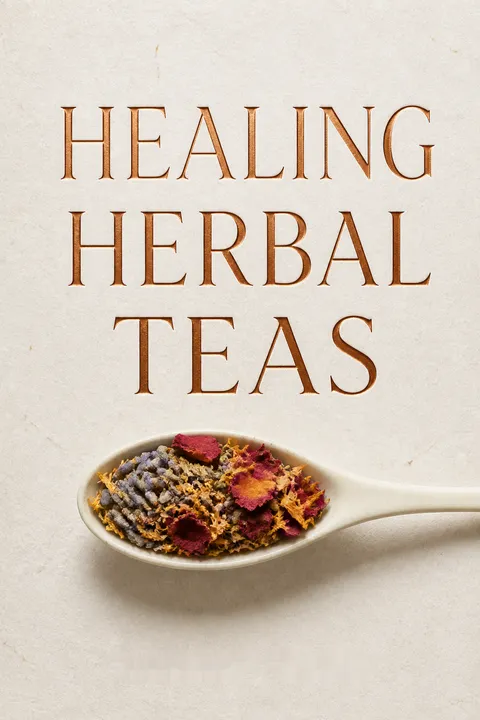
Tea joins food and care. Sarah Farr presents herbal tea as a practical meeting point between nourishment, sensory pleasure, and traditional medicine. A cup can provide comfort, encourage hydration, and become a daily moment to notice stress and respond thoughtfully. The book’s recipes range from simple mineral-rich blends to teas intended for particular symptoms, but its broader argument is that consistency and enjoyment matter: a blend is useful only if people actually want to drink it.
Place shapes the practice. Farr’s Pacific Northwest recipes reflect local plants and changing weather, from spring nettles to warming winter spices. She argues that making tea from nearby herbs can connect people to their landscape and support regional growers. The aim is not to replace medical care, but to make everyday well-being more attentive, seasonal, and participatory.
What's striking is the book's insistence that care can be built into ordinary routines, rather than reserved for moments of crisis. That insight aligns with behavioral science: repeatable rituals can make health-supporting choices easier to sustain. The place-based approach also usefully links personal consumption with agriculture and ecology. Still, the language of plants “realigning” the body can blur metaphor and medicine. Hydration, warmth, pleasure, and a pause are valuable in their own right, even when a blend has no proven therapeutic effect.
Train your palate to notice what each herb contributes
Taste is a practical tool. Farr asks tea makers to sample herbs individually and notice flavor, smell, texture, and bodily sensation. She groups common herbal flavors into sour, salty, bitter, sweet, and umami, while treating pungency as a sensation and astringency as a drying feeling in the mouth. The book connects these qualities to traditional herbal actions: for instance, it describes bitter herbs as stimulating digestive processes and sweet, mucilage-rich plants as soothing dry or irritated tissues.
Practice builds memory. Fresh and dried herbs can taste quite different because fresh plant material contains substantial water. Farr uses wild rose as an example: its fragrance fades with drying, so she prefers the fresh petals in season and saves rose hips for dried blends. Repeated tasting helps recognize both a plant’s character and changes in the quality of a batch.
Sensory attention is a strong form of practical literacy. It can help someone detect stale stock, distinguish a pleasant blend from an unpleasant one, and remember what they have tried. It also echoes sensory education in cooking, where flavor is learned through repeated comparison rather than abstract rules. The limit is important: taste is not a dependable diagnostic test for a plant’s medicinal chemistry or safety. A bitter flavor may guide recipe design, but it cannot establish that an herb treats a disease.
Build blends around one purpose, then make them pleasant enough to drink
Give each herb a job. Farr’s beginner-friendly formulation pyramid organizes a blend into three roles: an active herb supplies its main action or flavor, supporting herbs complement the relevant body system, and a catalyst adds a flavor accent or helps direct the blend. For a digestive tea, she suggests dandelion root as a bitter active herb, fennel or mint as support, and ginger as a warming accent. The pyramid is a planning aid, not a fixed formula.
Flavor affects follow-through. Farr stresses that people are unlikely to keep drinking a remedy they dislike. Sweet, aromatic, fruity, or spicy herbs can soften forceful flavors, while a blend may be adjusted to suit the drinker. She also recommends recording proportions and revisions, so a successful combination can be repeated and an unsuccessful one can teach the next attempt.
The pyramid borrows a useful principle from design: give a central element a clear purpose, then add components that support rather than compete with it. Its strongest practical contribution may be forcing the maker to articulate why each ingredient is present. Enjoyment also matters because adherence is partly behavioral. However, a well-balanced flavor is not evidence of a well-tested treatment. Culinary coherence and clinical efficacy are separate standards, and the framework addresses the first more reliably than the second.
Match extraction to the plant part, then guard freshness
Choose the brewing method deliberately. Farr generally uses infusions for leaves, flowers, and soft plant parts, pouring hot water over them and steeping with a lid. Her typical hot infusion takes 15 to 20 minutes, although recipes vary. For harder materials such as roots, bark, and seeds, she describes a decoction: start the herbs in cold water, bring the mixture slowly to a boil, then simmer. The book also offers cold infusions for ingredients such as marshmallow root and fruit.
Protect what you made. Clean, dry equipment matters because moisture can spoil a blend. Farr recommends keeping dried herbs and finished teas away from light, heat, and dampness, in airtight storage. She favors small batches and notes that aroma, color, and flavor are useful signs of freshness. Her working method is simple: weigh ingredients, mix gently, inspect for foreign material, and write down the recipe.
This practical section turns herbal enthusiasm into repeatable kitchen craft. A lid, clean containers, careful weighing, and written records are modest interventions with clear benefits for consistency and waste reduction. The distinction between steeping delicate material and simmering tougher parts is a useful starting heuristic, not a universal extraction law: the best method depends on the plant and the compounds sought. Similarly, sensory freshness checks can flag deterioration, but they cannot identify every contaminant or confirm potency.
Ask where herbs came from, and reject stale, lifeless batches
Sourcing affects quality and impact. Farr favors local herbs when practical, using the idea of terroir, the way growing conditions influence a plant’s character, to explain why herbs from different places may vary. Local purchasing can support small growers and reduce transport, while overseas sourcing may be necessary for tropical spices or ingredients unavailable nearby. She urges buyers to ask distributors about harvest dates, storage, and origin, and to examine each batch for lively color, smell, and taste.
Ethics require follow-up. The book describes gaps in supply-chain information and the risks of large-scale production. Fair trade is presented as a way to improve what farmers receive; direct trade refers to buyers building relationships and paying more for better production practices. Farr recommends avoiding herbs older than the latest harvest season, even when a supplier reports acceptable potency tests.
The book makes a valuable move from “natural” as a marketing label to questions about labor, land management, freshness, and who benefits from a purchase. That resembles supply-chain scrutiny in food ethics: provenance matters, but so does the quality of the evidence behind a sourcing claim. A recent harvest is a useful preference, not an automatic guarantee of purity or potency. Consumers also have limited leverage when suppliers disclose little, so transparency depends on distributors and standards, not just individual diligence.
Let the seasons guide your cup and your expectations
Prepare for changing needs. Farr treats seasonal tea making as a way to notice how weather, light, activity, and mood affect daily routines. In spring, she favors fresh, grassy, nourishing blends and flexibility for changeable weather. Summer recipes lean toward cold infusions, fruit, hydration, and cooling flavors. Autumn brings warming spices and teas for focus, while winter blends tend to be rich, spicy, and comforting.
Pace work with the season. Farr describes becoming depleted during hot summers and learning not to interpret lower productivity as personal failure. Instead, she gives herself more room to rest and chooses work that fits her energy. The tea is one part of a broader practice: observe the landscape and the body, then adjust expectations and habits rather than forcing the same rhythm year-round.
Seasonal planning offers a useful alternative to treating energy as a constant personal resource. It can prompt preparation, such as making allergy blends before symptoms begin or having warming ingredients ready for cold weather. The idea also connects with chronobiology, the study of biological rhythms, though seasonal changes vary substantially by climate, work, health, and individual circumstance. A seasonal framework is most helpful as a prompt for observation, not as a rule that everyone should feel or function in the same way.
Grow and gather with restraint, reciprocity, and local knowledge
Start where you are. Farr argues that even a small garden can supply useful herbs and deepen familiarity with plants. She recommends choosing species suited to local conditions, planning for sunlight and slope, and beginning with manageable tasks. Gardening can combine food, medicine, habitat, and beauty, but the plants’ needs and the gardener’s available time should shape the design.
Wild harvesting needs limits. Wildcrafting means gathering plants or mushrooms from wild populations. Farr advises learning local ecology and plant identification before harvesting, moving carefully through a site, and generally taking no more than 10 percent of a wild population. Her nettle example shows why: the plant’s preferred wet habitats can be vulnerable to trampling and erosion. She also acknowledges the Indigenous history of local plant knowledge and warns against borrowing cultural practices without respect.
This is more nuanced than the familiar choice between untouched wilderness and unrestricted use. Careful human tending can support ecosystems, while harvesting without ecological knowledge can damage them. The book’s attention to colonial history adds an ethical dimension often missing from hobbyist foraging advice. The 10 percent guideline is a starting safeguard, not a universal ecological threshold: population health, reproductive cycles, habitat, access rights, and other harvesters all matter. Local expertise and permission remain essential.
Use recipes as experiments, and keep clinical care in the loop
Recipes are not prescriptions for everyone. The book includes blends for sleep, pregnancy, blood pressure, infection, pain, and other concerns. Farr sometimes makes strong claims about what particular herbs can do, but the book’s own publication notice says its information is educational and does not replace personalized medical advice. It advises consulting a doctor or midwife about its pregnancy blend and says its kava blend is unsuitable during pregnancy, nursing, or acute liver disease.
Dose and safety vary. Farr argues that a therapeutic serving can require much more loose herb than a standard teabag, and suggests drinking some medicinal teas more than once daily. That is her general guidance, not a universal dose. The appropriate amount and safety profile depend on the plant, preparation, health conditions, and other medicines. For serious, persistent, or worsening symptoms, tea should not delay professional assessment.
The book’s practical recipes make herbal experimentation approachable, but the same specificity can create an impression of medical certainty. Evidence for herbs differs widely, and preparation, dose, product quality, interactions, and individual health all affect risk. The most responsible reading keeps two ideas together: a cup can be a comforting adjunct, and a symptom may still require diagnosis or treatment. Clear labeling of traditional use versus demonstrated clinical benefit would make this kind of reference even safer.
Analysis
Healing Herbal Teas is both a recipe collection and a guide to learning through the senses. Its structure moves from practical tea-making and formulation to tonic, remedial, and seasonal recipes, then outward into gardening and wild harvesting. The sheer number of blends is less important than the habits the book tries to teach: taste herbs individually, record proportions, choose an extraction method with intention, notice seasonal changes, and consider where ingredients come from.
The most distinctive thread is the connection between personal wellness and place. Farr does not treat herbs only as ingredients; she describes them as part of ecological relationships, agricultural systems, cultural histories, and daily routines. Her accounts of working with Pacific Northwest plants give the seasonal framework a lived setting, while the garden and wildcrafting chapters insist that gathering medicine carries responsibilities. The discussion of Indigenous knowledge and colonial history is particularly important because plant traditions do not exist outside of power and history.
The book’s chief limitation is that culinary confidence and therapeutic confidence sometimes sit too close together. Detailed recipes and confident descriptions can make health effects sound more settled than the text establishes. The publication disclaimer, along with specific cautions around pregnancy and kava, helps, but readers still need to distinguish traditional herbal practice from demonstrated clinical treatment. This is especially important for serious illness, persistent symptoms, pregnancy, chronic conditions, and medication use.
The strongest adaptation therefore preserves the book’s practical and ecological intelligence while setting a clear boundary around medical claims. Its most transferable lesson is not that a particular blend cures a condition. It is that making tea can cultivate attention: to taste, to the body, to the season, and to the chain of care connecting a plant to a cup. That attention can improve daily choices, provided it complements rather than replaces sound medical judgment.
Review Summary
Healing Herbal Teas receives mostly positive reviews, with readers appreciating its comprehensive information on tea blending, medicinal properties, and recipes. Many find it informative and inspiring, praising the beautiful layout and seasonal approach. Some criticize the complexity of recipes and difficulty sourcing ingredients. Readers value the book's focus on local ecosystems and cultural significance of herbs. While some find it overwhelming for beginners, others appreciate its depth. Overall, it's seen as a valuable resource for those interested in herbal teas and wellness.
People Also Read

Glossary
Formulation pyramid
A three-role blending guideFarr’s beginner framework for planning a tea blend. An active herb provides the main intended action or prominent flavor; supporting herbs complement the blend’s purpose or the affected body system; and a catalyst adds a flavor accent or is intended to improve the active herb’s function. The structure is flexible and meant to guide experimentation, not prescribe a universal formula.
Infusion
A water-based herbal extractionA preparation made by pouring water over herbs and allowing them to steep. Farr generally recommends infusions for leaves, flowers, and other relatively delicate plant parts. Her instructions commonly call for covering the vessel to reduce the loss of aromatic oils. Infusions may be hot or cold, with steeping times adjusted for the recipe and ingredients.
Decoction
A simmered herbal extractionA preparation method in which tougher plant materials, such as roots, bark, stems, or seeds, are placed in cold water, slowly brought to a boil, and simmered. Farr’s recipes often specify simmering for 20 minutes or longer. The method is presented as a way to extract from plant parts that generally need more heat and time than leaves or flowers.
Adaptogens
Herbs used for stress resilienceA broad herbal category that Farr uses for plants intended to help the body respond to physical, emotional, environmental, or biological stress. She describes some as calming and others as invigorating, and often combines them with other herbs in tonic blends. The term describes a traditional and herbalist framework; it does not establish that a given herb is effective or safe for every person.
Nervine
An herb used for nervous-system supportAn herbal action category for plants used to support or calm the nervous system. Farr applies it to ingredients such as chamomile, skullcap, and catnip, which appear in blends intended for tension, rest, or sleep. The term covers a range of traditional uses and does not mean that every nervine has the same effects, strength, or safety profile.
Demulcent
A soothing, coating herbAn herb described as containing mucilage or similar substances that become slippery in water and can coat or soothe irritated tissues. Farr uses the term for ingredients such as marshmallow root and slippery elm, particularly in recipes aimed at dry or inflamed tissues in the throat and digestive tract. The term describes a traditional herbal action, not proof of treatment for a specific disease.
Diaphoretic
An herb that promotes sweatingAn herbal action category for substances used to encourage perspiration. Farr describes herbs such as yarrow and elderflower as diaphoretics and includes them in some warming blends for illness. The term reflects a traditional way of describing an herb’s effect. Sweating should not be treated as evidence that an infection is being cured or that medical care is unnecessary.
Terroir
A place’s influence on plantsA term borrowed from wine growing to describe how local soil, climate, and growing conditions shape an agricultural product. Farr applies it to herbs, noting that a plant grown in one region may differ in color, flavor, or potency from the same species grown elsewhere. In the book, the concept also supports local sourcing and attention to regional growing conditions.
Garbling
Removing stems from dried herbsThe process of separating leaves and flowers from stems and other unwanted plant material after herbs have dried. Farr describes removing material by hand for small batches or using a mesh screen for larger quantities. Garbling also helps prepare dried plant material for loose-leaf tea and offers an opportunity to inspect the finished herbs.
Wildcrafting
Responsible wild plant gatheringThe gathering of plants or mushrooms from wild populations, ideally with botanical identification skills and an understanding of local ecology. Farr presents responsible wildcrafting as a practice that accounts for habitat, plant resilience, other species, and the effects of human movement through a site. She recommends restraint and describes a general limit of harvesting no more than 10 percent of a wild population.
Download PDF
Download EPUB
.epub digital book format is ideal for reading ebooks on phones, tablets, and e-readers.








