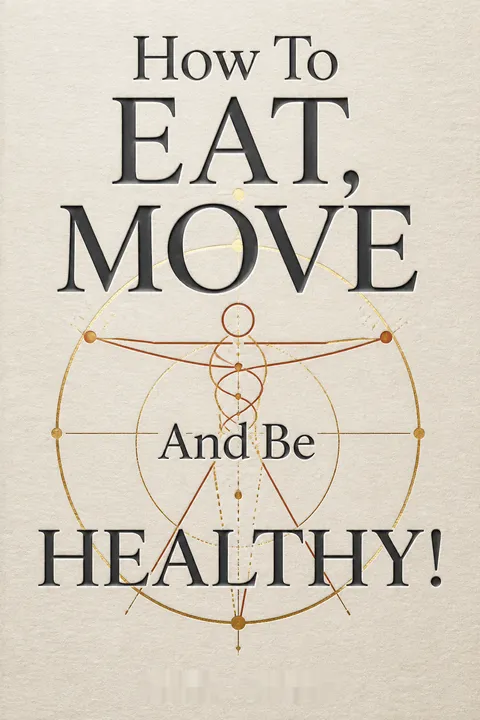


Key Takeaways
Treat symptoms as clues to a connected system, not isolated defects
Look beyond the symptom. The book opens with an imaginary visit to a doctor modeled on Albert Einstein. The patient feels unwell despite reassuring lab tests. The fictional doctor asks about work, relationships, food, movement, and sleep, arguing that health depends on the conditions in which the whole person lives, not one test result or a symptom-masking prescription. The point is not that tests or medicine are useless, but that they may not explain every problem on their own.
A client’s experience illustrates the idea. Emma Lane describes fatigue, pain, and cognitive problems after cancer treatment and two car accidents. She reports improvement after working with practitioners and changing several habits, including her diet and sleep. Her story illustrates the book’s whole-person approach, but it cannot establish which changes caused the improvement.
What's useful here is the reminder that a body is not a collection of independent parts. Sleep loss can affect mood and appetite, while pain can reduce movement, creating feedback loops that a single lab result may not capture. This systems perspective can help patients ask better questions and give clinicians a fuller history. Its limit is equally important: interconnected symptoms do not prove a single lifestyle cause, and normal test results do not rule out illness. Whole-person care works best alongside appropriate medical evaluation, not as a substitute for it.
Personalize your plate by tracking how meals affect energy and hunger
Use a starting hypothesis. The book’s Primal Pattern Diet Type sorts readers into Polar, Equatorial, or Variable categories using a questionnaire about food preferences, appetite, sleep, and energy after meals. It proposes different starting proportions of protein, fat, and carbohydrate for each type. Variable types begin with roughly equal portions of animal foods and plant or grain foods; the other types are directed toward different balances. These categories are presented as individual metabolic needs, not merely food preferences.
Let your response guide adjustments. The book recommends noting what you eat and how you feel for several hours afterward. Persistent hunger, sluggishness, or an energy crash are treated as signals to adjust the meal balance or investigate a particular food. It also suggests retesting because a person’s category may change as health changes.
The practical strength is the feedback loop: record a meal, notice satiety and energy, and adjust rather than copying a popular diet. That resembles personalized nutrition research, where responses to identical meals vary across people. However, the book’s three categories and its claim that they reflect genetically based requirements should be treated cautiously. A questionnaire is not a clinical metabolic diagnosis, and appetite can be influenced by sleep, medications, stress, and access to food. The useful experiment is noticing repeatable responses, not treating a label as biological destiny.
Build meals from minimally processed foods, then consider where they came from
Start with recognizable food. The book favors whole foods over products heavily altered with refined flour, sugars, preservatives, colorings, and other additives. It points to Weston A. Price’s observations of traditional communities with very different diets, but a shared reliance on minimally processed foods. Its practical advice is to eat a variety of vegetables and fruits, choose quality sources of animal foods when possible, and reduce packaged foods that displace more nourishing meals.
Think about production, too. The author favors organic farming and free-range animal products, arguing that farming practices affect both food quality and the environment. He cites studies comparing organic and conventional crops, while acknowledging that results vary. The consistent point in his advice is to pay attention to freshness, processing, and sourcing instead of assuming that a health claim on a package makes a food healthful.
The strongest case for this approach is its emphasis on food patterns rather than miracle ingredients. Less processing often makes it easier to identify what a meal contains and to build meals around diverse, familiar foods. Sourcing can matter for pesticide exposure and animal welfare, but organic does not guarantee higher nutrient content, and fresh conventional produce can still be a valuable choice. Cost and availability matter, too. A useful adaptation is to prioritize minimally processed foods within a realistic budget, then make sourcing improvements where they are practical.
Replace crash diets with adequate meals and movement you can sustain
Reject the diet cycle. The author argues that severe calorie restriction and skipped meals can encourage the body to conserve energy, reduce muscle, and make weight regain more likely. He notes that daily energy use includes the energy required simply to keep the body functioning, plus digestion and activity. Rather than counting calories, his approach is to eat regular meals that suit the reader’s chosen food balance, drink water, and build activity gradually.
Make the plan livable. The book warns readers not to panic if weight rises at first when eating and training differently. It recommends watching energy, strength, and how clothes fit, not just the scale. Its broader message is that weight change should come from a durable routine, not a short burst of deprivation followed by a return to old habits.
This is a useful correction to the assumption that harsher restriction is always better. Crash diets can be difficult to sustain, and preserving muscle and adequate nutrition matters during weight loss. Still, the book overstates its case when it implies calorie reduction itself cannot work. Over time, energy intake and expenditure remain relevant, even though individual needs and adherence vary. The practical synthesis is to avoid extreme restriction, choose a plan that can be maintained, and seek qualified guidance when weight changes are medically complicated.
Restore your core before loading the movements daily life demands
Build stability before intensity. The book defines the core as the torso, including the muscles that support the spine and internal organs. Its Inner Unit includes the deep abdominal muscle, small spinal stabilizers, pelvic floor, and diaphragm. Larger, more visible muscles form the Outer Unit and help move the body. The author argues that both systems need to coordinate before demanding movement or heavy exercise.
Progress through useful patterns. Readers are asked to assess abdominal control, practice basic corrective movements if needed, and then train actions such as squatting, bending, lunging, pushing, pulling, and twisting. The programs move from gentle routines toward more challenging versions. Zone Exercises, which pair controlled movement or breathing with particular body areas, and individualized stretches are also part of the progression.
The emphasis on coordination and gradual progression fits well with motor-learning principles: complex skills become easier when people practice manageable components before combining them. Multi-joint movements can also be more relevant to daily tasks than relying only on fixed-path machines. But the book’s Inner Unit and Outer Unit model is a simplified map, not a complete account of how the trunk stabilizes. Its self-tests are not diagnoses, and back pain can have many causes. Pain, injury, or uncertainty about exercise deserves assessment by a qualified professional.
Treat sleep as training: keep a steady schedule and protect recovery time
Give recovery a place in the plan. The book connects sleep, light exposure, and stress hormones to the body’s daily rhythms. It recommends getting to bed by 10:30 p.m., reducing bright light before sleep, keeping the bedroom dark, and limiting caffeine and sugar later in the day. It also cautions that late or intense exercise can make sleep harder for some people.
The schedule shapes the advice. In the author’s model, physical repair is concentrated earlier in the night, while other forms of recovery continue toward morning. He uses this to argue that regularly staying up late can undermine energy, mood, and training progress. His client Hank, a late-night racquetball player with nagging injuries, reports feeling and playing better after changing his sleep and training schedule.
The book is right to treat sleep as a foundation for recovery rather than an optional reward after work is done. Regular sleep timing and adequate duration support attention, mood, and physical functioning. Its specific 10:30 p.m. target and sharply divided repair windows should not be read as universal biological rules: schedules, chronotypes, and work demands differ. The broader lesson survives that caveat. Protect a consistent sleep opportunity, reduce avoidable evening stimulation, and judge whether the routine improves daytime functioning rather than pursuing one clock time at all costs.
Investigate persistent digestive symptoms instead of normalizing them
Use digestion as feedback. The book traces digestion from chewing and stomach acid through the small intestine and colon. It links hydration, food quality, stress, and bowel regularity to digestive comfort. To make bowel habits memorable, it invents the Poopie Policeman, its informal picture of a well-formed, easy-to-pass stool. Other playful stool descriptions are used to prompt readers to notice constipation, loose stools, or undigested food.
Do not mistake a clue for a diagnosis. The author also presents leaky gut as a process in which a damaged intestinal barrier allows food particles to activate immune responses. He recommends examining possible food triggers and improving diet and hydration. Persistent pain, major bowel changes, or other troubling symptoms should not be explained away by a stool description or self-directed elimination plan.
The memorable stool vocabulary lowers the embarrassment barrier and can help people describe changes they might otherwise ignore. That is a communication benefit, not a diagnostic test. The book’s account of leaky gut and its broad links to pain, skin changes, and other symptoms go beyond what a reader can establish from self-observation. Persistent digestive symptoms may have multiple causes, some requiring medical assessment. Keeping a food and symptom record can be useful, but extensive food restriction or parasite treatment without professional guidance can create new risks.
Retest every four weeks, and advance only when recovery keeps pace
Turn advice into a feedback system. The book’s four-stage plan begins with questionnaires about food, lifestyle, stress, sleep, and digestion. Readers then choose a starting meal pattern, assess flexibility and core function, and select a movement program suited to their current condition. The CHEK Health Index organizes questionnaire scores into priority areas so readers can decide what to address first.
Use progress to set the next step. The book recommends repeating the questionnaires after four weeks. If scores improve and exercise soreness is manageable, readers can increase training time or difficulty. If scores remain high, the advice is to review the relevant lifestyle factors and keep the program easier. This makes the plan less like a fixed challenge and more like a cycle of observation, adjustment, and reassessment.
The iterative structure is one of the book’s most usable features. Self-monitoring can expose patterns that vague impressions miss, while gradual progression can reduce the temptation to do too much too soon. The score should be understood as a planning aid, however, not a validated health measurement or substitute for clinical evaluation. Self-report is affected by memory, expectations, and changing circumstances. A more reliable personal record pairs questionnaire results with concrete markers, such as sleep consistency, pain, strength, and daily functioning.
Analysis
How to Eat, Move and Be Healthy! is best read as a practical health program wrapped in a critique of fragmented, symptom-focused care. Its opening conceit, Einstein acting as a doctor, gives the argument a human frame: feeling unwell may involve more than a lab result, and food, movement, stress, sleep, and digestion interact. The book then converts that premise into a sequence of questionnaires, diet experiments, movement assessments, and retesting. This creates a memorable promise of personalization rather than a single plan for everyone.
Its most durable contribution is procedural. Readers are urged to observe their own habits, begin at a manageable level, and adjust in response to experience. The nutrition advice also consistently favors minimally processed foods, while the exercise program emphasizes mobility, coordination, and progressive practice. The client stories make those recommendations tangible, although testimonials cannot isolate cause and effect, particularly when clients receive multiple treatments at once.
The book’s confidence sometimes outruns its evidence. Its metabolic categories, precise claims about nutrient needs, and broad explanations involving toxins, parasites, and intestinal permeability are presented with a certainty that the text itself occasionally concedes is not fully supported by research. That matters because a holistic model can invite useful questions, but it can also encourage readers to attribute serious symptoms to diet or lifestyle without adequate assessment. The book is from 2004, and some of its public-health statistics and scientific claims belong to that period rather than serving as current consensus.
A careful reader can retain the method while questioning the stronger causal claims: track habits, favor nourishing foods, move progressively, protect sleep, and seek professional care when symptoms persist. The book is most valuable as a prompt for informed self-observation, not as a replacement for evidence-based diagnosis or individualized clinical advice.
Review Summary
How To Eat, Move And Be Healthy! receives generally positive reviews, with an average rating of 4.29/5. Readers appreciate its holistic approach to health, including nutrition, exercise, and stress management. The book's questionnaires and personalized recommendations are highly valued. Many find the metabolic typing and rotation diet concepts helpful. Some criticize the book for containing pseudoscience or outdated information. Overall, readers consider it a comprehensive guide for those seeking to improve their health, though some find certain sections more useful than others.
People Also Read







Glossary
Primal Pattern® Diet Type
personalized meal starting pointThe book’s system for assigning readers to Polar, Equatorial, or Variable categories using a questionnaire about food preferences and responses to meals. Each category is given a different starting balance of protein, fat, and carbohydrate. The author presents the categories as reflecting individual metabolic needs, but the questionnaire should be understood as the book’s framework, not a clinical diagnosis.
CHEK Health Index
lifestyle questionnaire scoreA set of questionnaires covering areas such as food choices, stress, sleep, digestion, and possible fungal or parasite concerns. The book asks readers to total and compare scores to identify which areas deserve attention first, then repeat the questionnaires after following a plan. The index is a self-assessment and prioritization tool, not a medical test.
Inner Unit
deep trunk stabilizersThe book’s name for a group of muscles involved in trunk support and coordination. Its main members are the transversus abdominis, multifidus muscles along the spine, pelvic floor muscles, and diaphragm. The author argues that these muscles should coordinate with larger movement muscles to support the torso during actions such as lifting, bending, and reaching.
Outer Unit
larger movement musclesThe book’s label for larger, more visible muscles that help move the body and produce force. These muscles work alongside the deeper stabilizing muscles called the Inner Unit. The distinction is used to explain why training strength alone may not prepare someone for daily tasks if movement coordination and trunk support are not also addressed.
Zone Exercises
targeted movement and breathingA collection of gentle movements and breathing practices assigned to six body zones in the book. The exercises are intended to support energy, relaxation, and awareness, especially for readers who feel too stressed or depleted for conventional workouts. They include practices such as controlled breathing, pelvic movements, and slow, attentive exercise.
Poopie Policeman
informal healthy stool modelThe book’s humorous benchmark for a bowel movement it considers healthy: well formed, easy to pass, light brown, natural smelling, and able to float without being difficult to flush. It is intended to help readers notice changes in bowel habits. It is not a standardized medical measure and cannot identify the cause of digestive symptoms.
FAQ
What's How To Eat, Move And Be Healthy! about?
- Personalized Health Guide: The book is a comprehensive guide to achieving optimal health through personalized nutrition, movement, and lifestyle choices, emphasizing the importance of understanding one's unique body needs.
- Holistic Approach: Paul Chek integrates physical, emotional, mental, and spiritual health, advocating for a balanced approach to well-being and encouraging readers to take responsibility for their health.
- Practical Steps: It provides actionable steps, including questionnaires and exercises, to help readers identify their health patterns and make informed choices about diet and exercise.
Why should I read How To Eat, Move And Be Healthy!?
- Expert Insights: Paul Chek offers over 20 years of experience in health and fitness, providing credible and practical advice backed by clinical experience and research.
- Empowerment: The book empowers readers to take control of their health by understanding their unique metabolic types and how to eat and move accordingly, fostering self-awareness and personal responsibility.
- Comprehensive Resources: It includes questionnaires, exercises, and practical tips that make it easy for readers to implement changes in their daily lives, making it a valuable resource for health improvement.
What are the key takeaways of How To Eat, Move And Be Healthy!?
- Personalized Nutrition: Emphasizes that there is no one-size-fits-all diet, encouraging readers to discover their Primal Pattern® Diet Type for optimal health tailored to individual metabolic needs.
- Movement is Essential: Highlights the importance of regular physical activity for maintaining vitality and preventing disease, with the philosophy that "life is movement and movement is life!"
- Mind-Body Connection: Stresses the link between mental, emotional, and physical health, advocating for practices that enhance overall well-being and a positive mindset.
What is the Primal Pattern® Diet Typing in How To Eat, Move And Be Healthy!?
- Diet Customization: A system that helps individuals determine their optimal macronutrient ratios based on their unique metabolic needs, categorizing them into different types for effective diet tailoring.
- Questionnaire-Based: Readers complete a questionnaire to identify their Primal Pattern® Diet Type, guiding them in selecting the right foods for their body to enhance energy levels and health.
- Types Explained: Outlines three main types—Polar, Equatorial, and Variable—each with specific dietary recommendations to help make informed food choices aligned with individual health goals.
How does How To Eat, Move And Be Healthy! address exercise?
- Holistic Movement: Chek emphasizes that exercise should be a vital component of a healthy lifestyle, encouraging enjoyable ways to incorporate movement into daily routines.
- Zone Exercises: Introduces Zone Exercises tailored to specific body systems, designed to improve strength, flexibility, and overall vitality by energizing and balancing the body.
- Importance of Stretching: Highlights the significance of stretching to maintain flexibility and prevent injuries, providing various techniques to address muscle imbalances.
How does How To Eat, Move And Be Healthy! define Metabolic Typing?
- Personalized Diet Approach: Metabolic Typing helps individuals determine their unique dietary needs based on their metabolic rate and body type, optimizing energy levels and health.
- Three Main Types: Categorizes individuals into Equatorial, Polar, and Variable types, each with specific dietary recommendations to enhance health and performance.
- Tailored Nutrition: Understanding one's metabolic type allows for tailored nutrition that suits the body's needs, leading to improved digestion, energy, and overall health.
What are the recommended dietary changes in How To Eat, Move And Be Healthy!?
- Eliminate Processed Foods: Advises eliminating processed foods, which often contain harmful additives and lack essential nutrients, promoting better digestion and health.
- Focus on Whole Foods: Emphasizes consuming whole, organic foods that are nutrient-dense, supporting the body's natural functions and enhancing vitality.
- Hydration is Crucial: Highlights the importance of proper hydration, recommending drinking at least half one's body weight in ounces of water daily to support digestion and bodily functions.
How does How To Eat, Move And Be Healthy! address stress management?
- Holistic Approach to Stress: Discusses the impact of stress on health, emphasizing a balanced lifestyle to manage it effectively by identifying stressors and developing coping strategies.
- Breathing Techniques: Introduces breathing exercises to reduce stress and enhance relaxation, helping calm the mind and body for overall well-being.
- Mindfulness Practices: Advocates for mindfulness and meditation as tools for managing stress, improving mental clarity and emotional resilience.
What are the common causes of poor digestion mentioned in How To Eat, Move And Be Healthy!?
- Dehydration: Highlights that dehydration can impair digestion, leading to constipation and other issues, emphasizing the importance of adequate water intake.
- Processed Foods: Points out that processed foods can disrupt the digestive system, leading to gastrointestinal disorders due to lack of nutrients and potential inflammation.
- Stress: Discusses how stress negatively impacts digestion by activating the sympathetic nervous system, which inhibits digestive processes, encouraging stress management for better health.
How can I improve my digestive health according to How To Eat, Move And Be Healthy!?
- Eat Whole Foods: Recommends focusing on whole, organic foods that are nutrient-dense to support digestive health and provide necessary nutrients for optimal function.
- Chew Thoroughly: Emphasizes the importance of chewing food thoroughly to aid digestion, preparing food for further breakdown in the stomach and intestines.
- Stay Hydrated: Advises drinking adequate amounts of water to support digestion and prevent constipation, essential for maintaining a healthy digestive system.
What lifestyle changes does How To Eat, Move And Be Healthy! suggest for better health?
- Prioritize Sleep: Stresses the importance of getting enough sleep and maintaining a regular schedule, as quality sleep is crucial for recovery and overall health.
- Manage Stress: Encourages finding effective ways to manage stress, such as relaxation techniques or physical activity, to improve overall well-being and health.
- Regular Exercise: Advocates for incorporating regular physical activity into daily routines, supporting physical health and enhancing mental well-being and energy levels.
What are the best quotes from How To Eat, Move And Be Healthy! and what do they mean?
- "Life is movement and movement is life!": Emphasizes the book's core philosophy that physical activity is essential for vitality and health, encouraging movement in daily life.
- "You can’t fire a cannon from a canoe.": Illustrates the necessity of a strong core for effective movement, highlighting that without a stable foundation, activities can lead to injury.
- "Drink right to think right.": Underscores the importance of proper hydration for mental clarity and overall health, suggesting that consumption directly impacts cognitive function.
Download PDF
Download EPUB
.epub digital book format is ideal for reading ebooks on phones, tablets, and e-readers.








