

Key Takeaways
Become your own placebo by shaping expectation, not by rejecting medical care.
A personal turning point. After a 1986 cycling accident, Joe Dispenza says doctors advised surgery to stabilize six fractured vertebrae. He declined, spent months focused on visualizing recovery, and reports that he walked again after nine and a half weeks. His account gives the book its central idea: expectations and attention can influence bodily experience, so a person need not depend entirely on an external pill or ritual to feel agency.
A crucial distinction. This is a personal story, not evidence that meditation alone repaired his spine. He also describes rehabilitation, diet, and support from others. The book’s practical invitation is to use focused attention and hope alongside appropriate medical care, not to treat a dramatic recovery story as a safe prescription for someone else.
The story is powerful because it turns a broad theory into a choice made under pressure. Its strongest lesson is about agency: patients can participate actively in care rather than feeling reduced to a diagnosis. But a recovery after refusing recommended surgery cannot establish what caused the recovery, and copying the decision could be dangerous. A useful boundary is to separate practices that may improve coping, pain, or motivation from claims that they can repair serious injury. Hope can support treatment without replacing clinical judgment.
Expectations can change pain and function, even when a treatment is inert.
The response is real. A placebo is an inactive treatment that can produce a measurable response when a person expects benefit. In a wartime account, surgeon Henry Beecher used saline injections as if they were morphine when supplies ran out, and some wounded soldiers appeared calmer and less distressed. The book also describes a controlled study of knee surgery: patients who received sham procedures improved, and the real operations did not outperform them in that trial.
Context shapes outcomes. A treatment’s meaning, the clinician’s confidence, and a patient’s past experience can all influence what happens. Placebo effects are not simply imaginary, but improvement in pain or reported function does not prove that an underlying disease or damaged tissue has been cured.
Placebo research makes an important point: meaning and expectation can engage genuine physiological processes, especially those involved in pain, stress, and symptom perception. That is a reason to take communication and the treatment setting seriously, not a reason to dismiss medicine as theater. The sham-surgery example also shows why controlled trials matter: improvement after a procedure does not, by itself, reveal which part of the experience helped. Effects differ by condition, and symptom relief should not be confused with reversing disease.
Practice new mental patterns until they become easier to access.
Repetition shapes the brain. Dispenza describes a loop in which familiar thoughts guide choices and behaviors, which produce familiar experiences and feelings, reinforcing the original thoughts. Repeating a different pattern can build different neural connections. The book draws on neuroplasticity, the brain’s capacity to change with learning and experience, and explains that repeated activity can strengthen connections while unused ones may weaken.
Change needs rehearsal. A person trying to become less anxious, for example, can notice habitual reactions and deliberately practice a calmer response. The point is not that identity can be rewritten instantly, but that new patterns become more available through repetition. The book sometimes describes habits as if the body independently controls the mind; this is a metaphor, not a literal account of how the brain works.
The practical value here is the emphasis on repetition over declarations. Saying a new belief once rarely changes a response that has been learned over years. This aligns with skill learning, where repeated practice makes a response more accessible and less effortful. Still, the account can overstate how much conscious thought alone governs personality or physiology. Habits are shaped by relationships, resources, illness, and context, not just personal resolve. A realistic approach combines deliberate practice with changes to the conditions that keep an unwanted pattern in place.
Calm the threat response before asking your mind to change.
Stress narrows attention. The book describes the fight-or-flight response as a useful short-term reaction that can become costly when stress is persistent. In that state, attention tends to fix on immediate threats, while rest, repair, and clear decision-making become harder. Dispenza uses this model to explain why worry can reinforce familiar reactions and make a new response feel unnatural.
Create a pause. Meditation and related relaxation practices can help people settle attention and reduce arousal. The book discusses the relaxation response, a term used for a state of rest associated with practices such as meditation and repetitive prayer. Research cited in the text links these practices with changes in measures including heart rate, blood pressure, and gene activity. Such findings do not show that meditation cures a disease.
The stress account is most useful when it is read as a guide to regulation, not as an explanation for every illness. A calmer state can support sleep, concentration, and coping, and may help someone make more considered choices. Stress also arises from material pressures, trauma, and unsafe environments, so it is not always something a person can meditate away. Treating stress reduction as a resource, rather than a test of willpower or a cure-all, preserves the insight without blaming people for being sick.
Use mental rehearsal to train performance, then test it in reality.
The brain can practice. Mental rehearsal means vividly imagining an action before doing it. The book describes a study in which people who mentally practiced a simple piano exercise developed changes in brain areas involved in finger movement, even without physically playing. It also cites a finger-strength experiment: the imagined-exercise group gained strength, though less than the group that actually trained.
Use it as preparation. Athletes and performers can use imagery to plan a movement, anticipate obstacles, and strengthen familiarity with a task. This is a credible, bounded application of the book’s larger claim that imagined experience can affect the brain. It does not mean imagining a skill is equivalent to full practice, or that imagining recovery alone restores damaged tissue.
Mental rehearsal has a clear practical role because it lets people simulate decisions and movements before the stakes are real. It can be especially valuable when physical practice is limited, and it pairs naturally with feedback from actual performance. The distinction between preparation and substitution matters: imagined practice may improve some aspects of motor performance, but it does not provide every sensory, social, or strength-building demand of doing the task. The book’s athletic examples are most persuasive when kept in this training context.
Question inherited beliefs without blaming yourself for illness.
Beliefs shape experience. Dispenza describes attitudes as recurring combinations of thoughts and feelings, beliefs as patterns that become more established, and perceptions as the lens through which a person interprets events. Expectations can influence symptoms: the book reports that some chemotherapy patients feel nausea before treatment begins, partly in anticipation of feeling sick. It also recounts a study in which children reacted differently to leaves depending on what researchers told them they were touching.
Use the insight carefully. These examples suggest that expectations can affect symptoms and performance. They do not mean that disease is caused by negative thinking or that a patient can simply choose to recover. A diagnosis is important information about health, but it need not define every decision, relationship, or possibility in a person’s life.
Expectancy effects show how language can help or harm. A frightening forecast may intensify distress, while a clear explanation and credible support can reduce uncertainty. This gives clinicians and caregivers a reason to communicate carefully. Yet the same idea can become harmful if it turns illness into a moral failure or implies that patients caused their condition by believing wrongly. The more defensible message is that beliefs can influence some parts of experience, while biology, environment, and chance also matter.
Build meditation around attention, a chosen belief, and emotional practice.
A three-part routine. The book’s meditation begins by widening attention from specific objects to bodily and surrounding space. It then asks practitioners to rest in the present rather than replaying the past or anticipating familiar routines. Finally, they identify a belief they want to change, imagine a more useful alternative, and practice the emotions associated with living by it.
Make it repeatable. Dispenza recommends choosing a quiet place, reducing interruptions, and meditating around waking or bedtime, when the transition between sleep and alertness may make settling easier. He suggests sessions of roughly 45 to 60 minutes, but the central practice is the sequence: notice distraction, return attention, and rehearse a chosen response. The book links elevated emotion to biological change more strongly than current evidence warrants.
The routine gives readers concrete steps instead of leaving transformation at the level of inspiration. Broadening attention and returning from distraction are recognizable forms of attentional training; imagining a preferred response can also clarify what to do outside meditation. The method need not depend on accepting the book’s claims about quantum possibilities or gene switching. Its value can be assessed through ordinary outcomes such as steadier attention, mood, and behavior, while medical symptoms remain subject to medical evaluation.
Treat remission stories as prompts for inquiry, not proof of cures.
Stories can motivate. The book profiles Laurie, who reports recovery from a long-standing bone condition, and Joann, who describes walking after living with severe multiple sclerosis symptoms. Such accounts may encourage readers to imagine options beyond a frightening prognosis. They are individual reports, however, and cannot establish that meditation caused the changes or that another person with the same diagnosis can expect the same result.
Measurements have limits. Dispenza reports collecting 402 EEG recordings at two workshops and says most participants showed improved brain-function measures. EEG patterns can reflect changes in brain activity, but they do not by themselves prove disease remission. The workshops, as described here, do not provide the controls needed to separate meditation effects from other causes. Use the stories for hope and curiosity, while relying on qualified clinicians and objective testing for health decisions.
The case histories are compelling narratives, but medical claims require more than a before-and-after story. A person may improve for many reasons, including treatment, natural variation, diagnostic uncertainty, or changes in measurement. Workshop enthusiasm and EEG shifts can be interesting signals for further study, but they are not substitutes for independently verified clinical outcomes. The strongest version of the book’s invitation is to investigate mind-body practices seriously while protecting patients from the dangerous conclusion that failure to recover reflects insufficient belief.
Analysis
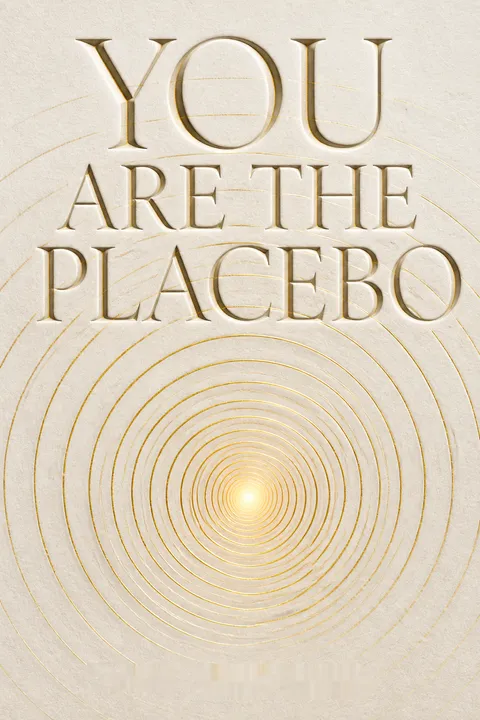
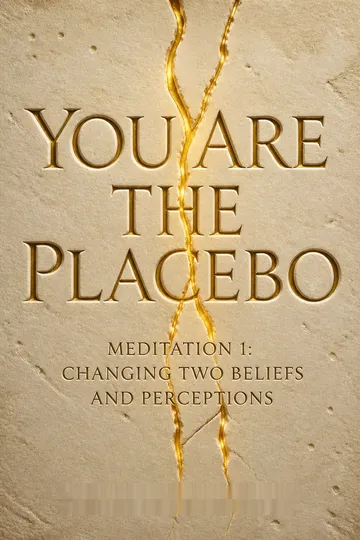
You Are the Placebo blends memoir, popular neuroscience, spirituality, case histories, and a meditation manual. Its narrative engine is Joe Dispenza’s account of refusing spinal surgery after a cycling accident and recovering, followed by stories of patients and workshop participants who report striking changes. This structure makes an abstract subject memorable: expectation is not merely an opinion about the future, the book argues, but a bodily state shaped by learning, emotion, and context.
The most durable contribution is its account of the placebo and nocebo effects. Clinical rituals, expectations, conditioning, and trust can alter pain, distress, and other experiences through real brain and body processes. The book also makes neuroplasticity accessible and offers mental rehearsal and meditation as practices readers can test in daily life. Its practical message is strongest when aimed at agency, attention, coping, and skill development.
The central weakness is a leap from plausible mechanisms to much larger claims. The text moves from evidence that learning and stress can influence physiology to assertions that intention and emotion can direct gene expression, regenerate damaged tissue, or make imagined futures materialize through quantum observation. Quantum physics does not establish that human consciousness selects everyday outcomes from a field of possibilities. Gene expression is responsive to many influences, but that does not mean people can switch particular disease genes on or off through thought at will.
The distinction between symptom relief and disease reversal is essential. Placebo responses can be meaningful, but their size and reliability vary by condition. Personal testimonials and workshop EEG measurements do not establish that meditation caused a remission; brain activity changes are not, on their own, evidence that a disease has disappeared. A careful reader can retain the useful practices while rejecting self-blame and avoiding any decision to stop evidence-based treatment. The book is best read as an invitation to participate actively in health, not as proof that belief alone can cure illness.
Review Summary
You Are the Placebo receives mixed reviews. Many readers find it inspiring and life-changing, praising its insights on mind-body connection and healing potential. They appreciate the scientific explanations and meditation techniques. However, critics argue the book relies too heavily on anecdotes, makes unsupported claims about quantum physics, and promotes pseudoscience. Some view it as manipulative, designed to sell workshops and products. Overall, readers are divided on its credibility and effectiveness, with some finding it transformative and others dismissing it as unscientific.
People Also Read



Glossary
Placebo effect
Expectation-linked treatment responseA change in symptoms or bodily responses associated with receiving a treatment or care experience, even when the treatment itself has no active ingredient for that outcome. Expectations, conditioning, clinical context, and learned associations can contribute. The effect is real but varies across people and conditions, and it does not establish that an underlying disease has been cured.
Nocebo
Expectation-linked harmful responseA negative response associated with expecting harm from a treatment, event, or situation. The book uses the term for symptoms that arise or worsen after a person anticipates adverse effects, even when an inert substance is involved. Nocebo responses show why warnings and expectations should be communicated carefully, without concealing medically important risks.
Mental rehearsal
Imagined practice of an actionA technique in which a person repeatedly imagines performing a desired action or experiencing a planned outcome. Dispenza presents it as a way to activate neural patterns associated with the imagined task and prepare for a future response. Research described in the book supports some effects on motor learning and strength, but imagined practice is not identical to physical practice.
Epigenetics
Regulation of gene activityThe study of biological processes that influence how genes are expressed without changing the underlying DNA sequence. The book emphasizes that environmental conditions and behavior can affect gene regulation. This does not mean that thoughts directly control genes on command, or that a person can will a particular disease-related gene to switch off.
Suggestibility
Openness to suggestionThe degree to which a person accepts an idea or expectation and experiences it as influential. Dispenza connects suggestibility with attention, emotion, hypnosis, and meditation, arguing that a quieter analytical state may make a person more receptive to new mental patterns. It varies among people and should not be confused with gullibility or reliable control over physiology.
Open focus
Attention broadened to spaceA meditation technique in which attention shifts away from particular objects, sensations, or problems and becomes more broadly aware of space around and within the body. The book uses this practice to help settle attention and reduce focus on external distractions. It can be understood as an attentional exercise without accepting the book’s quantum explanation for it.
Information to Transformation
Learning applied through practiceDispenza’s name for a teaching model that combines scientific explanations with guided practice and attempts to measure participants’ changes. In the book, workshop information is intended to give students a framework, meditation provides an opportunity to apply it, and measurements or reports provide feedback. The described workshop data do not, by themselves, establish clinical efficacy.
State of being
Current thought-feeling patternDispenza’s term for a person’s combined way of thinking, acting, and feeling at a given time. He argues that recurring states can reinforce familiar behaviors and perceptions, while rehearsing a different state may support new choices. The term is a broad organizing idea in the book, rather than a precise clinical or biological measurement.
FAQ
What's You Are the Placebo about?
- Mind-Body Connection: The book explores how thoughts and beliefs can influence physical health, emphasizing the power of the mind to create real changes in the body.
- Placebo Effect: Dr. Joe Dispenza illustrates how individuals can heal themselves by changing their perceptions and beliefs, supported by scientific evidence and case studies.
- Practical Tools: It offers meditation techniques to help readers harness their mind's power for healing and transformation, encouraging proactive health management.
Why should I read You Are the Placebo?
- Empowerment Through Knowledge: The book empowers readers to influence their health through thoughts and beliefs, challenging the idea that health is solely determined by genetics or external factors.
- Scientific Backing: Dr. Dispenza presents scientific studies supporting the placebo effect and mind-body connection, making the book credible and inspirational.
- Transformative Practices: Readers learn practical meditation and visualization techniques to overcome limiting beliefs and achieve better health outcomes.
What are the key takeaways of You Are the Placebo?
- Mind Over Matter: Thoughts and beliefs can significantly impact physical health, with the placebo effect demonstrating the mind's power in healing.
- Neuroplasticity and Change: The brain can change and adapt through neuroplasticity, allowing individuals to rewire thinking patterns and influence their bodies.
- Emotional Influence: Emotions play a crucial role in healing, with elevated emotions like gratitude enhancing mental practices and health outcomes.
How does Dr. Dispenza explain the placebo effect in You Are the Placebo?
- Definition of Placebo Effect: It refers to real health changes after receiving a non-therapeutic treatment, driven by belief and expectation.
- Mechanisms Behind the Effect: The effect operates through conditioning, expectation, and meaning, creating physiological responses based on belief.
- Real-Life Examples: The book provides examples of individuals experiencing the placebo effect, showcasing belief's potential to bring about health improvements.
How do thoughts change the brain and body in You Are the Placebo?
- Neuroplasticity Explained: The brain can reorganize itself by forming new neural connections, allowing thoughts to alter brain structure and function.
- Chemical Responses: Thoughts trigger neurotransmitter and hormone release, affecting body chemistry and demonstrating the mind-body connection.
- Mental Rehearsal: Visualizing desired outcomes can signal new genes, leading to real bodily changes.
What role do emotions play in the placebo effect according to You Are the Placebo?
- Emotional Influence on Healing: Emotions amplify mental practices' effectiveness, with positive emotions enhancing the body's healing response.
- Chemical Signatures of Emotions: Emotions trigger physiological changes, with positive emotions signaling beneficial chemicals for healing.
- Elevated Emotions and Suggestibility: Elevated emotions increase suggestibility, making individuals more receptive to positive outcomes.
What meditation techniques are recommended in You Are the Placebo?
- Meditation Preparation: Emphasizes creating a conducive environment to focus and maximize meditation benefits.
- Changing Beliefs and Perceptions Meditation: A specific script helps change limiting beliefs, encouraging visualization of desired outcomes and elevated emotions.
- Practical Application: Techniques are accessible and practical, allowing daily incorporation for significant mindset and health changes.
How can I change my beliefs and perceptions using the methods in You Are the Placebo?
- Identify Limiting Beliefs: Start by identifying and reflecting on beliefs you want to change.
- Create New Beliefs: Formulate empowering beliefs to adopt, focusing on desired perceptions about yourself and life.
- Use Meditation: Engage in meditation practices to reinforce new beliefs, combining intention and emotion for lasting changes.
How does You Are the Placebo address the concept of suggestibility?
- Definition of Suggestibility: It refers to openness to accepting suggestions and beliefs, influencing health outcomes and the placebo effect.
- Factors Influencing Suggestibility: Emotional state, environment, and personal beliefs can enhance or diminish suggestibility.
- Practical Implications: Cultivating a mindset that enhances suggestibility allows embracing new beliefs and experiences for improved health.
What are some real-life success stories shared in You Are the Placebo?
- Personal Transformation Stories: Includes accounts of individuals experiencing health improvements through mental practices, showcasing the mind's healing potential.
- Diverse Conditions: Stories cover conditions from chronic pain to serious illnesses, highlighting the principles' broad applicability.
- Inspiration for Readers: These examples inspire belief in personal healing potential, demonstrating the mind's power to create positive health changes.
What are the best quotes from You Are the Placebo and what do they mean?
- “Your mind is so incredibly important to the success or failure of virtually everything you do.”: Emphasizes the impact of thoughts and beliefs on life and health, underscoring a positive mindset's importance.
- “The body experiences what the mind believes.”: Highlights the placebo effect's essence, suggesting perceptions shape reality and health.
- “You are the placebo.”: Reminds individuals of their ability to influence health through thoughts and beliefs, encouraging control over the healing journey.
What scientific evidence supports the claims made in You Are the Placebo?
- Case Studies: Includes stories of individuals healing through belief and meditation, illustrating practical concept application.
- Brain Scans: Provides evidence of brain activity changes before and after meditation, supporting the mind-body connection.
- Research Findings: References studies in neuroscience and psychology, reinforcing the book's claims about the mind's influence on health.
About the Author
Other books by Joe Dispenza

Download PDF
Download EPUB
.epub digital book format is ideal for reading ebooks on phones, tablets, and e-readers.








