

Plot Summary
Prologue
At twelve, Styx still remembers the girl he met years earlier behind a fence: pale, dark-haired, blue-eyed, and crying in a pilgrim dress. His friend Ky doubts she was real, while Styx’s father mocks his speech and the girl he hopes to marry.
Rather than answer, Styx retreats to the clubhouse mural of Hades and Persephone. The goddess’s black hair and blue eyes match the child’s, and the resemblance steadies his conviction that he will find her again. Their brief meeting gave a boy who struggles to speak a rare experience of being understood.
The memory turns a childhood encounter into an organizing image for Styx’s adult life. His father treats his speech difficulty as evidence of weakness, while the girl behind the fence becomes proof that someone can hear him without reducing him to it. The mural gives his private hope a shape: a dark, feared man paired with a woman who sees beyond his reputation. That image foreshadows the couple’s shared language, but it also reveals how early Styx has tied love to rescue, recognition, and the possibility of being fully known.
Vows on the Notepad
Several weeks before the ceremony, Styx returns to the cabin and finds pregnant Mae asleep, one hand over their child. On the table, he discovers the vows she has written, recalling how he once found words with her. The page makes his silence feel newly painful: he wants to speak in front of Mae and the Hangmen, but every attempt brings back his stutter.
His father’s old contempt still echoes in that fear. Ky, Styx’s closest friend and vice president, promises to help him practice. Styx accepts the offer, though his attention remains divided between the wedding and club brothers exposed to danger in a Klan stronghold. The celebration he wants now feels like another test he could fail.
The wedding transforms a familiar impairment into a deadline. Styx is not simply afraid of public embarrassment; he wants his voice to match the importance he assigns to Mae, their child, and the promise he intends to make. His father’s ridicule has taught him to interpret difficulty as personal failure, even though his club trusts him to lead. The unborn child sharpens that contradiction: Styx can command loyalty and face violence, yet cannot command his own throat. The opening therefore frames the novella’s central conflict as a struggle between the meaning he possesses and the performance he believes he must deliver.
Blue Dresses, Open Doors
At the bridal boutique, Mae lets her friends and sisters help choose a gown that accommodates her pregnancy. Bella, Maddie, and Lilah praise the dress, while Grace imagines herself scattering petals as flower girl. Their presence matters more than the silk: Mae had promised herself she would marry Styx only once her sisters were safe, and now they stand beside her, free to celebrate.
Stephen and Ruth, who have become parental anchors to the women, share in the excitement. Mae sees the wedding as the homecoming she has wanted since childhood, but her happiness catches on Styx’s recent withdrawal. He has been signing more and sitting alone, and she cannot tell whether the wedding itself is troubling him.
Mae’s fitting is both preparation for marriage and evidence of a life rebuilt through chosen family. The women around her are not decorative witnesses; their freedom fulfills the condition Mae set before allowing herself this future. Yet her uncertainty about Styx shows the limit of intimacy: devotion does not automatically grant access to another person’s shame. Mae reads the change in his communication accurately, but she fears its meaning may be rejection. Her hope depends on believing that commitment can deepen what they already share, while the scene quietly establishes that she cannot make Styx disclose what he is still struggling to name.
Practice in the Clubhouse
Ky brings Styx to the clubhouse and seats several brothers around a table so he can rehearse the standard vows. The group means to encourage him, but the audience tightens his throat; he cannot get through the opening words and leaves in anger. Outside, he learns from Ky that Phebe, the woman AK has been helping, is recovering, easing one worry about the brothers’ dangerous absence.
Styx then spots Mae with her sisters in a field. With no crowd listening, he quietly works through part of the vow as she approaches. He cannot sustain the effort, but he pulls her into his lap and asks her to stay beside him. Mae falls asleep against him while he repeats the words silently.
Ky mistakes a supportive audience for a harmless one. His intervention exposes how social pressure can turn assistance into another examination, especially for someone whose speech has long been judged by others. Styx’s attempt in the field is not a cure or a breakthrough; it is a small, self-directed act made possible by privacy and Mae’s presence. The scene also separates his personal fear from the club’s wider dangers: news of Phebe’s recovery relieves one external concern, but it cannot settle his shame. His request that Mae stay is the clearest successful communication of the moment, even when speech fails.
A Voice Through Music
Mae prepares a candlelit bath and uses their closeness to ask what has made Styx retreat from her. He tries to answer, but the effort to speak turns into a painful stammer, and she releases his hands so he can sign instead. Styx admits only that he is dealing with something in his head, then reassures her that she and their child are his whole world.
Mae tells him she will listen when he is ready, without forcing an explanation. As they settle together in the warm water, a Johnny Cash song begins to play. Styx sings along without stuttering, giving Mae a glimpse of the voice he cannot reliably reach in ordinary conversation. The song offers relief, but not yet an explanation.
This scene distinguishes communication from fluency. Mae’s attempt to make room for Styx is loving, but even a gentle request presses against the same barrier he faces elsewhere. When she lets him sign, she restores a channel he can use without turning his difficulty into a spectacle. Music offers a different route: the song carries his voice where spontaneous speech cannot. Still, the relief is partial. Singing lets him inhabit expression without having to explain the wedding fear directly, while Mae learns that his silence is not indifference. Their intimacy grows through accommodation, even as the central problem remains unresolved.
Mae Names the Fear
A week before the wedding, Mae joins Styx beside the clubhouse mural of Hades and Persephone, the image they have long used to describe themselves. She has understood that he is struggling to speak at the ceremony, not reconsidering their marriage. Mae tells him she will accept signed vows as fully as spoken ones, and Styx admits that speaking aloud is something he wants for himself.
Her acceptance eases the pressure without taking away his choice. He tells her he loves her clearly, then plays guitar and sings. Afterward Mae reveals their baby is a boy. Styx is overcome, and together they choose the name Charon, linking their son to Styx’s own name and the Hangmen’s world.
Mae’s reassurance matters because it removes the imagined audience of judgment without dismissing Styx’s own desire. She does not tell him that speaking is unimportant; she separates his worth as a partner from his ability to perform. That distinction allows him to pursue the words for himself rather than to satisfy her. The boy’s name brings the private struggle into a future beyond the wedding: Styx worries that his son may inherit the same burden and wants to become a father his child can respect. Music and naming both convert fear into a form of inheritance he can choose and shape.
Stephen Takes Her Arm
On the wedding day, Mae prepares in the clubhouse with Bella, Maddie, Lilah, and Grace around her. Before the ceremony, she remembers fleeing the Order on the day she was meant to marry its prophet, crossing the commune’s boundary and eventually returning to bring her sisters out. Now those women are beside her by choice, dressed for a celebration rather than confined by the Order’s rules.
Stephen waits to escort her, moved that Mae accepts him as her father. She pauses at a window to see Styx waiting at the altar, nervous and dressed for the occasion. Then she takes Stephen’s arm. The walk toward the yard gathers her past and present into one deliberate step toward the life she chose.
The wedding’s approach reverses the coercive ritual that once threatened Mae’s autonomy. Her earlier escape began at a boundary guarded by the Order; this time she crosses a threshold accompanied by people who support her choices. The contrast is not simply between a bad ceremony and a good one. It is between a future imposed by religious authority and a promise Mae enters with agency, family, and witnesses she trusts. Stephen’s role as escort also gives belonging a concrete form: fatherhood is affirmed through care and recognition, not doctrine. The gathered sisters make survival visible without reducing the day to the pain they endured.
Styx Speaks at the Altar
Grace scatters petals, followed by Lilah, Maddie, Bella, and Mae on Stephen’s arm. At the altar, Mae repeats her vows while Styx holds her hands. When his turn comes, he grips her fingers and asks the pastor to prompt him. The words emerge in broken pieces, but he persists through the traditional promise.
When the pastor asks for his assent, Styx answers Mae clearly, without a stutter. They exchange rings, and the Hangmen erupt into celebration. Later, Mae draws him into a first dance to a song tied to their history; Styx sings it to her before they leave for the cabin as husband and wife. His speech does not become effortless, but he has said what he came to say.
The climax refuses a tidy cure. Styx’s stutter remains, and the ceremony does not turn him into a fluent speaker; instead, he chooses to continue while his hands shake and his words catch. The distinction matters because the victory is not measured by technical smoothness but by agency under pressure. Mae’s hands steady him, yet he is the one who decides to attempt the vows. His clear assent arrives as a direct, personal commitment rather than proof that he has overcome every speech barrier. The dance then returns communication to music, showing that their marriage can hold both the struggle and the ways they already know how to reach each other.
Epilogue
The day after the wedding, Styx drives Mae to a quiet beach in Texas for their honeymoon. She has long dreamed of feeling sand under her feet and the tide around her legs, having known the ocean only through books. When she steps onto the shore, she runs laughing toward the water, then lets Styx join her as the sun sets.
He has arranged a private cabin and a week away from club business, giving her a simple wish rather than a grand display. Mae calls the trip another dream made real. They return to the cabin together, carrying their new marriage into the quiet they have made for themselves.
The beach gives the ending a modest, physical measure of care. Styx cannot remove every danger from his life as club president, but he can make room for Mae’s long-held wish and take her somewhere she has never been. The ocean is not a cure for the past; it is an experience she gets to claim in the present, with her own body and curiosity leading the way. The scene also completes the story’s movement from childhood separation behind a fence to shared space chosen freely. Their future is not promised as trouble-free, only as a life in which attentiveness becomes a daily practice.
Analysis
The novella’s central tension is not whether Styx loves Mae, but whether he can stop treating fluent speech as the only credible proof of that love. His club role gives him authority, physical confidence, and the power to make decisions, yet the wedding exposes a vulnerability his father taught him to despise. Mae’s patience counters that inherited judgment, but she does not erase Styx’s agency by insisting he should be content with signing. She accepts his language while leaving room for his own wish to speak.
That distinction gives the wedding its emotional force. Styx’s effort is meaningful because it is chosen, not because the ceremony cures his stutter. He falters, continues, and reaches Mae with a clear assent. The story locates courage in persistence rather than performance. Music and sign language broaden the idea of voice: expression can be embodied, practiced, and shared without fitting a narrow standard of ease.
Mae’s history with the Order creates a second contrast. The commune used religious authority to control women and arrange their futures; her wedding is a ritual she enters by choice, surrounded by sisters and friends who once lacked that freedom. The book does not equate their histories, but it places both protagonists against inherited forms of shame. Mae was taught that her body made her culpable. Styx was taught that his speech made him lesser. Their intimacy works because neither accepts those verdicts about the other.
The ending does not promise that danger or difficulty has vanished. Instead, it offers ordinary acts of attention: standing beside someone, listening through a different language, remembering a dream, and making room for it. Their marriage becomes less a finish line than a shared practice of recognizing what the other person needs without claiming ownership of it.
Review Summary
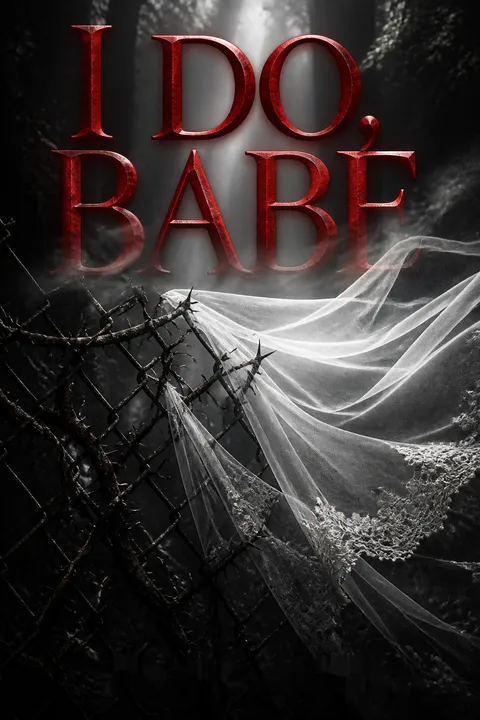
I Do, Babe is a heartwarming novella in the Hades Hangmen series, focusing on Styx and Mae's wedding. Readers praise the sweet, low-angst story as a refreshing change from the series' typically dark themes. Many appreciate the emotional depth, particularly Styx's struggle with his speech disorder and Mae's unwavering support. Fans of the series find it a perfect addition, though some wished for more content. The novella is best read in series order to fully appreciate the characters and their relationships.
People Also Read

Characters
Styx (River Nash)
Speech-bound club presidentStyx is the president of the Hades Hangmen, a physically formidable man whose authority in the club contrasts with his lifelong difficulty speaking under pressure. He uses sign language and music to communicate, and his speech becomes especially difficult when he feels watched or judged. His father’s contempt has left him prone to treating each blockage as a personal failure, even though the people closest to him accept him without qualification. Mae is central to his sense of home: with her, he has experienced being heard rather than mocked. Beneath his intimidating reputation, Styx is loyal, emotionally intense, and deeply invested in what kind of partner and father he can become.
Mae (Salome Nash)
Survivor seeking chosen homeMae grew up inside the Order, a restrictive religious commune that branded beautiful girls as dangerous and taught women to submit to men. Her history has left her attentive to other people’s pain, but it has not made her passive. She escaped the world that shaped her and remains deeply bonded to the sisters who shared it. With Styx, she values tenderness, honesty, and the unusual ease of being understood without having to explain herself perfectly. Her hope for marriage is rooted in choice and safety, not status. Mae can offer reassurance without pretending she knows what Styx feels, and her patience is balanced by a wish for real closeness.
Ky
Styx's loyal vice presidentKy is Styx’s lifelong friend, vice president, and favorite target for affectionate insults. His humor often arrives before his tact, and he tries to help Styx by arranging a public rehearsal that proves more stressful than he expects. Under the teasing, Ky is observant and fiercely loyal. He knows Styx’s habits well enough to recognize when the wedding is weighing on him, and he is willing to risk irritation in order to offer support. His marriage to Lilah and his devotion to their daughter Grace place him among the people who make the Hangmen compound feel like a family as well as a club.
Bella
Mae's steadfast sisterBella is Mae’s sister, a close confidante who shares the history of life under the Order. Her calm warmth makes her a source of reassurance during the wedding preparations, and she takes the role of maid of honor. Bella is married to Rider and belongs to the circle of women who support one another as they build lives beyond the commune.
Maddie
Mae's reserved sisterMaddie is one of Mae’s sisters and tends to be shy and reserved. She offers gentle support rather than taking over, helping Mae prepare for the wedding and standing beside her as a bridesmaid. Her marriage to Flame gives her a secure place in the broader Hangmen family, while her loyalty to her sisters remains central to her.
Lilah
Protective sister and motherLilah is Mae’s close friend and one of the women who escaped the Order. She is married to Ky and is a loving, protective mother to Grace. Her warmth and humor make her an easy ally for Mae, while her own experience of building a family helps her understand why marriage can feel like a hard-won kind of peace.
Grace
Young bridge to familyGrace is Lilah and Ky’s young daughter. She brings uncomplicated excitement to Mae’s wedding preparations and is chosen as the flower girl. Her presence reflects the next generation growing up within a circle of affection and safety.
Stephen
Mae's father and escortStephen is Mae’s father, a gentle and emotionally open man who has become close to Mae and her sisters. He takes pride in the women they have become and treats fatherhood as a bond expressed through tenderness and presence. His role in the wedding matters because Mae welcomes him as family.
Ruth
Warm maternal anchorRuth is Stephen’s wife and a caring maternal presence for Mae and her sisters. She supports the wedding preparations with quiet affection and helps create the atmosphere of a family that listens rather than controls.
Beauty
Wedding-minded friendBeauty is a friend who takes charge of practical wedding details, including helping Mae find her dress and arranging her look for the ceremony. Her confidence and affection allow Mae to lean on someone who understands the event’s logistics without diminishing its emotional weight.
Letti
Unsentimental club friendLetti attends Mae’s dress fitting to offer support, though she is more comfortable with club life than wedding fashion. Her dry, practical presence adds another dependable friend to Mae’s circle.
Elysia
Ky's quick-witted sisterElysia is Ky’s sister. She helps coordinate the wedding day by fetching Mae when the ceremony is ready to begin, bringing the same playful energy associated with her family.
Pastor Ellis
Wedding's church officiantPastor Ellis, a minister from Lilah’s church, officiates Mae and Styx’s wedding. Mae chooses her because she trusts her to conduct the ceremony with care.
Phebe
Recovering Order survivorPhebe is Lilah’s sister and a woman connected to the Order’s history. Her condition worries the Hangmen while she is in danger, and news that she is recovering gives them some relief.
AK
Phebe's Hangmen protectorAK is a member of the Hangmen who stays close to Phebe during her recovery. His updates to Ky reassure the club that she is pulling through.
Rider
Bella's steadfast husbandRider is Bella’s husband and one of the Hangmen present for the wedding. He supports Bella as she celebrates Mae’s new beginning.
Flame
Maddie's devoted husbandFlame is Maddie’s husband and a Hangmen brother. His presence at the ceremony helps make the club gathering feel like a family occasion.
Vike
Blunt Hangmen brotherVike is a Hangmen brother whose blunt jokes puncture tense moments. He attends the wedding and joins the club’s celebration.
Plot Devices
Speech and signing
Two channels of intimacyStyx’s speech difficulty shapes both the conflict and the couple’s everyday communication. He signs when speaking becomes difficult, especially under pressure, and Mae understands that signing is not a lesser form of expression. The wedding brings his private struggle into public view, but the story does not frame fluency as the measure of his love or competence. Instead, signing lets Mae remain close to him while he decides whether to attempt spoken vows. The device makes communication physical and relational: who gives him time, who listens, and who turns his struggle into a performance all affect what he can express.
Guitar and song
A voice outside speechMusic gives Styx access to vocal expression when ordinary speech feels blocked. His guitar and singing are part of his bond with Mae from their early connection, and songs mark moments when he can communicate emotion without forcing words through a hostile audience. Music does not solve his difficulty, nor does it replace their use of sign language. It offers another mode of presence, one that lets Mae hear him and lets Styx inhabit his voice without being graded on fluency. The recurring songs also connect childhood memory, courtship, and the wedding celebration.
Hades and Persephone mural
A visual love mapThe mural at the Hangmen clubhouse gives Styx and Mae a shared image for their relationship. As a boy, Styx sees in Persephone the dark hair and blue eyes of the girl he remembers behind the fence. Later, the pair use Hades and Persephone to describe the contrast between Styx’s feared public image and the tenderness Mae encounters privately. The image gathers childhood recognition, outsider identity, and their sense of being matched without requiring either character to explain the whole history aloud. Its role is emotional rather than magical: it makes their private interpretation of one another visible.
Wedding vows
A chosen public promiseThe vows turn Styx’s private fear of speech into the novella’s central test. He assumes that speaking before the club will prove the depth of his commitment, although Mae is willing to accept signed promises. The ceremony places his desire and her acceptance in the same space: he can choose to attempt the words without being required to do so. The ritual matters because it is freely chosen, unlike the coercive marriage Mae escaped in the Order. Its meaning comes from consent, participation, and the couple’s ability to shape the ceremony around the truth of their relationship.
Pregnancy and naming
Family carried forwardMae’s pregnancy makes the wedding a threshold into parenthood as well as marriage. Styx’s fear of failing his child intensifies his desire to speak, connecting the wedding challenge to his own memories of a father who mocked rather than encouraged him. Learning that the baby is a boy gives the couple a shared future to imagine, and choosing the name Charon ties the child to Styx’s name and the Hangmen’s world. The pregnancy therefore raises the emotional stakes without becoming a separate plot: it changes what Styx believes he must pass on and what kind of father he hopes to be.
Hades Hangmen Series Series







About the Author




Download PDF
Download EPUB
.epub digital book format is ideal for reading ebooks on phones, tablets, and e-readers.








