

Plot Summary
Prologue
At ten, Waylon McAllister is a guarded boy with a cruel father and a habit of expecting people to leave. When new student Will Foster sits beside him at lunch, Will notices the book Waylon is reading and shares cookies from his grandmother. Waylon resists the friendship, then finds himself smiling at Will’s stolen glances.
Will connects their names through an old saying and treats their meeting as the start of something lasting. Waylon tells himself it means nothing. The moment becomes the first bright point in a bond neither boy yet knows how much they will need.
The childhood meeting gives the adult romance its emotional grammar: Will approaches, Waylon mistrusts the kindness, and a small act of attention becomes harder to dismiss than a grand declaration. Waylon’s hunger for friendship is already entangled with shame and fear, while Will’s instinct is to treat connection as something worth naming. Their different strategies persist into adulthood. The prologue also makes their shared phrase more than a romantic device. It begins as a child’s playful theory of friendship, then becomes a test of whether hope can survive what both boys learn to fear.
Will Returns to Shiloh
Years after leaving Shiloh, Will returns to the town where his childhood friendship with Waylon began and spots Seamus McAllister, Waylon’s abusive father, in a grocery store. Will follows him through the aisles, then steps in when Seamus berates a teenage cashier and insults a young employee at the exit. Will punches Seamus and is arrested.
The police release him without charges after Seamus refuses to press them, and Will learns that the town still remembers Seamus’s crimes. His anger is not simply about an old enemy: he sees the frightened boy Waylon was and the damage that followed him into adulthood. Will has come back carrying grief for his dead boyfriend, Zayne, and unresolved love for Waylon.
Will’s return gives grief a physical address. Shiloh is not merely a setting he revisits; it is where his memory of Waylon’s childhood, his own guilt over Zayne, and the present threat of Seamus converge. The grocery-store assault reveals a protective impulse that is morally understandable but poorly governed. Will acts against public cruelty, yet his violence also shows how easily concern for Waylon can become a substitute for asking what Waylon wants. His return therefore begins with a double risk: he may be able to defend the person he loves, but he cannot repair the past by striking its most visible representative.
Parole Breaks the Present
Waylon learns that Seamus is being released from prison, and the news leaves him unable to speak or move. Will stays close and takes Waylon’s hand, but Waylon crushes a glass bottle in his palm during the panic. In the bathroom, Will restrains him to stop him from punching a mirror. A flashback takes hold: Waylon mistakes Will for the father who once hurt him, shoves him against a wall, and grips his throat.
His cousin Ivy and uncle Reggie eventually bring him back to the present. Will leaves at Reggie’s insistence, while Waylon collapses under guilt and believes he has lost him. The episode makes Seamus’s release an immediate danger to Waylon’s stability and to the relationship he wants but fears.
The assault is not a simple reversal of victim and aggressor. Waylon’s body reacts to an old threat before his mind can identify the person touching him, while Will’s attempt to prevent self-harm becomes, in the flashback, another form of restraint. The scene makes good intentions insufficient: care can still reproduce the shape of danger when trauma is activated. Waylon’s shame afterward is especially revealing. He judges himself by the harm he caused, not by the terror that overwhelmed his perception, and therefore risks turning accountability into self-erasure. The separation that follows gives both men a difficult task: distinguish explanation from excuse without denying either one.
Therapy, Meetings, Home
In therapy, Waylon tells Dr. Wells about Will and the bathroom attack, and she names the flashback as part of his PTSD without excusing the harm. She asks him to record good childhood memories, challenging his belief that his father’s cruelty defines his whole life.
Waylon begins medication, attends therapy several times a week, and stays sober, though basic routines remain difficult. Reggie offers to move them away from Seamus, but Waylon refuses to surrender Shiloh, where his uncle’s garage, his friends, and his first memories with Will remain.
Meanwhile, Will’s friend Shawn explains that Waylon was trying to protect Will from Seamus, not merely rejecting him. That insight shifts Will from anger toward understanding, though he still does not know how to reach Waylon.
Recovery here is portrayed as a series of chosen constraints rather than a sudden transformation. Therapy, medication, sobriety, and even the decision to leave a motel room become practical actions that return some agency to Waylon. Dr. Wells’s memory assignment counters the trauma-driven tendency to compress a whole childhood into its worst events. His choice to stay in Shiloh similarly refuses the idea that safety must mean exile. Shawn’s explanation corrects Will’s interpretation of Waylon’s fear, but it does not grant Will permission to override his boundaries. Understanding becomes useful only when it changes how Will approaches him.
Mason Comes Back
Mason Wyatt returns from rehab after a period of grief, drinking, and estrangement from Waylon. At Reggie’s motel room, Mason apologizes for years of leaning on Waylon while ignoring his pain, especially after Izzy’s death and the truth about Seamus’s abuse. Waylon admits that Mason’s absence hurt, but also recognizes that they both said cruel things while grieving.
The friends acknowledge that they cannot bring Izzy back or keep pretending she might return, and they begin to mourn her together rather than using denial to hold their friendship in place. Shawn also admits he has struggled to show care for Waylon. The three men decide to make music again, agreeing to rebuild their band slowly and support one another’s recovery.
Mason’s return changes the social structure around Waylon: support no longer depends on one romance carrying every need. Their reconciliation does not erase the years of neglect, but it replaces silence with a shared account of loss. The friends’ decision to stop waiting for Izzy is painful because uncertainty has been serving as emotional shelter. By naming that shelter, they can begin to grieve rather than organize their lives around an impossible suspension. The band’s revival gives them a form of cooperation that is neither therapy nor rescue. They can make something together without pretending to be healed, which is a modest but credible beginning.
The Halloween Collision
Will’s friend Jeremy and Waylon’s cousin Ivy arrange to bring both men to a Pride Night club near Allentown, hoping Waylon can experience life beyond Shiloh’s narrow judgments. Neither man is told the full plan. Will arrives angry at being maneuvered, while Waylon is unsettled by the crowd and by the realization that Will is inside. He stays, however, and watches Will dance with another man.
A stranger approaches Waylon, but Will intervenes when he sees that Waylon is uncomfortable. Waylon then follows Will through the crowd and kisses him under the club’s blue lights. The kiss is a public choice, made while sober, but Will has been drinking. When he realizes Waylon is sober, he pulls away and leaves him alone on the dance floor.
The club makes visibility both an opportunity and a threat. For Waylon, the crowd offers evidence that desire between men need not automatically end in punishment; for Will, the same crowd becomes a stage on which he cannot tell whether Waylon’s kiss expresses settled intention or momentary courage. Their friends’ deception creates the conditions for contact, but also compromises consent around the evening itself. Will’s retreat is hurtful, yet it comes from a legitimate concern about the imbalance between his intoxication and Waylon’s sobriety. The scene refuses an easy romantic payoff: public affection matters, but it cannot by itself settle the questions of trust and readiness that have accumulated between them.
A Kiss, Then Distance
Waylon follows Will into a bathroom and confronts him about the kiss. Will says he does not regret it, but believes he should not have kissed Waylon while drunk or without first addressing what happened during the flashback.
He also admits he is afraid of loving someone whose crises may leave him unable to help. Later, in Ivy’s car, Will initiates another kiss, then stops when they both recognize how badly they are using physical closeness to outrun the conversation.
At Jeremy’s apartment, Will and Waylon sleep together, and Waylon asks Will not to let him hurt him again. Will asks Waylon to keep living. In the morning, Will leaves before Waylon wakes, unsure whether the intimacy can survive daylight. Waylon wakes from a nightmare and calls his therapist.
The sequence exposes how desire can become a fast route around difficult speech. The two men repeatedly reach for one another, then discover that physical closeness does not automatically resolve the ethical and emotional questions they have avoided. Will’s fear of losing Waylon is not only romantic insecurity; Zayne’s suicide has taught him to read intimacy as a possible prelude to catastrophe. Waylon, meanwhile, experiences the request to stay alive as a promise he can make more easily than a promise to trust himself. The morning separation preserves the asymmetry between their needs. Their attraction is certain, but a shared capacity for intimacy is still being negotiated.
Reggie Opens the Past
At Shawn’s birthday dinner, Waylon tries to reconnect with Will while keeping to the slow pace Will has requested. He later asks his uncle Reggie about the boyhood incident that made Will’s family leave Shiloh.
Reggie admits that, as a teenager, Seamus once tried to kiss him, and Reggie punched him in fear and confusion. Reggie regrets how he responded and tells Waylon he is learning to accept him. Waylon then tells Reggie that Seamus abused him and that he hid the truth to protect others and preserve the hope that his father might love him.
Reggie embraces him and insists the abuse was never Waylon’s fault. The conversation makes Seamus more complicated to Waylon without excusing his violence, and gives Waylon a family member who can hear the truth.
Reggie’s confession opens a painful distinction between understanding and absolution. Seamus’s teenage experience may help explain the shame and aggression he later directed outward, but Waylon does not have to convert explanation into forgiveness. The more consequential revelation is Waylon’s account of abuse. He had treated silence as a way to control the damage, believing that if no one knew, the family might remain intact and his father might still become loving. Reggie’s response shifts the burden back where it belongs: the adults failed to protect him. That recognition does not erase the past, but it weakens the self-blame that has made Waylon’s identity feel indistinguishable from his father’s cruelty.
O’Leary’s Turns Violent
During a crowded night at O’Leary’s, Jeremy punches a man who has harassed him with a homophobic slur, and a larger brawl erupts. Will reaches Waylon as the fight closes around them, but a stranger swings at Waylon. Will steps between them and takes the blow.
Seeing Will struck, Waylon falls into a flashback and attacks the assailant, believing he is fighting Seamus. Will eventually pulls him away and guides him upstairs, where Waylon vomits and struggles to breathe. He takes prescribed medication and falls asleep while Will answers questions from the police.
Afterward, Waylon returns to Will’s apartment and admits he woke alone, terrified by the injury and by his own inability to protect him. Will explains that he left because he did not know whether Waylon wanted him to stay.
The brawl joins public homophobia to private trauma without treating them as identical harms. Jeremy’s punch is a response to present-day aggression; Waylon’s violence is a flashback response in which the current assailant becomes indistinguishable from Seamus. Will’s intervention protects Waylon physically but also places him in the path of the blow, intensifying both men’s fear. The aftermath shifts their conflict from accusation to miscommunication: Waylon reads Will’s absence as abandonment, while Will reads Waylon’s silence as a boundary. Their care is real, but each is still guessing at what the other can bear. The scene makes communication part of safety, not merely a relationship skill.
Waylon Says It Plainly
After the fight, Waylon returns to Will’s apartment and rejects Will’s belief that he makes Waylon’s life worse. He explains that his panic, nightmares, and addiction began long before Will came back; Will’s return forced him to feel what he had numbed, but also helped him seek therapy and sobriety.
Waylon tells Will he loves him. Will reciprocates and admits that fear of losing Waylon after Zayne’s suicide has made him withdraw. They choose to become boyfriends, not because their trauma has vanished, but because neither wants to keep using fear as a reason to separate.
Will’s parents arrive unexpectedly and meet Waylon. Their visit reveals that they once contacted child services after Will reported signs of abuse, and that Seamus later threatened them into leaving Shiloh.
Waylon’s declaration marks a shift from being desired to actively choosing a relationship. His account does not romanticize Will as a cure: he distinguishes the return of painful symptoms from their origin and names the recovery choices he has made himself. Will’s confession similarly identifies grief as a force shaping his behavior without making grief an excuse for leaving Waylon alone. Becoming boyfriends is therefore less a solution than a mutual commitment to stay present through uncertainty. The parents’ arrival expands that commitment into family history. What Will had interpreted as an ordinary childhood move now contains an unspoken threat, showing how protection can sometimes look like abandonment to the child who was left behind.
The Parents Tell the Truth
Will’s parents explain that they suspected Seamus had hurt Waylon after Will noticed bruises and insisted his friend’s injuries were not an accident. They contacted child services, but the investigation did not remove Waylon from his father.
Seamus later threatened the family, and Will’s parents moved away after his grandmother died, believing they were protecting their son. Will is shaken that they kept this from him, but Waylon asks him to recognize that the adults did try and that their silence kept Seamus from targeting him again. Will accepts their account without pretending the secrecy did not hurt.
In the weeks that follow, Waylon and Will let their friends see their relationship, while the Lost Boys record an original song anonymously and post it online, allowing their music to reach listeners without immediately exposing their private histories.
The revelation complicates Will’s memory of childhood without overturning it. His parents were neither indifferent nor omnipotent: they noticed, acted, failed to secure intervention, and then chose distance when Seamus threatened them. Their concealment was protective in intent and painful in effect. Waylon’s ability to hold both truths at once reflects a growing capacity to resist all-or-nothing judgments, even when he has every reason to feel anger. The anonymous music project extends the same tension into public life. The band wants an audience, but not the exploitation that can accompany their trauma. Art becomes a controlled form of disclosure, letting them choose what the world hears first.
The Lost Boys Go Viral
The Lost Boys film an original song about grief and loss at O’Leary’s, using masks, curtains, and altered lighting to conceal their identities. Ivy posts the performance, and it spreads online as listeners respond to the band’s raw sound and ask who the masked musicians are.
The attention grows when they post a second song about addiction. Waylon and Will continue building a relationship in private, while Waylon keeps attending therapy, meetings, and maintaining sobriety. At O’Leary’s, Seamus appears and recognizes Will as the man who attacked him in the grocery store.
Will admits he had followed and beaten him before, and Waylon warns Will to stay away from his father. The encounter makes clear that Seamus has not disappeared from their lives, even as the band begins moving toward a future beyond Shiloh.
The band’s anonymity is not simple fear of fame. It is an attempt to control the terms on which their pain becomes public. Their songs invite listeners into grief while withholding the biographical details that might turn the musicians into spectacle. That distinction is fragile, as the video’s popularity immediately generates curiosity about their identities. In parallel, Will’s concealed assault on Seamus reveals the cost of his self-appointed role as protector: he has been acting in secret, keeping information from Waylon to spare him, yet reproducing the very loss of control Waylon fears. The revelation does not cancel Will’s devotion. It forces devotion to become answerable to honesty and boundaries.
Seamus Finds the Garage
During an ice storm, Seamus breaks into Reggie’s garage looking for him and strikes Will in the head with a gun. Waylon arrives, sees Will bleeding, and finds Seamus armed and agitated. He tries to overpower his father with a fire extinguisher, but Seamus turns the gun on him. Rather than hide his love for Will, Waylon tells Seamus that he loves him and dares him to shoot.
The admission unsettles Seamus, who reveals that he had come because he has lost his family and believes he has nothing left. When sirens approach, Seamus orders the couple to leave. He tells Waylon that his mother’s final words urged him to find a way forward, but that she had been his own reason to live. As Will pulls Waylon outside, Seamus shoots himself.
The climax reverses the childhood arrangement: Waylon can no longer protect Will by denying what he feels, so he risks saying it where Seamus can hear. His defiance is not fearlessness; it is a decision that shame will not dictate his final words. Seamus’s explanation offers a glimpse of grief and emotional dependence, but it arrives too late to repair the violence he chose. The gun scene refuses a clean moral transformation. Waylon can recognize his father’s humanity without mistaking it for safety or forgiveness. The suicide also leaves the survivors with an unfinished conversation, making the apparent release from danger inseparable from a new, irreversible loss.
The Survivors Carry On
Will and Waylon survive, but Will has a concussion and Waylon is hospitalized for a psychiatric evaluation after a violent trauma response. Reggie refuses to attend Seamus’s funeral, saying the friend he loved died long before the man who was buried.
Waylon does not demand that he mourn differently. In March, the friends gather at the cemetery for Izzy and Seamus. Mason admits he still cannot accept that Izzy may be gone, while Waylon urges him not to live forever inside uncertainty.
Mason and Jeremy stand together at Izzy’s grave, suggesting a fragile opening between them. The Lost Boys play music among the headstones, and Will stays beside Waylon as he faces both parents’ graves. Their grief remains, but it no longer dictates that they must separate or stay silent.
The aftermath grants no instant healing, only different forms of continued life. Reggie’s refusal to attend the funeral is not a denial that Seamus mattered to him; it marks the boundary between the friend he remembers and the abuser Waylon endured. Waylon respects that distinction, extending to Reggie the same permission he needed for his own complicated grief. Mason’s uncertainty about Izzy remains unresolved, yet the group refuses to make uncertainty a permanent home. Music at the cemetery turns remembrance into shared action rather than a demand to move on. The scene’s emotional achievement is modest and concrete: people stand together, play, speak, and keep living without requiring grief to disappear first.
Epilogue
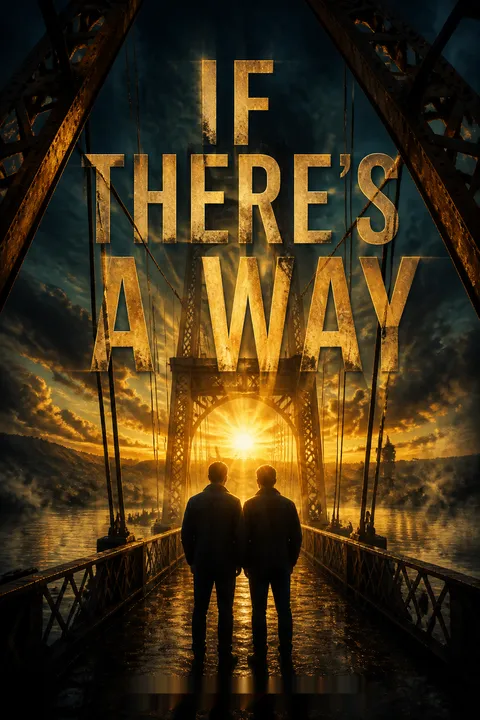
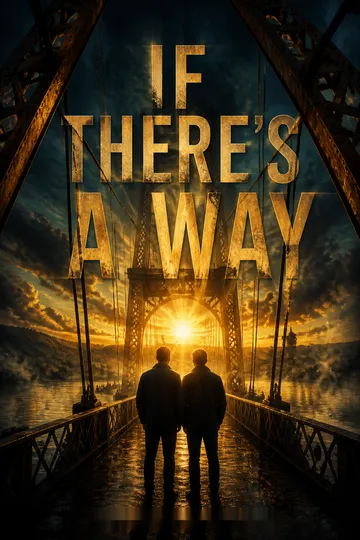
Six months later, Will and Waylon stand together on the bridge where Waylon once sought distance from his life. The Lost Boys are preparing to travel to Los Angeles to record, and the separation ahead unsettles them, so Will has already arranged a visit.
He reveals a small tattoo matching Waylon’s, a private emblem of their shared promise to keep choosing life and one another. Waylon tells Will he loves him, and Will answers by drawing him away from the ledge and toward the road home. The story ends not with their troubles solved, but with both men looking toward the next day together.
The bridge returns as a changed place. Earlier, Waylon used height and distance to imagine escape; now he stands there with Will, connected by hands, a matching mark, and a plan for surviving temporary separation. The tattoo does not promise that illness, grief, or fear will vanish. It functions as a portable reminder that endurance is made of repeated decisions, including asking for help and returning after distance. The epilogue also lets the band’s future coexist with the couple’s bond. They are not saved from uncertainty; they have become more capable of meeting it without mistaking separation for abandonment or pain for proof that hope was foolish.
Analysis
If There’s a Way treats romance not as a cure for trauma but as a demanding form of contact between two people whose fears can injure one another. Waylon’s father taught him that affection invites punishment; Will’s experience of Zayne’s suicide taught him that love can end without warning. Their attraction intensifies both wounds. Will tries to prevent loss by intervening, while Waylon tries to prevent harm by withdrawing. Neither strategy works for long, because protection becomes dangerous when it replaces honest negotiation.
The novel’s strongest psychological distinction is between explanation and absolution. Waylon’s flashbacks help explain why he attacks Will, but do not erase the injury. Seamus’s past helps make him legible as a person, but does not undo the abuse he inflicted. Reggie’s account similarly complicates the family story without asking Waylon to forgive. This refusal of easy moral sorting allows the characters to take responsibility without claiming that suffering makes everyone equally culpable.
Recovery is represented through repeated, limited choices: therapy, sobriety, asking for company, stopping when consent is uncertain, and tolerating grief without turning it into denial. The band’s anonymous performances extend this idea into art. The Lost Boys share pain on their own terms, resisting the demand that their private tragedies become the price of public attention.
The story’s recurring heartbeat and bridge imagery provide a language for survival, but the ending does not promise permanent safety. Will and Waylon still have PTSD, grief, separation, and imperfect coping ahead of them. Their meaningful change is that they no longer mistake love for rescue or fear for proof that they must part. They can acknowledge dependence, seek help beyond each other, and keep choosing a future while knowing it cannot undo what happened.
Review Summary
Readers overwhelmingly praise If There's a Way as an emotional, raw, and beautifully written conclusion to Will and Waylon's love story, averaging 4.43 stars. Most highlight the authentic portrayal of trauma, healing, and sobriety, alongside a deeply satisfying found family dynamic. Reviewers frequently describe being emotionally wrecked yet healed by the experience. Some note the book's length and repetitive internal monologue as minor drawbacks. Side characters, particularly Mason, Shawn, and Ivy, generated significant excitement for future installments.
People Also Read




Characters
Waylon McAllister
The guarded survivorWaylon is a sharp-tongued, observant young man whose humor and swagger conceal a lifelong expectation of rejection. His father’s abuse taught him to treat his own needs as dangerous, and his fear of being exposed makes intimacy feel like both refuge and threat. He has a history of addiction and self-destructive behavior, but he is also capable of fierce loyalty to his friends and family. Music, small rituals, and the memories he shares with Will give him ways to make sense of experiences he cannot simply reason away. Waylon’s central struggle is not learning to feel love, but believing that love can coexist with fear, responsibility, and a self that is still healing.
Will Foster
The persistent first loveWill is warm, direct, and inclined to move toward people when they retreat. His bond with Waylon began in childhood, when a quiet act of friendship became a lasting emotional anchor. After his boyfriend Zayne’s suicide, Will carries grief and a heightened fear of losing someone he loves. He often tries to protect others through action, sometimes before asking what kind of help they want. Music and his friendships give him a sense of purpose beyond caretaking. Will’s emotional challenge is to remain loving without making himself responsible for another person’s survival, and to accept that being present does not mean being able to control every outcome.
Mason Wyatt
The grieving bandmateMason is Waylon’s closest childhood friend and a member of the Lost Boys. Izzy’s disappearance and death leave him caught between grief, guilt, and the hope that refusing finality might keep her near. He has struggled with addiction and with relying on Waylon while overlooking Waylon’s own pain. Music gives Mason a way to voice feelings that ordinary conversation cannot hold. He is devoted to his friends, but devotion can become avoidance when shame makes him withdraw. Mason’s relationships with Waylon and Jeremy reveal how grief can blur the line between love, dependence, and the need to move forward.
Izzy
The absent best friendIzzy is Waylon and Mason’s childhood friend and Jeremy’s twin sister. Her warmth, loyalty, and irrepressible energy helped bind the group together, and her absence shapes the way each friend remembers the past. She was perceptive about the people around her and often acted when others hesitated. For Mason and Waylon, memories of Izzy can be a source of comfort as well as a barrier to accepting change. Her presence in the story is carried through shared history, grief, and the music the friends make in her memory.
Reggie McAllister
Waylon’s steady uncleReggie is Waylon’s maternal uncle, a mechanic who offers practical help without demanding that Waylon recover on anyone else’s schedule. He has his own complicated history with Seamus and knows that love, shame, and fear can coexist in the same family. Reggie often communicates through actions: providing a place to stay, making a plan, or standing nearby when Waylon is struggling. His reserve can make difficult truths arrive late, but it does not mean he is indifferent. Reggie’s connection to Waylon is built less on authority than on a willingness to learn how to support him better.
Seamus McAllister
The abusive fatherSeamus is Waylon’s father, once a powerful local police chief and a man whose public authority concealed private cruelty. His rigid ideas about masculinity, sexuality, and control shape the danger in Waylon’s childhood. His past includes a painful, unresolved encounter with Reggie, but that history does not erase the harm he inflicts on his son. Seamus is defined by the gap between the man others once knew and the father Waylon experienced. His importance lies in the way his violence teaches Waylon to confuse love with danger and to fear that inherited traits might determine who he becomes.
Ivy
Waylon’s loyal cousinIvy is Waylon’s cousin and one of the people most willing to challenge his self-isolation. Blunt, protective, and mischievous, she arranges the Halloween outing that forces Will and Waylon into the same space, even when her methods are questionable. She also supports the Lost Boys’ music plans and helps keep the group connected. Ivy understands that care sometimes means pushing, but her role also highlights the importance of recognizing when someone needs choice rather than pressure.
Shawn
The watchful bandmateShawn is a quiet, guarded member of the Lost Boys and one of Mason’s closest friends. His childhood in foster care has made him wary of touch and reluctant to explain himself. He notices more than he says, and his insight helps Will understand that Waylon’s fear is partly driven by a desire to protect him. Shawn’s loyalty is practical rather than demonstrative, though he gradually makes room for others to understand him. His connection to the group shows that care need not look the same in every person.
Jeremy Montgomery
Izzy’s twin brotherJeremy is Izzy’s twin and a longtime friend of Will, Waylon, and Mason. He is perceptive and socially confident, but his humor can mask the strain of carrying grief and complicated feelings within the group. Jeremy wants the people he loves to face difficult truths, even when he knows that his timing or persistence may upset them. His friendships offer him a life beyond the loss of his sister, while his bond with Mason remains emotionally complicated.
Dr. Wells
Waylon’s therapistDr. Wells works with Waylon as he begins to understand how trauma affects his reactions and relationships. She is calm without minimizing the harm he has experienced, and she distinguishes accountability from self-condemnation. Her questions and assignments help Waylon notice parts of his childhood that were not defined by abuse. She does not offer a quick cure or make choices for him; instead, she supports his ability to identify what is happening and decide what steps he can take next.
Mary Foster
Will’s protective motherMary is Will’s loving, outspoken mother. She worries intensely about her son, sometimes acting before she has fully understood what he wants, but she respects his independence and is willing to acknowledge when her fear has overrun his boundaries. Her family’s time in Shiloh connects her to Waylon’s childhood and to the choices Will’s parents made when they suspected he was in danger.
Greg Foster
Will’s steady fatherGreg is Will’s father, a patient and affectionate presence who often moderates the family’s more heated conversations. He supports his son while trying not to take control of his choices. His past decisions in Shiloh were shaped by concern for Will’s safety, and he is willing to explain them when Will is ready to hear the truth.
Eva Montgomery
Izzy and Jeremy’s motherEva is Izzy and Jeremy’s mother and part of the network of adults who helped care for the Shiloh children. She is warm and attentive, and her connection to the town makes her an important witness to the friends’ shared history.
Sherry
Mason’s caring motherSherry is Mason’s mother, a supportive presence in his recovery and in the broader Shiloh community. She encourages the young men without pretending their problems are simple, and she shares a growing closeness with Reggie.
Phoebe
The band’s young supporterPhoebe is a younger member of the group’s orbit, spirited and imaginative, with an affectionate attachment to Shawn. Her elaborate ideas and irreverent humor bring levity to gatherings that might otherwise be swallowed by grief.
Plot Devices
Will and Way
A promise of connectionThe childhood wordplay linking Will and Waylon begins as a boy’s playful claim that their names belong together. Across the story, the phrase changes meaning as the boys become estranged, reunite, and learn to make choices beyond childhood promises. It gives the relationship a memorable verbal anchor, but it does not guarantee that love will be easy or safe. Its real function is to hold open the possibility that both men can find a path forward, even when trauma makes the next step difficult.
Therapy and Sobriety
Tools for staying presentWaylon’s therapy, medication, recovery meetings, and sobriety are practical supports rather than a cure. Dr. Wells helps him name flashbacks, question self-blame, and build ways to manage distress. His recovery is measured in ordinary actions, such as leaving his motel room, eating, or refusing a drink. These choices also affect the romance: they give Waylon more room to decide what he wants rather than reacting only to fear. The device keeps the story’s emotional growth tied to ongoing effort, not to love fixing mental illness.
The Heartbeat Promise
A shared survival ritualWill and Waylon use the image and sensation of a beating heart to ask whether the other is still present and choosing to live. The ritual grows from Will’s fear after Zayne’s suicide and Waylon’s history of self-destructive behavior. It appears in moments of panic, intimacy, and separation, making care tangible through a hand on the chest or a brief message. The promise can be emotionally intense and imperfect, but it gives the men a language for immediate reassurance while they work toward support beyond their relationship.
The Lost Boys’ Music
Grief made audibleMusic gives Waylon, Mason, and Shawn a shared form for feelings they struggle to express directly. Their decision to record original songs under masks allows them to reach an audience without immediately exposing their identities or histories. The first performance turns their grief into something others can hear, while the later attention raises questions about privacy and exploitation. Music is both an artistic ambition and a social bond: it gives the band a future to pursue without requiring any member to pretend that addiction, loss, or trauma has disappeared.
The Bridge
A measure of distanceThe bridge over Shiloh is associated with Waylon’s need for perspective and his search for an exit from pain. Its height makes emotional danger visible, while its later role changes as he returns with Will. The setting does not become harmless simply because the couple reaches a happier moment there. Instead, the bridge becomes a way to measure what has changed: Waylon can now stand near the place that once represented escape while imagining a future beyond the immediate crisis.
Lost Boys Series
About the Author


Download PDF
Download EPUB
.epub digital book format is ideal for reading ebooks on phones, tablets, and e-readers.








