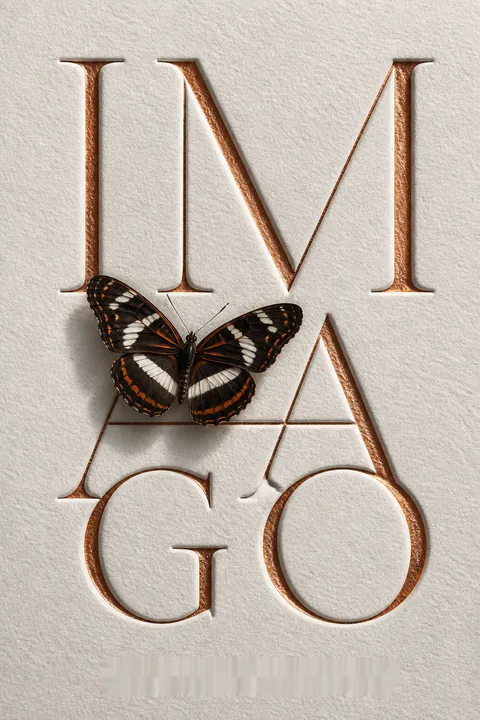


Plot Summary
The Bow Tie on Flight
Jack Brighton, a Parks and Wildlife officer in rural Tasmania, returns from a Melbourne conference disappointed that city nightlife has brought him no meaningful connection. At Launceston airport, he notices Lawson Gale, a nervous, impeccably dressed man in a bow tie, stranded after his car rental booking disappears.
Lawson is racing to meet a retired lepidopterist, and Jack offers him a lift. Cautious about a stranger, Lawson accepts only after Jack introduces himself, then discovers the ranger is curious rather than mocking about his formal speech and butterfly research.
Their conversation turns unexpectedly easy. After waiting through Lawson's museum appointment, Jack uses the suitcase left in his ute as a reason to ask him to dinner. Unused to being pursued, Lawson agrees.
The meeting begins with two kinds of isolation. Jack has a settled home and valued work, yet his attempts at casual sex have left him hungry for sustained connection. Lawson, whose precise manner protects him from social uncertainty, is professionally confident but unused to being noticed as a desirable person. The missing rental car forces their paths together, but Jack's offer matters because he does not treat Lawson's awkwardness as a flaw to fix. Their attraction is immediate, yet the first promising change is conversational: each discovers that the other's difference can be met with curiosity rather than embarrassment.
Dinner Behind Locked Doors
Jack drives Lawson to Scottsdale, where Lawson learns the ranger lives, then returns that evening with a plan more personal than a restaurant booking. He persuades his friend Remmy, the local baker, to open her shop after hours and prepare a private meal.
Lawson admits that small-town pubs make him wary after earlier outings ended with people mocking his clothes. Jack makes clear that he is openly gay and has never hidden it from the town. The quiet meal lets them trade family stories and talk seriously about conservation, rather than treating Lawson's work as a hobby.
On the drive back, Lawson reveals that Professor Warner Tillman has asked him to spend a week surveying Mount Stronach. The park is in Jack's jurisdiction. They share a first kiss, and tomorrow suddenly has a shape.
The bakery date gives each man a controlled way to test whether attraction can survive exposure to ordinary life. Jack does not take Lawson into the pub and demand that he tolerate a setting associated with humiliation; he creates a private alternative using the community he trusts. Lawson, in turn, names the social cost of being visibly different instead of disguising it as mere preference. Their talk about work becomes an early form of intimacy because Jack listens without diminishing Lawson's expertise. The field assignment is not simply a convenient reason to meet again. It places their developing relationship inside the landscape and values that already organize both their lives.
The Butterfly That Wasn't
The next morning, Lawson visits Jack's Parks and Wildlife office to collect his permit and rental car details. Jack offers to guide him into Mount Stronach, partly because the terrain is difficult and partly because he wants to see him again.
At the first clearing, Lawson explains the assignment: Tillman believes he once saw a copper butterfly in Tasmania that has never been documented. Decades earlier, Tillman made a drawing from memory, but repeated searches produced no specimen, and other experts dismissed his account.
He chose Lawson because the younger scientist is rigorous and independent of the academic in-group that rejected him. Lawson has brought extensive field equipment and knows how to work safely alone. The search carries scientific stakes: a Tasmanian relative of the endangered Eltham Copper could require protection.
The impossible-sounding assignment gives Lawson a problem that matches his temperament: evidence must take precedence over reputation, even when the claim comes from a respected elder. Tillman's earlier sighting is both valuable testimony and an insufficient proof, forcing Lawson to hold skepticism and possibility at once. His decision to accept the task also reveals a form of loyalty that is not blind obedience. He trusts Tillman's judgment because he has examined the professor's work, while preserving his own obligation to verify it. Jack's role as guide adds practical knowledge, setting up a partnership in which specialized science and local familiarity can correct each other's limits.
Field Notes and First Kisses
Lawson begins by recording temperature, vegetation, soil and location, while Jack identifies likely habitat and explains the drought's effect on the region. When Jack loses sight of him in the scrub, Lawson's absent-minded wandering exposes the gap between knowing his coordinates and remembering another person is responsible for his safety.
They discuss the butterfly's dependence on Bursaria shrubs and Notoncus ants, and Jack helps locate promising sites. Lawson kisses him in gratitude; Jack answers with a deeper kiss.
That evening, Lawson brings his maps to Jack's house, where Jack's Border collie, Rosemary, immediately welcomes him. Seeing Lawson treat the dog gently reassures Jack that they could share more than attraction. They compare maps, kiss again, and become intimate, but Lawson still returns to his bed and breakfast rather than staying overnight.
This stage turns expertise into a shared practice. Lawson's data is precise, but Jack supplies ecological and geographic knowledge that no textbook can fully replace. Their collaboration works because neither has to surrender authority: Lawson remains the scientist, while Jack's local competence becomes indispensable. The dog encounter extends that test from intellectual compatibility to care. Rosemary is not a cute accessory in Jack's life; she represents his daily obligations and emotional home. Lawson's choice to leave after intimacy also establishes that desire does not erase his need to set his own pace. Jack's willingness to let him go makes continued closeness possible.
The Town Takes Their Measure
On another day in the field, Lawson and Jack search several Bursaria sites without finding the rare butterfly. Jack's friend Remmy arranges dinner at his house with her husband, Nico, and their four-year-old son, Luca, who helps prepare vegetables from his garden.
Lawson relaxes as Luca asks about butterflies and the adults welcome him without making his bow ties or formal manner a spectacle. Earlier, Lawson had entered the pub to buy wine and endured pointed attention from local men; the memory leads him to explain why such places feel unsafe.
Jack listens and promises to accompany him next time rather than dismissing his fear. After the family leaves, the men become intimate. Lawson again declines to stay the night, while making clear that the choice is about timing, not rejection.
The town's social world is not uniformly welcoming or hostile. The pub scene recalls how public masculinity can turn dress and manner into targets, while Remmy's household offers an alternative model of belonging built through food, shared work and a child's uncomplicated curiosity. Jack's protective impulse is affectionate, but Lawson's insistence that he can care for himself keeps protection from becoming control. Their differing needs are negotiated rather than treated as evidence of incompatibility. The repeated separations after sex also matter: Lawson's boundaries allow closeness to remain chosen. Jack's patience answers a question Lawson has not yet asked directly, whether being wanted will require him to give up control.
Basalt, Ants, and Starlight
After another fruitless day alone, Lawson works with Jack to reassess the search. Jack proposes that changing ant populations, not butterfly migration, may explain the absence of evidence.
Lawson realizes meat ants can exclude the Notoncus ants the butterfly needs, so they compare decades of Parks and Wildlife soil, rainfall and vegetation records to find a more promising area. That evening, Lawson brings flowers and food to Jack's backyard picnic. Under the open sky, he initiates their most intimate encounter yet, then chooses to stay overnight.
In the morning, he makes coffee and toast before rushing them back to the field. Their new target is North Scottsdale, where the soil and climate appear more suitable. The change in search strategy gives Lawson fresh hope, while his first night in Jack's bed makes their relationship less provisional.
The scientific and romantic developments turn on the same capacity: revising a theory when the evidence refuses to cooperate. Lawson's first search model is not foolish, but incomplete; Jack's records expose an overlooked ecological pressure, and Lawson changes course without treating revision as defeat. Their picnic similarly shifts the relationship through an act of initiative from Lawson, who has often been the more guarded partner. Staying overnight does not follow automatically from sex. It follows from a new readiness to inhabit Jack's domestic space, including its morning routines. The chapter's paired discoveries suggest that attachment and scientific inquiry both depend on attention to conditions that a first impression cannot reveal.
Copper Wings in the Gully
At North Scottsdale, the first survey sites yield nothing. Jack then takes Lawson and Rosemary to a protected gully to watch a known Tasmanian devil den. Near the clearing, Lawson notices a Bursaria shrub sheltering the small ants they had been seeking.
When he examines its roots, copper butterflies emerge, matching the distinctive markings in Tillman's old drawing. Lawson photographs and films them, then calls Warner with the evidence. He also contacts his Melbourne supervisor, Professor Michael Asterly, who presses to be involved before the find is verified.
Lawson refuses to send the images prematurely or let Asterly dictate his report. A sudden storm drives them from the reserve, but the discovery has changed the search from a disputed memory into an urgent conservation problem. At Jack's house, Lawson celebrates with the man who helped him find the site.
The discovery depends on a conjunction rather than a lone flash of insight. Lawson's taxonomic knowledge identifies the insect, Jack's local route reaches a secluded habitat, and the ant relationship explains why earlier sites failed. The landscape has been read collaboratively. Asterly's demand then introduces a different kind of pressure: institutional ownership can compete with the slow work of verification. Lawson's refusal is not simply temperamental defiance. It protects the distinction between finding evidence and claiming credit for it. The butterflies are vulnerable before their status is settled, so scientific recognition carries immediate ethical weight. Discovery increases responsibility rather than granting the discoverer uncomplicated triumph.
Smoke Over Scottsdale
Before dawn, lightning sparks a major bushfire near Scottsdale, and Jack leaves to join the Rural Fire Service. Lawson drives back toward the newly found colony, determined not to leave it to burn. He carries a section of the ant nest, butterfly-bearing branches and the Bursaria shrub into his Defender.
When Rosemary leads him to the nearby den, he risks reaching inside to pull out two Tasmanian devil joeys. Jack finds him as the fire closes in and gets him out. At the evacuation centre, Paul, a wildlife rescuer, takes the joeys, while Lawson and Jack carry the living butterflies and eggs to Warner's garden facility.
Four adult butterflies survive; others are lost. Lawson names the species the Tillman Copper, honoring the professor whose first sighting began the search. Rain finally falls as the men leave together.
The crisis tests whether Lawson's care for a species can coexist with care for himself and those who love him. He acts from a coherent moral conviction, but his rescue attempt also imposes danger on Rosemary and forces Jack to risk his own safety to find him. The scene does not simplify this into heroism: Lawson's intervention saves living creatures, while the losses show the limits of individual control over a wildfire. Jack's anger at the evacuation centre quickly gives way to relief, making visible how suddenly their private bond has become consequential. Naming the butterfly after Warner also turns scientific credit into an act of gratitude rather than possession.
A Chrysalis Opens
Two weeks after the fire, the Tillman Copper has received official recognition, and Lawson has secured the lead role in its research and protection program despite Asterly's attempts to control the discovery. He stays in Tasmania, rents a place in Launceston, and spends the transition living with Jack while his belongings arrive.
Jack asks him to move in permanently and admits he is falling in love; Lawson returns the feeling but says they should not rush into sharing a home. He plants the rescued Bursaria near Jack's rosemary bushes, leaving open the possibility that the habitat will attract butterflies in years to come.
Later, Lawson takes Jack to Warner's butterfly house. Together they watch the first Tillman Copper emerge from its chrysalis, a living confirmation of both the species' future and the life they are choosing to build at their own pace.
The resolution refuses the easy equation of love with immediate cohabitation. Jack offers permanence; Lawson accepts the feeling but preserves the space to establish his work and home in his own time. Their compromise is concrete: Launceston brings Lawson near the research site, while the planted shrub keeps Jack's land inside their shared future. The butterfly's emergence completes a biological cycle that has also structured the novel's emotional language, but the image is earned by fieldwork, loss and care, not used as a decorative symbol. The ending lets transformation remain gradual. Recognition arrives, the relationship deepens, and neither man has to pretend that commitment means moving at the same speed.
Analysis
Imago builds its romance through shared attention rather than rescue fantasies or opposites-attract caricature. Jack and Lawson are different in temperament, but each treats the other's competence as real: Jack contributes local ecological knowledge, while Lawson changes his scientific model when Jack's observations expose a weakness. Their attraction grows inside that reciprocal labor. The field is not just an exotic setting for courtship; drought, soil composition, ant populations and access routes determine what they can discover and how they spend time together.
The novel also distinguishes care from control. Jack's protectiveness is rooted in a life organized around responsibility, from Rosemary to the reserve, while Lawson's independence is tied to both professional ethics and a history of being mocked. Their conflict during the fire arises because Lawson's willingness to risk himself is morally intelligible but dangerous to others. The story lets Jack object without denying Lawson's compassion, and lets Lawson acknowledge the cost without surrendering his conviction. Their eventual restraint around moving in together extends the same negotiation into domestic life.
The butterfly motif works because it has material consequences. A species cannot be saved by admiring it; it needs evidence, habitat and people willing to defend it against both ecological loss and institutional self-interest. The rescue leaves casualties, so the ending's emergence is not a claim that every loss can be reversed. It is a narrower, more credible hope: knowledge can create a future when paired with patient care. Lawson's decision to name the species for Warner recognizes that discovery belongs to a chain of observers, while Jack's planted shrub makes that future part of an ordinary home. Love and conservation alike become practices of making room for life without demanding that it unfold on one's schedule.
Review Summary
Imago is a sweet, low-angst romance between Jack, a park ranger, and Lawson, a nerdy lepidopterist. Readers praise the adorable characters, romantic dates, and feel-good story. The book focuses on the developing relationship between the two men, with minimal conflict. Many reviewers appreciate the well-researched butterfly content and the author's ability to create likable characters. While some found it too sweet, most enjoyed the light, fluffy romance and look forward to the sequel.
People Also Read

Characters
Jack Brighton
The country rangerJack is a Parks and Wildlife officer whose work and quiet home in Scottsdale suit his preference for practical, close-knit living. Openly gay, he has grown tired of hookups that end without emotional connection, but he is not cynical about finding a partner. His friendliness is active rather than merely easygoing: he waits for Lawson, arranges a thoughtful first date, and makes room for Lawson's research in his own working day. Jack's confidence can become protectiveness, especially when someone he loves is in danger, yet he learns to respect Lawson's decisions and boundaries. His dog Rosemary and his local friendships reveal the steady, communal life he hopes to share, not abandon.
Lawson Gale
The butterfly scientistLawson is a doctoral lepidopterist with exceptional intelligence, exacting habits and a deep knowledge of butterflies. He is more comfortable with evidence than social cues, and his precise speech can sound sharper than he intends. Beneath his formality is a man with a dry wit, strong convictions and a capacity for boldness when he knows what he wants. Past ridicule over his clothes and manner has made him cautious in unfamiliar social settings, but he does not disguise his identity or soften his scientific judgments to win approval. His research is driven by curiosity and conservation, especially the possibility that an endangered species may be protected through careful study.
Warner Tillman
The retired lepidopteristWarner Tillman is an elderly lepidopterist whose decades of field experience have not dulled his curiosity. A single old sighting has left him convinced that a distinctive copper butterfly inhabits Tasmania, though he has never been able to prove it. He trusts careful work more than academic status and chooses Lawson because he values independence and rigorous thought. Warner's field notes and remembered drawing give the search its starting point.
Rosemary
Jack's fieldwork companionRosemary is Jack's intelligent Border collie and constant companion at home and in the field. Jack treats her as family, and her comfort and safety shape his choices. She responds warmly to Lawson, becoming an early bridge between the men and a clear sign of how much Jack's daily life depends on mutual care.
Professor Michael Asterly
Lawson's academic supervisorAsterly is Lawson's distinguished supervisor at the University of Melbourne. He represents the professional hierarchy Lawson has learned to navigate without automatically obeying it. Their relationship is strained by Lawson's refusal to prioritize career advancement or defer to authority when he believes the evidence and proper procedure point elsewhere.
Remmy
The generous local bakerRemmy owns Scottsdale's bakery and is one of Jack's closest friends. Warm, observant and generous with food, she helps Jack create a private first date and welcomes Lawson into her home. Her hospitality makes the town feel like a network of real relationships rather than a backdrop, though her curiosity about Jack's romantic life can be difficult to conceal.
Nico
Remmy's chef husbandNico is Remmy's husband, a chef whose cooking and easy manner help make their household welcoming. He shares Remmy's affection for Jack and takes a friendly interest in Lawson. His presence helps show the affectionate, food-centered circle Jack has built in Scottsdale.
Luca
The young garden cookLuca is Remmy and Nico's four-year-old son. Proud of the vegetables he grows, he helps prepare dinner and asks Lawson about butterflies with uncomplicated enthusiasm. His warm acceptance makes the gathering feel natural rather than staged.
Nola Bloom
The inquisitive innkeeperNola owns the bed and breakfast where Lawson stays. Friendly but relentlessly curious, she gathers local information and has little instinct for keeping other people's private business private. Her gossip reflects Scottsdale's close social world.
Tony Wells
The fire service superintendentTony Wells leads the local Rural Fire Service. He is Jack's colleague and friend, and his warning about the approaching bushfire sends Jack into emergency response. His practical authority links the conservation office to the town's fire preparations.
Paul
The wildlife rescuerPaul is a local wildlife rescuer who takes responsibility for injured or displaced native animals. During the emergency, his expertise provides a safe next step for the young Tasmanian devils Lawson brings out of the den.
Plot Devices
The unverified copper butterfly
Impossible-species inquiryWarner Tillman's old drawing and solitary sighting give Lawson a research question that cannot be settled by reputation alone. Because the butterfly is undocumented, every observation must be recorded and compared with known species. The search creates the plot's scientific spine while giving Lawson and Jack a reason to spend time together in the same landscape. Its conservation stakes keep the mystery from becoming a purely academic puzzle: confirmation could make protection possible, while delay or habitat loss could erase the evidence.
The ecological triangle
A biological search keyThe butterfly, Bursaria shrubs and Notoncus ants depend on one another in a specific ecological relationship. The plants provide the setting for eggs and food, while the ants shelter the larvae and receive sugar secretions in return. This interdependence gives Lawson a way to search for traces beyond simply scanning the air for wings. When the expected ants are missing from early sites, Jack's knowledge of the land and Lawson's understanding of species interactions lead them to consider the pressure exerted by competing meat ants. The biology turns a romantic field trip into collaborative detective work.
The Parks archive
Redirects the field searchJack's office holds decades of soil, rainfall, vegetation and location records. Lawson initially searches according to the habitat he expects, but the negative results force him to reconsider what might have changed since Warner's sighting. By cross-referencing the archive with Lawson's knowledge of ant behavior, the men identify a more plausible region to examine. The records make Jack's administrative work narratively active: his accumulated knowledge is not background paperwork but evidence that changes where the investigation goes next.
The bushfire and refuge
Makes conservation immediateA lightning-started bushfire transforms the search from a question of discovery into a race to preserve living habitat and animals. Lawson has already learned where the Bursaria shrub, ant colony and butterflies are located, so he can attempt to move them when the fire approaches. Rosemary's discovery of the nearby devil den brings another vulnerable species into the crisis. The fire exposes the limits of individual rescue and makes Jack's emergency training essential. The evacuation, wildlife care and eventual transfer of surviving butterflies to Warner's facility carry the scientific plot through its most dangerous consequence.
Flowers and butterfly imagery
Courtship made visibleJack gives Lawson a native daisy and later sprigs of jasmine and rosemary; Lawson answers by bringing Jack a small arrangement of daisies. These gifts are modest, local and personal, unlike a generic romantic display. They make the men attentive to each other's preferences and to the landscape around them. Butterfly imagery also links the scientific work to their emotional lives, but the connection remains grounded in action: Lawson studies actual metamorphosis, while the men learn to take intimacy at a pace that allows trust to develop. The imagery becomes especially resonant when the first adult butterfly emerges.
FAQ
What's "Imago" by N.R. Walker about?
- Crossover Story: "Imago" is a crossover between the Red Dirt Heart and Imago series, focusing on the intersection of two worlds—Charlie Sutton's rural life and Lawson's butterfly expertise.
- Plot Overview: The story revolves around Charlie Sutton and his neighbor Greg, who face a government threat of a pipeline through their property. They seek help from Lawson, a butterfly specialist, to identify a rare butterfly that might save their land.
- Reunion and Relationships: The narrative also explores the reunion of old friends and lovers, Charlie and Jack, adding layers of personal history and emotional complexity.
- Themes: The book delves into themes of environmental conservation, friendship, love, and the clash between rural life and governmental policies.
Why should I read "Imago" by N.R. Walker?
- Unique Crossover: The book offers a unique blend of two beloved series, providing fans with a fresh narrative that combines familiar characters and new challenges.
- Emotional Depth: It explores deep emotional connections and past relationships, offering a rich tapestry of character development and interaction.
- Environmental Message: The story highlights important environmental issues, making it not just a romance but also a narrative with a meaningful message about conservation.
- Engaging Writing Style: N.R. Walker's engaging and heartfelt writing style ensures a captivating read that balances romance, humor, and drama.
What are the key takeaways of "Imago" by N.R. Walker?
- Conservation Importance: The book underscores the significance of environmental conservation and the impact of human activities on natural habitats.
- Power of Relationships: It highlights the strength and complexity of relationships, both romantic and platonic, and how past connections can influence present decisions.
- Community and Support: The narrative emphasizes the importance of community support and standing together against external threats.
- Personal Growth: Characters experience personal growth and self-discovery, learning to balance personal desires with responsibilities to others.
How do Charlie and Lawson's worlds collide in "Imago"?
- Butterfly Discovery: Charlie and Travis discover a rare butterfly on their land, prompting them to seek Lawson's expertise to identify it.
- Environmental Stakes: The butterfly's identification becomes crucial in their fight against a government pipeline project threatening their land.
- Reunion with Jack: Lawson's involvement brings Jack, Charlie's old friend and former lover, back into his life, adding personal stakes to the professional challenge.
- Shared Goals: Despite their different backgrounds, Charlie and Lawson work together towards a common goal, blending their expertise and experiences.
What role does the butterfly play in "Imago"?
- Plot Catalyst: The butterfly serves as the catalyst for the story, driving the plot forward as its identification could prevent the pipeline construction.
- Symbol of Hope: It symbolizes hope and the possibility of change, representing the delicate balance between nature and human intervention.
- Connection Point: The butterfly connects the characters, bringing together Charlie, Travis, Lawson, and Jack in a shared mission.
- Environmental Focus: Its presence highlights the book's environmental themes, emphasizing the importance of preserving natural habitats.
How does "Imago" explore past relationships?
- Charlie and Jack's History: The book delves into the past relationship between Charlie and Jack, exploring how their history affects their current interactions.
- Awkward Reunions: Their reunion is marked by awkwardness and unresolved feelings, adding tension and depth to the narrative.
- Growth and Change: Both characters have grown and changed since their university days, and the story examines how they navigate their renewed connection.
- Impact on Present: Their past relationship influences the present, affecting their decisions and interactions with other characters.
What are the main themes in "Imago" by N.R. Walker?
- Environmental Conservation: A central theme is the importance of protecting natural habitats and the impact of human activities on the environment.
- Love and Friendship: The book explores the complexities of love and friendship, highlighting the bonds that connect people across time and distance.
- Community and Resistance: It emphasizes the power of community and collective action in resisting external threats and preserving one's way of life.
- Personal Growth: Characters undergo personal growth, learning to reconcile their past with their present and future aspirations.
How does "Imago" address environmental issues?
- Pipeline Threat: The story centers around the threat of a government pipeline project, highlighting the conflict between development and conservation.
- Butterfly as a Symbol: The rare butterfly represents the delicate balance of ecosystems and the need to protect endangered species.
- Community Action: Characters band together to fight for their land, showcasing the importance of community action in environmental conservation.
- Awareness and Advocacy: The narrative raises awareness about environmental issues, encouraging readers to consider the impact of their actions on the natural world.
What are the best quotes from "Imago" and what do they mean?
- "When red dirt and butterflies collide": This quote encapsulates the central theme of the book, highlighting the intersection of rural life and environmental conservation.
- "This is our land, this is our kids’ land": It underscores the characters' determination to protect their heritage and future generations from external threats.
- "If he’s one grain of sand, then you’re the entire desert": A powerful expression of love and commitment, emphasizing the depth of Charlie and Travis's relationship.
- "I want what Charlie and Travis have": Reflects Lawson's desire for family and belonging, highlighting the book's exploration of personal aspirations and growth.
How does "Imago" depict the theme of community?
- Collective Resistance: The book showcases the power of community as characters unite to resist the pipeline project threatening their land.
- Support Networks: It highlights the importance of support networks, both familial and communal, in overcoming challenges and achieving goals.
- Shared Goals: Characters work together towards a common goal, demonstrating the strength of collective action and shared purpose.
- Community Bonds: The narrative emphasizes the bonds that connect individuals within a community, fostering a sense of belonging and solidarity.
What is the significance of the title "Imago"?
- Entomological Term: "Imago" is an entomological term referring to the final stage of a butterfly's development, symbolizing transformation and growth.
- Character Development: The title reflects the characters' personal growth and transformation throughout the story, as they navigate challenges and relationships.
- Metaphorical Meaning: It serves as a metaphor for the book's themes of change, evolution, and the emergence of new possibilities.
- Connection to Butterflies: The title ties into the central plot involving the rare butterfly, reinforcing the book's focus on nature and conservation.
How does "Imago" by N.R. Walker conclude?
- Resolution of Conflict: The book concludes with the resolution of the pipeline conflict, as the butterfly's identification leads to potential legal and environmental actions.
- Personal Growth: Characters experience personal growth and reconciliation, finding peace with their past and embracing their future.
- Family and Belonging: The narrative ends on a note of family and belonging, with characters finding their place within their community and relationships.
- Open Possibilities: The conclusion leaves open possibilities for the characters' future, suggesting continued growth and new adventures.
About the Author
Other books by N.R. Walker


Download PDF
Download EPUB
.epub digital book format is ideal for reading ebooks on phones, tablets, and e-readers.








