Plot Summary
Chased by Monsters
A group of girls, haunted by memories of lost friends and the trauma of survival, are chased through the mountains by armed men. The tension is palpable as their SUV is forced off the road, flipping violently. In the chaos, the protagonist clings to memories of warmth and safety, but the present is all fear and pain. The crash is brutal, shattering glass and bodies, and the world spins out of control. This opening thrusts us into a world where children are hunted, trust is rare, and survival is never guaranteed. The emotional weight of loss and longing for safety sets the tone for the journey ahead, where every choice is a matter of life and death.
Gabe's Desperate Bargain
Gabe, a young man hardened by loss and poverty, navigates a ruined America where hope is scarce. He buys a battered truck from Hutch, a washed-up skip tracer, hoping to escape his dead-end town. Gabe's relationship with his mother is strained, haunted by his father's suicide and the collapse of their family. The world is bleak: jobs are gone, the government is oppressive, and children with strange powers—"freaks"—are hunted and sent to camps. Gabe's bitterness is matched by his desperation; he sees capturing a "freak" as his only ticket to a better life, even as he resents the system that forced him into this role.
The World of Freaks
Gabe's journey reveals a society obsessed with controlling and erasing its children. Parents protest, but their efforts are futile; the government's lies about rehabilitation camps are obvious, yet no one dares to challenge them. Gabe's cynicism is deep—he blames the adults for their complicity and the world for its decay. The "freaks," children with psychic abilities, are dehumanized, hunted for bounties, and stripped of their identities. Gabe's internal monologue is laced with anger and self-loathing, but also a flicker of empathy he tries to suppress. The world is a mirror of his own brokenness, and every encounter is a test of his humanity.
A Kid in the Wreckage
Gabe stumbles upon the aftermath of a violent chase: a wrecked SUV, dead bodies, and a terrified young girl trapped inside. She is small, bloodied, and silent, but her defiance is clear. Gabe's initial instinct is to claim her as his "score," but her vulnerability unsettles him. The girl, later known as Zu, is a Yellow—able to manipulate electricity. Despite his attempts to treat her as less than human, Gabe is drawn into her struggle. Their escape from armed skip tracers is frantic and dangerous, forcing Gabe to confront the reality of what he's doing and the cost of survival in a world that preys on the weak.
Motel Nightmares and Ramen
Gabe and Zu take refuge in a rundown motel, where fear and exhaustion blur the lines between captor and captive. Gabe's attempts to control Zu are clumsy and often cruel, but her quiet resilience and resourcefulness challenge his assumptions. The motel is a microcosm of their world: dirty, dangerous, and filled with people just trying to get by. Gabe's guilt and frustration simmer beneath the surface, especially as Zu tends to small domestic tasks, cleaning and preparing food. Their uneasy truce is punctuated by moments of vulnerability—nightmares, silent tears, and the shared pain of being unwanted and alone.
The Girl Who Won't Speak
Zu, traumatized and unable to speak, communicates through gestures and writing. Her silence is both a shield and a wound, a reminder of the horrors she's endured. Gabe struggles to understand her, oscillating between anger and reluctant care. He tries to maintain emotional distance, but Zu's small acts of kindness—tidying the room, sharing food—chip away at his defenses. Their relationship is fraught with mistrust, but also a growing sense of responsibility. Gabe begins to see Zu not as a "freak," but as a child in need, forcing him to question his own role in her suffering and the choices that brought them together.
Failed Deliveries
Gabe's attempts to turn Zu in for a bounty are thwarted by bureaucracy and bad luck. At the PSF station, he narrowly avoids being caught by rival skip tracers. Forced to flee, he realizes how little control he has over his fate. Zu's resourcefulness becomes essential—she picks locks, fixes cars, and navigates danger with a calm that belies her age. Their journey becomes a partnership, however reluctant, as they evade capture and search for a safe haven. Each failed attempt to "deliver" Zu deepens Gabe's internal conflict, as he is forced to confront the humanity of the child he once saw as a means to an end.
The Tire Change Pact
Stranded with a flat tire, Gabe and Zu work together to fix the truck, forging a fragile bond. Zu's mechanical skills and quiet competence impress Gabe, challenging his assumptions about her helplessness. Through gestures and shared tasks, they communicate and begin to trust each other. Gabe learns about Zu's family—two brothers and a sister, all lost or separated by the chaos of their world. The act of changing tires becomes symbolic: a small, practical act of survival that requires cooperation and trust. In these moments, the barriers between them begin to crumble, replaced by a tentative sense of solidarity.
Gasoline and Small Crimes
Low on gas and money, Zu uses her powers to siphon fuel from a station, orchestrating a distraction while Gabe plays along. Their small crime is a necessity, not a choice, and it binds them further as co-conspirators. Gabe is both amazed and unsettled by Zu's abilities, recognizing the danger and potential in her. The adrenaline of the theft is tempered by guilt and fear, but also a sense of accomplishment—they are surviving together, against the odds. Gabe's offer to let Zu help him find other kids in exchange for her freedom is met with disappointment, revealing the limits of his understanding and the depth of her trauma.
The Rescue at the Van
Outside a PSF base, Zu seizes an opportunity to rescue another captured child, Bryson, from a skip tracer's van. Gabe is swept up in the chaos, helping free the terrified boy. The act is impulsive, dangerous, and utterly selfless—marking a turning point for Gabe. Bryson's gratitude and vulnerability remind Gabe of his own lost innocence, and Zu's determination to help others, even at great risk, forces him to reevaluate his priorities. The trio's escape is frantic, but the bonds formed in crisis are strong. Gabe's journey shifts from self-interest to genuine care, as he becomes protector rather than predator.
Della's Kindness
Bryson's caretaker, Della, arrives to reclaim him, offering Gabe and Zu shelter, resources, and—most importantly—trust. Della's warmth and generosity are a stark contrast to the cruelty of the world around them. She provides Gabe with papers and a car to help Zu reach her uncle's ranch in California, risking her own safety for their sake. Della's belief in Gabe's goodness is transformative, giving him a sense of purpose and self-worth he has long lacked. The encounter is a reminder that compassion and solidarity can survive even in the darkest times, and that small acts of kindness can change lives.
The Border Crossing
Armed with Della's papers and advice, Gabe and Zu attempt to cross the heavily guarded border into California. The tension is suffocating as they navigate military checkpoints, relying on forged documents and quick thinking. Zu hides in the car, trusting Gabe to get them through. The crossing is a test of nerve and luck, and the relief of success is tempered by the realization that safety is never guaranteed. The border is both a physical and symbolic threshold—a passage from one life to another, from fear to hope, from isolation to connection. Gabe's role as protector is solidified, and Zu's trust in him deepens.
California Dreams
California is not the paradise they hoped for, but it is a place of possibility. The landscape is familiar yet strange, marked by both beauty and the scars of survival. Gabe and Zu follow the address to her uncle's ranch, navigating uncertainty and exhaustion. Their journey is marked by small moments of hope—shared meals, laughter, and the promise of safety. Gabe contemplates his own future, considering work, education, or joining the Children's League. For the first time, he allows himself to dream of something more than mere survival, inspired by Zu's resilience and the kindness they have encountered.
The Empty Ranch
Arriving at the ranch, Gabe and Zu find it empty and dark, their hopes of reunion dashed. The house is abandoned, and the silence is heavy with fear and uncertainty. As they search for signs of life, their bond is tested by the possibility that all their struggles have been for nothing. The emptiness of the ranch mirrors the emptiness Gabe has felt for so long—a longing for belonging, for family, for a place to call home. Just as despair threatens to overwhelm them, a light appears in a nearby building, offering a glimmer of hope amid the darkness.
A Gun in the Dark
In the darkness of the ranch's outbuilding, Gabe and Zu encounter other survivors—Zu's friends from the road. Fear and confusion erupt as a gun is fired, and Gabe is shot. The pain is immediate and overwhelming, and the world blurs at the edges. Zu's grief is raw and desperate as she tries to save him, her silent pleas echoing in the night. The reunion is marred by violence and misunderstanding, a cruel twist of fate at the moment of arrival. Gabe's sacrifice is both senseless and profound, a final act of protection and love for the child he once saw as a commodity.
Last Words Under Stars
As Gabe lies dying under the stars, his thoughts are with Zu—her tears, her strength, her hope. He tries to comfort her, to make her stop crying, to let her know she is not alone. The journey has changed him, stripped away his bitterness and anger, and revealed the capacity for compassion and sacrifice. Gabe's final moments are filled with regret and longing, but also a sense of peace. He has found meaning in connection, in caring for another, in choosing kindness over cruelty. The story ends with loss, but also with the promise that love endures, even in a broken world.
Characters
Gabe
Gabe is a young man hardened by loss, poverty, and the collapse of society. Haunted by his father's suicide and his mother's neglect, he is initially driven by desperation and self-interest, seeing the capture of a "freak" as his only escape. Gabe's cynicism masks deep wounds—he is angry at the world, at the adults who failed him, and at himself for his own failures. His journey with Zu forces him to confront his own humanity, as her vulnerability and resilience awaken a sense of responsibility and compassion. Gabe's arc is one of reluctant transformation: from predator to protector, from bitterness to hope, from isolation to connection. His final sacrifice is both tragic and redemptive, a testament to the power of love in the face of despair.
Zu (Suzume)
Zu is a young girl traumatized by her experiences in the camps and on the run. Unable to speak, she communicates through gestures and writing, her silence a shield against further harm. Despite her youth, Zu is resourceful, intelligent, and fiercely resilient—able to fix cars, pick locks, and use her electrical powers to survive. Her kindness and determination challenge Gabe's assumptions, gradually breaking down his defenses. Zu's longing for family and safety is palpable, and her journey is one of reclaiming agency and trust. She is both a victim and a hero, her silence speaking volumes about the cost of survival in a world that fears and hunts her kind.
Hutch
Hutch is an older man, a former skip tracer whose life has been ruined by addiction, poverty, and regret. He serves as a warning to Gabe—a glimpse of what he could become if he continues down a path of bitterness and self-destruction. Hutch's cynicism and self-pity are matched by moments of genuine care, particularly in his warnings to Gabe. His mutilated hand and ruined prospects are symbols of the dangers and moral compromises inherent in the world of skip tracing. Hutch's presence lingers as a reminder of the stakes and the choices that define a person's fate.
Gabe's Mother
Gabe's mother is a broken woman, paralyzed by grief and unable to care for herself or her son. Her relationship with Gabe is fraught with resentment and disappointment, each blaming the other for their circumstances. She clings to the hope that Gabe will be drafted or find a way out, but is ultimately unable to support or protect him. Her presence underscores the generational failures that have led to the collapse of society, and her absence in Gabe's life is a source of pain and anger that drives his actions.
Bryson
Bryson is a young Green, gifted with mathematical abilities but powerless in the face of the world's dangers. His capture and rescue highlight the vulnerability of the Psi children and the importance of solidarity and compassion. Bryson's longing for his caretaker, Della, and his gratitude toward Gabe and Zu, serve as reminders of the innocence lost in the chaos. His presence catalyzes Gabe's transformation, as the act of saving Bryson becomes a turning point in Gabe's journey from self-interest to selflessness.
Della
Della is a caretaker who risks everything to protect children like Bryson. Her warmth, generosity, and moral clarity stand in stark contrast to the cruelty and indifference of the world around her. Della's willingness to help Gabe and Zu, providing them with resources and encouragement, is a lifeline in their darkest hour. She embodies the possibility of goodness and community, offering hope that not all adults have abandoned their responsibilities. Della's belief in Gabe's worth is transformative, giving him the strength to continue and the courage to change.
The Skip Tracers (The Beards)
The skip tracers are bounty hunters who pursue Psi children for profit, embodying the moral decay and desperation of society. Their violence and greed are unchecked, and they serve as both antagonists and cautionary figures. Their pursuit of Zu and her friends is relentless, and their presence is a constant threat. They represent the dangers faced by the vulnerable and the ease with which people can become complicit in cruelty for survival.
Zu's Friends
The girls who travel with Zu at the story's beginning are fellow survivors, each marked by trauma and loss. Their stories are woven through Zu's memories and the narrative's emotional landscape, representing both the pain of separation and the hope of reunion. Their presence at the ranch in California is a bittersweet fulfillment of Zu's journey, marred by tragedy but also by the possibility of healing and belonging.
Gabe's Father
Though deceased, Gabe's father's influence looms large over the narrative. His suicide is a source of unresolved grief and anger for Gabe, shaping his worldview and sense of self-worth. The loss of the family restaurant and the collapse of their lives are emblematic of the broader societal decay. Gabe's memories of his father are both a source of pain and a touchstone for his own search for meaning and redemption.
The Government (President Gray, PSFs)
The government, embodied by President Gray and the Psi Special Forces (PSFs), is a faceless antagonist, enforcing the separation and imprisonment of Psi children. Their propaganda, surveillance, and violence create an atmosphere of fear and mistrust. The government's actions are the root of much of the suffering in the story, driving the characters' choices and shaping the world's moral landscape.
Plot Devices
Dystopian Setting and Social Collapse
The story is set in a near-future America devastated by economic collapse, environmental disaster, and the emergence of children with psychic abilities. The government's response—imprisonment, propaganda, and the creation of a bounty system—reflects the breakdown of social order and the rise of fear-driven policies. The setting is both a backdrop and a catalyst for the characters' actions, shaping their choices and relationships. The use of abandoned towns, rationed resources, and militarized borders creates a sense of constant danger and instability, heightening the stakes and emotional intensity.
First-Person, Unreliable Narration
The narrative is told through Gabe's perspective, blending cynicism, humor, and vulnerability. His unreliability as a narrator—his self-deception, anger, and shifting loyalties—adds depth and complexity to the story. The reader is drawn into Gabe's internal struggles, experiencing his transformation in real time. This device allows for a nuanced exploration of guilt, redemption, and the search for meaning in a broken world.
Symbolism and Motifs
The story is rich with symbols: the battered truck as a symbol of escape and hope; the Wizard of Oz as a motif for longing, transformation, and the search for home; the handcuffs and zip ties as markers of captivity and trust. These objects and stories serve as emotional touchstones, connecting the characters to their pasts and to each other. The recurring references to "freaks," "monsters," and "puppies" reflect the dehumanization of the Psi children and the struggle to reclaim their humanity.
Foreshadowing and Irony
The narrative is laced with foreshadowing—Gabe's warnings about the dangers of skip tracing, his reflections on his father's fate, and the ever-present threat of violence. Irony abounds: Gabe's quest for profit leads to his own redemption and sacrifice; the search for safety ends in tragedy; the silent child becomes the catalyst for change. These devices create a sense of inevitability and poignancy, deepening the emotional impact of the story.
Character-Driven Plot
The plot is propelled by the evolving relationships between Gabe, Zu, and the people they encounter. Each character's choices and growth drive the narrative forward, transforming a story of survival into one of connection and hope. The interplay of trust, betrayal, and forgiveness is central, as characters navigate a world that demands both self-preservation and compassion.
Analysis
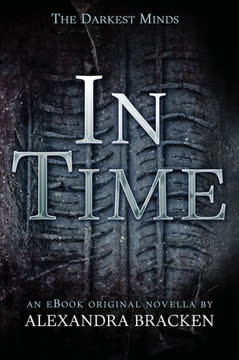
"In Time" is a searing exploration of survival, morality, and the possibility of redemption in a world stripped of innocence. Alexandra Bracken crafts a dystopian landscape where fear and cruelty are institutionalized, and the most vulnerable—children—are hunted and dehumanized. Through Gabe's journey, the novella interrogates the cost of survival: what are we willing to sacrifice for safety, and at what point does self-preservation become complicity in evil? The relationship between Gabe and Zu is the heart of the story, a slow-burning transformation from exploitation to empathy, from isolation to connection. Bracken's use of first-person narration immerses the reader in Gabe's internal struggle, making his eventual sacrifice both inevitable and deeply moving. The story's motifs—The Wizard of Oz, the battered truck, the silence of trauma—underscore the longing for home, belonging, and the courage to choose kindness in the face of despair. Ultimately, "In Time" is a meditation on the power of small acts of love to resist a world bent on erasure, and a reminder that even in the darkest times, redemption is possible if we dare to care for one another.
Last updated:
Review Summary
In Time is a highly emotional novella in The Darkest Minds series, focusing on a new character named Gabe and his encounter with Zu. Readers praise Bracken's ability to evoke strong feelings in just 90 pages, with many citing the heartbreaking ending. The story provides insight into the world from a non-psi perspective and explores character development. While some found Gabe initially unlikable, most appreciated the novella's contribution to the series. Many reviewers consider it a must-read addition to the trilogy.