

Plot Summary
Dustfinger at the Gate
Twelve-year-old Meggie wakes during a rainy night and sees a scarred stranger watching her home. Her father, Mo, recognizes him as Dustfinger and speaks with him behind a closed workshop door. Meggie overhears the stranger warn that Capricorn is hunting Mo for a book and will use force to get it. Before dawn, Mo packs their camper van and claims they are visiting a relative in Italy.
At the gate, Dustfinger appears again and asks to travel with them. Meggie refuses to leave until Mo explains who Capricorn is. Dustfinger describes a ruthless leader who uses fear to control his men and has fixed his attention on Mo. Mo still withholds the reason the book matters, so the three drive south with Meggie frightened and distrustful.
The story begins with a child noticing what her father has trained himself to conceal. Mo's secrecy is meant as protection, but it deprives Meggie of the information she needs to judge danger for herself. Books are already more than her pastime: they are the stable home she carries from place to place. Dustfinger's arrival exposes the cost of Mo's evasions and turns Meggie's ordinary dependence into an uneasy, active search for truth.
The Book in Hiding
Mo brings Meggie and Dustfinger to Elinor Loredan, his late wife's formidable aunt, whose house is crowded with carefully guarded books. While Mo begins restoring her collection, Meggie spots him hiding a small green-bound volume.
Elinor agrees to keep it safe, but Meggie discovers that its illustrations include a horned animal like Dustfinger's marten, Gwin. Dustfinger warns her that Capricorn will kill for the book, then urges her to spy on Mo. That night, Capricorn's armed men break in, cut the telephone line, and take Mo away.
Elinor had secretly substituted another volume for the real one, leaving the kidnappers with the wrong book. Meggie finds the hidden original in Elinor's room and accuses her of helping the criminals, but Elinor insists they must find Mo together.
The green book becomes the hinge between ordinary domestic life and an impossible danger. Elinor's instinct to protect rare objects leads her to make a consequential choice without Mo's knowledge, repeating the pattern of adults managing risk through secrecy. Meggie, however, treats the book as evidence rather than treasure: its pictures connect Gwin to Dustfinger and suggest that the printed world has already crossed into hers. The kidnapping turns curiosity into responsibility.
The Lion's Den
Dustfinger returns with news that Mo is being taken south to Capricorn's remote village. He agrees to guide Meggie and Elinor there, though Elinor brings the real book in secret. The journey carries them through coastal towns and into hills where locals fear the isolated settlement.
At its barrier, Basta, Capricorn's armed lieutenant, recognizes Dustfinger and escorts the visitors to the leader's house. Capricorn is pale, controlled, and surrounded by men who obey him without question. He takes the book from Meggie and orders her and Elinor imprisoned.
Meggie sees Dustfinger avoid her eyes as Capricorn reveals the true leverage: he wants Mo to read aloud for him. Dustfinger has delivered both the book and Meggie, fulfilling Capricorn's demand while leaving her feeling utterly betrayed.
The journey strips away the protective distance of stories about villains. Capricorn's power is not supernatural spectacle but a system of weapons, surveillance, and trained obedience. Dustfinger's betrayal is especially painful because he has been Meggie's guide through unfamiliar territory; his longing for home has made her trust useful to him. Meggie's first encounter with Capricorn therefore tests not only her courage but her ability to distinguish a person's visible helplessness from their private motives.
Mo's Impossible Gift
In a locked shed, Meggie finds Mo again, and he finally explains why Capricorn wants his voice. Nine years earlier, Mo read Inkheart aloud while Meggie, then three, and her mother listened. Capricorn, Basta, and Dustfinger stepped out of the story, while Meggie's mother and two cats vanished into it.
Mo could not reverse the exchange, and later attempts produced only unpredictable visitors and objects, so he swore never to read aloud again. In Capricorn's church, however, he is forced to demonstrate.
His reading of Treasure Island brings heaps of coins and a lizard into the room, while a later passage from another book pulls out Farid, a frightened boy. One of Capricorn's men disappears into the story, proving Mo cannot control who comes or goes.
Mo's silence has been built around guilt as much as fear. He believes that withholding the truth can prevent Meggie from suffering the same loss, yet his account shows that ignorance has only left her vulnerable to other people's decisions. The magic itself refuses the fantasy of mastery: Mo's beautiful voice can summon riches, creatures, and people, but intention does not guarantee control. His gift is therefore less a power than an ethical hazard, one that makes every reading an act with consequences for absent lives.
Farid Joins the Flight
Capricorn reveals that his men have found and burned nearly every copy of Inkheart, then dismisses Dustfinger's promise of a return to his own world. Dustfinger, burned while trying to save the books, steals keys and frees Mo, Meggie, and Elinor.
Mo insists they also rescue Farid, the boy he accidentally read from another story. Farid initially mistakes the modern world for a dream, but follows the group through the sleeping village. Basta and Flatnose catch their trail in the hills.
Mo struggles with the guard, dogs attack him, and Elinor takes up a shotgun while Farid knocks Flatnose unconscious with a stone. The fugitives bind both men, leave them in a ruined hut, and continue toward the coast, battered but finally beyond Capricorn's immediate reach.
Capricorn's book-burning is an attack on the very possibility of return, not merely a punishment of Dustfinger. It exposes the emptiness of promises made by a ruler who treats other people's hopes as tools. Dustfinger's escape begins as self-preservation, but Mo's insistence on saving Farid introduces a different ethic: the boy is not expendable just because his arrival was accidental. Elinor's courage also emerges through action, as she turns her fear of violence into a means of protecting the others.
A Bird from Verse
In a seaside hotel, Mo reads Meggie a poem from a book Elinor gave her, and an orange bird appears in the room. Mo opens the window so it can fly away, then worries aloud about what may have vanished from its own world. The next morning, Meggie tries reading the poem herself; nothing happens, but the wish to share Mo's gift has taken root.
She and Mo then visit Fenoglio, the elderly writer of Inkheart. Fenoglio confirms that his own copies were stolen and listens as Mo describes the impossible events surrounding the book. He recognizes Dustfinger as his character and reveals that the man is destined to die while trying to save Gwin. Meggie is horrified; Dustfinger, learning the same fate, rejects Fenoglio and runs from the village.
The bird makes the magic intimate: a summoned being is not an abstraction but a living creature displaced from somewhere else. Mo's concern about the exchange complicates Meggie's envy and foreshadows the moral cost of her own ability. Fenoglio's revelation adds a second kind of danger, authorship. Dustfinger's life has an ending already written, and his refusal to hear it is less foolish than human: foreknowledge offers no comfort when it cannot restore choice or home.
The Author's Dangerous Draft
After Dustfinger flees, Mo tells Meggie he has promised not to return to Capricorn's village. He asks Fenoglio to help change the events of Inkheart so Meggie's mother might come back, though he admits he does not know whether the idea can work. Meggie and Mo stay in the writer's village while Elinor drives home. That night, Meggie asks Mo to read again.
A bird emerges from the poem, and Mo releases it through the window. The incident confirms that the gift is not confined to him. Later, while Mo is away collecting Elinor from the airport, Basta and Flatnose find Meggie through the children who live with Fenoglio. They abduct her and the writer, intending to use her as bait to draw Mo back.
The possibility of rewriting shifts the story from recovery to authorship: the characters may be able to alter what has already happened, but only by entering the same dangerous system that caused the losses. Meggie's request to hear Mo read is both a claim on intimacy and a voluntary approach to risk. Her capture immediately demonstrates the asymmetry of power: while adults debate how to change a story, Capricorn's men use a child and her attachments to dictate the next event.
The Girl Who Reads
Back in Capricorn's village, Meggie and Fenoglio are held in the same prison buildings where Mo was confined. Meggie secretly reads Peter Pan and accidentally brings Tinker Bell into the room. Basta catches the fairy and takes her to Capricorn, who realizes Meggie can summon characters just as Mo can.
He orders her to become his new reader. Capricorn's men also bring forward Dustfinger and a captive maid named Resa, both trapped in nets. Meggie recognizes Resa from Mo's photograph and suspects she may be her mother, but Capricorn plans to have Meggie read the Shadow from Inkheart as an executioner.
Fenoglio explains that this faceless being is made from the ashes of victims and is believed invulnerable. Meggie refuses to cooperate, though Capricorn threatens the prisoners to force her.
Meggie's accidental reading changes her from a hostage valuable only through Mo into a target in her own right. The fairy proves the inheritance of a capacity Mo has tried to suppress, while its capture shows how quickly wonder can be converted into property. Resa's appearance gives Meggie a fragile hope that competes with the immediate threat of the Shadow. Capricorn exploits both: he weaponizes her emerging power and uses the possibility of family reunion to make resistance feel dangerous.
A New Ending Tested
Fenoglio secretly finds paper and a pencil, then writes a new ending for Hans Christian Andersen's tin soldier. He asks Meggie to read it aloud, hoping they can alter a character's fate before attempting the same with Inkheart. As she reads, the tin soldier disappears from his bedside.
The experiment proves that fresh words, delivered in Meggie's voice, can change a story rather than merely summon its characters. Fenoglio then begins drafting a revision for Capricorn's Shadow. Meggie sends a secret message to Mo in the coded script they have shared since childhood.
Farid climbs through her window with the note and reports that she is alive, inside Capricorn's house, and expected to summon the Shadow at the coming execution. Mo learns that Meggie has inherited his ability and that time is running out.
The test gives the characters a form of agency that is neither absolute nor clean. Fenoglio supplies the new language, Meggie gives it breath, and the soldier's altered fate demonstrates a collaboration between imagination and performance. Yet this experiment does not establish that every story can be safely corrected. It only makes revision plausible. The secret note also matters psychologically: Meggie is no longer waiting to be rescued without acting. She communicates, interprets danger, and helps shape the plan from within captivity.
Resa Behind the Bars
Dustfinger returns to Capricorn's village to search for the remaining copy of Inkheart and contacts Resa, the mute maid who has helped him before. Basta catches him at her quarters and takes him and Resa to the church crypt.
Meggie is allowed to visit them, and Resa slips Dustfinger a note while Basta is distracted. Dustfinger uses the message to provoke Basta into opening the cell, then disarms him and locks him behind the bars. He escapes with Resa but leaves Meggie, knowing Capricorn will keep her alive as a reader.
Flatnose soon discovers the escape and returns Meggie to Fenoglio. Meanwhile, Elinor reaches home to find her prized library emptied and its rarest books burned. She returns south and attempts to get police help, but Capricorn's influence brings her back as a prisoner.
The crypt escape is an imperfect act of rescue. Dustfinger can free Resa because she is willing to trust him, but he leaves Meggie behind because her usefulness to Capricorn makes her temporarily safer. His calculation protects her body while deepening her emotional abandonment. Elinor's ruined library creates a parallel loss: the books that once let her avoid human dependence are destroyed, forcing her back into danger and into relationships she had kept at a distance.
Words Against the Shadow
With the execution approaching, Fenoglio struggles to write a version of the Shadow that will turn against Capricorn instead of obeying him. He rejects an easy solution that would simply kill every one of Capricorn's men, insisting that he cannot solve cruelty by becoming indiscriminate.
He finally completes a short passage in which the Shadow remembers the people whose ashes formed it and seeks revenge on those responsible. Meggie has already proved that she can read Fenoglio's additions into a story, so the page becomes their central weapon.
Farid scouts Capricorn's village and brings Mo a secret message from Meggie. Mo and Farid prepare a diversion with torches, while Elinor joins them after escaping the police trap. They know that the fire may spread, but no safer plan remains.
Fenoglio's hesitation recognizes that narrative power is also moral power. He can make characters disappear with a sentence, but doing so without distinction would repeat Capricorn's logic of treating people as disposable. The final passage tries to redirect violence toward its source by restoring memory to a being designed as an instrument. Meanwhile, Mo and Farid's plan accepts physical risk because abstract cleverness alone cannot reach Meggie. Writing and action must work together.
Fire at Capricorn's House
Capricorn stages the execution in the village's old football ground, where his men, captive women, and boys gather to watch Meggie read. Elinor, Resa, and Basta are locked in a cage nearby. Mo and Farid enter in disguise, knock out the lone guard at Capricorn's house, and set a fire in a room near the leader's treasures.
Farid lights another torch near the church so the alarm spreads. Capricorn sends men to contain the blaze, thinning the crowd. During the ceremony, he claims that Mo and Dustfinger are dead, displaying bloodied cloth as false proof.
Elinor recognizes the trick but cannot reassure Meggie from inside the cage. As smoke rises behind the church, Meggie sees the distraction and understands that Mo may be close, though she must begin reading before Capricorn grows suspicious.
The fire reverses Capricorn's preferred instrument of intimidation. He has long used the threat of burning homes and possessions to make communities obey; now a controlled blaze draws his followers away from the spectacle he has staged. The tactic is perilous because fire cannot be fully commanded, a danger already embodied by Dustfinger's cautions and Elinor's grief for her books. Capricorn's fabricated evidence of Mo's death adds a psychological attack, designed to isolate Meggie just before she must use her voice.
The Shadow Turns
When Capricorn orders her to begin, Meggie reads the original account of the Shadow, then slips Fenoglio's added page into the book. She speaks the revision: the Shadow remembers the victims whose ashes gave it form and turns against the cruelty that made it.
The smoke and sulfur stench gather into a towering, faceless figure. Capricorn orders his men to stop Meggie, but they hesitate, transfixed. Fenoglio distracts the guards, and Mo reaches the platform.
He takes the book and finishes the final lines, which make Capricorn fall dead and erase the men created for his story. The Shadow then collapses, releasing its victims as living people and creatures. Among those restored are humans, animals, fairies, and other beings who had been reduced to ash.
The climax makes memory the hinge between obedience and resistance. The Shadow was created to embody Capricorn's violence, but Fenoglio's revision returns the suffering it contains to its awareness. Meggie's reading does not simply overpower the tyrant; it changes the meaning of the being he used. Mo's arrival completes a family pattern of shared storytelling, while the freed victims make the consequence collective. The scene's danger remains real because the altered text can only work if voice, timing, and courage coincide.
The Cage Opens
After the Shadow dissolves, Farid opens the prisoners' cage. Basta, hidden in its dark corner, seizes Resa and threatens her to force a path out. Mo, Meggie, and Elinor move to stop him, but Basta throws Resa aside and escapes through the chaos before anyone can catch him.
Mortola also vanishes. The survivors discover that every car has been taken, so they spend the night in the abandoned village among the returned creatures. Dustfinger watches the aftermath from a rooftop.
He sees Capricorn fall and the Shadow release its victims, but remains apart from the family. When the others sleep, Dustfinger steals Inkheart from beneath Mo's jacket and takes two fairies from a branch. Farid follows him, unwilling to be left behind, and the pair walk south with Gwin.
The ending refuses the tidy comfort of a world in which defeating a tyrant erases every danger. Basta's survival preserves a human threat beyond the reach of Fenoglio's revision, while Mortola's disappearance leaves consequences unsettled. Dustfinger's theft is not simply greed: the book represents his last imaginable route home. His departure makes the victory emotionally mixed, since Meggie has helped free an entire world but cannot make the displaced man stop longing for his own.
A Village Made New
The next morning, Mo and Elinor arrange transport from the ruined village. Resa writes that she had been homesick for her family throughout her years away, confirming Meggie's hope and beginning a careful reunion with Mo. Fenoglio is gone, apparently drawn into the story he helped rewrite.
Elinor offers her estate as shelter to the people and creatures restored by the Shadow. Many choose to stay in Capricorn's village, where the hidden treasure can support them; others travel to Elinor's house.
Darius joins her to help rebuild the library, and the fairies, trolls, and glass people begin making homes in her garden and attic. Meggie leaves the village with her parents and Elinor, carrying the knowledge that rescue does not mean every lost person or book can be recovered.
The resolution replaces Capricorn's enclosed world of coerced loyalty with a community assembled through consent. Elinor's estate, once a fortress for books and a refuge from people, becomes a place where vulnerable newcomers can live. Resa's written confirmation repairs the family bond without pretending that nine years of separation can be undone in a moment. Fenoglio's absence and the books destroyed by fire keep the ending honest: restoration is possible, but it is never identical to reversal.
Meggie Chooses Words
At Elinor's house, Mo restores damaged books while Darius helps catalog the growing collection. Resa writes down memories of the world she left, and Meggie reads them, turning her mother's lost years into stories they can share.
The returned creatures explore the garden and nearby countryside despite Elinor's warnings about modern dangers. Meggie understands why Dustfinger remains homesick, even as Resa tells her that she missed her family more. One night, troubled by the possibility that Basta may return, Meggie sits at her desk and begins writing.
She wants to become a storyteller like Fenoglio, able to make words of her own rather than depend on another writer's pages when she reads aloud. The book ends with Meggie beginning that work in a house where books and magical creatures now share the same rooms.
Meggie's final choice answers the opening image of a child who finds home in books. She does not reject reading after witnessing its dangers; instead, she seeks the harder craft of making stories herself. Writing offers a possible way to shape the consequences of language rather than merely inherit them. Her mother's written memories also turn silence into relationship, while Mo's bookbinding preserves what can be repaired. The future remains uncertain, but Meggie now has a role in deciding what words enter it.
Analysis
Inkheart treats reading as an act with material consequences. A story is not a sealed refuge: Mo's voice can bring a creature into a room, remove a person from a family, or provide a tyrant with wealth. The book's magic therefore unsettles the comforting separation between representation and life. To read is to encounter another world, but to summon it is also to intervene in that world, often without consent or foresight.
The characters' responses reveal distinct forms of power. Capricorn makes other people dependent on his decisions; Dustfinger is governed by longing for a home he cannot reach; Mo tries to protect his daughter through silence; Elinor first protects books by keeping people at a distance. Meggie gradually refuses the role of audience to these adult strategies. She asks questions, sends messages, and finally reads with an intention the others have not anticipated. Her agency does not come from mastering the magic alone. It comes from combining attention, courage, and collaboration with Fenoglio and Mo.
Fenoglio's revisions offer a qualified answer to the fear that written stories determine their characters. New words can alter an ending, but only because living people interpret, speak, and act on them. The book does not claim that authors can repair every injustice. Some losses remain, Dustfinger still chooses the possibility of return, and Basta escapes. Instead, the ending locates hope in shared stewardship: Mo repairs books, Resa records memory, Elinor shelters displaced beings, and Meggie begins writing. Stories matter because people carry them into the world, and because they can choose how to answer what they inherit.
Review Summary
Inkheart receives mostly positive reviews for its imaginative story about characters coming to life from books. Readers praise the magical world-building, vivid characters, and themes of book-loving. Some find it slow-paced or overly long, especially for adults. Many consider it best suited for young readers who enjoy fantasy. The audiobook narration is well-regarded. Opinions are mixed on the sequels, with some eager to continue the series and others satisfied with just the first book. Overall, it's seen as a charming adventure for book enthusiasts.
People Also Read


Characters
Meggie
The hungry young readerMeggie is a twelve-year-old who travels with her bookbinder father, Mo, and treats books as both companions and portable homes. Her curiosity is acute, and she notices when adults conceal information, but she is not initially equipped to judge the danger behind their silences. She wants closeness with Mo and resents being protected through half-truths. Her love of stories gives her imagination and courage, while her growing desire to understand how words work pushes her beyond passive reading. Meggie's emotional life is shaped by absence: she has little memory of her mother and has built her sense of security around Mo, familiar books, and the rituals they share.
Mo
The book doctorMortimer Folchart, known as Mo, repairs and rebinds old books with patient care. He is Meggie's devoted father, a gifted reader aloud, and a man burdened by the consequences of a past reading he cannot undo. His instinct is to shield Meggie by withholding painful truths, even when that choice leaves her unprepared. Mo's kindness extends beyond family: he risks himself to protect people drawn into danger by his gift. He understands books materially, as things that can be mended and preserved, but fears the unpredictable force of the stories inside them. His central tension is between the tenderness of his voice and the harm it can unintentionally release.
Dustfinger
The homesick fire-eaterDustfinger is a scarred performer who juggles, breathes fire, and travels with Gwin, a horned marten. Displaced from the world of a book, he finds modern life too fast and crowded, and he measures safety against the home he has lost. His longing makes him resourceful but also vulnerable to promises from people who know what he wants. He hides fear and tenderness beneath a guarded, often mocking manner. Dustfinger is drawn to fire because he can work with it, yet he knows it can escape control. His complicated relationship with Meggie's family reflects both his guilt and his difficulty accepting that belonging may have to be made in a world he never chose.
Elinor
The guarded book collectorElinor Loredan is Mo's late wife's aunt, a wealthy collector whose house and identity are organized around books. She is sharp-tongued, proud of her expertise, and initially more comfortable protecting rare volumes than welcoming people. Her attachment to books is genuine, but it also serves as armor against loneliness and grief. Meggie's presence unsettles her routines, while danger forces her to act beyond the library she knows how to manage. Elinor's practical intelligence, stubbornness, and capacity for courage sit beside her vanity and impatience. She often uses sarcasm to hide fear, yet she notices when others need protection and can turn indignation into decisive action.
Capricorn
The tyrant of the villageCapricorn is the calculating leader of an armed band who controls an isolated village through intimidation, punishment, and the loyalty of followers recruited young. He wants the advantages of the modern world but treats its people as resources to be commanded. Books matter to him not as works of art or sources of pleasure, but as instruments that might produce wealth and power. His pale, composed appearance conceals a deep need to dominate every room and silence every uncertainty. Capricorn's authority depends on making fear feel inevitable. He is especially dangerous because he understands how to turn another person's love, skill, or hope into leverage.
Fenoglio
The maker of InkheartFenoglio is an elderly writer who created the story of Inkheart and its characters. He is curious, vain about his craft, and delighted by the idea that his inventions have become real, but the consequences quickly challenge his pride. He loves a well-told story and can improvise with language, yet he must confront the difference between inventing danger on a page and living beside it. Fenoglio's imagination is both his strength and his responsibility: his words can expose a character's history or alter what happens next. His bond with his grandchildren shows a more ordinary tenderness beneath his theatrical confidence.
Farid
The quick-footed newcomerFarid is a boy drawn from a story of thieves into a world of cars, electricity, and unfamiliar customs. He is observant, nimble, and accustomed to being sent ahead as a scout rather than asked for his judgment. His life has taught him to expect hunger, danger, and punishment, so ordinary concern from Mo unsettles him. He quickly attaches himself to Dustfinger and Gwin, whose skills give him a path toward competence and belonging. Farid is fascinated by fire and eager to learn, but his willingness to take risks can outrun his experience. He begins to discover that his ideas can matter to people who treat him as more than a tool.
Resa
The silent maidResa is a mute maid in Capricorn's household, where she works under close surveillance and communicates by writing and gesture. Her silence does not make her passive: she observes carefully, finds ways to pass information, and maintains private loyalties despite the danger around her. She is resourceful with small objects, including paper, pencils, stones, and candles, and she uses stories to reach people who might otherwise feel isolated. Resa's experience has made her cautious, but not unfeeling. Her connection to Dustfinger gives her an ally in the village, while her attentive interest in Meggie suggests a depth of personal concern she cannot explain aloud.
Basta
Capricorn's knife manBasta is Capricorn's devoted lieutenant, a compact, volatile man who uses a knife to make threats intimate. He is superstitious, fearful of bad luck and fire, and dependent on charms that promise protection from the dangers he helps create. His loyalty to Capricorn gives him purpose and status, though it also leaves him exposed to the leader's contempt. Basta's cruelty is often theatrical: he enjoys making captives anticipate what he might do. At the same time, his anxious attention to omens reveals a man who expects the world to punish him. He is dangerous because his fear rarely prevents him from harming someone weaker.
Darius
The frightened readerDarius is a book-loving reader whom Capricorn has forced to summon characters from stories. He once enjoyed reading aloud, but repeated failure and punishment have made him hesitant and fearful. His imperfect readings show that the gift depends on more than reciting printed words; confidence, attention, and a reader's relationship to a story matter. Darius feels compassion for others caught in Capricorn's plans, though fear often constrains what he can do. He remains deeply attached to books even after they have become associated with captivity, and his knowledge helps Meggie understand what Capricorn expects of her.
Mortola
The Magpie housekeeperMortola, whom the others call the Magpie, manages Capricorn's household and watches over his captives. She is sharp-eyed, controlling, and skilled at turning domestic authority into a threat. Her rooms are crowded with possessions, and she takes pride in her proximity to power. Mortola understands that Capricorn's influence depends on fear and uses private knowledge to reinforce it. She is especially suspicious of Meggie's abilities and tries to control the conditions under which the girl reads. Her physical frailty does not soften her will; she expects others to obey even when she cannot command them openly.
Gwin
The horned martenGwin is Dustfinger's small, sharp-toothed marten, recognizable by the tiny horns beside his ears. He rides in Dustfinger's backpack, hunts when he can, and resists being treated like a tame pet. His likeness appears in Inkheart, making him one of the earliest clues that characters and creatures have crossed between story and reality. Gwin's loyalty is selective, and he develops an unexpected fondness for Farid. He functions as both companion and practical ally, but his independent instincts often draw him away at inconvenient moments.
Cockerell
The limping henchmanCockerell is one of Capricorn's armed followers, a limping man who enjoys intimidation and takes part in the group's violence. He carries out orders with little visible hesitation and treats cruelty as entertainment. His relationship with Capricorn is defined by obedience and the promise of favor, rather than affection. Cockerell's eagerness to perform for the leader makes him useful within the village's hierarchy, but also leaves him vulnerable to shifts in Capricorn's approval.
Flatnose
The broad-shouldered guardFlatnose is a large, physically imposing member of Capricorn's band. He relies on strength and firearms more than subtlety, and he often follows Basta's lead in guarding or pursuing captives. His size makes him threatening, but his impatience and poor judgment create openings for those he underestimates. Flatnose treats violence as routine work, revealing how Capricorn's rule turns brutality into an ordinary occupation.
Pippo
Fenoglio's talkative grandsonPippo is one of Fenoglio's young grandchildren, energetic and prone to mischief. His curiosity and unguarded speech make him a vivid presence in Fenoglio's busy household, where children interrupt the adult characters' serious plans.
Paula
Fenoglio's observant granddaughterPaula is Fenoglio's young granddaughter. She is curious about visitors, quick to carry messages, and comfortable moving through the crowded family home. Her presence reveals Fenoglio's life beyond his books and stories.
Rico
Fenoglio's youngest grandchildRico is Fenoglio's small grandson, affectionate and physically clingy. He follows the older children and gives Fenoglio's home its noisy, affectionate rhythm.
Plot Devices
Inkheart
The border between worldsInkheart is the green-bound novel at the center of Capricorn's pursuit. Mo's reading from it once brought Capricorn, Basta, and Dustfinger into the ordinary world while Meggie's mother disappeared into the book. Its surviving copies become a route that Dustfinger hopes might take him home, a source of power Capricorn wants to exploit, and the text Fenoglio later tries to alter. The book makes reading consequential: a voice can move people and objects across worlds, but the reader cannot reliably choose what crosses or what is lost.
The reader's voice
Words made physicalMo's talent manifests when he reads aloud from books he loves, bringing items, animals, and people into the world while something else may vanish in exchange. He cannot control the timing or the result, and he has spent years refusing to use the gift after his family was changed by it. Meggie inherits the same ability, first through accidental readings and later through a deliberate attempt to change a story. The device links artistic performance to ethical responsibility: beautiful language can create wonder, but it can also displace living beings.
Fenoglio's added page
A story rewritten aloudFenoglio writes new words to change the fate of a character Meggie has read from a book. Their test with the tin soldier shows that a reader's voice can carry an author's revision into the story. Fenoglio later composes a passage intended to make the Shadow remember its victims and turn against Capricorn. The page does not erase the danger of reading; it concentrates it. The plan depends on Meggie's skill, Fenoglio's language, and Mo's intervention, making authorship a collaborative act rather than a solitary power.
The Shadow
Capricorn's ash-born weaponThe Shadow is a faceless being Capricorn uses as an executioner, formed from the ashes of people and creatures who have died under his rule. The characters fear it as immortal and beyond ordinary violence. Fenoglio's new passage gives it memory, changing its relation to the suffering that created it. Its function is both literal and moral: it embodies violence stripped of identity, then becomes capable of recognizing the victims hidden inside that violence.
The red rooster
A threat marked in fireCapricorn's men use the red rooster as a warning that a home, crop, or possession may be burned. Sometimes they leave a dead bird, sometimes a rooster emblem, but the meaning is clear to the people they terrorize. Fire becomes Capricorn's public language of retaliation, reinforced by the Black Jackets' secrecy and weapons. The symbol later turns against its maker when Mo and Farid set a fire as a diversion. The flames remain dangerous and imperfectly controlled, but the threatened communities are no longer merely waiting for Capricorn's next order.
FAQ
Synopsis & Basic Details
What is Inkheart about?
- A girl's magical heritage: Twelve-year-old Meggie discovers her father, Mo, has the ability to bring characters out of books when he reads aloud, a gift that has both wondrous and dangerous consequences.
- A world where stories come alive: The story follows Meggie, Mo, and a cast of characters as they navigate a world where the line between fiction and reality blurs, and where the power of words can have life-altering effects.
- A battle against a literary villain: The narrative centers on their struggle against Capricorn, a villain brought to life from a book, who seeks to control Mo's power and rewrite his own story.
Why should I read Inkheart?
- Unique blend of fantasy and reality: Inkheart offers a captivating story that explores the magic of books and the power of storytelling, blending elements of fantasy with real-world consequences.
- Compelling characters and relationships: The novel features a diverse cast of characters, each with their own motivations and complexities, and explores the bonds of family, friendship, and loyalty.
- Themes of good vs. evil and the power of words: Inkheart delves into the battle between good and evil, highlighting the importance of courage, resilience, and the transformative power of words and stories.
What is the background of Inkheart?
- A world where stories have power: The story is set in a world where the act of reading aloud can bring characters and objects from books into reality, creating a unique blend of the ordinary and the extraordinary.
- A focus on the love of books: The narrative is deeply rooted in the love of books and the power of storytelling, with characters who are passionate about literature and its ability to shape lives.
- A blend of fantasy and real-world elements: While the story features fantastical elements, it also explores real-world themes of family, loss, betrayal, and the struggle against oppression, creating a rich and engaging narrative.
What are the most memorable quotes in Inkheart?
- "Fire devours books.": This quote, often repeated by Mo, highlights the destructive potential of fire and its symbolic opposition to the preservation of stories and knowledge.
- "Books are like flypaper—memories cling to the printed page better than anything else.": This quote emphasizes the power of books to evoke memories and emotions, connecting the reader to the story and the time when it was read.
- "Everyone has a few secrets, Meggie.": This quote, spoken by Mo, underscores the theme of hidden truths and the complexities of human relationships, as well as the lies that are told to protect loved ones.
What writing style, narrative choices, and literary techniques does Cornelia Funke use?
- Third-person limited perspective: Funke primarily uses a third-person limited perspective, focusing on Meggie's point of view, which allows readers to experience the story through her eyes and emotions.
- Rich imagery and descriptive language: Funke employs vivid imagery and descriptive language to create a rich and immersive world, bringing the characters, settings, and magical elements to life.
- Foreshadowing and suspense: Funke skillfully uses foreshadowing and suspense to build tension and keep readers engaged, hinting at future events and creating a sense of unease and anticipation.
Hidden Details & Subtle Connections
What are some minor details that add significant meaning?
- The poppy-red book box: Mo paints Meggie's book box poppy red, her favorite flower, symbolizing her love for stories and the comfort they provide, and also foreshadowing the danger and passion associated with the color red.
- The metal plaque on Mo's workshop door: The quote, "Some books should be tasted, some devoured, but only a few should be chewed and digested thoroughly," reveals Mo's deep respect for books and his belief in the power of careful reading.
- The description of Dustfinger's scars: The scars on Dustfinger's face, described as if "smashed and stuck back together again," hint at his troubled past and the pain he carries, adding depth to his character.
What are some subtle foreshadowing and callbacks?
- Mo's fear of fire: Mo's aversion to fire, initially presented as a quirk, foreshadows the destructive power of fire in the story and its connection to the burning of books and the violence of Capricorn.
- Dustfinger's juggling skills: Dustfinger's juggling skills, initially presented as a way to earn a living, foreshadow his ability to manipulate fire and his role as a performer, highlighting his complex nature.
- The recurring image of the marten: The marten, Gwin, is a recurring motif, appearing both in the book Meggie reads and as Dustfinger's companion, symbolizing the blurred lines between fiction and reality and the unpredictable nature of the story.
What are some unexpected character connections?
- Elinor and Meggie's mother: Elinor's connection to Meggie's mother, revealed through shared traits and a history of friendship, adds a layer of emotional depth and reveals a hidden side to Elinor's character.
- Dustfinger and Capricorn's shared past: The revelation that Dustfinger and Capricorn come from the same world adds complexity to their relationship and highlights the shared history that binds them, despite their opposing roles.
- Mo and Fenoglio's shared passion for books: Mo and Fenoglio's shared passion for books and their understanding of the power of words creates an unexpected bond between them, despite their different backgrounds and experiences.
Who are the most significant supporting characters?
- Elinor Loredan: Elinor's role as a book collector and a reluctant ally provides a counterpoint to the more fantastical elements of the story, and her sharp wit and resourcefulness make her a valuable asset.
- Fenoglio: As the author of "Inkheart", Fenoglio's knowledge of the story and its characters is crucial to the plot, and his internal struggle with his creations adds a layer of complexity to the narrative.
- Farid: Farid's loyalty to Dustfinger and his growing bond with Meggie highlight the themes of friendship and the power of connection, and his unique perspective as a character from another story adds depth to the narrative.
Psychological, Emotional, & Relational Analysis
What are some unspoken motivations of the characters?
- Mo's guilt and protectiveness: Mo's unspoken motivation is his deep-seated guilt over his wife's disappearance and his desire to protect Meggie from the same fate, driving his actions and decisions throughout the story.
- Dustfinger's longing for home: Dustfinger's unspoken motivation is his intense longing to return to his own world, which leads him to make questionable choices and betray those who trust him.
- Capricorn's fear of mortality: Capricorn's unspoken motivation is his fear of mortality and his desire to control his own destiny, which drives his obsession with power and his attempts to rewrite his own story.
What psychological complexities do the characters exhibit?
- Mo's internal conflict: Mo struggles with the burden of his reading ability and the responsibility it entails, torn between his desire to protect his daughter and his fear of the power he wields.
- Dustfinger's moral ambiguity: Dustfinger's character is marked by moral ambiguity, as he is torn between his desire for home and his growing attachment to Meggie and Mo, making him a complex and unpredictable figure.
- Capricorn's narcissistic tendencies: Capricorn exhibits narcissistic tendencies, as he is obsessed with power and control, and his inability to empathize with others makes him a truly terrifying villain.
What are the major emotional turning points?
- Meggie's discovery of Mo's secret: Meggie's discovery of Mo's reading ability and the existence of characters from books marks a major emotional turning point, as she is forced to confront the reality of her father's past and the danger they are in.
- Dustfinger's betrayal: Dustfinger's betrayal of Mo and Meggie is a major emotional turning point, as it shatters their trust and forces them to confront the harsh realities of the world they inhabit.
- Mo's decision to confront Capricorn: Mo's decision to confront Capricorn, despite the risks, is a major emotional turning point, as it demonstrates his unwavering love for Meggie and his determination to protect her.
How do relationship dynamics evolve?
- Meggie and Mo's bond: The relationship between Meggie and Mo evolves from a close father-daughter bond to a partnership, as Meggie becomes more aware of her father's past and the dangers they face.
- Mo and Dustfinger's strained alliance: The relationship between Mo and Dustfinger is marked by tension and distrust, as they are forced to work together despite their conflicting desires and past betrayals.
- Meggie and Elinor's unexpected connection: The relationship between Meggie and Elinor evolves from initial hostility to a grudging respect and understanding, as they are forced to rely on each other in the face of danger.
Interpretation & Debate
Which parts of the story remain ambiguous or open-ended?
- The true nature of Mo's reading ability: The exact nature and limitations of Mo's reading ability remain somewhat ambiguous, leaving readers to wonder about the source of his power and its potential consequences.
- The fate of the characters left in the book: The fate of the characters who are left in the book, particularly Meggie's mother, remains open-ended, leaving readers to imagine their lives and experiences in that world.
- The long-term consequences of the events: The long-term consequences of the events in the story, particularly the impact of the magical creatures on the real world, remain somewhat ambiguous, leaving readers to ponder the future of the characters and their world.
What are some debatable, controversial scenes or moments in Inkheart?
- Dustfinger's betrayal: Dustfinger's betrayal of Mo and Meggie is a controversial moment, as it raises questions about his true motives and the nature of loyalty and betrayal.
- Capricorn's cruelty: Capricorn's cruelty and violence are a source of debate, as they raise questions about the nature of evil and the limits of human depravity.
- The ending's ambiguity: The ending of the story, with its open-ended nature and the uncertain fate of some characters, is a source of debate, as it leaves readers to ponder the meaning of the events and the future of the characters.
Inkheart Ending Explained: How It Ends & What It Means
- Capricorn's defeat and the Shadow's emergence: The climax of the story sees Capricorn defeated by the Shadow, a creature brought to life by Meggie's reading, highlighting the power of words and stories to challenge even the most powerful villains.
- The blurring of fiction and reality: The ending emphasizes the blurred lines between fiction and reality, as characters from the book are left to navigate the real world, and the real world is forever changed by their presence.
- A new beginning for Meggie and Mo: The ending offers a sense of hope and a new beginning for Meggie and Mo, as they are reunited and given the opportunity to shape their own future, free from the control of Capricorn.
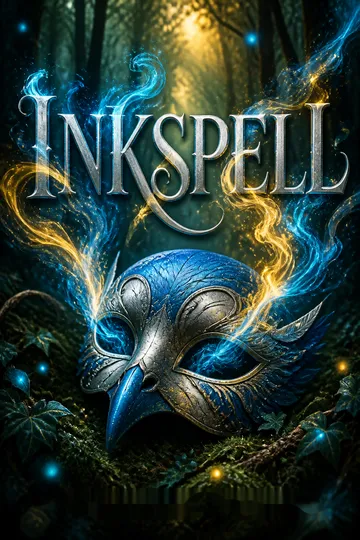
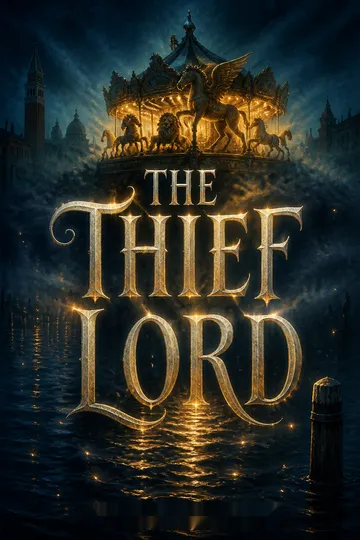
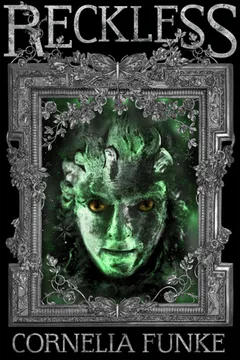
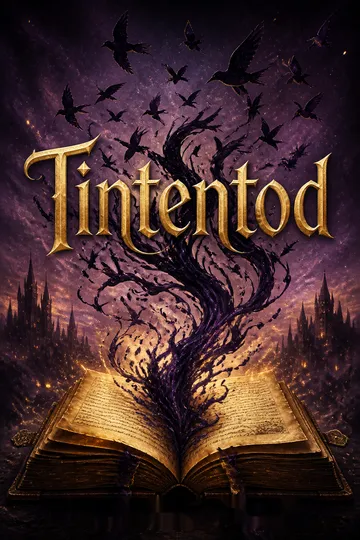
Tintenwelt Series Series
Download PDF
Download EPUB
.epub digital book format is ideal for reading ebooks on phones, tablets, and e-readers.








