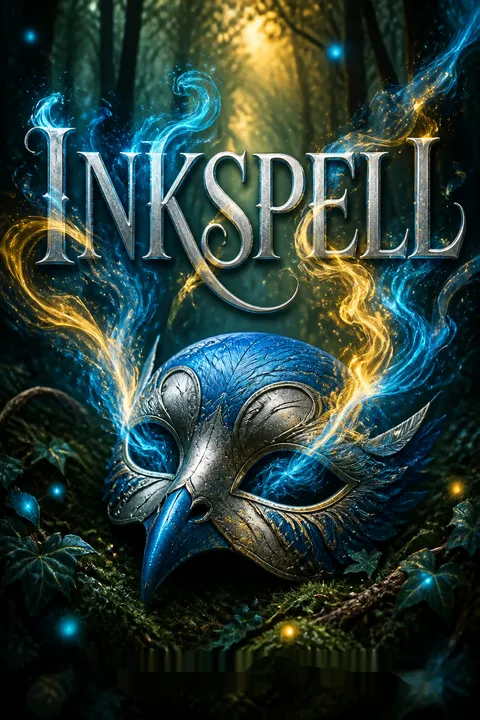


Plot Summary
A Door Without Farid
After years of searching for a way back to the Inkworld, Dustfinger trusts Orpheus, a gifted reader who has written a passage to return him to the story. Farid insists on going too, but Orpheus deliberately leaves out the words that would carry him through. Dustfinger disappears into the forest, while Farid is left with the book and the page that opened the way.
Basta, Capricorn’s knife-man, arrives with allies who want the stolen book. Farid escapes into the woods with Gwin, Dustfinger’s marten, but Basta keeps the book and vows to hunt down the people who thwarted him. Farid has only one lead: Meggie and her father, Mortimer, may be able to help him reach Dustfinger.
The betrayal is both practical and intimate: Orpheus uses his knowledge of stories to decide who belongs in one, while Farid experiences that decision as abandonment. Dustfinger’s return is not a clean rescue, because his loyalty to home conflicts with the attachment he has formed in exile. The stolen book converts a private longing into a renewed danger for everyone connected to its power.
Dustfinger Comes Home
The forest receives Dustfinger with familiar scents, enormous trees, fire-elves, and water-nymphs. He steals a little of the elves’ honey, the substance that lets him speak to fire, then follows the stream toward the human settlements. At an inn, his old friend Cloud-Dancer tells him what ten missing years have cost: Cosimo the Fair is dead, the Laughing Prince grieves, and the Adderhead’s cruelty has strengthened.
Dustfinger also learns that his younger daughter, Rosanna, died of fever and that his older daughter, Brianna, now serves at the castle. Roxane, his former partner, has built a home and raises their son, Jehan. Dustfinger goes to find her, uncertain whether she will welcome the man who vanished without explanation.
Homecoming gives Dustfinger what he wanted while stripping the fantasy from it. The forest confirms his belonging, but the news from Cloud-Dancer makes clear that time did not pause during his absence. His habit of leaving to preserve freedom has imposed its costs on other people, especially Roxane and their children. Longing now has to coexist with responsibility.
Meggie Chooses the Story
Farid reaches Elinor’s house injured and tells Meggie that Orpheus sent Dustfinger back alone, while Basta now has the book and may follow him. Meggie’s father, Mo, believes the danger has passed and wants her to put away the notebooks recording Resa’s memories of the Inkworld. But Farid brings Orpheus’s handwritten passage, including words that could take him after Dustfinger.
Meggie secretly copies it, adds herself to the passage, and leaves a letter for Mo and Resa. She knows only Fenoglio, the story’s author, may be able to write her home again. Despite that uncertainty, she reads the passage with Farid beside her. The familiar room vanishes, and she crosses into the Inkworld.
Meggie’s decision grows from more than curiosity. She feels responsible for Farid’s forced displacement and wants to experience the world her mother has described, but she also withholds the truth from the parents she loves. Her new agency comes with a child’s incomplete grasp of consequence: she can open a door with her voice, yet cannot control what waits beyond it.
The Forest Writes Back
Meggie and Farid land in the Wayless Wood, where Farid recognizes the landmarks Dustfinger described and delights in the towering trees. Meggie instead feels the danger of a world she can no longer close like a book. Gwin appears, having followed them from Elinor’s garden. Meggie knows why Dustfinger left him behind: Fenoglio’s original story says the marten’s rescue will lead to Dustfinger’s death.
Farid had not known this when he helped Dustfinger return, and the revelation turns his relief into guilt. He takes Gwin away, hoping to keep the animal from triggering the written fate. Meggie is left alone in the forest, frightened by her own choice and dependent on Fenoglio’s words to find a way forward.
The Inkworld immediately challenges Meggie’s idea that reading grants mastery. The story’s prior text exerts pressure, but its future is not entirely fixed, since the characters’ choices can alter what happens. Gwin embodies this uncertainty: affection draws him back to Dustfinger, while Meggie sees the danger written around him. Farid’s guilt reveals how little either child can know in advance.
Roxane’s Open Door
Dustfinger reaches Roxane’s isolated farm and finds her working beside Jehan, the son she had with her later husband. Roxane lets him in, but their reunion cannot erase the years he missed. She tells him that their daughter Rosanna died while Dustfinger was away, and that her grief drove her to learn healing from Nettle.
Dustfinger also hears that Brianna lives at the castle, where she serves Violante and cares for Jacopo, the young heir. Roxane explains that Brianna prefers court life to the wandering life she left behind. She and Dustfinger share tenderness, but she still needs an explanation for his disappearance. He cannot make the impossible truth of his other world sound like anything but an excuse.
Roxane’s farm represents the settled life Dustfinger once resisted, but it also exposes what that resistance cost. Their affection survives, yet neither can restore the family to its earlier shape. Dustfinger’s silence protects him from shame while leaving Roxane to interpret his absence alone. Jehan’s caution toward him makes the distance visible in the smallest domestic encounter.
Mortola’s Rifle
While Meggie travels through the forest, Orpheus arrives at Elinor’s house with Mortola, Capricorn’s mother, and Basta. They force Darius and Elinor aside, then seize Mo and Resa. Orpheus reads the group into the ruined fortress where Capricorn once ruled.
Mortola finds that the stronghold is abandoned and her son is truly gone. She blames Mo for Capricorn’s death and shoots him in the chest. Resa speaks aloud again in terror as she tries to stop the bleeding.
Nettle finds them, dresses Mo’s wound, and brings help from the Motley Folk’s hidden camp. Resa stays beside her husband while the White Women, spirits associated with death, gather near him. Her regained voice gives her a way to call for help, but cannot yet tell her whether Mo will live.
The forced crossing repeats the earlier violence of the book’s magic: people are moved by words without consent. Mortola’s revenge is personal, but her certainty that Capricorn can return also shows how grief can harden into denial. Resa’s voice returns at the moment of crisis, converting the loss that defined her into a means of protection, though it cannot undo the wound.
Elinor’s Books Become Hostages
In the other world, Elinor and Darius remain trapped in the cellar after Mortola takes Mo and Resa away. Orpheus occupies Elinor’s library, treats her carefully kept volumes as toys, and reads characters out of them to demonstrate his skill. Elinor tries to persuade him to bring her family back, but his vanity makes him reject the idea that Meggie could teach him anything.
Darius refuses to read for fear that his stammer will deform whoever emerges. Elinor instead watches Orpheus’s experiments and plots to exploit his desire to enter Inkheart himself. His repeated failures infuriate him, and he eventually stops using her other books, narrowing his attention to the one story that has always mattered most to him.
Elinor’s library becomes a measure of competing ideas about care. She protects books through order and preservation; Orpheus values the experience of reading but handles their physical forms without reverence. His virtuosity does not make him generous. Darius’s fear is not mere timidity: his gift has already harmed others, so restraint is an ethical choice as well as a personal limit.
Meggie Finds the Inkweaver
After days in the forest, Meggie and Farid reach the Motley Folk’s camp outside Ombra. Fenoglio, now living in the world he created, recognizes Meggie and takes her to his lodgings. She learns that Cosimo the Fair died fighting Capricorn’s surviving men and that Fenoglio regrets losing control of his story.
The Black Prince, leader of the strolling players, welcomes the newcomers and hears that Dustfinger has returned. Farid leaves the camp to find him. Fenoglio plans to take Meggie to the castle for Jacopo’s birthday, where he can learn what became of Cosimo and the ruling family.
The crowded city and its celebrated performers delight Meggie, but the Adderhead’s arrival with armed men shows that Ombra’s festivities sit beneath a growing threat.
Fenoglio’s presence complicates the simple fantasy of meeting an author. He inhabits his creation but cannot command it, and his pride in authorship coexists with anxiety over events he did not intend. Meggie’s arrival offers him a chance to revise his work, while the Black Prince’s welcome grounds the world in communities that exist beyond Fenoglio’s designs.
Cosimo Rides Again
At the castle, Meggie sees the grieving Laughing Prince, Violante, and young Jacopo, then learns from Violante that Cosimo was less devoted to books and justice than Fenoglio imagined. The old author still asks Meggie to help restore the prince he intended to write. When the Laughing Prince dies and the Adderhead’s soldiers seize Ombra, Meggie agrees to read Fenoglio’s new passage.
A handsome rider bearing Cosimo’s face enters the city, and the birthmark on Violante’s cheek fades. This Cosimo is not the man who died; he is a new person created from Fenoglio’s words, without a full life of memories. The people rally around him, and Fenoglio sees a path to oppose the Adderhead, though Meggie has doubts about the prince she helped create.
The new Cosimo exposes the ethical danger of treating people as revisions. Fenoglio wants a ruler who fits his original design, but Violante’s testimony contradicts the heroic version he remembers. Meggie’s voice gives the author’s plan physical force, yet she cannot ensure that the person it creates will inherit the virtues of the dead man it resembles.
The Bluejay Takes Shape
At the birthday celebration, Dustfinger sees Brianna serving Violante and avoids speaking to his daughter, whose anger over his long absence remains unresolved. Farid performs with fire and earns the crowd’s attention.
Fenoglio’s songs about the Bluejay have meanwhile become popular tales of a masked robber who defies the Adderhead. Nettle and the strolling players recognize details in the songs that match Mo, including the scar on his arm. When the Adderhead raids the Motley Folk’s Secret Camp, the prisoners are taken toward his castle.
Meggie finds Mo among them and reads Fenoglio’s hurried healing passage over him. The words help steady his failing body, but Fenoglio’s choice of Mo as the Bluejay’s model has made him a target for the tyrant.
A fictional identity becomes dangerous when songs circulate beyond their maker’s control. Fenoglio’s admiration turns Mo into a public symbol, and the resemblance between model and invented outlaw persuades the Adderhead that he has captured a legendary enemy. The episode also links different kinds of performance: Farid’s fire entertains, while Fenoglio’s songs reshape political reality.
Fire on the Prison Road
Dustfinger follows the Adderhead’s prisoners and finds the Secret Camp wrecked, with its guards dead and the wounded taken away. Meggie’s parents are missing, but a surviving child confirms that the soldiers carried prisoners toward the Castle of Night. When the party pauses at an inn, Meggie slips a warning to Resa: the captives should run left when a tree blocks the road.
Dustfinger and Farid free the Black Prince from his guards, then use fire to ignite the fallen tree. The children and many able prisoners escape into the forest, while Resa stays beside the injured Mo. Dustfinger follows the remaining captives, and Meggie and Farid follow him. The first rescue saves lives, but Mo and Resa remain in the Adderhead’s hands.
The escape turns fire from spectacle into collective defense. Its success depends on several forms of trust: Meggie’s message, Resa’s judgment, Dustfinger’s skill, and Farid’s ability to distract the guards. Yet the rescue is deliberately partial. Resa will not abandon Mo, so the family’s loyalty keeps them together while also exposing them to continued captivity.
The Mill’s Burning Stones
At the Spelt-Mill, Meggie hopes to receive a message from Fenoglio, but the miller has already betrayed their destination. Basta and Slasher wait inside. Dustfinger and Meggie are trapped beside a millstone, with Gwin close enough to trigger the death described in Fenoglio’s story.
Farid climbs into the loft and drops burning straw through the grain hopper. Fire engulfs Basta’s boots, and the distraction lets Meggie and Dustfinger reach a window. Slasher wounds Dustfinger as Farid attacks him, then Dustfinger uses the flames to drive off the attackers.
The three escape through the river and reach the sea. Dustfinger and Farid are injured, but the mill’s defeat has not ended the pursuit, and Cloud-Dancer’s message to Meggie may have cost him his life.
Farid’s apprenticeship becomes consequential when he adapts Dustfinger’s techniques rather than merely imitating them. The mill’s machinery turns a small flame into a tactical surprise. Gwin’s presence keeps the prophecy active, but Farid’s intervention changes its immediate course. Their escape is costly: skill can open a path out of danger without erasing the injuries or betrayals that produced it.
A Bargain in Ink
At the Barn Owl’s infirmary, Meggie learns that Mo is alive but still held at the Castle of Night. Fenoglio sends a letter through Roxane, proposing a bargain: Mo will bind a five-hundred-page book that can make the Adderhead immortal, in exchange for the prisoners’ freedom.
Meggie begins reading the passage that will carry her into the castle, but soldiers arrive with a photograph of her and arrest her as a supposed witch. The Adderhead accepts her offer, keeping Resa imprisoned as leverage while Mo begins binding the blank book.
Dustfinger and Farid enter the castle invisibly by using soot gathered from a fire-and-water ritual. Dustfinger finds Resa in the dungeons and confirms that Mo is working. The rescue now depends on Meggie’s performance and Mo’s craft.
The bargain weaponizes the tyrant’s deepest fear. Meggie does not promise kindness or reform; she offers control over mortality, the one thing the Adderhead cannot command. The book’s blankness is essential, since its power depends on future writing rather than existing contents. Dustfinger’s secret visit to Resa supplies emotional reassurance without changing the practical danger.
Cosimo’s War Ends
Fenoglio’s new Cosimo grows impatient to fight the Adderhead and rejects the Black Prince’s warnings. He leads an army of peasants and soldiers toward the enemy, despite Fenoglio’s pleas to wait. The Adderhead’s forces destroy them in the forest. Fenoglio watches from hiding as Cosimo falls and the survivors are cut down; Firefox takes the prince’s body away to prove that he is dead.
When Dustfinger and the Black Prince find Fenoglio among the corpses, he admits Meggie never read the protective passage he had written. Dustfinger blames him for creating a ruler whose reckless campaign cost so many lives. The battle leaves the Black Prince’s resistance weakened and Fenoglio unable to trust his own authorship.
Cosimo’s defeat is the consequence of a character designed to satisfy an author’s political hopes rather than shaped by actual knowledge or restraint. Fenoglio’s confidence in narrative control cannot substitute for military judgment. His grief is sharpened by responsibility: the army did not merely die in a story he wrote, it followed a leader his words made real.
The Book Holds Death
Mo finishes the blank book and presents it to the Adderhead, who demands proof before trusting it. He orders Firefox to write his real name inside, then has a soldier stab him. Firefox survives, confirming the book’s power. The Adderhead next demands that the librarian write the three words needed to make him immortal.
Instead, Taddeo writes the words that kill Firefox, and Mo refuses to wield the sword himself. The Adderhead then writes his own name in the book and believes he has secured eternal life. He honors the bargain and releases Mo, Meggie, Resa, and the other prisoners. Mo takes the sword Firefox dropped, not to attack the Adderhead, but to protect his family on the exposed walk out of the castle.
Mo’s refusal to kill Firefox marks a boundary between survival and becoming the role Fenoglio’s songs have assigned him. The Adderhead, by contrast, accepts violence as proof and mistakes a temporary mechanism for mastery over death. The book’s power lies in the writing placed inside it, while its physical fragility quietly undermines the tyrant’s confidence.
Basta’s Last Ambush
As the freed prisoners travel beneath the forest canopy, Basta and a large band of attackers ambush them. The Black Prince’s men form a barrier, while Dustfinger and Farid set fire to the rain-soaked road. Farid leaves the safety of the group to protect Meggie. Basta throws his knife and strikes Farid in the back. Mo kills Basta with the sword, but Farid dies in Meggie’s arms.
The remaining prisoners escape the battle, carrying Farid’s body to the mine. Dustfinger refuses comfort and stays beside the boy who had followed him across worlds. Meggie is left grieving both Farid and the people who died in the fighting, while the story’s earlier prophecy about Dustfinger’s death remains unresolved.
Farid’s death completes the movement from dependent apprentice to protector: he acts from care, not from the wish to prove himself. Mo’s killing of Basta is both defense and a rupture in the identity he has resisted. Dustfinger’s grief reveals the bond he had tried to dismiss, while Meggie’s loss makes the costs of entering a story immediate and bodily.
Fire Trades for Life
Dustfinger tells Meggie that an old story describes a fire-eater who summoned the White Women and persuaded them to return his son from death, at the cost of his own life. He asks Roxane to remember his promise to find his way back, then sends Meggie to her. In the mine, Dustfinger lights a fire and calls the White Women.
They take him, and Farid wakes with life restored. Meggie reaches him as he stirs, but Roxane arrives too late to stop Dustfinger’s sacrifice. She holds his motionless body while Farid, confused and horrified, learns what happened. Dustfinger’s act reverses the death of the boy he loves, but it leaves Roxane and Meggie facing a loss they cannot undo by ordinary means.
Dustfinger turns an inherited tale into an act of deliberate exchange. Earlier, stories threatened to dictate his death; here he chooses a story because it offers a possible way to save Farid. The bargain gives him agency without making the cost disappear. Its emotional force comes from his finally acknowledging attachment through action, after years of disguising care as reluctance.
Fenoglio Refuses the Ending
Farid begs Fenoglio to write Dustfinger back to life, but the old author says he cannot undo a death and will not write again. His faith in his ability to shape the Inkworld has collapsed after Cosimo’s defeat. Farid then proposes a different path: summon Orpheus, whose skill with words brought Dustfinger back from the other world.
Fenoglio agrees to write him into the story, and Meggie promises to read the passage aloud. Orpheus arrives, astonished to find himself in the Inkworld and immediately eager to explore it. Farid tells him Dustfinger is dead and demands that he write him back. Orpheus agrees only after Farid offers to serve him, leaving the book at a new threshold rather than a completed rescue.
The ending shifts authorship away from Fenoglio without resolving who can be trusted with it. Farid’s hope is practical and desperate: if one writer has failed, he seeks another. Orpheus arrives with genuine feeling for Dustfinger but also vanity and self-interest. The final promise is therefore unstable, preserving the novel’s central question about whether words can repair the lives they endanger.
Analysis
Inkspell treats stories not as safe containers but as environments with consequences. Characters can cross into fiction, yet they do not thereby gain mastery over it. Meggie’s voice makes language operative, but her choices remain limited by information, fear, and the actions of people who also believe they can control the text. Fenoglio’s authorship is similarly compromised: he invents characters to serve a plot, then watches them acquire motives that resist his outline. The new Cosimo is the starkest case, an attempt to restore an ideal that produces a distinct person and a disastrous campaign.
The novel also asks what responsibility means when someone’s life has been shaped by another person’s words. Mo becomes the Bluejay because Fenoglio borrows his traits for a political fantasy. The songs make Mo vulnerable, but he does not become the robber they describe simply because others need him to be one. His craft offers a counterpoint to authorship: bookbinding repairs the material object through patience, attention, and respect for its limits. That ethos informs his resistance to being made into a weapon.
Attachment repeatedly competes with self-protection. Dustfinger’s longing for home has hurt his family, while Farid’s devotion risks turning into dependence. Their bond becomes legible through apprenticeship and sacrifice, not declarations. Meggie’s own movement into the Inkworld is both a search for wonder and an attempt to answer Farid’s vulnerability. The world rewards courage, but never guarantees that courage will prevent loss.
Finally, the book distinguishes between defeating death and pretending it can be mastered. The Adderhead seeks immortality to escape fear, while Dustfinger accepts a terrible exchange to save someone else. Neither act makes loss abstract. The novel ends with Farid alive and Dustfinger absent, and with Orpheus newly summoned to attempt what Fenoglio refuses. That unresolved exchange leaves the reader inside the central tension: words can change what happens, but they cannot make every consequence disappear.
Review Summary
Inkspell receives mixed reviews, with many praising its rich world-building, complex characters, and imaginative plot. Readers appreciate the exploration of the power of words and storytelling. Some find the book too long and convoluted, with pacing issues and underdeveloped characters. The romantic subplots and character growth are generally well-received. Many reviewers note the book's emotional impact, particularly regarding Dustfinger's storyline. Overall, fans of the series enjoy the deeper dive into the Inkworld, while others struggle with the length and complexity.
People Also Read

Characters
Meggie Folchart
The fearless readerMeggie is the thirteen-year-old daughter of Mortimer and Resa, and she shares her father’s rare ability to bring written characters into the world by reading aloud. She is drawn to the Inkworld through her mother’s memories and through a wish to become more than a reader: she wants to understand how stories can be changed. Her courage is real, but it often outruns her knowledge, especially when the people she loves are at risk. Meggie is perceptive about fear and longing, yet still learning that entering someone else’s story does not mean controlling it. Her relationships with Farid, her parents, and Fenoglio pull her between curiosity, loyalty, and the burden of responsibility.
Mortimer Folchart
The book doctorMortimer, usually called Mo, is Meggie’s father, Resa’s husband, and a gifted bookbinder whose voice can make written words real. Past experience has made him wary of reading aloud, because his ability can cause harm as easily as wonder. He prefers repair to destruction: he restores damaged books and values the patient knowledge carried in their physical construction. Mo’s protective instinct makes him cautious with Meggie, but he also understands that she has her own judgment and must sometimes act without his approval. In unfamiliar worlds, his craft remains a form of identity and practical intelligence, even when others misunderstand him.
Resa
The returned motherResa is Mo’s wife and Meggie’s mother. She spent years trapped in the Inkworld and has lived with the loss of her voice, communicating through writing and hand signs. Her memories connect Meggie to the story’s other world, but Resa does not romanticize all of it: she remembers cruelty, servitude, and the labor that shaped her. She is deeply protective of her family and understands imprisonment from the inside, which makes her attentive to other captives. Resa’s tenderness is balanced by endurance. She has learned to hold on to joy without forgetting what it cost, and her bond with Mo carries the weight of years separated from him.
Dustfinger
The fire-dancing exileDustfinger is a scarred fire-eater who was pulled from the Inkworld into Mortimer’s world and has spent years longing to return. He can speak to fire after tasting honey stolen from fire-elves, and he moves through danger with a guarded, evasive manner. Under that reserve is a man who forms attachments and then fears what they demand of him. His history with Roxane and Brianna is complicated by his restlessness, while Farid’s devotion unsettles his claim to need no one. Dustfinger’s relationship to home is never simple: he longs for the world he left, yet must face the lives that continued without him.
Farid
The devoted apprenticeFarid is a quick, resourceful boy brought into the modern world from a tale of the Arabian Nights. He learned to survive through stealth, theft, and an instinct for danger, then became Dustfinger’s apprentice and closest companion. Farid’s loyalty is intense enough to become jealousy: he wants to remain indispensable to Dustfinger and struggles when the fire-eater’s attention turns to Roxane or Brianna. He is also drawn to Meggie, whose courage and curiosity differ from his own practical instincts. Farid develops by learning firecraft and by choosing to protect others, though his confidence can shade into recklessness. He measures belonging less by place than by the people he refuses to abandon.
Fenoglio
The uncertain authorFenoglio wrote Inkheart and many of the people and places that now surround him in the Inkworld. He takes pleasure in language, songs, and the sensation of seeing inventions become real, but he is not a reliable master of the consequences. His confidence rises when his characters follow his plans and collapses when they make choices he did not anticipate. Fenoglio is proud, theatrical, and capable of real tenderness, particularly toward children, yet he often treats people as material for a better story. Meggie’s voice gives his writing unusual force, forcing him to confront the ethical difference between creating a character and governing a life.
Orpheus
The brilliant readerOrpheus is a young man with an extraordinary reading voice and a consuming admiration for Inkheart. He believes that skill with words entitles him to recognition, and he treats literary mastery as both art and proof of superiority. His voice can make stories spill into the world, but his vanity makes him unreliable as a partner. Orpheus admires Dustfinger intensely, yet his concern is mixed with possessiveness and the desire to control the story he loves. He is fascinated by Fenoglio’s creation and wants access to it for himself. His talent is undeniable; whether he can use it with humility or responsibility is far less certain.
Roxane
The steadfast healerRoxane is Dustfinger’s former partner, Brianna’s mother, and Jehan’s mother. Once a minstrel, she now grows healing herbs and has learned practical medicine from Nettle. She chose a settled home after years on the road, valuing safety and responsibility over the freedom Dustfinger pursued. Roxane is proud, perceptive, and slow to accept easy explanations, especially when they excuse abandonment. Her affection for Dustfinger survives, but it does not erase her grief or make her dependent on him. She is also a trusted healer among the Motley Folk, whose needs draw her beyond the farm and into the political dangers surrounding the Adderhead.
The Black Prince
The players’ protectorThe Black Prince leads the Motley Folk and travels with a devoted bear. A skilled knife-thrower, he uses his influence and resources to protect poor performers, children, and other people whom princes and laws neglect. He is Dustfinger’s longtime friend and judges loyalty through action rather than status. The Prince is pragmatic about the limits of his power, but he does not use those limits as an excuse to abandon people in danger. His leadership depends on trust earned among the wandering players, whose safety and livelihood are tied to his decisions.
The Adderhead
The death-fearing tyrantThe Adderhead rules Argenta from the Castle of Night, where silver decorates his fortress and his authority reaches into the lives of peasants, prisoners, and performers. He is acquisitive and cruel, but his deepest vulnerability is fear of death. That fear shapes his habits, his marriages, and his interest in anything promising lasting life. He prizes obedience and rewards useful service, yet distrusts even his own followers when ambition surfaces. The Adderhead’s power is political and physical, backed by soldiers, spies, and a system of punishment. His terror of mortality does not soften his rule; it sharpens his willingness to make others suffer.
Mortola
The poisoner motherMortola, known as the Magpie, is Capricorn’s mother and a skilled poisoner. She served as a powerful presence in Capricorn’s household and once kept Resa in servitude. Mortola’s loyalty to her son is absolute, but grief has made that loyalty vindictive and resistant to evidence. She interprets events through the need to punish those she believes responsible for Capricorn’s fate. Her sharp intelligence makes her dangerous, particularly when she can exploit another ruler’s fear or vanity. Mortola understands how power operates in private spaces, where servants, secrets, and poison can matter as much as armies.
Basta
The knife-loving henchmanBasta is a former follower of Capricorn who is superstitious, volatile, and devoted to his knives. He relies on menace and physical violence, but his fear of fire and ghosts reveals how much he depends on charms and routines to feel protected. Basta resents those who defeated Capricorn and treats revenge as a way to restore the order he lost. His loyalty shifts toward whoever offers him authority and a place in a powerful household. He is dangerous not because he plans far ahead, but because he can turn grievance into sudden violence.
Elinor
The fiercely protective collectorElinor is Resa’s aunt, a formidable book collector who has made room in her life for Meggie, Mo, and Resa. She once preferred books to company, but living with her family has made her more openly attached to people. Elinor protects her library with almost ceremonial care and distrusts anyone who treats books as disposable objects. Her temper often outruns her strategy, especially under threat, yet she is resourceful when someone she loves is endangered. Elinor’s fierce affection tends to appear as scolding, planning, and practical help rather than easy sentiment.
Darius
The anxious readerDarius is Elinor’s librarian and a gifted reader whose stammer can distort the characters he brings out of books. He is gentle, observant, and deeply conscious of the harm his ability can cause. That caution often looks like fear, but it also reflects an ethical seriousness absent in more confident readers. Darius helps maintain Elinor’s library and household, and he offers comfort through small routines such as making hot milk. His talent remains complicated by his lack of control over it, making restraint an important part of how he understands himself.
Violante
The book-loving princessViolante is the Adderhead’s daughter, Cosimo’s widow, and Jacopo’s mother. Known in court as Her Ugliness because of her birthmark, she is often underestimated despite her intelligence and capacity for compassion. She loves books in a household that restricts women’s learning, and she finds ways to read despite poor eyesight and political scrutiny. Violante is attentive to the vulnerable, including peasants and performers, but her position is precarious because her authority depends on her father’s power. Her guarded manner conceals a lonely person who has learned to seek refuge in reading and private acts of care.
Brianna
The courtly daughterBrianna is Dustfinger and Roxane’s older daughter and serves Violante at the castle. She has inherited her father’s red hair and her mother’s pride, and she is drawn to the comfort and status of court life. Brianna sings, reads, and cares for Jacopo, while carrying unresolved feelings about the father who was absent through much of her childhood. She is not simply a sheltered court girl: she has grown up among performers and knows the appeal of life beyond the castle. Her loyalties are divided between the security she has chosen and the family history she cannot entirely escape.
Cosimo the Fair
The beloved dead princeCosimo is the son of the Laughing Prince, husband of Violante, and father of Jacopo. His beauty has made him a beloved figure in songs and public memory. Fenoglio remembers him as the just, heroic ruler his story needed, while people who knew him describe a more complicated young prince, restless and more interested in horses, weapons, and adventure than in books or administration. That gap between public ideal and private character is central to how others interpret him. Cosimo’s legend influences the hopes of Ombra’s people and the plans of those who want to shape the future of the principality.
Nettle
The forest healerNettle is an eccentric healer who gathers herbs in the forest and knows how to treat wounds that ordinary physicians cannot manage. She is blunt, self-reliant, and suspicious of authority, but she acts quickly when someone is in danger. Nettle taught Roxane much of what she knows about healing and respects practical knowledge more than reputation. Her remedies can be powerful and risky, reflecting the uncertain line between treatment and harm in the Inkworld. She avoids court politics, though the consequences of political violence repeatedly bring injured people to her.
The Barn Owl
Dustfinger’s childhood physicianThe Barn Owl is an experienced physician who once cared for Dustfinger as a child and now tends the sick at an infirmary near the Castle of Night. He is a book lover as well as a healer, and his crowded room reflects a life devoted to collecting knowledge. The Barn Owl trains other healers and accepts difficult cases without pretending every injury can be cured. His practical compassion makes him a trusted ally to people endangered by the Adderhead, though his work requires him to navigate a world where medical care and political control frequently overlap.
Plot Devices
Reading aloud
Words become physical eventsCertain readers can bring characters out of books, or send people into stories, by speaking the words aloud. The ability is powerful but not reliably controllable: Darius’s stammer can distort what emerges, and Meggie must work from words already written by Fenoglio or Orpheus. The device drives the crossings between worlds, makes the author’s imagined characters physically consequential, and raises the question of whether a reader controls a story or merely opens a door for it. It also makes reading an embodied act, dependent on breath, voice, memory, and interpretation.
The Inkheart manuscript
A contested map between worldsThe book Inkheart is the source of the story that contains Dustfinger, Capricorn, Basta, and the Inkworld. Its written passages can return characters to their original setting, but the text is not a neutral map: omissions and alterations can redirect who crosses and what happens next. Orpheus uses a custom passage to return Dustfinger, while Meggie adapts it to include herself and Farid. The manuscript also enables characters to search their own written histories, turning knowledge of a plot into both protection and a source of dread.
Fire-elves’ honey
A language for fireThe honey stolen from fire-elves lets Dustfinger speak to flames, summon them, calm them, and make them dance. He teaches Farid the craft, which turns fire from an unusual performance into a practical tool for escape, rescue, and concealment. The honey must be gathered carefully because the elves burn intruders, and its effect lasts for months. Fire offers Dustfinger a form of belonging in the Inkworld that he could not access in the modern world, where flames remain ordinary and unresponsive.
Fenoglio’s living prose
Authorship without full controlFenoglio’s descriptions and new passages can shape the Inkworld when Meggie reads them aloud, but their effects exceed his intentions. He writes a heroic Cosimo, yet the new prince becomes his own person and leads soldiers into disaster. Songs about the Bluejay also escape their maker and become political evidence against Mo. Fenoglio’s prose therefore acts as both tool and liability: it can create, redirect, and endanger lives, while the characters’ choices keep changing the meaning of what he wrote.
The blank immortality book
A binding that traps a nameMo binds a book of blank pages for the Adderhead, who believes writing his name inside will keep death away. The book’s power depends on the words placed in it, while its physical construction remains vulnerable to the same damage Mo usually repairs in other volumes. Its blankness makes the object a promise and a threat at once: the Adderhead trusts it because he can control what is written, yet the bookbinder understands that a book can be deliberately made unable to last.
FAQ
0. Synopsis & Basic Details
What is Inkspell about?
- A Journey into Fiction: Inkspell follows Meggie, a young girl with the rare ability to read characters out of books, as she ventures into the Inkworld, the fantastical realm from her father's stories. Driven by a longing for adventure and a desire to find Dustfinger, a fire-eater read out of the same book, Meggie and her friend Farid navigate a world of princes, fire-elves, and dangerous tyrants.
- The Price of Words: The narrative explores the profound consequences of bringing fiction to life, as Meggie's father, Mo (Silvertongue), and mother, Resa, are drawn back into the Inkworld by the vengeful Mortola. Their journey becomes a desperate struggle for survival against the ruthless Adderhead and his forces, while Fenoglio, the Inkworld's author, grapples with his creations taking on a life of their own.
- Identity and Destiny: At its core, Inkspell is a tale of identity, sacrifice, and the enduring power of stories. Characters confront their written destinies, forge new paths, and discover hidden strengths, blurring the lines between author, reader, and character in a world where words hold ultimate magic and peril.
Why should I read Inkspell?
- Immersive World-Building: Dive into Cornelia Funke's richly imagined Inkworld, a place where every tree whispers and fairies dance, offering a truly immersive escape. The vivid descriptions and sensory details make the fantastical feel tangible, drawing readers deep into its unique blend of magic and medieval realism.
- Complex Character Arcs: Witness profound transformations as characters like Mo, Meggie, and Dustfinger grapple with their identities, past mistakes, and the weight of their choices. Their emotional journeys, from Mo's reluctant heroism to Dustfinger's ultimate sacrifice, provide deep psychological engagement and resonate long after the final page.
- Celebration of Storytelling: Inkspell is a meta-narrative that celebrates the power of words, exploring how stories shape reality, identity, and destiny. It's a love letter to books, highlighting the magic of creation and the profound connection between authors, readers, and the worlds they inhabit, making it a must-read for bibliophiles.
What is the background of Inkspell?
- A World Born from Words: Inkspell is set primarily in the Inkworld, a medieval-inspired fantasy realm created by the author Fenoglio, which exists within the pages of the book Inkheart. This world is characterized by its feudal society, warring principalities (Lombrica and Argenta), and a unique ecosystem of magical creatures like fire-elves, water-nymphs, and glass men, all sprung from Fenoglio's imagination.
- Consequences of the First Book: The story directly follows the events of Inkheart, where Mo's ability to read characters out of books led to the escape of villains like Capricorn and Basta, and the accidental disappearance of Resa and Fenoglio into the Inkworld. This sequel delves deeper into the repercussions of these actions, exploring the moral complexities of altering a fictional reality.
- Feudal Society and Power Struggles: The Inkworld operates under a feudal system, with rulers like the benevolent (but grieving) Laughing Prince and the tyrannical Adderhead vying for control. This political backdrop, marked by poverty, banditry (like the fire-raisers), and the constant threat of war, provides a harsh reality against which the magical elements of the story unfold, influencing character motivations and plot developments.
What are the most memorable quotes in Inkspell?
- "Stories never really end, Meggie," he had once told her, "even if the books like to pretend they do. Stories always go on. They don't end on the last page, any more than they begin on the first page." (Chapter 5):
- Enduring Narrative Truth: This quote from Mo encapsulates the core philosophy of the Inkheart series, emphasizing that stories possess a life beyond their printed pages. It foreshadows the continuous, evolving nature of the Inkworld and the characters' inability to escape their narrative destinies, even when they try to rewrite them.
- "He paid for your life with his own. That's always been the only trade-off that Death will accept." (Fenoglio, Chapter 72):
- The Ultimate Sacrifice Explained: Fenoglio's stark declaration reveals the profound, immutable rule governing life and death in the Inkworld, particularly regarding characters read in and out of stories. This quote directly addresses Dustfinger's sacrifice for Farid, highlighting the theme of redemption through selflessness and the high cost of altering fate.
- "The world existed to be read. And I read it." (L. S. Schwartz, quoted in Chapter 73):
- Meta-Literary Power: This intertextual quote serves as a powerful meta-commentary on the entire Inkheart series, asserting the fundamental truth of the Inkworld: its existence is predicated on being read. It underscores the active role of the reader in bringing stories to life and the profound, almost divine, power of interpretation and engagement with narrative.
What writing style, narrative choices, and literary techniques does Cornelia Funke use?
- Sensory-Rich Prose: Funke employs highly descriptive and sensory language, immersing readers in the Inkworld through vivid sights, sounds, and smells. For instance, descriptions like "the air smelled of overripe berries, fading blossoms, a thousand or more flowers dazing his senses" (Chapter 3) create a tangible, almost edible, atmosphere, enhancing the reader's connection to the fantastical setting.
- Intertextual Allusions & Epigraphs: Each chapter begins with a quote from classic literature, mythology, or poetry, enriching the narrative with layers of meaning and foreshadowing. These epigraphs, ranging from Margaret Atwood to Shakespeare, serve as thematic anchors, inviting readers to draw parallels and deepen their understanding of the story's universal themes of love, loss, and the power of words.
- Multiple Perspectives & Meta-Narrative: The story shifts between the perspectives of various characters (Meggie, Dustfinger, Fenoglio, Mo), offering a multifaceted view of the Inkworld and its conflicts. Funke also uses a meta-narrative approach, constantly reminding readers that the Inkworld is a story, with characters debating their author's intentions and the nature of their own existence, blurring the lines between fiction and reality.
1. Hidden Details & Subtle Connections
What are some minor details that add significant meaning?
- Elinor's Garden as a Microcosm: The empty fairy nests and brownie burrows in Elinor's garden (Chapter 4) subtly symbolize the fragility and impermanence of Inkworld creatures in the real world. This detail underscores the theme of displacement and the difficulty of integrating fantasy into reality, reflecting Elinor's own struggle with loss and her deep attachment to the magical beings.
- Orpheus's Dog, Cerberus: The name of Orpheus's "hellhound," Cerberus (Chapter 2), is a direct mythological allusion that foreshadows Orpheus's role as a deceptive gatekeeper to the Inkworld. It hints at his connection to the underworld and his ability to manipulate passages between worlds, subtly signaling his untrustworthy nature to the astute reader.
- Mo's Bookbinding Tools: Mo's meticulous care for his bookbinding tools (Chapter 12), which he later considers abandoning, highlights his deep connection to the craft and the written word. This detail contrasts sharply with his eventual embrace of a sword, symbolizing his transformation from a gentle creator to a reluctant warrior, forced by circumstances to defend his family in a brutal world.
What are some subtle foreshadowing and callbacks?
- Meggie's Recurring Red Dream: Meggie's unsettling dream of "red, a dull red, shining, wet red" (Chapter 26) subtly foreshadows Mo's shooting by Mortola and the subsequent bloodshed in the Inkworld. This recurring motif links her subconscious fears to the violent reality awaiting her family, emphasizing the pervasive danger of the story.
- Gwin's Prophetic Absence: Dustfinger's decision to leave Gwin behind (Chapter 1) due to Fenoglio's original story where the marten plays a role in his death is a powerful callback when Gwin reappears (Chapter 28). This callback reinforces the idea of a predetermined fate and Dustfinger's desperate attempts to defy it, highlighting the tragic irony of his eventual sacrifice.
- Violante's Fading Birthmark: Fenoglio's words about Cosimo's return causing Violante's birthmark to fade (Chapter 30) subtly foreshadow the immense power of narrative to alter physical reality within the Inkworld. This detail underscores the theme of words as a living force, capable of reshaping not just events but also the very appearance of characters, even if the "new Cosimo" is a fabrication.
What are some unexpected character connections?
- Orpheus's Fanboy Admiration for Fenoglio: Orpheus's childhood letters to Fenoglio (Chapter 52) and his deep admiration for the author, despite his later arrogance, reveal an unexpected, almost pathetic, connection. This highlights Orpheus's underlying insecurity and his desperate desire to be recognized by his literary idol, contrasting sharply with his betrayal of Dustfinger and manipulation of Meggie.
- Mo's Unwitting Embodiment of the Bluejay: Mo's transformation into the legendary robber, the Bluejay (Chapter 59, Chapter 61), is an unexpected connection forged by Fenoglio's writing and the perceptions of the Inkworld's inhabitants. This forces Mo, a gentle bookbinder, into a heroic role he never sought, exploring themes of identity, destiny, and how stories can define a person against their will.
- Roxane and Nettle's Healing Alliance: Roxane's practical healing skills, learned from Nettle (Chapter 8), establish a strong, unexpected connection between Dustfinger's wife and the reclusive forest healer. This bond highlights the resilience and resourcefulness of women in the Inkworld, providing a network of support and knowledge that contrasts with the male-dominated power struggles.
Who are the most significant supporting characters?
- Rosenquartz, Fenoglio's Glass Man: Rosenquartz (Chapter 19) serves as Fenoglio's loyal, albeit grumpy, assistant and a symbolic representation of the Inkworld's unique inhabitants. His constant bickering with Fenoglio and his fragile nature underscore the author's struggles with his creations, while also providing comic relief and a poignant reminder of the delicate balance of the Inkworld.
- Cloud-Dancer, the Loyal Messenger: Cloud-Dancer (Chapter 6) is a crippled tightrope-walker turned messenger, whose unwavering loyalty to Dustfinger and the Black Prince proves crucial. His role highlights the importance of communication and trust in a world rife with betrayal, and his tragic death (Chapter 39) serves as a stark reminder of the Inkworld's dangers and the cost of loyalty.
- Taddeo, the Castle Librarian: Taddeo (Chapter 66), the librarian of the Castle of Night, represents a hidden intellectual and moral compass within the Adderhead's tyrannical regime. His love for books and his quiet defiance against the Adderhead's destructive tendencies connect him to Mo, symbolizing the enduring power of knowledge and art even in the face of oppression.
2. Psychological, Emotional, & Relational Analysis
What are some unspoken motivations of the characters?
- Dustfinger's Paternal Guilt: Beneath Dustfinger's longing for home and his often-gruff exterior lies a deep, unspoken guilt over leaving Farid behind (Chapter 3). His initial joy at returning to the Inkworld is quickly "wilted" by Farid's absence, revealing a profound paternal affection that motivates his later actions and ultimate sacrifice.
- Meggie's Quest for Belonging: Beyond the thrill of adventure, Meggie's dangerous decision to enter the Inkworld (Chapter 4) is subtly driven by a desire to find a place where her unique "Silvertongue" gift is understood and celebrated, and to connect more deeply with her mother's past. It's a search for self-acceptance in a world that often fears her power.
- Mo's Suppressed Rage: Mo's initial calm reaction to Meggie's disappearance and Basta's threats (Chapter 5) masks a simmering rage and fear, which later erupts into violent action as the Bluejay (Chapter 71). His quiet demeanor often hides a fierce protectiveness and a deep-seated anger at the injustices inflicted upon his family, revealing a complex internal struggle.
What psychological complexities do the characters exhibit?
- Fenoglio's Creator's Hubris and Despair: Fenoglio grapples with the psychological complexity of being an author whose creations have taken on a life of their own, often defying his original intentions (Chapter 19). His initial delight turns to despair as the story "develops a will of its own," reflecting the universal struggle of creators to control their art and the unpredictable nature of narrative.
- Orpheus's Insecurity and Grandiosity: Orpheus exhibits a profound psychological complexity rooted in insecurity, masked by grandiosity and arrogance (Chapter 52, Chapter 76). His desperate need for validation, particularly from Fenoglio, and his rage when Meggie surpasses his abilities, reveal a fragile ego constantly seeking to prove his mastery over words, despite his inherent limitations.
- Resa's Enduring Trauma and Resilience: Resa's years of captivity and the loss of her voice (Chapter 4, Chapter 18)
Tintenwelt Series Series
Download PDF
Download EPUB
.epub digital book format is ideal for reading ebooks on phones, tablets, and e-readers.








