

Key Takeaways
Use kundalini as a path into fuller life, not an escape from it
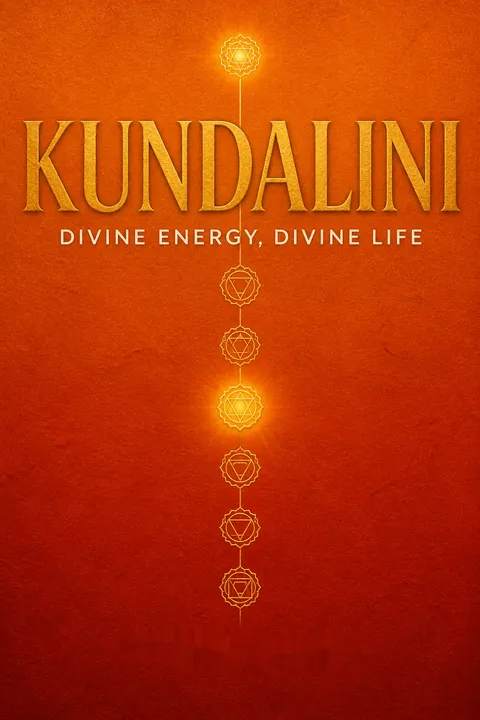
A spiritual life force. Cyndi Dale presents kundalini as an innate divine energy that animates the body and can deepen awareness, creativity, intimacy, and a sense of purpose. In Hindu traditions it is often described as feminine Shakti, or serpent power, rising from the base of the spine. Dale also treats it as a broad name for experiences such as intense inspiration, bodily energy, and spiritual connection. These are the book’s spiritual interpretations, not established anatomical facts.
Unity in the body. Dale recalls asking a Bribri shaman in Costa Rica what makes healing possible. He traced a path from her hips through her heart and head, then toward the sky, describing the joining of these points as unity. The story captures the book’s central idea: spiritual development should include the body and ordinary life, not require escape from them.
The book’s most useful move is to connect spiritual aspiration with embodied experience. As a personal framework, kundalini can help readers notice how purpose, emotion, sexuality, and physical habits shape one another. That usefulness does not depend on accepting a literal energy moving through the spine. Keeping metaphor and measurable physiology distinct allows the framework to invite reflection without turning spiritual language into a medical explanation.
Choose a spiritual route that joins discipline, embodiment, and self-knowledge
Three overlapping paths. Dale organizes classical kundalini teachings around the Vedas, Tantra, and Vedanta. In her account, the Vedic path emphasizes disciplined practice and training the mind; Tantra values the body and seeks union between feminine and masculine principles; Vedanta emphasizes inquiry into the divine nature of the self. These traditions overlap, but they are not interchangeable.
Combine their strengths. Dale proposes drawing on all three: Vedic discipline to develop self-management, Tantric practice to include bodily experience and connection, and Vedantic inquiry to recognize individual qualities and unresolved issues. This synthesis reflects her own approach rather than a single universally accepted doctrine. Its practical point is that self-control alone can become denial, while physical experience alone may lack reflection. A robust practice makes room for both.
This three-part comparison resists the familiar idea that spirituality must mean leaving the body behind. Its strongest insight is that discipline, embodied experience, and self-inquiry correct one another’s excesses. The categories also simplify long and internally diverse traditions. Readers can use them as questions for choosing a practice, but should avoid treating them as exhaustive descriptions of Hindu thought or assuming every teacher fits neatly into one box.
Expect awakening to loop through preparation, arousal, rising, and integration
A nonlinear process. Dale describes four stages: purification, or preparing the person; activation, when the energy is stirred; rising, when it moves through the system; and integration, when changes are incorporated into daily life. They need not happen in order. A sudden experience may come before preparation, while someone else may spend years practicing without a dramatic awakening.
A map of the journey. In the book’s traditional model, chakras are energy centers that connect physical and spiritual concerns; nadis are channels through which subtle energy is said to flow; and granthis are energetic knots or locks associated with lessons and resistance. The model describes obstacles that may surface during change. Dale also notes that an awakening can be partial, unstable, or complete, and that not everyone needs to pursue one.
The cycle offers a useful alternative to treating a dramatic peak experience as the whole of transformation. Preparation and integration matter as much as intensity, and the model allows for uneven progress. Its anatomy is spiritual terminology, not a demonstrated map of bodily structures. That distinction preserves its value as a reflective guide while discouraging readers from interpreting every difficulty as evidence of an energetic blockage.
Treat frightening sensations as a reason to seek help, not self-diagnose
Experiences vary widely. Dale describes sensations reported during kundalini awakenings, including heat, cold, tingling, shaking, altered sleep, emotional surges, unusual perceptions, and bursts of creativity. Her client stories show how different these experiences can look: one musician trembled and felt flooded with songs, while another person reported flashes of light after an intensive retreat. Such accounts illustrate the range of spiritual interpretations, not proof of a single cause.
Rule out medical causes. The book explicitly warns that similar symptoms can accompany physical or psychological conditions. Chest pain, a racing heart, numbness, severe distress, or frightening changes call for qualified professional assessment. Dale discusses “kundalini syndrome,” a term used for difficult symptoms arising after intense practice or life events, and recommends support from health professionals. A spiritual explanation should never substitute for evaluation or treatment.
The insistence on professional assessment is essential because the same sensation can carry different meanings and risks. A spiritual framework may comfort someone, but it cannot safely determine whether a symptom has a medical cause. Dale also suggests that later growth can distinguish spiritual breakthrough from breakdown. That may be meaningful in retrospect, but it is not a safe diagnostic test during a crisis. Support and assessment should come first.
Build gentle practices before chasing intense spiritual experiences
Prepare through ordinary care. Dale argues that purification means caring for the whole person, not achieving perfection. She recommends gradual practices such as yoga postures, meditation, conscious breathing, chanting, and attention to sleep, food, exercise, and emotional habits. Pranayama, the regulation of breath in yoga, is presented as a central tool for settling attention and preparing for practice. The aim is to make spiritual work livable, not to force a spectacular experience.
Adapt the method. Dale describes a client whose meditation, yoga, dietary changes, and therapy accompanied a gentle experience that unfolded over time. She also warns that intensive or poorly supported practice can be difficult to manage. Her practical advice is to choose methods that fit a person’s needs, values, health, and daily responsibilities, and to seek capable instruction for unfamiliar or demanding techniques.
This emphasis on gradual practice is more persuasive than the promise of a sudden transformation. Breath, movement, and meditation can be approached as skills for attention and self-regulation, even when their spiritual explanation is set aside. A sensible practice is one that remains compatible with work, relationships, and health. The caution is important: the book’s specific energetic claims should not be mistaken for established effects of every yoga or breathing technique.
Let emotions reveal needs, then answer them with honesty and care
Feel without being ruled. Dale treats emotion as information about needs. Anger may signal a need for boundaries, fear may point to danger, and sadness may reveal a longing for connection. Her suggested sequence is to accept the emotion, feel it, listen for what it may be telling you, seek perspective, and respond to the underlying need. The goal is neither suppression nor impulsive expression.
Practice ethical self-awareness. Patanjali’s yamas and niyamas are ethical guidelines that Dale applies to everyday life. They include nonviolence, truthfulness, contentment, self-study, and devotion. In one client story, a woman’s back pain and reluctance to speak honestly were linked, in Dale’s interpretation, to childhood punishment for confronting her mother. The case illustrates the value of exploring emotion and personal history, but does not establish that emotional release cures physical symptoms.
The distinction between feeling an emotion and acting it out is psychologically useful: emotions can supply information without dictating behavior. The ethical principles add a social test, asking whether inner work produces greater honesty and care for others. Still, intense feelings may require professional support, especially when trauma is involved. Emotional meaning should not be used to explain away pain or to pressure someone into a cathartic experience.
Make intimacy a practice of mutuality, not a spiritual excuse for sex
Connection exceeds sex. Dale presents Tantra as a varied spiritual tradition, not simply a method for intensifying sexual pleasure. She distinguishes practices focused on sexual energy from those that cultivate connection without sexual activity, and rejects using spiritual language to manipulate a partner. In her account, intimacy grows through shared physical, emotional, intellectual, relational, and spiritual life. Sexuality may be part of that bond, but it is not a shortcut to enlightenment.
Notice whose model is speaking. Dale describes different energetic patterns for women and men, associating women more with the emotional and creative second chakra and men more with the physical first chakra. These are her interpretive claims, not universal rules. She also says overwhelming sexual urges may point to relational or personal difficulties and recommends therapy when they disrupt life. Mutual respect, consent, and honest communication remain more reliable guides than a spiritual label.
The section’s lasting contribution is its refusal to equate spiritual intimacy with sexual access. That boundary matters wherever a teacher or partner claims special authority over another person’s energy. The gendered chakra model may help some readers reflect on social expectations, but it risks turning cultural stereotypes into biological destiny. Intimacy is better assessed through mutual consent, trust, and the freedom of each partner to define their own experience.
Measure awakening by ordinary conduct, not extraordinary powers
Integration is daily work. Dale argues that an intense experience does not complete a spiritual life. Integration means living with changed priorities and bringing spiritual commitments into ordinary responsibilities, relationships, and work. Her framework links this to karma, understood as action and its consequences, and dharma, understood as personal obligations or purpose. Together, these ideas ask whether choices support the person one is trying to become.
Service over spectacle. The book describes siddhi, or extraordinary spiritual gifts, as abilities traditionally associated with awakening. Dale cautions against treating them as the goal. She recalls a client whose difficult midlife changes prompted painful self-examination, an end to an affair, and more honest relationships with family. The example makes the book’s standard concrete: growth is shown less by unusual experiences than by greater integrity, responsibility, and care.
This is a grounded corrective to spiritual status-seeking. A claim of special ability is difficult to verify, while changes in conduct can be examined by the person and those affected. The karma and dharma framework also links inner aspiration to consequences and obligations, preventing purpose from becoming mere self-expression. Its limitation is that a feeling of destiny can still be mistaken for certainty, so purpose benefits from practical testing and accountability.
Separate yoga's measurable benefits from claims about invisible energy
Evidence comes in layers. Dale cites studies associating yoga, meditation, and breathing practices with benefits such as reduced stress and improvements in some symptoms. One study she mentions reported a 58 percent reduction in muscle stress among participants using kundalini yoga techniques. These findings concern practices and measured outcomes; they do not establish that a subtle serpent energy exists or causes the results.
Treat mechanisms cautiously. The book also proposes explanations involving electrical activity, hormones, the nervous system, and quantum fields. These ideas are presented alongside traditional spiritual accounts, but the evidence for a beneficial practice does not automatically prove its proposed mechanism. Readers can reasonably try an appropriate practice for relaxation or well-being while keeping open questions about how it works and avoiding claims that it replaces medical care.
Separating observed outcomes from explanations is the key intellectual discipline in this chapter. A breathing practice can be useful even if its effects arise through familiar physiological or psychological processes rather than a universal energy field. The book’s collection of studies offers leads, not a complete evaluation of research quality or clinical effectiveness. This distinction lets spiritual practice remain meaningful without asking scientific language to certify metaphysical claims.
Analysis
Kundalini: Divine Energy, Divine Life is a hybrid of spiritual guide, comparative introduction, personal narrative, and practical workbook. Its movement is expansive: it begins by defining kundalini through Hindu traditions, maps an energetic anatomy, considers intense and sometimes frightening experiences, then turns toward practices, relationships, gender, and daily spiritual conduct. The result is less a single argument than a proposal for interpreting bodily and psychological change as part of a spiritual life.
The book is difficult to condense because it uses the same word at several levels. Kundalini can mean a traditional Hindu concept, an experiential description of heat or altered awareness, a general life force, and Dale’s own extensions, including red, golden, and radiant forms. These meanings are not equivalent. A trustworthy adaptation must preserve the book’s spiritual vision while distinguishing its personal framework from claims supported by clinical research.
Its most durable insight is practical rather than metaphysical: spiritual development should be judged by how it changes ordinary life. Preparation, emotional honesty, relationships, self-care, and service receive as much attention as awakening itself. The account of enlightenment returning a person to daily responsibilities prevents the pursuit of unusual experiences from becoming the measure of progress. The book’s advice to seek professional help for intense or alarming symptoms is especially important, since the experiences it describes overlap with medical and mental health concerns.
The main limitations follow from the book’s breadth. It moves between traditions, client anecdotes, scientific studies, and claims about subtle anatomy without consistently marking differences in evidence. Some proposed explanations, particularly quantum and endocrine accounts of kundalini, are speculative in the text. Its claims about women’s and men’s energetic development also risk generalizing gendered social roles. These limits do not erase the book’s value as a reflective spiritual framework, but they make discernment essential. Readers can engage its practices and ethical questions without treating chakras as organs, unusual sensations as proof of awakening, or spiritual interpretations as substitutes for clinical care.
Review Summary
Kundalini receives mixed reviews, with an average rating of 3.79 out of 5. Some readers praise it as a comprehensive reference on Kundalini and chakra work. However, others criticize the book for historical inaccuracies and lack of depth. Critics argue that it contains repetitive information and offers little substantive content for serious practitioners. Some reviewers find it a good introduction to the topic, while others struggle with its complexity. Overall, opinions vary on its usefulness as a resource for understanding and cultivating Kundalini energy.
People Also Read


Glossary
Kundalini
innate spiritual life forceIn Hindu traditions, kundalini is a latent spiritual power often pictured as a serpent at the base of the spine. Dale uses the term for an energy that may rise through the body, intensify awareness, and support spiritual transformation. She also applies it broadly to experiences of vitality and spiritual connection. Its subtle-energy anatomy is a spiritual model, not an established medical structure.
Shakti
divine feminine powerShakti is the feminine divine energy in Hindu traditions and is closely associated in the book with kundalini. In Tantric accounts, Shakti is paired with Shiva, the masculine divine principle. Their union represents the joining of complementary aspects of reality and, in the book’s interpretation, the integration of physical and spiritual dimensions.
Prana
vital breath energyPrana is a Sanskrit term for vital energy, often associated with breath and the animating force of life. Dale describes it as an energy present throughout the body and cosmos, and distinguishes five forms, or vayus, associated with different bodily directions and functions. Yogic practices are presented as ways to direct prana and support kundalini processes.
Chakra
subtle energy centerA chakra is an energy center in Indian spiritual systems. The book mainly describes seven centers along the body’s central axis, each associated with physical, emotional, and spiritual themes. Dale treats chakras as links between bodily experience and subtler energy. They are part of a spiritual anatomy, not structures recognized as physical organs in conventional medicine.
Nadis
subtle energy channelsNadis are channels said to carry subtle energy through the body. Dale describes the sushumna as the central route along the spine, with ida and pingala as complementary side channels associated with feminine and masculine qualities. Kundalini is traditionally said to move through these pathways. Their relationship to physical nerves or medical meridians is interpretive, not anatomically established.
Granthi
energetic knot or lockA granthi is an energetic knot or lock described in kundalini traditions. In Dale’s account, three such locks lie along the ascent and represent lessons or unresolved resistance. A person’s difficulties may be interpreted as signs that a lock has not opened. The concept functions as a spiritual map for reflection, rather than a clinically verified obstruction.
Siddhi
spiritual gift or powerSiddhi refers to extraordinary abilities or spiritual gifts described in Hindu traditions. The book associates these with awakened chakras and includes intuitive, healing, perceptual, and creative capacities. Dale emphasizes that such gifts are not the goal of spiritual development; they are meant to support a person’s life and service, rather than become objects of status or pursuit.
Shaktipat
teacher-mediated spiritual transmissionShaktipat is a Tantric initiation in which a teacher is understood to transmit spiritual energy or awakening to a student. The book describes transmission through a teacher’s look, touch, thought, or words, and stresses preparation and support. Dale cautions that initiation should be approached responsibly and not treated as a thrill or a way to gain power.
Yamas and niyamas
yogic ethical principlesThe yamas and niyamas are groups of ethical and personal disciplines associated with Patanjali’s yoga system. The yamas concern conduct toward others, while the niyamas concern personal practice and character. Dale applies principles such as nonviolence, truthfulness, contentment, self-study, and devotion to everyday choices and to the ethical use of spiritual energy.
Koshas
layers around the selfKoshas are sheaths or layers described in Ayurvedic and yogic thought as surrounding the self. Dale presents five, moving from the food and breath dimensions through mind, discernment, and bliss. She uses them as a staged account of development, from caring for the body to cultivating love and wisdom. They are philosophical categories, not anatomical layers.
Radiant kundalini
heart-centered harmonizing energyRadiant kundalini is Dale’s term for a spiritual energy she says rests at the center of the heart and can illuminate the centers of her expanded chakra system. She presents it as gentle and harmonizing, able to temper the intensity of red and golden kundalini. This is her own spiritual framework, not a standard scientific or medical category.
Kundalini syndrome
distress during spiritual practiceKundalini syndrome is a term discussed in the book for physical, emotional, sensory, or cognitive distress associated with prolonged contemplative practice or intense life experiences. Reported experiences may include shaking, temperature changes, mood shifts, altered awareness, and physical discomfort. Because similar symptoms can signal medical or mental health conditions, the term should not be used as a self-diagnosis.
FAQ
1. What is Kundalini: Divine Energy, Divine Life by Cyndi Dale about?
- Exploration of Kundalini Energy: The book provides a comprehensive look at kundalini as a transformative, divine life force that, when awakened, leads to spiritual enlightenment and personal transformation.
- Integration of Ancient and Modern Wisdom: Cyndi Dale connects teachings from Hinduism, Tantra, and Vedanta with contemporary scientific research and personal stories to demystify kundalini.
- Practical Guidance: Readers are offered step-by-step methods to consciously cultivate, awaken, and integrate kundalini energy into daily life, emphasizing its impact on health, relationships, creativity, and spiritual purpose.
2. Why should I read Kundalini: Divine Energy, Divine Life by Cyndi Dale?
- Authoritative Insight: Cyndi Dale is a respected expert in subtle energy anatomy, bringing decades of cross-cultural study and client experience to the subject.
- Bridging Science and Spirituality: The book presents both scientific theories and spiritual traditions, making kundalini accessible to both seekers and skeptics.
- Comprehensive Coverage: It addresses the entire kundalini journey, from awakening symptoms and challenges to safe practices for integration and everyday enlightenment.
3. What is kundalini according to Cyndi Dale in Kundalini: Divine Energy, Divine Life?
- Definition and Etymology: Kundalini is described as “life energy” in Sanskrit, a coiled serpent of light at the base of the spine that, when awakened, bestows consciousness and spiritual power.
- Feminine Divine Principle: It is the feminine, creative, and intuitive energy within, complementing the masculine spiritual energy for holistic enlightenment.
- Universal Energy: Known by many names worldwide (chi, ki, Shakti, Holy Spirit), kundalini is the organic catalyst unifying body, mind, and soul.
4. How does kundalini energy work in the body according to Cyndi Dale’s teachings?
- Serpent Energy Rising: Kundalini lies dormant at the base of the spine and rises through energy channels (nadis), activating chakras along the way.
- Energy Locks and Blocks: The energy must pass through three granthis (energetic locks) near specific chakras, each representing life lessons to be learned.
- Chakras and Aura: As kundalini activates chakras, it clears blocks and opens spiritual gifts, while the aura works in tandem to filter and protect energy.
5. What are the stages of kundalini awakening in Kundalini: Divine Energy, Divine Life?
- Four Basic Stages: The journey includes Purification (preparing the body and energy system), Activation (awakening kundalini), Rising (energy moving through chakras), and Integration (living with awakened kundalini).
- Non-Linear Process: These stages can occur in varying orders, intensities, or even simultaneously, depending on the individual.
- Types of Rising: The book describes partial, deflected, intermediate, and full rising, with full rising culminating in union with the Divine and lasting transformation.
6. What are the three types of kundalini energy described by Cyndi Dale, and how do they interact?
- Radiant Kundalini: Residing in the heart chakra, this white light energy heals and cools, ensuring a smooth kundalini process and tempering the intensity of other kundalinis.
- Golden Kundalini: Flowing from the crown chakra, this spiritual energy smooths and buffers the red kundalini’s intensity, promoting loving rising and spiritual realization.
- Red Kundalini: The feminine serpent energy at the base chakra, associated with power and desire, is activated last and merges with the other two for balanced, harmonious energy flow.
7. What practical methods and exercises does Cyndi Dale recommend for safely activating kundalini energy?
- Three-Part Self-Initiation: The process starts with lighting the radiant kundalini in the heart, then the golden kundalini from the crown, and finally the red serpent kundalini at the base, with integration breaks between steps.
- Breathing and Mudras: Pranayama (breath control) and mudras (hand positions) like Prayer Mudra and Gian Mudra are used to clear energy channels and support kundalini flow.
- Body Locks (Bhandas): Root, diaphragm, and neck locks are muscle contractions that direct prana, unlock blockages, and assist in raising kundalini safely.
8. How does yoga support kundalini awakening in Kundalini: Divine Energy, Divine Life?
- Yoga as Steady Posture: The book emphasizes that yoga is any steady, comfortable posture that fosters concentration and meditation, connecting with kundalini and the Divine.
- Chakra-Based Yoga: Specific asanas (postures) are used to support and cleanse individual chakras, facilitating the smooth flow of kundalini energy.
- Guided Learning: Cyndi Dale recommends learning yoga under a qualified teacher to ensure safety and effectiveness, especially during kundalini activation.
9. What are common symptoms and effects of kundalini awakening according to Cyndi Dale?
- Physical Sensations: Tingling, heat or cold waves, muscle twitching, electrical sensations, and changes in sleep or appetite are frequently reported.
- Emotional and Mental Changes: Mood swings, heightened creativity, psychic experiences, altered states of consciousness, and spiritual bliss often accompany awakening.
- Challenges and Emergencies: Sudden or intense awakenings can cause confusion, psychological upheaval, or physical distress, sometimes requiring professional support.
10. How does Cyndi Dale address emotional integration and challenges during kundalini awakening?
- Emotions as Energy in Motion: Emotions are seen as a combination of feelings and thoughts that provide energy for movement and decision-making.
- Five-Step Emotional Integration: The process includes accepting the emotion, feeling it, listening for its message, seeking divine input, and meeting the underlying need for healing.
- Balance of Energies: Kundalini awakening brings both emotional vulnerability and logical thinking, emphasizing the importance of relationship, connection, and emotional honesty.
11. What are the ten living principles (yamas and niyamas) for a kundalini-infused life in Cyndi Dale’s book?
- Yamas (Wise Characteristics): Compassion (Ahimsa), truthfulness (Satya), not stealing (Asteya), responsible sexual energy (Brahmacharya), and non-attachment (Aparigraha) guide ethical energy use.
- Niyamas (Codes for Soulful Living): Purity (Saucha), contentment (Santosha), disciplined effort (Tapas), self-study (Swadhyaya), and celebration of the spiritual (Ishvara Pranidhana) foster inner growth.
- Practical Application: The book offers exercises and reflections, such as the Freeze-Frame method for truth and God Glasses visualization, to embody these principles in daily life.
12. How does Kundalini: Divine Energy, Divine Life by Cyndi Dale relate kundalini to relationships, intimacy, and gender differences?
- Kundalini as Hormonal Engine: The book explains how kundalini activates sexual hormones, paralleling the stages of falling in love and fostering deeper intimacy.
- Tantra and Spiritual Partnership: True kundalini-based intimacy transcends sex, involving full chakra connection and spiritual partnership, with exercises for couples to build intimacy.
- Gender Differences: Women tend to operate through receptive, intuitive chakras, while men engage more active, outward chakras; kundalini meets individuals at their developmental stage, supporting unique growth for each gender.
About the Author
Download PDF
Download EPUB
.epub digital book format is ideal for reading ebooks on phones, tablets, and e-readers.








