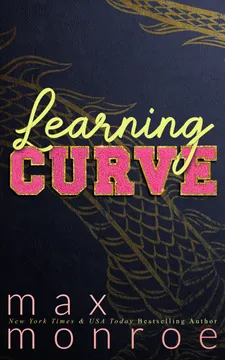


Plot Summary
Prologue
Scottie lies beside Finn, wanting to give him her heart and virginity even as she knows their closeness may destroy his trust. She imagines the moment he learns what she has kept from him: his warmth turning to anger, the safety between them gone.
Yet she cannot make herself stop. The story begins with a promise of intimacy and a warning that love alone cannot protect two people from the secrets they carry.
The prologue gives the romance its central tension before the reader knows its cause. Scottie’s desire is active, not innocent: she understands that a concealed truth is already shaping the encounter, yet she chooses closeness anyway. That choice makes intimacy both an act of trust and a form of risk. The image of Finn’s warmth becoming anger anticipates the novel’s repeated emotional reversals, where tenderness arrives before either character has learned how to stay honest under pressure.
A Name Scratched Away
On move-in day at Dickson University, Finn Hayes crosses out the unwanted ending of his given name and settles into a bare dorm room with almost nothing to unpack. He needs financial aid and a degree to escape a home ruled by his father’s drinking and violence.
But college also gives him a private target: nearly two years earlier, Finn found his father’s old journal and learned that Jeff Hayes had abandoned another family, changed his surname, and started over. One of those adult children, Ty Winslow, now heads Dickson’s English department.
Finn plans to make Ty feel the damage their father caused, though he has no clear plan beyond delivering the revelation. His wealthy new roommate, Ace Kelly, brings a noisy, affectionate family into Finn’s otherwise solitary arrival.
Finn’s arrival is driven by two incompatible forms of hope. Dickson is his route toward independence, but he also treats it as a stage for revenge, imagining that exposing his father’s past will balance the harm done at home. His new roommate’s ease with family affection makes that calculation visible: Finn is entering a community while preparing to injure one of its members. Scratching away part of his name is a small act of self-definition, yet his plan remains governed by a history he has not chosen.
Rain, Blood, and First Class
During a downpour, Scottie Bardeaux, a freshman cheerleader, trips on the walk to her first class and scrapes her knee. Finn helps her up while her boyfriend, Dane Matthews, waits under cover and complains that she is slowing him down.
The two strangers meet again in English, where Scottie moves forward to see the board while Dane stays behind, flirting with another cheerleader. Finn takes the seat beside her and quietly tends to her bleeding knee; Scottie passes him a note of thanks and invites him to a party.
He learns she depends on a cheerleading scholarship and is still dating Dane. When Professor Ty Winslow enters, Finn fixes his attention on the man he intends to confront, while Scottie sees only a gifted teacher and an increasingly magnetic classmate.
The first meeting establishes a contrast through behavior rather than biography. Dane treats Scottie’s fall as an inconvenience; Finn notices the injury and offers care without demanding anything back. Scottie’s decision to move seats is similarly small but consequential: she chooses the conditions she needs to learn, despite Dane’s attempt to decide for her. The classroom places Finn’s private grievance and Scottie’s emerging independence side by side. Each is already resisting a different kind of constraint, but neither yet understands what the other is carrying.
The Party Ends Two Years
At the first college party, Scottie watches Dane drink heavily, dismiss her concerns, and shove her hard enough to send her against a wall. He leaves with Nadine Jones, a cheerleader who competes with Scottie for a starting spot, while Scottie stays sober to protect her scholarship.
When Dane later humiliates her in front of the crowd by complaining about their sex life, Scottie runs from the house with Kayla and Julia after her. At her dorm entrance, Dane waits, insults her, and tries to force his way inside.
Carrie, another student, steps between them and gets Scottie through the locked door. Scottie ends the relationship. That same night, Finn abandons the party to collect his drunk twin brothers and younger sister from a dangerous club, discovering that even at college he cannot stop being their protector.
The party turns Scottie’s private doubts into a decision with consequences. Dane’s public humiliation is not an isolated lapse; it makes visible how his entitlement has narrowed her choices and made her wary of upsetting him. Ending the relationship is frightening, but Carrie’s intervention shows Scottie that other people can help without taking control away from her. Finn’s parallel crisis complicates his promise of a fresh start: he has left home, yet his siblings’ safety still depends on him. Both young people arrive at adulthood already carrying responsibilities they did not choose.
A Punch in the Courtyard
Several days after Scottie’s breakup, Dane corners her outside English class and tries to win her back. When she refuses, he turns cruel and reduces their relationship to her refusal to sleep with him. Ace steps between them, but Dane shoves him into Finn.
Finn loses control, blocks Dane’s second swing, and beats him until Professor Winslow pulls them apart. At Dean Kandinsky’s office, witnesses confirm Dane struck first, and both men receive probation, with expulsion threatened if either fights again.
Scottie tries to thank Finn and bring him class notes, but he avoids her, convinced that his attraction and family secret make him dangerous company. His silence turns a rescue into another hurt, leaving Scottie to wonder why his kindness always comes with distance.
Finn’s violence is both protective and self-defeating. He responds to Dane’s contempt with the force he learned in an abusive home, then pays for it with probation and a renewed fear that he cannot control what he has inherited. His withdrawal afterward is meant to protect Scottie, but it also repeats the pattern of deciding what she can handle without asking her. The scene makes clear that good intentions do not erase consequences. Scottie receives proof that Finn will stand up for her, but not the explanation she needs to understand his retreat.
A Fight Beneath Nash
Ace brings Finn, Scottie, Julia, and Blake Boden into Double C, a secret student society that stages underground events and pays out betting pools. When an ex-UFC fighter needs an opponent, Finn volunteers for the money he can send home.
He takes a beating before knocking the larger man down, winning the bout and the cash. Scottie kisses him afterward, angry and frightened, and he asks her to stay with him. They share a bed, kiss, and fall asleep together without having sex. At dawn, Finn leaves without waking her.
His sister Willow has texted that their father is raging at home, so Finn hurries back to protect her and his brothers. Scottie wakes alone, reading his departure as rejection, while Finn tells himself that keeping her distant is safer.
Double C gives Finn a way to convert physical risk into money for his family, making his fight more than a test of toughness. Yet the same survival logic governs his romance: he accepts Scottie’s comfort, then leaves before she can see the crisis that summoned him home. For Scottie, the night offers closeness without explanation, so its ending feels like abandonment. Their first shared bed therefore intensifies the problem it seems to solve. They can trust one another’s bodies before either can trust the other with the full story.
The Maze Makes a Team
Anonymous messages begin appearing on Scottie’s phone, growing from insults to attacks on her alcoholic mother. She suspects Dane and Nadine but cannot prove who is behind them. Meanwhile, Ty assigns Scottie to a long English project with Finn and Nadine, forcing her into close contact with the two people she least wants to manage.
At a Double C challenge, the group pays to enter a maze of campus tunnels. Scottie and Finn work together through dead ends, marking routes with lipstick until they find the exit and share the prize.
Finn asks to see the messages; Scottie cannot show them, but agrees to tell him if they worsen. The group’s victory gives them a fragile bond, while Finn’s discovery that Lexi Winslow belongs to Ty’s family deepens his sense that his plan is drawing him closer to the people he means to hurt.
The tunnel maze literalizes the way the characters navigate incomplete knowledge. Progress depends on recording wrong turns, reconsidering assumptions, and accepting help, all skills Finn and Scottie resist in their emotional lives. Scottie’s refusal to show the messages is not indifference; shame makes disclosure difficult even to someone she trusts. Finn responds by asking for a future signal rather than forcing access, a rare negotiation of boundaries between them. Their teamwork briefly produces a workable form of intimacy, but Finn’s expanding connection to the Winslows makes his revenge plan harder to keep abstract.
The Page Between Them
Finn leaves a torn page from his father’s journal on Ty’s desk, hoping to force the professor toward the truth. Scottie finds it after class, recognizes the name Remington in the entry, and takes the page home to decipher it.
She keeps quiet when Finn later dances and kisses her at a Halloween party, then goes with him to her room and sleeps with him for the first time. Afterward, guilt drives her to confess that she stole and read the page. Finn reveals that the writer is his abusive father and that Ty is his half brother, abandoned before Finn was born.
Scottie tries to explain that she wanted to understand his distress, but Finn sees the theft as a breach of trust and leaves with the page. Their long-awaited intimacy ends in the very rupture the prologue foresaw.
The betrayal is not simply that Scottie reads a private document. She knows the page matters, hides her discovery, and lets Finn make an intimate choice without that knowledge. Her motive is care, but care becomes intrusive when it overrides his right to tell his own history. Finn’s response is sharpened by years of having his life controlled by others, so the violation strikes at more than privacy. The scene refuses an easy equation between love and good intent. Their physical closeness cannot substitute for consent to emotional knowledge.
A Birthday Without Her
Scottie sends apologies, but Finn stays away. At his nineteenth birthday gathering in Ace’s family’s home, he is welcomed by Julia’s parents and their close friends, then quietly given a gift by Cassie Kelly. The ordinary generosity unsettles him because he has never known adults to care without demanding something in return.
Later, during poker night, the men at the table describe how they nearly lost the women they love and recognize Finn’s fear in his insistence that things with Scottie are over.
Their stories force him to consider that he may be pushing her away because he fears becoming his father. Yet Scottie has already drawn her own line: when they meet in the library, she explains why she took the page, then tells Finn she will stop chasing him. He lets her go without offering the truth he still owes her.
Finn’s chosen family offers him a counterexample to the model of manhood he learned at home. The birthday gifts and the poker table’s candid recollections do not instantly heal him; they give him evidence that love can include tenderness, accountability, and fear of causing harm. His failure to act on that evidence matters. Scottie’s final boundary in the library is not a tactic to provoke him but an attempt to protect herself from repeated emotional reversals. Her withdrawal makes the cost of Finn’s self-protection concrete: he loses access to the person he most wants to trust.
The Party Becomes a Trap
At a December party, Dane and Nadine lure Scottie toward a bedroom where her mother, Stephanie, is drunk and having sex with a student. Nadine films the scene, while Dane uses it to mock Scottie in front of a crowd. Scottie vomits and flees; Finn arrives, understands Dane helped arrange the humiliation, and attacks him.
Ace and Blake try to hold the gathering back, but Finn leaves Dane badly injured. Campus police arrest Finn the next morning after Dane presses assault charges and Nadine supports his account.
The episode also explains the stream of anonymous texts that have tormented Scottie: Dane and Nadine have turned her mother’s addiction into a weapon, then spread footage of the encounter online. Scottie is left publicly exposed, while Finn faces consequences for answering cruelty with violence.
The party fuses Scottie’s private family trauma with campus spectacle. Dane and Nadine make her mother’s addiction into a public instrument of punishment, stripping Scottie of control over both her family story and her image. Finn’s attack comes from loyalty, but it again risks making him the visible problem while the original cruelty goes unexamined. The arrests and digital evidence that follow shift the conflict from rumor to accountable conduct. The book treats humiliation as an act with perpetrators and victims, not as an unfortunate social misunderstanding.
The Family Name Breaks Open
At the campus police station, officers find evidence that Dane and Nadine sent Scottie’s harassing texts and posted the video without permission. The dean expels them, while Finn’s assault case remains unresolved.
Jeff arrives drunk and insults Finn; when Ty steps in to defend him, Finn reveals that Jeff once used the Winslow name and that Ty is his abandoned son. Ty is shaken, but he stands beside Finn as officers restrain their father. The Winslow family helps Finn remove his mother, Helen, and his younger siblings from the unsafe house, giving them shelter at a lake house.
Jeff is later held while investigators pursue an old armed robbery and the killing of a police officer. Finn’s revenge plan gives way to the first practical chance his family has had to live safely.
The family revelation changes the meaning of Finn’s target. Ty is not simply a privileged man who escaped hardship; he is another abandoned child who never knew why his father vanished. The station forces their shared history into the open under the worst possible conditions, but Ty’s immediate defense of Finn begins a relationship built on action rather than ancestry alone. The move to safety is equally concrete: the siblings and Helen no longer have to wait for Jeff’s next outburst. Finn’s old wish to make Ty suffer is displaced by the urgent work of protecting the family he already has.
Christmas Through a Door
Scottie spends Christmas on campus, unable to face her father and sister after concealing what her mother did. Finn’s siblings arrive at her dorm with a small tree, ornaments, and snacks, turning her bare room into a noisy holiday stop.
She welcomes them but declines to join their family celebration, still too raw to leave her room for long. Finn understands the retreat because he has used silence the same way. He leaves food and practical help without demanding a conversation, while his mother and siblings settle into safer surroundings with the Winslows’ support.
When classes resume, Scottie struggles with campus gossip and misses English, but Finn quietly gathers notes and leaves them at her door. His care continues at a distance; she is not ready to accept it face to face.
This Christmas scene makes support tangible without making recovery compulsory. Finn’s siblings decorate Scottie’s room, but they do not require her to perform gratitude or attend a gathering she cannot manage. Finn’s later notes extend the same principle: care can be offered without demanding immediate reconciliation. Scottie’s silence is not a lack of feeling; it is a limit imposed by shame and overload. The chapter also shows the emerging Winslow-Hayes family as a practical refuge, contrasting the unsafe home that shaped Finn’s habits with a community that makes room for people in distress.
A Second Chance Spoken
After a family gathering makes clear that Jeff’s cruelty has not defined his adult children, Finn goes to Scottie’s dorm and finally explains why he kept pushing her away. He acknowledges that he punished her for caring and that his fear of becoming like his father made him treat her feelings carelessly. Scottie tells him she has recognized his quiet help: the class notes, meals, hot chocolate, and music left at her door.
She also admits that she wanted to reach out but feared another reversal. They forgive each other and choose to try again, this time with Finn’s family history no longer hidden between them. Their reunion does not erase the harm; it begins a relationship in which care must be matched by candor and steadiness.
The reconciliation becomes possible because Finn names a pattern rather than offering a vague apology. He sees that fear of inherited violence has led him to imitate another kind of harm: withdrawing without explanation and making Scottie bear the uncertainty. Scottie’s recognition of his practical care helps her distinguish his love from his failures, but she does not pretend those failures never happened. Their decision is therefore less a return to the old romance than an agreement to build a different one. Truth becomes a form of responsibility, not merely a confession.
The Fall at Nationals
Scottie and the Dickson cheer squad reach the final round at NCA Nationals after Finn, Ace, Julia, and Blake travel to Florida to support them. The previous rain has left parts of the competition mat slick despite the staff’s efforts to dry it. During Dickson’s routine, Tonya’s injured ankle gives way beneath a stunt, leaving the team unable to catch Scottie after a high basket toss.
Scottie hits the mat head and neck first. Medics secure her to a backboard and rush her to hospital, while Finn reaches her just long enough to hear that she cannot feel her legs. The championship attempt is over, and Scottie’s life changes in the space between a successful stunt and a fall no one expected.
The injury is devastating partly because it interrupts a scene of collective competence. Scottie has trained for years, reaches the national final, and performs within a team that depends on precise timing; one failure in the formation makes the body she trusted suddenly inaccessible. The accident is not framed as a punishment for her choices or as a test she can simply overcome through will. Finn’s presence offers emotional steadiness, but it cannot restore control. The transition from performance to emergency marks a new story problem, one that requires medical care, adaptation, and a revised sense of self.
A Future Without Walking
Doctors diagnose Scottie with an incomplete spinal cord injury between the second and fourth lumbar vertebrae. They explain that she may regain some sensation or control, but walking again is unlikely. In the hospital, her mother arrives, and Scottie tells Wren and her father that Stephanie was the drunk woman exposed at the college party.
The family confrontation adds old grief to the shock of paralysis. Scottie, ashamed of needing help and convinced Finn should not sacrifice his future, orders him to return to New York.
He leaves the room but stays in the hospital waiting area. After transfer to St. Luke’s, Scottie begins rehabilitation while Finn, her father, and Wren remain close. Her father worries over missed work and medical costs, deepening her fear that her injury has become a burden to everyone she loves.
The diagnosis makes loss concrete without declaring Scottie’s life over. Her paralysis changes ordinary acts such as dressing and toileting, while the possibility of partial recovery remains uncertain. That uncertainty fuels her attempt to push Finn away: she imagines leaving first as a way to spare him, even though she has no evidence he wants to go. Revealing her mother’s relapse to Wren is another painful shift, replacing secrecy with an honest account of what happened. The chapter locates vulnerability in practical dependence and financial strain, not just in emotional despair.
Rain Returns Them
As Scottie learns transfers and wheelchair skills at St. Luke’s, she begins visiting Molly, a younger patient who has lost a leg, and helps her eat and laugh through a difficult day. Their conversations help Scottie imagine work supporting children with disabilities.
She cautiously responds to her mother’s accountable apology, while Finn’s family raises money and presses Dickson to preserve her education. Investigators later secure a life sentence for Jeff after his conviction for armed robbery and killing a police officer.
One evening Scottie wheels outside alone; rain traps her on the sidewalk, and Finn finds her. He tells her he chooses their future without defining her by the wheelchair. Scottie admits she wants that future too. They return inside together, having chosen love without pretending recovery will be easy.
Scottie’s shift begins not when she stops grieving but when she discovers that her experience can help someone else. Supporting Molly restores agency in a form that does not depend on standing or performing. Her tentative response to her mother also shows that forgiveness need not mean denying the past. Finn’s declaration in the rain answers Scottie’s fear of being a burden with commitment, but the decisive choice is mutual: she accepts connection while claiming her own future. The rain recalls their first meeting, now transformed from a moment of rescue into an encounter between partners.
A Different Kind of Future
Scottie’s rehabilitation brings gradual gains in strength and independence, though she still uses a wheelchair. After helping younger patients, she changes her studies toward developmental psychology and begins advocating for better campus support for students with disabilities.
A grant helps preserve her place at Dickson, and she moves into an accessible on-campus apartment with Finn. At her nineteenth birthday gathering, Finn surprises her with friends and family, then reveals the tattoo of her name over his heart.
The ending does not promise that Scottie will walk again or that every family wound has vanished. Instead, she has a field of study, a community that has shown up, and a relationship in which Finn’s loyalty is no longer expressed through disappearance. Her future is different from the one she planned, but it belongs to her.
The resolution replaces the fantasy of returning to an untouched past with a future built from new capacities. Scottie’s academic pivot grows directly from her hospital relationships, turning adaptation into expertise and advocacy rather than mere endurance. The accessible apartment and grant are practical forms of inclusion, not symbolic substitutes for mobility. Finn’s tattoo marks permanence, but the more meaningful proof is the daily reliability that has replaced his earlier withdrawal. Their ending is hopeful without claiming a cure: love supports Scottie’s agency, while her purpose and community extend beyond romance.
Analysis
Learning Curve builds its romance around the difference between protection and control. Finn protects his siblings by taking responsibility for dangers created by his father, then applies that same reflex to Scottie by deciding what she should know and when she should be allowed near him. Scottie, who has learned to manage her mother’s instability by pleasing people, makes a related mistake when she takes Finn’s journal page in the name of understanding him. Neither character lacks love; both lack a reliable way to act on it without violating a boundary. The repeated ruptures are therefore causal, not arbitrary. Each follows from a coping strategy that once helped someone survive but now harms the person they are trying to keep close.
Family gives the novel its sharpest contrast. Jeff’s household teaches Finn that intimacy can mean volatility and that a man’s anger can dominate everyone else’s needs. The Kellys and Winslows offer a competing model, built from teasing, shared meals, frank advice, and practical assistance. Their wealth matters, but the novel’s emphasis is on what they do with it: they make room, provide safety, and help Finn’s family leave an abusive home. That support cannot erase poverty or trauma, but it gives the younger characters options their parents lacked.
Scottie’s injury prevents the ending from equating love with restoration. She does not return to her old body or simply resume her old ambitions. Rehabilitation teaches skills, Molly gives her a new direction, and advocacy turns experience into work that may help others. Finn’s commitment matters because it does not depend on a cure, while Scottie’s recovery matters because it does not depend on romance alone. The title’s learning curve belongs to both: they learn that care requires consent, that history is not destiny, and that a meaningful future may be built from circumstances neither of them would have chosen.
Review Summary
Learning Curve receives an overall rating of 4.15/5, with readers praising the emotional depth, rich writing, and compelling found-family dynamics between protagonists Finn and Scottie. Many loved the slow-burn romance, vivid characters, and dramatic twists. Common criticisms include excessive length, melodramatic plot points, underdeveloped characterization, and immature relationship dynamics feeling more high school than college. The controversial ending — Scottie becoming paralyzed — divided readers sharply, with some appreciating its realistic portrayal of disability and others finding it an unnecessary, story-derailing addition.
Characters
Scottie Bardeaux
The determined cheerleaderScottie is an academically ambitious freshman whose cheerleading scholarship makes discipline and performance central to her identity. She is considerate, perceptive, and inclined to keep the peace, habits shaped by growing up around her mother’s addiction and relying on her father and sister for stability. Her instinct to help others is genuine, but it can make her neglect her own boundaries or assume responsibility for problems she did not cause. Scottie wants to be loved without having to shrink herself, and she is drawn to people whose kindness feels deliberate. Her story explores how self-worth can survive when familiar measures of achievement, independence, and physical ability are disrupted.
Finn Hayes
The guarded protectorFinn is a financially aid-dependent freshman with a sharp mind, a sparse wardrobe, and a practiced refusal to ask for help. Years of living with an abusive, alcoholic father have made him protective of his mother and younger siblings, but also convinced that anger and self-reliance are the only dependable tools he has. He is observant and tender in private, especially toward people who are being mistreated, yet he often withdraws when emotional closeness threatens to expose his vulnerabilities. His central conflict is not simply whether he can love Scottie, but whether he can act with care without controlling, abandoning, or punishing the people he wants to protect.
Ace Kelly
The unstoppable roommateAce is Finn’s wealthy, irrepressible roommate, a prankster who treats strangers like future friends and routinely drags his companions into elaborate schemes. Beneath the jokes, he is loyal and unusually attentive to other people’s limits. He gives Finn access to a social world Finn would not have entered alone, but does not demand that Finn explain every silence. His lifelong friendship with Julia carries feelings he has difficulty naming, while his relationship with his eccentric parents gives the novel its most comic model of affectionate family chaos.
Julia Brooks
The loyal childhood friendJulia is Ace’s longtime friend and Scottie’s fellow student, warm, quick-witted, and comfortable in a close-knit family. She knows how to make people feel included without turning every difficult moment into a performance. Her friendship with Ace is so familiar that both can mistake deep attachment for ordinary habit. She also becomes a steady friend to Scottie, offering company and practical help while respecting that recovery cannot be hurried.
Dane Matthews
The entitled ex-boyfriendDane arrives at Dickson expecting the social status he enjoyed in high school to follow him, despite his limited prospects on the football team. He is insecure about losing the role of star athlete and responds to that insecurity by belittling and controlling Scottie. Alcohol lowers what little restraint he has, while his concern with appearing powerful makes rejection especially difficult for him. Dane serves as a portrait of entitlement turning intimacy into leverage: he treats Scottie’s affection as something he is owed rather than something she can freely offer.
Ty Winslow
The charismatic professorTy teaches English literature and leads Dickson’s English department. A confident, humorous teacher, he enjoys challenging students while remaining alert to when they are struggling. His wealth and professional success make him seem far removed from Finn’s world, but he is not the shallow figure Finn first imagines. Ty is part of a large, affectionate family and takes responsibility seriously, especially when students face danger or institutional consequences.
Stephanie Bardeaux
Scottie’s troubled motherStephanie is Scottie and Wren’s mother, whose alcoholism has left her daughters with years of painful memories and little reason to trust promises of change. She can be affectionate and remorseful, yet those moments do not erase the instability her drinking creates. Her relationship with Scottie is shaped by a difficult question: whether accountability and sobriety can create a path toward contact after repeated harm. She is not defined solely by addiction, but neither does the story excuse its effects on her children.
Helen Hayes
Finn’s resilient motherHelen is Finn’s mother and the parent who tries to keep her children’s lives functioning despite her husband’s drinking and abuse. Long accustomed to survival, she has been worn down by years of managing the household and protecting her children with limited resources. Finn feels responsible for her safety, sometimes more than a young man should. Helen’s story reflects the difficulty of making choices under coercion and the importance of receiving support rather than being blamed for not escaping sooner.
Wren Bardeaux
Scottie’s protective sisterWren is Scottie’s older sister, a practical and loving presence who has often carried more knowledge of their childhood than Scottie could bear. She is willing to reconsider her relationship with their mother, but she does not insist that Scottie move at the same pace. Wren’s directness can be bracing, yet her loyalty is steady. She helps Scottie see that accepting support is not the same as surrendering independence.
Reece Hayes
The distant eldest brotherReece is Finn’s oldest brother, away at college in California while Finn shoulders much of the daily responsibility at home. He remains closely connected to his siblings through messages and plans to return nearer to them. His distance is practical rather than emotional, and his presence reminds Finn that responsibility need not belong to one sibling alone.
Jack Hayes
One half of the twinsJack is one of Finn’s younger twin brothers. He is mischievous, sociable, and prone to joining Travis in trouble, but his jokes conceal real affection for his siblings. He trusts Finn to protect him and is quick to rally around Willow when she is hurt.
Travis Hayes
The outspoken twinTravis is Jack’s twin and one of Finn’s younger brothers. He is impulsive, funny, and fiercely protective of Willow, sometimes letting his temper run ahead of his judgment. His blunt observations can puncture a room’s tension, though he does not always know when to stop.
Willow Hayes
Finn’s youngest sisterWillow is Finn’s youngest sibling, observant and more responsible than her brothers give her credit for. She knows how to seek help when home becomes frightening, but she also wants room to make her own choices. Finn’s fierce protectiveness can feel both comforting and restrictive to her. Her presence makes clear why he struggles to leave his family behind.
Blake Boden
Dickson’s star quarterbackBlake is Dickson’s talented starting quarterback, whose public profile might suggest arrogance but whose private manner is generous and grounded. He is sober during the season and quick to intervene when someone is treated badly. His friendship with Finn and Ace grows through shared campus adventures, while his persistent interest in Lexi provides a comic thread of romantic optimism.
Nadine Jones
The ambitious cheer rivalNadine is a cheerleader who wants the position Scottie earns as a freshman. She is socially sharp and flirtatious, but her competitive insecurity makes her prone to cutting remarks and boundary-crossing behavior. Nadine often uses humor to disguise hostility, particularly when Scottie’s success threatens her standing. Her choices show how rivalry can turn into cruelty when status matters more than another person’s dignity.
Kayla
Scottie’s steadfast teammateKayla is Scottie’s cheerleading teammate and one of the first people to recognize that Dane treats her carelessly. Warm, loyal, and willing to speak plainly, she helps Scottie through difficult nights without trying to dictate what she should do. Kayla’s friendship becomes especially important when Scottie’s life changes and ordinary team routines are no longer available.
Lexi Winslow
The secret-society organizerLexi is a brilliant, self-possessed student who runs Double C’s hidden competitions with an organizer’s precision and a taste for intimidation. She is unimpressed by celebrity, athletic fame, or Ace’s attempts to charm his way past the rules. Her dry authority makes her a formidable presence, while Blake’s pursuit of her supplies a comic counterpoint to her refusal to be flattered into a relationship.
Thatch Kelly
Ace’s theatrical fatherThatch is Ace’s large, exuberant father, a successful businessman who treats pranks as a family language. He can turn an ordinary classroom entrance into a spectacle, but his teasing is rooted in genuine affection for his son. His household offers Finn a striking example of adults who can joke, argue, and remain securely loving.
Cassie Kelly
Ace’s outspoken motherCassie is Ace’s confident, affectionate mother and Thatch’s partner. She speaks her mind, enjoys playful mischief, and is attentive to the young people around her. Her generosity toward Finn is not grandstanding; she notices what he needs and offers it without requiring him to explain his circumstances.
Wendy Winslow
The family’s warm matriarchWendy is the Winslow family matriarch, a lively older woman who meets people with humor, food, and an open invitation to belong. She is affectionate without being sentimental and sees the younger generation as people who need support, not polished performances. Her welcome helps create a family environment in which Finn’s background does not make him an outsider.
Coach Jordan
The demanding cheer coachCoach Jordan leads Dickson’s cheer squad with high standards and an exacting eye for safety and precision. She expects the team to work hard but cares about its members, checking on Scottie when her performance and mood change. Her coaching gives Scottie structure and a strong sense of belonging.
Molly
Scottie’s rehab friendMolly is a young rehabilitation patient adjusting to the loss of a leg. Funny and candid, she meets Scottie without treating her as fragile. Their conversations give both girls room to joke about ordinary frustrations while imagining futures larger than their injuries.
Dean Kandinsky
Dickson’s stern deanDean Kandinsky oversees student discipline and takes campus violence seriously. His decisions are shaped by both policy and the university’s responsibilities to its students. He can be severe, but he is willing to reconsider an incident when evidence changes the story.
The Winslow siblings
Ty’s close-knit familyRemington, Flynn, Jude, and Winnie are Ty’s adult siblings, each with a life, spouse, or family of their own. Their teasing and easy affection make the Winslow household feel lived-in rather than polished. They extend practical help to Finn’s family and Scottie, showing that kinship can be built through repeated acts of welcome as well as shared history.
Dr. Stewart
Scottie’s first spinal specialistDr. Stewart treats Scottie after her fall at Nationals and explains the limits and possibilities of her spinal injury with care. He cannot promise a recovery, but he gives Scottie and her family an honest account of the medical reality and the role rehabilitation may play.
Plot Devices
Jeff’s journal
The buried family historyThe old journal records Jeff’s abandonment of an earlier family and his decision to build another life under a new surname. Finn finds it as a teenager and carries the knowledge to Dickson, where it shapes his plan to confront Ty. A page from the journal becomes a private object between Finn and Scottie: Finn leaves it for Ty, Scottie takes and reads it, and the resulting breach exposes how badly each character confuses concern with permission. The journal moves the family secret into the romance, making information itself a test of trust.
Double C
The underground campus arenaComputare Caterva is a clandestine student society that gathers in hidden rooms and tunnels for fights, betting, poker, and campus challenges. Its events give Finn a chance to earn money, bring Scottie and their friends into the same risky spaces, and create situations where the group must rely on one another. The secret society also links the student plot to Lexi Winslow and the wider Winslow circle. Its games reward nerve and strategy, while repeatedly making clear that an exciting gamble can carry real physical or emotional costs.
Scottie’s cheer scholarship
Achievement with conditionsScottie’s scholarship ties her education to maintaining a high GPA and meeting the demands of Dickson’s cheer program. It explains why she stays sober during the season, works through an intense schedule, and treats competition as both vocation and financial necessity. The scholarship also makes the injury at Nationals more than the loss of a sport: it threatens her access to the university and the future she has planned. Later academic support gives her a different route forward, showing how institutional assistance can preserve opportunity when a student’s circumstances change.
Scrambled-number harassment
Cruelty without a visible senderAn app lets Dane and Nadine send messages from changing, disguised numbers, with delayed delivery that makes the source difficult to identify. The texts begin as insults and become attacks on Scottie’s mother, keeping Scottie anxious even when no one is physically near her. Their hidden source delays intervention and feeds her fear that she is imagining or overreacting to the abuse. The messages eventually connect the pair to the larger humiliation they engineer at the party, turning anonymous cruelty into evidence that campus authorities can examine.
Rehabilitation and access
A future built through adaptationAfter Scottie’s spinal injury, physical therapy gives the story a concrete measure of change: transfers, wheelchair skills, bladder management, and the slow return of independence. The process is neither a quick cure nor a purely symbolic ordeal. It also brings Scottie into contact with younger patients such as Molly, whose needs help her identify a possible vocation in developmental psychology. Her later advocacy for campus accessibility converts personal experience into practical change, keeping her future grounded in what she can choose and build.
About the Author
Other books by Max Monroe



Download PDF
Download EPUB
.epub digital book format is ideal for reading ebooks on phones, tablets, and e-readers.








