


Plot Summary
A Bet Before Opening
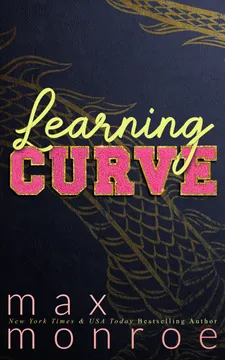
Jude Winslow promotes New York clubs for a living and prefers casual encounters, a rule he traces to watching his brother Remy be abandoned at the altar. At Club Craze, dancer Maverick doubts Jude could perform his job, so Jude wagers he can earn more tips than him.
That same night, event planner Sophie Sage brings her identical twin Belle and friends to the club for Belle’s bachelorette party. Belle panics at the prospect of being the center of attention and persuades Sophie to trade clothes and roles. Sophie takes the bride’s chair while Belle becomes the maid of honor, leaving Sophie to face the dancer she booked for her sister.
The wager gives Jude’s appetite for immediate reward a concrete form: he treats risk as entertainment and competence as something to prove. Sophie’s substitution begins differently. She acts from care, not thrill, accepting embarrassment to protect Belle from a panic she has anticipated but could not prevent. Both characters cross a line for someone else’s immediate need, yet neither understands the emotional cost ahead. The twin disguise also makes identity unusually unstable from the outset: Sophie is seen as her sister before she is known as herself, setting up the contrast between appearance and recognition that will shape their attraction.
The Bride’s Unplanned Dance
Jude replaces Maverick as the party’s dancer and focuses his performance on the woman wearing Belle’s sash. Sophie is caught between nerves and desire, and the dance ends with an involuntary climax that shocks her as much as it thrills her. In the restroom, Belle is delighted that the switch let her enjoy the party without being watched, while Sophie feels exposed and furious at the cost.
Jude, meanwhile, cannot bring himself to tell Maverick that the performance went well, because admitting what happened would reveal Sophie’s private response. Later, he sees the two sisters together and realizes they are twins. He invites the bride to dance, not yet understanding that the woman who has captured his attention is Sophie.
The scene makes physical response arrive before either character has a story for it. Sophie’s body contradicts her self-image as a planner who can manage every social situation; Jude’s success contradicts his idea that desire is uncomplicated when it is temporary. Yet his silence about her reaction matters more than his boastful wager. He protects her privacy even while privately fixating on her. The mistaken identity is not simply a comic obstacle. It allows attraction to begin without the usual social categories, then forces Jude to confront how little looks alone can explain when the other twin does not provoke the same response.
A Date Goes Sideways
After Belle’s wedding, Sophie admits to therapist Dr. Winters that she has long imagined marriage but rejects men too quickly if they seem unlikely to become husbands. Dr. Winters assigns her one date without expectations.
Sophie matches with Nathan, a polite gamer whose life and work hold little appeal to her, but she tries to follow the exercise. Jude spots her at dinner and mistakes her for Belle, still believing the woman from the club is newly married. He congratulates her, which makes Nathan assume Sophie concealed a husband and leave.
Sophie tells Jude she is not Belle and berates him for wrecking the date. Recognizing his mistake, Jude offers to salvage the evening by taking her somewhere himself. Sophie is cold, embarrassed, and unexpectedly willing to hear him out.
Sophie’s difficulty is not a lack of desire for intimacy but an attempt to control uncertainty by screening for outcomes in advance. Dr. Winters’ assignment makes dating a practice rather than a verdict, but Jude’s interruption turns that controlled experiment into a social disaster. Nathan’s departure exposes how quickly Sophie’s wish to appear composed can collapse under public judgment. Jude accepts responsibility instead of arguing that his intentions were harmless, then offers an unplanned alternative. The contrast matters: Sophie is being asked to tolerate imperfect beginnings, and the evening supplies one so messy that any genuine connection must be chosen rather than mistaken for a flawlessly executed plan.
The Date Without a Plan
Jude takes Sophie to a speakeasy, where their conversation turns easy despite her suspicion and his earlier mistake. Before they go inside, Sophie explains that she really was the woman at the bachelorette party, because she had been pretending to be Belle.
Jude is relieved to learn he had not imagined their connection, and the two continue their evening at a hidden, sexually charged club. Sophie’s caution gives way to curiosity, and she invites Jude back to her apartment. They sleep together, but he leaves while she is still asleep.
The next morning, Sophie discovers his number and later sees a newspaper profile identifying him as the successful promoter behind Club Craze. His departure stings more than she expected, while his name and career make him harder to dismiss as a passing stranger.
Sophie’s confession repairs a factual misunderstanding but does not remove the emotional one. Their attraction is real; what it means remains unsettled. The night’s movement from public bar to hidden club to Sophie’s home mirrors her gradual willingness to enter unfamiliar territory, while Jude remains comfortable with physical intimacy and unpracticed at what follows it. His departure therefore carries a sharper consequence than he intends. Sophie is not merely evaluating whether she enjoyed him; she is discovering that pleasure can create expectations even when no promise was made. The newspaper profile complicates the power balance, revealing that the dancer she thought she had hired has a professional world of his own.
The Club Brings Them Back
Sophie attends a private Club Craze showcase for elite event planners, partly for work and partly because she hopes to see Jude. When she spots him thriving among guests, she heads for the exit rather than risk watching him with other women.
Jude catches her and draws her back into the club; they dance and spend the night together, but he leaves again. Several days later, Sophie chooses to return to Club Craze on her own. Jude finds her dealing with an unwanted admirer and watches her frighten him off with an invented criminal past.
Their reunion leads to another night together and a dinner at the Plaza Hotel. There, Jude asks her to travel with him for a work trip. Sophie agrees after wavering, choosing the experience despite not knowing where it will lead.
Sophie’s return is a meaningful change in agency. The first encounter happened because she was placed in Belle’s role; now she deliberately enters Jude’s world, even while knowing that his habits may hurt her. Her invented prison history shows how wit gives her a way to control unwanted attention, unlike the self-consciousness that overtook her first date. Jude’s repeated departures still define their arrangement, but his invitation to travel signals that their connection is expanding beyond convenient nights. Sophie’s agreement reflects the experiment Dr. Winters prescribed: she acts without securing a guarantee. The danger is that spontaneity may open her to pleasure and attachment at the same time.
Vegas Earned in Badges
Jude flies Sophie to Las Vegas on a private jet for a consulting job, then surprises her with a shirt and playful badges inspired by her childhood wish to join the Girl Scouts. He promises a badge for each orgasm, and Sophie embraces the game, earning badges in the suite and across the city.
While Jude meets the nightclub investors, she enters a poker room with casino chips and pretends to be a novice. Her bluff wins a large pot from experienced players, revealing a confidence she rarely shows when planning her own future.
Jude is delighted by her nerve. Between gambling, sex, and conversation, Sophie learns about his family, including his father’s departure and Remy’s abandoned wedding. Their trip becomes more intimate, though neither names what that intimacy might demand.
The badge game converts Sophie’s childhood regret into an adult form of play: she is not being asked to perform competence but to enjoy what she wants. The device is deliberately comic and erotic, yet it also gives her a record of experiences she chose rather than merely organized for others. Poker offers a parallel lesson. Sophie uses an apparently harmless persona to read the table and act decisively, showing that her planning skills can serve risk instead of preventing it. Jude’s family disclosures make the trip more than an indulgent escape, but his history of abandonment and heartbreak helps explain why he treats closeness as something that must remain temporary.
The Family Gets Sophie
Back in New York, Jude invites Sophie to his niece Lexi’s Mathletes competition, where she meets his mother, sister Winnie, brothers Remy, Flynn, and Ty, and Winnie’s husband Wes. Sophie cheers as Lexi wins, then joins the family’s celebratory dinner.
The Winslows tease one another freely, and Sophie fits into their affectionate disorder. Jude watches her connect with the people closest to him and realizes he has crossed a boundary he usually avoids. Soon afterward, he takes Sophie to a discreet sex club, where couples can be watched through a glass wall.
As Sophie begins to undress him, Jude stops her and takes her home instead. There, their sex becomes tender and unprotected. When Sophie asks him to stay, Jude retreats into his no-commitment rule and calls them only fun.
The family gathering changes the meaning of Jude’s actions before he is ready to admit it. He may regard bringing Sophie as casual, but the act publicly places her among people who matter to him, and Sophie experiences the welcome as evidence that he could belong in a shared future. At the sex club, Jude’s refusal to continue is protective, but it is also revealing: he cannot bear for strangers to watch Sophie. Their private intimacy then contradicts the emotional distance he insists on restoring afterward. His words attempt to control the meaning of a bond that his behavior has already made more consequential, leaving Sophie to defend herself against the gap between his gestures and his claims.
The Cost of Calling It Fun
Sophie orders Jude out, and he leaves as she cries. The next morning, she goes to Belle for support and finally tells her sister about the secret relationship, the Vegas trip, and the breakup.
She also agrees to bring Belle and their older sister Katelynn into a therapy session, where they learn how Sophie’s grief for her grandmother grew into anxiety about marriage and her future. Jude, meanwhile, spirals at Club Craze until Flynn and Remy pull him aside. He admits he hurt Sophie and traces his fear of commitment to their father abandoning the family and Remy’s failed engagement.
Remy recognizes Jude’s heartbreak from his own past. When Jude remembers a fortune-teller’s prediction that a bet would change his life, he finds her former address replaced by a Wendy’s and runs to Winnie for help.
The breakup forces both characters out of the private arrangement that had protected them from naming their needs. Sophie’s choice to involve her sisters marks a direct challenge to her habit of hiding distress so she will not burden anyone. Jude’s denial fails in public: his behavior at the club makes his grief visible before he can rationalize it away. Remy’s empathy is important because his painful history had helped teach Jude that love ends in humiliation; now the same history lets Remy recognize that fear is not proof that intimacy is a mistake. The abandoned fortune-teller’s address cannot solve Jude’s problem. It only returns him to the fact that his choices, not prophecy, must repair it.
A Rooftop, Not a Wedding
With Winnie’s help, Jude learns when Sophie will return home and prepares her rooftop with flowers and flameless candles. He apologizes for denying his feelings, admits that his fear has made him hurt her, and tells her he loves her before proposing.
Sophie blurts out no, then immediately explains that she wants a future with him but cannot accept marriage on the spot. She has spent years treating marriage as a goal she must achieve, and she needs to separate loving Jude from satisfying that old timetable.
Jude listens rather than withdrawing. Sophie tells him she loves him and wants to be with him, while he accepts that commitment must be built at her pace. They reunite, leaving the rooftop together as a couple without pretending the proposal has settled everything.
The proposal does not function as a simple romantic prize. It puts Sophie’s central conflict into action: she wants lasting love, but marriage has become entangled with a childhood timeline and the pressure to achieve a prescribed life. Her no is therefore not rejection of Jude; it is an assertion that consent to a future must remain hers. Jude’s growth appears in his willingness to hear that distinction without treating it as abandonment. The scene reverses their earlier pattern: instead of Jude defining their bond as casual and Sophie having to accept the terms, they now negotiate commitment honestly. Love becomes a shared intention, not an instrument for silencing uncertainty.
Four Proposals Later
Six months later, Sophie and Jude share an apartment and a daily life that suits them both. Jude has proposed three times since the rooftop, including at a lake house and through a puppy named Frankie, but Sophie has continued to say no while making clear that she intends to marry him someday. This time, Sophie has arranged for Julie to prepare their apartment and plans to propose herself after dinner.
Jude begins his own proposal before she can carry out her plan, and Sophie finally says yes. She wants a real wedding with their friends and family present, not a quick trip to Las Vegas. Jude accepts her choice, and their playful wager about their future ends with neither willing to bet against their happiness.
The six-month interval matters because it lets the romance prove itself outside exceptional settings. Their commitment is no longer measured by flights, hidden clubs, or dramatic gestures, but by a shared home and repeated decisions to stay. The three rejected proposals could look like comic delay, yet they also dramatize Sophie’s insistence on choosing marriage rather than being swept into it. Her own plan to propose shows that she is no longer waiting for romance to deliver the life she imagined; she is an active participant in defining it. Jude’s final success comes not from finding a more persuasive spectacle, but from allowing their relationship to mature on her terms.
Epilogue
Six months after reconciling, Sophie and Jude live together and are still negotiating the timing of marriage. Jude has already proposed three times, and Sophie has refused each time while affirming that she wants a future with him.
When Sophie secretly arranges a proposal of her own, Jude gets down on one knee first. She accepts, but chooses a traditional wedding surrounded by family and friends instead of eloping in Vegas. Their future is no longer a bet about whether love will last. It is a decision they have made together.
The ending resolves the book’s central tension without treating marriage as a cure for fear. Sophie’s eventual yes follows months of shared life, not a sudden conversion to the wedding ideal she once imposed on herself. Jude, who began by treating attachment as a danger best avoided, learns to make commitment through repeated acts of care rather than through confidence alone. Their competing proposal plans also preserve the comedy of the romance while revealing a deeper change: both now imagine themselves as agents in the same future. The wedding is not proof that Sophie has met a deadline. It is the form of commitment she chooses when she is ready.
Analysis
The romance is built on a tension between planning and play. Sophie has made a career of arranging other people’s milestone moments, yet she treats her own future as a checklist whose conditions must be met before she risks disappointment. Jude performs the opposite posture: he prizes improvisation, but his refusal to commit is also a plan, one designed to keep grief at a distance. Their attraction unsettles both defenses. Sophie discovers that acting without guarantees can be pleasurable, but the story does not suggest that spontaneity alone solves her anxiety. Jude discovers that casual behavior still has emotional consequences, and that calling a relationship temporary does not make it so.
The book repeatedly turns public performance into a test of private truth. Sophie’s role as Belle’s stand-in begins as a rescue, then exposes how easily she can be mistaken for someone else. Jude’s dance is another performance, first a wager and then an encounter he cannot reduce to professional success. The contrast between those staged roles and the moments when each character is recognized as themselves gives the romance its emotional structure. Jude notices Sophie’s freckle; Sophie sees the family history behind his bravado. Recognition, rather than physical attraction alone, makes their intimacy consequential.
The family subplot explains the protective logic behind Jude’s avoidance without excusing the harm it causes. His father’s departure and Remy’s heartbreak taught him to treat attachment as a route to humiliation. Sophie’s therapy offers a parallel account of control: her insistence on a defined marital future is an attempt to make uncertainty manageable. Their conflict therefore is not simply commitment-phobe versus marriage-minded woman. Each is using a different strategy to avoid being hurt. The ending works because neither strategy wins outright. Sophie accepts marriage only after time and shared life make it her choice, while Jude learns that love requires staying present when another person sets the pace. The novel’s comic wagers, stolen underwear, and over-the-top adventures give that negotiation a light surface, but the underlying question is serious: can desire become dependable without being forced into a script?
Review Summary
The Bet received mixed reviews, with ratings ranging from 1 to 5 stars. Many readers praised the steamy romance and humor, while others found the characters frustrating or underdeveloped. The story follows Jude, a commitment-phobic playboy, and Sophie, a woman seeking a serious relationship. Their chemistry is strong, but Jude's reluctance to commit causes conflict. Some readers enjoyed the witty banter and family dynamics, while others felt the plot was predictable. Overall, opinions varied on the book's balance of romance, comedy, and character development.
People Also Read



Characters
Sophie Sage
The careful event plannerSophie is a New York event planner whose talent for anticipating other people’s needs can become a way of avoiding her own uncertainty. She is close to her identical twin, Belle, and to her older sister, Katelynn, but initially keeps her therapy and romantic confusion private. Sophie longs for marriage while screening potential partners against a strict image of her future, a contradiction she gradually learns to examine. Her humor and social confidence coexist with a tendency to overthink, and her attraction to Jude pushes her into situations she cannot fully plan. What drives her is not merely the wish to marry, but a deeper hunger to feel known without having to manage every outcome.
Jude Winslow
The pleasure-seeking promoterJude promotes nightclubs and thrives on wagers, banter, and immediate rewards. He is the youngest of four Winslow brothers and is especially close to his mother, siblings, and niece Lexi, though he hides vulnerability behind an easygoing reputation. After witnessing his father leave the family and Remy suffer a public romantic loss, Jude treats commitment as a risk that can be avoided by keeping relationships casual. He is attentive and generous in practical ways, but initially fails to understand how his behavior can imply more than he is willing to admit. Sophie unsettles his self-protective habits by making intimacy feel both exhilarating and worth the risk.
Belle Sage
Sophie’s shy twinBelle is Sophie’s identical twin and a bride who prefers intimacy to the spotlight. When the attention of her bachelorette party overwhelms her, she asks Sophie to take her place, creating the disguise that brings Sophie and Jude together. Belle relies on her twin’s confidence but is also capable of teasing honesty and fierce affection. Her marriage to John offers Sophie a close example of a loving partnership, though Belle has her own history of insecurity.
Winnie Winslow
The family’s steady organizerWinnie is Jude’s younger sister, married to Wes and mother to Lexi. She is practical, protective, and often responsible for keeping the large Winslow family connected. Her affectionate exasperation with Jude’s impulsiveness does not blunt her loyalty. Winnie values lasting relationships and hopes her brothers will find the security she has built, while still recognizing that support sometimes means helping them make their own difficult choices.
Remy Winslow
The brother who understands heartbreakRemy is Jude’s eldest brother, a successful adult with a painful romantic history that has shaped the family’s ideas about commitment. He is confident enough to tease his brothers and perceptive enough to recognize distress beneath their jokes. His experience makes him wary of love, but it also gives him insight into Jude’s fear and the ability to offer understanding without pretending that relationships are simple.
Flynn Winslow
The quiet, perceptive brotherFlynn is one of Jude’s older brothers, reserved and observant where Jude is loud and impulsive. He says little, but his concern is direct when he sees Jude’s actions affecting Sophie. Flynn values loyalty and watches what people do more closely than what they claim, making his few interventions carry particular weight.
Ty Winslow
The irrepressible brotherTy is Jude’s brother, a professor with an irreverent streak and a habit of bringing short-term dates to family gatherings. He is a practiced source of sibling jokes and frequently gives as good as he gets. Beneath the teasing, he is part of a family that shows affection through constant attention, even when that attention arrives as mockery.
Lexi Winslow
The brilliant nieceLexi is Winnie and Wes’s daughter, a bright child who excels at Mathletes and speaks with striking precision. She is direct, funny, and comfortable with her own intelligence. Jude delights in spending time with her, and her competition gives Sophie a glimpse of the Winslow family at its most supportive.
Dr. Winters
Sophie’s candid therapistDr. Winters began seeing Sophie after the death of her grandmother and helps her identify how grief connects to her anxiety about relationships and marriage. She uses questions and practical exercises rather than prescribing a life plan. Her dating assignment encourages Sophie to meet people without demanding certainty in advance.
Katelynn Sage
The practical older sisterKatelynn is Sophie and Belle’s older sister, married to Todd and raising two young boys. She is often occupied by family responsibilities, but she responds when Sophie needs her. Her steady presence helps remind Sophie that asking for support does not make her a burden.
Wendy Winslow
The family’s loving matriarchWendy is Jude’s mother and the force behind the family dinners that keep her children connected. She is warm, funny, and unafraid to reprimand her adult sons, even when they turn every gathering into a comedy routine. Her home gives Jude a durable sense of belonging despite his father’s absence.
Wes Lancaster
Winnie’s devoted husbandWes is Winnie’s husband and Lexi’s loving father. Wealthy and capable, he still contributes directly to family life and helps Jude with Club Craze through his restaurant’s catering. His teasing rapport with Jude reflects trust beneath their occasional clashes.
Julie
Sophie’s dependable assistantJulie works beside Sophie at Sophie Sage Events and is both capable and outspoken. She carries major event responsibilities when Sophie is delayed, but she also pushes Sophie to stop treating every romantic possibility as a problem to solve. Her humor makes her a confidante as well as a colleague.
Maverick
Jude’s competitive dancer friendMaverick dances at Club Craze and shares Jude’s appetite for competition. His challenge prompts Jude to wager that he can outperform a professional dancer, setting the night of Belle’s bachelorette party in motion.
John
Belle’s considerate fiancéJohn is Belle’s husband, a kind and steady partner who accepts her eccentricities and shares a playful rapport with Sophie. His relationship with Belle gives Sophie a nearby example of affection built through patience and everyday compatibility.
Plot Devices
Jude’s wagers
Risk turns into connectionJude’s willingness to bet begins the story when Maverick challenges his ability to dance. The wager gets Jude into Sophie’s bachelorette party and provides a comic explanation for his impulsive choices. Later, the memory of a fortune-teller’s prediction about a life-changing bet helps Jude recognize that his meeting with Sophie has altered his priorities. The device links his taste for short-term thrills to the larger risk of choosing commitment.
The twin switch
Appearance delays recognitionBelle’s anxiety about being the center of attention leads her to exchange clothes and roles with Sophie. Because the sisters look identical, Jude initially believes Sophie is the bride. The mistaken identity creates both the erotic opening and the later confusion when Jude sees Sophie on a date and assumes she is married. It also helps distinguish physical resemblance from emotional recognition, since Jude eventually responds to Sophie as an individual rather than as one half of a matching pair.
Therapy homework
Dating without a checklistDr. Winters asks Sophie to go on a date without deciding in advance whether the man is a future husband. The assignment exposes how Sophie uses rigid standards to manage uncertainty, but it also creates the occasion for Jude to interrupt her dinner with Nathan. Sophie’s later choices to pursue unfamiliar experiences echo the exercise, though her growing attachment to Jude complicates the idea that dating can remain expectation-free.
The Secret Club badges
Pleasure becomes a playful scoreJude turns Sophie’s childhood wish to join the Girl Scouts into a private game by giving her a shirt and badges to earn through orgasms. The joke travels with them around Las Vegas and becomes a shared language for spontaneity and desire. It gives Sophie a tangible reward for experiences she once would have overplanned, while the badge collection also marks how quickly their supposedly casual connection is becoming personal.
The fortune-teller’s prediction
An old warning becomes a mirrorYears before the main story, a fortune-teller tells Jude that a bet will change the shape of his life. Jude dismisses the encounter, but after losing Sophie, he remembers the prediction and seeks the woman out. Her former shop has become a Wendy’s, so he cannot use the prediction as an answer or excuse. The memory instead forces him to consider how his own decisions brought Sophie into his life and how his fear has made him nearly lose her.
Winslow Brothers Series Series

About the Author
Other books by Max Monroe


Download PDF
Download EPUB
.epub digital book format is ideal for reading ebooks on phones, tablets, and e-readers.








