

Key Takeaways
Treat your doctor as a partner, not an infallible authority
Medicine is human work. Ken Berry argues that doctors can be caring and well trained yet overworked, burned out, or slow to update what they know. He describes short appointments and administrative demands that leave little room for independent reading or tailored prevention. A patient's role, in his view, is not to obey blindly or to dictate treatment, but to ask informed questions and work toward a decision together.
Keep the relationship constructive. Berry advises discussing research respectfully and finding another clinician if a provider refuses to engage. He also warns readers not to start, stop, or change medication based on the book alone. Medical decisions depend on personal history, risks, and examination, not a general claim on a page.
What's valuable here is the move from passive trust to informed collaboration. Shared decision-making works best when the patient brings priorities and observations, while the clinician contributes training, diagnostic judgment, and knowledge of an individual's risks. The book is right that authority is not the same as infallibility. Yet distrust can become as distorting as blind trust: a defensive clinician is not automatically wrong, and a confident patient is not automatically right. The practical test is whether both sides can explain the evidence, uncertainty, alternatives, and reasons for a plan.
Audit evidence, not the confidence of whoever cites it
Watch for mental shortcuts. Berry describes the Law of the Instrument: experts tend to reach for the tools they know, even when another approach might fit better. He also warns that association does not establish causation, and that a finding of “less harmful” does not prove “healthy.” His example of diverticulitis is concrete: he says a large study found that people reporting more nuts, seeds, and popcorn were less likely to have flare-ups, contrary to familiar advice to avoid them.
Read beyond the headline. Berry urges readers to inspect study methods, results, and funding rather than relying only on conclusions or media summaries. He alleges that Ancel Keys's Seven Countries Study excluded data that did not support its hypothesis. The book supplies no bibliography, so readers cannot verify many of its research claims from the text alone.
The strongest part of this method is its focus on how evidence can be distorted between a study and a doctor's office. Confounding, selective reporting, and overconfident headlines are real problems in research communication. But skepticism has to be applied symmetrically. A narrative about industry influence or a striking anecdote is not itself proof of misconduct or a clinical effect. Good appraisal checks study design, replication, conflicts, and the balance of the wider evidence, including findings that challenge the preferred conclusion.
Question dietary dogma, but don't mistake a counter-story for proof
A physician changes course. Berry recounts becoming obese and discovering that he was developing diabetes while advising patients about weight. He says he had little nutrition education in medical school, tried an Atkins-style diet, lost about 20 pounds in two months, then lost another 20 after adopting ideas from Primal and Paleo books. The personal change helped him question standard advice and investigate nutrition more seriously.
Experience is a starting point. Berry interprets the results through an evolutionary argument: human biology, he believes, is better suited to foods eaten by ancestral populations than to large amounts of grain, sugar, and processed starch. His experience explains why the argument mattered to him, but one person's weight loss cannot establish that one diet is safest or best for everyone.
The story is persuasive because Berry presents himself as someone forced to revise his own habits, not merely criticize other doctors. Personal experience can generate useful questions and improve empathy. It cannot isolate which change caused a result, since diet, activity, health status, and adherence shift together. Evolutionary reasoning also offers a hypothesis, not a dietary prescription: ancestral diets varied widely, and survival in the past does not by itself identify the best modern plan. The useful lesson is to test claims against outcomes and stronger comparative evidence.
Prioritize food quality over calorie arithmetic, without treating one diet as universal
Berry rejects the standard script. The book argues that a calorie from cake is not metabolically equivalent to one from whole food, that cutting fat is not a reliable route to weight loss, and that wheat and refined carbohydrates can worsen blood-sugar control. It criticizes the USDA Food Pyramid and MyPlate for emphasizing grains and low-fat dairy. Berry also says exercise is valuable for health, mood, and fitness, but usually produces little weight loss by itself.
His preferred approach emphasizes minimally processed foods and limits grains, sugar, and starch. He cites research against calorie counting and exercise as stand-alone weight-loss strategies, but gives no works cited. The reader should distinguish the useful question, what foods support health and satiety, from the book's stronger, disputed claims about particular foods and dietary patterns.
The book usefully challenges the idea that weight management is simply arithmetic and willpower. Food structure, appetite, metabolic health, and the sustainability of a plan all matter, while exercise can improve health even when the scale barely moves. Its weakness is turning a legitimate critique of simplistic advice into sweeping certainty about grains, dietary fat, and one ancestral template. Nutrition research supports multiple workable eating patterns. A durable plan should be judged by nutritional adequacy, health outcomes, personal fit, and whether it can be maintained.
A cholesterol number is not the same thing as heart-disease risk
Markers can mislead. Berry attacks the idea that dietary cholesterol directly determines blood cholesterol and that lowering a cholesterol measurement automatically prevents heart attacks. He recounts how Ancel Keys's Seven Countries Study shaped public advice, and argues that focusing on selected countries made its findings misleading. He also uses the HDL example to illustrate a key distinction: a factor associated with lower risk is not necessarily a treatment target whose manipulation improves outcomes.
Do not self-adjust medication. Berry questions routine statin use and recounts reducing doses for some of his patients. Those claims should not be treated as evidence that statins are ineffective or unsafe for everyone. Cholesterol measures, overall cardiovascular risk, medical history, and the benefits and harms of treatment need to be assessed together with a qualified clinician.
The distinction between a risk marker and a causal treatment target is an important scientific lesson. A biomarker can predict outcomes without being the lever that changes them. The book's broader conclusion about statins, however, goes beyond that insight and risks confusing criticism of overprescribing with rejection of appropriate prevention. Clinical benefit varies with baseline risk and patient circumstances. A careful discussion asks what outcome a medicine changes, by how much, for whom, and at what cost, rather than treating a single lab value as either a verdict or a scam.
Reserve antibiotics for bacterial infections that need them
Antibiotics have limits. Berry stresses that these medicines act against bacteria, not viruses, so they do not shorten an ordinary viral cold. He describes how unnecessary prescriptions can cause side effects, disrupt beneficial microbes, and contribute to antibiotic resistance. The book frames the problem as overprescribing by clinicians, not simply demanding behavior by patients, and argues that doing nothing can sometimes be the right care.
Use judgment, not a blanket rule. Some bacterial infections can become severe and require prompt treatment. The relevant decision is whether a bacterial infection is likely, whether it needs antibiotics, and which medicine and duration are appropriate. The book also promotes probiotics and presents microbiome disruption as a major source of harm; the broader consequences of altering microbes are an active area of study, not a reason to refuse prescribed treatment without medical advice.
This is one of the book's strongest practical themes: a powerful treatment can be harmful when used for the wrong problem. Antibiotic stewardship protects both the person taking the drug and the wider community by slowing resistance. The microbiome perspective adds an important reminder that treatment can affect more than its intended target. Still, a viral-looking illness can sometimes develop complications, and patients cannot reliably diagnose bacterial disease from symptoms alone. The appropriate alternative to automatic prescribing is careful assessment and follow-up, not automatic avoidance.
Treat hormone and vitamin tests as clinical questions, not universal rules
Berry challenges narrow testing. He argues that a normal TSH, a hormone produced by the pituitary to regulate the thyroid, may not fully explain symptoms, and calls for broader thyroid testing. He also contends that men may benefit from testosterone treatment, that menopausal women need more than estrogen, and that vitamin D deserves greater attention. He describes a study in which breastfeeding mothers given a high vitamin D dose passed more vitamin D into their milk.
These are not do-it-yourself protocols. The book's recommendations about broad panels, hormone optimization, and vitamin D dosing are not universal standards. Symptoms can have many causes, lab results require clinical context, and supplements or hormones can carry risks. A clinician should decide which tests are useful and interpret them alongside a patient's history, examination, and other findings.
The general insight is sound: a test is a tool, not a substitute for clinical reasoning, and symptoms deserve attention even when one result appears normal. The caution applies in both directions. A larger panel can produce ambiguous or incidental findings, while treating a laboratory value without a clear indication can expose people to unnecessary risk. Hormone research also differs by sex, age, dose, and formulation. The useful partnership here is to ask what a test can detect, what a result would change, and how benefits and harms will be monitored.
Don't let slogans decide your sunlight, salt, or dairy choices
The book questions familiar advice. Berry disputes claims that milk reliably strengthens bones, that dietary salt generally causes heart disease, and that sunlight is a primary cause of skin cancer. He argues that dairy is not essential, that people with healthy kidneys can handle dietary salt, and that food and lifestyle may explain changes in skin health. He also says avoiding the sun can reduce vitamin D production.
The claims are too sweeping. The book's confident conclusions should not replace individualized guidance. Sun exposure and ultraviolet radiation are established skin-cancer risks, sodium reduction can matter for some people, and dairy can be one convenient source of nutrients without being necessary for everyone. Kidney, heart, bone, and skin conditions change the calculation. Discuss specific concerns with a clinician rather than making a major change based on a slogan.
The useful question is not whether a food or exposure is always good or always bad, but for whom, at what level, and under what conditions. That contextual approach is more reliable than both marketing slogans and blanket contrarianism. The book is right to notice that institutions and industries can shape public messages, yet its counterclaims sometimes outrun the evidence it presents. In particular, natural does not mean risk-free, and a plausible biological story cannot settle a population-level question. Risk reduction is usually about proportion and context, not total avoidance or total permission.
Replace medical folklore with better questions, not reflexive distrust
Familiarity is not evidence. Berry's final collection challenges common beliefs such as the idea that people use only 10 percent of their brains, that swallowed gum stays inside for years, or that eating late automatically causes weight gain. The examples show how a claim can survive through repetition even after it has been questioned or disproved. He asks doctors to keep learning, listen carefully, and acknowledge uncertainty rather than recycle outdated advice.
Make the next visit useful. Readers can ask what evidence supports a recommendation, what alternatives exist, what benefits and risks matter in their particular case, and what would justify revisiting the decision. Berry encourages taking research to a clinician, but the goal should be discussion and verification, not a contest over who is right. His closing message is responsibility paired with partnership: take health seriously, while keeping medical care grounded in professional assessment.
The book's memorable contribution is its insistence that intellectual humility belongs on both sides of the exam-room table. Patients can notice inconsistencies and request explanations; clinicians can preserve trust by admitting uncertainty and correcting mistakes. That is different from treating every established recommendation as suspect. Medical folklore is best displaced through transparent evidence, replicated findings, and clear communication, rather than through a new set of confident counter-slogans. A good question invites scrutiny while leaving room for the answer to be more complicated than either party expected.
Analysis
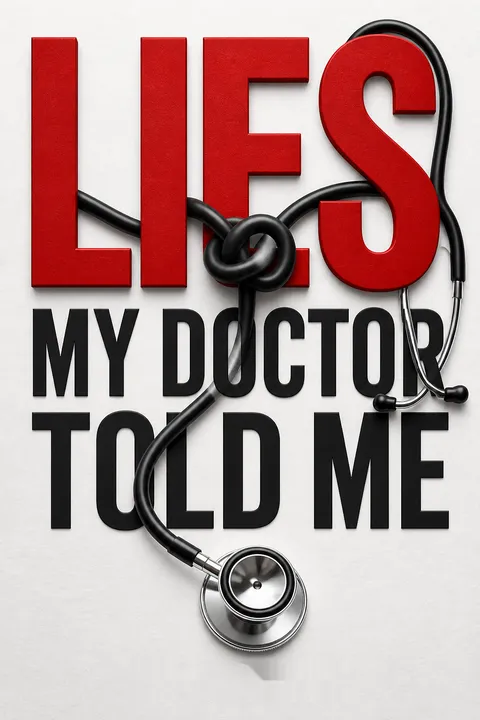
Lies My Doctor Told Me combines a physician's personal conversion story with a catalogue of challenges to familiar medical and nutrition advice. Its central narrative is compelling: Berry describes an overworked doctor who discovers that his own poor health and limited nutrition education undermine the advice he gives patients. That self-critique gives the book emotional credibility and makes its larger appeal for curiosity, humility, and patient participation easy to understand.
The book's most transferable contribution is methodological. It asks readers to distinguish correlation from causation, inspect how research is conducted, notice conflicts of interest, and treat medical authority as fallible. These habits are useful well beyond the specific controversies in the book. Its recurring examples, from nuts and diverticulitis to cholesterol markers, make abstract research errors accessible.
But the method is applied unevenly. Berry repeatedly condemns medical institutions for overconfidence while presenting his own disputed claims with similar certainty. The book omits a works-cited list, which makes it difficult to check many studies, and it often moves from an anecdote, plausible mechanism, or selected finding to broad conclusions about diet, statins, hormones, salt, or sun exposure. That is the same gap between evidence and certainty the book warns readers to detect. Skepticism is most powerful when it is symmetric: guidelines can be wrong, but contrarian claims also require replication and careful appraisal.
The book should therefore be read as a prompt to ask better questions, not as a treatment manual. Its advice to build a respectful clinician partnership is safer and more durable than its specific medical prescriptions. Readers can ask what evidence supports a recommendation, what alternatives exist, and how benefits and risks apply to them. The strongest version of Berry's message is neither blind obedience nor self-diagnosis. It is informed collaboration, with uncertainty acknowledged and treatment decisions made in context.
Review Summary
Lies My Doctor Told Me received mixed reviews. Many readers appreciated Dr. Berry's challenge to conventional medical wisdom and his emphasis on patient empowerment. They found the book informative and eye-opening, particularly regarding nutrition and health misconceptions. However, critics noted a lack of scientific citations and potential bias towards certain diets. Some readers felt the writing style was simplistic and repetitive. The book's coverage of topics like cholesterol, statins, and hormone replacement therapy sparked both agreement and skepticism among readers.
People Also Read




Glossary
Law of the Instrument
Familiar tools shape choicesA thinking shortcut in which people rely heavily on tools or methods they already know, even when those tools may not suit the problem. Berry applies it to medical specialties: clinicians may favor familiar procedures, prescriptions, or advice instead of considering alternatives or a patient's specific circumstances.
echo of the lie
A myth persists after correctionBerry's name for the continued circulation of a medical claim after researchers or experts have stopped supporting it. In his account, authorities often move on without a visible correction, while older advice remains repeated by clinicians, media, and the public.
Seven Countries Study
Study linking diet and heart diseaseAncel Keys's observational research program comparing dietary patterns and cardiovascular disease across countries. Berry argues that its presentation selected seven countries from a larger set and helped establish a misleading case against dietary fat. The book offers no references, and its accusation should be checked against the study's methods and the broader research record.
Primal/Paleo
Ancestral-style eating frameworkA broad family of eating approaches that Berry describes as modeled on foods and activity patterns associated with ancestral human populations. In the book, this framework emphasizes whole foods and limits grains, sugar, and processed starches. Berry treats evolutionary history as a guide to modern health, though ancestral diets varied and the framework is not a single standardized diet.
FAQ
What's "Lies My Doctor Told Me" about?
- Challenging Medical Myths: The book by Ken D. Berry, MD, aims to debunk common medical myths that can negatively impact health.
- Encouraging Critical Thinking: It encourages readers to question the medical advice they receive and to become more informed about their health.
- Doctor-Patient Relationship: The book discusses the importance of having a collaborative relationship with your doctor, rather than a dictatorial one.
- Empowerment Through Knowledge: It provides tools and resources for readers to research and understand their health better.
Why should I read "Lies My Doctor Told Me"?
- Informed Decisions: It helps you make informed decisions about your health by questioning outdated or incorrect medical advice.
- Health Optimization: The book offers insights into optimizing your health through diet, lifestyle, and questioning conventional wisdom.
- Awareness of Medical Practices: It raises awareness about how some medical practices may be influenced by outdated research or pharmaceutical interests.
- Empowerment: Reading it empowers you to take control of your health and engage in meaningful discussions with your healthcare provider.
What are the key takeaways of "Lies My Doctor Told Me"?
- Question Medical Advice: Always question the medical advice you receive and do your own research.
- Diet and Lifestyle: Focus on a diet and lifestyle that aligns with human DNA and ancestral eating habits.
- Doctor-Patient Partnership: Cultivate a partnership with your doctor where both parties are engaged in your health journey.
- Avoid Blind Trust: Do not blindly trust medical guidelines or pharmaceutical recommendations without understanding the research behind them.
What are the best quotes from "Lies My Doctor Told Me" and what do they mean?
- "The doctor is more to be feared than the disease." This French proverb suggests that sometimes medical advice can be more harmful than the condition itself.
- "You can lead a doctor to knowledge, but you can’t make him think." This highlights the importance of doctors being open-minded and continuously learning.
- "Eating fat won’t make you fat, but eating sugars and starches will." This challenges the conventional belief that dietary fat is the primary cause of obesity.
- "Your health is both robust and fragile, at the same time." It emphasizes the importance of maintaining a balanced lifestyle to protect your health.
How does Ken D. Berry, MD, suggest we approach our relationship with doctors?
- Partnership Approach: Treat the doctor-patient relationship as a partnership where both parties contribute to health decisions.
- Respectful Dialogue: Engage in respectful dialogue with your doctor, bringing your own research and questions to appointments.
- Seek Lifelong Learners: Find doctors who are eager learners and open to new treatments and ideas.
- Trust Your Instincts: Trust your own health intuitions and research, and don't be afraid to seek a second opinion if necessary.
What myths about diet does "Lies My Doctor Told Me" address?
- Fat Consumption: The book debunks the myth that eating fat, especially saturated fat, leads to obesity and heart disease.
- Milk and Bones: It challenges the belief that drinking milk is essential for strong bones.
- Whole Wheat: The book questions the health benefits of whole wheat, suggesting it may not be as beneficial as commonly believed.
- Calorie Counting: It argues against the idea that all calories are equal and that calorie counting is the best way to lose weight.
What does "Lies My Doctor Told Me" say about cholesterol?
- Cholesterol Myths: The book argues that high cholesterol levels are not necessarily dangerous and do not directly increase heart attack risk.
- Statin Medications: It questions the widespread use of statin medications for lowering cholesterol, suggesting they may not be as beneficial as claimed.
- Dietary Cholesterol: The book states that dietary cholesterol has little impact on blood cholesterol levels.
- Research Flaws: It highlights flaws in the research that led to the demonization of cholesterol.
How does "Lies My Doctor Told Me" suggest we approach nutrition?
- Ancestral Diets: Follow a diet that mimics what our ancestors ate, focusing on whole foods and avoiding processed grains and sugars.
- Fat as Fuel: Embrace healthy fats as a primary energy source rather than fearing them.
- Question Guidelines: Be skeptical of government dietary guidelines, which may be influenced by corporate interests.
- Individual Research: Use resources like PubMed to research nutrition topics and make informed dietary choices.
What does "Lies My Doctor Told Me" say about the use of antibiotics?
- Over-Prescription: The book warns against the over-prescription of antibiotics for viral infections, which do not respond to these medications.
- Gut Health: It emphasizes the importance of maintaining gut health and the negative impact of unnecessary antibiotics on beneficial bacteria.
- Antibiotic Resistance: Overuse of antibiotics can lead to resistant bacteria, making future infections harder to treat.
- Probiotics: Suggests using probiotics to maintain a healthy balance of gut bacteria.
How does "Lies My Doctor Told Me" address the topic of sunlight and skin cancer?
- Sunlight Benefits: The book argues that sunlight is not inherently dangerous and is essential for vitamin D production.
- Sunscreen Use: It questions the widespread use of sunscreen and suggests that diet may play a more significant role in skin health.
- Research Gaps: Highlights the lack of conclusive research linking sunlight exposure directly to skin cancer.
- Natural Exposure: Encourages natural sun exposure while avoiding sunburns, rather than complete avoidance.
What does "Lies My Doctor Told Me" say about thyroid health?
- TSH Test Limitations: The book criticizes the reliance on the TSH test alone for diagnosing thyroid issues, advocating for a full thyroid panel.
- Symptom Consideration: Emphasizes the importance of considering symptoms and not just lab results in thyroid diagnosis.
- Holistic Approach: Suggests a more holistic approach to thyroid health, including diet and lifestyle changes.
- Patient Advocacy: Encourages patients to advocate for comprehensive testing if they suspect thyroid issues.
How does "Lies My Doctor Told Me" suggest we handle vitamin D intake?
- Supplementation Needs: The book argues that most people need more vitamin D than they get from diet and limited sun exposure.
- Breastfeeding and Vitamin D: It challenges the notion that breast milk is deficient in vitamin D, suggesting that mothers need adequate vitamin D intake.
- Health Benefits: Highlights the wide-ranging health benefits of maintaining optimal vitamin D levels.
- Testing and Monitoring: Recommends regular testing of vitamin D levels to ensure they are within the optimal range.
Download PDF
Download EPUB
.epub digital book format is ideal for reading ebooks on phones, tablets, and e-readers.








