

Key Takeaways
Treat meal timing as a metabolic lever, not merely a calorie tally.
A different weight-loss lens. Eve Mayer describes years of diets and three bariatric procedures that brought temporary losses but never quieted her hunger. After reducing sugar and refined carbohydrates, then trying fasting, she found that eating less often changed how hungry she felt. The authors argue that hormones, especially insulin, influence whether the body stores or uses energy. In their model, frequent eating keeps insulin elevated, while fasting lets it fall and gives the body time to draw on stored fuel.
The book's central claim. The authors challenge calorie counting as a complete explanation of weight change. They compare readily available glycogen to a refrigerator and body fat to a larger, less accessible freezer. Their practical point is to allow time between meals for stored energy to be used. This is their explanatory model, not a claim that calories or food composition never matter.
What's striking is the shift from moral judgment to a question about physiology and routine. It can help people interpret persistent hunger as information rather than proof of weak character. The refrigerator metaphor also makes stored energy intuitive. At the same time, the book sometimes presents insulin as the dominant explanation for weight regulation, when appetite, sleep, medications, stress, food access, and many other factors interact. Its most useful contribution is not a single hormone theory, but the invitation to test whether meal timing changes hunger and daily eating patterns.
Hunger is often a timed signal; let a wave pass before answering.
Hunger has patterns. The book distinguishes physical need from hunger that appears at a familiar meal time or in response to a cue, such as a snack bowl or the smell of pizza. It describes ghrelin as a hormone involved in appetite and reports that, in a study tracking a 33-hour fast, hunger rose around customary meal times but did not keep climbing indefinitely. The authors say a hunger surge may fade after roughly two hours, especially as the body adapts to using stored fuel.
Practice noticing first. Eve reframes hunger as a signal that can be observed rather than obeyed instantly. A person might drink water or unsweetened tea, change activities, and wait to see whether the feeling passes. The authors do not claim hunger disappears for everyone. They describe it as more manageable for many people, and note that some experience anxiety, irritability, or other difficult symptoms while adapting.
This is a useful bridge between physiology and behavioral science. Repeated cues can condition appetite, much as a regular sound or setting can trigger an automatic response. Pausing creates room to distinguish a craving, a learned routine, and genuine physical need. But hunger is not merely a habit to outwait: it can signal inadequate intake, illness, pregnancy, or disordered eating. The book's framing is most helpful when it encourages curiosity, not when it turns every appetite signal into an obstacle to overcome.
Build fasting gradually by removing snacks before attempting longer fasts.
Start with less grazing. The authors' entry point is not a multiday fast. They suggest first reducing unplanned snacks, then moving toward two meals, a day with one meal, or longer fasts only if those steps feel manageable. Someone eating eight times daily could remove one eating occasion at a time rather than abruptly cutting most of them. The book calls this gradual process strengthening a fasting muscle, a metaphor for becoming more comfortable with longer intervals without food.
Keep the plan adjustable. The authors offer flexible schedules rather than one required formula. Some people may meet their goals by skipping breakfast or ending snacks; others may consider longer intervals. They also recommend hydration and, for some beginners, options such as broth or tea as temporary supports. These choices are presented as personal tools, not a universal prescription. A fast should not be extended simply to prove endurance.
The gradual approach reflects a basic principle of behavior change: practices are easier to sustain when their difficulty rises in manageable increments. It also makes room for differences in work schedules, appetite, and family meals. The metaphor of a muscle is motivating, but fasting is not exercise, and adaptation is not automatically evidence that a longer fast is healthier. A useful measure of success is whether the routine supports health and daily functioning, not whether it produces the longest period without food.
Choose filling, minimally processed meals, and treat low-carb as an experiment.
Make meals satisfying. The authors favor whole foods and meals containing protein, fat, and vegetables, and advise limiting refined sugar and starch. They explain that protein and fat can contribute to fullness, while many highly processed foods are easy to eat quickly and may leave a person wanting more. Their examples range from eggs, fish, meat, nuts, and full-fat dairy to vegetables that grow above ground. Eve says that eating this way most of the time helped her feel fuller and reduced her cravings.
Food choices are personal. The authors acknowledge that fasting can help some people even without changing what they eat. They describe clients who lost weight while continuing to include foods they enjoyed, but argue that improving food quality may help health and make fasting easier for many others. Their preference for low-carbohydrate eating is strong, but they do not present a single menu that everyone must follow.
The practical emphasis on satisfying meals and less processing can reduce the friction of eating less often. It also moves attention from food labels alone to how meals affect fullness and cravings. The book's broad warnings about whole grains, beans, fruit, and saturated fat deserve more nuance than its simple categories allow. Nutritional needs and responses vary, and a low-carbohydrate pattern is not the only possible healthy diet. The strongest application is to notice which foods support stable energy and satisfaction, while avoiding needless rigidity.
Replace emotional-eating routines instead of treating cravings as character flaws.
Food carries meaning. Eve recalls family praline-making as love and togetherness, and eating became a way to cope with fear and sadness as her mother struggled with illness. The book asks readers to notice what tends to happen before eating, what they do, and what emotional reward follows. Megan describes this as a cue, a routine, and a reward: stress may cue snacking, and the food may briefly soothe it.
Build another response. The authors suggest keeping a simple food-and-feeling record, then identifying alternatives that meet the same need. A walk, a call to a friend, or a calming activity might replace a snack used to escape boredom or stress. They also distinguish occasional enjoyment from episodes of binge eating marked by loss of control and distress. When eating feels compulsive or deeply troubling, they encourage seeking qualified therapeutic support rather than relying on fasting alone.
This section recognizes that eating is social and emotional, not just a delivery system for nutrients. Habit research supports the idea that changing a response is often more practical than trying to erase a cue or suppress a need. The distinction between comfort eating and a clinically significant eating disorder matters, because shame can intensify secrecy and distress. Fasting may simplify some people's food routines, but it is not a treatment for every emotional or eating problem. The replacement activity must address the need, not merely distract from it.
Shape your environment and goals before relying on willpower.
Make the desired choice easier. The book treats frequent snacking as a cultural default reinforced by convenient food at work, in cars, and at home. Eve recommends clearing tempting foods from personal spaces, keeping preferred foods visible, and discussing practical changes with household members. The point is not to control other people's choices, but to reduce repeated exposure and negotiation. She also advises choosing one or two specific goals, such as improving a health marker or completing a walk, instead of pursuing every ambition at once.
Include medical realities. Eve's father became dizzy after changing his eating habits and losing weight. His blood pressure had improved, so his existing medication dose needed review. The story illustrates why health goals and medication management cannot be separated. The authors advise involving a clinician when conditions or medications require monitoring, and preparing clear questions about what has changed.
This is a strong application of choice architecture: the arrangement of options influences behavior before conscious resolve enters the picture. A prepared kitchen or an agreed family routine can reduce decision fatigue. Goal-setting also helps translate a broad wish into observable progress. However, personal environment is only part of the food system. Cost, work demands, caregiving, and neighborhood access can sharply limit available choices. Advice to redesign a pantry is more useful when paired with realistic attention to those constraints and appropriate clinical support.
Plan fasts around real life, then feast without compensatory guilt.
Flexibility sustains practice. The authors argue that fasting should fit around work, family, holidays, and travel, rather than turning every social event into a test. Eve learned that rigidly fasting during free work meals made her resentful; she recommends choosing quieter periods when possible. Megan describes clients who move a planned fast to another day when a reunion or barbecue appears. Missing one planned fast is not treated as failure, but abandoning every planned interval can undermine consistency.
Eat with intention. A feast, in the book's vocabulary, means a satisfying meal rather than prolonged overeating. The authors suggest minimizing grazing, eating slowly, and enjoying food without treating it as a moral lapse. Megan recounts traveling in Europe, eating local meals, and fasting at other times. The broader lesson is to preserve valued social experiences while avoiding the all-day pattern of constant nibbling that the authors believe encourages repeated eating.
The balance between consistency and flexibility is more durable than a schedule that ignores ordinary life. It also recognizes that meals serve social functions, a point often lost in purely individual accounts of nutrition. Planning can protect both health routines and relationships. Still, the word feast may blur the line between a normal meal and compensatory restriction if it is interpreted as permission to offset eating with fasting. Food decisions are easier to sustain when they are not framed as a cycle of earning and repaying.
Exercise for strength, mood, and mobility, not as a calorie refund.
Value movement beyond weight. Eve trained for a three-day charity walk while carrying substantial extra weight, yet gained weight during the training. Later, after fasting and changing how she ate, she found exercise more comfortable and celebrated reaching the top of a hike. Her experience supports the book's distinction between fitness and weight loss. Walking, strength training, and other movement can support stamina, muscle, mood, and daily function even when the scale does not change.
Track more than pounds. The authors advise choosing activity that fits a person's body, budget, interests, and schedule. They also suggest measuring progress through clothing fit, body composition, blood pressure, blood sugar, or the ability to complete an activity. Eve notes that her weight could stay similar while her clothes fit differently as she gained muscle. These measures give a broader picture than daily scale changes alone.
Separating exercise from punishment can make movement more inviting and protect its independent benefits. Exercise improves capacity and health even when it produces little weight change, so judging it only by calories burned is a poor feedback system. The book is right to broaden success measures, though its dismissal of exercise as a weight-management tool is too categorical. Activity can contribute to energy balance and long-term health, but appetite and other adaptations make the result variable. Its value need not depend on weight loss.
Treat extended fasting as a clinical decision, not a toughness test.
Know when to get help. The book recommends gradual practice and says people taking medication, especially for diabetes or high blood pressure, should work with a clinician because needs may change. It also says not to fast during pregnancy or nursing, and advises medical attention for serious symptoms. After fasts lasting five days or more, it describes refeeding slowly because a large meal can create dangerous electrolyte shifts. The authors' own examples include dizziness linked to blood pressure medication and sleep or emotional changes during longer fasts.
Claims have limits. The book presents fasting as potentially helpful for weight and metabolic health, and discusses possible brain, cancer, and cellular benefits. Yet it acknowledges that research on some areas, including brain effects, is limited. Its reports of dramatic client outcomes are meaningful stories, but they are not the same as controlled evidence that a particular fasting schedule works for everyone.
The safety guidance is essential because fasting changes more than meal timing when illness or medication is involved. Diabetes treatment, pregnancy, nursing, and a history of disordered eating call for individualized advice rather than a general schedule. The book's enthusiasm sometimes outruns its evidence, especially when it moves from metabolic outcomes to cancer or neurodegenerative disease. A careful reader can retain its practical questions about eating frequency while separating promising mechanisms and anecdotes from proven clinical benefits.
Analysis
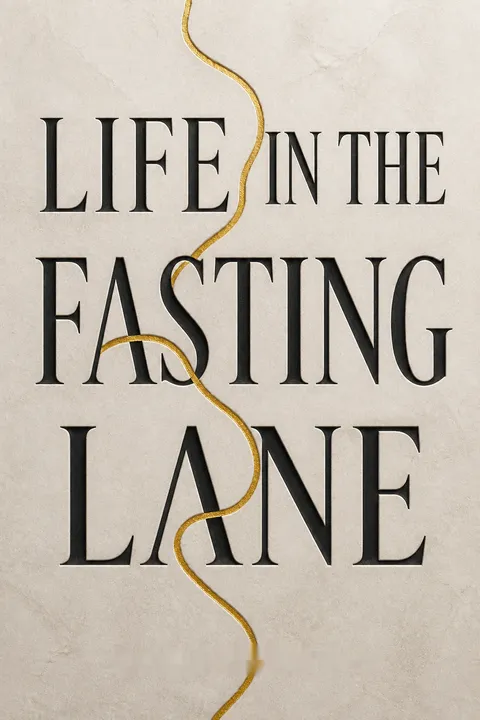
Life in the Fasting Lane is part health argument, part step-by-step manual, and part recovery narrative. Its three voices serve distinct purposes: Eve Mayer supplies the lived experience of repeated dieting, shame, and food-centered coping; Megan Ramos translates coaching experience into habits and schedules; Jason Fung offers a hormone-centered explanation. That combination is the book's chief strength. Its most memorable claim is not simply to skip meals, but to stop treating persistent hunger as evidence of personal failure and to examine the routines that keep eating continuous.
The practical sequence is coherent: clarify a goal, prepare the household, stop grazing, experiment with shorter fasts, and adjust around social life. The book also gives useful permission to value non-scale progress and to start again after setbacks. Those ideas are more transferable than any particular fasting timetable.
Its scientific case is less even. The insulin model gives readers a clear alternative to simplistic calorie arithmetic, but the book sometimes presents a contested, multifactorial process as if one hormone explains most weight gain. Client stories demonstrate possibility, not population-wide effectiveness. Evidence for fasting's effects on diabetes management is more concrete than claims about preventing cancer or degenerative brain disease, which remain tentative in the text itself. The book's nutrition advice is similarly prescriptive, particularly around carbohydrates and saturated fat.
The strongest reading is therefore neither dismissal nor uncritical adoption. Fasting is one possible structure for changing eating frequency, and its value depends on health status, medication, food quality, personal history, and sustainability. The book's lasting contribution is its reframing of shame into investigation: notice cues, reduce needless eating occasions, build meals that satisfy, and seek medical guidance where physiology or treatment makes experimentation consequential. It is a persuasive lifestyle guide, but not a substitute for individualized clinical care or a definitive review of nutrition science.
Review Summary
Life in the Fasting Lane receives mixed reviews. Many readers find it informative and accessible for beginners, appreciating the practical advice and personal stories. However, some criticize it for lacking scientific depth compared to Dr. Fung's previous works. The book's focus on keto diets and extended fasts is controversial, with some praising the approach while others find it too restrictive. Readers appreciate the insights into the psychology of fasting and debunking common myths. Overall, it's seen as a helpful introduction to fasting for newcomers but may not offer much new information for those familiar with the topic.
People Also Read



Glossary
Intermittent Fasting (IF)
Planned intervals without foodA pattern that alternates periods of eating with voluntary periods without food. The book emphasizes when a person eats, rather than prescribing one required menu or schedule. Examples range from skipping a meal to eating within a limited daily window or taking longer breaks between meals. The authors present it as a flexible lifestyle practice, not a single standardized diet.
Hunger Bully
A metaphor for urgent hungerEve Mayer's metaphor for hunger that feels overpowering and demands immediate food. The term helps distinguish the sensation of hunger from the belief that it must always be answered with eating. The book suggests that meal timing, food cues, and habitual responses can intensify this experience, and that noticing the feeling without immediately feeding it may weaken its hold.
Simple fasting
A gradual fasting approachThe book's beginner-friendly approach to fasting: start with manageable changes, such as reducing snacks, and extend the time between meals only if appropriate and comfortable. It is deliberately flexible, allowing people to stay with a less demanding pattern if that meets their goals. The term contrasts gradual practice with abruptly attempting long fasts.
Fasting muscle
Comfort with fasting intervalsA metaphor for a person's developing ability to go longer between meals without distress. The authors recommend building this capacity gradually and consistently, as one might increase the difficulty of a physical exercise over time. It is not a medical measure or a literal muscle, and it does not imply that longer fasting is automatically better.
Fasting training wheels
Temporary fasting supportsThe book's informal term for optional drinks or additions that may help beginners manage fasting, including water, tea, coffee, broth, or pickle juice. The authors describe these as transitional supports rather than necessities. Their use depends on the person's health and the kind of fast, and medication or electrolyte concerns should be discussed with a clinician.
Calories In, Calories Out (CICO)
A calorie-balance modelThe commonly used model that explains weight change through the difference between energy consumed and energy expended. Fung argues that this is incomplete because hunger, metabolism, hormones, and food choices influence both sides of the equation. The book challenges calorie counting as a sufficient strategy, although its critique does not establish that energy intake and expenditure are irrelevant.
Ghrelin
A hormone linked to hungerA hormone involved in appetite that the book calls the hunger hormone. The authors describe ghrelin as rising around customary meal times and argue that hunger can decline during fasting rather than increasing without limit. Its patterns vary among people, and the book's description should not be taken to mean that all hunger is caused by ghrelin or that fasting reliably suppresses it.
Ketosis
A state of increased fat useA metabolic state in which the body produces ketones as it relies more on fat for energy, often when food intake or carbohydrate availability is low. The book connects ketosis with fasting and very-low-carbohydrate eating, and describes ketones as an alternative fuel for the brain. The timing and degree of ketosis vary by person and circumstance.
Autophagy
Cellular recycling and cleanupA regulated process in which cells break down and recycle components that are damaged or no longer needed. The book links fasting with increased autophagy and discusses possible health implications. It also notes that knowledge is incomplete. The precise timing, magnitude, and clinical significance of autophagy during fasting in humans are not established by the simple hour-by-hour estimates presented in popular explanations.
Non-Scale Victory (NSV)
Progress beyond body weightA sign of progress that is not a number on the scale. The book gives examples such as improved blood sugar, needing less medication under medical guidance, fitting different clothing, walking more comfortably, or feeling better. The term encourages tracking outcomes that reflect health and daily function, especially because body weight can fluctuate and does not describe body composition or overall well-being.
FAQ
What's Life in the Fasting Lane about?
- Focus on Fasting: The book explores intermittent fasting as a sustainable lifestyle choice for weight loss and improved health, combining personal stories, scientific research, and practical advice.
- Authors' Experiences: Written by Eve Mayer, Dr. Jason Fung, and Megan Ramos, it shares their individual journeys with fasting, offering unique perspectives that make the content relatable and informative.
- Holistic Approach: It emphasizes not just the physical benefits of fasting but also the mental and emotional aspects, aiming to empower readers to rethink their relationship with food and their bodies.
Why should I read Life in the Fasting Lane?
- Transformative Insights: The book challenges traditional dieting methods, providing a fresh perspective on weight loss and health by understanding the science behind fasting.
- Practical Guidance: It offers actionable steps and plans for incorporating fasting into daily life, making it accessible for beginners with easy-to-understand language.
- Supportive Community: Emphasizes the importance of community and support in the fasting journey, offering encouragement and shared experiences to motivate readers.
What are the key takeaways of Life in the Fasting Lane?
- Fasting is Flexible: Readers are encouraged to customize fasting to fit their lifestyles and preferences, finding their own "fasting lane."
- Hormonal Balance: Focuses on how fasting regulates hormones, particularly insulin, crucial for weight management and overall health.
- Mindset Shift: Encourages viewing food as energy rather than an emotional crutch, promoting healthier eating habits.
How does fasting work according to Life in the Fasting Lane?
- Energy Storage and Use: Fasting allows the body to switch from storing energy as fat to burning stored energy, crucial for weight loss and metabolic health.
- Hormonal Regulation: Helps lower insulin levels, essential for fat burning, leading to improved health outcomes like reduced risk of type 2 diabetes.
- Mental Clarity: Many report increased mental clarity and focus during fasting, attributed to the body utilizing fat for energy.
What are the different fasting methods discussed in Life in the Fasting Lane?
- Intermittent Fasting: Involves cycling between periods of eating and fasting, flexible and adjustable based on individual schedules.
- Extended Fasting: Lasts longer than 24 hours, with guidance on how to approach this safely and effectively.
- Time-Restricted Eating: Consuming meals within a specific time window each day, helping regulate eating patterns without strict calorie counting.
How can I prepare for fasting as suggested in Life in the Fasting Lane?
- Set Clear Goals: Define personal goals before starting a fasting regimen to maintain motivation and focus.
- Clean Out Your Kitchen: Remove tempting, unhealthy foods to reduce the likelihood of giving in to cravings during fasting periods.
- Communicate with Family: Discuss fasting plans with family for support, making the transition smoother and helping stay accountable.
What are the mental and emotional benefits of fasting mentioned in Life in the Fasting Lane?
- Improved Mood: Many experience enhanced mood and emotional stability while fasting, attributed to hormonal changes and a sense of accomplishment.
- Breaking Food Addiction: Helps break free from unhealthy eating habits and food addictions, with strategies for recognizing and overcoming these patterns.
- Increased Self-Esteem: Achieving fasting goals often boosts self-esteem and confidence, leading to lasting lifestyle changes.
How does Life in the Fasting Lane address common misconceptions about fasting?
- Fasting Will Make You Sick: Counters this myth by explaining that fasting can improve health markers and reduce chronic disease risk, supported by evidence.
- Fasting Slows Down Metabolism: Clarifies that fasting can increase metabolic rates due to hormonal changes, challenging the belief that eating less slows metabolism.
- You’ll Die of Hunger: Emphasizes that hunger is manageable and often decreases during fasting periods, addressing fears about fasting.
What should I eat while fasting according to Life in the Fasting Lane?
- Focus on Whole Foods: Prioritize whole, unprocessed foods low in carbohydrates and high in healthy fats to maintain energy levels.
- Avoid Processed Sugars: Eliminate refined sugars and processed foods to prevent insulin spikes and support fasting benefits.
- Listen to Your Body: Pay attention to how different foods make you feel, guiding healthier choices that align with fasting goals.
What is the difference between fasting and starving as explained in Life in the Fasting Lane?
- Voluntary vs. Involuntary: Fasting is a voluntary choice for health benefits, while starvation is involuntary due to lack of food access.
- Nutritional Status: Most who fast are not malnourished; they seek to improve health, with fasting helping reset metabolism.
- Health Benefits: Fasting offers benefits like weight loss and improved insulin sensitivity, unlike starvation, which leads to negative outcomes.
How can I maintain my social life while fasting as discussed in Life in the Fasting Lane?
- Plan Ahead: Schedule fasting around social events to avoid conflicts, maintaining connections without compromising goals.
- Communicate Your Choices: Explain fasting choices to friends and family to reduce pressure during gatherings.
- Focus on Non-Food Activities: Engage in activities that don't revolve around food, like walks or events, to enjoy time with loved ones.
How does exercise fit into the fasting lifestyle as per Life in the Fasting Lane?
- Encouraged While Fasting: Exercise is encouraged during fasting, enhancing benefits and improving overall health.
- Listen to Your Body: Adjust exercise intensity based on how you feel, with some finding more energy to work out while fasting.
- Focus on Health, Not Weight Loss: View exercise as a means to improve health and well-being, fostering a positive relationship with fitness.
About the Author


Download PDF
Download EPUB
.epub digital book format is ideal for reading ebooks on phones, tablets, and e-readers.








