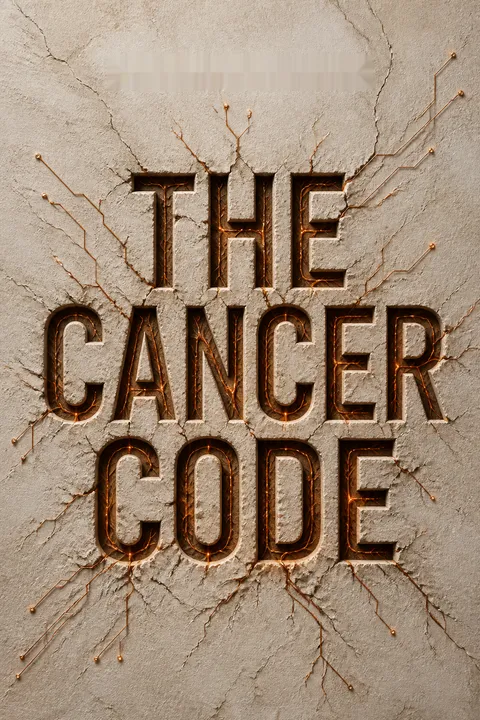


Key Takeaways
Judge cancer by spread, not size: metastasis drives most deaths
Spread changes everything. Metastasis is the movement of cancer cells from their original site to distant parts of the body. Fung estimates that it accounts for about 90 percent of cancer deaths. A benign lipoma can grow enormous without spreading, while a small melanoma can be deadly because it can travel. Tumor size alone, then, is a poor measure of danger. The same distinction matters when evaluating treatment: shrinking a tumor does not necessarily mean a patient will live longer.
Measure what matters. The book argues that many drug approvals relied on tumor response or delayed progression, rather than improved overall survival. Those measures can be useful, but they are not interchangeable with living longer or better. A visible mass is easier to measure than invisible disease spread, which can make the convenient outcome seem more important than the meaningful one.
What's striking is how a clinical measurement can quietly become a substitute for the human outcome it was meant to predict. This is a general problem in medicine: a marker may respond to treatment without reliably forecasting health or survival. The book's distinction is a useful check on dramatic headlines about tumors shrinking. It is not, however, a reason to dismiss tumor response or progression measures altogether. Their value depends on how well they predict outcomes for a particular cancer and treatment, and on whether patients also gain symptom relief or quality of life.
Treat mutations as clues, not the final answer to cancer
Three models, each incomplete. The book traces cancer research through three broad explanations. Cancer Paradigm 1.0 describes uncontrolled growth, which led to surgery, radiation, and chemotherapy. Cancer Paradigm 2.0 explains growth through accumulated genetic mutations. The proposed Cancer Paradigm 3.0 adds evolution and ecology: environmental pressures shape which cancerous traits survive. Each model adds information, but the first two leave a deeper question unanswered: what drives the growth or the mutations?
Separate mechanism from cause. A mutation can help explain how a cancer cell behaves, while smoking, infection, radiation, or another exposure may help explain why the cell changed. Fung illustrates this distinction with tobacco: knowing a lung tumor's mutations is not as useful for prevention as knowing that smoking raises risk. The argument is for looking upstream, not for ignoring genes.
The framework is strongest when treated as a ladder of questions rather than a contest in which one paradigm must erase its predecessors. Genetics remains essential for classifying cancers and matching some patients to effective drugs; environmental causes explain why risks differ across populations. The book's history of failed grand promises also makes a worthwhile point about scientific institutions: research agendas can become self-reinforcing. But funding a popular theory does not by itself prove it is wrong, just as an elegant alternative does not prove it right. Each model needs to earn its place through explanatory and clinical evidence.
See cancer as a cell reverting to ancient survival rules
A society breaks down. Fung's central theory is that cancer resembles a return to unicellular behavior. In a multicellular body, cells cooperate, stay in assigned locations, and limit their growth for the organism's benefit. Single-celled organisms instead grow, reproduce, and move wherever conditions permit. Cancer cells display many of those traits: they keep dividing, resist cell death, invade new tissue, and often rely heavily on glycolysis, a way of producing energy from glucose.
An old program resurfaces. The book calls this return to an ancestral state atavism. Its analogy is not that a tumor is literally a separate microbe, but that damaged controls can expose older survival capacities retained in cells. Fung points to studies finding increased activity of ancient genes and suppression of genes associated with multicellular cooperation. This model links cancer's shared behaviors to life's evolutionary history.
The evolutionary lens makes cancer easier to understand as a system of competing cells rather than a bag of defective genes. It also discourages anthropomorphism: cancer is not plotting, but cell populations that reproduce under selection pressures can appear strategically adaptable. The atavism idea is a powerful interpretation, not a settled explanation of every cancer. Similar behavior can emerge through different biological routes, and cancers vary widely. The model is most useful as a way to generate questions about cell cooperation, tissue context, and survival, rather than as a literal claim that a tumor has become an ancient organism.
Look for chronic, survivable damage, not only dramatic exposures
The dangerous middle ground. Fung proposes that cancer can emerge when injury is chronic but not so severe that it kills the affected cells. Minor damage may be repaired; overwhelming damage kills cells. In between, cells repeatedly attempt repair and reproduction, creating conditions in which survival-enhancing changes can accumulate. The book describes this as chronic sublethal damage, meaning persistent harm that a cell can survive but not fully escape.
History makes the pattern visible. Surgeon Percivall Pott connected scrotal cancer among London chimney sweeps to soot trapped against the skin. Later examples include chronic infections such as H. pylori in the stomach, and tobacco smoke in the lungs. In Barrett's esophagus, repeated exposure to stomach acid can alter the esophageal lining. These cases differ in agent, but each shows how repeated irritation can shape tissue over time.
This account connects carcinogenesis to a broader biological principle: stress can select for adaptations that help a local population survive, even when those adaptations harm the larger organism. It gives a coherent explanation for why duration and tissue context matter, not just the name of an exposure. The proposed mechanism should still be distinguished from established causal evidence for specific carcinogens. The soot, tobacco, and infection examples are not interchangeable, and the chronic-injury model should not be used to label every irritation a cancer threat. Specific risks require evidence, not analogy alone.
Expect tumors to evolve in branches, not follow one genetic script
One tumor, many lineages. Intratumoral heterogeneity means that genetically different subpopulations can coexist within a single tumor. In one study described by Fung, samples from a patient's primary tumor and metastatic sites shared only 37 percent of their mutations. The tumor is therefore less like a uniform clone than a changing population with multiple variants.
Treatment applies pressure. Branched-chain evolution describes these variants as developing along different genetic paths. A treatment may eliminate most cancer cells while allowing a resistant minority to survive and expand. This helps explain why a drug aimed at one mutation often fails across a complex cancer. The book contrasts this with chronic myelogenous leukemia, where the shared Philadelphia chromosome enabled the highly effective targeted drug imatinib. That kind of clear target is an important exception, not a reliable template for every cancer.
Tumor evolution is a useful bridge between genetics and ecology. It explains why a biopsy captures only a sample of a moving population and why treatment can change the composition of that population. The same logic appears in pest control and infectious disease: a powerful intervention can remove susceptible organisms while leaving resistant ones with less competition. Still, resistance is not the only reason treatment fails, and evolutionary language does not identify which therapy a patient should receive. That requires clinical evidence, repeated assessment, and decisions made with the oncology team.
Treat nutrient signals as cancer soil, not just fuel
Food signals growth. Insulin, mTOR, and AMPK are nutrient sensors, biological pathways that respond to food availability or the cell's available energy and help regulate growth. Insulin and the related growth factor IGF-1 can activate pathways that promote cell growth and discourage programmed cell death. mTOR also responds to protein and other signals; AMPK rises when cellular energy is low and can restrain growth-related activity.
The metabolic setting matters. Fung links obesity, type 2 diabetes, and some cancers through persistently high insulin and related growth signals. He cites evidence associating high insulin markers with increased cancer risk, including among people without obesity. The proposed lesson is that the body's metabolic environment can help determine whether cancer cells thrive. This is a claim about risk and progression, not proof that a particular food or diet can cure cancer.
The concept of a metabolic environment adds something important to a gene-centered account: cells respond to hormones and nutrients, not merely to their DNA. It also offers a plausible connection between metabolic disease and cancer risk. Yet biological plausibility and observational association do not establish that lowering insulin will prevent or control a given cancer. Insulin is essential, and prescribed treatment should never be changed on the basis of this book. The clearest value here is as a research and prevention question, not as a substitute for cancer care.
Prioritize weight and diabetes prevention over vitamin megadoses
Not every dietary theory survives testing. Fung reviews trials that failed to show meaningful cancer prevention from increasing fiber or reducing dietary fat. Trials of supplements were also disappointing: beta-carotene, folate, and vitamin E sometimes showed no benefit, and some studies reported higher cancer risk. These findings challenge the appealing idea that one nutrient can reliably prevent cancer.
Focus on the stronger signal. The book identifies excess body weight and type 2 diabetes as important, modifiable risk factors, and describes evidence linking obesity to several cancers. It discusses weight loss, fasting, low-carbohydrate diets, metformin, and green tea, but acknowledges that evidence for many of these approaches as cancer treatments is limited. The practical message is not to pursue a miracle diet or use supplements as therapy. It is to take metabolic health seriously and discuss prevention or treatment choices with qualified clinicians.
The strongest contribution is its resistance to nutrition marketing: a plausible mechanism or promising animal experiment is not the same as proof of benefit in people. The distinction between a whole food and a concentrated supplement matters, too, because trial results for one should not automatically be applied to the other. At the same time, weight and diabetes findings do not imply that every case is preventable through personal choices. Cancer risk is shaped by many factors, and weight is an imperfect measure of health. Prevention advice should be useful without becoming blame.
Choose screening by lives saved, not cancers merely detected
Detection is not the same as prevention. A screening test can find disease earlier without preventing death. Lead-time bias occurs when diagnosis happens sooner, making measured survival after diagnosis look longer even if the person dies at the same time. Overdiagnosis is the discovery of a cancer that would never have caused symptoms or become life-threatening. Treatment of such a finding can cause harm without benefit.
Some programs do more than find tumors. The book contrasts cervical screening with mammography and prostate testing. Pap smears can find precancerous cervical changes linked to HPV. Colorectal screening can find and remove adenomatous polyps before they become invasive cancer. By contrast, Fung argues that breast, prostate, and thyroid screening can detect many slow-growing lesions without clearly reducing late-stage disease. Screening decisions therefore need to weigh benefits, harms, and individual risk.
The distinction between detection and health benefit is essential for informed consent. A good screening program should be judged not simply by how many abnormalities it discovers, but by whether it reduces serious disease enough to justify false positives, overdiagnosis, and treatment harms. The book's skepticism is useful, but its conclusions should not be converted into a blanket rule against screening. Evidence, recommendations, and individual risk vary by cancer, age, and medical history. Screening choices belong in a discussion with a clinician, not in a one-size-fits-all slogan.
Use immunity and evolutionary thinking against adaptable cancer
The body's defenses can be recruited. William Coley, a nineteenth-century surgeon, observed that some tumors shrank after patients developed severe infections. His deliberately induced infections were dangerous and inconsistent, but the episodes helped motivate the idea that immune responses can attack cancer. Modern immunotherapy builds on that principle. Checkpoint inhibitors block signals that restrain immune cells; CAR-T treatment modifies a patient's T cells to recognize particular cancers.
Control may beat eradication. The book also introduces adaptive therapy, an approach that adjusts treatment to control cancer rather than always trying to destroy every cell at once. The reasoning is evolutionary: aggressive treatment can leave resistant cells with less competition. Evidence described for this strategy is preliminary, and immunotherapy does not work for everyone. Both approaches are promising tools, not universal cures, and treatment decisions require specialist care.
These strategies change the contest. Conventional drugs act on cancer cells directly, while immunotherapy mobilizes a living system that can recognize and respond to biological change. Adaptive therapy adds a population-level insight: the survivors of a treatment may not resemble the original tumor. The caution is that evolution-informed ideas are not automatically safer or more effective in practice. Immunotherapies can have serious side effects, and adaptive dosing remains a specialized research approach. The book's lasting contribution is to widen the treatment question from how to kill cancer to how to manage an evolving system.
Analysis
The Cancer Code is a narrative work of popular medical science, organized as a history of changing explanations for cancer and then a proposed evolutionary model. Its central move is to shift attention from mutations alone to the interaction among mutations, tissue conditions, metabolism, and selection. That ecological view helps connect disparate observations: chronic exposure, tumor diversity, treatment resistance, and the importance of metastasis. The strongest practical lessons are methodological. Mechanisms are not root causes, tumor shrinkage is not automatically survival, and screening is useful only when its benefits outweigh its harms. The book is also deliberately polemical. Its war-on-cancer story highlights institutional inertia and the limits of genetic reductionism, but sometimes treats broad research paradigms as more uniform and unsuccessful than they are. Cancer is not one disease, and the success of targeted drugs in particular cancers demonstrates that genetic mechanisms can be both explanatory and clinically decisive. The evolutionary model is best understood as a complementary level of explanation, not a replacement for molecular genetics.
The most important interpretive caution concerns the author's proposed atavistic account and its dietary implications. The idea that cancer reactivates ancient unicellular traits is an evocative unifying hypothesis, but the book's evidence does not establish it as the complete origin story for every cancer. Likewise, links among insulin, obesity, and cancer offer plausible mechanisms and important risk associations, but they do not demonstrate that lowering insulin through a particular diet treats cancer. The author explicitly notes gaps in clinical evidence, especially for fasting and ketogenic diets. Readers gain most by keeping the book's conceptual contribution while separating established causes and treatments from hypotheses that remain under investigation. Its best message is not that cancer has yielded to one new theory, but that progress depends on asking how cells, tissues, and treatments shape one another.
Review Summary
The Cancer Code receives predominantly positive reviews for its comprehensive yet accessible explanation of cancer's history, mechanisms, and current research. Readers appreciate Dr. Fung's clear writing style, systematic approach, and ability to explain complex concepts. The book explores cancer's evolutionary aspects, the role of insulin and metabolism, and potential prevention strategies. While some found certain sections challenging, most reviewers recommend it for its informative content and fresh perspective on cancer. Many readers praise the book for its honesty in not promising miracle cures but offering hope through improved understanding.
People Also Read




Glossary
Cancer Paradigm 3.0
evolutionary cancer modelFung's name for an evolutionary and ecological account of cancer. It treats cancer as a process shaped by cellular survival, environmental pressures, growth signals, and interactions with surrounding tissue. Genetic mutations remain important, but the model asks why particular changes are selected and how cancer cells adapt over time.
somatic mutation theory
mutation-centered cancer theoryThe theory that cancer develops when mutations accumulate in ordinary body cells, altering genes that regulate growth, cell death, and other functions. In Fung's account, the theory explains many mechanisms of cancer but does not fully explain why mutations arise, why they are selected, or why genetically different tumors share common behaviors.
atavism
return to ancestral traitsA reappearance of traits associated with an organism's evolutionary ancestors. Fung applies the term to cancer cells that, he argues, resume older survival behaviors normally suppressed in multicellular organisms, such as uncontrolled growth and movement. The concept is the book's proposed explanation for cancer's resemblance to single-celled life.
intratumoral heterogeneity
variation within one tumorThe presence of genetically different cancer-cell populations within a single tumor. These subpopulations can differ from one another and from cells in metastases. This variation gives cancer multiple possible routes for survival and helps explain why a treatment that targets one mutation may leave other cancer cells unaffected.
branched-chain evolution
parallel tumor adaptationA pattern in which a tumor's cell populations develop along multiple evolutionary paths rather than accumulating changes in one straight sequence. If a treatment blocks one path, another group of cells may survive and expand. The model helps explain tumor diversity, resistance, and the limits of targeting a single mutation.
Warburg effect
glucose use despite oxygenThe tendency of many cancer cells to rely heavily on glycolysis, producing energy from glucose even when oxygen is available. This process yields less energy per glucose molecule than oxidative phosphorylation and produces lactic acid. Fung discusses it as a characteristic of cancer metabolism and a possible advantage in tumor growth and invasion.
nutrient sensors
pathways sensing nutrient availabilityCellular signaling systems that respond to nutrients or available energy and help regulate growth and maintenance. Fung focuses on insulin, mTOR, and AMPK. These pathways receive different kinds of information, including signals related to carbohydrates, protein, and cellular energy, and influence whether cells favor growth or repair.
immune editing
immune pressure on tumorsA model describing how the immune system interacts with cancer through three phases: elimination of abnormal cells, equilibrium in which some cells persist but remain controlled, and escape when cancer cells evade immune restraint. The framework explains how cancer can be suppressed for years before becoming clinically apparent.
adaptive therapy
treatment adjusted to controlAn evolutionary approach to cancer treatment that aims to manage tumor growth rather than immediately eradicate every cancer cell. Treatment intensity is adjusted in response to cancer activity, with the goal of limiting resistant populations and preserving competition from treatment-sensitive cells. Fung describes it as a promising but preliminary strategy.
surrogate outcomes
indirect treatment measuresMeasures used in clinical research as substitutes for outcomes patients ultimately care about, such as living longer or maintaining quality of life. In cancer trials, tumor shrinkage and progression-free survival can serve as surrogates. They are useful only when they reliably predict meaningful patient outcomes, which the book argues is not always the case.
FAQ
What's The Cancer Code about?
- Revolutionary Understanding: The Cancer Code by Jason Fung offers a new perspective on cancer, challenging the traditional view that focuses solely on genetic mutations. It presents cancer as a multifaceted disease influenced by genetic, environmental, and lifestyle factors.
- Three Paradigms: The book outlines three paradigms of cancer: excessive growth, genetic disease, and transformation influenced by evolutionary biology. Each paradigm provides a unique lens through which to understand cancer development.
- Holistic Approach: Fung emphasizes the importance of understanding the root causes of cancer, advocating for a holistic approach to prevention and treatment that includes diet and lifestyle changes.
Why should I read The Cancer Code?
- Challenging Conventional Wisdom: The book encourages readers to question established beliefs about cancer treatment and prevention, offering a thought-provoking perspective on health.
- Practical Advice: Fung provides actionable insights on lifestyle changes, such as dietary modifications, that can help reduce cancer risk and improve overall health.
- Comprehensive Overview: It offers a thorough examination of cancer's history, biology, and treatment options, making it a valuable resource for both lay readers and healthcare professionals.
What are the key takeaways of The Cancer Code?
- Multifactorial Nature of Cancer: Cancer is not solely a genetic disease but is influenced by environmental and lifestyle factors. Understanding this complexity is crucial for effective prevention and treatment.
- Diet and Insulin's Role: The book highlights the impact of diet, particularly insulin and hyperinsulinemia, on cancer development. Addressing hormonal imbalances through dietary changes can significantly reduce cancer risk.
- Evolutionary Perspective: Fung introduces the idea that cancer cells revert to a more primitive state, which helps explain their behavior and adaptability.
What are the best quotes from The Cancer Code and what do they mean?
- “Cancer is not a foreign invader.”: This quote emphasizes that cancer originates from our own cells, highlighting the importance of understanding internal mechanisms rather than external causes.
- “The difficulty lies not so much in developing new ideas as in escaping from old ones.”: It reflects the challenge of changing entrenched beliefs in the medical community, advocating for a fresh perspective on cancer research and treatment.
- “Cancer is the ultimate survivor.”: This statement underscores the resilience and adaptability of cancer cells, reminding us of the complexity of cancer and the need for innovative approaches.
How does The Cancer Code explain the role of diet in cancer?
- Diet as a Key Factor: Fung argues that dietary choices significantly impact cancer risk, particularly through their effects on insulin levels and hormonal balance.
- Specific Recommendations: The book suggests adopting a low-carbohydrate, high-fat diet to help regulate insulin levels and reduce cancer risk.
- Connection to Obesity: Fung links obesity to cancer risk, explaining that excess body fat can lead to hormonal imbalances that promote cancer growth.
What is the somatic mutation theory (SMT) in The Cancer Code?
- Definition of SMT: The somatic mutation theory posits that cancer is primarily caused by accumulated genetic mutations in somatic cells, suggesting that random mutations lead to cancerous growth.
- Limitations of SMT: Fung critiques SMT for oversimplifying cancer's origins, as it fails to account for environmental and lifestyle factors that contribute to mutations.
- Need for New Paradigms: The book advocates for a shift away from SMT towards a more comprehensive understanding of cancer that includes evolutionary biology and environmental influences.
What is the Warburg effect as described in The Cancer Code?
- Cancer's Energy Production: The Warburg effect refers to cancer cells' preference for glycolysis for energy production, even in the presence of oxygen, leading to increased glucose consumption.
- Survival Advantage: This metabolic shift allows cancer cells to generate energy and building blocks necessary for rapid growth, providing a survival advantage.
- Implications for Treatment: Understanding the Warburg effect can inform treatment strategies, as targeting cancer metabolism may offer new avenues for therapy.
How does The Cancer Code address the concept of cancer as an evolutionary process?
- Survival Mechanism: Fung argues that cancer cells exhibit behaviors similar to single-celled organisms, prioritizing their own survival over the host's health.
- Branched Evolution: The book introduces branched-chain evolution, where cancer cells evolve through natural selection, adapting to survive in changing environments.
- Research Implications: Viewing cancer through an evolutionary lens encourages exploring new treatment avenues that consider the adaptive nature of cancer cells.
What role does obesity play in cancer, according to The Cancer Code?
- Significant Risk Factor: Fung states that obesity is a major risk factor for cancer, accounting for 20-30% of common cancers due to increased insulin levels and inflammation.
- Impact on Progression: Excess body fat creates a metabolic environment conducive to cancer growth, making weight management crucial for prevention.
- Epidemic Proportions: The global obesity epidemic is contributing to rising cancer rates, particularly among younger populations.
How does The Cancer Code propose we shift our approach to cancer prevention?
- Focus on Root Causes: Fung emphasizes understanding and addressing root causes like diet, lifestyle, and environmental factors for effective prevention.
- Promoting Healthy Lifestyles: The book advocates for lifestyle changes, including dietary modifications and regular exercise, to reduce cancer risk.
- Empowering Individuals: By focusing on prevention, Fung empowers individuals to make informed health choices that can lower their cancer risk.
What is hyperinsulinemia, and why is it important in The Cancer Code?
- Definition: Hyperinsulinemia refers to elevated insulin levels in the blood, often associated with obesity and insulin resistance, leading to various health issues, including cancer.
- Cancer Risk Link: High insulin levels are associated with increased cancer risk, as insulin acts as a growth factor promoting tumor growth.
- Dietary Management: Fung advocates for dietary changes to lower insulin levels, suggesting that reducing sugar and refined carbohydrate intake can mitigate cancer risk.
What is the future direction of cancer research according to The Cancer Code?
- Integrating New Paradigms: Fung suggests future research should integrate insights from evolutionary biology, epigenetics, and environmental science for a comprehensive understanding.
- Emphasizing Prevention: The book calls for greater emphasis on cancer prevention through lifestyle and dietary changes, rather than solely focusing on treatment.
- Interdisciplinary Collaboration: Fung advocates for collaboration across fields like genetics, nutrition, and environmental science to tackle cancer's complexity.
About the Author
Other books by Jason Fung


Download PDF
Download EPUB
.epub digital book format is ideal for reading ebooks on phones, tablets, and e-readers.








