

Key Takeaways
Treat timing as a health input, not a scheduling afterthought
The day has biology. A circadian rhythm is an internal pattern that repeats roughly every 24 hours, shaping sleep, digestion, energy, and many other functions. Satchin Panda’s central claim is that modern life often sends these systems conflicting signals: bright light late at night, little daylight by day, and food at unpredictable hours. His family history made the question personal. One grandfather worked nights at a train station; another lived by the farm’s daylight. Later, Panda watched his maternal grandfather lose track of day and night as dementia progressed.
A timing problem, not a character flaw. The book argues that aligning daily routines with internal rhythms can support health. It is not a promise that timing alone cures chronic disease. Rather, it offers a practical lens for noticing how everyday schedules may help or hinder the body.
What's striking is how the opening story turns an abstract biological idea into something observable: the difference between a life organized around daylight and one repeatedly interrupted by night work. That framing also shifts health advice away from blame. A person may understand the value of regular sleep yet lack control over shifts, caregiving, or commute time. The useful question is therefore not whether someone follows an ideal schedule, but which timing change is realistically within reach. The book's strongest promise is a better way to examine daily routines, not a substitute for medical care.
Coordinate light, meals, and sleep to keep separate body clocks aligned
One body, many clocks. The suprachiasmatic nucleus, or SCN, is a small group of brain cells that acts as a master clock, receiving light information from the eyes. But the liver, gut, muscles, and other organs also keep local clocks that time their own work. In Panda’s research, changing when mice ate shifted liver gene rhythms even when the light schedule stayed the same. Light helps set the brain’s timing, while meals strongly influence clocks in metabolic organs.
Signals can disagree. A late meal, for example, may tell the gut and liver that activity is still underway while the brain is preparing for sleep. The book’s model is an orchestra: health depends partly on separate systems keeping time together, not on one master signal controlling every process.
The multi-clock model is useful because it explains why a single healthy habit may not solve every problem. Morning daylight can anchor the brain’s timing, while a predictable eating schedule gives digestive organs another cue. The idea also makes routine changes easier to diagnose: a person can ask which signal is inconsistent rather than treating fatigue as a mysterious failure of will. The metaphor has limits, however. Body clocks are not independent instruments that can simply be tuned by choice, and the demands of work or family can make alignment difficult.
Get bright daylight by day and dim, warm light after sunset
Light reaches the clock. Panda’s lab helped identify melanopsin, a light-sensitive protein in retinal cells that is especially responsive to blue wavelengths. These cells send timing information to the brain even when they are not involved in ordinary image-making. Bright light at night can signal daytime to the brain, suppress melatonin, and delay sleep; insufficient daylight can leave the brain without a strong daytime cue.
Change the contrast. The book recommends getting outdoor light during the day, then reducing bright and blue-rich light in the evening. It suggests using lamps rather than overhead lighting, dimming screens, and keeping the bedroom dark. A study cited in the book found typical windowless offices much dimmer than outdoor daylight, even on cloudy days. The practical goal is not darkness all evening, but a clearer difference between day and night.
The important insight is contrast. Indoor life can flatten the difference between bright daytime and dark evening, even when a person technically sees light throughout the day. Managing light therefore means more than buying a screen filter: it includes seeking daylight and making evenings less stimulating. The advice is especially compelling because it treats light as a biological signal, not merely a visual convenience. Individual sensitivity varies, and the book's precise product suggestions should not be mistaken for equally strong evidence about every device or bulb.
Give digestion a predictable overnight break instead of grazing for 15 hours
Set a food window. Time-restricted eating, or TRE, means consuming all food and calorie-containing drinks within a daily period, then fasting outside it. Panda’s key animal experiments compared mice eating the same high-fat food with unrestricted access against mice eating within an 8-hour window. The restricted group avoided several metabolic problems despite eating similar calories. In a small human study described in the book, 10 overweight participants chose a 10-hour eating window without instructions to change food or calories; they lost an average of 4 percent of body weight over four months.
Start gently. The book suggests first recording when eating begins and ends, then trying a consistent 12-hour window before narrowing it if appropriate. Cream or sugar in coffee counts as intake; water does not. Earlier meals are preferred, and the last meal should leave time before sleep. The human evidence presented is promising but limited, not a guarantee.
TRE's memorable contribution is to add duration and timing to the familiar questions of food quality and quantity. A defined window may also make unnoticed eating visible, especially the small drinks and late snacks people tend not to count. The evidence should be read in layers: the striking controlled results in this book are primarily from mice, while the human example is small. Restriction may also be unsuitable for some people or interact with medication. The sound takeaway is to discuss a regular eating schedule with a clinician when health conditions are involved, not to assume that a shorter window is always better.
Protect seven hours of sleep before borrowing time from tomorrow
Sleep does active work. The book describes sleep as a sequence of quiet stages and REM sleep, which recur in cycles through the night. These periods support memory, repair, and other functions. Adults should allow enough time to obtain at least seven hours of sleep, while children need more. Sleep debt is the gap between the sleep a person needs and what they actually get; sleeping late on a free day may repay some of it, but it does not make an erratic schedule harmless.
Make sleep easier. Panda recommends consistent bed and wake times, a dark and cool room, daytime activity, and less evening light. He also advises leaving a few hours between the last meal and bedtime. Persistent waking, loud snoring, or waking unrefreshed can indicate a problem that deserves medical attention, including possible sleep apnea.
The book's most useful reframing is that sleep is not leftover time after the real day. It is part of the body's preparation for the next one, which makes late-night productivity a potentially costly trade. That argument connects performance, mood, appetite, and memory without reducing them to laziness. Still, a target is not a diagnosis: sleep needs and sleep disorders differ, and a person who remains exhausted despite adequate opportunity should not treat routine changes as the only answer. The distinction between sleep duration and sleep quality is crucial.
Put demanding thinking in daylight, when attention and memory work best
Use the strong hours. Panda describes a broad peak in brain performance from about 10 a.m. to 3 p.m., with especially strong attention, working memory, and decision-making in the late morning. The exact pattern differs among people, but the practical point is to protect the hours when complex work is easiest rather than filling them with avoidable interruptions. Sleep loss can undermine attention and judgment, while bright daylight supports alertness and mood.
Improve the work setting. The book contrasts outdoor daylight, often thousands of lux, with dim indoor spaces. It recommends getting daylight, sitting near a window, and taking a brief outdoor walk when concentration fades. It also recounts a workplace study in which employees moving to a brighter office reported better mood and sleep. These findings make workspace lighting a health and performance issue, not just an architectural preference.
This section treats productivity as a physiological capacity that environments can support or erode. That is a useful counterweight to the assumption that longer hours automatically produce better work. It also suggests a practical division: use alert periods for cognitively demanding tasks and reserve lower-focus periods for routine work. The stated peak hours are a population-level guide, not a universal timetable. Chronotype, job design, and caregiving can shift what is feasible, so personal tracking matters more than forcing every worker into the same clock-time template.
Make daily movement routine, then place hard training before dinner
Movement supports the clock. The book recommends at least 150 minutes of moderate activity or 75 minutes of vigorous activity each week, while emphasizing that walking, gardening, and household chores count as movement. Research discussed by Panda links physical activity with better sleep and mood. His story of Piet, a retired milkman who became depressed after abandoning his active outdoor routine, illustrates the combined importance of movement, daylight, social contact, and regular sleep. It does not isolate exercise as the sole cause of his recovery.
Match effort to the hour. Morning outdoor activity provides daylight and movement; late afternoon is presented as a favorable time for strength and vigorous exercise. If evening is the only option, gentle movement may aid digestion, while intense late workouts can make sleep harder for some people. The best schedule is one that can be sustained.
Piet's story is persuasive because retirement changed several rhythms at once: waking, sunlight, exercise, and social contact. That makes it a useful portrait of how routines interact, but weak evidence for assigning recovery to any single element. The broader advice is more robust: choose movement that can become regular, then use timing as an adjustment rather than a barrier. A perfect exercise hour is less valuable than a realistic habit, especially for people whose work schedules leave little room for an ideal routine.
Use regular meals to steady gut rhythms, not to promise a cure
Digestion keeps time. Saliva, stomach acid, gut movement, and nutrient absorption vary across the day. The gut also hosts a changing community of microbes, some more active during feeding and others during fasting. Panda argues that irregular or late eating can interfere with digestion and repair, and may contribute to reflux, discomfort, or altered gut rhythms. In one rat experiment described in the book, regular meals helped the gut clock adjust after a simulated time-zone shift.
Test patterns carefully. The book links circadian disruption with digestive complaints and describes people whose symptoms improved after adopting TRE. These accounts are not proof that TRE treats every gut disorder. Persistent reflux, pain, bowel changes, or suspected food intolerance should be discussed with a clinician. The practical starting point is to notice whether symptoms track late meals, inconsistent timing, or disrupted sleep, while seeking proper evaluation.
The gut section makes the body-wide consequences of timing concrete: digestion is not simply a passive pipe through which food moves at any hour. Regularity may give digestive processes a more predictable workload, and that is a plausible reason to examine meal timing when symptoms recur. The book is strongest when it offers this as a testable pattern. It is less secure when it connects a broad set of conditions to one rhythm-based intervention. Digestive symptoms have many causes, so observation should complement, not replace, diagnosis.
Ask when treatment works best, but never retime medication alone
Treatment has timing. The book describes circadian rhythms in immune activity, inflammation, and drug targets. For example, a study of rheumatoid arthritis patients found that evening dosing of one anti-inflammatory drug produced fewer reported side effects than morning dosing. Timed-release prednisone also reduced morning stiffness more than a standard-release version in a clinical trial. These examples support chronotherapy, the practice of aligning treatment timing with biological rhythms.
Keep claims in proportion. Panda also discusses shift work as a probable cancer risk and studies suggesting that timing may affect cancer treatment effects. Such findings are reasons to study timing, not evidence that TRE or better lighting can replace cancer care. Patients should ask their clinicians whether medication or procedure timing matters for their specific treatment. Prescriptions should not be changed independently, since the right schedule depends on the drug and the person.
Chronotherapy follows logically from the book's central premise: if physiology changes through the day, treatment response may change too. The clinical examples show that timing can affect both benefit and burden, making it a worthwhile question in medical care. The essential safeguard is specificity. A result for one drug, condition, or trial cannot be generalized to every prescription. This is a strong area for clinician-led personalization, not self-experimentation. The book's prevention message should likewise remain distinct from claims about treating serious disease.
Track six daily timestamps, then change one routine at a time
Make the pattern visible. Panda suggests recording six times for a week: waking, first food or caloric drink, last food or drink, bedtime, screen shutoff, and exercise. This simple log can reveal weekday-weekend shifts and long eating windows that memory misses. The book calls a timeline of eating occasions a feedogram. Many participants who believed they ate three times a day recorded substantially more occasions, including late-night intake.
Aim for consistency, not perfection. After seeing the pattern, choose one manageable change, such as dimming evening lights, shifting the final meal earlier, or setting a steadier wake time. Panda's own ideal day is interrupted by travel and late work; he focuses on preserving whichever routines remain possible. A disrupted day need not become a disrupted week. Tracking is useful when it guides action, not when it becomes another source of pressure.
The closing method is deliberately modest: observe first, adjust second. This resembles good experimental practice because it establishes a baseline and makes it easier to notice whether a change coincides with a benefit. It also protects against the common mistake of changing diet, sleep, and exercise all at once, then not knowing what mattered. Self-tracking has limits, since recorded behavior can be incomplete and short-term improvement does not prove cause. Its best role is as a practical conversation starter with oneself and, when relevant, a health professional.
Analysis
The book's central achievement is to make biological timing a practical organizing principle. Instead of treating sleep, diet, light, exercise, and disease as separate topics, it presents them as inputs to a network of clocks: light primarily informs the brain's master clock, while food strongly shapes clocks in organs such as the liver and gut. This model explains why a healthy food or exercise routine may still be undermined by irregular timing. The proposed response is concrete: strengthen day-night contrast, establish predictable sleep and meal schedules, move regularly, and track routines before changing them.
The narrative helps the science travel. Panda's memories of farm life, shift work, and a grandfather losing a sense of day and night give the reader an intuitive image of what timing means. Experiments then provide a mechanistic account, especially the work showing that food timing shifts liver rhythms and that restricted feeding protected mice from metabolic problems despite similar diets. The book extends this logic to digestion, immunity, cognition, and cancer treatment.
Its evidence, however, is uneven across those claims. Controlled mouse studies establish biological plausibility, not a guaranteed human outcome. The small human TRE example and individual success stories are suggestive, while broad claims about disease prevention and reversal require more restraint than the book sometimes uses. Associations between shift work and illness do not establish that a particular lifestyle adjustment will prevent each disease. The soundest reading is therefore neither dismissal nor cure-all enthusiasm: circadian alignment is a promising, low-cost framework for improving daily habits, while serious symptoms and treatment decisions remain matters for clinical care. The most durable lesson is to treat timing as one meaningful health variable, then test changes carefully and realistically.
Review Summary
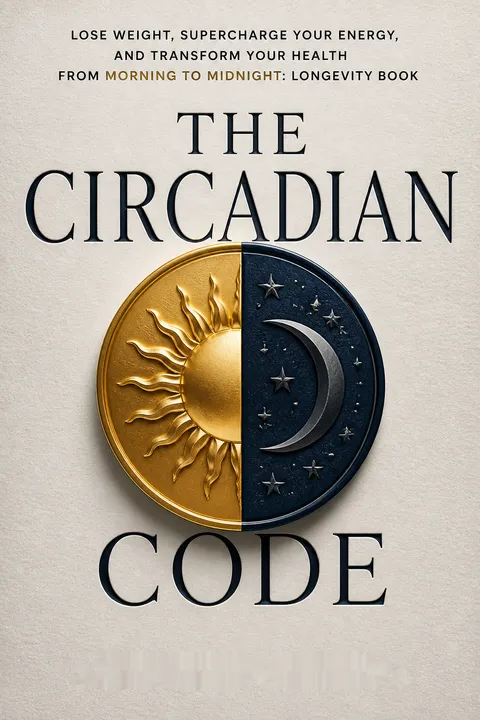
The Circadian Code by Satchin Panda explores the importance of aligning daily activities with our body's natural circadian rhythms. Readers found the book informative, presenting scientific concepts in an accessible manner. Many appreciated the insights on time-restricted eating and its potential health benefits. However, some criticized the repetitive content and overgeneralization of mouse studies to humans. While the core advice on consistent sleep schedules and meal timing was well-received, some readers felt the book made exaggerated claims about the circadian rhythm's impact on various health conditions.
People Also Read







Glossary
Circadian rhythm
roughly daily biological cycleA recurring biological pattern that runs on an approximately 24-hour cycle. In the book, circadian rhythms help time sleep and wakefulness, hormone release, digestion, metabolism, activity, and cellular repair. They are generated by internal clocks and adjusted by environmental cues, especially light and the timing of food.
Circadian code
daily timing systemPanda's term for the body's network of internal clocks and the daily rhythms they regulate. The code coordinates processes across the brain and organs, while cues such as light, meals, sleep, and activity help keep those processes aligned. Living against its timing, the book argues, can impair health and performance.
Suprachiasmatic nucleus
brain's master clockThe suprachiasmatic nucleus, commonly abbreviated SCN, is a small cluster of cells in the hypothalamus. It receives information about light from the eyes and helps coordinate timing signals across the body. It is described as a master clock, but organs such as the liver and gut also have local clocks.
Melanopsin
blue-sensitive retinal proteinA light-sensitive protein found in a small subset of retinal cells. Melanopsin responds especially strongly to blue wavelengths and sends information about light to brain regions involved in circadian timing, alertness, and sleep. Unlike the rods and cones used chiefly for vision, these cells help the brain register the timing of light exposure.
Time-restricted eating
daily eating within set hoursA schedule in which all food and calorie-containing drinks are consumed within a consistent daily window, followed by a period without calories. The book presents windows of roughly 8 to 12 hours as options, often recommending a gradual start. It is a timing approach, not a prescribed menu or calorie-counting plan.
Social jet lag
weekday-weekend timing shiftA mismatch between a person's sleep schedule on workdays and free days, often involving later sleep and waking on weekends. The book compares a substantial weekend shift to traveling across time zones because sleep timing changes while work and other obligations remain tied to the weekday schedule.
Feedogram
timeline of eating occasionsA visual timeline of a person's recorded eating and drinking occasions across successive days. Panda uses feedograms to show how long people eat each day and how consistent their schedules are. The method can expose small snacks and drinks that people may not remember or count as meals.
Autophagy
cellular recycling processA process in which cells break down and recycle damaged or unnecessary components. The book describes autophagy as one way cells manage damage and reuse materials, with activity increasing during periods several hours after eating has stopped. Panda discusses fasting and circadian timing as influences on this process.
FAQ
What's The Circadian Code about?
- Focus on Circadian Rhythms: The Circadian Code by Satchin Panda delves into the science of circadian rhythms and their impact on health, metabolism, and well-being. It stresses the importance of aligning daily activities with our internal biological clocks.
- Lifestyle Changes for Health: The book offers practical lifestyle changes to optimize circadian rhythms, potentially leading to improved health, weight loss, and increased energy levels.
- Preventing Chronic Diseases: Panda suggests that many chronic diseases, such as obesity and diabetes, are linked to circadian rhythm disruptions. Understanding and adhering to our circadian code can help prevent or reverse these conditions.
Why should I read The Circadian Code?
- Evidence-Based Insights: The book is grounded in scientific research, providing reliable information on improving health through circadian rhythm optimization.
- Practical Applications: It offers actionable advice on time-restricted eating, sleep optimization, and light management, which can be easily incorporated into daily routines.
- Holistic Health Perspective: The book presents a comprehensive view of health, focusing on the interplay between sleep, nutrition, and physical activity.
What are the key takeaways of The Circadian Code?
- Importance of Timing: Timing of meals, sleep, and physical activity significantly impacts health and well-being.
- Time-Restricted Eating (TRE): Eating within an 8- to 10-hour window can lead to better health outcomes by synchronizing eating patterns with circadian rhythms.
- Sleep Optimization: Quality sleep is crucial for maintaining a healthy circadian rhythm, with strategies provided to improve sleep quality.
What is Time-Restricted Eating (TRE) as described in The Circadian Code?
- Eating Window Concept: TRE involves limiting food intake to a specific daily time window, typically 8 to 10 hours, aligning eating patterns with natural circadian rhythms.
- Health Benefits: TRE can lead to weight loss, improved metabolic health, and better sleep quality, even without calorie counting or dietary restrictions.
- Resetting the Body's Clocks: This practice helps reset the clocks in various organs, enhancing digestion, metabolism, and overall health.
How do circadian rhythms affect sleep according to The Circadian Code?
- Sleep Stages: Sleep consists of various stages, including light, deep, and REM sleep, all regulated by circadian rhythms, each playing a crucial role in restoration.
- Sleep Debt: Accumulating sleep debt from insufficient restorative sleep can lead to increased sleepiness and cognitive impairment.
- Optimal Sleep Timing: The first few hours of sleep are critical for recovery, with recommendations to go to bed early to maximize these benefits.
How does light exposure influence circadian rhythms according to The Circadian Code?
- Melanopsin and Light Sensitivity: Melanopsin, a light-sensitive protein, plays a crucial role in regulating circadian rhythms, with bright light exposure resetting the body's internal clock.
- Daylight vs. Artificial Light: Natural daylight is essential for healthy circadian rhythms, while artificial light, especially at night, can disrupt them.
- Impact on Hormones: Light exposure affects melatonin production, which regulates sleep, with proper light management enhancing sleep quality and health.
What lifestyle changes does The Circadian Code recommend for better health?
- Adjusting Meal Times: Align meal times with natural light cycles, advocating for earlier dinners and breakfast as the first meal of the day.
- Limiting Light Exposure: Reduce exposure to bright and blue light in the evening to promote better sleep by dimming lights and avoiding screens.
- Regular Physical Activity: Incorporate regular exercise during the day, aligning with natural rhythms for maximum health benefits.
How does The Circadian Code suggest improving sleep quality?
- Consistent Sleep Schedule: Go to bed and wake up at the same time daily to strengthen circadian rhythms and improve sleep quality.
- Light Management: Reduce exposure to bright and blue light in the evening to promote melatonin production and signal the body to wind down.
- Pre-Sleep Routine: Establish a calming pre-sleep routine, such as reading or meditating, to enhance relaxation and improve sleep quality.
What are the effects of sleep deprivation as discussed in The Circadian Code?
- Cognitive Impairment: Sleep deprivation negatively impacts cognitive functions, including memory and decision-making, similar to being intoxicated.
- Increased Hunger: Insufficient sleep disrupts hunger hormones, leading to increased appetite and cravings for unhealthy foods.
- Health Risks: Chronic sleep deprivation is linked to obesity, diabetes, and cardiovascular diseases, emphasizing the importance of prioritizing sleep.
How does The Circadian Code relate to metabolic health?
- Metabolic Regulation: Circadian rhythms influence metabolic processes, including glucose metabolism and fat storage, with alignment improving metabolic health.
- Time-Restricted Eating: TRE enhances metabolic health by reducing eating time, leading to weight loss and improved insulin sensitivity.
- Chronic Conditions: Circadian disruption is linked to metabolic syndrome, obesity, and diabetes, with lifestyle changes reducing these risks.
What are some practical tips from The Circadian Code for daily routines?
- Establish a Routine: Create a consistent schedule for meals, sleep, and exercise to support circadian rhythms and improve health.
- Limit Evening Eating: Finish eating 2-3 hours before bedtime to allow for proper digestion and enhance sleep quality.
- Get Morning Light: Expose yourself to natural light in the morning to reset your circadian clock, improving mood and alertness.
What are the best quotes from The Circadian Code and what do they mean?
- "To have rhythm, to be in sync, is to be healthy.": Highlights the importance of aligning daily activities with circadian rhythms for optimal health.
- "Living longer does not always mean living healthier.": Emphasizes that quality of life and health must be prioritized alongside lifespan extension.
- "The clock is the master of our health.": Reflects the central theme that internal biological clocks govern many health aspects, with understanding leading to better outcomes.
About the Author

Download PDF
Download EPUB
.epub digital book format is ideal for reading ebooks on phones, tablets, and e-readers.








