

Plot Summary
The Dryer Breaks
Seventeen-year-old Ruby Cooper has spent years managing life around her alcoholic mother: smoothing things over with landlords, covering shifts at work, and pretending their unstable homes are temporary. When the dryer in their rented farmhouse fails, the landlords, Ronnie and Alice Honeycutt, enter to repair it and discover the cold, neglected house.
Ruby insists she can manage, but her mother has been gone for weeks. Social services takes Ruby to Poplar House, where she admits she does not know where her mother is. Her older sister, Cora, arrives to claim her. Ruby has not seen Cora in ten years and considers her a stranger, but the placement sends her into the polished suburban home Cora shares with her husband, Jamie.
Ruby's competence is real, but it has been built for an impossible purpose: keeping adults from noticing that she is being left to raise herself. She calls this independence because naming it neglect would make her dependence visible, and dependence has never felt safe. The dryer does not create the crisis; it makes Ruby's private arrangement legible to other people. Her move to Cora's therefore begins as rescue experienced as confiscation. The gap between what Ruby believes she can survive and what others can see is the novel's first pressure point.
The Fence Is Too High
On her first night at Cora and Jamie's, Ruby studies the household, packs her few belongings, and plans to slip out after they fall asleep. She reaches the front door, but Jamie is still out walking Roscoe, the anxious little dog.
Trying another route, Ruby scrambles toward the backyard fence and discovers her neighbor Nate Cross swimming beneath the pool lights. Roscoe's barking brings Jamie outside, so Ruby abandons her escape and pretends she only came to complain about music.
Nate gives her bag back through the fence. The next morning, Jamie drives Ruby to Perkins Day, the private school she fears she will never fit into. She learns he founded UMe, a major social-networking company, and finds herself enrolled in a life she did not choose.
The fence gives Ruby a practical problem with an emotional answer: escape is possible in theory, but she cannot make the jump alone without being seen. Nate's presence does not magically make her trust him; his small act of returning the bag simply complicates her belief that every encounter ends in abandonment or exploitation. Jamie's wealth and openheartedness create a second contrast. Ruby reads generosity as a prelude to obligation, so even ordinary care feels like a trap. The scene establishes how the book will test trust through small, concrete offers rather than grand declarations.
Perkins Day, No Escape
At Perkins Day, Ruby finds polished classrooms, wealthy classmates, and a schedule designed for a future she has never planned. Olivia Davis, another former Jackson High student, warns her not to trust the school's insiders, while Nate assumes responsibility for driving Ruby to school. Their carpool includes Gervais Miller, a brilliant, socially awkward senior who needles Ruby from the back seat.
Nate's easy popularity makes Ruby conspicuous, and rumors begin to attach her to him. She still tries to keep everyone at a distance, but Olivia's bluntness and Nate's persistent friendliness give her two different kinds of company. When Ruby cannot get a ride from her old friend Peyton, she accepts Nate's help to reach the yellow farmhouse.
The transfer forces Ruby into visibility, exactly where her survival habits have taught her to avoid attention. Her contempt for Perkins is partly class judgment, but also a defense against wanting anything from a place that could reject her. Olivia offers recognition through shared displacement, while Nate offers practical care without first demanding intimacy. Gervais's teasing provides another form of social contact, badly expressed but not malicious. Together, these relationships introduce the book's central distinction: accepting help is not the same as surrendering control, though Ruby cannot yet separate the two.
The House Without Her
Ruby persuades Nate to take her to the yellow farmhouse so she can retrieve what she left behind. A shifting curtain briefly convinces her that her mother might have returned, but the bedroom is empty. Ruby gathers the stiff, mildewed clothes from the kitchen line and sees the life she had minimized: broken pipes, piled dishes, beer bottles, and a house already becoming unlivable.
Nate gives her privacy instead of pressing her for an explanation, then takes her to meet Harriet, a jewelry maker who reluctantly hires Ruby at her mall kiosk. The job gives Ruby a little income and a task she can manage herself. Yet the key to the farmhouse remains around her neck, proof that the old home still defines what she thinks she has lost.
The empty bedroom is more devastating than a direct confirmation because Ruby's hope briefly outruns her knowledge. Her return exposes the difference between self-sufficiency and mere endurance: she had kept functioning, but at growing cost to her health and security. Work offers a familiar structure, yet Harriet's hesitant hiring also mirrors Ruby's own guardedness. Both women want control because they fear what might happen if they rely on another person. The copper key condenses Ruby's attachment to the past into an object she can touch, even when the home it opens has ceased to be a viable refuge.
A Song Between Sisters
Ruby begins learning the routines of Cora and Jamie's house, including Roscoe's fear of the oven and Jamie's elaborate plans for a backyard pond. A party brings Cora's college friends into the house, and Ruby overhears that her sister is struggling to become pregnant. She also learns that Cora has become a lawyer who helps vulnerable families, a side of her life Ruby never knew.
Later, Jamie plays a song their mother used to sing to the girls, and Cora joins in. Ruby recognizes the melody from childhood and is overwhelmed by memories of Cora shielding her from their mother's anger. The music makes their shared past impossible to dismiss, even though neither sister yet knows how to speak about it.
The song bypasses the sisters' competing accounts of the past. Ruby can argue with Cora's choices, but a melody carries embodied memory: the rhythm of being protected, the sound of a childhood self who trusted her sister. Cora's work and fertility struggle reveal how much life has accumulated beyond Ruby's knowledge, while Ruby's presence unsettles the carefully ordered household. The pond, still under construction, quietly parallels this relationship: neither a finished refuge nor an empty hole, it is a space being made through labor, disagreement, and persistence.
The Story Cora Kept
When Cora explains that she once invited Ruby and their mother to her wedding, Ruby rejects the story. Cora says she personally delivered the invitation and had spent years trying to find Ruby, while their mother moved often, used false addresses, and blocked messages. Ruby leaves school in shock, and Olivia drives her toward Jackson.
At the old hangout, Ruby drinks with Aaron, then seeks comfort at Marshall's apartment. There she finds Peyton with Marshall, the boy Ruby had been seeing. Ruby flees, loses consciousness in the woods, and is found by Nate, who carries her to his car and stays with her. Cora and Jamie are waiting at home, frightened and angry, when Ruby returns.
The revelation does not simply replace one family story with another; it removes Ruby's certainty about who has been telling the truth. Her immediate flight repeats her mother's habit of disappearing, and the coincidence is painful because Ruby had built her identity around being different from her mother. Peyton's betrayal and Marshall's indifference strip away the familiar relationships Ruby hoped could shelter her. Nate's search is a decisive counterexample: someone notices her absence and acts. Still, being rescued feels humiliating to Ruby, because she has mistaken needing another person for losing her dignity.
The Hand She Takes
Jamie confronts Ruby for vanishing and returning drunk, but Cora steps between them and reaches back for her. Ruby takes her hand. The next morning, Cora sets limits on Ruby's drinking, school attendance, and job, then admits she once promised their mother she would return for Ruby.
She regrets trusting their mother to keep them in contact, and Ruby begins to see that both sisters were manipulated into believing the other had left willingly. Ruby apologizes to Jamie and later helps him protect the new pond when a heron arrives to hunt its fish. Jamie accepts her apology, and Ruby starts to understand that staying in a family means making repairs after causing harm, not proving she never needed anyone.
Cora's hand echoes her childhood role as protector, but the direction of care has changed: Ruby must choose to reach back. The scene reframes dependence as a reciprocal act, not a permanent identity. Cora's admission also complicates guilt. She did leave, but she was young, constrained, and made to trust the wrong person; Ruby can hold both the wound and that context. Jamie's forgiveness is earned through action, especially Ruby's defense of the pond. She begins to belong not by being declared family, but by taking responsibility within a shared life.
A Place At Thanksgiving
Jamie encourages Ruby to apply to college, arguing that an application preserves choices even if she later decides against school. Ruby agrees and begins tutoring with Gervais, who is far better at explaining calculus than she expected.
At work, Harriet turns Ruby's key necklace into a line of handmade KeyChains, and the pieces begin selling. Thanksgiving brings Jamie's extended family into Cora's house for the first time. Cora panics over the turkey and the expectation of a perfect celebration, so Ruby hides with her in a closet until she can face the guests.
During dinner, Jamie presents an advertisement featuring his family, and Cora explains that family can change shape over time. Ruby's research project begins to reach beyond a dictionary definition.
This gathering puts Ruby inside a model of family that is neither pristine nor static. Jamie's relatives are numerous and affectionate, but Cora's anxiety shows that even a welcoming family can make someone feel scrutinized. Ruby helps her sister through that pressure by treating fear as something to accompany, not shame. At the same time, college applications, tutoring, and Harriet's growing business turn Ruby's future from an abstract threat into practical work. The key design becomes both commodity and personal emblem: something Ruby once wore to preserve an exit now helps another person imagine a possibility.
Nate's Locked Door
While retrieving pies from Nate's house during Thanksgiving dinner, Ruby finds Nate cleaning up a fallen shelf after his father, Blake, berates him over a missed errand. Nate admits that Blake sometimes throws things and has hit him, though he minimizes the danger and says he plans to leave after graduation. Ruby recognizes the pattern from her own childhood, but Nate asks her to keep the situation private.
She agrees, telling herself that his family troubles are separate from their friendship. Later, she notices how empty Nate's room is, much like her own temporary bedroom, and understands that he too expects to leave. Their growing closeness now rests beside a truth Ruby wants to face but cannot yet persuade him to share.
Ruby recognizes the violence because she has lived near its logic: minimize the incident, protect the household's privacy, and wait for a future escape. Her agreement with Nate is compassionate, but it also repeats the silence that once kept her mother shielded from consequences. Nate's empty room externalizes his strategy of emotional nonattachment; he is preparing to leave before he can be forced out again. The novel avoids an easy equation between care and intervention. Ruby must learn that respecting someone's fear is not always the same as helping them remain safe.
Warm Water, Cold Christmas
During an unusually warm December night, Ruby joins Cora and Jamie as they sneak into Nate's heated pool. After they leave, she swims alone until Nate finds her. He joins her, and they kiss for the first time. The intimacy deepens, but Nate still keeps his father's behavior separate from the rest of his life.
On Christmas Eve, Jamie's neighborhood gift rounds bring Ruby to Nate's door just as Blake is shouting inside. Nate shuts her out and insists he is fine, so Ruby tells Jamie that no one answered. On Christmas morning, Cora's hopes for pregnancy are disappointed again. Gervais then offers Ruby calculus tutoring, and she hires him on her own terms, learning to accept help without pretending it is a debt.
The pool makes closeness feel effortless, but water cannot dissolve the boundaries Nate has built around his father's violence. Ruby's Christmas Eve choice to lie protects Nate's confidence while also trapping her in the same silence that has shaped both their families. Her decision is not framed as simple cowardice; she is trying to respect a request whose cost she does not yet know. Gervais's tutoring offers a smaller, safer experiment in dependence. Ruby can accept expertise, set limits, and pay fairly, suggesting that help need not erase autonomy.
The Bruise Between Them
By Valentine's Day, Ruby and Nate are effectively dating, but she remains troubled by his refusal to discuss Blake. Nate spends the day making deliveries for Rest Assured and arrives hours late with a gift, hoping the present will smooth over her worry. Ruby refuses to let him replace an explanation with a kiss.
When he dismisses his father's behavior as private, she sees a bruise on his shoulder and demands that he let her help. Nate will not, so Ruby ends their intimacy rather than accept a relationship that excludes the danger shaping his life. He leaves, and Cora comforts Ruby, assuming her tears concern their mother. Ruby cannot bring herself to explain that she has lost Nate instead.
Ruby's boundary marks growth because she does not use intimacy to bargain away her perception. Earlier, she treated distance as proof of strength; now she recognizes that affection without mutual honesty leaves her carrying the emotional risk alone. Nate's gift is sincere, but its timing exposes a familiar evasion: he tries to repair the feeling without addressing its cause. Ruby cannot make him accept help, and the scene refuses to reward her for trying. Her grief is compounded by being misunderstood, even by Cora, whose care is genuine but cannot identify every wound.
The Tennessee Answer
Harriet's KeyChains become a local success, and Reggie finally persuades her to consider a date after she had long insisted that work must come first. Ruby also watches Olivia support her cousin Laney through a difficult five-kilometer race, learning that care can mean staying present without taking over.
Then Cora and Jamie tell Ruby that their mother was found unconscious in a Tennessee hotel and is now in rehabilitation. The hospital located the Honeycutts, who traced Cora. Ruby learns her mother is alive but cannot contact her during the early treatment period. The news restores a location to the person Ruby had imagined in Florida, yet it gives her no certainty about whether her mother will recover or seek her out.
The mother's location resolves a factual mystery while intensifying the emotional one. Ruby no longer has to invent a life for her mother, but knowing where she is does not restore the relationship or guarantee change. The treatment program's silence resembles abandonment from Ruby's perspective, even though it may be necessary for recovery. Around this news, Harriet and Olivia model different forms of risk: Harriet cautiously makes room for Reggie, while Olivia supports Laney without controlling the outcome. Ruby is learning that care is often a practice of presence, not a promise of rescue.
The Empty Apartment
As Ruby prepares for a decisive calculus exam, she notices Nate has stopped handling the errands he usually completes for Cora and Jamie. His father searches for him, and Ruby realizes Nate has disappeared. Gervais's tutoring has taught Ruby to slow down, trust what she knows, and work through uncertainty.
She applies that discipline to the exam, then leaves school and searches the apartment building where Nate once delivered dry-cleaning. Remembering the nearly untouched unit and a root-beer cap he had left behind, she finds the right door. Inside, Nate stands on the balcony with bruises on his face. Ruby does not retreat or demand an explanation from the doorway. She offers him the warmth of the apartment and a chance to come inside.
The calculus test is not merely an academic hurdle; it gives Ruby a rehearsed method for meeting panic without surrendering to it. That method carries into the search for Nate, where certainty is unavailable but memory can still guide action. The nearly empty apartment, previously a curiosity, becomes a map because Ruby had paid attention to Nate's small traces. His bruises make the cost of silence visible. Ruby's offer reverses the novel's opening movement: instead of being taken into a stranger's house, she freely opens a door for someone who needs shelter.
Cora Makes A Plan
Nate returns with Ruby and tells Cora that Blake's temper and violence have worsened as Rest Assured has struggled financially. After Blake hits him, Nate finally leaves. Cora listens without judgment, contacts her social-services colleagues, and calls Nate's mother in Arizona so he can speak with her directly.
A temporary plan takes shape: Nate will finish school from Arizona, work at a Pennsylvania swim camp in summer, then attend the University, where he has gained admission without his former swim scholarship. Blake threatens to involve police and makes collecting Nate's belongings difficult, but Cora warns him that Nate could press charges. Ruby keeps Nate company through movies, coffee, and errands while he prepares to leave.
Nate's disclosure changes the problem from private endurance into a situation with choices, allies, and practical steps. Cora's professional skill matters, but so does her restraint: she listens first, then helps Nate understand his options rather than deciding for him. This contrasts with Ruby's earlier conviction that support always carries hidden costs. Blake's resistance confirms why leaving is difficult, while the plan preserves Nate's education and swimming as possible futures. Ruby's care becomes less about persuading Nate to change and more about accompanying him through a decision he has finally made himself.
Keys For The Road
On the morning Nate leaves for Arizona, Cora and Jamie see him off as family, and Ruby drives him to the airport. Nate is uncertain whether life with his mother will be easy, but Ruby urges him to give the new arrangement time rather than flee at the first discomfort.
She removes the worn key to the yellow farmhouse from her chain and adds the newer key to Cora and Jamie's home. Ruby places both in Nate's hand, offering him a reminder of where he has been and a welcome to the place he has found. He leaves with the keys and her kiss. Their separation is real, but it is no longer a disappearance without explanation.
The airport scene gives the key motif a new direction. Ruby once wore the farmhouse key as a private guarantee that she could return to a life she understood; now she can relinquish it without pretending the past did not happen. Adding Cora's house key makes belonging portable rather than tied to one address. Her advice to Nate also reveals the lesson she has earned through experience: leaving may be necessary, but every unfamiliar place should not be judged in its first difficult hour. Their parting preserves connection without denying distance.
A Family In Motion
Ruby's calculus score is ninety-one, securing her place at the University, and she receives an acceptance letter in April. By June, she is graduating from Perkins Day with Cora, Jamie, Harriet, and Reggie among the guests she chooses to call family. Cora, who has struggled to conceive, discovers she is pregnant, and Ruby confirms the test result for her.
Ruby sends her mother a letter containing a copy of her college acceptance, though she does not know whether her mother will answer. Before graduation, Ruby removes the old farmhouse key from her bureau and drops it into Jamie's pond. Her white koi and the other fish circle it as it sinks. Ruby turns toward the family waiting for her.
The ending refuses to make belonging depend on one repaired relationship. Ruby's mother remains uncertain, Nate is away, and the key to the old house is released rather than ceremonially returned. Yet Ruby's future is no longer organized around waiting for someone to come back. Her graduation, chosen guests, and Cora's pregnancy place her inside a family that is both inherited and made. The fish gathering around the sinking key turns loss into a movement the living world can absorb. Ruby does not erase her history; she stops using it as the only door available.
Analysis
Lock and Key treats self-reliance as both a hard-won skill and a learned distortion. Ruby has genuine resourcefulness: she works, navigates institutions, protects her mother, and notices danger. The distortion lies in her conclusion that needing nobody is the same as being safe. Because care in her childhood was inconsistent and sometimes violent, dependence feels like a debt that can be collected against her. Cora's home unsettles that logic by offering care that is practical, imperfect, and persistent.
The novel's strongest relational pattern is not rescue but repetition with variation. Ruby repeats her mother's disappearance when she runs from school; Nate repeats the family habit of hiding harm; Cora repeats her childhood protective stance when she reaches for Ruby. These echoes do not determine the characters' futures. Their significance is that someone recognizes the pattern and can choose a different next action. Ruby's movement toward maturity is therefore not a sudden conversion to optimism. It is the difficult practice of staying, returning, and accepting responsibility without mistaking either for surrender.
Objects and routines make that development visible. The farmhouse key begins as Ruby's claim to an exit, while Jamie's key gives her access to a household she does not yet trust. The pond demands care without guaranteeing survival, and its seasonal changes offer a model of endurance that is neither constant activity nor permanent retreat. The family project broadens Ruby's idea of kinship from blood relation to repeated acts of recognition. Her eventual family is not a replacement for her mother or a perfect new household. It is a network of people who can offer different kinds of presence, each limited and human.
The book also resists the fantasy that love can cure abuse. Ruby cannot make Nate disclose his father's violence, and Nate cannot make Ruby accept support before she is ready. What changes the outcome is not romantic devotion alone, but the arrival of practical help, honest naming, and a safer plan. Belonging, in this account, is not a lock that finally clicks shut. It is a door someone is willing to open, and a choice to step through.
Review Summary
Lock and Key receives mostly positive reviews, with readers praising Dessen's character development and exploration of family dynamics. Many appreciate the book's heartwarming nature and relatable protagonist, Ruby. Some criticize the slow pacing and predictable plot elements. Readers enjoy the theme of family and the key metaphor throughout the story. While not considered Dessen's best work by all, it's still viewed as an enjoyable and worthwhile read for fans of contemporary young adult fiction.
People Also Read

Characters
Ruby Cooper
The self-reliant survivorRuby is a sharp, observant high-school senior who has learned to handle adult problems because the adults around her have been unreliable. She protects herself with humor, evasions, and a strict refusal to owe anyone anything. Her loyalty to her mother is tangled with anger, fear, and the belief that independence is the only dependable form of safety. Ruby notices details others miss, from a shifted curtain to the marks on Nate's face, but she often mistakes emotional distance for clear judgment. Her new life asks her to do more than accept shelter: she must decide what kind of friend and sister she wants to be, and whether receiving care can coexist with self-respect.
Cora
The guarded older sisterCora is Ruby's older sister, a disciplined lawyer who has built a stable adult life with Jamie after growing up in a volatile home. As a teenager, she took responsibility for protecting Ruby, but leaving for college also meant trusting their mother with a child she could not yet take with her. Cora manages anxiety through order, planning, and emotional restraint; these habits help her at work but make reunion with Ruby awkward and painful. She wants to care for her sister without turning care into control. Her marriage, friendships, and hopes for children reveal a private vulnerability beneath her capable exterior.
Jamie Hunter
The generous brother-in-lawJamie is Cora's warm, sociable husband, a technology entrepreneur who tries to make care tangible through meals, spare keys, school plans, holiday traditions, and a pond in the backyard. His enthusiasm can overwhelm people who are unused to being included, but it comes from a sincere wish to give others what he believes they need. Jamie grew up in a large, involved family and assumes that people can talk through trouble, an assumption that shapes both his strengths and his blind spots. With Ruby, he offers security without demanding that she instantly feel at home.
Nate Cross
The helpful neighborNate is Ruby's neighbor and schoolmate, a popular, capable teenager who works for his father's errand service and is known for helping people. He is friendly without much calculation, a quality Ruby initially reads as superficial because she is accustomed to hidden motives. Nate's generosity is genuine, but he has also learned to compartmentalize painful parts of his life and avoid asking others for help. Swimming once offered him a refuge and remains part of his sense of himself. His relationship with Ruby draws out both his openness and his reluctance to be known fully.
Ruby's mother
The unreliable parentRuby's mother is charismatic in brief flashes but deeply unreliable, with alcohol use, unstable work, and a history of moving whenever a situation becomes difficult. She has taught Ruby to navigate the outside world while also making Ruby responsible for protecting her from it. Her affection is real, but it is inconsistent and often shadowed by anger or withdrawal. Ruby's memories of her include songs, comfort, and episodes of abuse, making it difficult to sort love from harm. She is a central presence even when absent, because Ruby has built her ideas of trust and independence around her.
Blake Cross
Nate's demanding fatherBlake runs Rest Assured Executive Services and expects Nate to help keep the business operating smoothly. He is driven, persuasive, and preoccupied with money and control, especially when his ventures come under strain. To neighbors he can present himself as a polished businessman, but his relationship with Nate carries a harsher private pressure. Blake's insistence on handling problems within the family helps explain why Nate has difficulty imagining outside support.
Olivia Davis
The blunt fellow outsiderOlivia is Ruby's classmate, a former Jackson High student who has not embraced the wealthy culture of Perkins Day. She is outspoken, skeptical, and almost constantly connected to friends by phone, yet her detachment does not mean she lacks loyalty. Olivia dislikes being treated as a charity case and expects people to respect clear limits. She recognizes Ruby's outsider status without romanticizing it, and her practical help creates a friendship based on candor rather than forced intimacy.
Gervais Miller
The prodigy in the backseatGervais is a highly gifted senior who takes university classes while still attending high school. His braces, headgear, and younger age make him conspicuous among older students, and he often uses blunt teasing to manage social situations he does not understand. Underneath the irritating commentary is a lonely boy who wants friendship and takes schoolwork seriously. His talent for calculus and precise approach to tutoring give Ruby a kind of help she can accept on clear, negotiated terms.
Harriet
The guarded jewelry makerHarriet runs a mall jewelry kiosk and makes each piece herself. She is imaginative, anxious, and deeply protective of the business she built without her family's approval. Her instinct is to control every detail, even when she is exhausted and needs help. Ruby's work gradually gives Harriet someone to rely on, while the key-shaped jewelry connects her creative instincts to Ruby's distinctive necklace. Harriet's friendship with Reggie reveals her desire for closeness alongside her fear that romance could disrupt her independence.
Reggie
The patient neighborReggie operates the vitamin kiosk beside Harriet's and has a steady, generous manner that contrasts with her anxious energy. He remembers what she needs, offers practical encouragement, and gives her room to make decisions at her own pace. His patience is not passivity; he can name what he wants while accepting that Harriet may not be ready to meet him there. Through him, the mall becomes a small community rather than merely Ruby's workplace.
Heather Wainwright
The compassionate ex-girlfriendHeather is a popular Perkins Day student, a former girlfriend of Nate's, and a frequent organizer at the school's volunteer table. She is earnest about causes and attentive to people who might otherwise be overlooked. Her kindness is not naïveté: she understands that caring about someone can become painful when they refuse to let her share their burdens. Heather's conversations with Ruby offer a view of Nate that contradicts school gossip and helps Ruby recognize how much his private life affects his relationships.
Peyton
Ruby's old school friendPeyton is Ruby's cheerful friend from Jackson High, accustomed to talking freely and relying on Ruby to manage awkward situations. She comes from a more secure family background and often fails to understand Ruby's preference for keeping personal troubles private. Peyton is affectionate and impulsive, but her assumptions about friendship can differ sharply from Ruby's. Her presence connects Ruby to the life she had before Perkins Day and tests whether old relationships can adapt to new circumstances.
Marshall
The familiar almost-boyfriendMarshall is a quiet young man who lives with Rogerson and works in a restaurant kitchen. He and Ruby have an undefined relationship shaped by silences, intermittent closeness, and an agreement to expect little from each other. His low-key manner feels familiar to Ruby because he does not press her to explain herself. That familiarity is comforting, but it also reflects her habit of keeping emotional stakes deliberately small.
Roscoe
The anxious little dogRoscoe is Jamie and Cora's small black-and-white dog, prone to accidents, loud snoring, and intense fear of ovens and smoke alarms. His nervous dependence makes Ruby impatient at first, but he repeatedly seeks her out for comfort. Roscoe gives her low-stakes opportunities to respond to another creature's need without having to make a speech or promise anything. His routines also become part of Ruby's gradual familiarity with the household.
Ronnie Honeycutt
The observant landlordRonnie owns the yellow farmhouse with his wife, Alice. He is practical, careful with property, and initially visits to check on the tenants. His discovery of Ruby living alone brings the hidden crisis to the attention of social services.
Alice Honeycutt
The attentive landladyAlice is Ronnie's friendly wife, quick to make conversation and notice when something is wrong. Her concern can feel intrusive to Ruby, who is used to keeping adults at a distance. She helps set in motion the intervention that brings Ruby to Cora.
Laney
Olivia's determined cousinLaney is Olivia's cousin, an aspiring runner who commits herself to a five-kilometer race despite slow progress and setbacks. Her determination gives Olivia a reason to show up even while criticizing her training. Their relationship reveals the difference between doubting someone's plan and abandoning the person.
Aaron
The old-school acquaintanceAaron is one of Ruby's former Jackson High companions and Peyton's ex-boyfriend. He belongs to the loose group Ruby once relied on for parties and escape. His presence represents the familiar world Ruby returns to when she is overwhelmed, but not necessarily a place where she is protected.
Shayna
The placement counselorShayna directs Poplar House, where Ruby stays briefly after the Honeycutts report her situation. She handles the formalities of Ruby's placement and helps connect Cora with her sister. Her short interaction with Ruby shows how institutions can act on urgent facts without understanding the full emotional history.
Plot Devices
Ruby's copper key
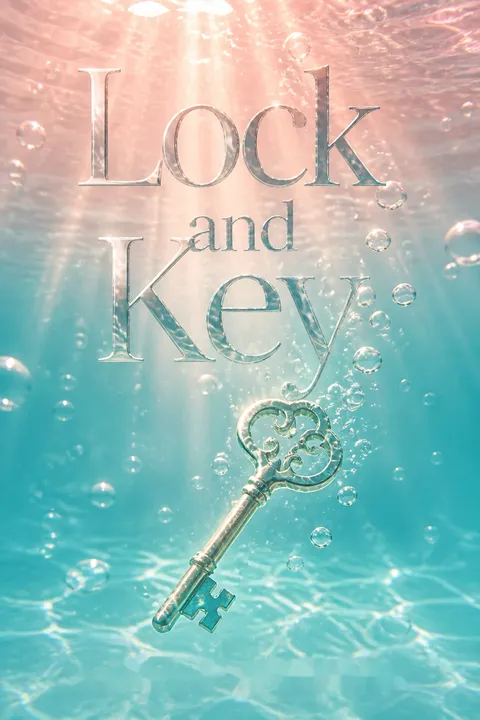
A portable pastRuby wears the key to the yellow farmhouse on a thin chain. It gives her a physical connection to the home she shared with her mother and to the version of herself who believed she could survive alone. Its weight recurs at moments when Ruby weighs escape against accepting help. The key also links Ruby's private history to Harriet's later jewelry designs, allowing a practical object to carry emotional meaning without requiring Ruby to explain it aloud.
Jamie and Cora's pond
A world made slowlyJamie builds a natural pond in the backyard, complete with a pump, plants, rocks, and fish. Ruby initially sees the project as an absurd luxury, but the pond becomes a shared responsibility and a place where she can observe change without controlling it. Its fish must be introduced gradually, and the water needs steady care. The pond's evolving state reflects the household itself: not instantly made into a home, but shaped through attention and repeated acts of maintenance.
Family oral-history project
A definition in progressRuby's English assignment asks her to collect other people's definitions of family. Olivia, Harriet, Reggie, Cora, and Jamie's relatives supply sharply different accounts, from blood ties and silence to comfort and chosen connection. The project gives Ruby a reason to listen to people whose experiences differ from hers, while Jamie's old family photograph offers a visible record of relationships changing over time. Ruby's eventual understanding grows from these specific accounts rather than from a simple dictionary entry.
Lost-luggage deliveries
The return of the missingRuby once accompanied her mother on overnight deliveries for Commercial Courier, returning misplaced luggage to travelers. The work gives Ruby an image of lost things finding their way back, even when they have passed through unfamiliar places and hands. This experience shapes how she imagines absence, especially when her mother disappears and later reenters her thoughts. The motif never promises that people can be restored unchanged; it instead gives Ruby a concrete way to think about recovery, return, and the limits of what can be reclaimed.
UMe and its connections
A network beyond proximityJamie founded UMe, a social-networking site that helps people maintain contact across distance. Its presence complicates the family's history, since Ruby and Cora were separated despite living within the same region, while online communication later helps Ruby remain connected to Nate. UMe also becomes part of Jamie's work and his public identity, but its deeper narrative function is to distinguish access from intimacy. A message can cross distance, yet people still need to choose whether to answer, listen, and remain present.
FAQ
Synopsis & Basic Details
What is Lock and Key about?
- Abandoned teen finds family: Lock and Key follows Ruby Cooper, a high school senior, who is abandoned by her alcoholic mother and forced to live with her estranged sister, Cora, and her husband, Jamie.
- Navigating new life: The story explores Ruby's journey as she adjusts to a stable, suburban life, a stark contrast to her previous chaotic existence, while grappling with her past and forming new relationships.
- Themes of family and identity: The novel delves into themes of family, identity, trust, and the challenges of letting go of the past while embracing new beginnings.
Why should I read Lock and Key?
- Emotional depth and realism: Sarah Dessen masterfully portrays the complex emotions of a teenager dealing with abandonment, offering a realistic and emotionally resonant narrative.
- Character-driven story: The novel focuses on character development, exploring the motivations and inner struggles of Ruby, Cora, and Jamie, making them relatable and compelling.
- Exploration of family dynamics: Lock and Key provides a nuanced look at the complexities of family relationships, highlighting the challenges of reconnecting after years of separation and the different forms family can take.
What is the background of Lock and Key?
- Contemporary suburban setting: The story is set in a modern suburban environment, contrasting the stability of Cora and Jamie's life with Ruby's previous transient existence.
- Focus on personal relationships: The novel primarily focuses on the personal relationships and emotional journeys of the characters, rather than historical or political events.
- Exploration of social issues: While not the primary focus, the novel touches on issues such as alcoholism, child abandonment, and the challenges faced by teenagers in unstable family situations.
What are the most memorable quotes in Lock and Key?
- "It's never something huge that changes everything, but instead the tiniest of details, irrevocably tweaking the balance of the universe while you're busy focusing on the big picture.": This quote highlights the theme of subtle changes and their profound impact on life.
- "You can't teach an old dog new tricks.": This recurring phrase, often used in reference to Roscoe, also reflects the characters' struggles with change and adaptation.
- "It's like things that were lost could be found again.": This quote encapsulates the theme of hope and the possibility of finding what was lost, both literally and metaphorically.
What writing style, narrative choices, and literary techniques does Sarah Dessen use?
- First-person perspective: The story is told from Ruby's point of view, allowing readers to intimately experience her thoughts, feelings, and perceptions of the world around her.
- Realistic dialogue: Dessen's use of realistic dialogue makes the characters relatable and authentic, capturing the nuances of teenage speech and interactions.
- Subtle symbolism and foreshadowing: The novel employs subtle symbolism, such as the key necklace, and foreshadowing to enhance the themes and create a sense of depth and complexity.
Hidden Details & Subtle Connections
What are some minor details that add significant meaning?
- The key necklace: Ruby's key necklace, initially a symbol of her past and what she's left behind, evolves to represent her connection to her family and her journey of self-discovery.
- Roscoe's anxiety: Roscoe's fear of the oven and other household appliances mirrors Ruby's own anxiety and discomfort with her new, unfamiliar environment.
- The UMe.com references: Jamie's ownership of UMe.com, a social networking site, subtly highlights the theme of connection and the different ways people seek it.
What are some subtle foreshadowing and callbacks?
- The mention of the pond: Jamie's initial description of the pond foreshadows its significance as a place of reflection and change for Ruby.
- The recurring image of the key: The key, both as a physical object and a symbol, is a recurring motif that foreshadows Ruby's journey of self-discovery and her eventual letting go of the past.
- The mention of the carpool: The initial mention of the carpool with Nate foreshadows their developing relationship and the role he will play in Ruby's life.
What are some unexpected character connections?
- Olivia and Ruby's shared past: The revelation that Olivia also attended Jackson High creates an unexpected bond between her and Ruby, highlighting their shared experiences and perspectives.
- Harriet and Ruby's shared independence: The connection between Harriet and Ruby, both independent women, reveals a shared understanding of the challenges and rewards of self-reliance.
- Jamie and Ruby's shared musicality: Jamie's love for music and his ability to play the guitar creates an unexpected connection with Ruby, who also has a deep appreciation for music.
Who are the most significant supporting characters?
- Olivia Davis: Olivia's role as a fellow Jackson High survivor and a friend who challenges Ruby's perspectives is crucial to Ruby's growth and self-discovery.
- Harriet: Harriet's character provides Ruby with a sense of independence and purpose, as well as a model of a woman who has built her own life and business.
- Gervais Miller: Gervais, despite his initial annoying behavior, becomes a source of support and understanding for Ruby, highlighting the unexpected connections that can form.
Psychological, Emotional, & Relational Analysis
What are some unspoken motivations of the characters?
- Cora's need for control: Cora's desire for order and control stems from her past experiences with chaos and instability, influencing her interactions with Ruby.
- Jamie's desire for connection: Jamie's enthusiasm for family traditions and his efforts to make Ruby feel welcome stem from his own desire for connection and belonging.
- Ruby's fear of vulnerability: Ruby's initial resistance to forming new relationships and accepting help stems from her fear of vulnerability and her past experiences with abandonment.
What psychological complexities do the characters exhibit?
- Ruby's trauma and resilience: Ruby exhibits the psychological complexities of a teenager who has experienced trauma, including her guarded nature, her fear of vulnerability, and her struggle to trust others.
- Cora's anxiety and control: Cora's anxiety and need for control are rooted in her past experiences with chaos and her desire to create a stable and secure environment for herself and her family.
- Jamie's optimism and avoidance: Jamie's unwavering optimism and his tendency to avoid conflict stem from his desire to create a harmonious and loving environment, but also from his own discomfort with difficult emotions.
What are the major emotional turning points?
- Ruby's discovery of her mother's location: The revelation that her mother is in rehab forces Ruby to confront her feelings about her mother and the life she left behind, marking a turning point in her emotional journey.
- Nate's departure: Nate's departure to Arizona forces Ruby to confront her feelings for him and her fear of loss, leading to a deeper understanding of her own emotions.
- Cora's pregnancy: Cora's pregnancy brings a mix of emotions to the household, forcing Ruby to reevaluate her understanding of family and her place within it.
How do relationship dynamics evolve?
- Ruby and Cora's sisterhood: The relationship between Ruby and Cora evolves from one of estrangement and misunderstanding to one of mutual support and understanding, as they learn to navigate their shared history and build a new bond.
- Ruby and Jamie's familial bond: Ruby's relationship with Jamie evolves from one of initial awkwardness to one of genuine affection and trust, as he becomes a source of stability and support in her life.
- Ruby and Nate's friendship and trust: The relationship between Ruby and Nate evolves from a casual acquaintance to a deep friendship and romantic connection, as they learn to trust and rely on each other.
Interpretation & Debate
Which parts of the story remain ambiguous or open-ended?
- Ruby's future with her mother: The novel leaves Ruby's future relationship with her mother open-ended, allowing readers to imagine the possibilities of reconciliation or continued estrangement.
- The long-term impact of Nate's departure: The novel does not fully resolve the long-term impact of Nate's departure on Ruby's life, leaving readers to wonder about the future of their relationship.
- The nature of family: The novel leaves the definition of family open to interpretation, highlighting the different forms it can take and the importance of individual choice in defining it.
What are some debatable, controversial scenes or moments in Lock and Key?
- Ruby's initial resistance to help: Ruby's initial resistance to accepting help from Cora and Jamie can be seen as both a sign of her independence and a reflection of her past trauma.
- Cora's controlling nature: Cora's controlling nature, while stemming from her desire to protect Ruby, can be seen as both a strength and a weakness, raising questions about the balance between care and control.
- Nate's decision to leave: Nate's decision to leave for Arizona, while necessary for his own well-being, can be seen as both a sign of his strength and a reflection of his inability to fully trust others.
Lock and Key Ending Explained: How It Ends & What It Means
- Ruby's acceptance of change: The ending of Lock and Key sees Ruby accepting the changes in her life, embracing her new family, and letting go of the past.
- Symbolism of the key: Ruby's decision to drop the key into the pond symbolizes her readiness to move forward and embrace the future, leaving behind the physical and emotional baggage of her past.
- Hope for the future: The ending offers a hopeful message about the possibility of healing and self-discovery, as Ruby finds strength in the connections she has formed and the new beginnings that lie ahead.
About the Author
Other books by Sarah Dessen




Download PDF
Download EPUB
.epub digital book format is ideal for reading ebooks on phones, tablets, and e-readers.








