

Plot Summary
Eleanor Among the Sleepers
Ruth, a London teacher raising her granddaughter Lily, meets her old school friends Christine, Sarah, and Fran. Christine admits that she recently found Ruth’s estranged daughter, Eleanor, sleeping rough outside a Tube station with a group of street people.
She gave Eleanor money and kissed her forehead, but the sight leaves Ruth shaken, especially when she learns how thin and changed Eleanor looks. Lily wakes and clings to Ruth, briefly restoring the room’s balance.
Her embrace takes Ruth back to a Christmas years earlier, when Eleanor reluctantly met her on a bleak strip of grass with her partner, Ben. Ruth’s carefully prepared picnic barely survives the strained visit. Then Eleanor reveals she is pregnant with a girl, and Ruth rushes to ask what the new family needs.
The Sickert Pays
Before Lily’s christening, Ruth sells a small Sickert painting, one of the few valuable things left by Eleanor’s father, and counts the money in a café toilet. The baby has already spent weeks in hospital, weak and struggling to feed after being exposed to drugs before birth.
At the church, Eleanor and Ben arrive late with a ragged group of friends; the other godparent is absent, so Ruth persuades Eleanor’s former teacher Sheila to stand in. The service lurches forward as Lily is passed between adults and her parents drift outside.
Afterwards Ruth gives Eleanor and Ben four thousand pounds for Lily and offers to take the baby for several days. Their quick agreement lets Ruth wheel Lily away, carrying her granddaughter and a fragile new claim on her care.
The Bedroom Under Coats
Ruth arrives at Eleanor’s flat with a cooked chicken, baby Lily, and the hope that the young parents are managing. The lower hallway looks orderly, but the stairs rise through rubbish, damp, and a sour smell into a cluttered room where food, cigarette ends, and old flowers cover the floor.
While shutting a cold bedroom window, Ruth notices a shoe beneath a mound of coats and realizes someone is lying motionless there. She tells Ben, who returns from the shops and insists he can deal with it.
Ruth leaves with Lily anyway, locks the car, and waits as an ambulance reaches the street. The encounter ends her willingness to treat their situation as temporary disorder. She begins planning a formal residence arrangement and a home where Lily will be safe.
A Daughter's Inherited Distance
Ruth’s memories reach back to her own father, who left her and her mother when Ruth was a child. She grew up trying to comfort her mother, who later survived drinking disinfectant, and learned early to treat care as a duty she had to perform perfectly.
As a young woman, Ruth began an affair with Luke, then Christine’s husband, while her mother was ill. Luke became Eleanor’s father, but he kept his distance, visited briefly, and eventually gave Ruth money and the Sickert painting in exchange for her agreement not to expect further support.
Eleanor was once affectionate and watchful of Ruth, but around thirteen she turned hostile, stayed out all night, and began using food to punish herself. Ruth cannot tell whether her daughter’s later self-destruction is rejection, illness, or both, and still keeps reaching for her.
Lily's Bright Small Kingdom
After a driver insults and spits at Ruth while she pushes Lily’s buggy, Ruth moves them from their dangerous street to a smaller flat on a quieter road. The change gives the two of them room to build an ordinary life: they travel to Majorca, learn to swim, share Saturday breakfasts, and let Lily’s monthly cream bun become a household holiday.
Ruth’s fear eases as Lily grows into a lively, thoughtful child who makes routines feel like a home rather than a defense. Eleanor visits less and less, arriving brittle and often unable to eat, while Lily becomes unusually still whenever her mother is present.
Ruth tries to make room for them as a family, but she cannot make Eleanor stay. Her new happiness is real, though it rests beside an absence she never stops noticing.
Birthday Interrupted by Police
When Lily is six, Ben’s mother tells Ruth that Ben is entering court-ordered treatment after a chequebook fraud conviction. Months later, Ruth recognizes him on a bus, gaunt and accompanied by a rough friend and a large dog; Lily waves, but Ben does not seem to know who they are.
On Lily’s seventh birthday, Eleanor calls Ruth in a confused state and sends her to a police station. Ruth cannot leave Lily’s party, so Jean goes instead and soon reports that Eleanor has been released.
The next day Ruth learns the truth: Eleanor has received a six-month sentence and serves almost four months. Ruth visits twice, bringing news of Lily and holding Eleanor’s hand, but Eleanor asks her not to return. When Eleanor leaves prison, Ruth waits at the gates and finds she has already gone.
The Letter at Dawn
After Eleanor’s release, Ruth phones repeatedly and leaves food at her door, but receives no answer. She writes a long letter proposing treatment, a fresh start, and a shared life, then wakes before dawn convinced that her appeal will only make things worse.
Ruth persuades the postman to retrieve it from the box, admitting that she is not the mother she wishes she were. Around this period, Christine asks Ruth to sit with Luke, now gravely ill; Ruth rubs his feet, stays beside him as he dies, and then helps Christine through the first hours of grief.
The intimacy unsettles Ruth because she spent years outside their marriage and now finds herself trusted at its end. Her instinct is still to care for others, even when she cannot persuade her own daughter to let her close.
Cancer Changes the Balance
When Lily is nearly fifteen, Ruth learns that cancer will require major surgery and a long operation. Lily takes notes beside her, then rides home holding Ruth as both try to absorb the scale of what lies ahead.
Ruth attends a support meeting for families affected by addiction, hoping to find a way to reach Eleanor; instead, the group’s advice to detach feels impossible, and Ruth breaks down over being unwanted as a mother. At home, Lily tells Eleanor about the operation. Eleanor says she will come to help, but does not appear that evening.
Lily makes a cake and puts the ingredients away when no one arrives. Ruth’s illness has reversed the familiar arrangement: Lily is becoming her steady caretaker, while the prospect of losing Ruth makes Eleanor’s long absence newly urgent.
The Last Hospital Visit
Ruth undergoes surgery, then struggles through treatment that repeatedly has to stop because of pain, infections, and her body’s violent reactions. Lily stays close, and once challenges a doctor who scolds Ruth for not enduring more.
A priest who baptized Lily years earlier visits Ruth in the ward, helping her face the shame and old hurt she has carried as a mother. Near the end, Lily sends Eleanor a card with the hospital details. Eleanor comes, holds Ruth’s hand, and appears healthier than before.
She tells Ruth she is receiving treatment and working at a day centre; Lily later confirms that Eleanor has stabilized on a methadone program. Eleanor apologizes and assures Ruth that she and Lily will manage together. Ruth cannot know how much to trust, but accepts the tenderness in the room and dies soon after.
The House After Ruth
Lily plays Danny Boy on her violin at Ruth’s funeral, then stays with Jean, whose comfortable home becomes a shelter for their awkward, shared grief. After writing Eleanor an invitation to collect anything she wants from Ruth’s flat, Lily returns there alone.
She finds Ruth’s two morphine bottles still full, a discovery that turns her promise to protect Eleanor into a frightening possibility of overdose. Jean arrives with coffee, food, and an offer to make a home together, while Lily admits she feels like a family reduced to one person.
She does not settle every question about the flat or Eleanor, but allows Jean to stay beside her. Jean then reveals that her fifteen-year-old granddaughter is expecting a baby. Lily offers to help, and the ending opens onto another generation that may need care.
Analysis
The novel treats care as a practice that is both loving and morally unstable. Ruth’s meals, money, knitted clothes, and hours in hospital are concrete acts of devotion, but they also let her feel that vigilance might compensate for what she cannot control. Her generosity protects Lily and sometimes makes Eleanor’s household look safer than it is. The same behavior can therefore be rescue, concealment, and an effort to keep a daughter within reach.
The family’s history turns abandonment into a repeating pattern without making it destiny. Ruth grows up caring for a mother left by a husband; she then has Eleanor with a man who offers money but not reliable presence. Eleanor’s addiction and withdrawal intensify that inheritance, while Lily becomes the child who receives Ruth’s steady attention. Yet Lily is not simply a repair for her mother’s losses. Her maturity includes noticing the cost of being made responsible for adults, and the book lets her remain uncertain rather than presenting her as a cure.
The shifts between Ruth’s and Lily’s perspectives change the meaning of the same acts. Ruth experiences her devotion as necessary and often fears that she has failed; Lily sees both the love and its weight. At Ruth’s death, no reconciliation can erase the years of absence, and Eleanor’s improvement cannot be verified as a permanent transformation. The ending instead places hope in limited, chosen commitments: Jean offers Lily a home, Lily offers help to a pregnant girl, and the next generation may receive care without being asked to repay it. The novel’s answer to grief is not closure but the possibility of making room for another person while knowing that love cannot guarantee their safety.
Review Summary
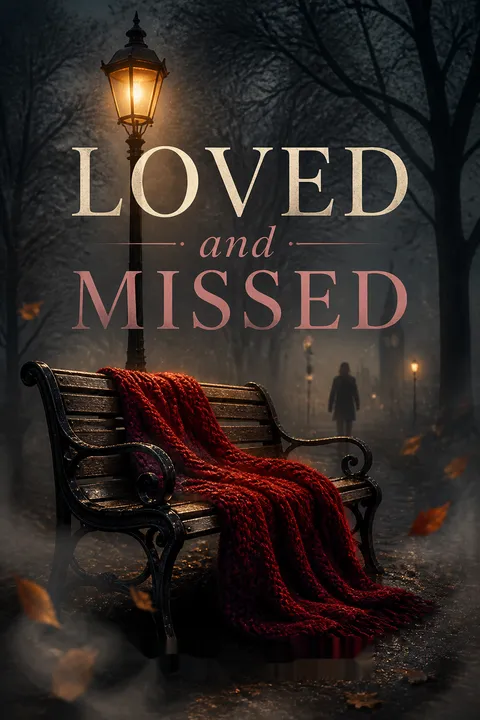
Loved and Missed by Susie Boyt is a heartbreaking exploration of a grandmother, Ruth, raising her granddaughter Lily after her drug-addicted daughter Eleanor proves unable to parent. Reviewers praise Boyt's spare, elegant prose that powerfully conveys the pain of estrangement and unconditional love without melodrama. Many readers were moved to tears by Ruth's resilience and the complicated dynamics between three generations of women. The novel examines themes of addiction, motherhood, grief, and the strength found in female friendships. While devastating, readers note hopeful moments and appreciate how Boyt explores love's aftermath when it cannot be received.
People Also Read










Characters
Ruth
The stubborn caretakerRuth is a teacher, Eleanor’s mother, and Lily’s grandmother. She notices what people need before they can ask, then tries to answer with food, clean clothes, money, and dependable presence. Her care can be generous, but it is also bound up with fear: she often believes that if she does not keep watch, someone she loves will disappear or come to harm. Ruth’s dry humor and literary mind help her examine her own motives, though insight rarely frees her from them. She wants to be honest without driving Eleanor away, a conflict that makes her alternately restrained, hopeful, and quietly fierce. Her relationship with Lily gives her daily purpose, but she knows a child cannot replace the daughter she longs to reach.
Eleanor
The unreachable daughterEleanor is Ruth’s daughter and Lily’s mother. Once bright, beautiful, and closely attached to Ruth, she grows guarded and difficult to reach as she struggles with addiction and a painful distrust of being managed. She reacts sharply to what she sees as false cheer or intrusion, leaving Ruth to guess which forms of help she can accept. Her life is marked by a fierce need for privacy, even when that privacy leaves her exposed to danger. Eleanor is not simply a source of worry for Ruth: she has intelligence, humor, and moments of tenderness that remain visible beneath her withdrawal. The strain between her and Ruth is intensified by their shared history of abandonment and by the expectations each carries about what a mother should be.
Lily
The observant granddaughterLily is Eleanor’s daughter and Ruth’s granddaughter. As a baby, she is fragile and unusually dependent on the adults around her; as she grows, she becomes thoughtful, artistic, and attentive to small details. She loves rituals, books, drawing, and making things, and she often tries to understand family tensions by listening carefully rather than demanding explanations. Her conscientiousness is a strength, but it can also make her seem older than her years, as if she feels responsible for keeping everyone steady. Lily’s bond with Ruth is warm and playful, yet she is not blind to the grief beneath it. Her relationship with Eleanor carries a mixture of curiosity, caution, and loyalty.
Jean Reynolds
The unsentimental allyJean is Ruth’s colleague, longtime friend, and a teacher who speaks to her pupils with an unusual candor. She is practical, funny, and sometimes tactless, but her bluntness is rarely a disguise for indifference. Jean understands that comfort is something one can build through food, warmth, routines, and showing up again the next day. She offers Ruth a different model of friendship from the careful, self-editing care Ruth often practices: Jean can challenge her, forgive her, and remain beside her without pretending to have easy answers. Her own disappointments make her alert to the ways women are asked to adapt to mistreatment rather than question it. She becomes an important adult presence in Lily’s life.
Ben
The drifting fatherBen is Eleanor’s partner and Lily’s father. He can seem warm, genial, and eager to please, but his good intentions do not reliably become sustained care. His relationship with Eleanor is shaped by shared instability, and he is often difficult for Ruth to read. Ben’s choices expose how charm and affection can coexist with neglect, leaving others to manage the consequences. He is also a figure through whom Lily’s uncertain connection to her parents becomes visible.
Christine
The old friendChristine is Ruth’s former school friend, once the magnetic center of their group. Her report of seeing Eleanor sleeping rough forces Ruth to confront a reality she has tried to hold at a distance. Christine is sharp, self-possessed, and capable of both generosity and emotional reserve. Her complicated history with Luke gives her a separate family story, while her friendship with Ruth shows how long bonds can survive years of silence and changing loyalties.
Luke
The absent fatherLuke is Christine’s husband for much of Ruth’s early adult life and the father of Eleanor. He is restless and protective of his privacy, drawn to the feeling of possibility beyond domestic life. His connection with Ruth begins during a period of grief and leaves her with both a child and a complicated sense of intimacy. The material help he provides does not become dependable fatherhood, and his absence shapes the expectations Ruth and Eleanor bring to their own bond.
Father Pat
The open-armed priestFather Pat is the priest who presides over Lily’s christening and later encounters Ruth again in hospital. He is energetic, community-minded, and willing to improvise when a family occasion begins to fall apart. His faith is expressed through practical welcome as much as ceremony, though he is still learning how to help people whose problems exceed his experience. His warmth gives Ruth a rare chance to speak about guilt without being pushed toward a tidy resolution.
Sheila O'Neil
The former pupilSheila is a former student of Ruth’s, remembered as a lively gymnast. At Lily’s christening she is tired and unwell, yet she accepts the role of godmother when the planned sponsor is absent. Her presence connects Ruth’s work as a teacher with the family she is trying to hold together.
Barbara Collins King
Ben's imposing motherBarbara is Ben’s mother. She contacts Ruth to explain Ben’s court-ordered treatment and lays down firm restrictions on Eleanor’s contact with him. Her manner is formal and controlling, but Ruth recognizes that fear and family pain may lie beneath her distance from Lily.
Plot Devices
The Sickert painting
Care converted into cashThe painting links Ruth’s past with Eleanor’s father to the urgent needs of Eleanor and Lily. Ruth sells it to produce a substantial gift for the baby, turning an old, uncomfortable inheritance into practical help. Its history also reveals the bargain Ruth once accepted from Luke: money and a small measure of security in exchange for expecting little else from him. The painting therefore serves both as a resource and as a record of how family support can be material without becoming emotional presence.
Food and domestic rituals
Love made physically usefulMeals, baby clothes, baths, packed lunches, and small shared celebrations recur whenever the characters cannot speak easily about what they feel. Ruth cooks and cleans to make Eleanor and Ben appear more capable to visiting professionals, then creates steady routines for Lily in their new home. These acts show care as labor, not merely sentiment. They also expose its limits: a cooked dinner cannot make Eleanor well, and a carefully prepared holiday cannot guarantee that she will arrive. Food makes affection tangible while keeping its uncertainty in view.
Letters and messages
Reaching across estrangementNotes, telephone calls, and letters become imperfect bridges between family members who cannot sustain direct conversation. Ruth writes Eleanor an appeal and retrieves it before delivery when she fears it will worsen their distance. Later, Lily sends Eleanor practical information about Ruth’s hospitalization, a simpler message that succeeds where a long emotional argument might fail. Communication in the novel is shaped by timing, vulnerability, and the recipient’s ability to respond. A message can invite connection, but it cannot force intimacy or determine what the other person will do.
Books, songs, and poems
Memory carried between generationsRuth’s teaching and reading life supplies a shared language when ordinary explanation falters. Poems and hymns let her express care at a christening and at a funeral; novels become part of the attention she gives Eleanor and Lily. Lily’s reading and violin playing carry those habits forward, while familiar songs become a form of comfort in the hospital. These works do not solve the family’s estrangement. Instead, they let affection persist in forms that do not require the characters to agree about the past or promise a perfect future.
Morphine and its bottles
A dangerous inheritanceMorphine first appears as medical relief for Lily during her difficult early hospitalization and later as part of Ruth’s own cancer care. In Lily’s final chapter, the remaining bottles in Ruth’s flat make her fear that Eleanor could use them during a relapse. The medication connects pain relief, addiction, caregiving, and the practical dangers that persist after a death. Its presence transforms Lily’s promise to protect her mother into an immediate problem, while the untouched bottles leave her facing uncertainty rather than a completed catastrophe.
Download PDF
Download EPUB
.epub digital book format is ideal for reading ebooks on phones, tablets, and e-readers.








