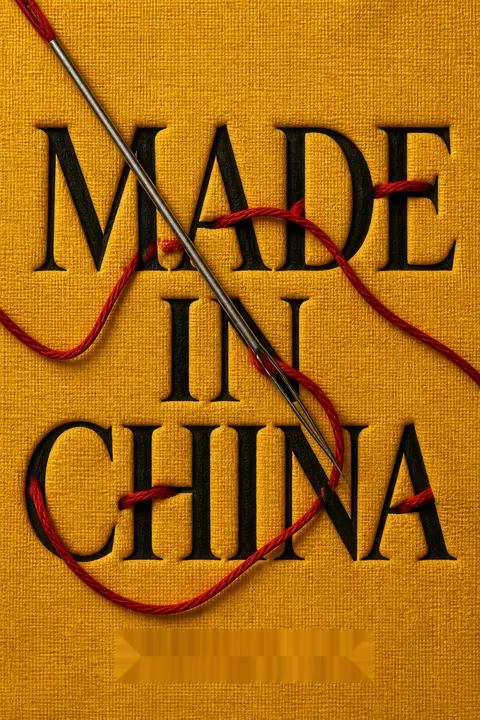


Key Takeaways
An American reunion can reunite a household without restoring a mother-daughter bond.
The waiting shaped her. After her father died, Anna’s mother left Wenzhou for the United States, leaving Anna with her grandparents. For five years, relatives soothed her with promises that her mother would return soon. At seven, Anna finally arrived in Queens and did not recognize the woman she had waited for. Her mother had remarried and built a household with two children, and Anna quickly learned that affection, food, and clothing were not shared equally.
Arrival was not attachment. In the new home, Wenzhounese became the language of correction, while Mandarin and English belonged to the family’s public life. Anna was expected to adapt, behave, and feel grateful, even as she mourned the life and grandparents she had left behind. Migration reunited them physically, but years apart and a family already formed made closeness anything but automatic.
What's striking is how the story separates migration success from emotional repair. A child can gain safety, schooling, and a new country while losing familiar caregivers and entering a household where belonging feels conditional. Attachment is built through repeated, dependable care, not simply through biological ties or a long-awaited reunion. The memoir also resists an easy verdict on the mother: her move creates opportunity and profound loss at once. That tension matters because immigrant stories are often measured by arrival, as if crossing a border settles the family story.
Count the hands behind the Queens factory's version of the American dream.
The factory ran on division. Anna’s parents owned a Queens garment shop employing about fifty regular workers. Fabric cutters, sewers, trimmers, steamers, packers, and drivers each handled part of an order. Anna’s own task was snipping loose threads from finished or nearly finished clothes. Some skilled sewers earned a few cents per piece, while others, including Anna, were paid by the hour. The pace was relentless, and workers had little information about deadlines or how much work remained.
Mobility had a labor cost. The factory helped Anna’s mother move from sewing work toward business ownership, buy a home, and support a more comfortable life for her children. Yet Anna was sent to work there after school and on weekends, and many employees had fewer choices and greater economic vulnerability than she did. The same enterprise could create opportunity for one family member and exploitative conditions for another.
The memoir makes social mobility visible at the level of hands, hours, and control over information. Labor sociology often asks who sets the pace, who captures the value, and who can refuse the work. Here, the answers change with a worker’s skill, language, status, and relationship to ownership. The family business complicates the usual picture of exploitation: Anna’s mother was both a former laborer and a boss. That complexity does not make conditions harmless. It shows why celebrating the owner’s ascent alone can hide the workers who made it possible.
When family calls unpaid care gratitude, notice who loses school time.
Older sister became a job. When a maid left, Anna’s mother made her responsible for the household. At thirteen, Anna collected her younger siblings, supervised homework and piano practice, prepared meals, cleaned rooms and bathrooms, and handled laundry and dishes. Her mother treated the work as an expected contribution, not a temporary emergency. The workload consumed the hours after school and left little time for Anna’s own assignments.
The cost appeared in class. Anna loved school and depended on teachers’ approval, but her grades fell as chores displaced study. Her mother had little formal education and saw survival as proof that schooling could wait; her stepfather’s education made him more attentive to the younger children’s academic prospects. The imbalance left Anna caring for others while her own potential received less attention. The family’s language of duty concealed a practical trade: her siblings’ routines came first, and her education absorbed the cost.
Family-systems researchers use the term parentification for situations in which a child takes on adult caregiving responsibilities. That lens helps name the mismatch between Anna’s age and workload without erasing the family’s economic pressures. It also clarifies why being called helpful or mature can conceal a loss of time, safety, and educational opportunity. The account invites a useful question: who benefits from a child’s competence, and who pays for it? Cultural duty can be meaningful, but it should not make a child’s needs invisible.
Treat official findings as evidence, not as the final word on memory.
The record said no abuse. As a teenager, Anna told a school counselor about the factory work and the treatment at home. She agreed to a report to child services, hoping for a way out. Years later, she requested the file and found that the agency had concluded there was no abuse. The document also contained redactions and errors, including a false statement that her father was alive and inaccurate details about her work and time in China.
A ruling cannot restore a childhood. The report unsettled Anna because she had trusted that telling the truth would bring recognition and protection. Instead, a government determination seemed to contradict what she remembered living through. The memoir does not claim that the file answers every question about what intervention would have meant. It does show that an administrative classification, shaped by available evidence and legal thresholds, is not a complete account of a child’s experience.
The distinction between an administrative finding and a lived account is essential. Child-protection systems must make decisions under evidentiary and legal constraints, and a failure to intervene does not by itself prove either that a child was safe or that officials acted maliciously. At the same time, a report can carry unusual authority for someone who sought help and was not believed. The memoir’s errors make that authority even harder to trust. Records can document institutional judgment, but they cannot substitute for careful listening or erase remembered harm.
A school counselor's call stopped factory shifts, not the family's emotional harm.
Disclosure changed the material conditions. Mrs. V., Anna’s school counselor, listened as she described the chores, isolation, and factory work. She explained that child labor rules limited how many hours a minor could work, then called child services after Anna agreed. Anna dreaded the consequences, but she stopped going to the factory. A social worker named Mary helped secure a part-time job at a dentist’s office, allowed Anna to keep her earnings, and helped her open a bank account.
Support made independence concrete. Years later, when Anna needed a parent to cosign college loans, Mary provided a letter documenting that her family would not support her. The letter helped Anna establish financial independence for aid purposes and remain in school. Neither adult could make Anna’s mother love her or repair the family. Their help mattered because it changed what Anna could do next.
This story distinguishes emotional validation from practical advocacy. A sympathetic listener can make a person feel seen, but access to income, documentation, and educational support changes the available choices. Social work often operates through these concrete levers, especially when an institution cannot compel a family to become affectionate or fair. The limits matter too: intervention can increase a young person’s fear, and outcomes depend on context and consent. In Anna’s case, support did not solve the relationship. It helped her build options outside it.
A glossy workplace can reproduce the same powerlessness as a sweatshop.
The setting changed; vulnerability did not. As an adult, Anna became an office manager at a technology startup with a high-rise view, modern equipment, and the appearance of rapid growth. Behind that image were unpaid invoices, layoffs, frozen budgets, and eventually missed wages. A company praised as a billion-dollar startup had previously claimed a valuation of roughly three billion dollars; the book says a later assessment put it closer to one hundred million. Many supposed client contracts were only nonbinding letters of intent.
Workers carried the risk. Employees waited for pay, answered creditors, and were encouraged to show enthusiasm even as the company’s finances deteriorated. The startup’s informal rules and promised perks differed from the factory’s visible routines, but both workplaces made workers dependent on decisions beyond their control. Anna recognizes how easily her identity becomes tied to being useful, loyal, and productive.
The contrast is not that factory work is honest and startup work is deceptive, or that every young company is unstable. It is that different workplace cultures can transfer risk to employees in different ways. Organizational psychology describes a psychological contract: the informal expectation that an employer will uphold promises of fair exchange. Delayed wages and concealed financial trouble violate that expectation sharply. Perks and mission language cannot replace transparent accounts, clear policies, and reliable pay. The memoir’s comparison shows how workplace glamour can obscure basic obligations.
Understanding a mother's hunger explains her choices, but does not erase their cost.
Scarcity traveled with her. Anna’s mother grew up poor in China, with little food and limited education. After Anna’s father died, she faced hardship as a young widow and eventually left for the United States, intent on building a more secure life. Her attachment to expensive clothes, jewelry, and a well-stocked kitchen reflected both achievement and memories of deprivation. A play set near the place where she grew up helps Anna recognize the historical pressures behind her mother’s drive to survive and advance.
Explanation is not absolution. Anna can see that her mother wanted a safer, more prosperous future for her children, while also remembering the abandonment, punishment, and unequal treatment she experienced. Good intentions did not make those experiences harmless. The memoir’s central moral difficulty is holding both truths: hardship shaped the mother, and the daughter still bears the consequences of her mother’s actions.
The account avoids two familiar simplifications: the parent as villain without history, and the parent as victim whose suffering excuses everything. Trauma can influence how people respond to scarcity, but it does not mechanically determine their behavior or remove adult responsibility. Structural pressures deserve attention alongside personal choices. The play offers Anna a way to imagine the forces shaping her mother without demanding that she surrender her anger. That distinction is useful in many family histories: context can deepen understanding while leaving accountability intact.
Let steady love teach you that neglect was not proof of unworthiness.
The reunion gave her another measure. After years of searching, Anna reaches her grandmother, Nie Nie, who welcomes her with tears, old photographs, and immediate tenderness. Nie Nie had kept pictures of Anna close for decades. Their ease together shows Anna a kind of affection she had spent much of her life hoping to obtain from her mother. She begins to understand that her mother may not be able to provide the particular closeness she wanted.
Love does not erase history. Nie Nie also refuses to turn the family into a simple story of innocence: she acknowledges that she beat her own children and does not condemn Anna’s mother. The reunion brings belonging and shared memories, not a perfect explanation or a repaired mother-daughter relationship. Anna can accept her grandmother’s love while recognizing the limits and costs of other family bonds.
A dependable relationship can challenge the conclusion that rejection reflects a person’s worth. In attachment terms, another trusted bond may offer a corrective experience, though it cannot erase earlier injuries or guarantee reconciliation with someone else. The reunion is especially powerful because it does not make the grandmother morally flawless. Her warmth coexists with a family history of violence and endurance. That complexity keeps comfort from turning into a fairy-tale resolution: Anna receives love, but the past remains real.
Analysis
Made in China is organized around three kinds of work: the labor that produces garments, the unpaid labor that holds a family together, and the emotional labor of making a painful history legible. Its structure moves between childhood memory and adult episodes, including a collapsing startup and a request for government records. Those shifts are not detours. They show Anna encountering familiar power imbalances in settings that look radically different, from a noisy Queens factory to a polished Manhattan office.
The memoir’s sharpest argument is not that migration fails, but that its successes are distributed unevenly. Anna’s mother gains economic security and status, yet the child brought to share that success experiences exclusion and coerced labor. The mother is simultaneously a migrant worker who escaped hardship, a business owner who benefits from a labor hierarchy, and a parent whose actions wound her daughter. The book refuses to flatten those roles into either a simple indictment or a redemption story.
Its objects carry the analysis: clothes, food, cash envelopes, a plane ticket, a bankbook, and a redacted report. Each makes an abstract relationship visible as a question of access: who receives the good food, who gets time to study, who can keep earned money, and whose account is accepted as credible. The reported child-services finding, especially its factual errors, underscores the gap between a life and the bureaucratic categories meant to describe it. The memoir does not claim that every disputed memory can be settled by a better document.
The ending offers connection without requiring reconciliation. Reuniting with Nie Nie gives Anna a living bond and a broader family history, but it does not undo the mother’s treatment or make the grandmother’s past innocent. That refusal of a tidy cure is the book’s ethical strength. Its portrait of resilience is not a demand that people endure more; it is an account of how survival can coexist with injury, and how naming the injury can make room for choices that were previously hidden.
Review Summary
Made in China is a memoir by Anna Qu about her experiences as a Chinese immigrant in America. Reviews are mixed, with some praising its honesty and exploration of generational trauma, while others criticize its disjointed structure and lack of depth. Many readers found the accounts of abuse and mistreatment difficult to read. Some appreciated Qu's attempt to understand her mother's perspective, while others felt the forgiveness seemed rushed. The book provides insight into immigrant experiences and family dynamics, but left some readers wanting more resolution or cohesion.
People Also Read

Glossary
section-work method
Garment assembly by taskA garment-production system in which different workers handle separate stages of making a piece of clothing, rather than one worker completing the whole garment. In Anna Qu’s family factory, workers cut fabric, sew pieces together, trim threads, steam, pack, and transport orders. The division of tasks supports production continuity when workers leave and helps control finished-garment quality.
sweatshop
Factory with labor violationsThe book cites the U.S. Department of Labor definition: a factory that violates two or more labor laws concerning matters such as wages, benefits, working hours, or child labor. It also describes a broader standard used by anti-sweatshop advocates, which includes living wages, safe conditions, reasonable hours, leave, and workers’ ability to organize.
emotional labor
Work of displaying expected feelingsIn Qu’s account of startup employment, emotional labor includes the expectation that employees show excitement, passion, and commitment, and present themselves as enthusiastic workers. This pressure exists alongside practical duties and can persist when a company is financially unstable. The performance of optimism may make employees feel isolated and anxious while discouraging honest discussion of risk.
emotional flashback
A return to traumatic feelingsA term Qu uses, drawing on psychotherapist Pete Walker, for an episode in which intense feelings connected to childhood trauma recur in the present. The person may feel overwhelmed by shame, sorrow, fear, or inadequacy, as though trapped again in an earlier experience. Qu describes having the name for this response as one source of relief.
amygdala hijackings
Threat response overriding reflectionA phrase Qu attributes to Pete Walker for episodes in which the brain’s threat response takes precedence over reflective decision-making. In the memoir, the phrase helps explain why a past traumatic experience can feel immediate and emotionally overpowering even when the person is physically safe. It is presented as a way to understand emotional flashbacks, not as a full explanation of every response.
filial piety
Duty toward parents and eldersA family and cultural ethic emphasizing respect, obedience, and care for parents and older relatives. Qu shows how the expectation of filial duty shapes her family’s ideas about a daughter’s behavior and gratitude. The memoir also reveals the tension that arises when duty is invoked to demand obedience from a child who is experiencing unequal treatment or harm.
FAQ
What's "Made in China: A Memoir of Love and Labor" about?
- Memoir of Immigrant Experience: The book is a memoir by Anna Qu, detailing her life as a Chinese immigrant in America, focusing on her childhood and the complexities of her family dynamics.
- Mother-Daughter Relationship: It explores the challenging relationship between Anna and her mother, highlighting themes of love, labor, and the pursuit of the American dream.
- Child Labor and Abuse: The memoir delves into Anna's experiences working in her family's garment factory as a child and the abuse she faced at home.
- Cultural and Personal Identity: It reflects on the struggles of balancing cultural identity and personal growth within the immigrant experience.
Why should I read "Made in China: A Memoir of Love and Labor"?
- Insightful Immigrant Narrative: The book provides a unique perspective on the immigrant experience, particularly the challenges faced by children in immigrant families.
- Emotional Depth: Anna Qu's storytelling is candid and emotionally resonant, offering a deep dive into her personal struggles and triumphs.
- Cultural Reflection: It offers a reflection on Chinese culture and the complexities of navigating life between two worlds.
- Inspiration and Resilience: Readers can find inspiration in Anna's resilience and determination to overcome adversity and find her own path.
What are the key takeaways of "Made in China: A Memoir of Love and Labor"?
- Complex Family Dynamics: The memoir highlights the complexities of family relationships, especially in immigrant families where cultural expectations and personal desires often clash.
- Impact of Childhood Trauma: It underscores the long-lasting effects of childhood trauma and the importance of addressing and healing from past wounds.
- Cultural Identity Struggles: The book explores the challenges of maintaining cultural identity while assimilating into a new society.
- Resilience and Self-Discovery: Anna's journey is one of resilience and self-discovery, emphasizing the power of perseverance and self-advocacy.
How does Anna Qu describe her childhood in "Made in China: A Memoir of Love and Labor"?
- Challenging and Isolated: Anna describes her childhood as challenging and isolated, marked by her mother's harsh treatment and the burden of working in a sweatshop.
- Cultural Displacement: She felt culturally displaced, struggling to fit in both at home and in American society.
- Lack of Support: Anna lacked emotional support from her family, which compounded her feelings of loneliness and alienation.
- Moments of Joy: Despite the hardships, there were moments of joy and connection, particularly with her grandmother, which provided some solace.
What role does the garment factory play in "Made in China: A Memoir of Love and Labor"?
- Symbol of Labor and Struggle: The garment factory symbolizes the labor and struggle that define much of Anna's childhood and her family's immigrant experience.
- Child Labor: It is where Anna was forced to work as a child, highlighting issues of child labor and exploitation.
- Family Dynamics: The factory is a central setting for the family dynamics, where Anna's mother exerts control and authority.
- Cultural and Economic Context: It provides a backdrop for understanding the economic pressures faced by immigrant families and the sacrifices they make.
How does Anna Qu's relationship with her mother evolve in "Made in China: A Memoir of Love and Labor"?
- Strained and Complex: The relationship is strained and complex, marked by a lack of understanding and emotional support.
- Moments of Connection: There are fleeting moments of connection and tenderness, but they are overshadowed by conflict and control.
- Impact of Cultural Expectations: Cultural expectations and the pressure to succeed in America exacerbate the tension between them.
- Path to Reconciliation: The memoir explores Anna's journey toward understanding and reconciling with her mother, though it remains a challenging process.
What are the best quotes from "Made in China: A Memoir of Love and Labor" and what do they mean?
- "The immigrant child longs to be understood and unload her truths, while simultaneously being tasked with preserving her parents’ humanity." This quote captures the dual burden faced by immigrant children, who must navigate their own identity while honoring their parents' sacrifices.
- "I used to think truth was eternal, that once I knew, once I saw, it would be with me forever." This reflects Anna's realization that truth is often elusive and must be actively remembered and understood.
- "So much of American rhetoric is about what we are owed. This graceful memoir is about the much trickier problem of what we deserve." This highlights the memoir's exploration of entitlement versus deservingness, particularly in the context of the immigrant experience.
- "I was a ghost haunting a family that wanted nothing to do with me." This poignant quote illustrates Anna's feelings of invisibility and alienation within her own family.
How does Anna Qu address cultural identity in "Made in China: A Memoir of Love and Labor"?
- Struggle for Belonging: Anna grapples with her cultural identity, feeling caught between her Chinese heritage and American upbringing.
- Cultural Expectations: The memoir highlights the cultural expectations placed on Anna by her family and the broader immigrant community.
- Assimilation Challenges: It explores the challenges of assimilation and the pressure to conform to American norms while maintaining cultural roots.
- Personal Growth: Anna's journey is one of personal growth, as she learns to embrace her cultural identity and find her own path.
What impact did Anna Qu's childhood experiences have on her adult life, as described in "Made in China: A Memoir of Love and Labor"?
- Resilience and Independence: Her childhood experiences instilled resilience and a strong sense of independence, driving her to succeed on her own terms.
- Emotional Healing: Anna's journey involves emotional healing and coming to terms with her past, which is a central theme of the memoir.
- Career and Identity: Her experiences shaped her career choices and her understanding of her identity as a Chinese American.
- Advocacy and Voice: The memoir reflects Anna's advocacy for herself and others, using her voice to share her story and inspire change.
How does "Made in China: A Memoir of Love and Labor" explore themes of love and labor?
- Interconnected Themes: Love and labor are interconnected themes, with Anna's family relationships deeply tied to the labor they endure as immigrants.
- Parental Sacrifice: The memoir examines the sacrifices made by parents in pursuit of a better life for their children, often at the cost of emotional connection.
- Labor Exploitation: It highlights the exploitation of labor, particularly in the context of immigrant families working in sweatshops.
- Search for Love: Anna's journey is also a search for love and acceptance, both within her family and in her own life.
What lessons can readers learn from "Made in China: A Memoir of Love and Labor"?
- Understanding and Empathy: The memoir encourages understanding and empathy for the immigrant experience and the complexities of family dynamics.
- Resilience and Perseverance: It teaches the importance of resilience and perseverance in overcoming adversity and finding one's own path.
- Cultural Reflection: Readers can gain insight into the cultural challenges faced by immigrants and the impact of cultural identity on personal growth.
- Healing and Forgiveness: The memoir emphasizes the power of healing and forgiveness in moving forward and building a better future.
How does Anna Qu's writing style contribute to the impact of "Made in China: A Memoir of Love and Labor"?
- Candid and Emotional: Anna's writing is candid and emotionally resonant, drawing readers into her personal experiences and struggles.
- Descriptive and Vivid: Her descriptive and vivid storytelling brings the settings and characters to life, making the memoir engaging and relatable.
- Reflective and Insightful: The memoir is reflective and insightful, offering deep reflections on cultural identity, family dynamics, and personal growth.
- Narrative Structure: The narrative structure effectively weaves together past and present, allowing readers to see the connections between Anna's childhood and adult life.
Download PDF
Download EPUB
.epub digital book format is ideal for reading ebooks on phones, tablets, and e-readers.








