

Key Takeaways
Hard work cannot outrun wages that fail to cover the cost of staying housed.
Work without a cushion. Stephanie Land’s daughter, Mia, takes her first steps in a homeless shelter. Land is working, first at landscaping and occasional cleaning, but a lost paycheck or unsafe relationship can still leave them without a home. The memoir’s central tension is not whether she tries hard enough. It is whether her work can produce enough stability to keep her child safe.
The numbers stay tight. Cleaning company jobs pay close to minimum wage, offer inconsistent hours, and leave little room for illness, repairs, or missed shifts. Even when Land works more, added expenses and reduced assistance can absorb the gains. Her story challenges the assumption that effort reliably leads to security when the pay and conditions make security nearly impossible to build.
What's striking is how the memoir separates effort from outcome. Land is industrious, organized, and persistent, yet those qualities cannot make an unreliable car, low wages, and childcare costs add up. That distinction matters in debates that treat poverty as a problem of motivation. The account also resists a simple hero story: extraordinary endurance is visible, but it is not a sensible substitute for fair pay, predictable schedules, and basic protections. The reader is invited to judge the conditions around the worker, not just the worker's capacity to endure them.
Make assistance easier to reach, not another test of moral worth.
Help takes work. Land needs seven forms of support, including food assistance, health coverage, childcare, housing help, and a college grant. Each requires applications, records, appointments, and repeated explanations of her income. Shelter rules add curfews, inspections, and possible urine tests. The system offers real help, but accessing it becomes another job for a parent already juggling paid work and childcare.
Stigma follows the benefits. At the supermarket, a stranger treats her food assistance as a personal gift from taxpayers. Land also describes long waits for housing vouchers and landlords unwilling to rent to people using them. Assistance keeps families fed and housed, yet public judgment frames recipients as undeserving. The memoir shows how policy can provide a lifeline while its procedures and social stigma make people feel watched and suspect.
Public policy has a hidden price: the time and emotional energy required to understand, apply for, and retain support. That cost falls hardest on people with the least schedule flexibility. Land's account makes administrative friction concrete, from arranging childcare for a required class to bringing fresh proof of income. Rules can protect public resources, but paperwork and surveillance are imperfect measures of need or character. A humane system would preserve accountability while reducing the burden of repeatedly proving circumstances that are already documented.
Notice the person behind the clean house and the invisible labor.
Comfort has a workforce. Land cleans clients’ bathrooms, kitchens, and floors, often alone and without being introduced by name. At one company, she earns $8.55 an hour during training, then nine dollars, while travel between houses is unpaid. The work involves close attention to every surface, but clients may barely register the person doing it. Her employers can set a schedule, yet the pay offers no sick leave, health benefits, or dependable path to full-time hours.
The body keeps score. Repeated scrubbing aggravates Land’s back and a nerve in her arm. She works through illness because missing wages could threaten rent and childcare. The job’s invisibility is not only social. Its physical costs and unpaid time are also easy to overlook when a home simply appears clean.
Domestic labor exposes a contradiction in how work is valued: the result is treated as essential, while the worker can be treated as incidental. The home becomes a workplace, but the labor is often hidden from the household's social life and from conventional measures of productivity. Land's physical pain adds another layer: a spotless room may conceal a worker's injury as effectively as it conceals dust. Respect cannot stop at kind words. It also requires wages, safety, and working conditions that recognize the labor behind the finish.
Leaving abuse can look like instability to institutions that ignore danger.
Safety is not always legible. When Jamie threatens Land and punches through a door, she calls a domestic violence hotline and the police. The damage gives her something visible to point to after months of frightening behavior that left no marks. She keeps the police report because it confirms that what happened was real.
Poverty complicates the story. Land leaves with Mia, becomes homeless, and fights for custody. In court, her lack of stable housing and her depression are presented as evidence against her, while the danger that drove her out is harder to make visible. She wins custody and finds housing, but the experience exposes a painful mismatch: institutions may recognize a stable address more readily than the reasons a parent had to leave one.
This account highlights a problem of institutional legibility: systems often act on what can be documented, while coercion and fear may be harder to prove. A damaged door becomes evidence, but the months of intimidation that came before it are less visible. Courts and agencies do need reliable information, yet a neat address or income statement cannot stand in for a full assessment of safety. The memoir makes a strong case for procedures that take domestic violence seriously without treating poverty itself as proof of parental unfitness.
Protect small family rituals when the rest of life keeps shifting.
Predictability becomes care. Land and Mia move repeatedly, change caregivers, and endure tense transitions between homes. Land responds by keeping bedtime and bath routines as consistent as she can. A familiar sequence, a shared story, and the same reassuring goodnight help give Mia something dependable amid housing and family upheaval.
Writing preserves attention. Land begins a blog called “Still Life with Mia,” recording ordinary moments such as pancakes, beach walks, and her daughter painting. The writing helps her notice a life that hardship could otherwise reduce to appointments, bills, and work. It is not proof that material problems do not matter. It is a way to hold on to tenderness while working through them.
The memoir's attention to routine offers a useful distinction between stability and perfection. A child does not need every day to be easy for a caregiver to offer consistency, and a small ritual can make care perceptible when circumstances are chaotic. Writing serves a similar function for Land: it directs attention toward experiences that scarcity tends to crowd out. There is a limit, though. Rituals can anchor a family, but they cannot replace safe housing, adequate food, or time. The strength here is holding both truths together.
Scarcity makes one broken car or missed shift a survival crisis.
There is no spare margin. Land depends on her car to reach clients, childcare, and Mia’s father. After a crash destroys the vehicle, she faces lost wages, replacement costs, and the frightening possibility of losing work. Even though the other driver’s insurer accepts responsibility, the immediate aftermath includes a police ticket, uncertainty about money, and the need to find another car.
A setback travels. The accident comes after Land has spent years managing illness, housing changes, and unpredictable income. She returns to work while still shaken because bills do not pause for recovery. Earlier, she also cleans through back pain and respiratory illness because missing hours carries a financial penalty. One emergency can threaten several parts of a precarious life at once.
The accident shows how financial fragility works as a chain reaction. A damaged car is not merely a transportation problem when income, childcare, and family contact all depend on it. In a household with savings and backup options, the same event may be disruptive. Without those buffers, it can threaten the entire arrangement. The memoir's portrait of endurance is moving, but it should not be mistaken for a recommendation to push through every crisis. Resilience matters; so does having enough slack that a single shock does not become a cascade.
Measure a home by care and safety, not square footage.
A large house is not a guarantee. Cleaning work lets Land glimpse clients’ private lives. The Sad House belongs to an older widower surrounded by reminders of his late wife and son. The Porn House suggests a couple living apart within the same home. These homes are comfortable, but their possessions do not erase grief or loneliness.
Small can still mean home. Land and Mia’s studio is cramped, cold, and troubled by black mold, which contributes to their illnesses. Its limitations are real, not romantic. Yet Land also sees that the room they share can feel like home because they care for each other there. The memoir rejects both extremes: bigger homes do not guarantee connection, and love cannot make unsafe housing acceptable.
The contrast between the clients' houses and Land's studio is not an argument against material comfort. Mold, cold, and overcrowding have tangible consequences, and a loving parent should not have to accept them as a test of character. Instead, the contrast separates two ideas often confused: the amenities that support a good life and the relationships that give a home meaning. Land notices that material abundance cannot purchase intimacy, while also showing that affection alone cannot fix harmful living conditions.
Let community carry some weight that individual endurance cannot.
Help becomes tangible. When Land must leave Travis’s farm, she asks friends for donations to cover a rental deposit. They send money, dishes, a bed, and household items. Her boss offers storage space and extra work. Clients sometimes leave food or small gifts, and Grandma Judy tells Land she sees her as a good mother. These gestures do not solve poverty, but each makes a specific part of survival easier.
Support is uneven. Land’s parents are often emotionally or practically unavailable, and a friend once uses her tax contribution to shame her for receiving benefits. The memoir does not present community as universal kindness. It shows that material assistance, dependable childcare, and being listened to can matter enormously when family support is absent.
This is a grounded account of social support because help appears as objects, time, work, and recognition, not as vague encouragement. A bed changes where a person sleeps. A donation makes a deposit possible. A trusted adult can help a parent see herself more clearly. Such support can function as informal infrastructure, though it is not equally available to everyone and should not replace public provision. The memoir's strongest implication is that accepting help need not diminish agency. Often, it is what makes agency possible.
Let a dream become a practical route toward a safer life.
A dream needs scaffolding. Land has wanted to study writing in Missoula since before Mia was born. For years, the move seems impossible. A scholarship for survivors of domestic violence, student loans, and a new housing arrangement give her room to reconsider the plan. She visits first, then begins the difficult process of relocating with Mia and changing their life.
The ending stays human. Missoula offers Land a stronger sense of belonging, but the move does not erase hardship. Mia struggles with the transition, and Land continues working, studying, and finding childcare. Their later hike up Sentinel, the mountain overlooking the city, gives the journey a vivid marker: they have reached a place they can call home, not because the struggle vanished, but because new possibilities opened.
The move is most persuasive when read not as destiny rewarding optimism, but as a decision made possible by concrete supports. Land needs funding, housing, work, and a workable custody arrangement; desire alone cannot supply them. The ending honors ambition without turning success into a moral lesson that anyone can simply choose a better life. It also gives place a serious role. Community and belonging are not decorative benefits. They affect whether a person can imagine a future worth planning for.
Analysis
Maid is a memoir of work, motherhood, and movement through housing insecurity, but its deeper subject is the distance between effort and security. Land does not lack discipline. She cleans, landscapes, studies, completes benefit applications, manages custody arrangements, and tends to Mia. The recurring problem is that each task consumes time and energy without reliably producing a buffer against the next emergency. A car repair can threaten employment. A sick child can threaten wages. A housing program can require appointments that themselves cost work hours. The story makes precarity visible as a system of linked pressures, not a single bad decision.
The cleaning work gives the book its sharpest social lens. Land enters comfortable homes as a worker and learns their intimate details while remaining nearly invisible to their owners. That contrast makes domestic labor legible to readers who may otherwise encounter only the polished result. Her clients are not simply foils: some are lonely, grieving, or ill, and some show her real kindness. Their varied lives complicate easy assumptions about wealth, virtue, and happiness without softening the book's critique of low pay and unequal security.
The memoir also refuses to make resilience a clean ending. Land's persistence matters, but so do scholarships, rental arrangements, friends, employers, and public benefits. The narrative's eventual move to Missoula should not be read as proof that determination alone defeats poverty. It shows what becomes possible when a person can finally use some energy to plan beyond the next bill.
As testimony, this is one person's remembered experience, shaped from journals, photographs, and other records, rather than a statistical account of every low-wage worker or single parent. Its power lies elsewhere: in precise scenes that reveal how public rules, private relationships, work, and shame converge in one life. The reader is asked to notice not only how Land survives, but how much effort society requires just to keep survival going.
Review Summary
Maid received mixed reviews, with readers praising Land's honest portrayal of poverty and single motherhood but criticizing her perceived lack of self-reflection and judgmental attitude. Many found the book eye-opening about the struggles of the working poor, while others felt it lacked depth and analysis. Some readers connected with Land's experiences, while others found her choices frustrating. The writing style and structure were also debated, with some finding it engaging and others disjointed. Overall, the book sparked discussions about poverty, privilege, and the challenges of escaping financial hardship.
People Also Read









Glossary
SNAP
Food assistanceThe Supplemental Nutrition Assistance Program, described in the memoir as food assistance delivered through an electronic benefit card. Land relies on its monthly balance to buy groceries for herself and Mia. The program helps with food costs, but the amount must stretch across the month, and using it can expose recipients to public judgment.
WIC
Nutrition assistanceA nutrition assistance program that Land uses through coupons or checks for eligible foods such as milk, eggs, cheese, and peanut butter. The memoir shows how detailed purchase rules can make checkout stressful, especially when a cashier or store system rejects an item. The benefit supports a family's food budget but does not provide unrestricted cash.
Tenant-Based Rental Assistance (TBRA)
Rental cost supportA housing program Land's caseworker describes as similar to Section 8. It reduces the share of rent a low-income tenant must pay, with program funds covering the remaining approved amount. Land must find a participating landlord and a unit that meets safety requirements, so the assistance does not automatically guarantee a suitable home.
Section 8
Housing voucherA rental assistance voucher that, as explained in the memoir, limits a tenant's rent contribution according to income while the program pays an approved share. Land encounters long waiting lists and learns that some landlords refuse voucher holders. A unit must also pass basic standards, which can narrow the already limited housing options.
Pell Grant
College tuition grantFederal financial aid for low-income students that helps pay college tuition. Land receives a Pell Grant that covers more than her tuition for a quarter, leaving some funds for living costs. The support makes college possible, but it does not remove the demands of childcare, textbooks, rent, work, and caring for Mia.
Women's Independence Scholarship Program (WISP)
Survivor education scholarshipA scholarship program for survivors of domestic violence. Land applies with support from an advocate and must assemble extensive paperwork and references. Funds are awarded through a sponsoring organization and can help cover education-related needs and living costs. The scholarship provides Land with a crucial financial opening to remain housed and consider visiting Missoula.
Earned Income Tax Credit
Low-income tax creditA tax credit Land receives along with the Child Tax Credit, producing a refund of nearly four thousand dollars in the year described. The refund lets her address car repairs, household essentials, and other deferred needs. In the memoir, this one-time payment offers breathing room, but it does not create reliable income for future months.
FAQ
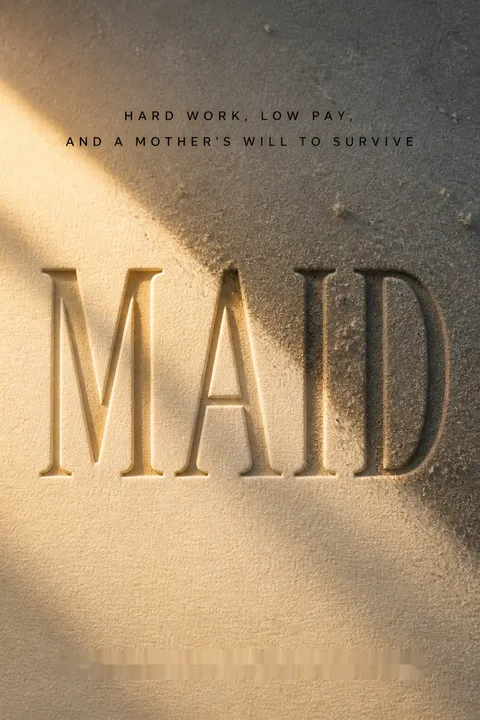
What's Maid: Hard Work, Low Pay, and a Mother's Will to Survive about?
- Personal memoir of struggle: The book is a memoir by Stephanie Land, detailing her life as a single mother living in poverty while working as a maid. It explores her journey through various living situations, including homeless shelters and transitional housing.
- Insights into domestic work: Land provides a raw look at the realities of domestic work, highlighting the physical and emotional toll it takes on workers and the societal prejudices they face.
- Themes of resilience and survival: The memoir explores resilience, the struggle for dignity, and the complexities of motherhood amidst economic hardship, offering both a personal narrative and a broader commentary on poverty in America.
Why should I read Maid: Hard Work, Low Pay, and a Mother's Will to Survive?
- Eye-opening perspective: The book offers a unique view of the challenges faced by low-wage workers and single parents, shedding light on systemic issues surrounding poverty.
- Relatable storytelling: Land's deeply personal and relatable writing makes it easy for readers to connect with her experiences and her determination to create a better life for her daughter.
- Encourages empathy: The memoir fosters empathy for those in similar situations, challenging readers to reconsider their views on poverty and the working class.
What are the key takeaways of Maid: Hard Work, Low Pay, and a Mother's Will to Survive?
- Complexities of poverty: Poverty is depicted as a complex web of circumstances, including systemic barriers and personal struggles, rather than just a lack of money.
- Support systems' importance: Land highlights the significance of community and support systems, discussing the role of government assistance as a lifeline for single parents and low-wage workers.
- Resilience and determination: Land's journey showcases incredible resilience and determination to provide for her daughter, emphasizing the strength of single mothers.
What are the best quotes from Maid: Hard Work, Low Pay, and a Mother's Will to Survive and what do they mean?
- “Making a living vs. making a life”: This quote highlights the difference between mere survival and living a fulfilling life, reflecting Land's struggle to balance work and motherhood.
- “Poverty as probation”: This quote illustrates the stigma and judgment faced by those in poverty, emphasizing how society often views poverty as a personal failing.
- “Love your coffee”: This quote speaks to the small comforts that become essential in difficult times, symbolizing resilience and a way to cope with challenges.
How does Maid: Hard Work, Low Pay, and a Mother's Will to Survive address the stigma of poverty?
- Judgmental experiences: Land shares encounters with judgmental attitudes, such as being scrutinized while using food stamps, highlighting societal stigma.
- Class prejudice: The memoir discusses class prejudice faced by low-wage workers, challenging stereotypes by showcasing Land's intelligence and determination.
- Invisible labor: Land emphasizes the invisibility of domestic workers, aiming to humanize those who perform essential but often overlooked work.
What challenges does Stephanie Land face in Maid: Hard Work, Low Pay, and a Mother's Will to Survive?
- Housing instability: Land recounts experiences with unstable housing, including homeless shelters, highlighting difficulties in finding safe, affordable housing.
- Balancing work and motherhood: She grapples with the demands of her job as a maid while trying to be a present mother, affecting her mental and emotional well-being.
- Navigating assistance: Land discusses reliance on government assistance, detailing bureaucratic hurdles and the stigma of receiving help.
How does Maid: Hard Work, Low Pay, and a Mother's Will to Survive depict the role of government assistance?
- Lifeline for survival: Government assistance is portrayed as crucial for survival, not as handouts but necessary support for those in need.
- Bureaucratic challenges: The memoir highlights bureaucratic obstacles in applying for assistance, adding stress to Land's situation.
- Stigma and judgment: Land addresses the stigma of receiving assistance, advocating for a compassionate understanding of those who rely on these programs.
What is the significance of the title Maid: Hard Work, Low Pay, and a Mother's Will to Survive?
- Symbol of hard work: The title reflects the dedication Land puts into her job, reminding readers of the overlooked labor of domestic workers.
- Exploration of identity: It speaks to Land's struggle with her identity as a maid and a mother, grappling with societal perceptions and self-worth.
- Challenge to stereotypes: By using "maid," Land challenges stereotypes associated with domestic work, humanizing the profession.
How does Maid: Hard Work, Low Pay, and a Mother's Will to Survive illustrate the concept of resilience?
- Personal determination: Land's story is a testament to her resilience and determination to provide for her daughter despite overwhelming obstacles.
- Love for her daughter: Her love for Mia serves as a driving force, motivating her to push forward even when odds are against her.
- Community strength: Land emphasizes the importance of community support, sharing how relationships help her navigate challenges.
How does Maid: Hard Work, Low Pay, and a Mother's Will to Survive address the issue of poverty?
- Real-life experiences: Land shares personal experiences with poverty, detailing daily struggles of making ends meet while working as a maid.
- Systemic barriers: The book discusses systemic issues perpetuating poverty, such as inadequate access to healthcare and affordable housing.
- Stigma and misconceptions: Land confronts stigma associated with being poor, challenging assumptions about low-income families.
What methods does Stephanie Land use to cope with her challenges in Maid: Hard Work, Low Pay, and a Mother's Will to Survive?
- Writing as therapy: Land uses writing to process her experiences and emotions, serving as a therapeutic outlet.
- Building community: She emphasizes the importance of community support, seeking connections to help navigate challenges.
- Resilience and determination: Her unwavering determination to provide for her daughter is a central theme, showcasing resilience.
What impact does Maid: Hard Work, Low Pay, and a Mother's Will to Survive have on readers?
- Increased awareness: The memoir raises awareness about poverty realities and struggles faced by low-wage workers.
- Empathy and understanding: Land's narrative fosters empathy, humanizing experiences of those often unseen.
- Inspiration for change: The book serves as a call to action, inspiring readers to advocate for social change and support policies addressing economic inequality.
About the Author
Other books by Stephanie Land
Download PDF
Download EPUB
.epub digital book format is ideal for reading ebooks on phones, tablets, and e-readers.








